The Langtang Gosaikunda Trek explores the majestic mountains and spiritual alpine lakes along with the Tamang culture. It is also one of the best treks in Nepal. Starting with a scenic drive from Kathmandu to Syabrubesi, the journey quickly immerses trekkers in lush forests, cascading rivers, and wildlife-rich trails. The early stages lead through Lama Hotel and Langtang Village, where the snow-clad peak of Langtang Lirung dominates the horizon, and traditional villages showcase the warmth of local hospitality.
From Langtang, the route ascends to Kyanjin Gompa, a spiritual and cultural highlight surrounded by breathtaking Himalayan panoramas. Here, trekkers can hike to Tsergo Ri or Kyanjin Ri for spectacular 360° views of Yala Peak, Dorje Lakpa, and the Ganja La range. Retracing part of the valley, the trek continues through picturesque Tamang settlements like Thulo Syabru and Sing Gompa, blending cultural encounters with natural beauty. Each day offers a mix of rhododendron forests, waterfalls, monasteries, and mountain vistas.
The journey reaches its spiritual climax at Gosaikunda Lake (4,380 m), a sacred pilgrimage site revered by both Hindus and Buddhists. Crossing the high Laurebina La Pass (4,610 m) adds adventure and rewards trekkers with sweeping views of the Langtang and Ganesh Himal ranges. The final days descend through alpine forests and charming villages, with stops in Kutumsang and Chisapani before returning to Kathmandu via Sundarijal. This itinerary offers the perfect blend of adventure, culture, and spirituality, making the Langtang Gosaikunda Trek a true, one of a kind experience in the Himalayas.

| Day | Details |
|---|---|
| Day 1 | Drive from Kathmandu to Syabrubesi |
| Day 2 | Trek from Syabrubesi to Lama Hotel |
| Day 3 | Trek from Lama Hotel to Langtang village |
| Day 4 | Trek from Langtang village to Kyanjin Gompa |
| Day 5 | Exploration Day - Hike to Tsergo-Ri or Kyanjin Ri |
| Day 6 | Trek from Kyanjin Gompa to Lama Hotel |
| Day 7 | Trek from Lama Hotel to Thulo Syabru |
| Day 8 | Trek from Thulo Syabru to Cholangpati |
| Day 9 | Trek from Cholangpati to Gosainkunda Lake |
| Day 10 | Trek from Gosainkunda to Ghopte via Laurebina La Pass (4,610 m) |
| Day 11 | Trek from Ghopte to Kutumsang |
| Day 12 | Trek from Kutumsang to Chisapani |
| Day 13 | Trek from Chisopani to Sundarijal and drive to Kathmandu |
After an early breakfast, we leave Kathmandu (1,335M) and drive along the Trishuli River toward Syabrubesi. The journey offers views of terraced fields, rural villages, and distant snow-clad mountains. The road is smooth until Trishuli Bazaar, after which the route becomes winding as we ascend through Dhunche before descending to Syabrubesi. This tiny town is the starting point to Langtang and is nestled in green hills with the added flair of hot springs on its bank for these wearied from trekking.
Our trek officially begins as we cross the Bhote Koshi River and follow the Langtang Khola. The trail passes through bamboo groves and subtropical forests where red pandas and langurs may be spotted. Gradual ascents lead us to Bamboo village and onward to Rimche before reaching Lama Hotel (2,480 m), nestled in a forested valley beside the Langtang River.
We continue through dense oak and rhododendron forests with glimpses of Langtang Lirung peeking above. The valley widens as we reach Ghoda Tabela, where Tibetan resettlement history is evident. After registering at the army check post, we trek past prayer wheels, water-driven mills, and fluttering prayer flags before arriving at Langtang Village (3,430 m), a traditional Tamang settlement surrounded by mountain vistas.
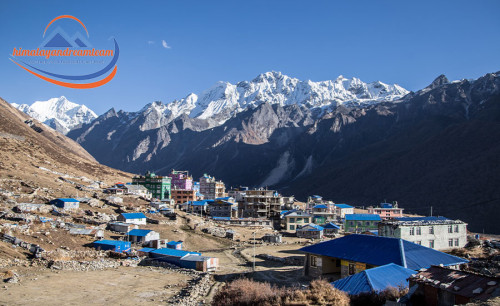
A shorter day of trekking brings us through yak pastures, small streams, and moraine ridges. The valley opens dramatically with spectacular Himalayan panoramas. We arrive at Kyanjin Gompa (3,870 m), named after the centuries-old monastery. This village is also home to a famous cheese factory and offers sweeping views of Langtang Lirung.
For an adventurous acclimatization, we trek to one of the nearby Kyanjin viewpoint. Tsergo-Ri (4,985 m) is a steep ascent, but offers trekkers one of the best 360° panoramas of many distinct peaks: Yala Peak, Gangchempo, Langtang Lirung, the entire Ganja La range, and Dorje Lakpa. The Kyanjin Ri (4,773m) offers more Himalayan beauty and is a much shorter climb. We spend the night Kyanjin Gompa.
Following the same pathway, we go back down the Langtang Valley. We encounter alpine meadows and forests where we stop to enjoy lunch at Ghoda Tabela, before descending down to spend the night at the Lama Hotel.
This part of the trip is one of the best parts of the trip. The sight of the waterfalls and the endless rich forests of rhododendrons that fills the air with a dreamy scent just brightens the day. As we enjoy the beautiful views, we are excited to spot the ever-so-friendly wildlife including wild boar and monkeys. We make a stop at the suspension bridge and gleefully cross it. Upwards from the bridge is Thulo Syabru, a Tamang village with fantastic views of Ganesh Himal.
The trail climbs gradually through oak, hemlock, and rhododendron forests. After passing the army checkpoint, we ascend to Sing Gompa, known for its small cheese factory and monastery. Continuing higher, we arrive at Cholangpati (3,650 m), a peaceful stopover before Gosainkunda.
A spectacular day as we climb to Laure Binayak and continue on a rugged trail with panoramic views of Langtang Himal, Ganesh Himal, and the Annapurnas. Soon, the sacred lakes come into view Saraswati Kunda and Bhairav Kunda before reaching Gosainkunda (4,380 m), a revered pilgrimage site for Hindus and Buddhists. The turquoise waters surrounded by snowy peaks create a spiritual atmosphere.
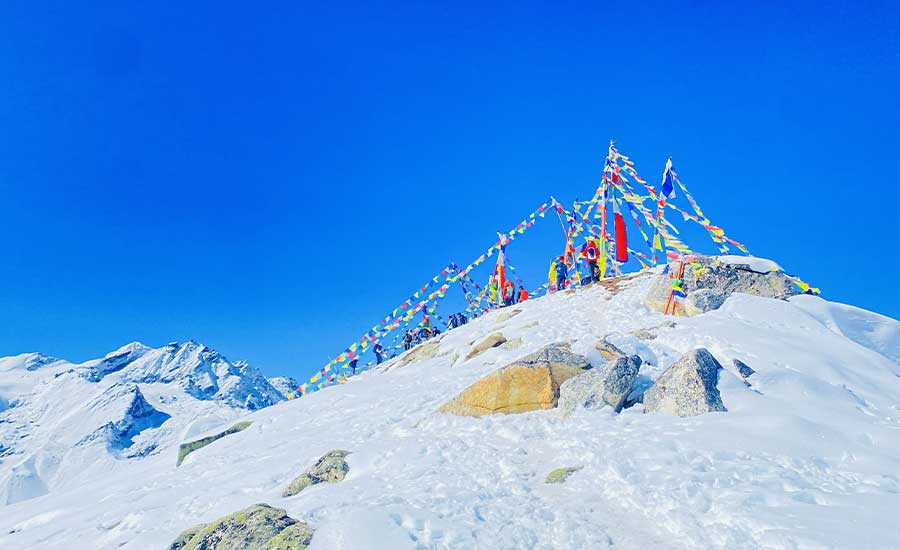
We cross the highest point of the trek, Laurebina La Pass, marked with colorful prayer flags and stone cairns. The trail then descends steeply past alpine valleys and rocky ridges to Phedi and continues toward Ghopte (3,430 m). This is one of the most challenging yet rewarding sections of the trek.
The path leads through serene forests of rhododendron, juniper, and pine. From Tharepati, the trail descends gradually with views of Dorje Lakpa and Gangchempo peaks. Passing shepherd huts and small villages, we finally reach Kutumsang (2,470 m).
We descend to Gul Bhanjyang and then climb toward Thorong Danda. The trail winds through terraced fields and charming villages before reaching Chisopani (2,165 m). Known for its stunning sunrise and sunset views, this spot offers panoramas of Everest, Langtang, and Manaslu ranges.
Our final day of trekking takes us through Shivapuri National Park, passing water reservoirs and lush forests before reaching Sundarijal. From here, we drive back to Kathmandu, completing the Langtang Gosaikunda Trek with unforgettable memories.
The Langtang Gosaikunda Trek combines a visit to the beautiful Langtang Valley with a challenging ascent to the sacred Gosaikunda Lakes. This trek offers a blend of natural beauty, cultural exposure, and spiritual experiences, passing through lush forests, traditional villages, and rugged Himalayan landscapes.
Typically, the trek takes about 12 to 15 days depending on the specific route and pace of hiking. This includes time for proper acclimatization, side trips, and exploration of the area.
Spring (March to May) and autumn (September to November) are the best seasons for this trek. These months offer the most stable weather, clear skies, and the best conditions for trekking.
The trek is considered moderate to challenging. It involves long trekking days and crossing high altitude passes, specifically the Laurebina Pass which is over 4,600 meters. Good physical fitness and some trekking experience are recommended.
You will need a Langtang National Park Permit and a Trekkers' Information Management System (TIMS) card. These can be obtained in Kathmandu at the Nepal Tourism Board office or through trekking agencies.
Preparation should include physical fitness routines like cardio (running, cycling), strength training (gym workouts), and hiking with a weighted backpack. Familiarizing yourself with high altitude conditions and understanding the basics of altitude sickness are also crucial.
The primary risks include altitude sickness, cold weather, and potential falls on slippery paths. Proper acclimatization, staying hydrated, and being equipped with the right gear are essential to mitigate these risks.
Accommodations mainly consist of teahouses which provide basic lodging and meals. These are small, family-run lodges that offer a cozy, communal atmosphere but limited amenities.
Essential items include a durable pair of hiking boots, several layers of clothing for variable temperatures, a waterproof jacket, a sleeping bag suitable for freezing temperatures, a first-aid kit, water purification tablets, and sunscreen. Don't forget a map and a compass or GPS device.
While you can trek independently, hiring a guide can enhance your experience significantly. Guides provide valuable insights into the local culture and environment and can assist in case of emergencies.
Key highlights include the scenic Langtang Valley, diverse flora and fauna, the culturally rich Tamang villages, the panoramic Himalayan views, and the sacred Gosaikunda Lakes revered by both Hindus and Buddhists.
The Langtang region was heavily affected by the 2015 earthquake, but has since been rebuilt and is open for trekking. The local communities have worked hard to restore the trails and lodges, and trekking in the area supports their recovery efforts.
The food on the trek mainly includes Nepalese and Tibetan dishes, with dal bhat (rice, lentil soup, and vegetables) being a staple. Teahouses also typically offer a variety of soups, noodles, and some western dishes like pancakes and pasta.
Gosaikunda Lake is situated at an altitude of about 4,380 meters. It is considered a holy site for both Hindus and Buddhists. According to Hindu mythology, the lake was created by Lord Shiva when he thrust his trident into a mountain to draw water for cooling his stinging throat after swallowing poison.
The Langtang region is predominantly inhabited by the Tamang people who have strong cultural ties to Tibet. Their customs, language, and crafts are heavily influenced by Tibetan culture, and visiting this region offers a unique opportunity to experience their traditional lifestyle and hospitality.
Enjoy the popular trekking and tour packages in Nepal Himalayas. 2026.
© 2011 - 2026 All rights reserved. Himalayan Dream Team
Kees & Piet
23rd April, 2024
Third time travelled with HDT. This time Langtang, Goisakund and Helambu. Great time, excellent trip and well organized. We had great fun with our guide Jangbu and porter Sonam. They have given us a great holiday in beautiful Nepal again. Indira and her staff in Kathmandu are incredible reliable. Don't search further, let them organise your unforgettable trip in the Himalaya!