

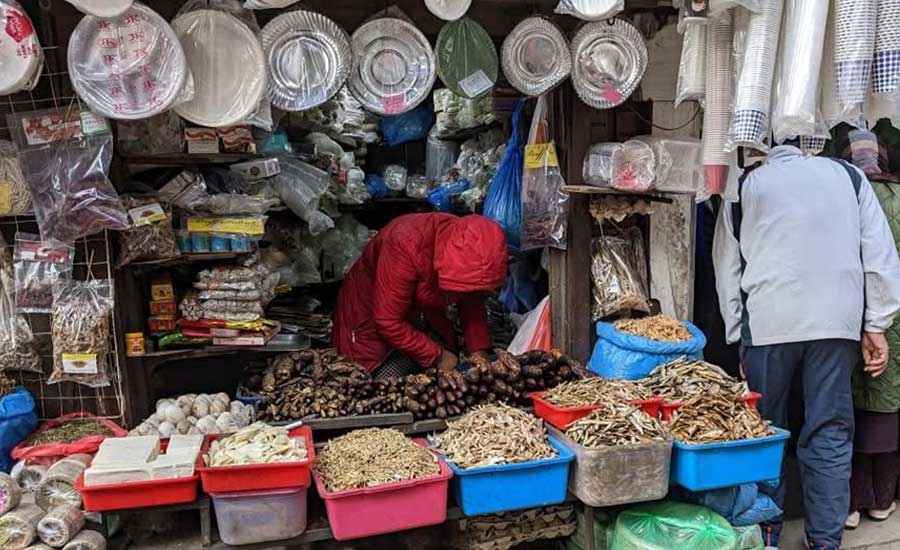
Ason Bazar in Kathmandu, also known as Asan Bazaar, Asan Tole or Ason Chowk, is one of the oldest and most fascinating traditional markets in Nepal. Located in the heart of old Kathmandu, this lively square brings together centuries of trade, Newar culture, ancient temples, local food and everyday city life.
Unlike modern shopping centers or tourist markets, Ason is still a working marketplace where Kathmandu residents come to buy vegetables, spices, grains, household goods, religious offerings and traditional metalware.
For travelers who want to experience Kathmandu beyond its famous monuments, a walk through Ason offers an unforgettable introduction to the city's living heritage.
At Himalayan Dream Team Treks & Tours, we believe some of Kathmandu's most memorable experiences happen in its narrow streets, traditional neighbourhood and local markets. Ason is one of our favourite places to introduce visitors to the everyday culture of the Kathmandu Valley.
This complete Ason Bazar travel guide explains its history, famous temples, traditional shopping, Newari food, festivals, walking routes, nearby attractions and practical tips for first-time visitors.

Ason Bazar, one of Kathmandu's most historic and lively traditional marketplaces.
Ason Bazar Kathmandu at a Glance
| Visitor Information | Details |
|---|---|
| Market Name | Ason Bazar, Asan Bazaar, Asan Tole or Ason Chowk |
| Location | Old Kathmandu, Kathmandu Metropolitan City, Nepal |
| Type | Traditional market, historic square and cultural neighbourhood |
| Famous For | Spices, grains, vegetables, traditional shops, Newar architecture and temples |
| Historic Importance | Traditional trading centre connected with India–Tibet commerce |
| Major Landmark | Annapurna Ajima Temple |
| Other Attractions | Ganesh shrine, Narayan shrine, traditional courtyards and historic merchant houses |
| Entrance Fee | Free to enter the public market square |
| Best Visiting Time | Early morning, approximately 6:00–9:00 AM |
| Recommended Visit | 45–90 minutes; 2–3 hours with nearby markets and heritage streets |
| Walking from Thamel | Approximately 15–25 minutes, depending on starting point |
| Walking from Kathmandu Durbar Square | Approximately 10–15 minutes |
| Best Way to Explore | On foot, preferably with a knowledgeable local guide |
| Suitable For | Culture lovers, photographers, food enthusiasts, families and first-time visitors |
Where Is Ason Bazar Located in Kathmandu?
Ason Bazar is situated in the historic centre of Kathmandu, between the Thamel area and Kathmandu Durbar Square.
The market is famous for its unusual layout: six narrow streets meet at the central square, creating a busy crossroads filled with shops, pedestrians, vendors and religious shrines.
Nepal Tourism Board describes Asan as an important traditional shopping centre located along the historic diagonal route connecting Kathmandu Durbar Square with the northeastern part of the old city.
Its central location makes Ason an excellent stop during a walking tour of Kathmandu.
Visitors staying in Thamel can usually reach the market on foot without arranging transportation.
Google Maps: Find Ason Bazar in Kathmandu.
Ason Bazar: Where Kathmandu's Heart Still Beats
Some places feel as though they have been waiting for you forever. Ason Bazar, tucked deep inside Kathmandu's old city, is one of them.
Long before shopping malls and online stores, this square was a centre of trade, connecting merchants, farmers and travellers from across the Kathmandu Valley and beyond.
As you approach the market, the atmosphere begins to change.
The narrow streets fill with the scent of cumin, coriander, turmeric and incense. Vendors arrange baskets of fresh vegetables, bicycles move carefully through the crowd, and small shops display brass pots, grains, fabrics and everyday household goods.
Suddenly, the street opens into Ason's historic square.
Six busy lanes meet here, surrounded by traditional buildings and small temples. The three-storey Annapurna Temple stands among the shops, while local residents pause to make offerings before continuing with their daily shopping.
Look above the market stalls and you may notice beautifully carved wooden windows, old brick façades and traditional Newar architecture.
At street level, commerce continues much as it has for generations, although modern products and changing lifestyles have become part of the market too.
Ason is not a preserved museum. It is a living neighbourhood where history, religion, business and family life continue together.
The History of Ason Bazar: Kathmandu's Ancient Trading Centre
Ason has been an important commercial and residential centre for centuries.
Its location along a historic trading corridor helped connect merchants travelling between the Kathmandu Valley, India and Tibet.
Traditional trade included goods such as salt, wool, grains, textiles, spices and metal products.
Merchant communities, particularly among Kathmandu's Newar population, played an important role in these regional trading networks.
Over time, Ason developed into a major marketplace where traders, residents, religious communities and travellers interacted.
The square also became an important location for religious ceremonies, neighbourhood gatherings and traditional festivals.
Today, although the products sold in Ason have changed, the market remains an important part of Kathmandu's commercial and cultural identity.
The Newar Merchant Communities of Ason
The Newar people are the historical inhabitants of the Kathmandu Valley and are renowned for their rich cultural traditions, architecture, craftsmanship, festivals and commercial history.
Ason has long been associated with Newar merchant and artisan communities, including Tuladhar, Shrestha, Shakya, Bajracharya and other local groups.
These communities contributed to the development of trade networks, religious institutions, traditional neighbourhoods and the distinctive character of old Kathmandu.
Even today, family-run shops, religious customs and community activities reflect this long history.
What Does Ason Mean? The Local Legend
Several local traditions are associated with the name Ason.
One well-known legend tells of a fish falling from the sky at the site of the market.
A stone fish figure, known as Nyālon, is associated with this story and forms part of the square's traditional cultural landscape.
This is a local legend rather than a historically verified explanation of the market's name.
Such stories are important because they reveal how Kathmandu's neighbourhoods connect everyday places with religious beliefs, oral history and community identity.
What to See at Ason Bazar: Temples and Historic Landmarks
1. Annapurna Ajima Temple – The Goddess of Abundance
The Annapurna Ajima Temple is the most recognisable religious landmark in Ason.
This traditional three-storey pagoda temple is dedicated to Annapurna Ajima, associated with grain, nourishment and abundance.
Its location in the middle of a historic grain and food market reflects the close relationship between trade and religious life in Kathmandu.
Local residents regularly visit the shrine to offer prayers and seek blessings.
Visitors can observe the temple's architecture and religious activity respectfully from the public square.
Access to inner shrine areas may be restricted according to religious custom.
2. Ganesh Shrine
Ason also contains a shrine dedicated to Lord Ganesh, the Hindu deity associated with wisdom, good fortune and the removal of obstacles.
Small Ganesh shrines are common in traditional Kathmandu neighbourhoods, where residents offer prayers before beginning work, travelling or undertaking important activities.
Notice how the shrine remains part of the daily market environment rather than being separated from commercial activity.
3. Narayan Shrine
A small shrine dedicated to Narayan, a form of Lord Vishnu, is another religious landmark associated with Ason Square.
It illustrates the variety of Hindu devotional traditions represented in the historic marketplace.
4. The Stone Fish of Ason
The stone fish figure is connected with a traditional legend about the origin of Ason's name.
It is a small but interesting feature that visitors may overlook without a local guide.
5. Traditional Newar Houses and Wooden Windows
Look above the modern shopfronts to appreciate the traditional architecture of old Kathmandu.
Many historic buildings feature brick façades, carved wooden windows, decorative details and narrow frontages typical of the Kathmandu Valley's traditional urban environment.
These architectural details are an important part of Ason's character.
6. Historic Courtyards and Neighbourhood Shrines
The lanes around Ason contain traditional residential courtyards, locally known as bahal or baha in certain Newar Buddhist contexts.
Some contain Buddhist shrines, chaityas and community religious spaces.
Not all courtyards are public attractions. Visitors should avoid entering private residential areas without permission.
What Can You Buy at Ason Bazar?
Ason is one of the best places in Kathmandu to experience traditional local shopping.
Unlike the souvenir-focused shops of Thamel, many businesses in Ason primarily serve Kathmandu residents.
| What to Buy | What You May Find | Shopping Tip |
|---|---|---|
| Spices | Turmeric, cumin, coriander, cardamom, chilli and timur | Ask whether spices are sold by weight or in sealed packets |
| Grains and Pulses | Rice, lentils, beans, chickpeas and traditional grains | Observe local varieties and traditional food ingredients |
| Fresh Produce | Seasonal vegetables, herbs and fruits | Visit early for the busiest produce market |
| Metalware | Brass and copper utensils, household vessels and religious items | Check material, weight and workmanship |
| Religious Supplies | Incense, oil lamps, offerings, prayer items and festival decorations | Respect the religious meaning of the items |
| Textiles | Fabric, scarves and everyday clothing | Compare quality and prices before purchasing |
| Household Goods | Kitchenware, baskets, utensils and practical daily items | Many shops cater primarily to local customers |
| Festival Supplies | Decorations, ritual materials and seasonal products | Selection changes with the festival calendar |
Spices of Ason: A Colourful Introduction to Nepali Cooking
One of the most enjoyable experiences in Ason is exploring its traditional spice shops.
Large sacks and containers display colourful ingredients used in Nepali and Newar cooking.
Turmeric – Besar
Turmeric is widely used in Nepali curries, vegetable dishes and lentil preparations. Its golden colour makes it one of the most recognisable spices in the market.
Cumin – Jira
Cumin is a common ingredient in Nepali cooking and is used whole or ground in curries, vegetables and spice mixtures.
Coriander – Dhaniya
Coriander seeds and ground coriander are used in many traditional dishes. Fresh coriander leaves are also popular.
Cardamom – Alaichi
Cardamom is valued for its aroma and is used in tea, sweets and certain savoury dishes. Large black cardamom is particularly important in Nepal's spice trade.
Timur – Himalayan Pepper
Timur is an aromatic spice related to Sichuan pepper, known for its citrus-like aroma and tingling sensation. It is used in pickles, chutneys and spice mixtures.
Dried Chilli – Khursani
Dried chillies are sold in different varieties and are used to add heat and flavour to Nepali dishes.
If you plan to take spices home, choose properly packaged products and check your destination country's food import regulations.
Traditional Newari Food and Street Snacks Near Ason
Exploring Ason is also an opportunity to discover Kathmandu's local food culture.
The surrounding lanes contain tea shops, snack stalls and small eateries, although individual vendors and menus change over time.
Sel Roti
Sel roti is a traditional ring-shaped Nepali rice bread, often prepared during festivals and family celebrations. It has a lightly sweet flavour and is usually enjoyed fresh.
Yomari
Yomari is a traditional Newar steamed dumpling made with rice flour and filled with ingredients such as chaku, a concentrated sweet syrup, or other fillings. It is particularly associated with Yomari Punhi.
Bara or Wo
Bara is a traditional Newar lentil pancake, sometimes prepared with egg or meat toppings.
Chatamari
Chatamari is a thin rice-flour dish often described as a Newari rice crepe. Different versions may include vegetables, eggs or meat.
Samay Baji
Samay baji is a traditional Newar food platter commonly associated with festivals and cultural occasions. It typically combines beaten rice with several accompaniments.
Chiya – Nepali Tea
A cup of Nepali milk tea is a pleasant way to take a break from exploring the busy market.
Chatpate and Local Snacks
Chatpate is a popular spicy snack made with puffed rice and other ingredients. Availability varies between stalls and neighbourhoods.
Food safety tip: Choose busy food stalls preparing food freshly, prefer thoroughly cooked dishes and drink safe bottled or properly treated water.
Best Time of Day to Visit Ason Bazar
Ason changes character throughout the day.
| Time | What to Expect | Best For |
|---|---|---|
| 6:00–9:00 AM | Fresh produce, local shoppers, deliveries and morning prayers | Photography and authentic market atmosphere |
| 9:00 AM–12:00 PM | Busy shops, active trading and daytime shopping | Exploring temples and buying spices |
| 12:00–4:00 PM | Continued commercial activity, with changing crowd levels | Flexible sightseeing and shopping |
| 4:00–7:00 PM | Evening shopping, changing light and local street activity | Street photography and local atmosphere |
Our recommendation: Visit between 7:00 and 9:00 AM if you want to see the market at its most atmospheric.
Ason is a neighbourhood of independent shops and vendors rather than a single managed market building. Opening hours vary by business, day and festival.
Is Ason Bazar Open Every Day?
Ason is generally active throughout the week, although individual shops may close on certain days, during festivals or for family and religious occasions.
Fresh produce vendors often begin trading early in the morning, while other shops open later.
There is no single official opening and closing time for the entire market.
Major festivals can change access, shop schedules and crowd levels.
Does Ason Bazar Have an Entrance Fee?
No. There is normally no entrance fee to walk through Ason Bazar or visit its public market square.
Shopping, food and optional guided tours are paid separately.
Nearby heritage attractions, particularly Kathmandu Durbar Square, may have their own entrance fees.
How to Get to Ason Bazar from Thamel
Ason is within comfortable walking distance of much of Thamel, Kathmandu's main visitor neighbourhood.
The walk generally takes approximately 15–25 minutes, depending on your starting point, walking pace and street conditions.
A pleasant route passes through the older neighbourhoods south of Thamel.
Suggested Walking Directions
- Start from central Thamel.
- Walk south towards the Chhetrapati and Thahiti areas.
- Continue through the traditional market lanes towards Asan Tole.
- Look for the busy square where six streets converge.
- Explore Annapurna Temple and the surrounding shops.
- Continue south towards Indra Chowk if you want to extend the walk.
Street layouts can be confusing, so a digital map or knowledgeable local guide is helpful.
How to Reach Ason from Kathmandu Durbar Square
Ason is also easy to combine with Kathmandu Durbar Square.
Walk northeast from the Durbar Square area through the historic commercial streets towards Indra Chowk and Ason.
The walk normally takes approximately 10–15 minutes, excluding stops.
This is one of the most rewarding short walking routes in old Kathmandu because it connects the former royal centre with traditional markets and neighbourhood temples.
Old Kathmandu Walking Tour: Thamel, Ason, Indra Chowk and Durbar Square
For visitors who want to discover Kathmandu on foot, we recommend combining Ason with several nearby historical neighbourhoods.
Suggested Half-Day Walking Route
| Stop | Place | What to Experience | Suggested Time |
|---|---|---|---|
| 1 | Thamel | Begin in Kathmandu's main visitor neighbourhood | 10–15 minutes |
| 2 | Thahiti and nearby lanes | Traditional streets, small shrines and old neighbourhood atmosphere | 20–30 minutes |
| 3 | Ason Bazar | Spice market, Annapurna Temple, local shops and photography | 45–60 minutes |
| 4 | Indra Chowk | Traditional commercial streets, textiles and religious landmarks | 20–30 minutes |
| 5 | Kathmandu Durbar Square | Historic royal square, temples and Newar architecture | 60–90 minutes |
Allow approximately 3–4 hours for a relaxed walk with sightseeing and photography.
Travellers interested in a professionally guided experience can explore our Kathmandu City Tour. The Ason market walk can be discussed as an additional or customised part of the sightseeing program.
Indra Chowk: Another Historic Market Near Ason
Indra Chowk is one of the most interesting nearby market areas and a natural continuation of an Ason walking tour.
The streets between Ason and Indra Chowk are filled with traditional shops, textiles, beads, religious goods and historic buildings.
The area is also associated with important religious and festival traditions.
Exploring both markets helps visitors understand how Kathmandu's old commercial neighbourhoods connect with one another.
Kathmandu Durbar Square: Combine Ason with a UNESCO Heritage Site
Kathmandu Durbar Square, also known as Hanuman Dhoka Durbar Square, is one of the most important historic sites in Nepal.
The square contains traditional temples, palace buildings, courtyards and architectural monuments associated with Kathmandu's royal and cultural history.
It forms part of the Kathmandu Valley UNESCO World Heritage property.
A visit to Ason followed by Kathmandu Durbar Square offers a rewarding combination of everyday market life and monumental heritage.
For a broader cultural experience, explore our 3-Day Kathmandu Valley Tour, which introduces visitors to the historical and religious heritage of the valley.
Festivals and Religious Traditions at Ason Bazar
Ason is not only a commercial marketplace. It is also an important location for neighbourhood religious activities and traditional festivals.
During certain celebrations, the square and surrounding streets become gathering places for worshippers, musicians, ceremonial processions and local communities.
Dashain
Dashain is one of Nepal's major festivals, and markets throughout Kathmandu become particularly busy as families purchase food, clothing, household supplies and ritual materials.
Ason's traditional shops are an important part of this seasonal shopping atmosphere.
Tihar
During Tihar, Kathmandu's markets display flowers, oil lamps, decorations, sweets and other festive items.
The atmosphere around Ason can be especially colourful in the days leading up to the celebrations.
Indra Jatra
Indra Jatra is one of Kathmandu's most important traditional festivals, featuring religious ceremonies, masked dances and processions in the old city.
Ason and the surrounding neighbourhoods are connected with Kathmandu's wider ceremonial geography, although specific procession routes and schedules vary.
Newar Religious Processions
Ason also participates in neighbourhood religious traditions and processions associated with Newar Hindu and Buddhist communities.
These events provide insight into the close relationship between religion, community identity and public space in old Kathmandu.
Visitor tip: Festival dates follow traditional calendars and change from year to year. Check current schedules before planning a festival visit.
Photography Tips for Ason Bazar Kathmandu
Ason is one of Kathmandu's most rewarding places for street and cultural photography.
Its narrow lanes, colourful goods, traditional buildings and changing light provide many opportunities for memorable photographs.
Best Subjects to Photograph
- Colourful spice displays and traditional shops
- Fresh vegetables and market stalls
- Carved wooden windows and brick buildings
- Annapurna Temple and surrounding shrines
- Traditional metalware and everyday household goods
- Street scenes showing the movement of the market
- Morning light entering the narrow streets
Respectful Street Photography
Always ask permission before taking close-up photographs of shopkeepers, residents or worshippers.
Do not interrupt religious ceremonies or block customers and deliveries.
Some people may prefer not to be photographed, and their wishes should be respected.
Photography inside temples or private courtyards may be restricted.
Ason Bazar vs Thamel: What Is the Difference?
Although Ason and Thamel are close to one another, they offer very different experiences.
| Feature | Ason Bazar | Thamel |
|---|---|---|
| Main Character | Traditional local market and historic neighbourhood | Tourist and hospitality district |
| Shopping | Spices, grains, vegetables, metalware and household goods | Trekking gear, souvenirs, clothing and travel services |
| Architecture | Historic Newar buildings, temples and courtyards | Mix of traditional and modern commercial buildings |
| Food | Local tea shops, traditional snacks and nearby eateries | Wide range of Nepali and international restaurants |
| Atmosphere | Busy everyday local life | Visitor-oriented shopping and entertainment |
| Best Experience | Cultural walking and market photography | Accommodation, dining and travel shopping |
We recommend visiting both areas to experience two different sides of Kathmandu.
Is Ason Bazar Safe for Tourists?
Ason is a busy public market regularly visited by residents and travellers.
As in any crowded urban area, visitors should take sensible precautions.
- Keep wallets, phones and passports secure.
- Watch for motorcycles, bicycles and delivery vehicles in narrow lanes.
- Be careful when crossing busy intersections.
- Wear comfortable shoes suitable for uneven streets.
- Carry drinking water, especially in warm weather.
- Avoid displaying large amounts of cash.
- Respect local religious practices and private property.
Families with young children should stay together because the market can become crowded.
Is Ason Bazar Suitable for Families and Older Travellers?
Yes. Ason can be an enjoyable cultural experience for families, couples and older travellers who are comfortable walking through busy streets.
However, the market has uneven surfaces, narrow lanes, limited pedestrian separation and occasional vehicle congestion.
Wheelchair access and movement with large strollers can be difficult in some areas.
Travellers who prefer a slower pace should visit outside the busiest periods or arrange a guided walk with suitable rest stops.
What to Wear When Visiting Ason Bazar
Comfortable casual clothing is suitable for exploring the market.
We recommend:
- Comfortable walking shoes
- Light, breathable clothing during warmer months
- A light jacket during cooler mornings and winter
- Modest clothing when visiting temples or shrines
- A small bag that can be carried securely
- Rain protection during the monsoon
Best Season to Visit Ason Bazar
Ason can be visited throughout the year because it is a working market rather than a seasonal tourist attraction.
| Season | Typical Experience |
|---|---|
| Spring (March–May) | Generally pleasant mornings, warmer afternoons and lively market activity |
| Monsoon (June–August) | Green surroundings, humid weather and occasional heavy rain |
| Autumn (September–November) | Comfortable sightseeing weather and major festival shopping periods |
| Winter (December–February) | Cool mornings and often comfortable daytime walking |
For most visitors, autumn and spring offer comfortable conditions for combining Ason with other Kathmandu sightseeing.
Practical Shopping Tips at Ason Bazar
- Carry Nepalese rupees: Cash is useful for small purchases, although some businesses may accept digital payments.
- Ask prices politely: Prices are not always displayed, particularly in traditional shops.
- Bargain respectfully: Some goods have negotiable prices, while food staples and small everyday items may have relatively fixed prices.
- Check quality: Examine textiles, metalware and packaged food before buying.
- Bring a reusable bag: This helps reduce unnecessary plastic waste.
- Support local businesses: Purchasing from traditional family-run shops contributes to the local economy.
- Allow time: The experience is more enjoyable when you are not rushing from one shop to another.
Why Visit Ason with a Local Kathmandu Guide?
Ason is easy to explore independently, but a knowledgeable local guide can reveal details that visitors might otherwise miss.
A guide can explain the history of the market, the meaning of religious shrines, the architecture of traditional Newar houses and the cultural importance of neighbourhood festivals.
Guided walking tours also make it easier to discover small courtyards, historic lanes and traditional shops without entering private spaces unintentionally.
Himalayan Dream Team can arrange a customised old Kathmandu walking experience as part of a private city tour.
Explore our Kathmandu City Tour or 3-Day Kathmandu Valley Tour for more cultural sightseeing options.
How Much Time Should You Spend in Old Kathmandu?
If you only want to see Ason Bazar, allow approximately 45–90 minutes.
For a more complete experience combining Ason, Indra Chowk and Kathmandu Durbar Square, plan around three to four hours.
Visitors interested in architecture, photography, local food or religious heritage may prefer a full day exploring the old city.
For help planning the rest of your visit, read our guide to how many days to spend in Kathmandu.
Frequently Asked Questions About Ason Bazar Kathmandu
1. What is Ason Bazar famous for?
Ason Bazar is famous for its traditional spice and grain market, historic Newar architecture, Annapurna Temple and its position at the meeting point of six streets in old Kathmandu.
2. Where is Ason Bazar located?
Ason is located in the historic centre of Kathmandu, between Thamel and Kathmandu Durbar Square.
3. Is Ason Bazar the same as Asan Tole?
Yes. Ason Bazar, Asan Bazaar, Asan Tole and Ason Chowk are commonly used names for the same historic market area.
4. How old is Ason Bazar?
Ason has been an important trading and residential centre for centuries. Its history is connected with traditional Newar merchant communities and the historic India–Tibet trade network.
5. Why do six streets meet at Ason?
Ason developed at an important crossroads within old Kathmandu's traditional street network. Its position helped establish the square as a major commercial and community centre.
6. Is Ason Bazar free to visit?
Yes. There is normally no entrance fee to walk through the public market square.
7. What time does Ason Bazar open?
Market activity often begins early in the morning, but individual shops have different opening hours. There is no single official schedule for the entire marketplace.
8. Is Ason Bazar open on Saturdays?
Many businesses may operate on Saturdays, but individual opening hours vary. Some shops may close for weekly rest days, festivals or other reasons.
9. What is the best time to visit Ason Bazar?
Early morning, approximately 6:00–9:00 AM, is particularly rewarding for local market activity and photography.
10. How far is Ason Bazar from Thamel?
Most visitors can walk from central Thamel to Ason in approximately 15–25 minutes, depending on their starting point.
11. Can I walk from Ason to Kathmandu Durbar Square?
Yes. The walk usually takes approximately 10–15 minutes, excluding stops along the historic market streets.
12. What can I buy at Ason Market?
You can buy spices, grains, vegetables, household goods, textiles, brass and copper items, religious supplies and seasonal festival products.
13. Is Ason Bazar good for souvenir shopping?
Yes, especially for spices, traditional household goods and certain metalware. However, Ason is primarily a working local market rather than a dedicated souvenir shopping district.
14. Is bargaining common at Ason?
Some prices may be negotiable, particularly for non-essential goods. Bargaining should always be polite and respectful.
15. What temple is located in Ason Bazar?
The best-known temple is Annapurna Ajima Temple, dedicated to a goddess associated with grain, nourishment and abundance.
16. What is Annapurna Ajima?
Annapurna Ajima is a revered deity associated with nourishment and abundance in the religious traditions of the Kathmandu Valley.
17. What is the stone fish at Ason?
The stone fish is associated with a traditional local legend about a fish falling from the sky and the origin of Ason's name.
18. Is Ason Bazar part of a UNESCO World Heritage Site?
Ason is an important historic market neighbourhood, but the market itself is not one of the seven individually designated monument zones of the Kathmandu Valley UNESCO World Heritage property. Nearby Kathmandu Durbar Square is part of that property.
19. Can tourists take photographs at Ason?
Photography is generally possible in public market areas. Ask permission before taking close-up photographs of people and respect restrictions at religious or private sites.
20. Is Ason Bazar safe for tourists?
Ason is a busy public market. Visitors should take normal precautions with valuables, traffic and crowded streets.
21. Can I visit Ason with children?
Yes. Families can enjoy the market, but children should be supervised because of narrow lanes, crowds and passing vehicles.
22. Is Ason accessible for wheelchair users?
Accessibility is limited in some areas because of uneven surfaces, narrow streets and vehicle congestion. Travellers with mobility needs should discuss suitable arrangements before visiting.
23. What local food can I try near Ason?
Depending on availability, visitors may find Nepali tea, sel roti, bara, chatamari, yomari and other local snacks in the surrounding neighbourhoods.
24. What festivals are celebrated around Ason?
Ason is connected with local Newar religious traditions and the wider festival calendar of Kathmandu, including seasonal celebrations and religious processions.
25. Is Ason Bazar worth visiting?
Yes. Ason offers one of the most authentic introductions to Kathmandu's traditional market life, religious heritage and historic urban culture.
26. Can I combine Ason with Kathmandu Durbar Square?
Yes. Ason, Indra Chowk and Kathmandu Durbar Square make an excellent half-day walking route through old Kathmandu.
27. Do I need a guide to visit Ason?
No. Ason can be visited independently. However, a local guide can help explain the temples, traditional architecture, merchant history and cultural customs.
28. Can Himalayan Dream Team arrange an Ason walking tour?
Yes. Himalayan Dream Team can customise a Kathmandu cultural walking tour to include Ason Bazar, Indra Chowk, Kathmandu Durbar Square and other suitable historic neighbourhoods.
Explore Old Kathmandu with Himalayan Dream Team
Visiting Ason Bazar in Kathmandu is not simply a shopping experience. It is a journey into the everyday history of the city, where generations of merchants, residents and worshippers have shared the same streets and public spaces.
The smell of spices, the sound of temple bells, the carved wooden windows and the colourful market stalls all reveal a different side of Nepal's capital.
At Himalayan Dream Team Treks & Tours, we love helping travellers discover these meaningful local experiences alongside Kathmandu's famous heritage sites.
Our cultural tours can combine Ason Bazar with Indra Chowk, Kathmandu Durbar Square, traditional Newar neighbourhoods and other important attractions in the Kathmandu Valley.
Discover our Kathmandu City Tour, explore the 3-Day Kathmandu Valley Tour, or plan a longer journey with our Nepal Cultural Tour – 11 Days.
Whether this is your first visit to Nepal or you are returning to explore Kathmandu more deeply, we would be delighted to show you the places where the city's traditions remain part of everyday life.
Himalayan Dream Team – Together is Our Favourite Place to Be.