

Bhutan Cultural Etiquette: Dos and Don’ts for Respectful Travel
Bhutan—often called the Land of the Thunder Dragon—is one of the few places on earth where spirituality, community values, and nature remain in beautiful balance. Traveling in Bhutan is not about rushing from one attraction to the next. It’s about moving gently, behaving mindfully, and honoring living traditions—from sacred monasteries to village homes and vibrant festival courtyards.
This in-depth cultural etiquette guide by Himalayan Dream Team explains how to travel respectfully in Bhutan. You’ll learn practical, easy-to-follow etiquette for dress codes, temple and monastery behavior, Tshechu festival manners, photography rules, dining customs, environmental responsibility, and the most common FAQs travelers search on Google.
Why Cultural Etiquette Matters in Bhutan
Bhutanese culture is shaped by Buddhist values, humility, and harmony within the community. Dzongs and monasteries are not just heritage sites—they are active religious and administrative centers. Likewise, festivals are not staged shows; they are acts of devotion and community gathering.
Respectful travel in Bhutan:
Builds trust and warm connections with locals
Creates deeper cultural experiences beyond sightseeing
Supports sustainable and responsible tourism
Reflects Bhutan’s national philosophy of Gross National Happiness (GNH)
Bhutanese Greetings, Gestures & Social Behavior
Daily etiquette in Bhutan is calm, subtle, and respectful. Small gestures matter—and they are always appreciated.
Do
Greet people with “Kuzu Zangpo La” (hello) and a gentle nod
Use both hands when giving or receiving items (money, gifts, documents, tea)
Add “la” to sentences to show politeness and respect
Keep your voice soft and your manner patient
Don’t
Point with your index finger (use an open hand instead)
Touch someone’s head (especially children)
Point your feet toward people, altars, or sacred objects
Raise your voice or argue in public
Dress Code in Bhutan: What to Wear & Where
Modesty is important throughout Bhutan, especially at religious and official places.
General Sightseeing
Cover shoulders and knees
Avoid tight, transparent, or revealing clothing
Choose comfortable, conservative outfits
Dzongs, Monasteries & Temples
Wear long trousers or ankle-length skirts
Choose tops with sleeves (no tank tops)
Remove hats and shoes when required
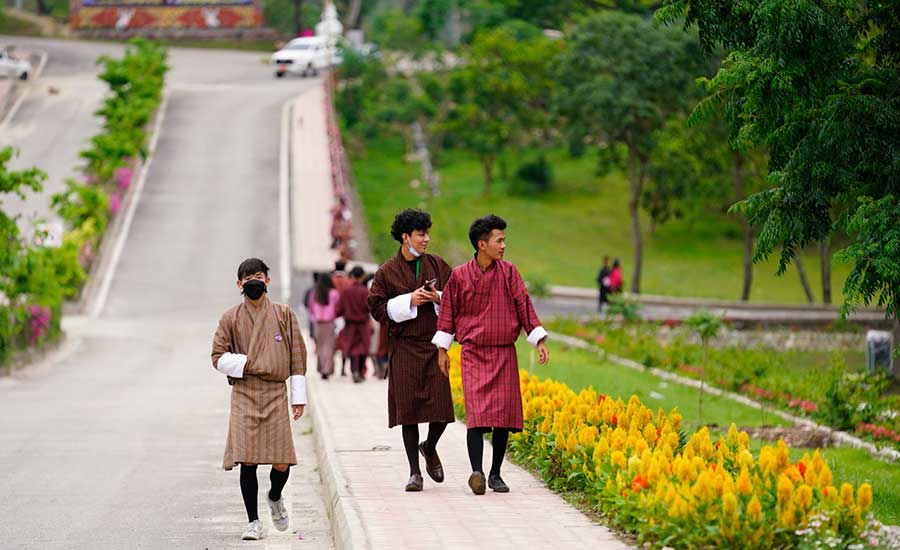
Cultural tip: On special occasions, your guide may offer you the chance to wear Bhutanese national dress—gho (men) or kira (women). It’s a meaningful way to show respect and enjoy a deeper cultural connection.
Temple, Dzong & Monastery Etiquette
Bhutan’s religious sites are living spaces of prayer and practice. Quiet respect is essential.
Inside Sacred Spaces
Keep phones on silent
Speak softly—or not at all
Never step over someone praying
Movement Rules
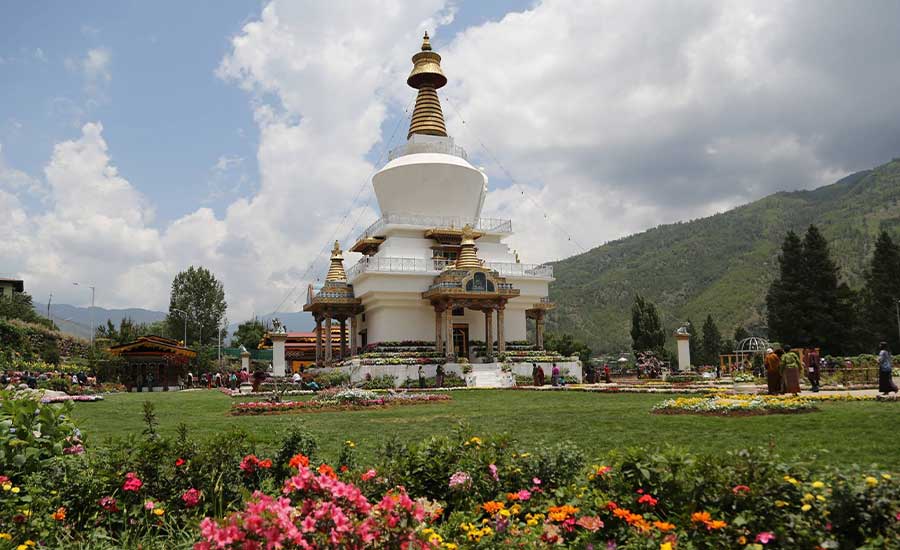
Walk clockwise around stupas, chortens, and mani walls
Spin prayer wheels clockwise only
Photography Rules
Photography is usually not allowed inside shrine rooms
Ask your guide before taking photos outdoors around dzongs
Never use flash on murals, sacred objects, or paintings
Festival (Tshechu) Etiquette in Bhutan
Bhutanese Tshechus are sacred community events—not performances. Observing respectful manners allows you to enjoy the celebration without disrupting local devotion.
Do
Dress modestly or in traditional clothing if available
Arrive early and sit quietly
Take photos from a respectful distance
Don’t
Block locals’ views or walk in front of seated people
Walk through dance areas or close to performers
Use drones or loud devices
Popular Bhutan Festival Tours by Himalayan Dream Team
Explore Bhutan’s most iconic cultural celebrations with a thoughtfully guided itinerary:
Paro Tshechu Festival Tour – 9 Days

The Paro Tshechu Festival Tour – 9 Days is one of the most popular Bhutan festival tour experiences, centered around the iconic Paro Dzong and the sacred valley of Paro. This tour allows travelers to witness the vibrant masked cham dances, religious rituals, and communal celebrations that define the Paro Tshechu, one of Bhutan’s most important annual festivals. Alongside the festival, the itinerary includes cultural sightseeing in Paro and Thimphu, visits to monasteries, and a hike to the famous Tiger’s Nest Monastery. Designed with proper cultural briefings and respectful viewing arrangements, this Bhutan festival tour offers an immersive yet comfortable introduction to Bhutanese traditions, spirituality, and living heritage.
Punakha Tshechu Festival (Feb–Mar 2026) – 10 Days

The Punakha Tshechu Festival (Feb–Mar 2026) – 10 Days is a deeply spiritual Bhutan festival tour that takes place in the former royal capital of Punakha, set against the scenic backdrop of rivers and subtropical valleys. Celebrated at the historic Punakha Dzong, this Tshechu is known for its sacred dances, blessings, and strong participation by monks and local communities. The journey combines the Punakha Tshechu with cultural exploration of Thimphu, Punakha Valley walks, and visits to important temples and monasteries. This thoughtfully paced Bhutan festival tour is ideal for travelers seeking a quieter, more devotional festival experience while still enjoying Bhutan’s cultural highlights.
Gangtey Festival & Cultural Journey – 10 Days

The Gangtey Festival & Cultural Journey – 10 Days is a unique Bhutan festival tour that blends cultural celebration with nature and rural life in the beautiful Phobjikha Valley. Timed with a local festival at Gangtey Monastery, this journey offers insight into regional traditions, monastic dances, and village-based celebrations away from the busier western valleys. In addition to the festival, the itinerary includes scenic drives, gentle hikes, monastery visits, and opportunities to experience traditional village life. This Bhutan festival tour is perfect for travelers who want a balanced mix of festival culture, serene landscapes, and meaningful interaction with Bhutan’s countryside and spiritual traditions.
Festival Package Highlights:
Guided cultural briefings before each festival day
Best-viewing seating and timing support (without disrupting locals)
Respectful photography guidance and temple rules explained clearly
Cultural immersion experiences beyond the festival courtyard
Visiting Bhutanese Homes & Villages
Farmhouse visits and homestays can become the most memorable part of your Bhutan journey—when approached with care.
Remove shoes at the entrance
Accept tea or butter tea politely (even a small sip is appreciated)
Sit as your hosts sit; avoid stretching legs toward shrines
Ask before taking photos of people or homes
Smile often—silence is comfortable and natural in Bhutan
Food & Dining Etiquette in Bhutan
Bhutanese meals are hearty, communal, and often spicy—served with warmth and pride.
Read our blog: Food and Drinks in Bhutan
Do
Wait for elders or hosts to begin
Try at least a small portion of what is offered
Use your right hand if eating by hand
Say “Kaadinchey La” (thank you)
Don’t
Waste food
Stick chopsticks upright in rice (associated with funerals)
Photography & Social Media Etiquette
Bhutan is incredibly photogenic—but dignity and consent come first.
Ask permission before photographing people (especially monks, elders, children)
Avoid filming sacred rituals and blessings
Don’t move religious items or offerings for a better shot
Share images respectfully—remember, Bhutan is a living culture, not a stage
Environmental Responsibility in Bhutan
Bhutan is carbon-negative and deeply committed to conservation. Responsible travel is part of respecting Bhutanese values.
Carry reusable bottles
Never litter (pack out what you bring in)
Stay on trails and respect farmland
Observe wildlife from a distance
Follow “leave no trace” principles
Key Cultural Don’ts to Remember
Avoid public displays of affection
Do not smoke in public places
Never disrespect the Royal Family
Avoid loud, aggressive, or confrontational behavior
Quick Bhutan Etiquette Checklist
Modest clothing packed
– Shoes easy to remove
– Photography rules understood
– Calm mindset adopted
– Respect for people and nature
Frequently Asked Questions (People Also Ask)
Do tourists need to wear traditional dress in Bhutan?
No. Tourists are not required to wear traditional dress, but modest clothing is expected. Traditional attire is optional and especially encouraged during festivals.
Can I take photos inside monasteries in Bhutan?
Generally no. Photography inside shrine rooms is usually prohibited. Always follow your guide’s instructions.
Is Bhutan safe for solo and women travelers?
Yes. Bhutan is widely considered one of the safest destinations in the world, including for solo travelers and families.
What is the most important etiquette rule in Bhutan?
Be calm, respectful, and mindful—especially in religious spaces and during cultural events.
Are gifts expected when visiting Bhutanese homes?
Not required, but small thoughtful gifts (fruit or sweets) are appreciated. Good manners matter most.
Travel Bhutan with Respect – with Himalayan Dream Team
Bhutan reveals its true beauty when you travel slowly, respectfully, and with awareness. Use this etiquette guide as your quiet companion—helping you connect deeply with Bhutan’s people, traditions, and sacred landscapes.
If you’re planning a Bhutan cultural tour, a festival journey, or a mindful Himalayan experience, Himalayan Dream Team is here to guide you—ethically, respectfully, and expertly.