

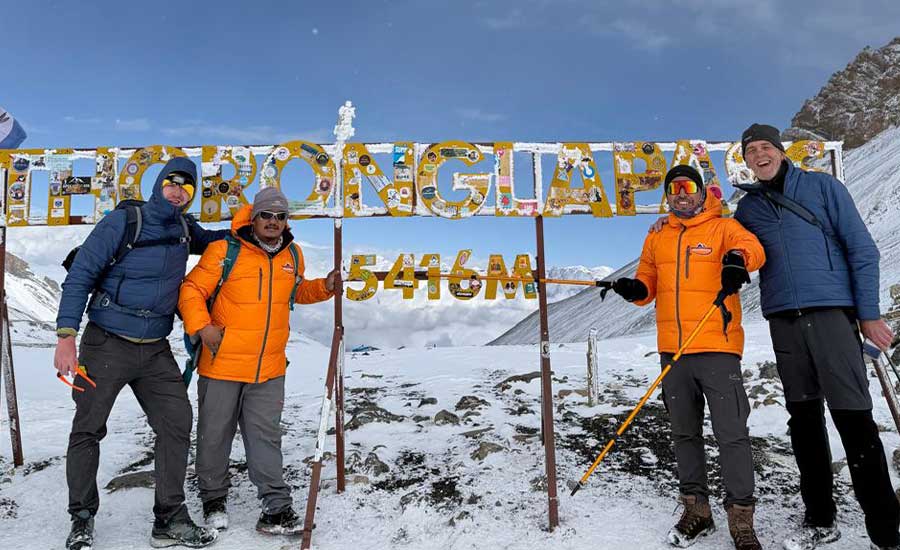
The Annapurna Circuit Trek is one of the most iconic and rewarding trekking adventures in Nepal. Famous for its incredible diversity, the route takes trekkers through lush subtropical valleys, traditional Gurung and Manangi villages, alpine forests, high-altitude deserts, and across the spectacular Thorong La Pass (5,416 m). Along the way, trekkers are rewarded with breathtaking views of the Annapurna, Dhaulagiri, Manaslu, Gangapurna, and Tilicho mountain ranges.
Choosing the best time for the Annapurna Circuit Trek is one of the most important factors in planning a successful Himalayan adventure. Because the trail passes through multiple climate zones and reaches elevations above 5,000 meters, weather conditions can vary dramatically throughout the year. Seasonal changes influence trail conditions, mountain visibility, temperatures, crowd levels, accommodation availability, transportation reliability, and the safety of crossing Thorong La Pass.
In general, the best time to trek the Annapurna Circuit is during spring (March to May) and autumn (September to November). These seasons offer the most stable weather, comfortable temperatures, excellent mountain views, and the safest conditions for high-altitude trekking. Spring brings blooming rhododendron forests and vibrant landscapes, while autumn is renowned for crystal-clear skies, dry trails, and spectacular Himalayan panoramas.
However, every season offers a unique experience. Some trekkers prefer the colorful landscapes of spring, others seek the exceptional mountain visibility of autumn, while experienced adventurers may choose winter or monsoon for quieter trails and greater solitude. Understanding the advantages and challenges of each season will help you select the perfect time based on your interests, fitness level, trekking experience, and travel goals.
In this complete guide, the Himalayan Dream Team explains the Annapurna Circuit weather by month, seasonal temperatures, trail conditions, teahouse availability, altitude considerations, crowd levels, costs, and the best months for different types of trekkers. Whether you are a first-time visitor to Nepal or an experienced mountain enthusiast, this guide will help you determine the ideal season for your Annapurna Circuit adventure.
Why Timing Matters on the Annapurna Circuit

The Annapurna Circuit is a high-altitude long-distance trek, crossing multiple climate zones—from subtropical valleys to alpine deserts. Weather plays a critical role, especially when crossing Thorong La Pass, where snow and wind can change conditions quickly.
Choosing the best season for Annapurna Circuit Trek helps you:
Reduce altitude-related risks
Avoid pass closures
Enjoy clearer mountain views
Match the trek with your experience level
Best Seasons for Annapurna Circuit Trek (Quick Overview)
| Season | Months | Suitability |
|---|---|---|
| Spring | Mar–May | Best for beginners & flowers |
| Autumn | Sep–Nov | Best overall season |
| Monsoon | Jun–Aug | Quiet but wet |
| Winter | Dec–Feb | Very cold, expert only |
Annapurna Circuit Trek Seasons at a Glance
| Season | Months | Overall Rating | Best For |
|---|---|---|---|
| Spring | March-May | – | Flowers, beginners, photography |
| Autumn | September-November | – | Best overall conditions |
| Monsoon | June-August | – | Solitude and greenery |
| Winter | December-February | – | Experienced trekkers |
Annapurna Circuit Weather by Month
| Month | Conditions | Recommendation |
|---|---|---|
| January | Cold and snowy, with possible snow accumulation at Thorong La Pass | Experienced trekkers only |
| February | Cold but gradually improving weather conditions | Experienced trekkers |
| March | Stable weather begins with warmer temperatures and blooming landscapes | Recommended |
| April | Excellent visibility, rhododendron blooms, and pleasant temperatures | One of the best months |
| May | Warm, clear, and ideal for high-altitude trekking | Excellent |
| June | Pre-monsoon conditions with occasional rain and warmer temperatures | Possible |
| July | Heavy rainfall, muddy trails, and limited mountain views | Not recommended |
| August | Wet and cloudy with continued monsoon conditions | Not recommended |
| September | Monsoon gradually ends, bringing clearer skies and fresh landscapes | Excellent |
| October | Crystal-clear mountain views, dry trails, and stable weather | Highly recommended |
| November | Dry, clear, and comfortable trekking conditions | Excellent |
| December | Quiet trails, cold temperatures, and increasing snowfall at higher elevations | Experienced trekkers |
Annapurna Circuit Temperature by Elevation
| Location | Altitude | Spring (March–May) | Autumn (September–November) | Winter (December–February) |
|---|---|---|---|---|
| Besisahar | 760 m | 20°C | 22°C | 15°C |
| Chame | 2,670 m | 15°C | 14°C | 5°C |
| Manang | 3,540 m | 12°C | 10°C | -5°C |
| Thorong Phedi | 4,540 m | 5°C | 3°C | -10°C |
| Thorong La Pass | 5,416 m | -5°C | -8°C | -20°C |
Note: Temperatures on the Annapurna Circuit can vary significantly depending on weather conditions, time of day, wind chill, and seasonal fluctuations. Higher elevations such as Thorong Phedi and Thorong La Pass often feel considerably colder than the recorded temperatures, especially during early morning pass crossings.
Spring Season (March–May): Best Time to Hike the Annapurna Circuit

Spring is one of the most recommended seasons for first-time Annapurna Circuit trekkers because of stable weather, blooming rhododendron forests, and reliable trail conditions.. Most if not all the snow along the trail will have melted. This leaves the trail more safe and it will be less likely that you encounter snow avalanches. The region will be filled with blooming flowers and green forests which will provide a more enjoyable hiking experience. A clear view and stable weather will also be present. This trek is better than any other during April to June.
Hikers will experience the best overall conditions then ever before. The Annapurna and Dhaulagiri mountain ranges will be visible along the trek due to the less crowded weather and best visibility period.\
Less crowded weather along with a clear view and stable weather will create the best hiking experience out there.
Annapurna Circuit Trek Spring Weather Conditions
During the spring months, weather conditions on the Annapurna Circuit are generally mild, stable, and predictable, making spring one of the most reliable seasons for trekking and crossing Thorong La Pass safely.
| Weather Factor | Spring Conditions (March–June) |
|---|---|
| Daytime Temperature (Lower & Mid-Altitudes) | 10°C to 20°C (50°F–68°F) |
| Daytime Temperature (Higher Elevations) | Cool but manageable for trekking |
| Night Temperature (High Altitude Areas) | 0°C to 5°C (32°F–41°F) |
| Precipitation | Low rainfall with minimal snow at high passes |
| Sky & Visibility | Clear mornings, excellent mountain views |
| Weather Stability | Stable and predictable with few disruptions |
| Thorong La Pass Conditions | Generally safe with proper acclimatization and timing |
| Daylight Hours | Longer days allowing relaxed trekking pace |
While warm layers remain essential near high passes such as Thorong La (5,416 m), spring offers fewer weather-related challenges compared to winter or monsoon seasons. Occasional afternoon clouds may appear, but they rarely impact trekking safety or visibility.
Advantages of Trekking the Annapurna Circuit in Spring
- Spring highlights everything that makes the Annapurna Circuit one of the world’s best long-distance treks.
- Comfortable weather allows longer walking hours without extreme cold or heat
- Clear skies provide sharp, panoramic Himalayan views
- Rhododendron forests bloom across lower and mid-altitudes
- Excellent season for photography with minimal haze
- Wildlife activity increases after winter dormancy
- Cultural exposure through festivals like Holi and Nepali New Year
- Longer daylight hours support gradual ascents and better acclimatization
Overall, spring weather significantly improves the chances of a safe and comfortable Thorong La Pass crossing, reinforcing why it is considered the best time to trek the Annapurna Circuit.
Challenges of Spring Trekking in the Annapurna Region
Despite its advantages, spring is also the busiest trekking season on the Annapurna Circuit.
Popular trail sections and villages can be crowded
Teahouses may fill quickly during peak weeks
Advance planning is important for accommodation
Sudden snowfall or strong winds can still occur at high altitude
While weather disruptions are rare, trekkers should remain flexible and well-prepared, especially when approaching Thorong La Pass.
Who Should Trek the Annapurna Circuit in Spring?
The Annapurna Circuit Trek in spring is ideal for trekkers seeking a balanced mix of safety, scenery, and comfort.
Beginners & first-time trekkers:
Stable weather and melting snow make trails more manageableNature lovers & photographers:
Blooming forests, clear skies, and dramatic landscapesTrekkers prioritizing safety:
Reliable conditions for high-pass crossings and acclimatization
With longer days, predictable weather, and vibrant landscapes, spring remains the best season to hike the Annapurna Circuit for a complete and fulfilling Himalayan trekking experience.
Autumn Season (September–November): Best Time to Trek the Annapurna Circuit

The autumn season (September, October, and November) is widely regarded as the best and most reliable time to trek the Annapurna Circuit. Following the monsoon, the landscape is refreshed, skies are crystal clear, and the weather becomes stable and dry—creating near-perfect trekking conditions across the entire circuit. With comfortable temperatures, excellent visibility, and festive village life, autumn delivers the classic Himalayan trekking experience that most travelers dream of.
During autumn, the Annapurna Circuit offers exceptional mountain panoramas, including uninterrupted views of the Annapurna and Dhaulagiri ranges. The air is crisp, the trails are dry, and the chance of rain or snowfall is minimal. Combined with Nepal’s biggest festivals such as Dashain and Tihar, autumn trekking provides not only outstanding scenery but also rich cultural encounters along the route.
Annapurna Circuit Trek Autumn Weather Conditions
Autumn weather on the Annapurna Circuit is stable, dry, and predictable, making it one of the best seasons for long trekking days and reliable high-pass crossings.
| Weather Factor | Autumn Conditions (September–November) |
|---|---|
| Daytime Temperature (Lower & Mid-Altitudes) | 10°C to 20°C (50°F–68°F) |
| Night Temperature (Higher Elevations) | –5°C to 5°C (23°F–41°F) |
| Precipitation | Very low rainfall with minimal snowfall |
| Sky & Visibility | Clear skies with excellent long-distance mountain views |
| Weather Stability | Dry and settled post-monsoon conditions |
| Thorong La Pass Conditions | More reliable and safer with proper acclimatization |
| Trail Conditions | Dry, firm trails ideal for long trekking days |
The settled post-monsoon climate significantly improves trail conditions and mountain visibility, making Thorong La Pass (5,416 m) more reliable to cross during autumn. While early mornings and evenings can be cold at higher altitudes, proper layering ensures a comfortable trekking experience.
Reasons to Choose Autumn for the Annapurna Circuit Trek
Autumn is the most popular trekking season in Nepal, and for good reason—it offers the most balanced combination of weather, scenery, and cultural depth.
Clear, settled skies provide consistently sharp Himalayan views
Dry trails and stable weather allow long, uninterrupted trekking days
Excellent season for photography due to haze-free visibility
Reliable conditions for crossing Thorong La Pass
Comfortable temperatures across varied altitudes
Opportunity to experience major Nepali festivals and village celebrations
Overall, autumn delivers the most complete Annapurna Circuit trekking experience, combining safety, comfort, dramatic scenery, and cultural richness.
Challenges of Trekking the Annapurna Circuit in Autumn
Because autumn is the peak trekking season, crowds are the main challenge, particularly in October.
Popular trail sections and villages can be busy
Teahouses may fill quickly during peak weeks
Guides, porters, and flights are in high demand
Advance booking is essential for smooth logistics
Despite these challenges, good planning and early reservations ensure a well-organized and enjoyable trek.
Who Should Trek the Annapurna Circuit in Autumn?
The Annapurna Circuit Trek in autumn is suitable for all experience levels, from first-time trekkers to seasoned hikers.
Beginners:
Stable weather and dry trails reduce trekking risksExperienced trekkers:
Ideal conditions for long days and high-pass crossingsCulture-focused travelers:
Festivals, village life, and social trekking atmosphereScenery seekers & photographers:
Best mountain visibility of the year
For trekkers seeking the best mountain views, reliable weather, and a vibrant trekking atmosphere,the major hindu festivals like Dashain and Tihar autumn remains the top season to trek the Annapurna Circuit with Himalayan Dream Team.
Month-by-Month: Best Time for Annapurna Circuit Trek
| Month | Conditions |
|---|---|
| January | Very cold, heavy snow, pass often closed |
| February | Cold but improving |
| March | Start of spring, good conditions |
| April | One of the best months |
| May | Warm, clear, popular |
| June | Pre-monsoon starts |
| July | Heavy rain, landslides |
| August | Monsoon, quiet but wet |
| September | Season improves |
| October | Best month overall |
| November | Cold nights, clear days |
| December | Snow begins, quiet |
Best months: April, May, October, November
Best Time for Annapurna Circuit Based on Your Travel Style
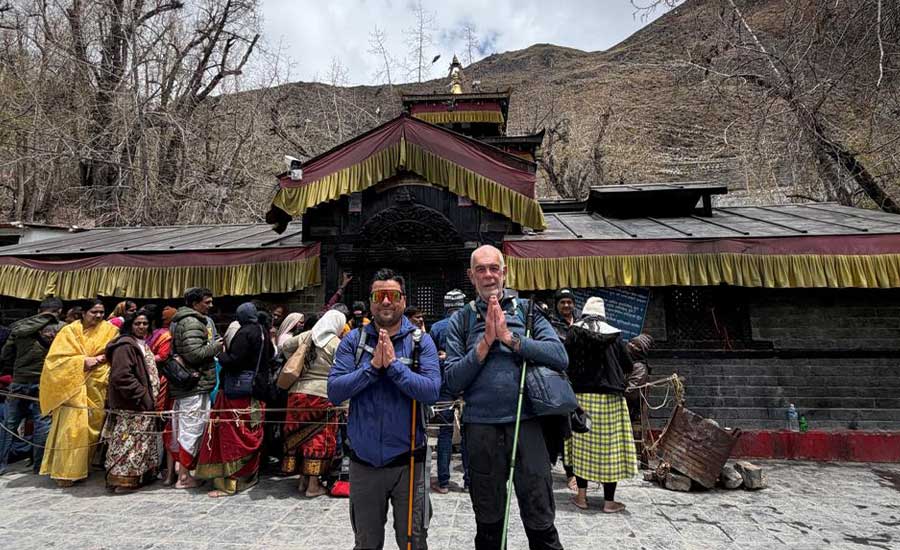
Every trekker has different priorities when planning the Annapurna Circuit Trek. Some seek clear mountain views, others want colorful rhododendron forests, fewer crowds, cultural festivals, or the most budget-friendly experience. The table below helps you choose the best time to trek the Annapurna Circuit based on your travel style and interests.
| Traveler Type | Best Month | Why It's Recommended |
|---|---|---|
| First-Time Trekker | April | Stable weather, comfortable temperatures, blooming landscapes, and excellent trail conditions. |
| Photographer | October | Crystal-clear mountain views, deep blue skies, and exceptional visibility throughout the trek. |
| Flower Lover | April | Peak rhododendron blooming season with vibrant forests across the Annapurna region. |
| Budget Traveler | December | Fewer trekkers, lower demand for services, and quieter teahouses. |
| Solo Traveler | March | Good weather, moderate crowds, and a welcoming trekking atmosphere at the start of spring. |
| Festival Lover | October | Opportunity to experience Nepal’s biggest festivals, including Dashain and Tihar. |
| Experienced Trekker | January | Quiet trails, winter scenery, and a more challenging high-altitude trekking experience. |
| Trekkers Seeking Quiet Trails | November | Excellent weather and mountain views with fewer crowds than the peak month of October. |
Tip: For the best balance of weather, scenery, safety, and trekking comfort, most trekkers choose April, May, October, or November. These months consistently offer the most favorable conditions on the Annapurna Circuit.
Can You Trek the Annapurna Circuit Year-Round?
Yes, the Annapurna Circuit Trek can be completed throughout the year, but the experience varies significantly depending on the season. While spring (March to May) and autumn (September to November) offer the most favorable weather, stable trail conditions, and excellent mountain views, some trekkers also choose to visit during winter or the monsoon season for a quieter and more adventurous experience.
Spring and autumn are widely regarded as the best seasons for trekking the Annapurna Circuit. During these months, trekkers enjoy clear skies, comfortable temperatures, reliable trail conditions, and safer crossings of Thorong La Pass (5,416 m). These seasons are suitable for both first-time trekkers and experienced hikers.
Winter (December to February) remains possible for experienced trekkers, but heavy snowfall and extremely cold temperatures can make high-altitude sections more challenging. Thorong La Pass may occasionally become difficult to cross or temporarily close after major snowstorms.
The monsoon season (June to August) is generally the least popular time to trek the Annapurna Circuit due to frequent rainfall, muddy trails, landslides in lower sections, and reduced mountain visibility. However, areas such as Manang and the rain-shadow region beyond the Himalayas receive significantly less rainfall, allowing experienced trekkers to complete the route with proper preparation.
Ultimately, the Annapurna Circuit is a year-round trekking destination, but for the best combination of weather, scenery, safety, and trekking comfort, April, May, October, and November remain the most recommended months.
| Season | Months | Trekking Conditions | Recommendation |
|---|---|---|---|
| Spring | March – May | Stable weather, blooming rhododendrons, excellent visibility | Highly Recommended |
| Summer / Monsoon | June – August | Rain, muddy trails, fewer mountain views | Experienced Trekkers Only |
| Autumn | September – November | Clear skies, dry trails, best mountain views | Best Overall Season |
| Winter | December – February | Cold temperatures, snow at high elevations | Experienced Trekkers Only |
Annapurna Circuit Trek in Monsoon Season (July–August to Mid-September)
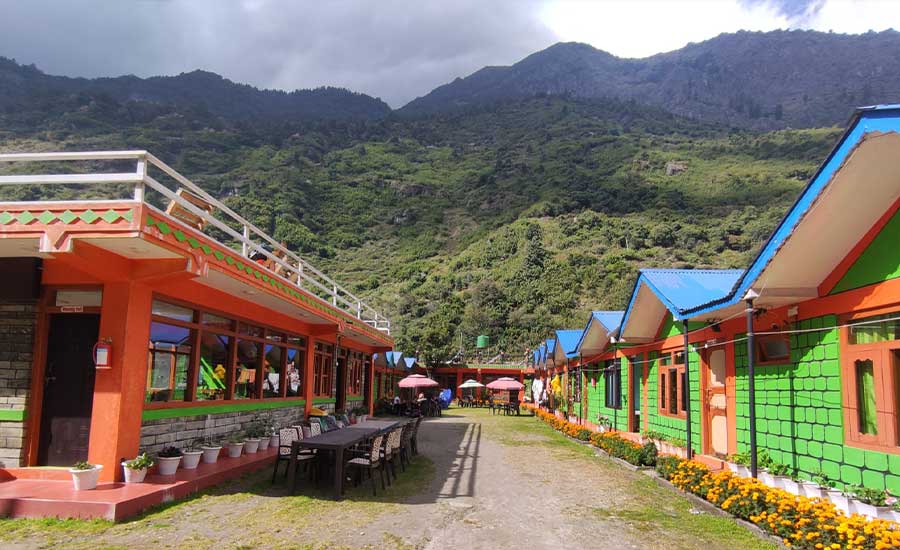
The Annapurna Circuit during the monsoon season means less trekkers making it easier to experience the Himalayas without the guide shuffling to check if you are still there. It is less bustling than during peak season in the spring and autumn. Waterfalls and rivers spring up and forest cover the hills. Don't let the rain scare you, if you are well equipped you may find you have the trail to yourself.
If you like the idea of lots of trekking and no distractions, the monsoon raises the bar. It is no walk in the park, lots of area are going to have cloud cover for a majority of the trekking, it is going to be hard to see mountains, and even on the Annapurna there will be soup. Do not fret, the Annapurna is large enough to have places like Manang and Upper Pisang that are not going to be as rain ie soup saturated. Less rain means better trekking.
Annapurna Circuit Trek Monsoon Weather Conditions
From June to August, the Annapurna Circuit experiences frequent monsoon rainfall, particularly during afternoons and evenings. Weather conditions can change quickly, and visibility is often reduced by mist and cloud cover.
| Weather Factor | Monsoon Conditions (June–August) |
|---|---|
| Daytime Temperature (Lower Altitudes) | 15°C to 25°C (59°F–77°F) |
| Daytime Temperature (Higher Elevations) | Cooler and variable |
| Night Temperature (High Altitude Areas) | –3°C to 5°C (27°F–41°F) |
| Rainfall | Frequent rainfall, especially in afternoons and evenings |
| Sky & Visibility | Often cloudy with mist and reduced visibility |
| Weather Stability | Changeable and unpredictable |
| Trail Conditions | Wet and slippery in some sections |
While mornings are often clearer, rainfall later in the day can affect trail conditions and visibility. Proper rain gear, waterproof packing, and cautious daily planning are essential when trekking the Annapurna Circuit during the monsoon season.
Pros of Trekking the Annapurna Circuit During Monsoon
Significantly fewer trekkers and quieter trails
Lush green landscapes and active waterfalls
Rich biodiversity with vibrant flora and birdlife
Cooler daytime temperatures at lower elevations
A more remote and peaceful trekking experience
Cons of Trekking the Annapurna Circuit During Monsoon
Slippery and muddy trails
Risk of landslides in lower sections
Limited mountain views due to clouds
Leeches in forested areas
Weather-related transport delays
Monsoon trekking requires proper preparation, including waterproof boots, rain jackets, dry bags, gaiters, and a flexible schedule.
Who Should Trek the Annapurna Circuit During Monsoon?
The Annapurna Circuit trek in monsoon is ideal for experienced trekkers who value solitude over scenery and are confident handling wet trail conditions. Nature lovers who enjoy lush landscapes and fewer crowds will also find this season rewarding with the right preparation.
Annapurna Circuit Trek in Winter Season (December–February)
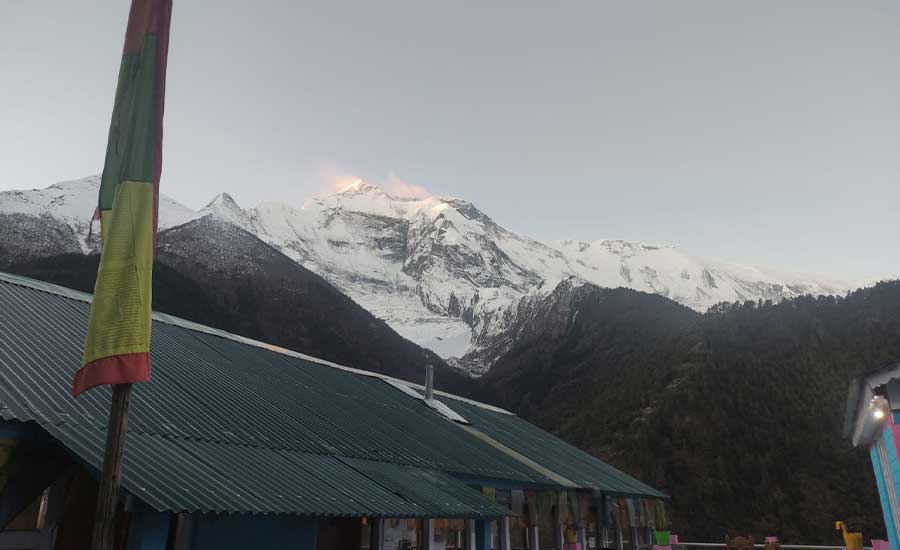
The coldest and least busy season on the Annapurna Circuit is winter. From December to February the winter season provides snow and freezing temperatures at high altitudes. There are also severe challenges to trekking. On lower altitudes and in the became deserted, revealing an intimate sense of the isolation at lower altitudes. The views are unobstructed and winter trekking presents the best views.
Well experienced trekkers, who are open to altering plans, are the only individuals winter trekking is advisable. Trekking in winter increases the likelihood of encountering high snow levels on Thorong La Pass (5,416 m).
Annapurna Circuit Trek Winter Weather Conditions
Winter weather on the Annapurna Circuit is cold and dry, with minimal rainfall but heavy snowfall at higher elevations. While skies are often clear and visibility is excellent, extreme cold and snow significantly increase trekking difficulty.
| Weather Factor | Winter Conditions (December–February) |
|---|---|
| Daytime Temperature (Lower Altitudes) | 5°C to 10°C (41°F–50°F) |
| Daytime Temperature (Higher Elevations) | Often below freezing |
| Night Temperature (High Altitude Areas) | –10°C to –20°C (14°F to –4°F) |
| Precipitation | Minimal rainfall; heavy snowfall at higher elevations |
| Sky & Visibility | Clear skies with excellent mountain visibility |
| Weather Stability | Dry but extremely cold |
| Thorong La Pass Conditions | Often snow-covered; may be difficult or temporarily closed |
| Trail Conditions | Snow-covered and icy in higher sections |
Although winter offers some of the clearest mountain views of the year, trekkers must be well-prepared with proper cold-weather gear and flexible itineraries, especially when approaching high passes such as Thorong La.
Pros of Trekking the Annapurna Circuit During Winter
Very few trekkers and quiet trails
Clear skies and sharp mountain views
Authentic village life with minimal tourism
Dry air and stable weather patterns
Cons of Trekking the Annapurna Circuit During Winter
Extreme cold, especially at night
Heavy snowfall at high passes
Risk of Thorong La Pass closure
Limited teahouse availability in higher regions
Shorter daylight hours
Winter trekking requires high-quality cold-weather gear, including down jackets, insulated sleeping bags, crampons or microspikes, and experienced local guidance.
Who Should Trek the Annapurna Circuit During Winter?
The Annapurna Circuit trek in winter is recommended for experienced and physically fit trekkers who are comfortable with cold temperatures and potential route changes. Trekkers seeking solitude, dramatic winter scenery, and a remote Himalayan experience will find winter deeply rewarding—provided safety and flexibility remain top priorities.
Annapurna Circuit Difficulty Explained
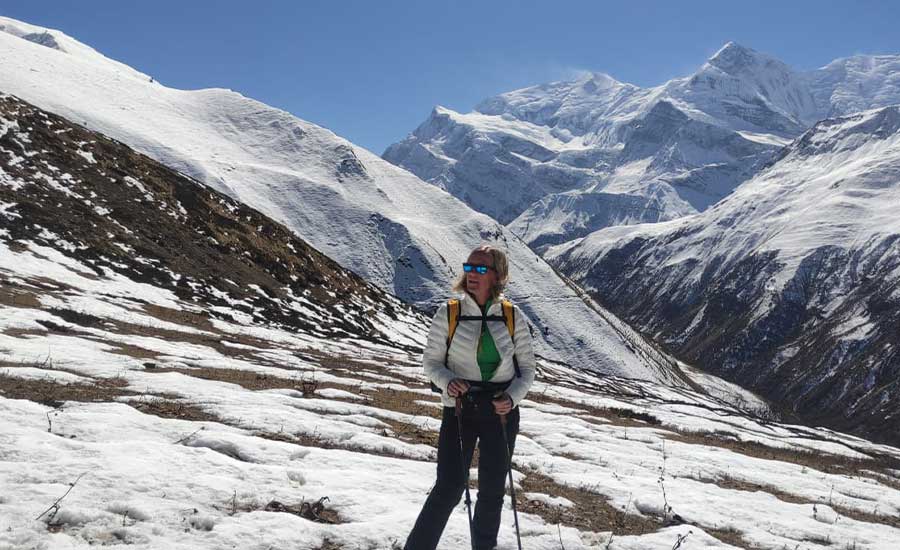
Is Annapurna Circuit Hard?
Difficulty: Moderate to strenuous
Main challenge: Altitude, not technical climbing
Highest point: 5,416 m (Thorong La Pass)
Can a Beginner Do Annapurna Circuit?
Yes, with:
Proper acclimatization
Spring or autumn timing
Licensed guide
Best Time for Annapurna Circuit Trek for Weather & Visibility
The experience on the Annapurna Circuit can be impacted by the weather and the visibility. In spring and autumn, there are weather patterns that are really stable which means that there are clear skies, and little wind. This means that during these periods, the chances for trekking at higher altitudes are increased. This is particularly important when trekking Thorong La Pass. Poor visibility conditions may lead to dangerous blizzard and snow conditions. Trekking on the right dates for the Annapurna Circuit trek will allow trekkers to view a plethora of mountains which include Annapurna, Dhaulagiri, Manaslu, and Tilicho Peak.
Best Time for Annapurna Circuit Trek to See Flowers and Green Landscapes
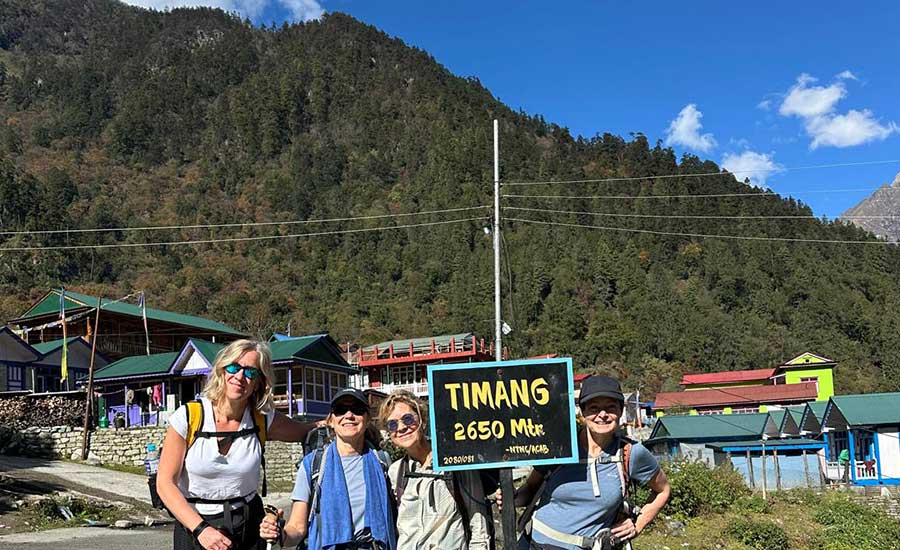
From March-end to April-end marks the flowering season that many trekkers fall in love with. At this time in the lower to mid-sections of the Himalayan ranges, the Rhododendron forests are blossoming. In the mountains that are higher in altitude, the snow has just begun to melt. the alpine meadows are just beginning to wake up from their wintry slumber. The ideal time for photographers while trekking the Annapurna Circuit in the spring season is just when the snow has cleared up and the roads are about to get dusty, falling just prior to the end of the hiking season.
Best Time for Annapurna Circuit Trek Based on Crowd Levels
From what month you choose to go do the trek, the number of people will vary substantially. October and April are the busiest months, as that is when people feel the safest and the most comfortable. If you are the kind of hiker who prefers less company, then the last week of March, the first week of May, last week of November, and the weeks of winter would be the best. For the best experience, pick the right months of the Annapurna Circuit Trek to have safety, comfort, and solitude.
Best Time for Annapurna Circuit Trek for Photography
The best time for early spring and late fall for landscape photography is the best for lighting and clarity. In April, you can get capture colorful forests with snow capped mountains. In Octemer you can get sharp contrasts, clear deep blue skies and crystal clear mountains for backdrops. Morning light is especially remarcable for those 3 locations during those times.
Best Time for Annapurna Circuit Trek for Beginners
For first-time high-altitude trekkers, spring (March–May) and autumn (September–November) remain the safest and most recommended seasons. These months provide stable weather, open teahouses, reliable trails, and manageable temperatures. Beginners attempting the Annapurna Circuit outside these seasons face increased risks related to cold, snow, or rainfall, making timing a critical factor for success.
Shoulder Season Trekking on the Annapurna Circuit
If you plan carefully, you can still trek Annapurna Circuit during shoulder seasons, which are early March and late November. Yes, it is true that these seasons are colder and are more limited when it comes to facilities and services when compared to other seasons, but do provide seasonal scenery that is less busy with less people in it. Those more interesting views can make for great photos compared to other seasons. People that decide to trek during these months should be ready to be flexible when it comes to planning when to do things like stay in lodges, or other costs, due to it being colder and more variable in terms of temp and weather.
Best Time for Annapurna Circuit Trek for Thorong La Pass Safety
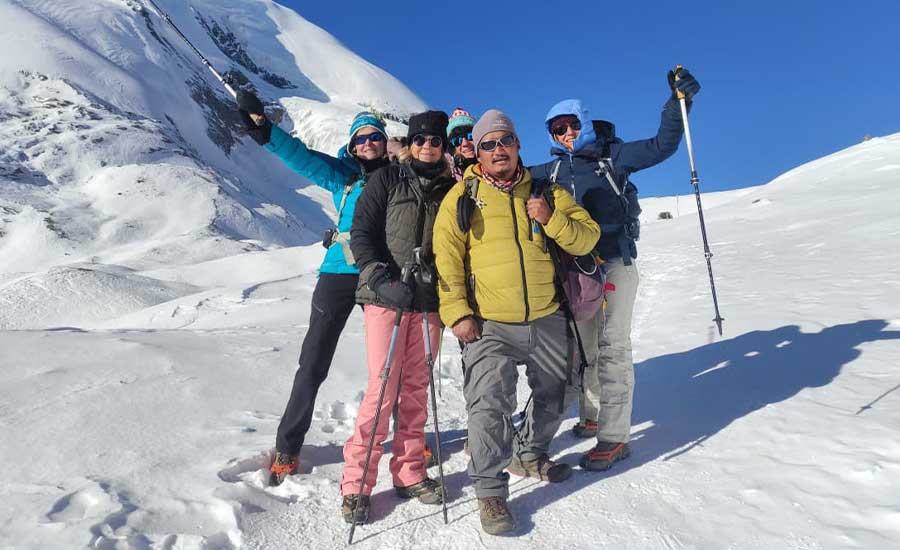
Thorong La Pass (5,416 m) is the highest and most sensitive point of the trek. The safest crossing periods are April–May and October–November, when snow accumulation is minimal and weather windows are more predictable. Winter snow and monsoon storms significantly increase risk, making seasonal timing one of the most important safety considerations on the Annapurna Circuit.
Teahouse Availability by Season on the Annapurna Circuit
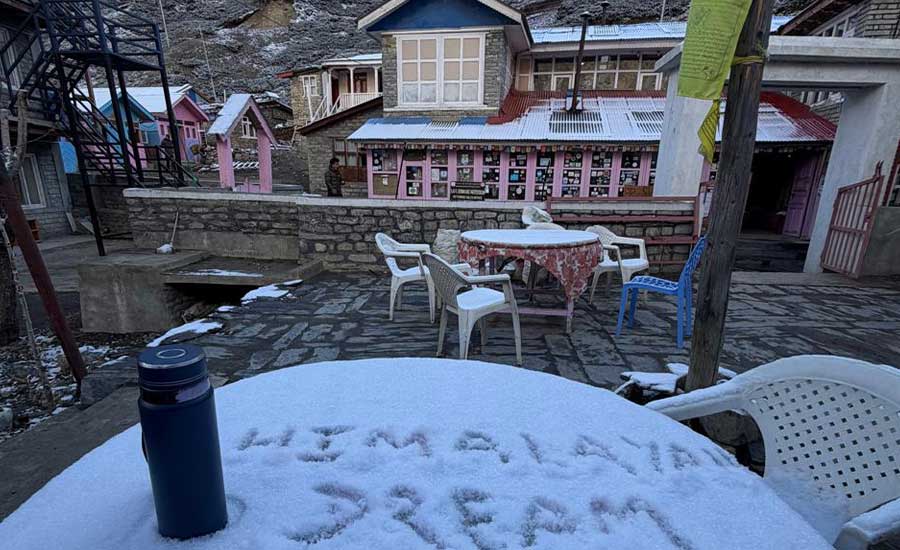
Teahouses are available throughout the year on the Annapurna Circuit, but availability, occupancy levels, and services vary depending on the trekking season. During peak trekking months, advance planning is recommended, while off-season trekkers can enjoy greater flexibility and quieter lodges.
| Season | Availability | What to Expect |
|---|---|---|
| Spring (March-May) | Excellent | Most teahouses are fully operational, offering a wide range of accommodation and food options. Popular villages can become busy during April and May. |
| Autumn (September-November) | Excellent but Busy | Peak trekking season with high demand. Teahouses often fill quickly, especially in October, so advance booking is recommended. |
| Winter (December-February) | Limited in Higher Villages | Many lower-elevation lodges remain open, but some teahouses in higher regions may close due to snow, cold temperatures, and reduced visitor numbers. |
| Monsoon (June-August) | Plenty Available | With fewer trekkers on the trail, accommodation is easy to find. Most teahouses remain open, although some services may be limited in remote areas. |
Tip: If you plan to trek during the peak months of October, November, April, or May, booking your guide, porter, and accommodation in advance can help ensure a smoother trekking experience.
Annapurna Circuit vs Everest Base Camp (EBC)
Which is Harder: Annapurna Circuit or EBC?
| Factor | Annapurna Circuit | EBC |
|---|---|---|
| Highest altitude | 5,416 m | 5,364 m |
| Duration | Longer | Shorter |
| Terrain | More varied | Steeper |
| Crowds | Fewer | Very busy |
Spring vs Monsoon: Annapurna Circuit Trek Comparison
| Factor | Spring (March–June) | Monsoon (July–Mid-September) |
|---|---|---|
| Weather Conditions | Stable, mild, and predictable | Wet, humid, and changeable |
| Daytime Temperature | 10°C to 20°C (50°F–68°F) | 15°C to 25°C (59°F–77°F) |
| Night Temperature (High Altitude) | 0°C to 5°C (32°F–41°F) | –3°C to 5°C (27°F–41°F) |
| Trail Conditions | Dry, safe, and well-defined | Wet, muddy, and slippery in places |
| Mountain Views | Clear and consistent | Often limited due to clouds |
| Crowd Level | Moderate to high | Very low |
| Natural Scenery | Blooming rhododendrons and flowers | Lush greenery and waterfalls |
| Thorong La Pass | Generally safe and reliable | Possible but weather-dependent |
| Best For | Beginners, photographers, first-time trekkers | Experienced trekkers seeking solitude |
Autumn vs Winter: Annapurna Circuit Trek Comparison
| Factor | Autumn (September–November) | Winter (December–February) |
|---|---|---|
| Weather Conditions | Dry, stable, and crisp | Cold, dry, and harsh at high altitude |
| Daytime Temperature | 10°C to 20°C (50°F–68°F) | 5°C to 10°C (41°F–50°F) |
| Night Temperature (High Altitude) | –5°C to 5°C (23°F–41°F) | –10°C to –20°C (14°F to –4°F) |
| Trail Conditions | Dry and well-maintained | Snow-covered and icy in places |
| Mountain Views | Excellent with clear skies | Extremely clear but weather-dependent |
| Crowd Level | High, especially in October | Very low |
| Thorong La Pass | Most reliable season to cross | Often difficult or temporarily closed |
| Accommodation Availability | Fully operational teahouses | Limited in higher regions |
| Best For | All trekkers, best overall experience | Experienced trekkers seeking solitude |
Annapurna Circuit is slightly harder due to length, not altitude.
Annapurna Circuit Trek Cost by Season
| Season | Months | Budget Level | Why Costs Vary |
|---|---|---|---|
| Spring | March-May | High | Popular trekking season with strong demand for guides, porters, transport, and teahouse accommodation. |
| Autumn | September-November | Highest | Peak trekking season, especially October, with the highest demand for accommodation and trekking services. |
| Winter | December-February | Lower | Fewer trekkers on the trail may reduce some costs, but extra cold-weather gear may be needed. |
| Monsoon | June-August | Lowest | Lowest visitor numbers due to rain, muddy trails, landslide risks, and limited mountain visibility. |
Packing List for Annapurna Circuit Trek
Packing the right gear is essential for a safe and comfortable Annapurna Circuit Trek. Since the route passes through warm valleys, alpine villages, and high-altitude areas near Thorong La Pass, trekkers should prepare for changing weather, cold nights, strong sun, and possible rain or snow depending on the season.
| Category | Essential Items | Why You Need Them |
|---|---|---|
| Clothing Layers | Base layers, fleece jacket, down jacket, trekking pants, thermal underwear | Helps you stay warm and comfortable as temperatures change with altitude. |
| Rain & Wind Protection | Waterproof jacket, rain pants, windproof outer layer, backpack rain cover | Protects against rain, snow, and strong winds, especially in monsoon or high-pass areas. |
| Footwear | Broken-in trekking boots, warm socks, lightweight camp shoes | Good footwear prevents blisters and supports long walking days on varied terrain. |
| Head & Hand Protection | Warm hat, sun hat, gloves, neck warmer or buff | Protects against cold mornings, strong sun, wind, and dust. |
| Sleeping Gear | Warm sleeping bag suitable for high altitude | Teahouse rooms can be very cold at higher elevations, especially near Manang and Thorong Phedi. |
| Daypack Essentials | Water bottle, snacks, sunscreen, sunglasses, headlamp, personal medicine | Keeps daily necessities easily accessible while trekking. |
| Health & Safety | First-aid kit, blister plasters, water purification tablets, altitude sickness medicine if prescribed | Important for minor injuries, hydration safety, and altitude-related precautions. |
| Documents | Passport copy, travel insurance, permits, emergency contacts | Required for checkpoints, accommodation, and emergency support. |
| Electronics | Power bank, camera, charger, extra batteries | Useful for photography and keeping devices charged in remote areas. |
| Optional Gear | Trekking poles, microspikes, gaiters, dry bags | Helpful for steep descents, snowy sections, wet trails, and organized packing. |
Tip: Packing should be adjusted according to the trekking season. Spring and autumn require balanced layering, winter needs extra cold-weather protection, and monsoon trekking requires reliable waterproof gear. Many items such as sleeping bags, down jackets, and trekking poles can be rented or purchased in Kathmandu before the trek begins.
ABC vs EBC: Which is Easier?
If you’re asking “Which trek is equivalent to EBC?” → Annapurna Circuit
Annapurna vs Kilimanjaro: Which is Harder?
| Trek | Difficulty |
|---|---|
| Annapurna Circuit | Longer, gradual |
| Kilimanjaro | Short, steep, fast altitude gain |
Kilimanjaro feels harder for beginners due to rapid ascent.
FAQs – Best Time for Annapurna Circuit Trek
Which Month is Best for the Annapurna Circuit Trek?
October is generally considered the best month for the Annapurna Circuit Trek due to stable weather, crystal-clear mountain views, dry trails, and comfortable temperatures. April, May, and November are also excellent months for trekking.
Is April or October Better for the Annapurna Circuit Trek?
Both months offer outstanding trekking conditions. April is ideal for blooming rhododendron forests, colorful landscapes, and pleasant temperatures, while October provides the clearest mountain views, dry trails, and the most stable weather. Photographers often prefer October, while nature lovers may prefer April.
Can Beginners Do the Annapurna Circuit Trek?
Yes, beginners can successfully complete the Annapurna Circuit Trek with proper preparation and acclimatization. Choosing spring or autumn, trekking with a licensed guide, and following a gradual itinerary significantly increase the chances of a safe and enjoyable experience.
How Difficult is the Annapurna Circuit Trek?
The Annapurna Circuit Trek is considered moderately challenging. The biggest challenge is the high altitude rather than technical climbing. The trek reaches Thorong La Pass at 5,416 meters, requiring good fitness, proper acclimatization, and careful pacing.
Can You Trek the Annapurna Circuit in Winter?
Yes, the Annapurna Circuit can be trekked during winter (December to February), but conditions are more challenging. Snowfall, freezing temperatures, and occasional closures of Thorong La Pass make winter best suited for experienced trekkers with proper equipment.
Is the Annapurna Circuit Trek Possible During the Monsoon?
Yes, but the monsoon season (June to August) brings heavy rainfall, muddy trails, landslides, and reduced mountain visibility. Experienced trekkers seeking quieter trails may still enjoy the trek, particularly in the drier rain-shadow areas around Manang and Mustang.
How Cold Does Thorong La Pass Get?
Temperatures at Thorong La Pass (5,416 m) can drop below -10°C during spring and autumn and may fall below -20°C during winter. Wind chill can make conditions feel even colder, especially during early morning crossings.
How Many Days Do You Need for the Annapurna Circuit Trek?
Most trekkers complete the Annapurna Circuit in 12 to 18 days, depending on the chosen itinerary, acclimatization schedule, side trips such as Tilicho Lake, and transportation options.
Do I Need a Guide for the Annapurna Circuit Trek?
Yes. Nepal's current trekking regulations require most foreign trekkers to be accompanied by a licensed guide. A guide enhances safety, assists with logistics, provides cultural insights, and helps manage altitude-related challenges.
What Permits Are Required for the Annapurna Circuit Trek?
Trekkers need an Annapurna Conservation Area Permit (ACAP). Depending on current regulations, additional trekking permits may be required. Your trekking agency can arrange all necessary permits before the trek begins.
Is Travel Insurance Necessary for the Annapurna Circuit Trek?
Yes. Comprehensive travel insurance that covers high-altitude trekking and emergency helicopter evacuation is strongly recommended. Medical evacuation from remote Himalayan regions can be expensive without adequate insurance coverage.
Is the Annapurna Circuit Trek Worth It?
Absolutely. The Annapurna Circuit is widely regarded as one of the world's greatest trekking routes. It combines spectacular Himalayan scenery, diverse landscapes, traditional mountain villages, Buddhist culture, and the unforgettable experience of crossing Thorong La Pass.
Which Month Has the Clearest Mountain Views?
October and November typically offer the clearest mountain views of the year. Following the monsoon season, the atmosphere is exceptionally clean, providing outstanding visibility of the Annapurna, Dhaulagiri, Manaslu, and Tilicho mountain ranges.
Is the Annapurna Circuit Crowded in October?
October is the busiest month on the Annapurna Circuit due to ideal trekking conditions. While popular villages and teahouses can be busy, the trail is much less crowded than some other famous trekking routes around the world.
What is the Cheapest Time to Trek the Annapurna Circuit?
Winter (December to February) and monsoon (June to August) are generally the most budget-friendly seasons. Lower demand can result in more affordable accommodation and trekking services, although weather conditions are less favorable than in spring and autumn.
Things to Know Before Planning Your Annapurna Circuit Trek
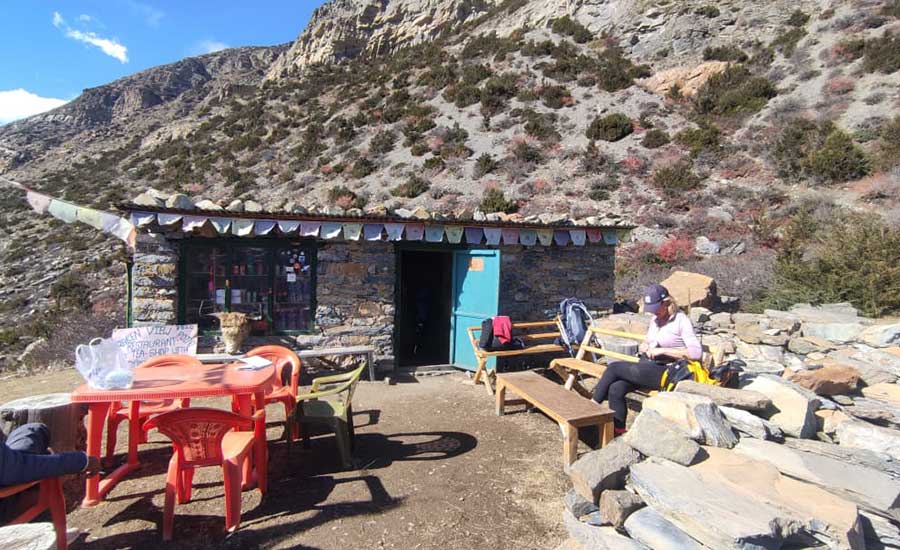
Secure Required Trekking Permits in Advance
To trek the Annapurna Circuit, you must obtain the ACAP (Annapurna Conservation Area Permit) and TIMS Card, as the route passes through a protected conservation area of Nepal. These permits are mandatory and checked at multiple points along the trail.Prepare a Season-Appropriate Packing List
A well-planned packing list is essential for a comfortable Annapurna Circuit trek. Include layered clothing suitable for high altitudes, quality trekking boots, a warm sleeping bag, personal first-aid supplies, and weather-specific gear depending on the season you choose.Pack Light and Follow Ethical Porter Guidelines
Avoid carrying unnecessary items. Ethical porter practices limit the weight a porter can carry, usually shared between two trekkers. Packing light not only supports responsible tourism but also makes your trekking experience more enjoyable.Understand Local Culture and Traditions
The Annapurna Circuit passes through Gurung, Manangi, and Thakali villages. Learning basic greetings like “Namaste” and respecting local customs, monasteries, and dress codes enhances cultural connection and mutual respect.Hire a Licensed Guide for Safety and Better Experience
Solo trekking is restricted in Nepal, and hiring a licensed Annapurna Circuit trekking guide is highly recommended. A local guide ensures safe navigation, proper acclimatization, cultural insight, and quick response in case of emergencies.Start Physical Preparation Early
The Annapurna Circuit trek is moderately to strenuous, especially due to altitude and long walking days. Begin fitness preparation weeks in advance with cardio, strength training, and regular hikes to build endurance and confidence.
Does the Season Affect Altitude Sickness on the Annapurna Circuit?
Altitude sickness, also known as Acute Mountain Sickness (AMS), is one of the most important health considerations on the Annapurna Circuit Trek. Since the trail reaches an elevation of 5,416 meters at Thorong La Pass, every trekker is exposed to the risk of altitude-related illness, regardless of fitness level, age, or trekking experience.
The good news is that altitude sickness can occur during any month of the year, but seasonal weather conditions can influence how your body adapts to high altitude and how easily help can be accessed if problems arise.
Can You Get Altitude Sickness in Any Season?
Yes. AMS can develop at any time of year and is primarily caused by ascending too quickly rather than by the weather itself. Common symptoms include headaches, nausea, dizziness, loss of appetite, fatigue, and difficulty sleeping. Proper acclimatization, hydration, and a gradual ascent remain the most effective ways to reduce the risk.
Why Spring and Autumn Are Considered the Safest Seasons
Spring (March to May) and autumn (September to November) provide the most favorable conditions for acclimatization. Stable weather, comfortable temperatures, open teahouses, and reliable trail conditions allow trekkers to maintain a steady pace and follow proper acclimatization schedules.
Clear weather also makes helicopter evacuations and emergency assistance more accessible if needed, which is another reason these seasons are considered the safest for high-altitude trekking in Nepal.
How Winter Increases the Challenge
During winter (December to February), the risk of altitude sickness remains the same, but extreme cold temperatures place additional stress on the body. Dehydration is more common because trekkers often drink less water in cold conditions, and freezing temperatures can increase fatigue and slow recovery.
Snow-covered trails and severe weather may also delay evacuation efforts, making proper preparation even more important for winter trekkers.
How Monsoon Conditions Can Affect Safety
The monsoon season (June to August) does not directly increase the likelihood of AMS, but it can make managing emergencies more difficult. Heavy rainfall, landslides, poor visibility, and transportation disruptions may delay helicopter rescues or medical evacuations in remote areas.
Cloud cover can also affect flight schedules, which is why trekkers should allow extra time in their itinerary during the monsoon months.
Tips to Reduce Altitude Sickness on the Annapurna Circuit
- Follow a gradual ascent and proper acclimatization schedule.
- Spend an acclimatization day in Manang (3,540 m).
- Drink plenty of water and stay hydrated.
- Avoid alcohol and excessive physical exertion at high altitude.
- Listen to your guide and monitor symptoms carefully.
- Descend immediately if symptoms become severe.
- Consider travel insurance that covers high-altitude trekking and emergency helicopter evacuation.
While altitude sickness is possible during any season, spring and autumn provide the safest overall trekking conditions on the Annapurna Circuit. With proper acclimatization, a sensible itinerary, and experienced local guidance, most trekkers successfully cross Thorong La Pass and enjoy one of Nepal's most rewarding trekking adventures.
Annapurna Circuit Festivals & Events
Trekking the Annapurna Circuit is not only a journey through dramatic Himalayan landscapes but also an opportunity to experience Nepal’s rich cultural calendar. Depending on the season, trekkers may encounter local festivals, religious rituals, and village celebrations that add deep cultural meaning to the trek.
Dashain Festival (September–October)
Nepal’s biggest Hindu festival, celebrated with family gatherings, blessings, and traditional rituals. During Dashain, villages along the Annapurna Circuit feel festive, offering trekkers a rare glimpse into local life and traditions.Tihar Festival – Festival of Lights (October–November)
Tihar brings colorful decorations, oil lamps, flower garlands, and cultural songs to homes and lodges along the trail. Trekking during Tihar offers a warm, joyful atmosphere and close interaction with local communities.Yartung Festival in Mustang (August)
Celebrated mainly in Upper Mustang, the Yartung Festival features traditional horse racing, archery, dancing, and music. Trekkers finishing the circuit toward Jomsom or Muktinath may experience echoes of this vibrant Tibetan-influenced celebration.Buddhist Ceremonies & Monastery Rituals (Year-round)
Along the Annapurna Circuit, especially in Manang and Mustang regions, trekkers may witness daily Buddhist prayers, chanting, and rituals in monasteries, chortens, and prayer halls, adding spiritual depth to the journey.Local Village Festivals & Seasonal Celebrations
Smaller community festivals tied to harvest seasons, lunar calendars, and religious events take place throughout the year. These intimate celebrations offer authentic cultural encounters rarely found on standard sightseeing tours.
Conclusion: When is the Best Time to Trek the Annapurna Circuit?
The Annapurna Circuit Trek is one of Nepal's most spectacular trekking adventures, offering an incredible combination of Himalayan scenery, diverse landscapes, traditional mountain cultures, and the unforgettable challenge of crossing Thorong La Pass (5,416 m). While the trek can be completed throughout the year, choosing the right season can significantly enhance your overall experience.
For most trekkers, spring (March to May) and autumn (September to November) remain the best times to trek the Annapurna Circuit. These seasons provide stable weather, clear mountain views, comfortable temperatures, reliable trail conditions, and the safest opportunities to cross Thorong La Pass. Spring rewards trekkers with blooming rhododendron forests and vibrant landscapes, while autumn delivers crystal-clear skies, spectacular Himalayan panoramas, and some of the best trekking conditions found anywhere in Nepal.
Whether you are a first-time trekker, a passionate photographer, a nature lover, or an experienced adventurer seeking a high-altitude challenge, the Annapurna Circuit offers a unique experience in every season. With proper planning, acclimatization, and local expertise, this legendary trek remains one of the world's greatest trekking journeys. At Himalayan Dream Team, we are committed to helping you choose the ideal season and itinerary so you can experience the Annapurna Circuit safely, comfortably, and to its fullest potential.