

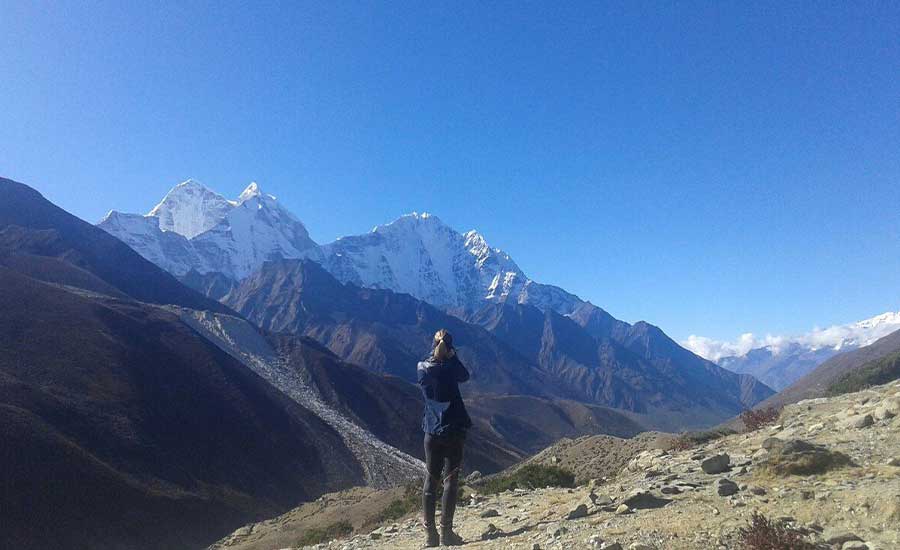
Best Time for Everest Base Camp Trek (EBC): Seasons, Weather, Temperatures & Month-by-Month Guide (2026/2027)
Planning the Everest Base Camp Trek is exciting—but choosing the right time can make the difference between crystal-clear Himalayan views and days of cloud, snow, or flight delays. In this complete guide by Himalayan Dream Team, you’ll learn the best season for Everest Base Camp Trek, how the Everest region weather changes month to month, what temperatures to expect from Lukla to EBC (5,364m), and which season fits your trekking style—photography, comfort, fewer crowds, or budget.
We also connect the season guide directly to the classic Everest Base Camp itinerary (16 days) you shared, so you can understand exactly what weather feels like on the trail—from Namche Bazaar acclimatization to Kala Patthar sunrise (5,545m).
Why timing matters for the Everest Base Camp Trek
Even though the Everest region is high and cold, weather patterns are not the same year-round. The Khumbu changes dramatically with:
cloud cover and visibility (mountain views)
snow conditions (trail safety)
wind chill and night temperatures (comfort & sleep)
Lukla flight reliability (getting in/out)
teahouse availability (especially in winter)
The most popular question we receive is: “When is the best time to trek Everest Base Camp?”
For most trekkers, the best seasons are:
Best seasons for Everest Base Camp Trek
Spring (March–May): clear views, warmer days, blooming rhododendrons
Autumn (late September–November): the most stable skies, crisp visibility, classic trekking conditions
But winter and monsoon can also work—if your priorities are solitude, budget, or a more adventurous challenge.
Everest Base Camp Trek seasons at a glance
Spring (March–May): Best for classic views + comfortable trekking
Spring is one of the best times to trek to Everest Base Camp because days get longer, the trail becomes lively, and the weather is generally stable.
What spring feels like on your itinerary
Day 3–4 (Lukla → Phakding → Namche): pleasant trekking temperatures, clean air, great first mountain views
Day 6 (Namche → Tengboche): often bright panoramas of Everest, Lhotse, Ama Dablam
Day 10–11 (Gorakshep → EBC + Kala Patthar): colder nights, but mornings can be stunningly clear
Spring advantages
excellent visibility on many days (especially April)
warmer daytime temperatures than autumn at lower altitudes
Everest Base Camp may feel “alive” with expedition teams (especially April–May)
beautiful forests on lower sections (rhododendrons in bloom)
Spring challenges
trails and teahouses can be crowded in April/May
occasional late snowstorms near higher villages
peak-season demand increases Lukla flight pressure
Best spring months
April: the sweet spot for views + comfort
May: warmer days, busier trails, occasional cloud build-up late in the month
Autumn (late September–November): Best for the clearest mountain views
Autumn is often called the best season for Everest Base Camp Trek because the monsoon has washed the air clean. The sky can turn deep blue, the peaks appear razor-sharp, and the weather is usually steady.
What autumn feels like on your itinerary
Namche acclimatization day (Day 5): bright, crisp mornings—great for Everest View Hotel hike
Tengboche (Day 6): one of the best photo conditions of the year
Kala Patthar (Day 11): cold at sunrise, but often the clearest view window
Autumn advantages
best overall visibility and sharp mountain photography conditions
stable trekking days with minimal precipitation
comfortable walking temperatures (cool but pleasant)
festival season in Nepal (often Dashain/Tihar) + Sherpa cultural events
Autumn challenges
October is extremely popular (book flights/rooms early)
late September can still have some transition weather
nights get colder from mid-November onward
Best autumn months
October: the most reliable month for classic EBC conditions
November: quieter than October, very clear skies, colder nights
Winter (December–February): Best for solitude + dramatic snow views (for experienced trekkers)
Winter trekking to EBC is possible, and the skies can be exceptionally clear, but it’s a tougher, colder experience. Not every lodge stays fully active, and temperatures above 4,000m can feel intense at night.
Winter advantages
minimal crowds (quiet trails and viewpoints)
stunning snow landscapes and crisp visibility on clear days
often easier to find rooms (but fewer open lodges higher up)
Winter challenges
extreme cold at night (especially in Gorakshep)
snow/ice can make sections slippery
higher chance of Lukla flight disruption due to conditions
Who should trek in winter
experienced trekkers who handle cold well
photographers chasing snowy drama
travelers who value silence more than comfort
Monsoon / Summer (June–mid-September): Best for greenery + fewer crowds (but highest flight risk)
Monsoon is the least chosen season for Everest Base Camp Trek because rain and cloud often reduce visibility, and Lukla flights are more likely to cancel. However, higher areas can sometimes sit above the rain line, and the landscapes in lower sections become lush.
Monsoon advantages
very quiet trails
greener valleys and fresh scenery
sometimes better pricing and easier availability
Monsoon challenges
frequent clouds and limited mountain views
slippery trails and damp conditions
highest Lukla flight cancellation risk
Who should trek in monsoon
flexible travelers with extra buffer days
those who care more about experience than constant big views
repeat trekkers who want a different mood of Everest
Month-by-month: Everest Base Camp Trek conditions
Here’s a practical month-by-month Everest Base Camp weather guide (trail, visibility, and crowd level):
January: very cold, quiet, often clear skies (expert-friendly)
February: still cold, slightly improving, snow possible
March: spring begins; cooler mornings, clearer afternoons
April: one of the best months overall (views + comfort)
May: warm and busy; clouds may increase later in month
June: monsoon starts; wet lower trails, flight uncertainty
July: peak monsoon; clouds/rain, highest cancellations
August: wet but slowly improving toward end
September: transition month; late September becomes excellent
October: best balance of stability + visibility (peak season)
November: very clear, colder nights, slightly fewer trekkers
December: winter starts; cold but peaceful and photogenic
Everest Base Camp temperatures (Lukla to EBC)
Temperatures depend on season, wind, and cloud cover, but altitude always makes nights colder. Use this as a realistic planning range:
Lukla (2,840m): mild days, cool nights
Namche Bazaar (3,440m): pleasant days in peak season, cold nights
Tengboche (3,860m): cooler and windy in open sections
Dingboche (4,410m): noticeably colder; acclimatization days can feel chilly
Lobuche (4,910m): cold nights are normal
Gorakshep (5,164m): one of the coldest sleeping points
Everest Base Camp (5,364m): daytime can be manageable in sun; nights are freezing in any season
Kala Patthar (5,545m): sunrise often the coldest moment of the trek
Tip from our guiding team: your sleeping comfort matters as much as your jacket. A quality sleeping bag and warm layers make a big difference above Dingboche.
Best time for Everest Base Camp Trek by travel style
For the best mountain views & photography
October–November and April
clear air, sharp peaks, dramatic light
For first-time trekkers (easiest overall conditions)
April–May and October
stable weather, comfortable trekking rhythm
For fewer crowds
November (late), December, February, March
still possible to get clear views, quieter lodges
For budget-focused trekking
winter and monsoon
but you must keep buffer days for flights
To see Everest Base Camp with expedition energy
April–May (climbing season atmosphere at base camp)
How the season affects your exact EBC itinerary
Your itinerary includes the key high points:
Acclimatization in Namche (Day 5) and Dingboche (Day 8)
Everest Base Camp visit (Day 10)
Kala Patthar sunrise (Day 11)
Return to Lukla + fly out (Days 13–14)
plus buffer/extra day (Day 15) for possible Lukla flight issues
That buffer day is smart in any season, but it’s especially valuable in:
monsoon months (June–September)
early winter transitions
shoulder months like early March or mid-September
Practical tips to choose the right season
Book early if trekking in April or October (Lukla flights + best lodges fill fast).
Pack for nights, not just days (above 4,000m, nights are always cold).
Plan for Lukla delays—your itinerary already includes a good safety cushion (Day 15).
Stay flexible on sunrise goals: Kala Patthar is best early morning, but your guide will choose the safest weather window.
Hydration + acclimatization matter more than season. Your Namche and Dingboche days are essential for safety and comfort.
Frequently asked questions (FAQs)
Is Everest Base Camp Trek possible all year round?
Yes, but conditions vary. Spring and autumn are best for most trekkers. Winter and monsoon are for travelers who accept extra challenges.
Which month is the best month for Everest Base Camp Trek?
If we must pick one: October (most reliable), and April (best spring balance). Your best month depends on whether you want fewer crowds, warmer days, or sharper views.
Is it better to trek EBC in spring or autumn?
Choose spring for warmer trekking days and expedition atmosphere.
Choose autumn for the clearest views and most stable skies.
When is the coldest part of the trek?
Typically Gorakshep and Kala Patthar (Day 10–11 area), especially at sunrise.
Explore more Everest trekking packages with Himalayan Dream Team
If you’re choosing your season, you may also want a route that matches your time, comfort level, and adventure style. Here are excellent alternatives and extensions:
Everest Base Camp Trek (classic teahouse route)
Everest Base Camp Trek with Helicopter Return (save time + reduce descent days)
Luxury Everest Base Camp Trek (best lodges, upgraded comfort where possible)
Everest Three Passes Trek (for strong trekkers: Renjo La, Cho La, Kongma La)
Everest Base Camp via Gokyo Lakes & Cho La Pass (lakes + views + adventure)
Gokyo Lakes and Gokyo Ri Trek (best for panoramic viewpoints and fewer crowds)
Everest View Trek (shorter trek with iconic views—great for limited time)
Pikey Peak Trek (lower altitude, beautiful Everest panorama, cultural trails)
Arun Valley to Everest Base Camp (a quieter, longer approach with deep local immersion)
Final words: Which season should you choose?
For most travelers, the best time for Everest Base Camp Trek is during spring (March to May) and autumn (late September to November), when the Everest region offers the most reliable trekking conditions. These peak seasons are known for stable weather, clear skies, and excellent mountain visibility, allowing trekkers to enjoy breathtaking views of Mount Everest, Lhotse, Nuptse, and Ama Dablam almost every day. Daytime temperatures are generally comfortable for walking, while nights—though cold at higher altitudes—remain manageable with proper gear. Spring adds vibrant beauty with blooming rhododendron forests, while autumn delivers crisp air and sharp post-monsoon views, making both seasons ideal for photography and first-time trekkers.
In addition to better weather, spring and autumn provide safer trail conditions and smoother logistics, including more reliable flights to and from Lukla and fully operational teahouses along the route. These seasons reduce the risks associated with heavy snowfall, monsoon rain, or extreme winter cold, ensuring a more enjoyable and predictable Everest Base Camp trekking experience. Whether you are seeking classic Himalayan scenery, cultural encounters in Sherpa villages, or a comfortable pace with proper acclimatization, trekking in spring or autumn offers the best balance of safety, scenery, and overall trekking satisfaction in the Everest region.