
Best Time for Manaslu Circuit Trek
Published On : 12th Jun, 2026 By Himalayan Dream Team
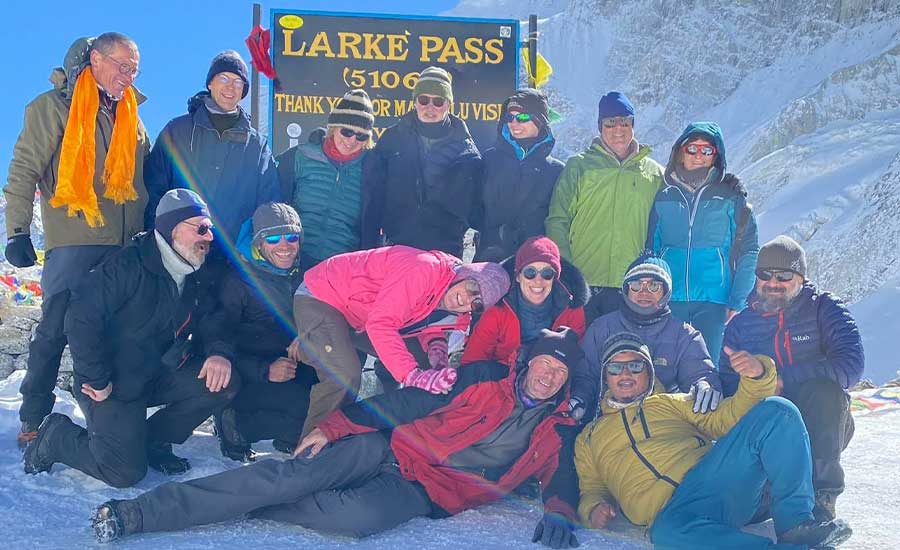
The Manaslu Circuit Trek is one of Nepal's most spectacular and rewarding Himalayan adventures. Circling the world's eighth-highest mountain, Mount Manaslu (8,163 m), this remote trekking route offers breathtaking mountain scenery, authentic Tibetan-influenced culture, dramatic landscapes, and the thrilling challenge of crossing Larkya La Pass (5,106 m).
Unlike the more crowded Annapurna and Everest regions, the Manaslu Circuit remains a quieter and less commercialized trekking destination, making it ideal for travelers seeking a genuine Himalayan experience. However, because the trail reaches high altitudes and passes through several climatic zones, choosing the right season is essential for safety, comfort, and mountain visibility.
In general, the best time for the Manaslu Circuit Trek is during spring (March to May) and autumn (September to November). These seasons offer stable weather, excellent mountain views, comfortable trekking temperatures, and the safest conditions for crossing Larkya La Pass.
This complete guide from Himalayan Dream Team explains Manaslu Circuit weather by month, seasonal temperatures, trail conditions, teahouse availability, crowd levels, altitude considerations, costs, and the best months based on your trekking style and experience.
What is the Best Time for Manaslu Circuit Trek?
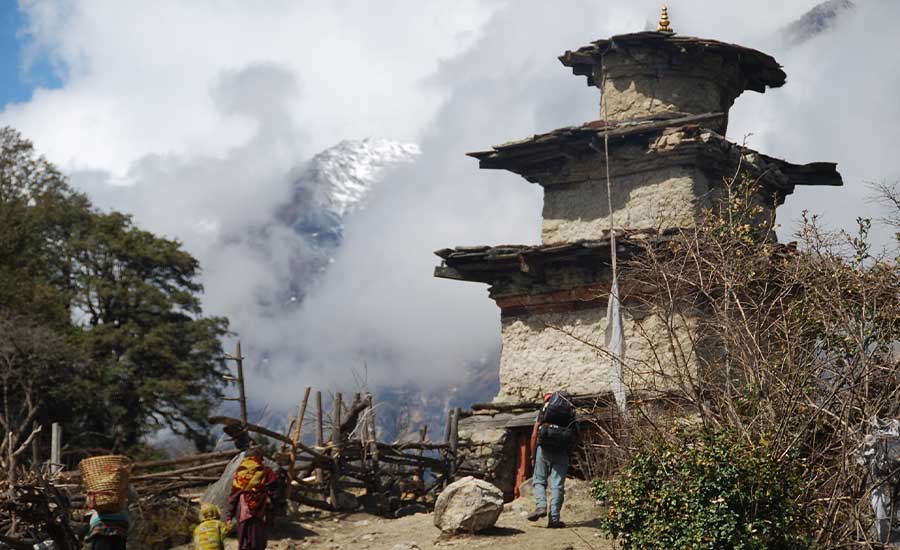
If you are looking for the short answer, the best months for the Manaslu Circuit Trek are:
- April
- May
- October
- November
These months provide:
- Stable weather
- Clear Himalayan views
- Comfortable temperatures
- Open teahouses
- Reliable transportation
- Safer Larkya La Pass crossings
Among all months, October is widely considered the best month overall due to exceptionally clear mountain views and stable weather conditions.
Why Timing Matters on the Manaslu Circuit
The Manaslu Circuit Trek reaches elevations above 5,000 meters and crosses the remote Larkya La Pass (5,106 m). Weather conditions directly influence:
- Trail safety
- Snow conditions
- Mountain visibility
- River crossings
- Accommodation availability
- Transportation reliability
- Altitude-related risks
Choosing the right season significantly improves both safety and enjoyment.
Manaslu Circuit Trek Seasons at a Glance
| Season | Months | Rating | Best For |
|---|---|---|---|
| Spring | March-May | ⭐⭐⭐⭐⭐ | Flowers, photography, beginners |
| Autumn | September-November | ⭐⭐⭐⭐⭐ | Best overall conditions |
| Monsoon | June-August | ⭐⭐ | Solitude and greenery |
| Winter | December-February | ⭐⭐⭐ | Experienced trekkers |
Manaslu Circuit Weather by Month
| Month | Weather Conditions | Recommendation |
|---|---|---|
| January | Very cold with possible snowfall and challenging conditions at Larkya La Pass | Experienced trekkers only |
| February | Cold temperatures continue, but weather gradually begins to improve | Experienced trekkers |
| March | Spring begins with stable weather, warmer temperatures, and clearer skies | Recommended |
| April | Excellent trekking conditions with blooming rhododendrons and superb mountain views | One of the best months |
| May | Warm, clear, and ideal for high-altitude trekking and photography | Excellent |
| June | Pre-monsoon conditions with increasing cloud cover and occasional rainfall | Possible |
| July | Heavy monsoon rainfall, muddy trails, and limited mountain visibility | Not recommended |
| August | Wet and cloudy with continued monsoon conditions and slippery trails | Not recommended |
| September | Monsoon gradually retreats, bringing clearer skies and improving trail conditions | Excellent |
| October | Crystal-clear mountain views, stable weather, and ideal trekking conditions | Highly Recommended |
| November | Dry, clear weather with outstanding visibility and comfortable trekking temperatures | Excellent |
| December | Cold temperatures, quiet trails, and increasing snowfall at higher elevations | Experienced trekkers |
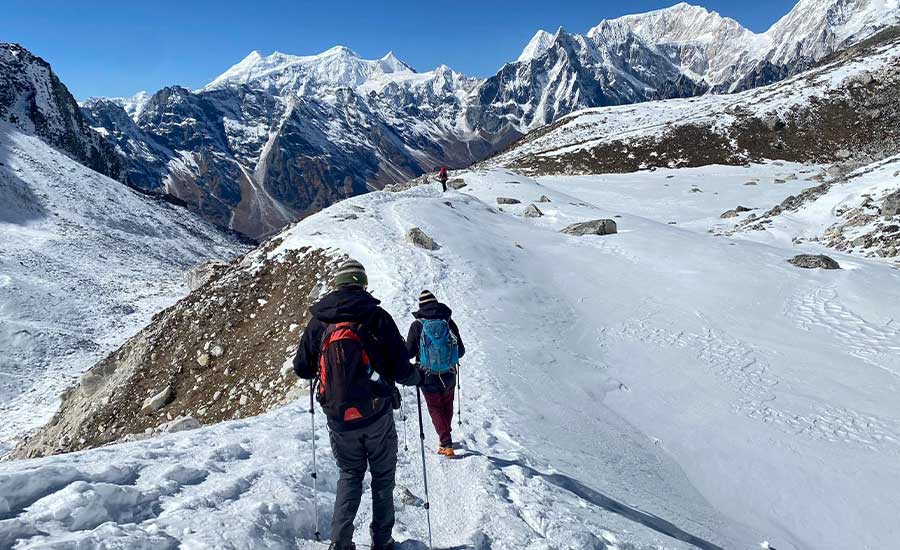
Note: Weather conditions in the Manaslu region can change rapidly, particularly around higher elevations such as Samagaun, Dharamsala, and Larkya La Pass (5,106 m). Trekkers should always be prepared for sudden temperature drops, strong winds, and occasional snowfall, regardless of the season.
Manaslu Circuit Temperature by Elevation
| Location | Altitude | Spring (March–May) | Autumn (September–November) | Winter (December–February) |
|---|---|---|---|---|
| Machha Khola | 930 m | 22°C | 24°C | 15°C |
| Namrung | 2,630 m | 15°C | 14°C | 5°C |
| Samagaun | 3,530 m | 10°C | 8°C | -5°C |
| Dharamsala (Larkya Phedi) | 4,460 m | 5°C | 3°C | -10°C |
| Larkya La Pass | 5,106 m | -5°C | -8°C | -18°C |
Note: Temperatures on the Manaslu Circuit Trek vary considerably depending on altitude, weather conditions, wind chill, and time of day. While lower villages such as Machha Khola remain relatively mild throughout the year, temperatures near Dharamsala and Larkya La Pass can drop well below freezing, especially during early morning pass crossings. Trekkers should always pack appropriate layered clothing and cold-weather gear regardless of the season.
Spring Season (March–May): Best Time for Manaslu Circuit Trek
Spring is one of the best seasons to trek the Manaslu Circuit, offering stable weather, comfortable temperatures, blooming rhododendron forests, and spectacular mountain views. As winter snow gradually melts from higher elevations, trails become more accessible and conditions for crossing Larkya La Pass (5,106 m) improve significantly. The combination of vibrant landscapes, longer daylight hours, and reliable weather makes spring a favorite season for both first-time trekkers and experienced hikers.
Spring Weather Conditions
| Weather Factor | Spring Conditions (March–May) |
|---|---|
| Weather Stability | Generally stable and predictable |
| Precipitation | Low rainfall with minimal snowfall at higher elevations |
| Temperature | Comfortable for trekking across most elevations |
| Mountain Visibility | Excellent views of Manaslu, Himalchuli, Ngadi Chuli, and Ganesh Himal |
| Larkya La Pass Conditions | Generally safe and reliable with proper acclimatization |
| Daylight Hours | Longer days ideal for trekking and photography |
Advantages of Spring Trekking
| Advantage | Description |
|---|---|
| Blooming Rhododendrons | Colorful forests create spectacular scenery throughout the lower and mid-altitude sections. |
| Comfortable Temperatures | Pleasant daytime temperatures make long trekking days more enjoyable. |
| Photography Opportunities | Clear skies and vibrant landscapes provide excellent conditions for photography. |
| Safer Larkya La Crossing | Lower snowfall and stable weather improve pass-crossing conditions. |
| Longer Daylight Hours | More daylight allows flexible trekking schedules and better acclimatization. |
Challenges of Spring Trekking
| Challenge | Description |
|---|---|
| Increasing Popularity | Spring is one of the busiest trekking seasons in Nepal. |
| Busy Teahouses | Popular villages may have limited accommodation during peak weeks in April and May. |
Autumn Season (September–November): Best Overall Season
Autumn is widely considered the best overall season for the Manaslu Circuit Trek. Following the monsoon, the air becomes exceptionally clear, the trails dry out, and mountain visibility reaches its peak. With stable weather, comfortable temperatures, and breathtaking Himalayan panoramas, autumn offers ideal conditions for trekking and crossing Larkya La Pass safely.
Why Choose Autumn for the Manaslu Circuit Trek?
| Advantage | Description |
|---|---|
| Best Mountain Visibility | Crystal-clear views of Mount Manaslu, Himalchuli, Ngadi Chuli, and surrounding peaks. |
| Stable Weather | Dry and predictable conditions throughout most of the trekking season. |
| Comfortable Temperatures | Ideal daytime temperatures for trekking at all elevations. |
| Cultural Experiences | Opportunity to witness Nepal’s major festivals such as Dashain and Tihar. |
| Photography Conditions | Excellent lighting, sharp mountain views, and vibrant post-monsoon landscapes. |
| Reliable Larkya La Crossing | One of the safest periods of the year to cross the pass. |
Monsoon Season (June–August)
The monsoon season brings heavy rainfall to much of Nepal, including the lower sections of the Manaslu Circuit. Trails can become muddy and slippery, while landslides occasionally affect transportation routes and trekking paths. Mountain views are often obscured by clouds, but trekkers who choose this season are rewarded with lush green landscapes, fewer crowds, and a more peaceful trekking experience.
Monsoon Weather Conditions
| Weather Factor | Monsoon Conditions (June–August) |
|---|---|
| Rainfall | Frequent rainfall, especially during afternoons and evenings |
| Trail Conditions | Wet, muddy, and slippery in lower elevations |
| Mountain Visibility | Often limited due to clouds and mist |
| Landscape | Lush green forests, waterfalls, and vibrant vegetation |
| Weather Stability | Unpredictable with occasional storms |
| Larkya La Pass Conditions | Possible to cross but weather-dependent |
Advantages of Monsoon Trekking
| Advantage | Description |
|---|---|
| Fewer Trekkers | Enjoy quieter trails and a more remote Himalayan experience. |
| Lush Green Landscapes | Forests, valleys, and hillsides are at their most vibrant and colorful. |
| Lower Costs | Accommodation and trekking services may be more affordable during the off-season. |
Challenges of Monsoon Trekking
| Challenge | Description |
|---|---|
| Heavy Rainfall | Frequent rain can make trekking less comfortable and reduce visibility. |
| Landslide Risk | Some lower sections of the trail and access roads may be affected by landslides. |
| Poor Mountain Views | Cloud cover often obscures Himalayan panoramas. |
Winter Season (December–February)
Winter is the quietest trekking season on the Manaslu Circuit. The trails are peaceful, the skies are often crystal clear, and snow-covered peaks create breathtaking scenery. However, temperatures can drop well below freezing at higher elevations, and heavy snowfall may occasionally affect Larkya La Pass. Winter trekking is best suited to experienced trekkers with proper equipment and a flexible itinerary.
Winter Weather Conditions
| Weather Factor | Winter Conditions (December–February) |
|---|---|
| Temperature | Cold to extremely cold, especially above 3,500 m |
| Snowfall | Frequent snowfall at higher elevations and near Larkya La Pass |
| Mountain Visibility | Excellent with clear skies and crisp air |
| Trail Conditions | Snow-covered and icy in higher sections |
| Weather Stability | Generally dry but extremely cold |
| Larkya La Pass Conditions | May be difficult or temporarily inaccessible after heavy snowfall |
Advantages of Winter Trekking
| Advantage | Description |
|---|---|
| Quiet Trails | Very few trekkers create a peaceful and remote trekking experience. |
| Clear Skies | Winter often provides some of the clearest mountain views of the year. |
| Authentic Village Experience | Enjoy traditional Himalayan life with minimal tourist activity. |
Challenges of Winter Trekking
| Challenge | Description |
|---|---|
| Extreme Cold | Temperatures can fall well below freezing at higher elevations. |
| Snow-Covered Larkya La Pass | Deep snow can make pass crossings more difficult and physically demanding. |
| Possible Route Disruptions | Heavy snowfall may occasionally delay or alter trekking plans. |
Can You Trek the Manaslu Circuit Year-Round?
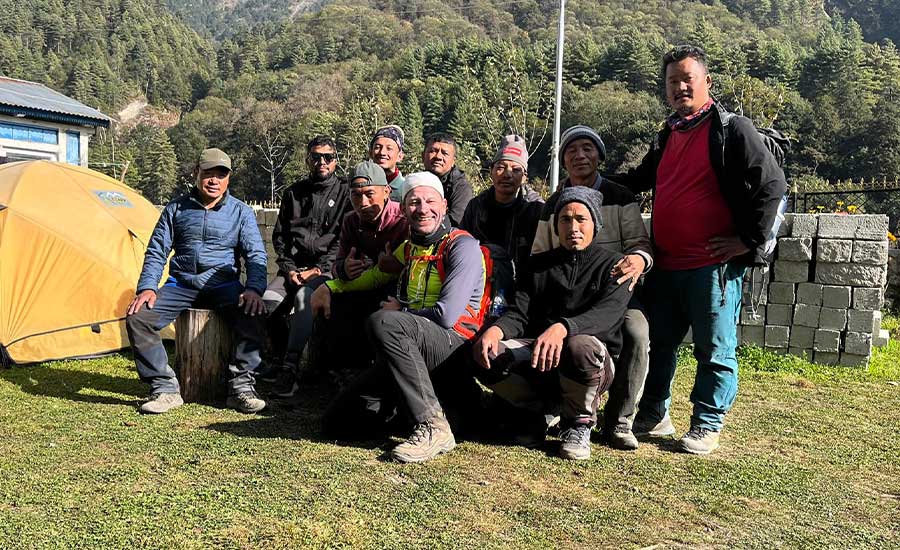
Yes, the Manaslu Circuit Trek can be completed throughout the year, but the trekking experience varies significantly depending on the season. While spring (March to May) and autumn (September to November) are widely considered the best times to trek the Manaslu Circuit, experienced trekkers can also enjoy the route during winter and monsoon with proper preparation, suitable equipment, and flexible travel plans.
Spring and autumn offer the most favorable trekking conditions, with stable weather, clear mountain views, comfortable temperatures, and safer crossings of Larkya La Pass (5,106 m). These seasons are ideal for both first-time trekkers and experienced hikers, providing the perfect balance of scenery, safety, and trekking comfort. Spring is particularly known for its blooming rhododendron forests and vibrant landscapes, while autumn delivers crystal-clear Himalayan panoramas and excellent visibility.
Winter (December to February) presents a more challenging but rewarding experience. Trekkers can enjoy peaceful trails, spectacular snow-covered mountain scenery, and authentic cultural encounters in remote Himalayan villages. However, freezing temperatures, heavy snowfall, and occasional closures of Larkya La Pass make winter trekking best suited to experienced adventurers with appropriate cold-weather gear.
The monsoon season (June to August) is the least popular time to trek the Manaslu Circuit due to heavy rainfall, muddy trails, landslide risks, and reduced mountain visibility. Nevertheless, the region becomes exceptionally green and beautiful, with fewer trekkers and a more tranquil atmosphere. Those who choose to trek during the monsoon should be prepared for changing weather conditions and possible transportation delays.
At Himalayan Dream Team, we generally recommend April, May, October, and November as the best months for the Manaslu Circuit Trek. These months consistently provide the safest trail conditions, the most reliable weather, and the finest mountain views, allowing trekkers to fully appreciate one of Nepal's most spectacular and rewarding Himalayan adventures.
Best Time for Manaslu Circuit Based on Your Travel Style
Every trekker has different priorities when planning the Manaslu Circuit Trek. Some are looking for the clearest mountain views, others want blooming landscapes, fewer crowds, cultural festivals, or a more budget-friendly adventure. The table below helps you choose the best time to trek the Manaslu Circuit based on your interests, experience level, and travel style.
| Traveler Type | Best Month | Why It's Recommended |
|---|---|---|
| First-Time Trekker | April | Stable weather, comfortable temperatures, blooming rhododendrons, and reliable trail conditions. |
| Photographer | October | Crystal-clear skies, exceptional mountain visibility, and ideal lighting for landscape photography. |
| Flower Lover | April | Peak rhododendron blooming season with vibrant forests throughout the lower valleys. |
| Budget Traveler | December | Fewer trekkers, quieter teahouses, and lower demand for trekking services. |
| Solo Traveler | March | Good weather, moderate crowds, and a welcoming atmosphere at the start of the trekking season. |
| Festival Lover | October | Opportunity to experience Nepal's biggest festivals, including Dashain and Tihar. |
| Experienced Trekker | January | Quiet trails, winter scenery, and a more challenging high-altitude trekking experience. |
| Trekkers Seeking Quiet Trails | November | Excellent mountain views and stable weather with fewer crowds than peak October. |
Tip: For the best combination of weather, scenery, safety, and trekking comfort, most trekkers choose April, May, October, or November. These months consistently provide the most favorable conditions for trekking the Manaslu Circuit and crossing Larkya La Pass safely.
Best Time for Larkya La Pass Crossing
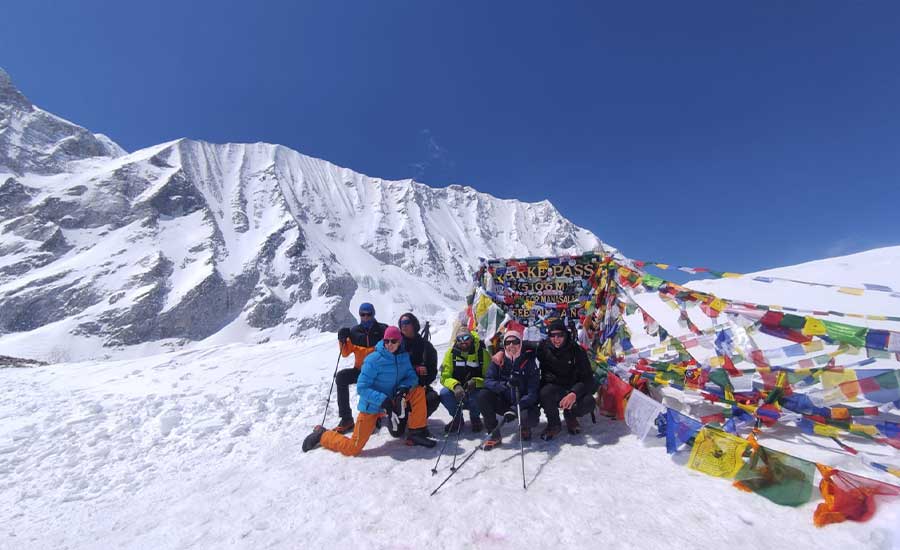
The safest and most reliable months for crossing Larkya La Pass are:
- April
- May
- October
- November
During these months, snow accumulation is generally lower and weather windows are more predictable.
Manaslu Circuit Trek Cost by Season
The overall cost of the Manaslu Circuit Trek varies throughout the year depending on demand for guides, porters, accommodation, transportation, and trekking services. While permit fees remain fixed, seasonal demand can influence the overall price of your trekking adventure.
| Season | Months | Cost Level | Why Costs Vary |
|---|---|---|---|
| Spring | March-May | High | Popular trekking season with strong demand for guides, porters, transport, and teahouse accommodation. |
| Autumn | September-November | Highest | Peak trekking season, especially in October, when demand for accommodation, guides, and transportation is at its highest. |
| Winter | December-February | Lower | Fewer trekkers on the trail may result in more competitive pricing, although additional cold-weather gear may be required. |
| Monsoon | June-August | Lowest | Lower visitor numbers due to rain, muddy trails, landslide risks, and limited mountain visibility often lead to reduced costs. |
Tip: Although spring and autumn are generally the most expensive seasons, they also provide the best weather, safest trekking conditions, and the most spectacular mountain views, making them the preferred choice for most trekkers on the Manaslu Circuit.
Teahouse Availability by Season on the Manaslu Circuit
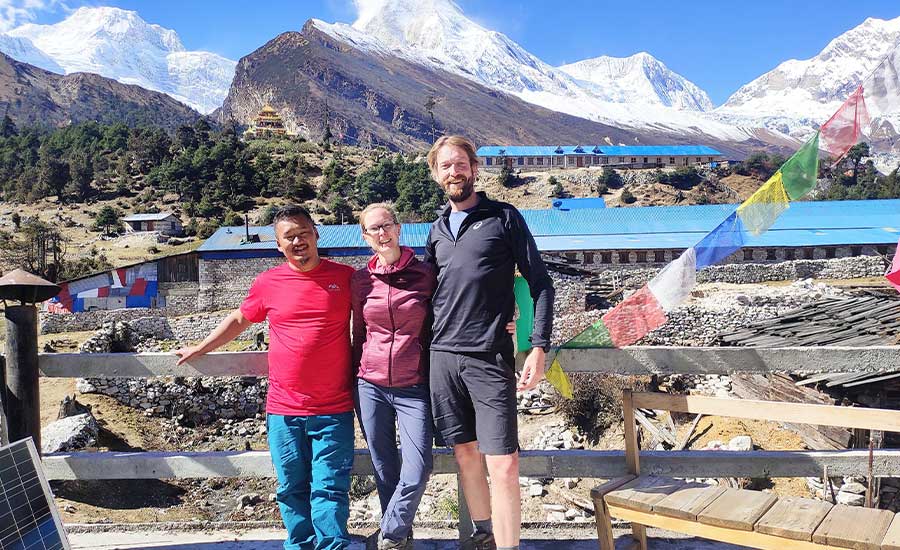
Teahouses are available throughout most of the year on the Manaslu Circuit Trek, but availability, occupancy levels, and services vary depending on the season. During peak trekking months, popular villages can become busy, while off-season trekkers often enjoy quieter lodges and greater flexibility.
| Season | Availability | What to Expect |
|---|---|---|
| Spring (March-May) | Excellent | Most teahouses are fully operational with a wide range of accommodation and meal options. Popular villages can become busy during April and May. |
| Autumn (September-November) | Excellent but Busy | Peak trekking season with high demand for rooms. Advance booking is recommended, especially in October and early November. |
| Winter (December-February) | Limited in Higher Villages | Many lower-elevation teahouses remain open, but some lodges near Samagaun, Dharamsala, and Larkya La Pass may close due to snow and fewer trekkers. |
| Monsoon (June-August) | Plenty Available | With fewer trekkers on the trail, accommodation is generally easy to find. Most teahouses remain open, although services may be more limited in remote areas. |
Tip: If you plan to trek the Manaslu Circuit during the popular months of April, May, October, or November, booking your guide, porter, and accommodation in advance can help ensure a smoother and more comfortable trekking experience.
Does the Season Affect Altitude Sickness on the Manaslu Circuit?
Altitude sickness, also known as Acute Mountain Sickness (AMS), is one of the most important health considerations on the Manaslu Circuit Trek. Since the trek reaches a maximum elevation of 5,106 meters at Larkya La Pass, all trekkers are exposed to altitude-related risks regardless of age, fitness level, or trekking experience. While AMS can occur during any season, weather conditions can influence acclimatization, comfort, and emergency response options.
| Season | Effect on Altitude Sickness (AMS) | What Trekkers Should Know |
|---|---|---|
| Spring (March-May) | Lower overall risk due to stable weather and comfortable temperatures | Excellent acclimatization conditions, reliable teahouses, and easier access to emergency assistance if required. |
| Autumn (September-November) | Lower overall risk due to dry weather and predictable trekking conditions | Widely considered one of the safest seasons for high-altitude trekking and crossing Larkya La Pass. |
| Winter (December-February) | AMS risk remains the same, but extreme cold increases physical stress | Cold temperatures can contribute to dehydration, fatigue, and slower recovery, making proper acclimatization even more important. |
| Monsoon (June-August) | AMS risk remains similar, but emergency evacuations may be more difficult | Heavy rain, cloud cover, and poor visibility can occasionally delay helicopter rescues and transportation. |
Important Facts About Altitude Sickness on the Manaslu Circuit
- AMS can occur during any month of the year.
- Proper acclimatization is more important than physical fitness alone.
- Most trekkers schedule an acclimatization day in Samagaun (3,530 m).
- Staying hydrated and ascending gradually helps reduce AMS risk.
- Spring and autumn generally provide the safest and most comfortable acclimatization conditions.
- Travel insurance covering high-altitude trekking and helicopter evacuation is strongly recommended.
Tip: At Himalayan Dream Team, we carefully design our Manaslu Circuit itineraries with proper acclimatization days and experienced local guides to help minimize altitude-related risks and ensure a safer trekking experience.
Packing List for Manaslu Circuit Trek
Packing the right gear is essential for a safe and comfortable Manaslu Circuit Trek. Since the trek passes through remote mountain villages and reaches the high-altitude Larkya La Pass (5,106 m), trekkers should be prepared for changing weather conditions, cold temperatures, strong sun exposure, and occasional rain or snow depending on the season.
| Category | Essential Items | Purpose |
|---|---|---|
| Warm Clothing | Down jacket, thermal layers, fleece jacket | Provides insulation and warmth at higher elevations and during cold mornings and evenings. |
| Weather Protection | Waterproof jacket, rain cover, windproof outer layer | Protects against rain, snow, wind, and unpredictable mountain weather. |
| Footwear | Trekking boots, warm trekking socks | Offers comfort, support, and protection on rugged mountain trails. |
| Cold Weather Accessories | Gloves, warm hat, neck gaiter or buff | Essential for staying warm during high-altitude trekking and pass crossings. |
| Sleeping Gear | Four-season sleeping bag | Provides warmth in teahouses where temperatures can drop below freezing. |
| Trekking Equipment | Trekking poles | Reduces strain on knees and improves stability on steep ascents and descents. |
| Sun Protection | Sunglasses, sunscreen, lip balm | Protects against strong UV exposure at higher altitudes. |
| Health & Hydration | Water purification tablets, personal first-aid kit | Ensures safe drinking water and preparedness for minor health issues. |
Tip: Many trekking items such as sleeping bags, down jackets, and trekking poles can be rented or purchased in Kathmandu before starting the Manaslu Circuit Trek.
Festivals and Cultural Experiences on the Manaslu Circuit
One of the highlights of the Manaslu Circuit Trek is the opportunity to experience authentic Himalayan culture. The region is heavily influenced by Tibetan Buddhism, and trekkers can witness traditional festivals, ancient monasteries, prayer ceremonies, and centuries-old mountain traditions throughout the journey.
| Festival / Experience | When | What to Expect |
|---|---|---|
| Dashain Festival | September–October | Nepal's biggest Hindu festival featuring family gatherings, blessings, celebrations, and traditional rituals. |
| Tihar Festival | October–November | The Festival of Lights celebrated with oil lamps, flower garlands, music, dancing, and colorful decorations. |
| Mani Rimdu Influences | Autumn | Tibetan Buddhist cultural traditions, ceremonies, and spiritual practices can be experienced throughout the region. |
| Buddhist Monastery Ceremonies | Year-Round | Observe monks performing prayers, chanting rituals, and religious ceremonies in ancient monasteries. |
| Traditional Tibetan-Influenced Culture | Year-Round | Experience authentic mountain villages, prayer wheels, mani walls, chortens, and centuries-old Himalayan traditions. |
Cultural Highlight: Villages such as Samagaun, Samdo, Lho, and Namrung offer some of the richest Tibetan Buddhist cultural experiences in Nepal, making the Manaslu Circuit Trek much more than just a mountain adventure.
Frequently Asked Questions
What is the best month for Manaslu Circuit Trek?
October is generally considered the best month due to stable weather and exceptional visibility.
Can beginners do the Manaslu Circuit Trek?
Yes, with proper fitness, acclimatization, and a licensed guide.
How difficult is the Manaslu Circuit Trek?
The trek is considered moderate to challenging due to altitude, long walking days, and the Larkya La Pass crossing.
How cold does Larkya La Pass get?
Temperatures can fall below -10°C during spring and autumn and below -18°C in winter.
Do I need a guide for Manaslu Circuit Trek?
Yes. The Manaslu region is a restricted area and requires a licensed guide and special permits.
What permits are required for the Manaslu Circuit Trek?
- Manaslu Restricted Area Permit (RAP)
- Manaslu Conservation Area Permit (MCAP)
- Annapurna Conservation Area Permit (ACAP)
Conclusion: When is the Best Time for Manaslu Circuit Trek?
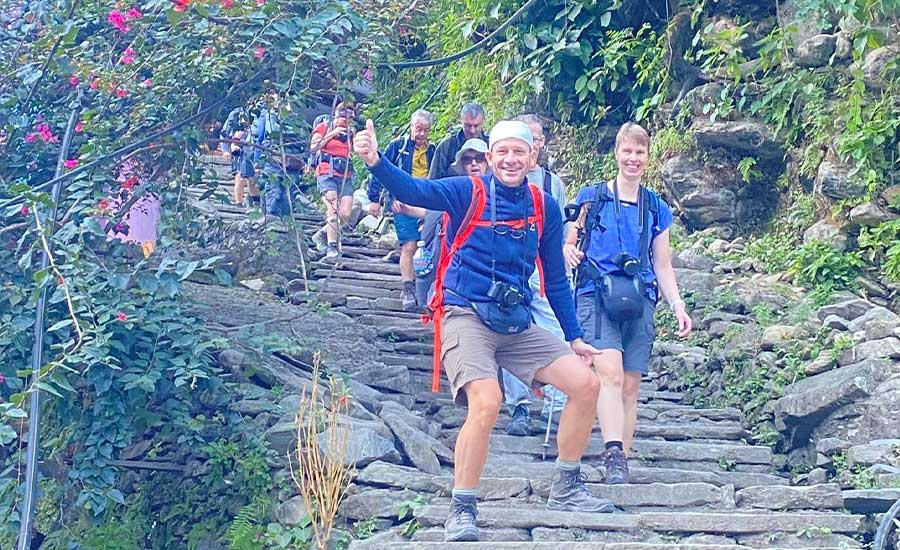
The Manaslu Circuit Trek is one of Nepal's finest trekking adventures, combining remote Himalayan landscapes, authentic mountain culture, and the unforgettable challenge of crossing Larkya La Pass. While the trek can be completed throughout the year, spring (March–May) and autumn (September–November) consistently provide the best overall experience.
For most trekkers, April, May, October, and November offer the perfect combination of clear mountain views, stable weather, comfortable temperatures, and safe trekking conditions. Whether you are a first-time trekker, photographer, cultural explorer, or experienced adventurer, choosing the right season will help you get the most from this remarkable Himalayan journey.
At Himalayan Dream Team, we help trekkers plan safe, enjoyable, and unforgettable Manaslu Circuit adventures with experienced local guides, carefully designed itineraries, and expert support throughout the journey.
Recent Posts
12th Jun, 2026
11th Jun, 2026
9th Jun, 2026

29th May, 2026
20th Apr, 2026
12th Apr, 2026
9th Apr, 2026

31st Mar, 2026
27th Mar, 2026

27th Mar, 2026
