

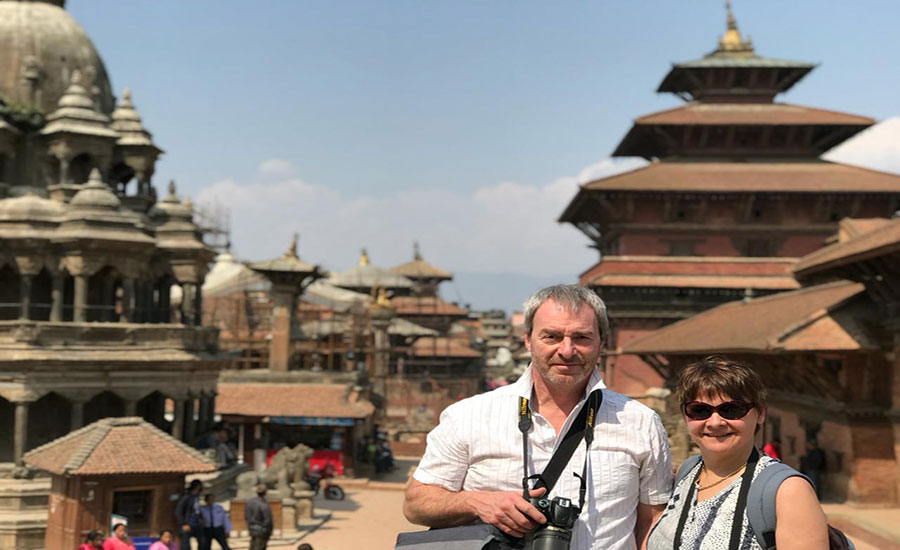
Patan Durbar Square is one of the most iconic cultural landmarks in Nepal and a must-visit destination in the Kathmandu Valley. Located in the historic city of Lalitpur (Patan), this UNESCO World Heritage Site is renowned for its stunning collection of ancient temples, royal palaces, sacred courtyards, and exquisite Newari craftsmanship. As the former royal seat of the Malla Kings, Patan Durbar Square offers visitors a fascinating journey through Nepal's rich history, art, architecture, and living cultural traditions. Its beautifully carved wooden windows, stone sculptures, and bronze masterpieces make it one of the finest examples of traditional Nepalese architecture.
Often regarded as the cultural heart of the Kathmandu Valley, Patan Durbar Square attracts travelers, photographers, historians, and spiritual seekers from around the world. Highlights include the magnificent Krishna Mandir, the historic Royal Palace, and the renowned Patan Museum, which houses an exceptional collection of Hindu and Buddhist art. Surrounded by vibrant Newari communities, traditional artisan workshops, and colorful festivals, the square provides an authentic glimpse into Nepal's heritage. Whether you are exploring Nepal's UNESCO sites, discovering Newari culture, or searching for the best places to visit in Kathmandu Valley, Patan Durbar Square promises an unforgettable cultural experience.
Where is Patan Durbar Square Located?
Patan Durbar Square lies in the heart of Lalitpur City, approximately 5 kilometers south of central Kathmandu. The square forms the historic center of the ancient Kingdom of Patan and remains one of the most visited cultural landmarks in Nepal.
Distance from Major Locations
| Location | Distance |
|---|---|
| Kathmandu Durbar Square | 5 km |
| Thamel | 6 km |
| Tribhuvan International Airport | 7 km |
| Bhaktapur Durbar Square | 15 km |
Patan Durbar Square Facts
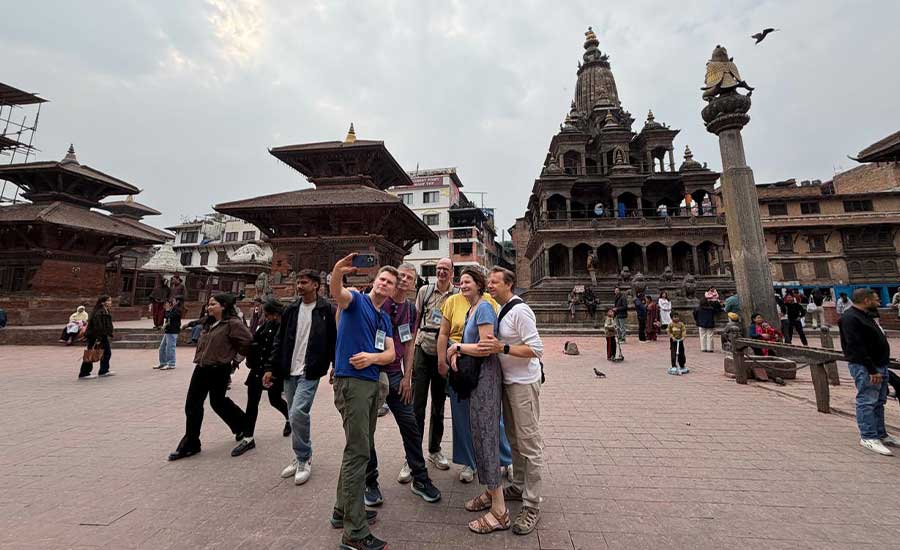
Here are some important facts about Patan Durbar Square, one of the most beautiful UNESCO World Heritage Sites in the Kathmandu Valley.
| Category | Details |
|---|---|
| Site Name | Patan Durbar Square Yela Layeku (Newari name) |
| Location | Patan, Lalitpur, Nepal |
| Architectural Style | Traditional Newari architecture |
| UNESCO Listed | 1979 AD |
| Nearby Attractions | Patan Museum, Keshav Narayan Chowk, Sundari Chowk, Mul Chowk, Taleju Temple, Krishna Mandir, Kumbeshwar Temple, Mahaboudha, Pimbahal, and Banglamukhi Temple |
| Major Festivals | Rato Machindranath Jatra, Gai Jatra, Mataya Jatra, and Gunla Parva |
| Entry Fees | Foreign Visitors: NPR 1,000 SAARC Visitors: NPR 250 Nepalese Visitors: NPR 30 Nepalese Students: NPR 15 with valid ID card or college letter |
| Opening and Closing Time (Patan Museum) | Galleries: 08:00 AM to 06:30 PM Keshav Narayan Chowk, Mul Chowk, Sundari Chowk: 07:00 AM to 06:30 PM |
| Important Note | Every Wednesday, Sundari Chowk Galleries remain closed. Every Tuesday, Sundari Chowk Galleries close at 2:30 PM for regular maintenance. |
History of Patan Durbar Square
Patan Durbar Square, located in the heart of historic Patan (Lalitpur), is one of Nepal’s finest examples of traditional Newari architecture and craftsmanship. The square served as the royal palace complex of the powerful Malla Kings who ruled the Kathmandu Valley from the 12th to the 18th century. Although the origins of Patan date back much earlier, the magnificent temples, courtyards, shrines, and palaces seen today were largely constructed and expanded during the Malla period, which is often regarded as the golden age of art, culture, and architecture in Nepal.
The most influential rulers of Patan included King Siddhi Narsingh Malla (1619–1661) and King Srinivasa Malla (1661–1685), who transformed the city into a thriving center of religion, trade, and artistic excellence. King Siddhi Narsingh Malla is especially remembered for commissioning the iconic Krishna Mandir in 1637, a masterpiece built entirely of stone and one of the most remarkable temples in Nepal. His successors continued to enrich the royal square with elegant courtyards such as Mul Chowk, Sundari Chowk, and Keshav Narayan Chowk, each showcasing intricate woodcarvings, metalwork, and stone sculptures.
During the Malla era, Patan became renowned for its skilled artisans, whose craftsmanship attracted traders and visitors from Tibet, India, and beyond. The kings actively supported the development of arts, literature, music, and religious festivals, helping to establish Patan as a cultural capital of the Himalayas. The city flourished under their patronage, and many of the temples and monuments built during this period remain important religious and cultural landmarks today.
Following the unification of Nepal by King Prithvi Narayan Shah in 1768, the Malla Kingdoms came to an end. However, the architectural and cultural legacy of the Malla Kings continues to define Patan Durbar Square. Today, this UNESCO World Heritage Site stands as a living museum of Nepal’s rich history, preserving centuries of royal heritage, artistic achievement, and Newari traditions for visitors from around the world.
| Patan King | Reign Period (AD) | Importance in Patan History |
|---|---|---|
| Vishnu Malla | 1518–1560 AD | One of the early Malla rulers of Patan who helped strengthen the kingdom’s royal and cultural identity. |
| Purandara Simha Malla | 1560–1597 AD | Supported religious traditions, temple culture, and the development of Patan as an important Newari city. |
| Harihara Simha Malla | 1597–1609 AD | Continued the Malla legacy and maintained Patan’s political and cultural importance in the Kathmandu Valley. |
| Siddhi Narsingh Malla | 1619–1661 AD | One of Patan’s most famous kings, best known for building the magnificent Krishna Mandir in 1637 AD. |
| Srinivasa Malla | 1661–1685 AD | Expanded Patan’s artistic, religious, and architectural heritage during a prosperous period of Malla rule. |
| Yoganarendra Malla | 1685–1705 AD | Known for his royal statue and important contributions to Patan Durbar Square’s palace and temple culture. |
| Vishnu Malla | 1729–1745 AD | Ruled during the later Malla period and continued royal patronage of Patan’s traditions and religious life. |
| Rajya Prakash Malla | 1745–1758 AD | One of the later Malla kings of Patan before the political changes leading to Nepal’s unification. |
| Tej Narsingh Malla | 1765–1768 AD | The last Malla king of Patan before the kingdom was conquered by Prithvi Narayan Shah in 1768 AD. |
Why is Patan Durbar Square Important?
Patan Durbar Square is important because it represents:
- Nepal's rich cultural heritage
- Traditional Newari civilization
- Ancient Hindu and Buddhist traditions
- Master craftsmanship in wood, metal, and stone
- UNESCO World Heritage significance
- The historical center of the former Kingdom of Patan
It remains one of the finest examples of urban heritage in South Asia.
Architecture and Artistic Heritage
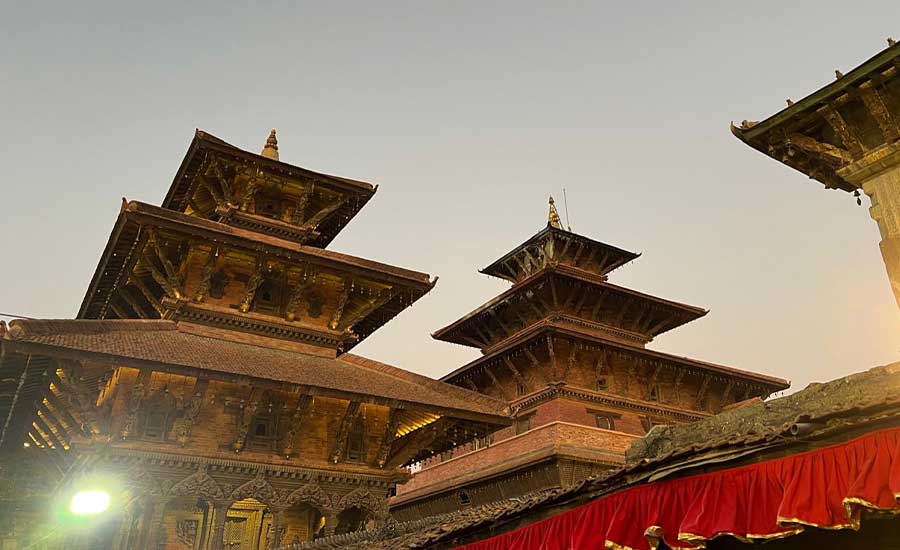
Patan Durbar Square is renowned for its intricate architecture and remarkable craftsmanship.
Highlights include:
- Traditional pagoda-style temples
- Stone temples inspired by Indian architecture
- Elaborate wood carvings
- Bronze statues and metal artwork
- Ancient royal courtyards
- Sacred shrines and monasteries
The square is often called an open-air museum because every building reflects centuries of artistic excellence.
Major Attractions in Patan Durbar Square
Krishna Mandir
The Krishna Mandir is the most famous temple in Patan Durbar Square. Built entirely from stone in 1637, it is dedicated to Lord Krishna and features intricate carvings depicting scenes from the Mahabharata and Ramayana.
Patan Royal Palace
The former royal residence of the Malla Kings contains beautiful courtyards including:
- Mul Chowk
- Sundari Chowk
- Keshav Narayan Chowk
These courtyards display some of Nepal's finest traditional architecture.
Patan Museum
Widely regarded as Nepal's best museum, the Patan Museum houses a remarkable collection of Hindu and Buddhist art, sculptures, and historical artifacts.
Bhimsen Temple
Dedicated to Bhimsen, the god of trade and commerce, this temple is especially revered by local merchants.
Vishwanath Temple
Known for its exquisite stone carvings and erotic artwork, Vishwanath Temple is a masterpiece of Newari craftsmanship.
Golden Temple (Hiranya Varna Mahavihar)
Located a short walk from the square, this stunning Buddhist monastery is famous for its golden decorations and spiritual atmosphere.
Taleju Temple
The Taleju Temple symbolizes the royal power of the Malla kings and remains one of the most sacred sites in Patan.
Newari Culture and Traditions
Patan is considered the cultural heartland of the Newar people.
Visitors can experience:
- Traditional Newari architecture
- Local handicrafts
- Metalworking workshops
- Religious ceremonies
- Ancient festivals
- Authentic Newari cuisine
The city's vibrant traditions continue to thrive in everyday life.
Festivals Celebrated at Patan Durbar Square
Rato Machhindranath Jatra
The largest festival in Patan, featuring a massive chariot procession through the city.
Krishna Janmashtami
Thousands of devotees gather at Krishna Mandir to celebrate the birth of Lord Krishna.
Indra Jatra
Traditional dances and religious ceremonies take place throughout the city.
Bisket Jatra
A colorful New Year festival celebrated with local customs and rituals.
Things to Do in Patan Durbar Square
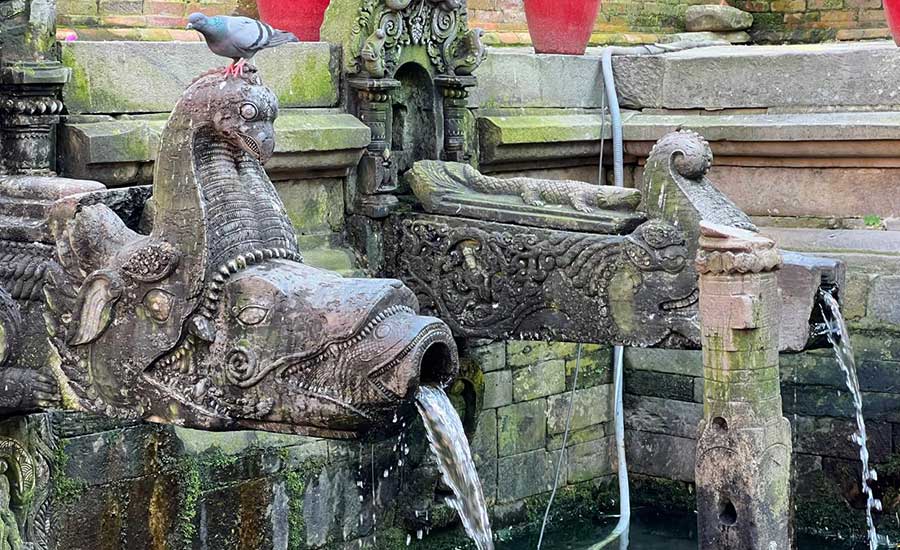
Explore Ancient Temples
Discover centuries-old shrines and architectural masterpieces.
Visit Patan Museum
Learn about Nepal's artistic and religious heritage.
Enjoy Newari Cuisine
Taste local specialties such as:
- Yomari
- Bara
- Chatamari
- Juju Dhau
Photograph Historic Architecture
Patan Durbar Square is one of Nepal's most photogenic cultural sites.
Visit Local Artisan Workshops
Observe traditional metalworkers, woodcarvers, and craftsmen at work.
Patan Durbar Square Opening Hours and Entrance Fees
Opening Hours
The square is accessible throughout the day, while museums and palace sections generally open from morning until late afternoon.
Entrance Fees
| Visitor Type | Fee |
|---|---|
| Foreign Nationals | NPR 1,000 |
| SAARC Nationals | NPR 250 |
| Nepali Citizens | Free |
Fees may change, so visitors should verify current rates before traveling.
How to Reach Patan Durbar Square
By Taxi
The quickest and most convenient option from Kathmandu.
By Local Bus
Regular buses connect Kathmandu, Thamel, and Patan.
By Private Tour
Many Kathmandu Valley cultural tours include Patan Durbar Square alongside:
- Kathmandu Durbar Square
- Swayambhunath
- Boudhanath
- Pashupatinath
- Bhaktapur Durbar Square
Best Time to Visit Patan Durbar Square
The best seasons are:
Spring (March–May)
- Pleasant weather
- Clear skies
- Cultural festivals
Autumn (September–November)
- Excellent visibility
- Comfortable temperatures
- Peak sightseeing season
Nearby Attractions
Visitors can combine Patan with:
- Pashupatinath Temple
- Boudhanath Stupa
- Swayambhunath
- Bhaktapur Durbar Square
- Patan Museum
Tourism and Conservation Efforts
Government agencies, UNESCO, local communities, and international organizations work together to preserve Patan Durbar Square.
Major initiatives include:
- Earthquake restoration
- Heritage conservation
- Temple reconstruction
- Cultural preservation
- Sustainable tourism management
Challenges and Preservation Projects
Despite ongoing conservation efforts, challenges remain:
- Earthquake risks
- Urban development pressures
- Pollution
- Tourism management
- Preservation funding
Continued restoration projects help ensure that future generations can appreciate this remarkable heritage site.
Practical Tips for Visitors
- Visit early morning for fewer crowds.
- Wear respectful clothing when entering temples.
- Carry cash for entrance tickets and local purchases.
- Hire a local guide to understand the history and symbolism.
- Allow at least 2–3 hours for a complete visit.
- Combine Patan with other Kathmandu Valley UNESCO sites.
Frequently Asked Questions
Is Patan Durbar Square worth visiting?
Absolutely. It is one of Nepal's most beautiful cultural attractions and a UNESCO World Heritage Site.
How much time do I need?
Most visitors spend between 2 and 4 hours exploring the square and museum.
Can I visit Patan Durbar Square in one day from Kathmandu?
Yes. Patan is only a short drive from Kathmandu and is ideal for a half-day or full-day excursion.
What is Patan famous for?
Patan is famous for its Newari architecture, temples, metal craftsmanship, museums, and rich cultural heritage.
Conclusion
Patan Durbar Square stands as one of Nepal’s most remarkable cultural and architectural masterpieces, showcasing centuries of history, artistry, and spiritual devotion. Once the royal palace complex of the powerful Malla Kings, the square remains a living museum where intricately carved temples, elegant courtyards, and sacred shrines reflect the brilliance of Newari craftsmanship. From the iconic Krishna Mandir and the beautiful Golden Temple nearby to the fascinating Patan Museum, every corner of this UNESCO World Heritage Site tells a story of Nepal’s rich cultural heritage.
At Himalayan Dream Team, we believe that a visit to Patan Durbar Square is an essential experience for anyone exploring the Kathmandu Valley. Beyond its stunning monuments, the square offers visitors the opportunity to witness vibrant festivals, traditional Newari customs, local artisan workshops, and the daily spiritual life of the community. Whether you are a history enthusiast, photographer, architecture lover, or cultural traveler, Patan Durbar Square promises an unforgettable journey into the heart of Nepal’s timeless heritage and remains one of the country's most treasured destinations.