Nepal has introduced a major update to its Restricted Area Trekking Permit (RAP) policy in 2026, transforming how trekkers explore remote Himalayan regions.
These new regulations aim to balance accessibility, safety, and sustainability, opening iconic destinations like Upper Mustang, Manaslu, and Upper Dolpo to a wider range of travelers—while still protecting their fragile ecosystems and unique cultures.
If you are planning a trek in Nepal’s restricted regions, understanding these new rules is essential for a smooth, legal, and well-organized journey.
What is a Restricted Area Trekking Permit (RAP)?
A Restricted Area Permit (RAP) is a special permit issued by the Government of Nepal for trekking in designated remote regions.
These areas are restricted because they are:
- Culturally sensitive (Tibetan-influenced communities)
- Environmentally fragile (protected ecosystems)
- Geographically remote (limited infrastructure and high altitude)
Without a RAP, trekking in these regions is not allowed.
Key Changes in 2026 RAP Rules (Most Important Update)
1. Solo Trekking Now Allowed (With Conditions)
The biggest change in 2026:
- Solo trekkers are now allowed to obtain RAP permits
- You no longer need a second trekker in your group
However:
- You must book through a registered trekking agency like Himalayan Dream Team Treks and Tours Pvt.Ltd.
- A licensed guide is mandatory
- Fully independent trekking is still prohibited
This makes Nepal more accessible while maintaining safety standards.
2. Mandatory Guide Rule Strictly Enforced
Nepal continues its “No Guide, No Trek” policy:
- Licensed guide is compulsory in restricted areas
- Digital checkpoints verify permits and guide credentials
- Fines start from NPR 12,000 for violations
This ensures trekker safety and proper monitoring.
3. New Group Size Regulation
- Maximum 7 trekkers per guide
- Better supervision in remote areas
- Improved safety in high-altitude terrain
4. Digital Permit System Introduced
- Online RAP application available globally
- QR-based verification at checkpoints
- Faster and more transparent process
Old vs New RAP Rules (Quick Comparison)
| Feature | Old Rule | New Rule 2026 |
|---|---|---|
| Minimum Group | 2 trekkers required | Solo allowed via agency |
| Guide Requirement | Flexible | Mandatory |
| Group Size | Not fixed | Max 7 per guide |
| Application | Nepal only | Online worldwide |
Major Restricted Areas for Trekking in Nepal
Nepal offers some of the world’s most unique and remote trekking experiences through its Restricted Area Trekking in Nepal regions. These destinations are carefully protected due to their cultural significance, fragile ecosystems, and limited accessibility.
At Himalayan Dream Team, we specialize in organizing safe, fully permitted, and expertly guided journeys across all major Restricted Area Trekking in Nepal routes, ensuring a smooth and unforgettable adventure.
Below are the most popular destinations for Restricted Area Trekking in Nepal:
Upper Mustang – The Hidden Kingdom of Nepal

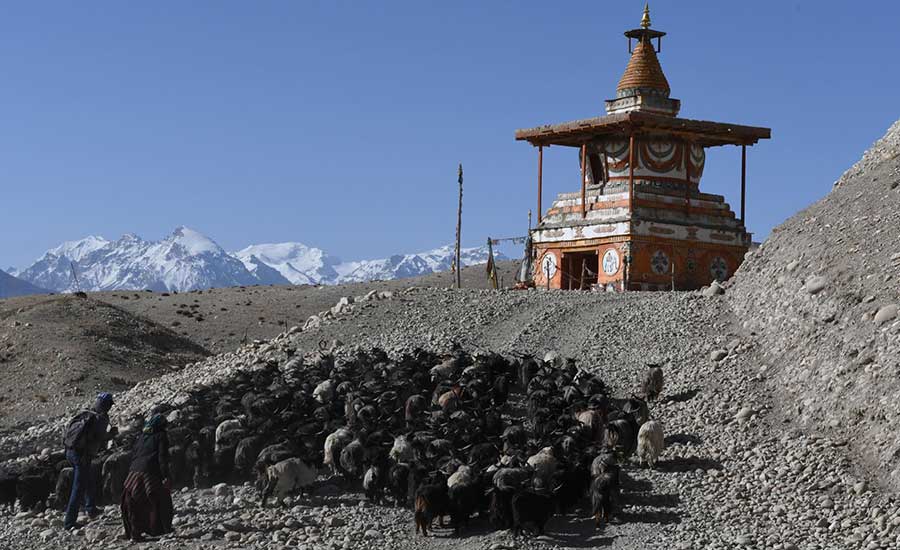
The Upper Mustang Trek is one of the most iconic Restricted Area Trekking in Nepal experiences. Known as the “Last Forbidden Kingdom,” this region features dramatic desert landscapes, ancient caves, and preserved Tibetan culture.
Trekkers exploring Restricted Area Trekking in Nepal in Upper Mustang enjoy unique monasteries, centuries-old villages, and breathtaking views of red cliffs and Himalayan peaks.
Manaslu Circuit Trek – Remote Himalayan Adventure

The Manaslu Circuit Trek is a top choice for those seeking authentic Restricted Area Trekking in Nepal away from crowded trails.
This route offers stunning mountain scenery, traditional Gurung and Tibetan villages, and the challenging Larkya La Pass (5,160 m), making it one of the most rewarding Restricted Area Trekking in Nepal experiences.
Tsum Valley Trek – Sacred Himalayan Valley
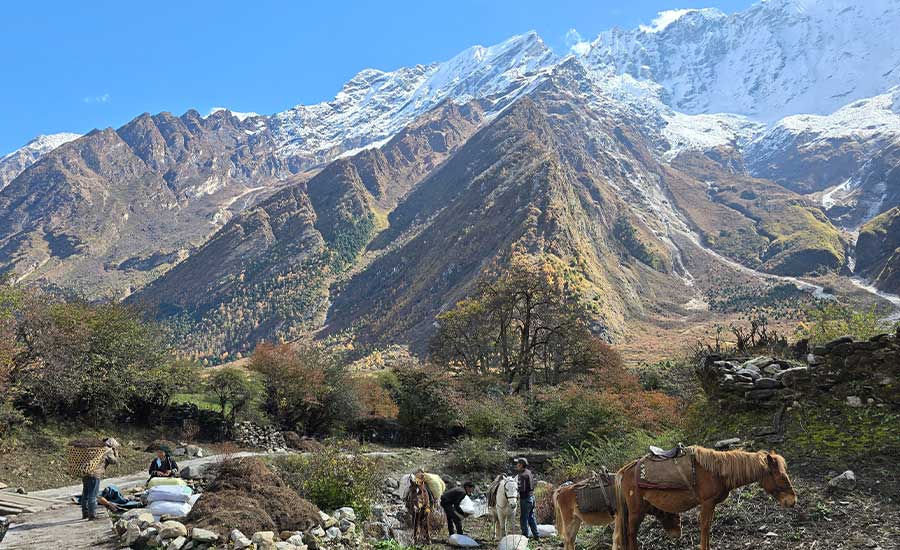
The Tsum Valley Trek is a hidden gem within Restricted Area Trekking in Nepal, known for its spiritual atmosphere and untouched beauty.
This peaceful valley is home to ancient monasteries, sacred caves, and strong Tibetan Buddhist traditions, offering a deeply cultural journey through Restricted Area Trekking in Nepal.
Upper Dolpo Trek – Ultimate Wilderness Experience
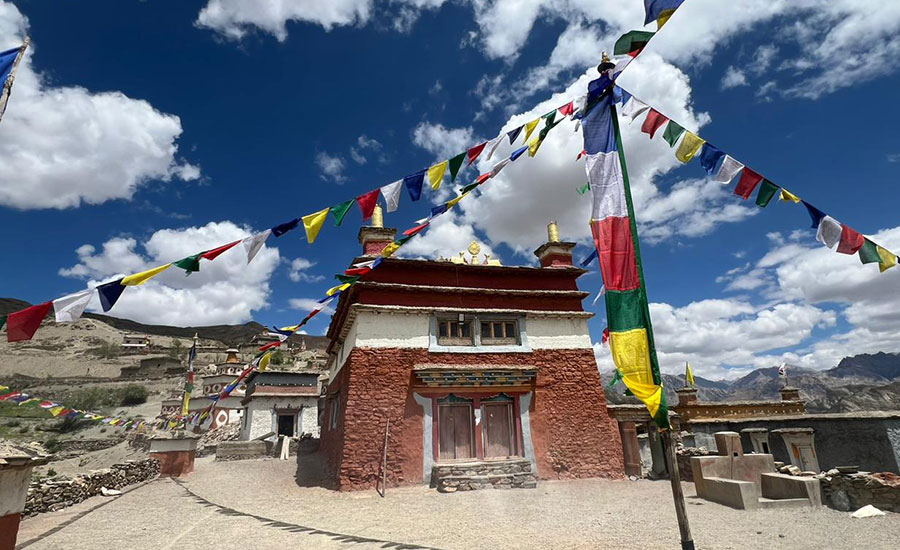
For experienced adventurers, the Upper Dolpo Trek represents the most remote and rugged Restricted Area Trekking in Nepal.
This region features high-altitude passes, isolated villages, and pristine landscapes, providing a true off-the-beaten-path experience in Restricted Area Trekking in Nepal.
Nar Phu Valley Trek – Hidden Himalayan Culture

The Nar Phu Valley Trek is a lesser-known but spectacular option for Restricted Area Trekking in Nepal, located between the Annapurna and Manaslu regions.
Trekkers can explore ancient stone villages, dramatic canyons, and authentic Himalayan lifestyles, making it a unique cultural journey in Restricted Area Trekking in Nepal.
Humla (Simikot–Hilsa Route) – Remote Western Nepal
The Humla region, including the Simikot–Hilsa route, is one of the most isolated areas for Restricted Area Trekking in Nepal.
This region offers raw Himalayan landscapes, deep cultural experiences, and access routes toward Mount Kailash, making it ideal for travelers seeking truly remote Restricted Area Trekking in Nepal adventures.
Each offers a unique combination of culture, landscape, and adventure.
Who Should Choose Restricted Area Treks?
Restricted area trekking in Nepal is ideal for:
- Adventure seekers looking for remote trails
- Cultural travelers exploring Tibetan heritage
- Experienced trekkers seeking high-altitude challenges
- Photographers and filmmakers
- Solo travelers (newly allowed with guide)
Best Time for Restricted Area Trekking in Nepal
Spring (March–May)
- Best weather and visibility
- Blooming landscapes
Autumn (September–November)
- Clear skies and stable conditions
- Most popular season
Winter (December–February)
- Quiet trails, colder temperatures
Monsoon (June–August)
- Suitable for rain-shadow areas like Upper Mustang
RAP Permit Cost in Nepal (2026 Updated)
| Region | Season | Cost | Extra Days |
|---|---|---|---|
| Upper Mustang | All year | $500 (10 days) | $50/day |
| Upper Dolpo | All year | $500 (10 days) | $50/day |
| Manaslu | Sep–Nov | $100 (7 days) | $15/day |
| Manaslu | Dec–Aug | $75 (7 days) | $10/day |
| Tsum Valley | Sep–Nov | $40 (7 days) | $7/day |
| Nar Phu | Sep–Nov | $100 (7 days) | $15/day |
Note: Prices must be paid via registered agency.
How to Get a Restricted Area Permit (Step-by-Step)
- Choose a registered trekking agency (like Himalayan Dream Team)
- Submit passport and visa details
- Provide travel insurance
- Confirm itinerary and guide
- Agency applies online
- Receive permit approval
The process is now faster due to digital systems.
Required Documents for RAP
- Valid passport (6 months validity)
- Nepal visa
- Travel insurance (with evacuation coverage)
- Passport-size photos
- Visa submission ID
Challenges of Restricted Area Trekking
Restricted treks are rewarding but demanding:
- High altitude (above 4,000m)
- Remote terrain and limited facilities
- Weather unpredictability
- Basic accommodation
Proper preparation and a professional guide are essential.
Safety & Rescue System
With the new rules, safety is significantly improved:
- Mandatory licensed guides
- Agency responsibility for logistics
- Helicopter evacuation support
- Emergency planning systems
Why Nepal Updated RAP Rules
The 2026 changes aim to:
- Promote sustainable tourism
- Improve safety in remote areas
- Support local employment
- Digitize trekking systems
This ensures Nepal remains a top global trekking destination.
Why Trek with Himalayan Dream Team
Choosing a trusted local operator ensures:
- Smooth permit processing
- Experienced licensed guides
- Customized itineraries
- Emergency support and logistics
We ensure your trek is safe, legal, and unforgettable.
Final Thoughts
The 2026 RAP update is a major milestone in Nepal’s trekking industry.
With solo trekking now allowed (with guide), improved safety measures, and digital systems, exploring Nepal’s remote Himalayan regions has become easier than ever—without compromising sustainability or culture.
If you are planning a restricted area trek, now is the perfect time to experience Nepal’s hidden valleys, ancient traditions, and untouched landscapes.