

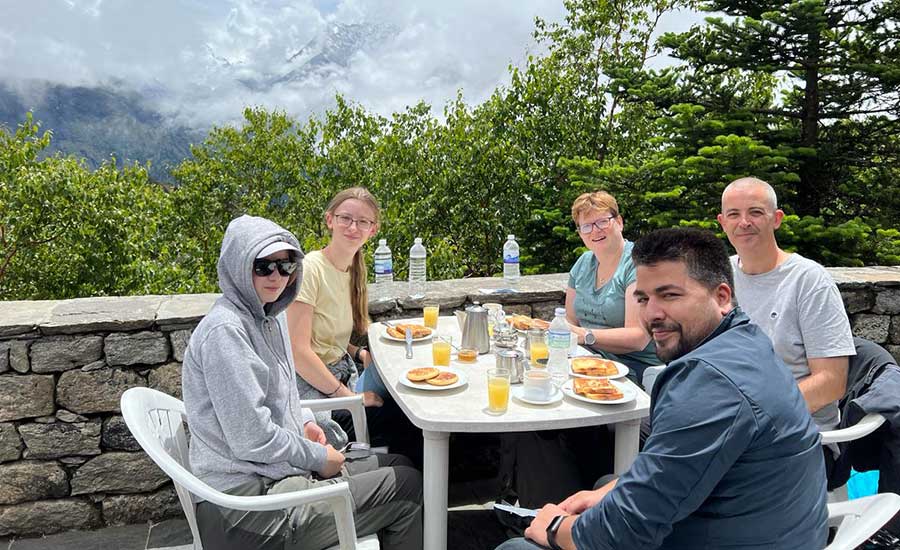
Food during the Everest Base Camp Trek is a crucial part of your journey, directly affecting your energy levels, acclimatization, and overall trekking experience. While many trekkers focus on gear and itinerary, nutrition is often underestimated, despite being one of the most important factors for a successful high-altitude adventure.
The Everest region is one of the most developed trekking areas in Nepal, and teahouses along the trail provide a surprisingly wide range of meals. From traditional Nepali dishes like dal bhat to Western-style options such as pasta and pancakes, trekkers can enjoy a variety of foods even at high elevations.
However, it is important to understand that food availability, freshness, and variety change significantly with altitude. Every ingredient is transported manually by porters, yaks, or occasionally helicopters, making food not only more expensive but also more limited as you ascend.
This comprehensive guide by Himalayan Dream Team covers everything you need to know about food on the Everest Base Camp Trek, including meal options, nutrition, hydration, dietary considerations, food safety, and practical tips.
Overview of Food and Drinks in the Everest Base Camp Trek
| Category | What to Expect | Common Options | Important Notes |
|---|---|---|---|
| Breakfast | Warm, simple, and energy-rich meals served before the day’s walk. | Porridge, Tibetan bread, toast, eggs, chapati, pancakes, tea, coffee | Breakfast is the most important meal for steady energy at high altitude. |
| Lunch | Main refueling meal usually taken at a teahouse along the trail. | Dal bhat, fried rice, noodles, thukpa, momo, pasta, soup | Dal bhat is one of the best choices because it is filling, nutritious, and often comes with refills. |
| Dinner | Hot and comforting meal served at the overnight teahouse after trekking. | Dal bhat, garlic soup, Sherpa stew, thenthuk, potatoes, vegetable soup, rice dishes | Dinner should be warm, easy to digest, and supportive for recovery and acclimatization. |
| Hot Drinks | Widely available throughout the trek and very helpful for warmth and hydration. | Black tea, masala tea, ginger tea, lemon honey tea, hot chocolate, coffee, butter tea | Hot drinks are essential in the cold mountain environment, especially in the mornings and evenings. |
| Water | Safe drinking water is available but should always be treated or boiled. | Boiled water, filtered water, purification tablets, UV-treated water, bottled water | Trekkers should drink around 3 to 4 liters per day to stay properly hydrated. |
| Vegetarian Food | Very common and usually the safest option on the trail. | Dal bhat, vegetable curry, noodle soup, fried rice, potato dishes, vegetable momos | Vegetarian meals are strongly recommended, especially above Namche Bazaar. |
| Snacks | Useful between meals for extra energy during long walking days. | Chocolate, biscuits, nuts, dried fruits, energy bars | It is wise to carry your own snacks from Kathmandu for better variety and lower cost. |
| Foods to Avoid | Certain foods and drinks are better avoided at higher altitude. | Meat, raw salad, alcohol, excessive caffeine, unhygienic bakery items | Avoiding risky food helps reduce stomach problems and supports better acclimatization. |
How Food is Transported in the Everest Region
One of the most fascinating aspects of trekking in the Everest region is the logistics behind food supply.
- Kathmandu to Lukla: Food is flown by small aircraft
- Lukla to Namche Bazaar: Transported by porters and pack animals
- Above Namche Bazaar: Mainly carried by yaks and human porters
- Higher elevations (Dingboche, Lobuche, Gorak Shep): Limited supply, sometimes supplemented by helicopter delivery
Because of these challenges, food prices increase steadily as you gain altitude. Fresh vegetables, dairy, and meat become scarce, and menus become simpler.
This system also explains why trekkers are encouraged to respect food and avoid waste, as every item requires significant effort to reach these remote Himalayan settlements.
Why Food is Important at High Altitude
At high altitude, your body burns more calories due to:
- Increased physical exertion
- Cold temperatures
- Lower oxygen levels
You may also experience reduced appetite, which makes it even more important to choose nutrient-dense meals.
A proper trekking diet should focus on:
- High carbohydrates for energy
- Moderate protein for muscle recovery
- Warm fluids for hydration
- Easily digestible foods
Dal bhat, soups, and carbohydrate-rich meals are ideal because they provide sustained energy and are easier to digest in thin air.
Breakfast on the Everest Base Camp Trek
Breakfast is the most important meal of the day and typically served between 7:00 AM and 8:30 AM before trekking begins.
Common Breakfast Options
- Porridge (Oatmeal): Highly recommended due to easy digestion and sustained energy
- Tibetan Bread: Fried or baked bread served with jam or honey
- Eggs: Boiled, scrambled, fried, or omelet
- Chapati / Roti: Whole wheat flatbread
- Pancakes: Plain or flavored with honey, jam, or chocolate
- Toast with Butter or Jam
- Tsampa: Traditional roasted barley flour consumed by Sherpa communities
A warm breakfast combined with tea or coffee helps prepare your body for cold temperatures and long trekking hours.
Lunch on the Everest Base Camp Trek
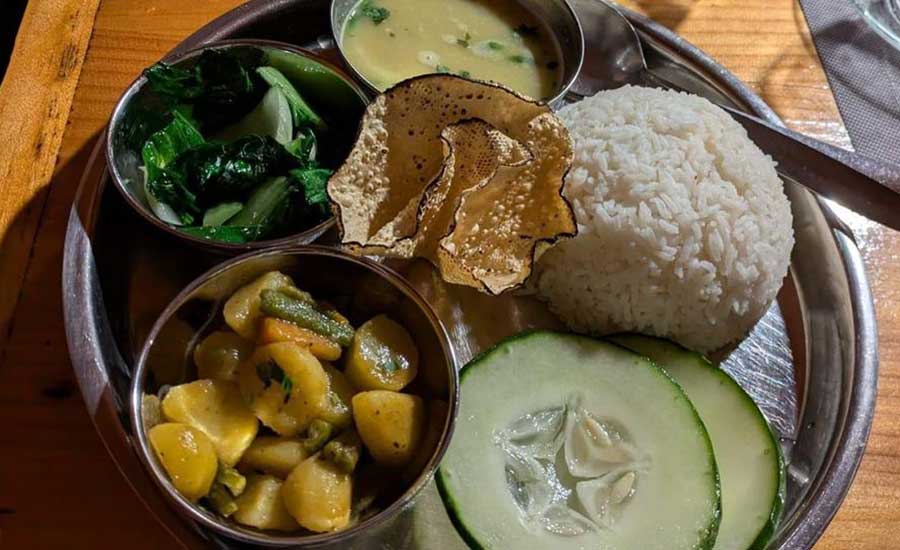
Lunch is usually taken along the trail at a teahouse and serves as the main refueling break during the day.
Popular Lunch Meals
- Dal Bhat (Rice, Lentils, Vegetable Curry): The most recommended meal due to unlimited refills and balanced nutrition
- Fried Rice: Often served with egg or vegetables
- Noodles / Chowmein: Quick energy and easy to digest
- Thukpa (Noodle Soup): Ideal for hydration and warmth
- Momo (Dumplings): Steamed or fried Nepali specialty
- Pasta / Spaghetti: Familiar Western option
Dal bhat remains the best choice because it provides carbohydrates, protein, and essential nutrients required for long trekking days.
Dinner on the Everest Base Camp Trek
Dinner is served at the teahouse where you stay and usually takes place around 6:30 PM to 7:30 PM.
Recommended Dinner Meals
- Dal Bhat: The most reliable recovery meal
- Garlic Soup: Commonly believed to support acclimatization
- Sherpa Stew: Thick soup with vegetables and noodles
- Thenthuk: Hand-pulled noodle soup
- Boiled or Baked Potatoes: Staple food at higher altitude
- Vegetable Soup with Bread or Rice
Dinner is also a social time where trekkers gather around the dining area, often heated by a central stove.
Drinks and Hydration on the Everest Base Camp Trek
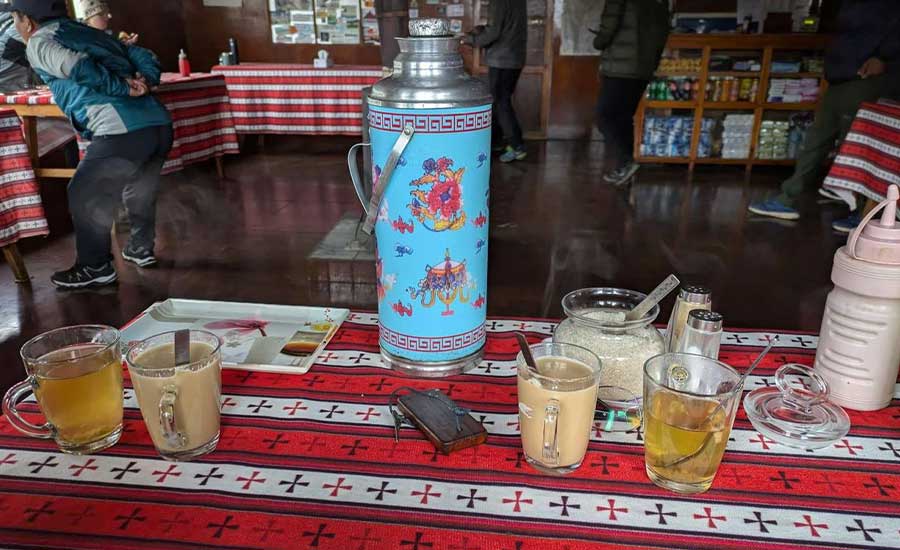
Hydration is critical to prevent altitude sickness and maintain energy.
Recommended Daily Intake
- Minimum 3 to 4 liters of fluid per day
Popular Drinks
- Ginger tea
- Lemon ginger honey tea
- Masala tea (Nepali chai)
- Black tea
- Instant coffee
- Hot chocolate
- Butter tea (traditional high-calorie drink)
Safe Drinking Water Options
Water must always be treated before drinking.
Safe Options
- Boiled water from teahouses
- Water purification tablets
- UV purifiers (SteriPen)
- Portable filters
- Bottled water (more expensive at higher altitudes)
Untreated water can contain harmful bacteria such as Giardia and E. coli, which can severely disrupt your trek.
Vegetarian, Vegan and Special Diets
Vegetarian Food
Vegetarian meals are widely available and strongly recommended at higher elevations.
Common options include:
- Dal bhat
- Vegetable soups
- Noodles and rice dishes
- Vegetable momos
Vegan Considerations
- Request meals without butter or dairy
- Choose black tea instead of milk tea
- Carry vegan snacks from Kathmandu
Food Allergies
Trekkers with allergies should:
- Inform their guide in advance
- Confirm ingredients before ordering
- Carry backup food supplies
Foods to Avoid on the Everest Base Camp Trek
To reduce health risks, avoid:
- Meat above Namche Bazaar (due to storage issues)
- Raw vegetables and salads
- Unhygienic bakery products
- Alcohol (affects acclimatization)
- Excess caffeine
These precautions significantly reduce the risk of illness during the trek.
Food Prices on the Everest Base Camp Trek (2026 Estimate)
| Item | Lower Region | Higher Region |
|---|---|---|
| Dal Bhat | $5–7 | $8–12 |
| Tea | $1–2 | $3–5 |
| Coffee | $2–3 | $4–6 |
| Bottled Water | $1–2 | $4–6 |
| Pasta / Pizza | $6–8 | $10–15 |
Prices increase with altitude due to transportation costs.
Food Safety and Hygiene Tips
- Eat at your own teahouse for better hygiene
- Wash hands before meals
- Use hand sanitizer
- Check expiry dates on packaged food
- Avoid cross-contamination
Food-related illness is one of the most common reasons trekkers fail to complete the trek.
Snacks to Carry from Kathmandu
It is highly recommended to bring:
- Energy bars
- Nuts and seeds
- Dried fruits
- Chocolate
- Electrolyte powders
Snacks are especially important between lunch and dinner.
Final Thoughts: Eating Smart in the Himalayas
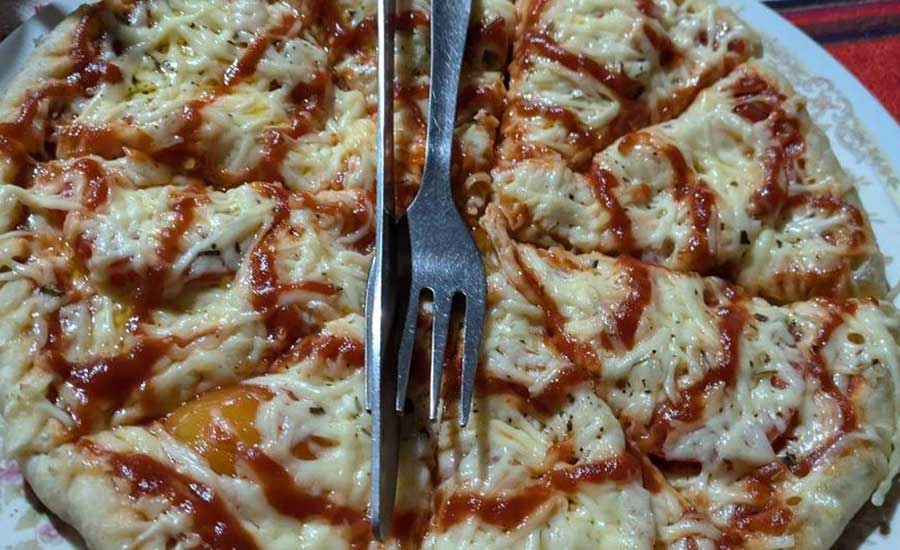
Food during the Everest Base Camp Trek is simple but highly functional. It is designed to provide energy, warmth, and nutrition in one of the most challenging environments on Earth.
By choosing the right meals, staying hydrated, and following basic food safety practices, you can significantly improve your trekking experience.
The key principles are:
- Eat regularly
- Stay hydrated
- Prefer vegetarian meals
- Avoid risky foods
- Respect local food culture
With proper planning, food becomes not just a necessity, but a meaningful part of your Himalayan journey.