

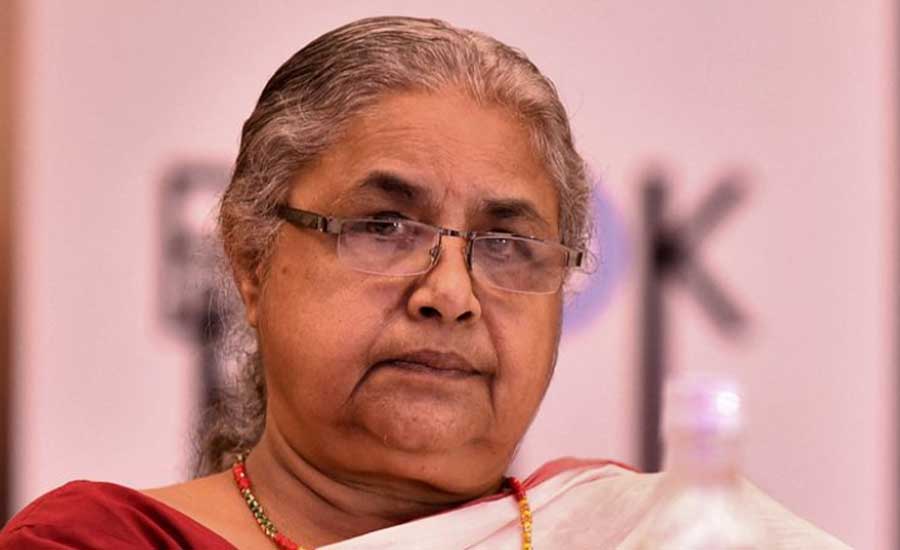
Nepal has witnessed remarkable political transformations over the decades—from monarchy to democracy and federal republic. Among these milestones, the appointment of the first lady Prime Minister of Nepal stands as a defining moment in the nation’s political history. In a country where leadership was historically dominated by men, this achievement became a symbol of women’s empowerment, equality, and progress.
This historic moment not only changed Nepal’s political landscape but also inspired generations of women in Nepal and across the globe to believe in their leadership potential.
Historical Background of Women in Nepali Politics
For much of Nepal’s history, politics remained male-centric. Women were rarely seen in leadership positions, and their participation in decision-making was limited. The democratic movements of 1990 and 2006 began to shift this narrative by introducing inclusive politics and constitutional rights for women.
The Constitution of Nepal 2015 further mandated women’s representation in all political structures. It required that at least one-third of the members of parliament be women, creating a solid foundation for female leadership. This paved the way for Nepal to eventually witness the rise of its first female Prime Minister.
Who Was the First Lady Prime Minister of Nepal?
The title of first female Prime Minister of Nepal goes to Sushila Karki, who was appointed in 12 September 2025 . Her leadership marked a turning point in the history of Nepal, proving that women can hold the highest political office and guide the nation during critical times.
Her appointment was not only a personal achievement but also a victory for women’s political representation in South Asia, where gender inequality has long been a barrier.
Political and Social Significance
The appointment of the first lady Prime Minister of Nepal carried far-reaching implications:
- Breaking Gender Barriers – It ended centuries of male monopoly in top leadership positions.
- Inspiring Women’s Participation – Women across Nepal began to see politics as a viable career path.
- Global Recognition – Nepal was acknowledged as a progressive democracy valuing gender inclusivity.
- Strengthening Democracy – Her appointment reaffirmed Nepal’s commitment to equality and constitutional values.
Challenges Faced by the First Female Prime Minister
While historic, her tenure was not without struggles. Some of the major challenges included:
- Political instability – Managing coalition governments and diverse party interests.
- Socio-economic issues – Addressing unemployment, poverty, and regional inequalities.
- Conservative mindset – Overcoming skepticism from those unwilling to accept a woman in the highest office.
- High expectations – Balancing the hopes of women’s rights groups, citizens, and international observers.
These hurdles highlighted the resilience and determination required for a woman to lead in Nepal’s political environment.
Impact on Women’s Leadership in Nepal
The appointment of the first female Prime Minister of Nepal has had long-lasting influence:
- Women have gained greater confidence to enter politics, civil service, and social leadership.
- The representation of women in parliament and local government has steadily increased.
- International organizations now cite Nepal as a case study of progress in South Asian gender equality.
Her leadership became a turning point that encouraged women to pursue leadership roles at every level.
Nepal’s Journey Towards Gender Equality in Politics
Today, Nepal is one of the leading countries in South Asia in terms of female representation in government. Key milestones include:
- Constitutional Quotas – Guaranteeing one-third women’s representation in parliament.
- Local Governance – Women elected as mayors, deputy mayors, and ward leaders across the country.
- National Role Models – From the first woman President to the first lady Prime Minister, Nepal continues to set examples.
These achievements demonstrate that Nepal is steadily moving toward inclusive democracy and gender equality.
List of Prime Ministers of Nepal (1806–2025)
| No. | Prime Minister | Term Start | Term End | Notes |
|---|---|---|---|---|
| 1 | Bhimsen Thapa | 1806 | 1837 | First official Prime Minister of Nepal. |
| 2 | Ranga Nath Paudyal | 1837 | 1838 | First Brahmin Prime Minister of Nepal. |
| 3 | Pushkar Shah | 1838 | 1839 | |
| 4 | Rana Jang Pandey | 1839 | 1840 | |
| 5 | Fateh Jung Shah | 1840 | 1843 | |
| 6 | Mathabar Singh Thapa | 1843 | 1845 | |
| 7 | Jung Bahadur Rana | 1846 | 1856 | Founder of Rana dynasty rule. |
| 8 | Bam Bahadur Kunwar Rana | 1856 | 1857 | |
| 9 | Jung Bahadur Rana (2nd term) | 1857 | 1877 | |
| 10 | Ranodip Singh Kunwar | 1877 | 1885 | |
| 11 | Bir Shumsher Jung Bahadur Rana | 1885 | 1901 | |
| 12 | Dev Shumsher Jung Bahadur Rana | 1901 | 1901 | Only for 114 days. |
| 13 | Chandra Shumsher Jung Bahadur Rana | 1901 | 1929 | Introduced legal and social reforms. |
| 14 | Bhim Shumsher Jung Bahadur Rana | 1929 | 1932 | |
| 15 | Juddha Shumsher Jung Bahadur Rana | 1932 | 1945 | |
| 16 | Padma Shumsher Jung Bahadur Rana | 1945 | 1948 | |
| 17 | Mohan Shumsher Jung Bahadur Rana | 1948 | 1951 | Last Rana Prime Minister. |
| 18 | Matrika Prasad Koirala | 1951 | 1952 | First elected PM after Rana regime. |
| 19 | Matrika Prasad Koirala (2nd term) | 1953 | 1955 | |
| 20 | Tanka Prasad Acharya | 1956 | 1957 | |
| 21 | Kunwar Indrajit Singh | 1957 | 1958 | |
| 22 | Subarna Shamsher Rana | 1958 | 1959 | |
| 23 | B. P. Koirala | 1959 | 1960 | First democratically elected PM. |
| 24 | Tulsi Giri | 1960 | 1963 | Panchayat system era. |
| 25 | Surya Bahadur Thapa | 1963 | 1964 | First of five terms. |
| 44 | K. P. Sharma Oli | 15 July 2024 | 9 September 2025 | Fourth term; resigned amid protests. |
| 45 | Sushila Karki (Interim) | 12 September 2025 | Incumbent | First female Prime Minister of Nepal. |
Conclusion
The appointment of the first lady Prime Minister of Nepal remains a landmark achievement in the country’s political evolution. It represents not just a change in leadership, but also a shift in mindset—proving that women are equally capable of leading a nation with vision and determination.
Her journey continues to inspire young women in Nepal and beyond, ensuring that the path she paved will open more opportunities for future female leaders.