

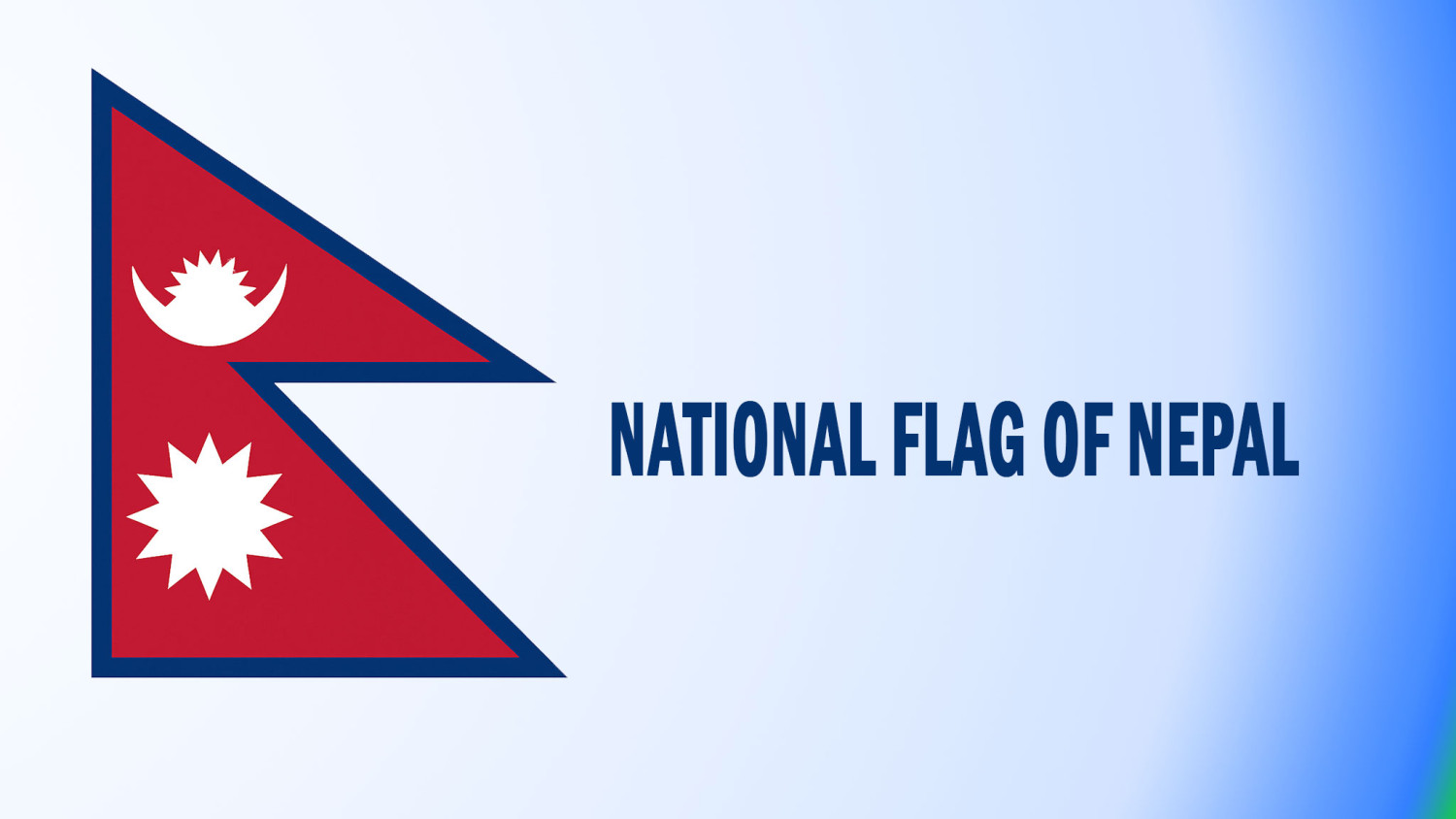
The Nepal country flag stands out as one of the most distinctive and symbolic flags in the world. Unlike most national flags, which are rectangular, Nepal’s flag is non-rectangular and shaped as two stacked triangular pennants. This iconic design is deeply rooted in the country's history, culture, and spirituality. It reflects the nation’s unique identity, its rich traditions, and its commitment to values that date back centuries.
In this article, we’ll explore the history of the Nepal flag, its design elements, and the meaning behind its colors and symbols, while also looking at its evolution over time.
A Brief History of the Nepal Country Flag
The origins of the Nepalese flag trace back to ancient times when various dynasties and rulers used triangular pennants as symbols of authority. Nepal’s modern flag, officially adopted on December 16, 1962, is based on older designs that were traditionally used by the Rana dynasty and other royal houses.
Before its current version, Nepal used separate pennants representing its two rival branches of royalty. The current Nepal flag design combined both pennants into one unified emblem after the establishment of a modern constitutional monarchy, symbolizing unity and national pride.
The Unique Shape of the Nepal Flag
One of the most striking features of the flag of Nepal is its non-rectangular shape. It is the only national flag in the world that is not quadrilateral, making it instantly recognizable. The two stacked triangles are designed to represent the Himalayan mountains, which dominate Nepal’s landscape and hold spiritual significance in Hinduism and Buddhism.
This distinctive design sets Nepal apart from all other nations, and its shape is even mathematically defined, with specific geometric proportions outlined in the country’s constitution.
Symbolism of the Nepal Flag Colors and Symbols
The Nepal country flag is rich in symbolism:
1. Colors of the Nepal Flag
Crimson Red: The main color of the flag represents the bravery, strength, and courage of the Nepalese people. It is also the country’s national color.
Blue Border: The blue border symbolizes peace, harmony, and the calm nature of the country and its people.
2. Sun and Moon Symbols
The upper triangle features a white moon with a crescent and eight rays, representing the serenity and cool weather of the Himalayas.
The lower triangle showcases a white sun with 12 rays, symbolizing the heat and determination of the people living in Nepal’s southern regions.
Together, the sun and moon signify the hope that Nepal will last as long as these celestial bodies, embodying eternity and resilience.
Interesting Facts About the Nepal Country Flag
World’s Only Non-Rectangular Flag: Nepal’s flag is the only national flag in the world that is not a rectangle.
Geometric Design: The flag’s proportions and construction details are mathematically precise, with instructions provided in Nepal’s constitution.
Symbol of Religion and Culture: The shape and colors also reflect Nepal’s connection to Hinduism and Buddhism, as triangular pennants are often seen on religious shrines.
Eternal Legacy: The combination of sun and moon suggests that Nepal will endure as long as these celestial bodies exist.
Evolution of the Nepal Flag
The Nepal country flag has evolved over centuries. Historically, various kings and rulers used separate triangular flags for different kingdoms and regions. After the unification of Nepal in the 18th century by King Prithvi Narayan Shah, these elements were merged to form a single flag, representing a united Nepal.
The modern flag was standardized in 1962 when the Constitution of Nepal defined its exact shape, colors, and symbols.
The Nepal Flag in Modern Culture
The Nepalese flag is a source of great pride for the nation. It is prominently displayed during national festivals like Dashain and Tihar, as well as on international stages such as sports events and global diplomatic meetings. The flag also serves as a powerful reminder of the country’s unique identity and its determination to remain independent and culturally rich.
In recent years, the Nepal country flag has become a popular symbol in the tourism industry, with travelers buying souvenirs like T-shirts, badges, and keychains that feature its distinct design.
Protocols and Respect for the Nepal Flag
Like any national symbol, the Nepal flag is treated with great respect. There are strict guidelines on how and when it should be displayed. For example:
It must always be hoisted in a clean and untorn condition.
It should not touch the ground or be used for commercial purposes in a disrespectful manner.
The flag is prominently raised during national holidays, official ceremonies, and government events.
Importance of the Nepal Country Flag
The flag of Nepal is more than just a symbol; it is a reflection of the country’s spiritual beliefs, cultural heritage, and historical legacy. Its distinct design represents the Himalayas, the sun and moon, and the unity of the nation’s people. For Nepalese citizens, the flag is a source of pride, embodying their resilience and their connection to centuries-old traditions.