

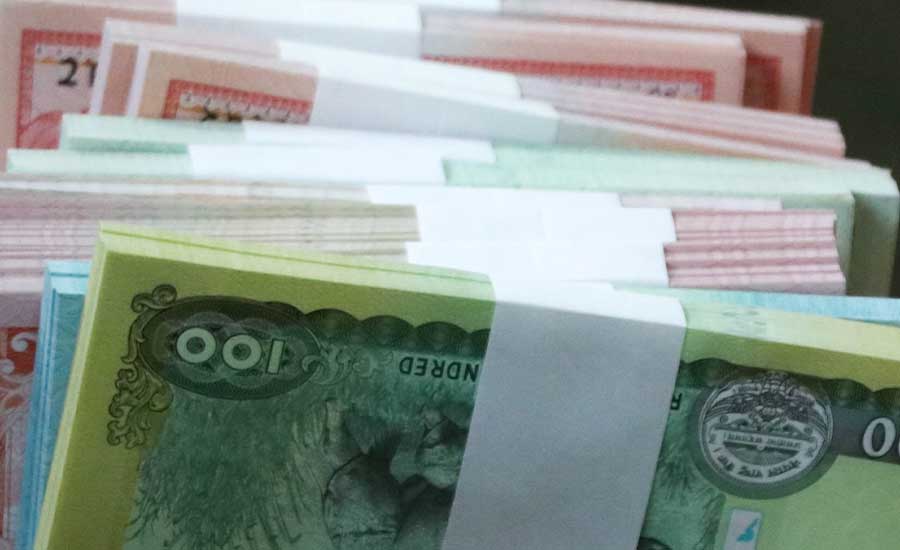
The Nepali currency, officially known as the Nepal Rupee (NPR), is a key symbol of the country’s national identity and economy. It is issued by the Nepal Rastra Bank, the central bank of Nepal, and is widely used across the nation for daily transactions, trade, and international exchanges.
The Nepal Rupee is not just a medium of exchange but also a reflection of the country's rich cultural and historical heritage. With images of Mount Everest, national monuments, and native wildlife printed on its banknotes, the Nepali currency holds cultural and patriotic value.
A Brief History of Nepali Currency
The history of Nepali currency dates back to the 17th century when the country used silver and copper coins known as mohars. In 1932, King Tribhuvan officially introduced the Nepal Rupee (NPR) to modernize the monetary system and replace the traditional mohar.
In 1956, the establishment of the Nepal Rastra Bank marked a new chapter in Nepal’s currency history, as the bank began issuing standardized banknotes with modern security features.
Denominations of Nepali Currency
Nepali currency is available in both coins and banknotes.
Coins:
1 rupee
2 rupees
5 rupees
10 rupees
Banknotes:
Rs. 1
Rs. 2
Rs. 5
Rs. 10
Rs. 20
Rs. 50
Rs. 100
Rs. 500
Rs. 1000
Each banknote features Nepalese landmarks, royal figures, or natural symbols, with Mount Everest being one of the most iconic images.
Design and Symbols on Nepali Currency
The design of Nepali currency notes reflects the cultural richness and diversity of Nepal. Common elements on the banknotes include:
Mount Everest, symbolizing the country's pride and geographical identity.
Wildlife images such as yaks, deer, and birds, representing Nepal’s biodiversity.
National monuments and temples, which highlight Nepal’s religious and cultural heritage.
The dominant colors and artistic patterns vary with each denomination, making them visually distinctive.
Nepali Currency Code and Symbol
The currency code for the Nepal Rupee is NPR, and the currency symbol is – or Rs. For example, 100 rupees can be written as –100 or Rs. 100.
Exchange Rate of Nepali Currency
The Nepal Rupee is pegged to the Indian Rupee (INR) at a fixed rate of 1 INR = 1.6 NPR. This exchange rate helps stabilize Nepal’s economy and simplifies cross-border trade with India, its largest trading partner.
For foreign currencies like the US Dollar (USD) or Euro (EUR), exchange rates vary depending on market fluctuations. Visitors can exchange money at banks, authorized exchange counters, and major hotels.
Security Features of Nepali Banknotes
To prevent counterfeiting, modern Nepali currency includes advanced security features such as:
Watermarks (often featuring Mount Everest or the king’s image).
Holograms and microtext on high-denomination notes.
Raised printing for easy identification.
Color-shifting ink on Rs. 500 and Rs. 1000 notes.
Importance of Nepali Currency in the Economy
The Nepal Rupee plays a vital role in Nepal’s economy, supporting trade, tourism, and cross-border commerce. Its stable peg to the Indian rupee ensures consistency in pricing and international transactions. The Nepali currency is also an essential part of daily life for citizens, ranging from market purchases to major financial dealings.
Tips for Tourists Using Nepali Currency
Carry small denominations (Rs. 10, Rs. 20, Rs. 50) for local markets and transportation.
ATMs and banks are widely available in major cities like Kathmandu and Pokhara, but rural areas may require cash.
Authorized currency exchange centers ensure you receive genuine banknotes.
Digital payments are becoming popular but are still limited outside urban regions
Conclusion
The Nepali currency is not only an essential economic tool but also a cultural symbol representing the country’s history, heritage, and pride. With its distinctive design, strong connection to Nepal’s identity, and practical use for both locals and travelers, the Nepal Rupee (NPR) is truly unique in its value and significance.