

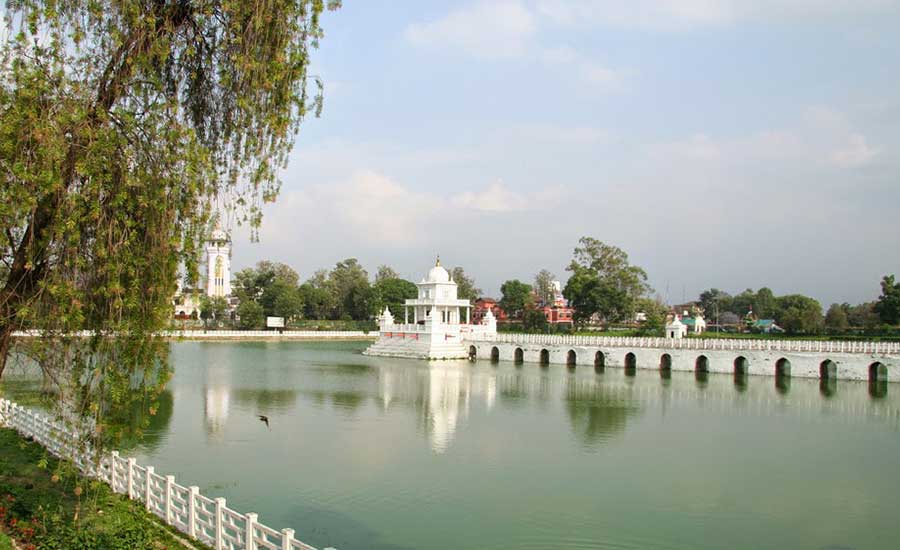
Introduction to Rani Pokhari Kathmandu
In the heart of bustling Kathmandu city, amidst the noise of traffic and the rapid pace of modern life, lies a serene and historic landmark—Rani Pokhari. Literally meaning “Queen’s Pond,” Rani Pokhari is one of the most iconic water reservoirs in Nepal. Built in the 17th century, it is not just an architectural marvel but also a symbol of love, spirituality, and resilience.
The pond, located near Ratna Park and Jamaleshwor Temple, covers about 63 ropanis (over 8 acres) and features a temple in the middle dedicated to Lord Shiva. Over the centuries, Rani Pokhari has become a significant part of Kathmandu’s cultural identity, often associated with religious rituals, historical legends, and local traditions.
This article explores the history, myths, architecture, cultural practices, and modern-day tourism significance of Rani Pokhari in Kathmandu.
History of Rani Pokhari
The story of Rani Pokhari begins with King Pratap Malla, one of the most influential rulers of the Malla dynasty in the Kathmandu Valley.
Built in Memory of the Queen’s Grief
It is believed that the pond was constructed in 1670 AD to console the grief-stricken queen after the death of their young son. To immortalize his love and provide spiritual solace, King Pratap Malla ordered the construction of a large pond, naming it Rani Pokhari (Queen’s Pond).
Symbol of Unity
The pond was also built with water collected from holy rivers and pilgrimage sites across Nepal and India, symbolizing religious harmony and the king’s devotion to both Hinduism and Buddhism.
Thus, Rani Pokhari is not only a memorial of love but also a spiritual reservoir, uniting different cultural traditions.
Architecture and Design of Rani Pokhari
Rani Pokhari is a prime example of Malla-era water architecture.
The Pond
Shape & Size: Almost square, surrounded by stone walls and balustrades.
Area: Covers more than 8 acres, making it one of the largest historic ponds in Kathmandu.
The Temple in the Middle
Located at the center of the pond is the Bal Gopaleshwor Temple, dedicated to Lord Shiva in the form of Bal Gopaleshwor.
The temple is accessible only via a narrow stone bridge.
Its architectural style combines Mughal and Nepali designs, reflecting cross-cultural influences during the Malla period.
Surroundings
Traditional stone spouts (hiti) were once used to supply water.
A protective fence now surrounds the pond, making it a landmark amidst modern Kathmandu’s urban setting.
Religious and Cultural Importance of Rani Pokhari
Rani Pokhari holds immense significance in Hindu religious practices and local traditions.
Bal Gopaleshwor Temple
The temple inside the pond is dedicated to Lord Shiva, worshipped in his child form as Bal Gopaleshwor. Devotees believe that worshipping here grants peace, prosperity, and marital harmony.
Bhaitika of Tihar Festival
Rani Pokhari is especially famous during the Bhaitika ceremony of Tihar (Deepawali). On this day, brothers and sisters who do not have siblings come here to perform the Bhai Tika ritual with priests. This makes the site deeply meaningful for those without families to celebrate with.
Pilgrimage Symbolism
Since the pond was filled with waters from holy rivers like the Bagmati, Gandaki, and Trishuli, it is considered sacred, representing the spiritual geography of Nepal.
Legends and Myths of Rani Pokhari
Like many historic monuments in Nepal, Rani Pokhari is surrounded by legends.
Sacred Waters: It is believed that bathing in Rani Pokhari’s water during special occasions can cleanse sins and grant blessings.
Divine Protection: Local myths suggest that the temple protects Kathmandu from misfortunes, acting as a spiritual shield.
Unfulfilled Wishes: Many unmarried men and women visit the pond during Bhaitika, praying for a good partner, as Lord Shiva here is considered a divine matchmaker.
Rani Pokhari Through the Ages
Over the centuries, Rani Pokhari has seen the ups and downs of history.
Malla Era – Built as a royal project symbolizing love and devotion.
Shah and Rana Periods – Maintained as a cultural site, though neglected at times.
Modern Times – Damaged during the 2015 earthquake but later restored with traditional methods, reopening in 2020 with much public enthusiasm.
Restoration of Rani Pokhari
The 2015 earthquake in Nepal severely damaged the Bal Gopaleshwor Temple and parts of the pond’s structure. Initially, there was controversy about using modern concrete during reconstruction, as it clashed with traditional designs.
Finally, the government and heritage experts decided to restore Rani Pokhari using traditional Malla-era materials and techniques, including:
Brick, lime, and stone masonry.
Wooden struts carved in traditional Newar style.
The pond reopened in October 2020, symbolizing Nepal’s resilience and respect for heritage.
Tourism in Rani Pokhari Kathmandu
For visitors to Kathmandu, Rani Pokhari is a must-see landmark.
Location and Accessibility
Located near Ratna Park and Durbar Marg, Rani Pokhari is easily accessible by foot, taxi, or local buses.
Close to other attractions like Kathmandu Durbar Square, Thamel, and Narayanhiti Palace Museum.
Photography and Sightseeing
The pond’s reflections of the Bal Gopaleshwor Temple and surrounding cityscape create stunning photo opportunities, especially at sunrise and sunset.
Cultural Experience
Visiting during Tihar festival provides a unique experience of rituals performed by people without siblings.
Nearby markets and food stalls offer a taste of Kathmandu’s local life.
Nearby Attractions Around Rani Pokhari
If you’re visiting Rani Pokhari, you can also explore nearby sites:
Ratna Park – A popular public garden nearby.
Durbar Marg – A commercial street with shops, restaurants, and cafes.
Kathmandu Durbar Square – UNESCO World Heritage Site showcasing Malla-era palaces and temples.
Thamel – The tourist hub of Kathmandu, perfect for food and nightlife.
Garden of Dreams – A historic neo-classical garden located close by.
Conclusion: Why Rani Pokhari Matters
The Rani Pokhari in Kathmandu is not just a pond—it is a living heritage site that connects love, history, spirituality, and resilience. From King Pratap Malla’s act of devotion to the modern-day Bhaitika celebrations, Rani Pokhari continues to touch lives across generations.
For travelers, it offers a glimpse into Nepal’s cultural heart, combining history with living traditions. For locals, it remains a symbol of identity, unity, and faith.
Whether you visit during Tihar or on a quiet evening, Rani Pokhari will leave you with a sense of peace and appreciation for Kathmandu’s timeless heritage.