

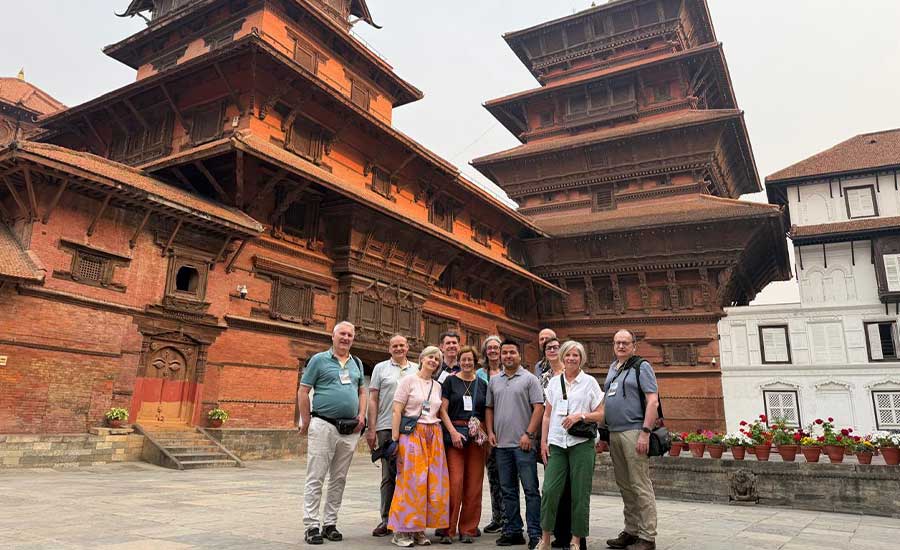
Introduction to Kathmandu Durbar Square
Kathmandu Durbar Square is one of Nepal's most iconic cultural landmarks and a must-visit destination for anyone exploring the Kathmandu Valley. Located in the heart of Nepal's capital city, this historic royal palace complex showcases centuries of Nepalese history, architecture, religion, and living traditions. Known locally as Hanuman Dhoka Durbar Square or Basantapur Durbar Square, the site attracts thousands of visitors every year who come to admire its magnificent temples, ancient courtyards, royal palaces, and vibrant cultural atmosphere.
Recognized as a UNESCO World Heritage Site, Kathmandu Durbar Square represents the artistic brilliance of the Newar civilization and serves as a living museum where history, spirituality, and daily life blend together. Whether you are interested in history, architecture, photography, religion, or local culture, Kathmandu Durbar Square offers an unforgettable experience and remains one of the most important heritage sites in Nepal.
What is Kathmandu Durbar Square?
Kathmandu Durbar Square is a historic palace complex that once served as the royal residence of the Malla and Shah kings who ruled Nepal for centuries. The word "Durbar" means palace, while "Square" refers to the open courtyards and temple-filled plazas surrounding the royal complex.
The square is home to numerous temples, shrines, monuments, courtyards, and palaces that reflect the rich cultural heritage of the Kathmandu Valley. Some of its most famous attractions include the Hanuman Dhoka Royal Palace, Kumari Ghar (the residence of the Living Goddess Kumari), Taleju Temple, Kasthamandap, Kal Bhairav Statue, and Basantapur Tower.
Today, Kathmandu Durbar Square continues to be an important religious and cultural center where locals gather for festivals, ceremonies, and daily worship, making it one of the finest examples of Nepal's living heritage.
Why is Kathmandu Durbar Square Famous?
Kathmandu Durbar Square is famous for its remarkable collection of medieval temples, royal palaces, intricate wood carvings, and centuries-old cultural traditions. It served as the political and ceremonial center of Nepal for hundreds of years and remains one of the country's most significant historical landmarks.
One of the square's most unique attractions is Kumari Ghar, the residence of the Living Goddess Kumari, a revered tradition found only in Nepal. The square is also renowned for its stunning Newari architecture, beautifully carved wooden windows, stone sculptures, and sacred temples dedicated to Hindu and Buddhist deities.
In addition to its architectural beauty, Kathmandu Durbar Square is the focal point of several major festivals, including Indra Jatra, when the Living Goddess Kumari is carried through the city in a traditional chariot procession. These vibrant celebrations provide visitors with a rare opportunity to witness Nepal's rich cultural and religious traditions firsthand.
UNESCO World Heritage Significance
Kathmandu Durbar Square was inscribed as a UNESCO World Heritage Site in 1979 as part of the Kathmandu Valley World Heritage Property. UNESCO recognized the site for its outstanding universal value, exceptional craftsmanship, and unique blend of architecture, religion, and urban culture.
The square preserves some of the finest examples of traditional Nepalese architecture, particularly the artistic achievements of the Newar craftsmen who created many of its temples, palaces, and monuments. Its architectural style has influenced temple construction throughout Nepal and the Himalayan region for centuries.
Despite suffering significant damage during the devastating 2015 earthquake, extensive restoration efforts have helped preserve and rebuild many of the historic structures using traditional techniques and original materials. Today, Kathmandu Durbar Square stands as a symbol of Nepal's resilience, cultural pride, and commitment to safeguarding its heritage for future generations.
For travelers seeking to understand Nepal's rich history and cultural identity, Kathmandu Durbar Square remains one of the most important and rewarding places to visit in the country.
Kathmandu Durbar Square History
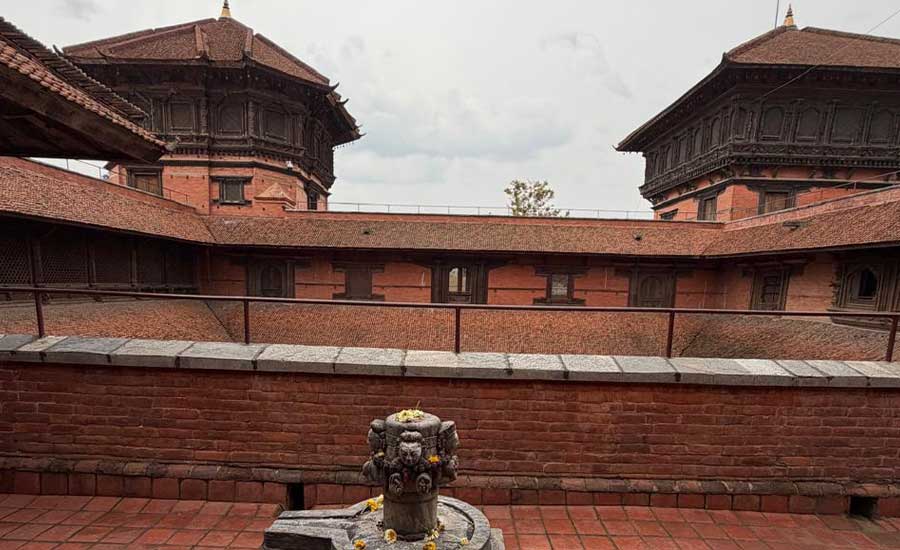
The history of Kathmandu Durbar Square spans more than a thousand years and reflects the rise and fall of Nepal's most influential dynasties, the evolution of Newar architecture, and the deep spiritual traditions of the Kathmandu Valley. Today, the square stands as one of Nepal's most important historical landmarks, preserving centuries of royal heritage, religious devotion, and artistic achievement.
Also known as Hanuman Dhoka Durbar Square or Basantapur Durbar Square, this remarkable complex served as the political, cultural, and religious center of Nepal for generations. Its temples, courtyards, palaces, and monuments tell the fascinating story of the kings, craftsmen, and communities that shaped the nation's history.
Origins of the Royal Palace Complex
The origins of Kathmandu Durbar Square can be traced back to the ancient settlements that flourished in the Kathmandu Valley during the Licchavi Period (approximately 400–750 AD). Although the valley was already an important religious and trading center, the area that would later become Kathmandu Durbar Square gained prominence as rulers established administrative and ceremonial buildings in the heart of the city.
Historical records suggest that early palace structures existed in the area long before the current complex was developed. However, much of the architecture visible today was constructed between the 12th and 18th centuries. As Kathmandu grew into a powerful city-state, successive rulers expanded the palace complex and added temples, shrines, courtyards, and public spaces.
The location was strategically chosen at the center of the old city, where important trade routes connected Nepal with Tibet and India. Over time, the royal palace became not only the seat of political power but also a symbol of religious authority and cultural identity.
The square's development was closely linked with the rise of the Newar civilization, whose skilled artisans created the magnificent wood carvings, stone sculptures, and pagoda-style temples that continue to impress visitors today.
The Malla Dynasty Legacy
The golden age of Kathmandu Durbar Square began during the Malla Dynasty, which ruled the Kathmandu Valley from the 12th to the 18th centuries. The Malla kings were great patrons of art, architecture, literature, music, and religion, transforming Kathmandu into one of South Asia's most vibrant cultural centers.
Many of the square's most iconic structures were built during this period. Kings competed to construct increasingly beautiful temples, courtyards, fountains, and palaces, resulting in an extraordinary concentration of architectural masterpieces.
One of the most influential rulers was King Pratap Malla (1641–1674), who significantly expanded the palace complex and commissioned numerous monuments throughout the city. He introduced many artistic innovations and left behind inscriptions, statues, and temples that still survive today.
During the Malla era, Kathmandu Durbar Square became the center of royal ceremonies, religious festivals, and public gatherings. The square served as a stage where kings demonstrated their power while also honoring Hindu and Buddhist traditions.
Many famous landmarks date from this period, including:
Hanuman Dhoka Palace Complex
Taleju Bhawani Temple
Kumari Ghar (Living Goddess Residence)
Jagannath Temple
Kal Bhairav Statue
Basantapur Tower
Numerous royal courtyards and ceremonial halls
The remarkable craftsmanship displayed throughout the square reflects the extraordinary talents of Newar artisans, whose work remains among the finest examples of traditional Nepalese architecture.
The Shah Kings and Royal Coronations
A major turning point in Nepalese history occurred in 1768 when King Prithvi Narayan Shah of Gorkha conquered Kathmandu and unified the various kingdoms of the Kathmandu Valley. Following his victory, Kathmandu Durbar Square became the principal royal palace of the newly unified Kingdom of Nepal.
The Shah kings continued to use Hanuman Dhoka Palace as their royal residence and administrative center. The palace complex became the site of important state ceremonies, royal gatherings, and official functions.
One of the most significant traditions associated with Kathmandu Durbar Square was the coronation of Nepal's monarchs. For centuries, newly crowned kings participated in elaborate ceremonies within the palace courtyards, particularly in Nasal Chowk, one of the most important ceremonial spaces inside Hanuman Dhoka.
The square witnessed many historic events during the Shah era, including royal celebrations, diplomatic receptions, political transitions, and religious festivals. Although later monarchs eventually moved to newer palaces outside the old city, Hanuman Dhoka remained an important symbol of Nepal's monarchy and national identity.
Today, visitors can explore several museums within the palace complex that preserve artifacts, royal possessions, photographs, and historical records from both the Malla and Shah periods.
Impact of the 2015 Earthquake
On 25 April 2015, Nepal experienced a devastating earthquake measuring 7.8 magnitude, one of the most destructive natural disasters in the country's modern history. Kathmandu Durbar Square suffered extensive damage as several historic buildings, temples, and monuments collapsed or were severely weakened.
Among the most heavily damaged structures were:
Kasthamandap
Trailokya Mohan Temple
Maju Dega Temple
Fasi Dega Temple
Portions of Hanuman Dhoka Palace
Several smaller shrines and monuments
The earthquake caused immense cultural loss, as centuries-old structures that had survived generations were reduced to rubble within minutes. The disaster also highlighted the vulnerability of Nepal's historic monuments to seismic activity.
Despite the destruction, many important structures remained standing, while valuable artifacts, sculptures, and architectural elements were carefully recovered for future restoration.
The tragedy attracted international attention and generated strong support for preserving Nepal's cultural heritage.
Restoration and Reconstruction Efforts
Following the earthquake, extensive restoration and reconstruction projects were launched to protect and rebuild Kathmandu Durbar Square. The Government of Nepal, the Department of Archaeology, UNESCO, local communities, and international partners collaborated to restore the damaged monuments using traditional construction techniques and historically accurate materials.
One of the primary goals of the reconstruction process was to maintain the authenticity of the original structures while improving their resistance to future earthquakes. Skilled Newar craftsmen played a crucial role in rebuilding temples using traditional brickwork, timber framing, and intricate wood carvings.
Several major restoration achievements include:
Reconstruction of Kasthamandap
Restoration of Trailokya Mohan Temple
Rehabilitation of Basantapur Tower
Conservation of Hanuman Dhoka Palace
Repair of damaged courtyards and shrines
These efforts have helped revive the square's historic character while preserving its cultural significance for future generations.
Today, Kathmandu Durbar Square stands as a powerful symbol of resilience, demonstrating Nepal's commitment to protecting its rich heritage despite natural disasters and the passage of time. Visitors can once again admire the beauty of this remarkable royal complex while witnessing the successful preservation of one of the country's most treasured UNESCO World Heritage Sites.
Kathmandu Durbar Square Location and How to Reach
Kathmandu Durbar Square is one of the most accessible tourist attractions in Nepal and a highlight of any visit to the Kathmandu Valley. Situated in the heart of the old city, this historic UNESCO World Heritage Site is surrounded by bustling local markets, ancient temples, traditional Newari neighborhoods, and vibrant cultural landmarks.
Whether you are staying in Thamel, Lazimpat, Durbar Marg, or another part of Kathmandu, reaching Kathmandu Durbar Square is relatively easy by foot, taxi, ride-sharing services, or local transportation. Its central location makes it a convenient destination for both independent travelers and guided sightseeing tours.
Kathmandu Durbar Square Location
Kathmandu Durbar Square is located in the historic center of Kathmandu, Nepal's capital city. The square lies in the Basantapur area, which forms the cultural and historical heart of the Kathmandu Valley.
The site is locally known as Hanuman Dhoka Durbar Square or Basantapur Durbar Square, named after the Hanuman Dhoka Royal Palace and the famous Basantapur Tower that dominate the area.
Location Details:
Area: Basantapur, Kathmandu
District: Kathmandu District
Province: Bagmati Province
Country: Nepal
Elevation: Approximately 1,350 meters (4,429 feet)
UNESCO World Heritage Site since 1979
The square is surrounded by some of Kathmandu's most famous neighborhoods, including Ason Bazaar, Indra Chowk, New Road, Freak Street, and Thamel. Its central location makes it an excellent starting point for exploring many of Kathmandu's cultural and historical attractions.
Distance from Thamel
Thamel, Kathmandu's most popular tourist district, is located very close to Kathmandu Durbar Square. Most visitors choose to stay in Thamel due to its wide range of hotels, restaurants, cafés, shops, and travel services.
The distance between Thamel and Kathmandu Durbar Square is approximately 1.5 to 2 kilometers, depending on your starting point within Thamel.
| Route | Distance | Approximate Time |
|---|---|---|
| Walking | 1.5–2 km | 15–25 minutes |
| Taxi | 1.5–2 km | 5–10 minutes |
| Ride-Sharing | 1.5–2 km | 5–10 minutes |
| Rickshaw | 1.5–2 km | 10–15 minutes |
Many travelers prefer walking because it allows them to experience the lively streets, traditional shops, local markets, and authentic atmosphere of old Kathmandu along the way.
Walking to Durbar Square
Walking from Thamel to Kathmandu Durbar Square is one of the best ways to experience the city's cultural charm. The route passes through some of Kathmandu's oldest and busiest commercial areas, offering visitors a glimpse into everyday local life.
A popular walking route follows:
Thamel → Tahiti → Ason Bazaar → Indra Chowk → Basantapur Durbar Square
Along the way, visitors can explore:
Traditional Newari houses
Local spice markets
Vegetable and fruit bazaars
Religious shrines and temples
Handicraft shops
Historic alleyways
Street food vendors
The walk generally takes between 15 and 25 minutes, depending on your pace and how often you stop for photographs or shopping.
For photographers and culture enthusiasts, this route provides an excellent introduction to Kathmandu's unique blend of history, commerce, and daily life.
By Taxi, Ride-Sharing and Local Transport
If you prefer a quicker and more comfortable option, taxis and ride-sharing services are widely available throughout Kathmandu.
Taxi
Taxis can be found almost everywhere in Kathmandu, including Thamel, Lazimpat, Durbar Marg, and major hotel areas.
Estimated Travel Time:
5–10 minutes from Thamel
10–20 minutes from other central Kathmandu locations
Estimated Cost:
NPR 200–500 depending on distance and traffic conditions
It is advisable to agree on the fare before starting your journey if the driver does not use a meter.
Ride-Sharing Apps
Ride-sharing services have become increasingly popular in Kathmandu and often offer a more convenient and affordable alternative to traditional taxis.
Popular ride-sharing platforms include:
Pathao
InDrive
These apps allow visitors to see estimated fares, track drivers, and avoid price negotiations.
Local Buses and Microbuses
Budget-conscious travelers can also use Kathmandu's local bus and microbus network.
Many buses traveling through:
Ratna Park
Sundhara
New Road
Kalanki
Balaju
stop within walking distance of Kathmandu Durbar Square.
While local transport is inexpensive, it can be crowded and may be challenging for first-time visitors unfamiliar with Kathmandu's public transportation system.
Kathmandu Durbar Square on Google Maps
Kathmandu Durbar Square is clearly marked on Google Maps and can easily be located using any smartphone or navigation device.
Simply search for:
Kathmandu Durbar Square
or
Hanuman Dhoka Durbar Square
Google Maps provides:
Walking directions
Driving routes
Estimated travel times
Nearby attractions
Restaurants and cafés
Parking locations
Real-time traffic updates
Many travelers combine their visit with nearby attractions such as Ason Bazaar, Freak Street, Indra Chowk, Asan Market, and the historic Hanuman Dhoka Palace Museum.
For the best experience, consider arriving early in the morning when the square is quieter, the weather is pleasant, and the beautiful temple architecture can be appreciated without large crowds.
Major Attractions Inside Kathmandu Durbar Square
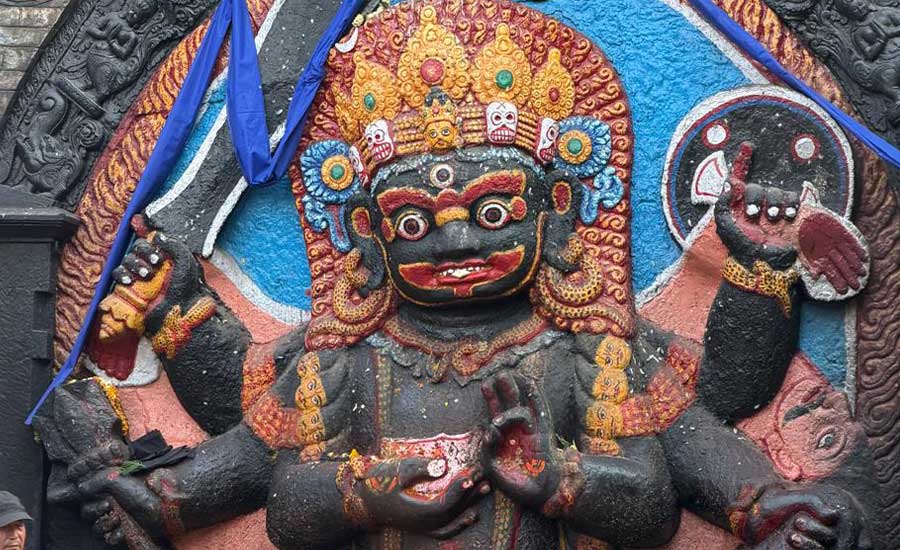
Kathmandu Durbar Square is home to some of Nepal's most important historical, religious, and architectural landmarks. Once the royal seat of the Malla and Shah kings, the square contains magnificent temples, royal palaces, sacred courtyards, and cultural monuments that showcase centuries of Nepalese heritage.
From the residence of the Living Goddess Kumari to the former royal palace of Hanuman Dhoka, every corner of the square tells a fascinating story about Nepal's history, religion, and artistic achievements. Visitors can easily spend several hours exploring the area's remarkable attractions while learning about the traditions that continue to shape Nepalese culture today.
Hanuman Dhoka Palace Museum
The Hanuman Dhoka Palace Complex is the historical centerpiece of Kathmandu Durbar Square and served as the royal residence of Nepal's Malla and Shah kings for centuries. The palace takes its name from the large stone statue of Lord Hanuman, the Hindu monkey god, which guards the main entrance.
The palace complex consists of multiple courtyards, ceremonial halls, temples, royal chambers, and museums that provide insight into Nepal's royal history. Today, visitors can explore several museums within the palace, including the Tribhuvan Memorial Museum and Mahendra Museum, which display royal artifacts, historical photographs, weapons, furniture, medals, and personal belongings of Nepal's former monarchs.
The palace is also famous for Nasal Chowk, where many of Nepal's kings were crowned. Walking through the palace complex offers a fascinating glimpse into the country's royal past and makes it one of the most important attractions in Kathmandu.
Kumari Ghar – Home of the Living Goddess
One of Kathmandu Durbar Square's most unique attractions is Kumari Ghar, the residence of Nepal's Living Goddess Kumari. This centuries-old tradition is deeply rooted in Newar culture and represents the living embodiment of the Hindu goddess Taleju.
Built in 1757 by King Jaya Prakash Malla, Kumari Ghar is a beautiful three-story palace featuring intricate wooden carvings, decorative windows, and a peaceful central courtyard. The architecture itself is considered one of the finest examples of traditional Newar craftsmanship.
Visitors are allowed to enter the courtyard and admire the building's artistic details. If fortunate, they may catch a brief glimpse of the Kumari appearing at one of the windows. Photography of the courtyard is permitted, but photographing the Kumari herself is strictly prohibited.
The Living Goddess remains one of Nepal's most fascinating cultural traditions and attracts visitors from around the world.
Taleju Bhawani Temple
Standing majestically above the surrounding buildings, Taleju Bhawani Temple is one of the most important religious monuments in Kathmandu Durbar Square. Built in 1564 by King Mahendra Malla, the temple is dedicated to Goddess Taleju, the royal deity worshipped by the Malla kings.
The temple rises on a large platform and features a magnificent multi-tiered pagoda design that dominates the square's skyline. For centuries, Taleju Bhawani served as the protective goddess of Kathmandu's rulers and played a central role in royal ceremonies and religious rituals.
Although the temple is generally closed to the public, visitors can admire its impressive architecture from the outside throughout the year. The temple opens to devotees during the Dashain Festival, Nepal's most important Hindu celebration.
Its elegant pagoda roofs, golden decorations, and historical significance make it one of the architectural highlights of Kathmandu Durbar Square.
Kasthamandap Temple
Kasthamandap is one of the most historically significant structures in Kathmandu and is believed to have given the city its name. According to local tradition, the word "Kathmandu" originated from "Kasthamandap," which means "wooden pavilion."
The original structure is believed to date back to the 12th century and was reportedly constructed using timber from a single tree. For centuries, it functioned as a public shelter, meeting place, social center, and religious site.
Kasthamandap was severely damaged during the devastating 2015 earthquake and collapsed entirely. Following years of careful restoration using traditional building methods and original materials, the temple was successfully reconstructed and reopened to the public.
Today, Kasthamandap once again stands as a symbol of Kathmandu's resilience and rich cultural heritage.
Jagannath Temple
Jagannath Temple is one of the oldest temples within Kathmandu Durbar Square and is renowned for its exceptional wood carvings. Built during the 16th century, the temple is dedicated to Lord Jagannath, a form of Lord Vishnu worshipped throughout South Asia.
The temple is particularly famous for its beautifully carved wooden struts, which feature intricate depictions of deities, mythical figures, and traditional artistic motifs. Some carvings include erotic imagery, which reflects the artistic traditions and symbolic beliefs of medieval Nepal.
Although smaller than Taleju Temple, Jagannath Temple is considered one of the finest examples of Newar wood craftsmanship and remains an important stop for visitors interested in architecture and history.
Kal Bhairav Statue
The imposing statue of Kal Bhairav is one of the most striking monuments in Kathmandu Durbar Square. Kal Bhairav represents the fierce manifestation of Lord Shiva and is regarded as a powerful protector deity in Hindu tradition.
Carved from a single block of stone, the massive statue stands several meters high and depicts the deity adorned with skulls, weapons, and symbolic ornaments. Historically, the statue served not only as a religious icon but also as a place where legal oaths and public declarations were made.
In ancient times, people believed that anyone who lied before Kal Bhairav would face divine punishment. As a result, the statue became closely associated with justice and truth.
Today, it remains an important religious site where devotees offer prayers and seek blessings throughout the year.
Basantapur Tower
Basantapur Tower is one of the most recognizable landmarks within Kathmandu Durbar Square. Built during the Malla period and later expanded by the Shah rulers, this impressive nine-story tower forms part of the Hanuman Dhoka Palace Complex.
Also known as Nautalle Durbar, the tower was once among the tallest buildings in Kathmandu and served as a royal observation point. From its upper floors, kings could enjoy panoramic views of the Kathmandu Valley and observe activities throughout the city.
The tower's distinctive multi-tiered roof and traditional architectural design make it one of the most photographed structures in the square. Although portions of the tower suffered damage during the 2015 earthquake, restoration efforts have successfully preserved its historic appearance.
Today, Basantapur Tower remains an iconic symbol of Kathmandu's royal heritage.
Historic Courtyards and Chowks
Hidden behind the palace walls are several magnificent courtyards, locally known as chowks, which represent some of the finest examples of Nepalese palace architecture. These open spaces served as venues for royal ceremonies, religious rituals, administrative activities, and important state functions.
Some of the most significant courtyards include:
Nasal Chowk – Famous for royal coronations and ceremonial events.
Mul Chowk – A sacred courtyard traditionally reserved for royal religious ceremonies dedicated to Goddess Taleju.
Sundar Chowk – Known for its elegant architecture and the beautiful Tusha Hiti stone water fountain.
Mohan Chowk – One of the oldest sections of the palace complex, historically used for royal family activities.
These courtyards showcase extraordinary wood carvings, stone sculptures, metalwork, and architectural details that highlight the remarkable craftsmanship of Newar artisans. Exploring these historic spaces provides visitors with a deeper understanding of Nepal's royal history and cultural traditions.
Together, these palaces, temples, monuments, and courtyards make Kathmandu Durbar Square one of the most fascinating cultural attractions in Nepal and a destination that no visitor to Kathmandu should miss.
Kathmandu Durbar Square Museum
Beyond its magnificent temples and royal courtyards, Kathmandu Durbar Square is also home to several fascinating museums that preserve Nepal's royal heritage, cultural treasures, and historical artifacts. Located within the historic Hanuman Dhoka Palace Complex, these museums offer visitors a unique opportunity to explore the lives of Nepal's former kings, learn about the country's political history, and admire rare collections that span several centuries.
A visit to the museums adds significant depth to your experience of Kathmandu Durbar Square, allowing you to understand the stories behind the palace, the monarchy, and the traditions that shaped modern Nepal.
Hanuman Dhoka Museum
The Hanuman Dhoka Museum is the principal museum complex located within the former royal palace of Kathmandu Durbar Square. Once the official residence of the Malla and Shah kings, the palace now serves as a repository of Nepal's royal and cultural history.
As visitors walk through the palace halls, courtyards, and galleries, they can discover a rich collection of historical objects that illustrate the evolution of Nepal's monarchy and governance. The museum provides valuable insight into the daily lives of the royal family, important political events, and the architectural development of the palace complex itself.
The museum is particularly popular among history enthusiasts, students, researchers, and travelers interested in Nepal's royal heritage.
Tribhuvan Memorial Museum
One of the most important sections within the palace complex is the Tribhuvan Memorial Museum, dedicated to King Tribhuvan Bir Bikram Shah, one of Nepal's most respected monarchs.
King Tribhuvan played a crucial role in Nepal's transition from the Rana regime to constitutional governance during the mid-20th century. The museum commemorates his contributions to the nation through an extensive collection of personal belongings, official documents, photographs, medals, military uniforms, furniture, and gifts received during his reign.
Visitors can gain a deeper understanding of Nepal's modern political history and the significant changes that occurred under King Tribhuvan's leadership.
King Mahendra Memorial Museum
The King Mahendra Memorial Museum is another important attraction within Hanuman Dhoka Palace. Dedicated to King Mahendra Bir Bikram Shah, the museum showcases various items associated with one of Nepal's most influential monarchs.
The exhibits include:
Personal photographs
Royal garments
Hunting equipment
Military decorations
State gifts and souvenirs
Official documents
Furniture and household items
The museum provides valuable insight into Nepal during the mid-20th century and helps visitors understand King Mahendra's role in shaping the country's political, economic, and cultural development.
Museum Highlights and Exhibits
The museums within Kathmandu Durbar Square house a diverse collection of artifacts that bring Nepal's royal past to life. Visitors can expect to see a wide range of exhibits covering several centuries of Nepalese history.
Some of the most notable highlights include:
Royal Artifacts
Historic crowns, ceremonial objects, weapons, royal seals, and valuable gifts presented to Nepal's kings by foreign dignitaries.
Historical Photographs
Rare images documenting royal ceremonies, coronations, diplomatic visits, state functions, and important moments in Nepal's history.
Traditional Architecture
Exhibits explaining the construction techniques, wood carvings, stone sculptures, and architectural styles used throughout the palace complex.
Royal Living Quarters
Sections of the palace that reveal how Nepal's monarchs lived, worked, and conducted state affairs.
Cultural and Religious Objects
Ancient statues, ritual items, manuscripts, and artworks that highlight the close relationship between religion and monarchy in Nepal.
Together, these collections provide visitors with a comprehensive overview of Nepal's royal, cultural, and historical heritage.
Museum Opening Hours and Tickets
The museums within the Hanuman Dhoka Palace Complex generally operate during daytime hours and can be visited as part of your Kathmandu Durbar Square experience.
Typical Museum Opening Hours:
| Day | Opening Hours |
|---|---|
| Sunday – Friday | 10:30 AM – 4:30 PM |
| Saturday | Closed or limited access (subject to change) |
Opening hours may vary during public holidays, festivals, maintenance work, or special events. Visitors are advised to verify current timings before their visit.
Museum Entry Information
Access to the museums usually requires a separate museum ticket in addition to the Kathmandu Durbar Square entrance fee. Ticket prices may vary depending on nationality and current regulations.
The museum visit is highly recommended for travelers who wish to gain a deeper understanding of Nepal's monarchy, political history, architectural heritage, and cultural traditions.
For the best experience, allocate at least one to two hours to explore both the palace complex and its museums. Combined with the temples, courtyards, and monuments of Kathmandu Durbar Square, the museums provide a complete journey through the rich history of Nepal's capital city.
Kathmandu Durbar Square Timings and Opening Time
Planning your visit at the right time can greatly enhance your experience at Kathmandu Durbar Square. As one of Nepal's most popular UNESCO World Heritage Sites, the square attracts both local worshippers and international visitors throughout the day. Understanding the opening hours, best visiting times, and seasonal considerations can help you enjoy the site with fewer crowds and better photography opportunities.
Whether you are interested in exploring ancient temples, visiting the Hanuman Dhoka Museum, observing local religious rituals, or capturing stunning architectural photographs, choosing the right time to visit will make your experience even more memorable.
Kathmandu Durbar Square Opening Hours
Unlike a traditional museum or enclosed attraction, Kathmandu Durbar Square is an open public heritage site. Visitors can walk around the square throughout most hours of the day. However, ticket counters, museums, and palace sections operate during specific hours.
Kathmandu Durbar Square Opening Time
| Attraction | Opening Hours |
|---|---|
| Kathmandu Durbar Square (Outdoor Area) | Open Daily |
| Ticket Counter | Approximately 8:00 AM – 5:00 PM |
| Hanuman Dhoka Museum | Approximately 10:30 AM – 4:30 PM |
| Palace Museums | Daytime Hours |
| Kumari Courtyard | During Visiting Hours |
Opening hours may occasionally change during public holidays, festivals, special ceremonies, restoration work, or government directives.
While the square itself remains accessible throughout the day, most visitors choose to visit between morning and late afternoon when monuments, museums, and cultural attractions are fully operational.
Best Time to Visit
The best time to visit Kathmandu Durbar Square is early in the morning, ideally between 7:00 AM and 10:00 AM.
During these hours, visitors can enjoy:
Pleasant temperatures
Soft natural light for photography
Fewer tourists
Active morning religious rituals
Peaceful atmosphere
Better opportunities to observe local life
Morning visits allow travelers to experience the square before the busiest crowds arrive. Local residents gather for prayers, vendors prepare their shops, and the ancient temples create a particularly authentic atmosphere.
Another excellent time is late afternoon when the golden sunlight beautifully illuminates the palace complex and temple roofs.
Morning vs Evening Experience
Both morning and evening visits offer unique experiences at Kathmandu Durbar Square.
Morning Visit
A morning visit is often recommended for first-time travelers and photographers.
Advantages:
Cooler weather
Better lighting for photography
Less crowded environment
Active local religious ceremonies
Easier museum visits
More peaceful atmosphere
Morning is also the best time to appreciate the architectural details of the temples and palace buildings without large tourist groups.
Evening Visit
The square takes on a different charm during the evening.
Advantages:
Beautiful sunset light
Lively local atmosphere
Traditional gatherings
Illuminated temples and monuments
Opportunity to enjoy nearby cafés and restaurants
Although museums are generally closed by evening, visitors can still enjoy the vibrant surroundings and observe local life in the historic center of Kathmandu.
Festival Season Visits
Kathmandu Durbar Square becomes especially vibrant during Nepal's major festivals, making these periods some of the most exciting times to visit.
Indra Jatra Festival
The most famous celebration held in Kathmandu Durbar Square is Indra Jatra, one of Nepal's largest and most colorful cultural festivals.
Highlights include:
Kumari Chariot Procession
Traditional masked dances
Cultural performances
Religious ceremonies
Ancient rituals
Thousands of local participants
This festival offers visitors a rare opportunity to witness living traditions that have been celebrated for centuries.
Dashain Festival
During Dashain, Nepal's most important Hindu festival, special religious activities take place throughout the square. The nearby Taleju Bhawani Temple, which is normally closed to the public, opens on selected days for worshippers.
Other Cultural Events
Throughout the year, Kathmandu Durbar Square hosts:
Newari cultural festivals
Traditional music performances
Religious processions
Public ceremonies
Community celebrations
Visitors traveling during festival seasons should expect larger crowds but will be rewarded with extraordinary cultural experiences and unforgettable photographs.
Recommended Visiting Duration
Most travelers spend between 2 and 4 hours exploring Kathmandu Durbar Square.
If you plan to visit:
Hanuman Dhoka Palace Museum
Kumari Ghar
Historic courtyards
Major temples
Nearby markets such as Ason and Indra Chowk
allow at least half a day to fully appreciate the site's historical, cultural, and architectural significance.
For the most rewarding experience, Himalayan Dream Team recommends visiting Kathmandu Durbar Square early in the morning and combining your tour with nearby UNESCO World Heritage Sites such as Swayambhunath (Monkey Temple), Boudhanath Stupa, and Patan Durbar Square.
Kathmandu Durbar Square Entrance Fee 2026
Kathmandu Durbar Square is one of Nepal's most important UNESCO World Heritage Sites and attracts thousands of visitors every year. To support the conservation, restoration, and maintenance of this historic monument complex, visitors are required to pay an entrance fee before entering the heritage zone.
The entrance ticket allows travelers to explore the ancient temples, courtyards, monuments, and royal palace surroundings while contributing directly to the preservation of Nepal's cultural heritage. Since Kathmandu Durbar Square continues to undergo restoration following the 2015 earthquake, entrance fees play an important role in safeguarding these priceless historical treasures for future generations.
Ticket Price for Foreign Visitors
International visitors are required to purchase an entrance ticket before entering Kathmandu Durbar Square.
Kathmandu Durbar Square Entrance Fee (2026)
| Visitor Category | Entrance Fee |
|---|---|
| Foreign Nationals | NPR 1,000 per person |
| SAARC Nationals | NPR 150 per person |
| Chinese Nationals | NPR 150 per person |
| Nepali Citizens | Free |
Entrance fees are subject to change by the Kathmandu Metropolitan City without prior notice.
Visitors should keep their tickets with them throughout their visit, as ticket inspections are occasionally conducted within the heritage area.
SAARC Visitor Fees
Travelers from member countries of the South Asian Association for Regional Cooperation (SAARC) enjoy discounted entrance fees.
SAARC countries include:
Nepal
India
Bhutan
Bangladesh
Sri Lanka
Pakistan
Maldives
Eligible visitors are generally required to present a valid passport or identification document to receive the reduced ticket rate.
The discounted fee encourages cultural exchange and regional tourism among neighboring South Asian nations.
Museum Entry Charges
In addition to the general entrance fee, visitors wishing to explore the museums inside the Hanuman Dhoka Palace Complex may need to purchase a separate museum ticket.
The museum ticket provides access to:
Hanuman Dhoka Palace Museum
Tribhuvan Memorial Museum
King Mahendra Memorial Museum
Historic royal courtyards
Selected palace galleries and exhibitions
Museum Entry Fee (Approximate)
| Visitor Category | Museum Fee |
|---|---|
| Foreign Visitors | Included in the ticket |
| SAARC Visitors | Reduced museum fee |
| Nepali Citizens | Nominal charge or free access (varies) |
Because museum fees and policies can occasionally change, visitors are advised to verify current rates at the ticket counter upon arrival.
For history enthusiasts, the museum visit is highly recommended as it provides fascinating insights into Nepal's royal heritage and political history.
Where to Buy Tickets
Tickets for Kathmandu Durbar Square can be purchased at official ticket counters located near the main entrances to the heritage zone.
Visitors arriving from:
Basantapur
New Road
Freak Street
Indra Chowk
Hanuman Dhoka Entrance
will find clearly marked ticket booths staffed by authorized personnel.
Payment Information
Cash payments are generally accepted.
Nepalese Rupees (NPR) are preferred.
Some counters may accept digital payments depending on current facilities.
It is advisable to carry small denominations for convenience.
After purchasing your ticket, you will receive an entry pass that should be retained throughout your visit.
Is the Entrance Fee Worth It?
Absolutely. Kathmandu Durbar Square offers exceptional value for travelers interested in history, architecture, religion, photography, and culture. The ticket provides access to one of Nepal's most important historical sites, featuring centuries-old temples, royal palaces, traditional courtyards, and living cultural traditions.
Highlights included within the heritage area include:
Hanuman Dhoka Royal Palace
Kumari Ghar (Living Goddess Residence)
Taleju Bhawani Temple
Kasthamandap
Kal Bhairav Statue
Basantapur Tower
Historic Palace Courtyards
Traditional Newari Architecture
Most visitors spend between two and four hours exploring the site, making it one of the most rewarding cultural experiences in Kathmandu.
By purchasing an entrance ticket, travelers also contribute directly to the ongoing preservation and restoration of this remarkable UNESCO World Heritage Site, helping protect Nepal's rich cultural legacy for future generations.
Kathmandu Durbar Square Photos
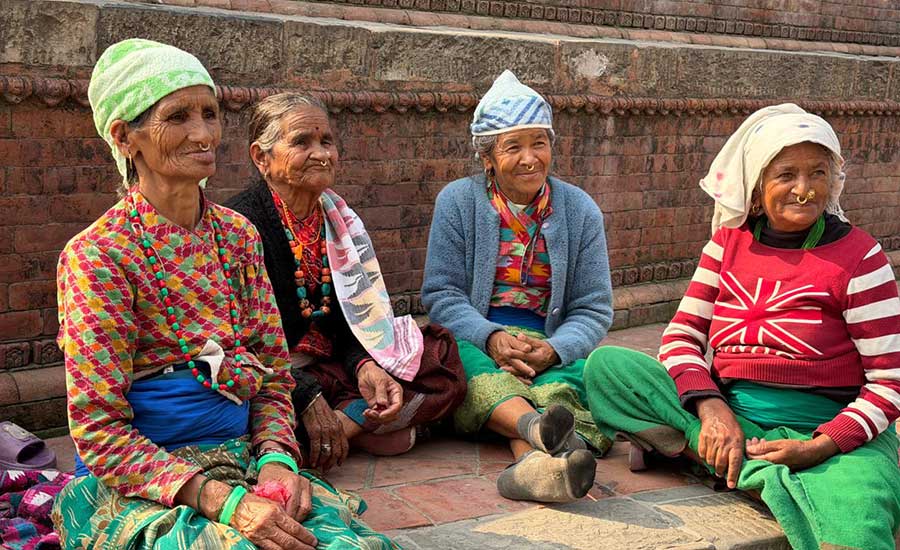
Kathmandu Durbar Square is one of the most photogenic destinations in Nepal and a paradise for photographers, history enthusiasts, and cultural travelers. Its magnificent temples, intricately carved wooden windows, ancient royal palaces, colorful festivals, and vibrant street life provide endless opportunities for capturing unforgettable images.
As one of Nepal's UNESCO World Heritage Sites, Kathmandu Durbar Square offers a unique combination of architectural beauty, living traditions, and cultural authenticity. Whether you are using a professional camera or a smartphone, every corner of the square presents a new photographic opportunity.
From dramatic sunrise lighting to vibrant festival scenes and detailed temple carvings, Kathmandu Durbar Square remains one of the best places in Kathmandu for photography.
Best Photography Spots
The square is filled with iconic landmarks that make excellent photography subjects. Visitors can easily spend hours exploring and capturing the historic atmosphere of this remarkable heritage site.
Some of the best photography locations include:
Hanuman Dhoka Palace Complex
The historic royal palace offers stunning architectural details, traditional courtyards, carved windows, and ceremonial gates that reflect centuries of Nepalese craftsmanship.
Basantapur Tower
One of the most recognizable landmarks in the square, Basantapur Tower creates a striking focal point for wide-angle photographs and skyline compositions.
Taleju Bhawani Temple
The tallest temple in the square provides a dramatic backdrop with its multi-tiered pagoda roof and impressive architectural design.
Kumari Ghar
The residence of the Living Goddess is famous for its beautifully carved wooden windows and traditional Newar architecture.
Kal Bhairav Statue
This massive stone sculpture of Lord Shiva's fierce manifestation is one of the most photographed monuments within Kathmandu Durbar Square.
Historic Courtyards
The palace courtyards offer countless opportunities to photograph traditional architecture, artistic details, and cultural heritage preserved for centuries.
Sunrise Photography Opportunities
Early morning is widely considered the best time for photography at Kathmandu Durbar Square.
Between 7:00 AM and 9:00 AM, the square enjoys soft golden light that beautifully illuminates the temples, palaces, and monuments. The lower angle of the sun enhances architectural details while creating a warm and inviting atmosphere.
Benefits of morning photography include:
Fewer tourists
Better lighting conditions
Cooler temperatures
Peaceful surroundings
Active local worship and rituals
Clearer views of monuments
Photographers can capture authentic scenes of local residents offering prayers, feeding pigeons, and beginning their daily routines before the crowds arrive.
The early morning atmosphere provides some of the most memorable and authentic photographs of Kathmandu Durbar Square.
Temple Architecture Photography
Kathmandu Durbar Square is famous for showcasing some of the finest examples of traditional Newar architecture in Nepal. The intricate details found throughout the square make it an outstanding destination for architectural photography.
Photographers should pay particular attention to:
Traditional Pagoda Temples
Multi-tiered temple roofs create dramatic compositions and showcase Nepal's unique architectural style.
Intricate Wood Carvings
Windows, doors, roof struts, and balconies display remarkable craftsmanship that has survived for centuries.
Stone Sculptures
Many temples and shrines feature beautifully carved statues of Hindu and Buddhist deities.
Historic Courtyards
The royal palace courtyards combine symmetry, artistic details, and historical significance in a single frame.
Temple Rooflines
Layered pagoda roofs against the blue sky create some of the square's most iconic images.
Close-up photography reveals the extraordinary skills of Newar artisans whose work continues to inspire architects and historians around the world.
Photography Rules at Kumari Ghar
While photography is generally allowed throughout most areas of Kathmandu Durbar Square, visitors should be aware of specific rules regarding Kumari Ghar, the residence of the Living Goddess.
Permitted Photography
Visitors may photograph:
The exterior of Kumari Ghar
The courtyard
Architectural details
Wooden carvings
Decorative windows
Restricted Photography
Photography of the Living Goddess Kumari herself is strictly prohibited.
If the Kumari appears at one of the palace windows, visitors are expected to show respect and refrain from taking photographs or videos. This rule is carefully observed to preserve the dignity and sacred status of the Kumari tradition.
Best Photo Opportunities During Festivals
Kathmandu Durbar Square becomes especially spectacular during Nepal's major cultural festivals.
Photographers visiting during these celebrations can capture:
Traditional masked dances
Religious ceremonies
Chariot processions
Colorful cultural performances
Local devotees in traditional dress
Historic rituals passed down through generations
The most famous festival for photography is Indra Jatra, when the Living Goddess Kumari is carried through Kathmandu in a beautifully decorated chariot. This festival offers some of the most colorful and culturally significant photography opportunities in Nepal.
Photography Tips for Kathmandu Durbar Square
To capture the best images during your visit:
Arrive early in the morning.
Carry a wide-angle lens for temple architecture.
Bring a zoom lens for detailed carvings and sculptures.
Respect local customs and religious ceremonies.
Ask permission before photographing individuals.
Visit during festival seasons for vibrant cultural images.
Explore side alleys and nearby courtyards for unique perspectives.
Whether you are a professional photographer, travel blogger, or casual visitor, Kathmandu Durbar Square offers countless opportunities to capture the beauty, history, and living culture of Nepal. Every photograph tells a story of a city that has preserved its heritage for centuries while continuing to thrive in the modern world.
Kathmandu Durbar Square in Nepali
Kathmandu Durbar Square is not only one of Nepal's most famous UNESCO World Heritage Sites but also an important symbol of the country's cultural identity and historical legacy. For local people, the square represents centuries of royal history, religious traditions, Newar craftsmanship, and living heritage that continue to shape daily life in Kathmandu.
Known by several names in both English and Nepali, Kathmandu Durbar Square remains one of the most visited and culturally significant landmarks in Nepal. Understanding its Nepali name and cultural importance provides visitors with deeper insight into the traditions and history of the Kathmandu Valley.
Kathmandu Durbar Square Name in Nepali
In Nepali, Kathmandu Durbar Square is written as:
–
The name can be translated as:
(Kathmandu) = The capital city of Nepal
(Durbar) = Royal Palace
(Kshetra) = Area or Complex
Many local residents also simply refer to the area as:
(Basantapur Durbar Kshetra)
or
(Hanuman Dhoka Durbar Kshetra)
These names reflect the square's most famous landmarks and historical significance.
Hanuman Dhoka in Nepali
The historic royal palace located within Kathmandu Durbar Square is known as Hanuman Dhoka.
In Nepali, it is written as:
–
The name originates from two words:
(Hanuman) – The revered monkey god in Hinduism
(Dhoka) – Door or Gate
The palace received this name because of the large stone statue of Lord Hanuman that stands beside the main entrance. The statue was installed by King Pratap Malla in the 17th century and has since become one of the most recognizable symbols of Kathmandu Durbar Square.
For centuries, Hanuman Dhoka served as the royal palace of the Malla and Shah kings and was the center of political, administrative, and ceremonial activities in Nepal.
Today, visitors can explore the palace complex, royal courtyards, and museums while learning about Nepal's fascinating royal history.
Cultural Importance for Nepalis
For the people of Nepal, Kathmandu Durbar Square is far more than a tourist attraction. It is a living cultural and religious center that continues to play an important role in everyday life.
The square has been the heart of Kathmandu for centuries and remains a place where locals gather for:
Religious ceremonies
Temple worship
Cultural celebrations
Traditional festivals
Family gatherings
Community events
The area reflects the rich traditions of the Newar community, the indigenous inhabitants of the Kathmandu Valley, whose artistic skills created many of the temples, palaces, and monuments visible today.
Kathmandu Durbar Square is also closely associated with Nepal's unique Living Goddess tradition. The Kumari, believed to be the living manifestation of Goddess Taleju, resides within Kumari Ghar and participates in important religious festivals attended by thousands of devotees.
Importance During Festivals
The square becomes particularly significant during major Nepalese festivals, including:
Indra Jatra
One of Kathmandu's largest and most important festivals, featuring:
Kumari chariot procession
Traditional masked dances
Religious rituals
Cultural performances
Thousands of local participants
Dashain Festival
Dashain is the most important Hindu festival in Nepal, when devotees visit nearby temples and worship Goddess Taleju.
Kumari Jatra
A unique celebration centered around the Living Goddess and Kathmandu's royal traditions.
These festivals transform Kathmandu Durbar Square into one of the most vibrant cultural centers in Nepal.
A Living Heritage Site
Unlike many historical monuments around the world that function solely as museums, Kathmandu Durbar Square remains a living heritage site where history, religion, and daily life continue to coexist.
Visitors can observe:
Devotees offering prayers
Local residents gathering in courtyards
Traditional rituals being performed
Religious processions
Ancient customs preserved across generations
This combination of living culture and historical significance is one of the reasons Kathmandu Durbar Square is considered one of Nepal's greatest treasures.
For many Nepalis, Kathmandu Durbar Square represents the soul of the capital city—a place where the country's royal heritage, religious traditions, artistic achievements, and community life continue to thrive. Whether known as , , or , it remains one of the most important cultural landmarks in Nepal and a symbol of the nation's enduring heritage.
Shopping Around Kathmandu Durbar Square
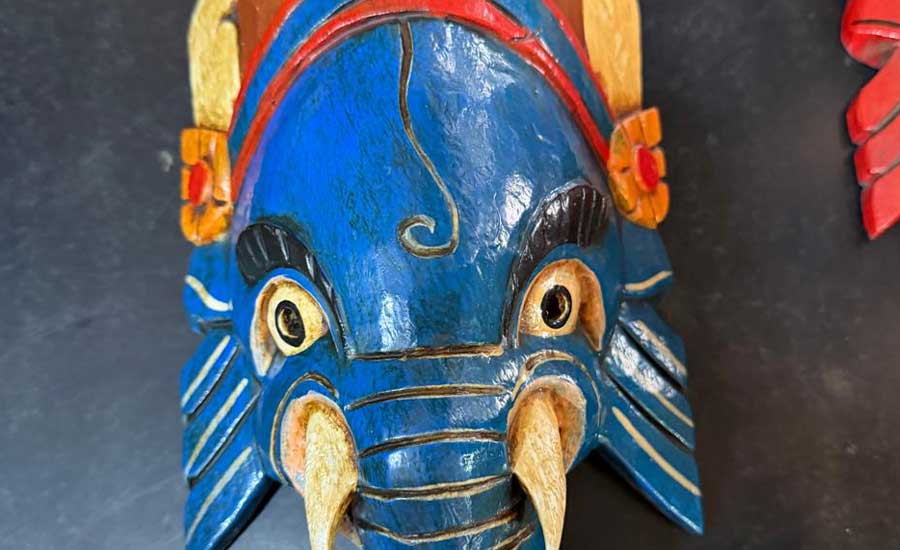
Kathmandu Durbar Square is not only one of Nepal's most important historical attractions but also one of the best places in Kathmandu for shopping. Surrounded by centuries-old marketplaces, traditional Newari neighborhoods, and bustling commercial streets, the area offers visitors a unique opportunity to purchase authentic Nepalese handicrafts, souvenirs, religious items, and locally made products.
Whether you are looking for handcrafted gifts, traditional artwork, spiritual objects, or unique cultural keepsakes, the streets around Basantapur and Hanuman Dhoka provide an unforgettable shopping experience. Many of the shops and market stalls have been operating for generations, preserving traditional craftsmanship that reflects Nepal's rich artistic heritage.
Traditional Nepali Souvenirs
Kathmandu Durbar Square is one of the best places to buy authentic Nepalese souvenirs to remember your journey through Nepal.
Popular souvenirs include:
Handmade wooden carvings
Traditional masks
Prayer wheels
Decorative statues
Handmade notebooks
Local artwork
Handmade jewelry
Miniature temples and monuments
Many of these products are crafted by local artisans using traditional techniques that have been passed down for centuries.
Purchasing locally made souvenirs helps support small businesses and preserves Nepal's traditional craftsmanship.
Singing Bowls and Handicrafts
One of the most sought-after items around Kathmandu Durbar Square is the traditional Himalayan singing bowl.
These handcrafted metal bowls are widely used for:
Meditation
Yoga practice
Sound healing
Spiritual ceremonies
Home decoration
Visitors can find a wide variety of singing bowls ranging from small decorative pieces to large professional-quality instruments.
The area is also famous for traditional handicrafts such as:
Metal statues of Hindu and Buddhist deities
Hand-carved wooden artwork
Handmade paper products
Brass and copper crafts
Decorative wall hangings
Traditional ceremonial objects
These items make meaningful gifts and unique reminders of Nepal's spiritual and artistic traditions.
Thangka Paintings
Thangka paintings are among Nepal's most treasured forms of religious art. These intricate paintings depict Buddhist deities, mandalas, spiritual teachings, and sacred symbols.
Near Kathmandu Durbar Square, visitors can find both traditional and contemporary Thangka art created by highly skilled artists.
Authentic Thangka paintings are:
Hand-painted
Rich in symbolism
Created using traditional techniques
Often produced over weeks or months
When purchasing a Thangka, it is advisable to ask about its origin, materials, and level of craftsmanship.
High-quality Thangka paintings are considered valuable works of art and can become lifelong cultural keepsakes.
Pashmina and Wool Products
Nepal is internationally known for its high-quality pashmina products, and the shopping areas around Kathmandu Durbar Square offer numerous opportunities to purchase genuine pashmina items.
Popular choices include:
Pashmina shawls
Scarves
Stoles
Wool blankets
Sweaters
Winter accessories
These products combine traditional craftsmanship with practical use and are especially popular among international travelers.
When purchasing pashmina, look for reputable stores that provide information about material quality and authenticity.
Local Markets Near Basantapur
One of the greatest advantages of shopping around Kathmandu Durbar Square is its proximity to some of Kathmandu's oldest and most vibrant traditional markets.
Ason Bazaar
Located just a few minutes' walk from the square, Ason Bazaar is one of Kathmandu's busiest traditional markets.
Visitors can shop for:
Spices
Tea
Fresh produce
Religious items
Household goods
Traditional products
The market offers a fascinating glimpse into daily life in Kathmandu.
Indra Chowk
Indra Chowk is another historic commercial area famous for:
Textiles
Religious objects
Traditional jewelry
Local snacks
Handicrafts
The area is always lively and provides excellent opportunities for photography and cultural exploration.
New Road
New Road is one of Kathmandu's major shopping districts and offers:
Clothing
Electronics
Footwear
Fashion accessories
Department stores
Visitors often combine sightseeing at Kathmandu Durbar Square with shopping along New Road.
Shopping Tips and Bargaining
Shopping in Kathmandu can be both enjoyable and rewarding, especially when visitors understand local shopping customs.
Bargaining is Common
In many souvenir and handicraft shops, bargaining is expected. Polite negotiation is generally accepted and can often result in better prices.
Compare Prices
Before making expensive purchases such as Thangka paintings, statues, or singing bowls, it is wise to compare prices at several shops.
Carry Cash
Although many larger stores now accept digital payments and credit cards, smaller shops and market vendors often prefer cash payments in Nepalese Rupees.
Check Quality
When buying handicrafts, pashmina products, or artwork, carefully inspect the quality and craftsmanship before purchasing.
Support Local Artisans
Whenever possible, purchase directly from artisan workshops or locally owned stores to support traditional Nepalese crafts and communities.
What Are the Best Things to Buy Near Kathmandu Durbar Square?
If you only have limited shopping time, the most popular purchases include:
Himalayan singing bowls
Thangka paintings
Handmade wooden carvings
Nepalese handicrafts
Prayer flags
Buddhist statues
Pashmina shawls
Traditional jewelry
Handmade paper products
Local tea and spices
Shopping around Kathmandu Durbar Square offers far more than a simple retail experience. It allows visitors to engage with Nepal's living culture, support local artisans, and take home authentic pieces of the country's artistic and spiritual heritage. Combining sightseeing with shopping is one of the best ways to experience the historic heart of Kathmandu.
Festivals Celebrated at Kathmandu Durbar Square
Kathmandu Durbar Square is not only a UNESCO World Heritage Site but also one of Nepal's most important cultural and religious gathering places. Throughout the year, the square hosts vibrant festivals, traditional ceremonies, religious processions, and cultural performances that reflect the rich heritage of the Kathmandu Valley.
Many of Nepal's most significant celebrations take place within the courtyards and streets surrounding Hanuman Dhoka Palace, transforming the historic square into a colorful stage of music, dance, rituals, and devotion. For travelers seeking authentic cultural experiences, visiting Kathmandu Durbar Square during a festival offers a unique opportunity to witness living traditions that have been preserved for centuries.
Indra Jatra Festival
Indra Jatra is the most famous festival celebrated at Kathmandu Durbar Square and one of the largest cultural events in Nepal. Held annually during September or October, the festival honors Lord Indra, the Hindu god of rain and harvest.
The celebration dates back hundreds of years and combines religious rituals, traditional performances, and royal customs.
Highlights of Indra Jatra include:
Kumari Chariot Procession
Traditional masked dances
Sacred ceremonies
Display of the Linga (Yosin Pole)
Cultural music performances
Lakhe Dance performances
Processions through old Kathmandu
One of the most anticipated moments is the appearance of the Living Goddess Kumari, who is carried through the city in an ornate wooden chariot accompanied by thousands of devotees and spectators.
For photographers and cultural enthusiasts, Indra Jatra provides one of the most spectacular experiences in Nepal.
Kumari Jatra
Kumari Jatra forms an important part of the Indra Jatra celebrations and focuses on the Living Goddess Kumari, one of Nepal's most unique cultural traditions.
The Kumari is believed to be the living manifestation of Goddess Taleju and resides in Kumari Ghar within Kathmandu Durbar Square.
During Kumari Jatra:
The Kumari is carried in a beautifully decorated chariot.
Devotees gather to receive blessings.
Traditional musicians accompany the procession.
Ancient royal traditions are reenacted.
Thousands of locals line the streets to witness the event.
Historically, Nepal's kings received blessings from the Kumari during these celebrations, emphasizing the close relationship between religion and monarchy.
Today, Kumari Jatra remains one of the most fascinating cultural events in the Kathmandu Valley.
Dashain Celebrations
Dashain is Nepal's most important Hindu festival and is celebrated throughout the country with great enthusiasm. Kathmandu Durbar Square becomes a significant religious center during this period, attracting large numbers of devotees.
The festival celebrates the victory of Goddess Durga over evil and symbolizes the triumph of good over darkness.
During Dashain:
Special religious rituals are performed.
Devotees visit temples throughout the square.
Offerings are made to various deities.
Families gather for blessings and celebrations.
Traditional music and cultural activities take place.
A particularly special feature of Dashain is that the historic Taleju Bhawani Temple, which is usually closed to the public, opens on selected days, allowing worshippers to pay their respects to the royal goddess.
For many Nepalis, visiting Kathmandu Durbar Square during Dashain is an important spiritual tradition.
Holi Festival at Basantapur

Holi, the Festival of Colors, is one of Nepal's most joyful celebrations and is enthusiastically observed in and around Kathmandu Durbar Square.
Held each spring, Holi marks the arrival of warmer weather and celebrates the victory of good over evil.
During Holi at Basantapur:
Participants throw colorful powders.
Traditional music fills the streets.
Cultural performances take place.
Locals and visitors celebrate together.
The historic square transforms into a vibrant sea of color.
The atmosphere is festive, energetic, and welcoming, making Holi one of the most exciting times to visit Kathmandu.
Why Visit During Festival Season?
Experiencing Kathmandu Durbar Square during a festival allows visitors to see the site come alive with traditions that have been practiced for centuries.
Benefits of visiting during festival season include:
Authentic cultural experiences
Traditional dances and music
Colorful religious ceremonies
Excellent photography opportunities
Interaction with local communities
Deeper understanding of Nepalese culture
These festivals showcase the living heritage of Kathmandu Durbar Square and demonstrate why it remains one of Nepal's most important cultural landmarks.
Things to Do at Kathmandu Durbar Square
Kathmandu Durbar Square offers far more than simply sightseeing. As the historical, cultural, and spiritual heart of Nepal's capital city, the square provides visitors with countless opportunities to discover ancient architecture, explore royal history, experience local traditions, and immerse themselves in the vibrant atmosphere of old Kathmandu.
Whether you are a history enthusiast, photographer, culture lover, or first-time traveler to Nepal, Kathmandu Durbar Square promises a memorable experience filled with fascinating attractions and unique cultural encounters.
Explore Ancient Temples
One of the most rewarding activities at Kathmandu Durbar Square is exploring its magnificent collection of historic temples.
Visitors can admire:
Taleju Bhawani Temple
Jagannath Temple
Shiva-Parvati Temple
Trailokya Mohan Temple
Numerous smaller shrines and monuments
These temples showcase the finest examples of traditional Newar architecture, featuring beautifully carved wooden struts, pagoda-style roofs, and intricate stone sculptures.
Each temple tells a story about Nepal's religious traditions and artistic heritage.
Visit the Living Goddess Kumari
A visit to Kumari Ghar is one of the most unique experiences available in Kathmandu.
The Kumari, known as the Living Goddess, is believed to be the earthly manifestation of Goddess Taleju and resides in a beautifully decorated palace within Kathmandu Durbar Square.
Visitors can:
Enter the courtyard of Kumari Ghar
Admire its traditional architecture
Learn about the Kumari tradition
Occasionally glimpse the Kumari at a palace window
This centuries-old custom is found nowhere else in the world and remains one of Nepal's most fascinating cultural practices.
Discover Royal Museums
The Hanuman Dhoka Palace Complex houses several museums that provide insight into Nepal's royal history.
Highlights include:
Tribhuvan Memorial Museum
King Mahendra Memorial Museum
Royal artifacts and exhibits
Historical photographs
Coronation halls
Palace courtyards
The museums help visitors understand the history of Nepal's monarchy and the importance of Kathmandu Durbar Square as the nation's former royal center.
Join a Heritage Walking Tour
Joining a guided heritage walk is one of the best ways to appreciate the square's history and hidden stories.
A knowledgeable local guide can explain:
Historical events
Architectural features
Religious symbolism
Royal traditions
Local legends
Restoration efforts following the 2015 earthquake
Many walking tours also include nearby attractions such as Ason Bazaar, Indra Chowk, Freak Street, and traditional Newar neighborhoods.
Experience Newari Culture
Kathmandu Durbar Square remains a living cultural center where visitors can observe authentic Newari traditions that have been preserved for centuries.
Cultural experiences include:
Watching daily worship rituals
Observing local festivals
Visiting traditional markets
Sampling Newari cuisine
Listening to traditional music
Interacting with local residents
Unlike many historic sites that function solely as museums, Kathmandu Durbar Square remains an active part of daily life in Kathmandu.
Additional Things to Do
While exploring the square, visitors can also:
Photograph historic architecture
Feed pigeons in the courtyards
Shop for traditional handicrafts
Enjoy rooftop views from nearby cafés
Visit nearby Ason Market
Explore Freak Street
Watch local artists and craftsmen at work
Most visitors spend between two and four hours exploring the square, although culture enthusiasts often choose to stay longer.
Whether you are interested in history, architecture, photography, religion, or local culture, Kathmandu Durbar Square offers one of the most rewarding experiences in Nepal and deserves a place on every Kathmandu itinerary.
Kathmandu Durbar Square vs Patan Durbar Square
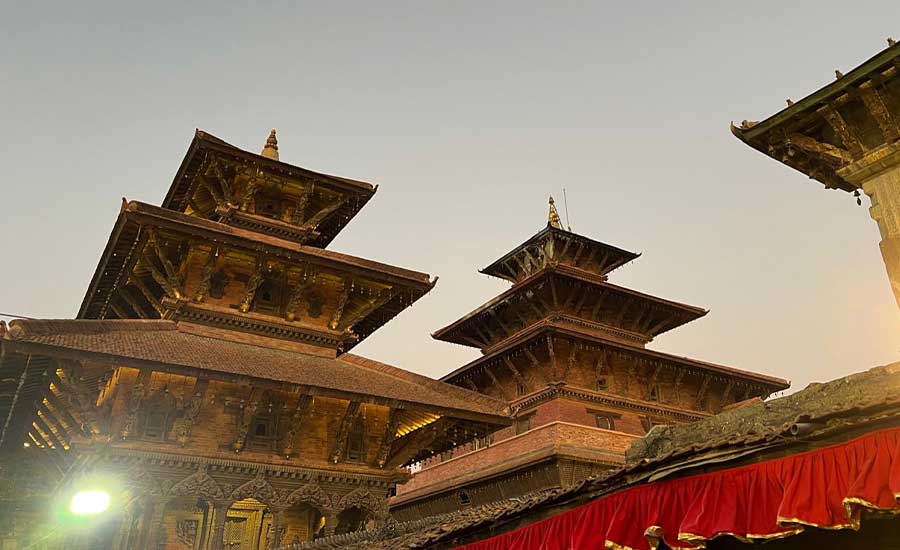
The Kathmandu Valley is home to three historic royal squares—Kathmandu Durbar Square, Patan Durbar Square, and Bhaktapur Durbar Square—each recognized as part of the UNESCO World Heritage Site of the Kathmandu Valley. Among them, Kathmandu Durbar Square and Patan Durbar Square are the most frequently visited by travelers due to their accessibility, cultural importance, and remarkable architecture.
While both squares showcase Nepal's rich history and Newar craftsmanship, they offer distinctly different experiences. Understanding their differences can help travelers decide which site best matches their interests—or why visiting both is highly recommended.
Key Differences
Although both Kathmandu Durbar Square and Patan Durbar Square were once royal palace complexes of powerful Malla kings, each has developed its own unique identity.
| Feature | Kathmandu Durbar Square | Patan Durbar Square |
|---|---|---|
| Location | Central Kathmandu (Basantapur) | Patan (Lalitpur) |
| UNESCO Status | UNESCO World Heritage Site | UNESCO World Heritage Site |
| Main Attraction | Hanuman Dhoka Palace & Kumari Ghar | Krishna Mandir & Patan Museum |
| Atmosphere | Lively and bustling | Peaceful and artistic |
| Crowds | Generally busier | Less crowded |
| Living Goddess Kumari | Yes | No |
| Festivals | Indra Jatra, Kumari Jatra | Rato Machhindranath Jatra |
| Architecture Style | Royal and ceremonial | Refined and artistic |
| Museum Experience | Royal History Museums | World-renowned Patan Museum |
| Shopping Opportunities | Extensive local markets nearby | Artisan workshops and handicrafts |
Both squares are masterpieces of Newar architecture, but they offer different cultural experiences and visual impressions.
Which Durbar Square Should You Visit?
The answer depends on your interests, available time, and travel preferences.
Visit Kathmandu Durbar Square If You Want:
To see the famous Living Goddess Kumari
To explore Nepal's historic royal palace
To experience vibrant local life
To witness major festivals like Indra Jatra
To visit bustling traditional markets
To combine sightseeing with shopping
To learn about Nepal's monarchy
Kathmandu Durbar Square offers a dynamic atmosphere where history, religion, commerce, and daily life intersect. It is often considered the cultural heart of Nepal's capital city.
Visit Patan Durbar Square If You Want:
Exceptional Newar architecture
Beautifully preserved temples
A quieter and more relaxed environment
One of South Asia's finest museums
Traditional artisan workshops
Detailed stone and metal craftsmanship
Excellent photography opportunities
Patan Durbar Square is often described as an open-air museum due to its extraordinary concentration of temples, shrines, and artistic masterpieces.
Architecture and Cultural Comparison
Kathmandu Durbar Square Architecture
Kathmandu Durbar Square reflects centuries of royal power and religious influence. The square contains large ceremonial courtyards, royal palaces, pagoda-style temples, and important religious monuments.
Architectural highlights include:
Hanuman Dhoka Palace
Taleju Bhawani Temple
Kumari Ghar
Basantapur Tower
Kasthamandap
Kal Bhairav Statue
The architecture feels grand, ceremonial, and historically significant, reflecting its role as the center of political power for generations.
Patan Durbar Square Architecture
Patan Durbar Square is renowned for its artistic refinement and attention to detail. Many historians and architects consider it the finest example of Newar craftsmanship in Nepal.
Architectural highlights include:
Krishna Mandir
Hiranya Varna Mahavihar (Golden Temple)
Bhimsen Temple
Vishwanath Temple
Patan Royal Palace
Patan Museum
The stone carvings, metalwork, and decorative details found throughout Patan are among the most impressive in the Himalayan region.
Cultural Experience
Kathmandu Durbar Square feels energetic and alive. It serves as a major gathering place for locals, worshippers, vendors, tourists, and festival participants.
Patan Durbar Square offers a more relaxed cultural experience. The atmosphere is quieter, allowing visitors to appreciate the architecture and craftsmanship at a slower pace.
Can You Visit Both in One Day?
Yes. Since Kathmandu Durbar Square and Patan Durbar Square are only about 5 kilometers apart, many visitors choose to explore both sites in a single day.
A typical itinerary may include:
Morning: Kathmandu Durbar Square and Hanuman Dhoka Palace
Lunch: Traditional Newari restaurant in Patan
Afternoon: Patan Durbar Square and Patan Museum
This combination provides one of the most comprehensive introductions to Nepal's history, architecture, and cultural heritage.
Final Verdict
If you only have time for one site, Kathmandu Durbar Square offers a broader introduction to Nepal's royal history, living traditions, and cultural life. However, if you appreciate architecture, art, and museums, Patan Durbar Square may leave an even stronger impression.
For the best experience, Himalayan Dream Team highly recommends visiting both. Together, they showcase the extraordinary heritage of the Kathmandu Valley and provide a deeper understanding of Nepal's rich history, remarkable craftsmanship, and enduring cultural traditions.
Essential Travel Tips for Visiting Kathmandu Durbar Square
Kathmandu Durbar Square is one of Nepal's most important cultural and historical attractions. While exploring this UNESCO World Heritage Site is relatively straightforward, a few practical travel tips can help you make the most of your visit and ensure a respectful and enjoyable experience.
From understanding local customs to choosing the best time to visit, these recommendations will help you appreciate the rich history, religious significance, and architectural beauty of Kathmandu Durbar Square while avoiding common mistakes made by first-time visitors.
What to Wear
Kathmandu Durbar Square is both a major tourist attraction and an active religious site where local people come to worship daily. Visitors are encouraged to dress respectfully, particularly when entering temple areas and palace courtyards.
Recommended Clothing
Comfortable walking shoes
Lightweight clothing during spring and autumn
Warm layers during winter mornings and evenings
Sun hat and sunglasses
Light rain jacket during the monsoon season
Respectful Dress Guidelines
Although there is no strict dress code, visitors should avoid:
Extremely revealing clothing
Very short shorts
Beachwear
Clothing with offensive images or slogans
Modest and comfortable clothing is appreciated and helps visitors blend respectfully into the local environment.
Cultural Etiquette
Kathmandu Durbar Square is not simply a historical monument; it remains an important spiritual and cultural center for local communities.
To show respect while visiting:
Remove Shoes When Required
Some temples and sacred areas may require visitors to remove their shoes before entering.
Respect Religious Activities
You may encounter prayer ceremonies, offerings, and rituals taking place throughout the square. Observe quietly and avoid interrupting worshippers.
Ask Before Photographing People
While most locals are friendly, it is polite to ask permission before taking close-up photographs of individuals.
Respect Temple Restrictions
Some temples are open only to Hindus, while others may have restricted access. Always follow posted guidelines and instructions from temple staff.
Follow Photography Rules at Kumari Ghar
Photography of the Living Goddess Kumari is strictly prohibited if she appears at the palace window.
Respecting these cultural practices helps preserve the spiritual atmosphere of the square and ensures positive interactions with local communities.
Safety Tips
Kathmandu Durbar Square is generally a safe destination for travelers, but taking basic precautions will help ensure a smooth visit.
Keep Valuables Secure
As with any popular tourist destination, keep an eye on:
Mobile phones
Cameras
Wallets
Passports
Bags
Watch Your Step
Some temple steps, stone pavements, and historic courtyards can be uneven, particularly during the rainy season.
Stay Hydrated
Kathmandu's sun can be strong, especially during spring and autumn. Carry water and stay hydrated while exploring.
Beware of Unofficial Guides
While many guides are knowledgeable and professional, visitors may occasionally encounter unofficial guides offering services without credentials. If you wish to hire a guide, choose a licensed professional or book through a reputable company such as Himalayan Dream Team.
Carry Small Cash
Many local shops, vendors, and ticket counters prefer cash payments, particularly for small purchases.
Recommended Visit Duration
The amount of time you spend at Kathmandu Durbar Square depends on your interests.
Quick Visit
1–2 Hours
Ideal for visitors who want to see:
Major temples
Hanuman Dhoka Palace exterior
Kumari Ghar
Basantapur Tower
Kal Bhairav Statue
Standard Visit
2–4 Hours
Recommended for most travelers and allows time to:
Explore palace courtyards
Visit museums
Take photographs
Learn about the site's history
Enjoy nearby cafés and markets
In-Depth Cultural Experience
Half Day or More
Perfect for visitors interested in:
Heritage walking tours
Museum visits
Cultural photography
Traditional markets
Local festivals
Newari culture
Many travelers combine Kathmandu Durbar Square with nearby attractions such as Ason Bazaar, Indra Chowk, Freak Street, and the Hanuman Dhoka Museum for a more complete cultural experience.
Best Time of Year to Visit
The most favorable seasons for visiting Kathmandu Durbar Square are:
Autumn (September to November)
Clear skies
Pleasant temperatures
Excellent photography conditions
Major festivals such as Indra Jatra and Dashain
Spring (March to May)
Warm weather
Blooming flowers
Good visibility
Vibrant local atmosphere
Winter visits are also enjoyable due to mild daytime temperatures, while the monsoon season (June to August) can bring occasional rain showers.
Final Travel Advice
To fully appreciate Kathmandu Durbar Square, visit early in the morning, take your time exploring the temples and courtyards, and immerse yourself in the living culture that surrounds the site. The square is far more than a collection of historic buildings—it is a place where Nepal's royal history, religious traditions, artistic achievements, and daily life continue to come together.
Whether you are visiting for a few hours or spending an entire day exploring the historic heart of Kathmandu, Kathmandu Durbar Square promises an unforgettable journey into the cultural soul of Nepal.
Frequently Asked Questions About Kathmandu Durbar Square
How old is Kathmandu Durbar Square?
Kathmandu Durbar Square has a history spanning more than 1,000 years. While the area was inhabited during the Licchavi Period (4th–9th centuries), most of the temples, palaces, and monuments visible today were built between the 12th and 18th centuries during the Malla Dynasty. Over the centuries, successive rulers expanded and enhanced the square, making it one of Nepal's most important historical landmarks.
Who built Kathmandu Durbar Square?
Kathmandu Durbar Square was not built by a single ruler. The complex evolved over several centuries under the Licchavi, Malla, and Shah dynasties. However, the Malla kings were primarily responsible for constructing many of the square's famous temples, courtyards, and palaces. King Pratap Malla is particularly remembered for contributing significantly to the square's architectural and cultural development during the 17th century.
What is another name for Kathmandu Durbar Square?
Kathmandu Durbar Square is commonly known by two other names:
Hanuman Dhoka Durbar Square
Basantapur Durbar Square
The name Hanuman Dhoka comes from the stone statue of Lord Hanuman located at the entrance of the royal palace, while Basantapur refers to the historic area surrounding the square.
How many temples are in Kathmandu Durbar Square?
Kathmandu Durbar Square contains more than 50 temples, shrines, monuments, and historical structures. These include famous landmarks such as Taleju Bhawani Temple, Jagannath Temple, Kasthamandap, Shiva-Parvati Temple, and numerous smaller shrines that showcase traditional Newar architecture and craftsmanship.
Is Kathmandu Durbar Square worth visiting?
Absolutely. Kathmandu Durbar Square is one of Nepal's most significant UNESCO World Heritage Sites and offers visitors a unique combination of history, culture, architecture, religion, and living traditions. The square is home to ancient temples, royal palaces, museums, courtyards, and the residence of Nepal's Living Goddess Kumari, making it one of the most rewarding attractions in Kathmandu.
What happened to Kathmandu Durbar Square during the 2015 earthquake?
The devastating earthquake of 25 April 2015 caused extensive damage to Kathmandu Durbar Square. Several historic structures collapsed, including Kasthamandap, Trailokya Mohan Temple, and parts of the palace complex. Since then, extensive restoration and reconstruction efforts have been carried out by the Government of Nepal, UNESCO, and international partners to preserve and rebuild the heritage site using traditional techniques and materials.
Can visitors see the Living Goddess Kumari?
Yes. Visitors can enter the courtyard of Kumari Ghar, the residence of the Living Goddess Kumari. If fortunate, they may catch a brief glimpse of the Kumari appearing at one of the palace windows. However, photography of the Kumari is strictly prohibited and visitors are expected to behave respectfully while inside the courtyard.
What are the museum opening hours?
The museums inside the Hanuman Dhoka Palace Complex generally operate from approximately 10:30 AM to 4:30 PM, although opening hours may vary during public holidays, festivals, or maintenance periods. Visitors are encouraged to verify current timings before their visit.
How much is the entrance fee for Kathmandu Durbar Square?
The current entrance fee for foreign visitors is approximately NPR 1,000 per person. SAARC nationals generally receive a discounted rate of NPR 150 per person. Museum entry may require an additional ticket. Entrance fees are subject to change, so visitors should check the latest rates before visiting.
What is the best time to visit Kathmandu Durbar Square?
The best time to visit Kathmandu Durbar Square is early in the morning between 7:00 AM and 10:00 AM. During this time, the weather is pleasant, the lighting is excellent for photography, and the square is less crowded. The best seasons to visit are autumn (September–November) and spring (March–May), when Kathmandu enjoys clear skies and comfortable temperatures.
How far is Kathmandu Durbar Square from Thamel?
Kathmandu Durbar Square is located approximately 1.5 to 2 kilometers from Thamel. Visitors can easily walk between the two areas in about 15–25 minutes, passing through historic neighborhoods such as Ason Bazaar and Indra Chowk. Alternatively, taxis and ride-sharing services are readily available.
Why is Kathmandu Durbar Square a UNESCO World Heritage Site?
Kathmandu Durbar Square was designated a UNESCO World Heritage Site in 1979 because of its outstanding cultural, historical, and architectural significance. The site preserves some of the finest examples of traditional Newar architecture and reflects centuries of Nepal's royal, religious, and artistic heritage.
What can I buy near Kathmandu Durbar Square?
The area surrounding Kathmandu Durbar Square is one of the best shopping destinations in Kathmandu. Popular purchases include:
Himalayan singing bowls
Thangka paintings
Pashmina shawls
Handmade jewelry
Buddhist statues
Prayer flags
Wooden carvings
Traditional handicrafts
Local tea and spices
Nearby markets such as Ason Bazaar and Indra Chowk offer excellent opportunities to shop for authentic Nepalese products.
Can Kathmandu Durbar Square be visited in one day?
Yes. Most travelers explore Kathmandu Durbar Square within two to four hours. However, visitors interested in museums, photography, local markets, and cultural experiences may choose to spend half a day or longer. The square is often combined with visits to nearby UNESCO World Heritage Sites such as Patan Durbar Square, Swayambhunath Stupa, and Boudhanath Stupa.
Which is better: Kathmandu Durbar Square or Patan Durbar Square?
Both are exceptional UNESCO World Heritage Sites. Kathmandu Durbar Square is larger, more vibrant, and closely associated with Nepal's royal history and the Living Goddess Kumari. Patan Durbar Square is known for its artistic beauty, refined architecture, and world-class museum. Travelers with sufficient time are highly encouraged to visit both sites for a complete understanding of the Kathmandu Valley's cultural heritage.
Conclusion: Why Kathmandu Durbar Square Should Be on Every Nepal Itinerary
Kathmandu Durbar Square is far more than a collection of ancient temples and historic monuments—it is the cultural heart of Nepal and one of the most remarkable heritage sites in South Asia. For centuries, this magnificent square served as the royal seat of Nepal's kings, the center of important religious ceremonies, and the stage for vibrant festivals that continue to bring the city to life today. From the historic Hanuman Dhoka Palace and the sacred Kumari Ghar to the towering Taleju Temple and beautifully carved courtyards, every corner of the square tells a fascinating story about Nepal's rich past.
As a UNESCO World Heritage Site, Kathmandu Durbar Square offers visitors a unique opportunity to experience living history, admire extraordinary Newar architecture, explore royal museums, witness centuries-old traditions, and connect with the spiritual and cultural identity of Nepal. Whether you are a history enthusiast, photographer, culture lover, or first-time traveler, a visit to Kathmandu Durbar Square is an unforgettable journey through the soul of Kathmandu.
At Himalayan Dream Team, we highly recommend including Kathmandu Durbar Square in your Nepal travel itinerary. Combined with nearby UNESCO sites such as Patan Durbar Square, Boudhanath Stupa, and Swayambhunath, it provides a deeper understanding of Nepal's remarkable heritage and traditions. No visit to Kathmandu is truly complete without experiencing the timeless beauty, history, and cultural significance of Kathmandu Durbar Square.
Related Attractions Near Kathmandu Durbar Square
One of the greatest advantages of visiting Kathmandu Durbar Square is its central location within the historic heart of Kathmandu. The square is surrounded by ancient marketplaces, sacred temples, traditional Newari settlements, and several UNESCO World Heritage Sites that can easily be explored on the same day.
For travelers who wish to gain a deeper understanding of Nepal's culture, history, and spirituality, combining Kathmandu Durbar Square with nearby attractions creates a truly rewarding experience. From Buddhist stupas and Hindu temples to vibrant local markets and historic palace squares, there is no shortage of fascinating places to discover around Kathmandu.
Ason Bazaar
Located just a few minutes' walk from Kathmandu Durbar Square, Ason Bazaar is one of the oldest and busiest traditional markets in the Kathmandu Valley. For centuries, it has served as an important trading center connecting merchants from India, Tibet, and Nepal.
Visitors can explore:
Traditional spice shops
Local tea stores
Fresh produce markets
Religious goods
Household products
Traditional Newari neighborhoods
Ason Bazaar offers an authentic glimpse into everyday life in Kathmandu and is an excellent place to experience the city's vibrant atmosphere.
Indra Chowk
Indra Chowk is another historic marketplace located near Kathmandu Durbar Square. This lively commercial area has long been a gathering place for traders, pilgrims, and local residents.
Popular attractions include:
Traditional handicraft shops
Religious items and souvenirs
Textile stores
Local street food
Historic temples and shrines
The area is particularly famous for its bustling energy and provides excellent opportunities for cultural photography.
Freak Street
Before Thamel became Kathmandu's main tourist district, Freak Street was the center of the international traveler scene during the 1960s and 1970s.
Located just south of Kathmandu Durbar Square, Freak Street still retains much of its historic charm and nostalgic atmosphere.
Visitors can enjoy:
Historic cafés
Traditional architecture
Small souvenir shops
Local restaurants
Cultural heritage buildings
Today, Freak Street offers a quieter and more authentic alternative to some of Kathmandu's busier tourist areas.
Swayambhunath Stupa (Monkey Temple)
Located approximately 3 kilometers west of Kathmandu Durbar Square, Swayambhunath is one of Nepal's oldest and most sacred Buddhist sites.
Often referred to as the Monkey Temple, this hilltop stupa offers:
Panoramic views of Kathmandu Valley
Ancient Buddhist shrines
Prayer wheels and monasteries
Colorful prayer flags
Spiritual atmosphere
The iconic white dome and Buddha eyes make Swayambhunath one of Nepal's most recognizable landmarks.
Boudhanath Stupa
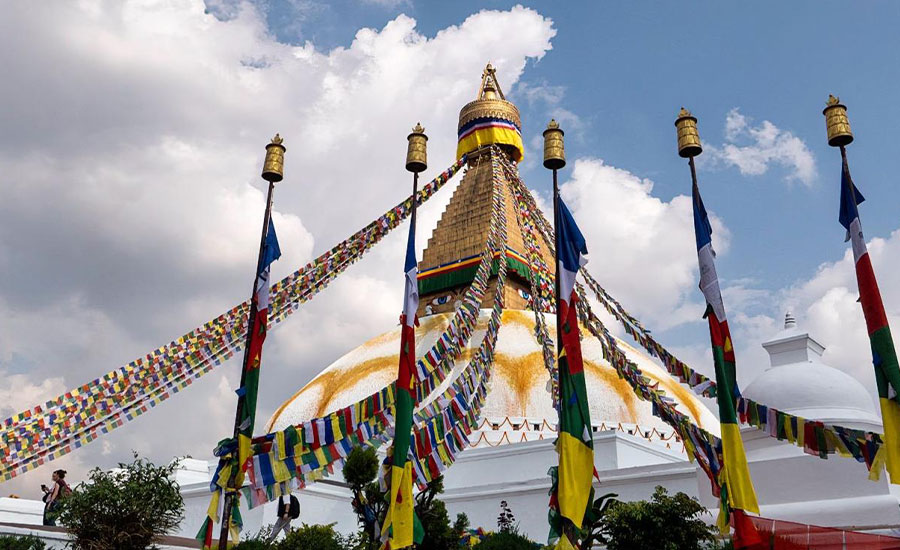
Boudhanath is one of the largest Buddhist stupas in the world and one of Nepal's most important pilgrimage sites.
Located approximately 7 kilometers from Kathmandu Durbar Square, the stupa attracts Buddhist pilgrims from across the Himalayan region.
Highlights include:
Massive white stupa
Tibetan monasteries
Prayer ceremonies
Rooftop restaurants
Buddhist culture and traditions
The peaceful atmosphere around Boudhanath offers a wonderful contrast to the busy streets of central Kathmandu.
Pashupatinath Temple
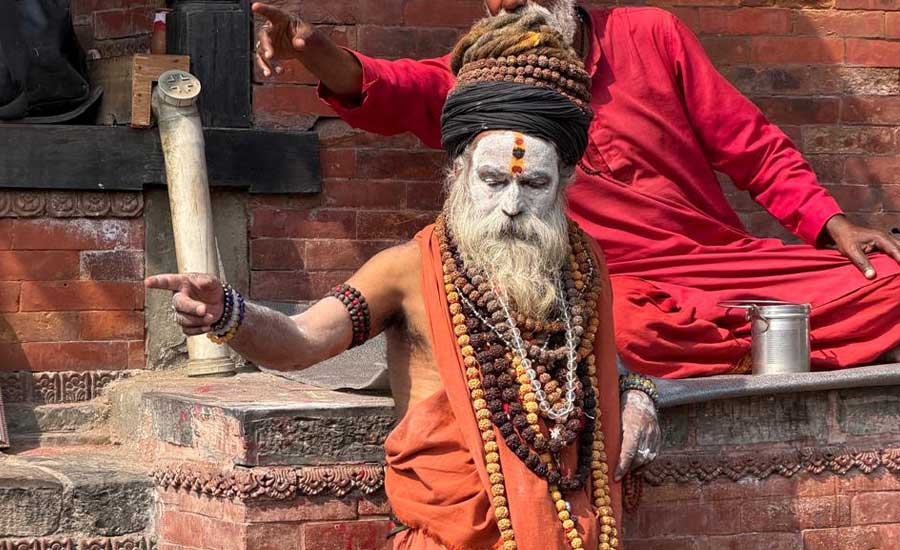
Situated on the banks of the sacred Bagmati River, Pashupatinath Temple is Nepal's most important Hindu temple and one of the most revered Shiva temples in the world.
Visitors can experience:
Ancient temple architecture
Hindu religious rituals
Cremation ghats
Spiritual ceremonies
Cultural and religious heritage
The temple complex is another UNESCO World Heritage Site and an essential destination for anyone interested in Nepal's religious traditions.
Patan Durbar Square
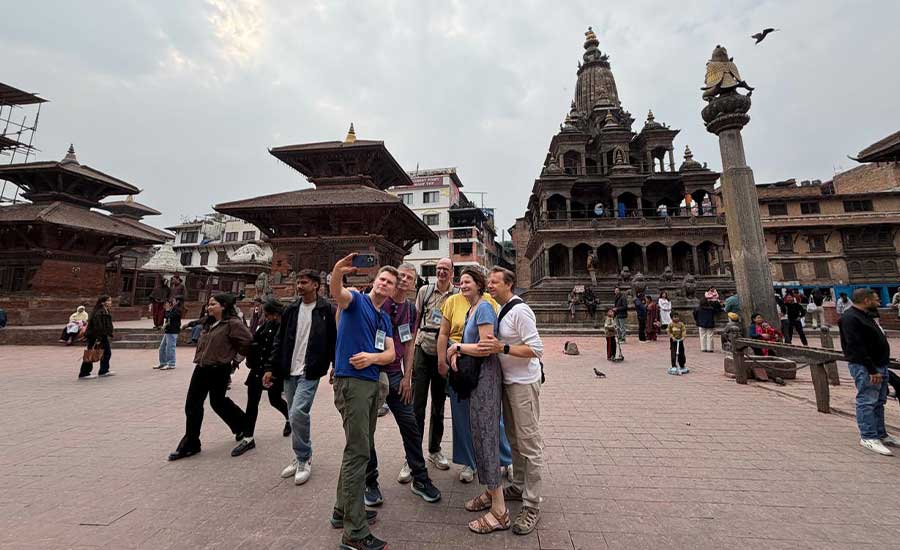
Located in the neighboring city of Lalitpur, Patan Durbar Square is one of the finest examples of traditional Newar architecture in Nepal.
The square is famous for:
Krishna Mandir
Patan Museum
Ancient temples
Royal courtyards
Exquisite wood and metal craftsmanship
Many travelers combine Kathmandu Durbar Square and Patan Durbar Square on the same day for a comprehensive cultural experience.
Bhaktapur Durbar Square

For travelers with additional time, Bhaktapur Durbar Square offers another exceptional UNESCO World Heritage experience.
Located about 15 kilometers east of Kathmandu, Bhaktapur is renowned for:
Well-preserved medieval architecture
Traditional pottery
Nyatapola Temple
Palace of Fifty-Five Windows
Authentic Newari culture
The city feels like an open-air museum and is often considered one of the most beautiful historical destinations in Nepal.
Recommended Kathmandu Heritage Tour

For visitors seeking the ultimate cultural experience, Himalayan Dream Team recommends combining the following attractions:
Kathmandu Durbar Square
Swayambhunath Stupa
Pashupatinath Temple
Boudhanath Stupa
Patan Durbar Square
Together, these UNESCO World Heritage Sites showcase the extraordinary history, architecture, religion, and living traditions that make Kathmandu Valley one of the world's most fascinating cultural destinations.