

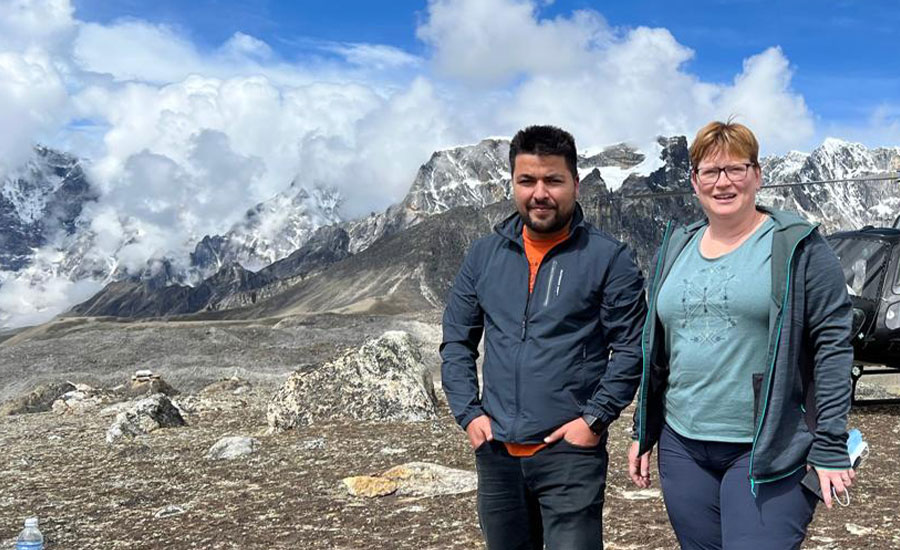
The Everest Base Camp Trek in autumn is one of the most sought-after Himalayan adventures, offering crystal-clear views, pleasant weather, and an unforgettable journey through the heart of Nepal’s Khumbu region. Between September 15 and December 15, the trails are alive with trekkers taking advantage of post-monsoon clarity and the festive spirit of Nepal.
However, the trek demands careful preparation. From physical conditioning to proper gear, permits, and understanding trail conditions — everything matters when planning a successful EBC trek in autumn.
Why Autumn is the Best Time to Trek Everest Base Camp
Autumn in Nepal (mid-September to mid-December) is widely regarded as the best time to trek Everest Base Camp due to the following reasons:
Clear Skies & Visibility: Post-monsoon skies offer jaw-dropping views of Everest, Lhotse, and Ama Dablam.
Mild Weather: Temperatures are comfortable during the day, though nights can be chilly.
Festive Season: Experience Nepalese culture during Dashain and Tihar festivals.
Stable Trail Conditions: Minimal rain means well-defined and safer trekking paths.
Physical & Mental Preparation
How to Train for Everest Base Camp
Preparing your body is key to handling high altitudes and long trekking days. Here’s how to get ready:
Cardio: Focus on hiking, stair climbing, running, or cycling for at least 4–5 days a week.
Strength Training: Include leg workouts like squats and lunges.
Endurance: Gradually increase hike durations with a weighted backpack (10-15 kg).
Mental Readiness: Prepare for long walking days, unpredictable weather, and basic lodging.
Gear Checklist for Autumn EBC Trek
Your Everest trek packing list should be tailored to autumn conditions — dry, crisp days and cold nights.
Essential Clothing
Base layers (thermal)
Fleece or down jacket
Waterproof outer shell
Insulated gloves and hat
Trekking pants and warm trousers
Moisture-wicking t-shirts
Footwear
Waterproof trekking boots (broken-in)
Woolen socks
Camp shoes or sandals for evenings
Trekking Gear
Trekking poles
30–40L daypack
Sleeping bag (rated for -10°C or lower)
Headlamp with extra batteries
Water bottles or hydration system
Other Essentials
Sunglasses (UV protection)
Sunscreen and lip balm (high SPF)
First-aid kit with altitude sickness meds
Reusable water purification tablets
Snacks and energy bars
Acclimatization & Altitude Awareness
Altitude is a serious concern on the EBC trek, especially above 3,000 meters.
Preventing Altitude Sickness
Follow the standard EBC itinerary with rest days in Namche Bazaar and Dingboche
Hydrate often and eat high-carb meals
Avoid alcohol and smoking
Ascend slowly; follow the rule: “Climb high, sleep low”
Learn to recognize symptoms: headache, nausea, dizziness, shortness of breath
If symptoms persist, descend immediately and seek medical help at a local tea house or health post.
Permits and Logistics
Required Permits for Everest Base Camp
Khumbu Pasang Lhamu Rural Municipality Permit (can be obtained in Lukla)
Sagarmatha National Park Entry Permit (available in Kathmandu or Monjo)
These are mandatory and must be presented at various checkpoints.
Lukla Flights & Timing
Autumn is busy, so book Lukla flights early. Weather in Kathmandu to Lukla route is generally stable, but delays can still occur. Consider flying from Ramechhap airport if Kathmandu flights are overbooked.
Accommodation & Food on the Trail
Staying in Tea Houses
You’ll find plenty of tea houses in Everest region offering:
Basic rooms with twin beds
Shared or private bathrooms (limited hot water)
Dining halls with yak-dung heated stoves
Book in advance during peak autumn season.
Meals & Nutrition
Typical meals include:
Dal Bhat (rice, lentils, curry)
Noodles, pasta, eggs
Pancakes, porridge, tea
Stick to vegetarian options to avoid food-borne illness.
Travel Insurance and Emergency Preparedness
Do not underestimate the importance of travel insurance for trekking in Nepal.
Your policy must include:
Emergency helicopter evacuation
Altitude coverage up to 6,000 meters
Medical treatment and trip cancellation
Also, register with your embassy and carry copies of your ID and permits.
Final Tips for Autumn Trekking in Nepal
Start Early: Days are shorter in late autumn.
Stay Hydrated: Drink 3–4 liters per day.
Respect Local Culture: Always greet with “Namaste” and ask before taking photos.
Be Flexible: Weather and conditions can change — build in buffer days.
Pack Light but Smart: You’ll feel every kilo at altitude.
Sample Itinerary of 14-Day EBC Trek (Flexible for Autumn)
| Day | Destination | Elevation |
|---|---|---|
| 1 | Fly to Lukla, trek to Phakding | 2,651 m |
| 2 | Phakding to Namche Bazaar | 3,440 m |
| 3 | Acclimatization in Namche | 3,440 m |
| 4 | Namche to Tengboche | 3,867 m |
| 5 | Tengboche to Dingboche | 4,410 m |
| 6 | Acclimatization in Dingboche | 4,410 m |
| 7 | Dingboche to Lobuche | 4,940 m |
| 8 | Lobuche to Gorakshep, visit EBC | 5,364 m |
| 9 | Hike Kala Patthar, return to Pheriche | 5,550 m |
| 10-13 | Descend to Lukla | |
| 14 | Fly to Kathmandu |
Conclusion
Trekking to Everest Base Camp in autumn is a dream for many — and with good reason. Clear weather, stunning views, and cultural vibrancy make it an ideal time for your Himalayan adventure. But preparation is everything.
Focus on physical training, proper gear, acclimatization, and logistics. Respect the mountain, the altitude, and the people — and the experience will reward you for a lifetime.
Ready to plan your Everest Base Camp adventure this autumn? Contact a certified trekking agency like Himalayan Dream Team today and take the first step toward the Himalayas!