
Trekking in Nepal is a bucket-list adventure for outdoor enthusiasts worldwide. From the iconic Everest Base Camp to the serene Annapurna Circuit, the Himalayas offer some of the most breathtaking and challenging trekking experiences. However, the inherent risks of high-altitude trekking make travel insurance for trekking in Nepal not just a recommendation, but a necessity.
In this guide, we’ll explore why specialized travel insurance is critical, what features to look for, and how to choose the right policy for your Himalayan adventure.
Why You Need Travel Insurance for Trekking in Nepal
Medical Emergencies in Remote Areas
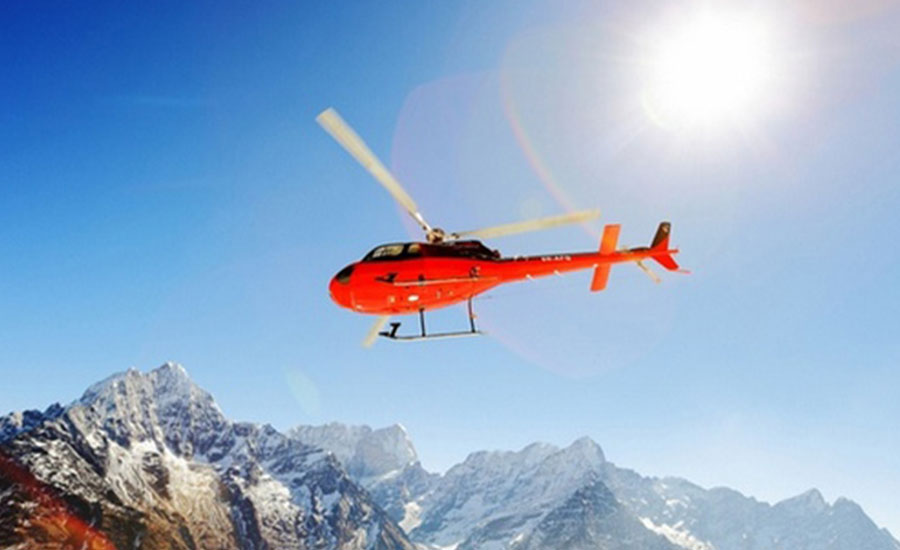
Nepal’s trekking trails often take you far from medical facilities. In cases of altitude sickness, fractures, or other emergencies, evacuation by helicopter may be required — a service that can cost thousands of dollars. Without proper travel insurance, you may face substantial out-of-pocket expenses.
Unpredictable Weather and Natural Hazards
The Himalayas are prone to unpredictable weather, landslides, and even avalanches. Comprehensive trekking insurance in Nepal ensures you're covered if weather conditions derail your plans or force an emergency evacuation.
Trip Cancellation or Interruption
Your journey could be interrupted due to political unrest, personal health issues, or global travel disruptions. A well-rounded policy helps recover non-refundable costs such as flights, permits, or prepaid lodges.
Key Features to Look for in Trekking Travel Insurance
Not all travel insurance policies are suitable for trekking at high altitudes. Here’s what to prioritize:
1. High-Altitude Coverage
Many basic insurance policies exclude activities above 3,000 meters. Look for plans that explicitly cover trekking up to 5,500 meters, which includes routes like:
Everest Base Camp (5,364m)
Annapurna Circuit (up to 5,416m at Thorong La Pass)
Manaslu Circuit
Langtang Valley
2. Helicopter Evacuation Coverage
One of the most important aspects of Nepal trekking insurance is emergency helicopter evacuation. Confirm that your provider covers:
Airlifting from remote trails
Evacuation for both medical and non-medical reasons
Associated medical treatment costs post-evacuation
3. Adventure Sports Rider
Some insurers classify high-altitude trekking as an “adventure sport” or “hazardous activity.” Ensure your policy includes an adventure sports add-on to activate full coverage.
4. Medical Treatment and Repatriation
Confirm that the policy covers both in-country medical treatment and medical repatriation back to your home country if needed.
5. Trip Cancellation and Delay Protection
In the case of delayed flights due to weather at Lukla Airport, permit issues, or strikes, trip interruption coverage will protect your investment.
Top Trekking Routes in Nepal That Require Insurance
Everest Base Camp Trek
One of the most popular yet challenging treks, requiring insurance coverage for:
Altitude up to 5,364m
Air travel to Lukla
Harsh weather risks
Annapurna Circuit
Known for its varied landscapes, this trek includes Thorong La Pass at 5,416m. Proper Annapurna trek insurance is critical here.
Manaslu Circuit
Manaslu Circuit Trek is a remote and less crowded trek in Himalayas of mid hill, often requiring special permits. Insurance should include remote evacuation and permit-related issues.
Langtang Valley
Close to Kathmandu but still reaching high altitudes. Commonly overlooked, Langtang trek insurance is essential due to the area’s history of landslides.
Top Providers for Travel Insurance in Nepal (2025)
Always check the most recent reviews and coverage limitations before purchasing.
| Insurance Provider | Altitude Covered | Helicopter Evacuation | Adventure Sports Option |
|---|---|---|---|
| World Nomads | Up to 6,000m | Yes | Included |
| SafetyWing | Up to 4,000m* | Limited | Optional |
| IMG Global | Customizable | Yes | Yes |
| True Traveller | Up to 6,000m | Yes | Included |
*Higher coverage available with specific add-ons.
Frequently Asked Questions
Is travel insurance mandatory for trekking in Nepal?
While not legally required, Nepal’s trekking agencies often insist on proof of insurance, especially for routes requiring helicopter evacuation readiness.
Can I buy travel insurance in Nepal?
It is recommended to purchase insurance before arriving, as most international providers require your country of residence during sign-up. On-the-spot coverage in Nepal may be limited or not recognized internationally.
What documents are needed for claims?
You’ll generally need:
Medical reports
Trekking permits
Receipts for expenses
Helicopter invoice (if evacuated)
Pro Tips for Choosing the Best Trekking Insurance
Read the fine print: Not all policies are equal — altitude limitations vary.
Double-check exclusions: Ensure coverage includes high-altitude illness and non-medical evacuation.
Inform your insurer: Let them know the exact route, duration, and elevation of your trek.
Use a registered agency: Some insurers only honor claims if your trek was guided by a licensed tour operator.
Final Thoughts: Don’t Risk Trekking Without Insurance
Trekking in Nepal is a life-changing experience, but it comes with serious risks. Investing in specialized travel insurance for trekking in Nepal ensures you’re protected physically, financially, and legally. Whether you're a seasoned trekker or a first-time adventurer, the right policy brings peace of mind — allowing you to fully embrace the majestic Himalayas.
Need Help Planning Your Trek?
Contact a certified trekking agency like Himalayan Dream Team in Nepal or consult a travel insurance specialist to ensure you’re fully covered.