

Mount Everest is the highest peak on Earth, standing tall at 8,849 meters (29,032 feet) above sea level. For decades, it has been the ultimate goal for mountaineers, adventurers, and dreamers around the globe. Yet, the mountain is also known for its tragedies. One of the most haunting among them is the story of Francys Arsentiev, remembered forever as the "Sleeping Beauty of Mount Everest." Her story is not only one of courage but also a somber reminder of the unforgiving dangers of high-altitude climbing.
In this article, we will dive deep into the history, context, and legacy of the Sleeping Beauty of Mount Everest. Along the way, we will explore related topics like Everest deaths, mountaineering safety, hypothermia on Everest, the 1996 Everest disaster, frozen bodies on Everest, oxygen deprivation, high-altitude mountaineering challenges, climber ethics, and the psychology of extreme adventure.
Who Was the Sleeping Beauty of Mount Everest?
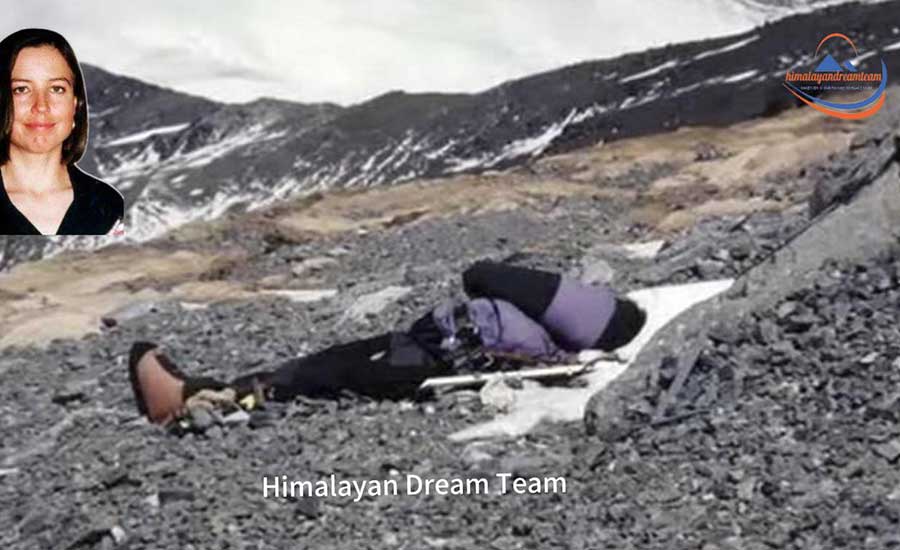
Francys Arsentiev, an American climber, became the first U.S. woman to reach the summit of Mount Everest without supplemental oxygen in May 1998. Her achievement was extraordinary, but the descent proved fatal. Due to exhaustion, altitude sickness, and lack of oxygen, she collapsed on the mountain. Fellow climbers who passed her described her serene appearance, lying still in the snow, which gave rise to the haunting name: Sleeping Beauty of Everest.
This nickname reflects both the tragic stillness of her final moments and the bittersweet beauty of her dream to conquer the world’s highest peak.
The “Sleeping Beauty of Mount Everest” refers to Francys Arsentiev, the first U.S. woman to summit Everest without supplemental oxygen in 1998. She tragically died during descent, her body preserved in the snow, symbolizing the mountain’s deadly risks and haunting beauty.
The Deadly Reality of Everest Deaths
Climbing Everest has always been associated with extreme danger. As of today, more than 300 people have died attempting the summit, with many bodies still lying along the route. The "death zone," a term for altitudes above 8,000 meters, is especially notorious. At this height, the human body cannot acclimatize, oxygen levels drop drastically, and every step feels like lifting weights.
Francys’ death was not an isolated tragedy. Her story is just one of many that reflect the thin line between triumph and disaster in high-altitude mountaineering.
Understanding the Death Zone
The death zone of Mount Everest is where climbers face the most severe challenges. Oxygen levels are about one-third of what they are at sea level. This lack of oxygen leads to hypoxia, impaired judgment, and an increased risk of hypothermia and cerebral edema.
For Francys Arsentiev, the decision to summit without supplemental oxygen made her vulnerable in this deadly environment. While the accomplishment was historic, the cost proved irreversible.
Hypothermia on Everest
One of the leading causes of death on Everest is hypothermia. The human body loses heat rapidly in subzero conditions. As the body weakens, climbers become disoriented and may stop making rational decisions. Hypothermia also causes a deceptive sense of warmth, tricking climbers into believing they can endure more.
For Francys, the combination of oxygen deprivation and extreme cold left her immobile. Rescuers who found her were unable to carry her down due to their own exhaustion and the dangerous conditions.
The Role of Oxygen Deprivation
Without supplemental oxygen, climbers on Everest face severe oxygen deprivation. This condition not only causes physical exhaustion but also leads to poor decision-making, hallucinations, and sometimes a fatal inability to continue moving. Francys’ heroic attempt to summit without oxygen ultimately led her into this lethal spiral.
Ethical Dilemmas in High-Altitude Mountaineering
One of the most controversial aspects of Everest climbing is the ethics of rescue. Many climbers wonder: why didn’t others help Francys Arsentiev? The truth is, in the death zone, each climber is fighting for survival. Carrying or assisting another person can quickly lead to two deaths instead of one.
This moral dilemma is at the heart of many Everest tragedies, where survival often conflicts with compassion.
The Frozen Bodies of Everest
Mount Everest is often called the world’s highest graveyard. The extreme cold preserves bodies for decades, turning them into grim markers along the route. Some, like Green Boots, have even become landmarks for climbers. Francys Arsentiev’s body also remained on Everest for years until an expedition moved her to a less visible location, out of respect.
Her still figure, described by those who saw her as peaceful, is why she became known as the Sleeping Beauty of Everest.
The 1996 Everest Disaster and Its Lessons
Just two years before Francys’ climb, Everest witnessed one of its deadliest events: the 1996 Everest disaster. A sudden storm claimed the lives of eight climbers in a single night. This tragedy highlighted the unpredictability of mountain weather and the risks of overcrowding on summit routes.
The lessons from 1996 still echo today—proper preparation, guided expeditions, and cautious decision-making can mean the difference between life and death.
The Psychology of Extreme Adventure
Why do climbers take such extreme risks? The allure of Everest is both physical and psychological. For many, reaching the summit represents the ultimate human challenge. The thrill of danger, the prestige of achievement, and the desire to push limits drive people forward.
For Francys Arsentiev, becoming the first American woman to summit without oxygen was a dream worth pursuing. Unfortunately, the mountain claimed her life before she could celebrate her success.
Modern Mountaineering Safety
Today, mountaineers have access to advanced gear, GPS tracking, weather forecasts, and trained Sherpas. Still, Everest remains dangerous. Safety measures like carrying supplemental oxygen, climbing with experienced guides, and setting turnaround times are critical for survival.
Had Francys used supplemental oxygen or descended earlier, her story might have ended differently. Her tragedy has since become a lesson for modern climbers.
Legacy of the Sleeping Beauty of Mount Everest
Francys Arsentiev’s story continues to resonate because it combines achievement, tragedy, and mystery. She is remembered not only for her tragic death but also for her pioneering spirit. Her husband, Sergei Arsentiev, also perished on the mountain trying to save her, deepening the poignancy of their story.
Her legacy has become a reminder to all climbers: Everest is not just about reaching the top but about surviving the return journey.
Conclusion
The story of the Sleeping Beauty of Mount Everest is not just about one climber’s tragic end—it is a story about ambition, risk, and the fragility of life at the highest point on Earth. Francys Arsentiev’s final journey teaches us that success on Everest comes with an unimaginable price and that sometimes the mountain decides the outcome.
Her peaceful stillness in the snow will forever symbolize the beauty and the danger of chasing dreams on the roof of the world.