

Introduction to Teej Festival in Nepal
Nepal is a country of festivals, where almost every month brings a new celebration rooted in tradition, spirituality, and community bonding. Among these, the Teej Festival in Nepal holds a unique place. Known as a festival of women, devotion, fasting, and celebration, Teej is dedicated to Goddess Parvati and her union with Lord Shiva.
It is celebrated with immense enthusiasm by Hindu women across the country, particularly in Kathmandu, Pokhara, and other major cities. The festival symbolizes marital happiness, purification of body and soul, and prayer for the longevity of one’s husband. For unmarried women, Teej is a time to pray for a good husband and a prosperous married life.
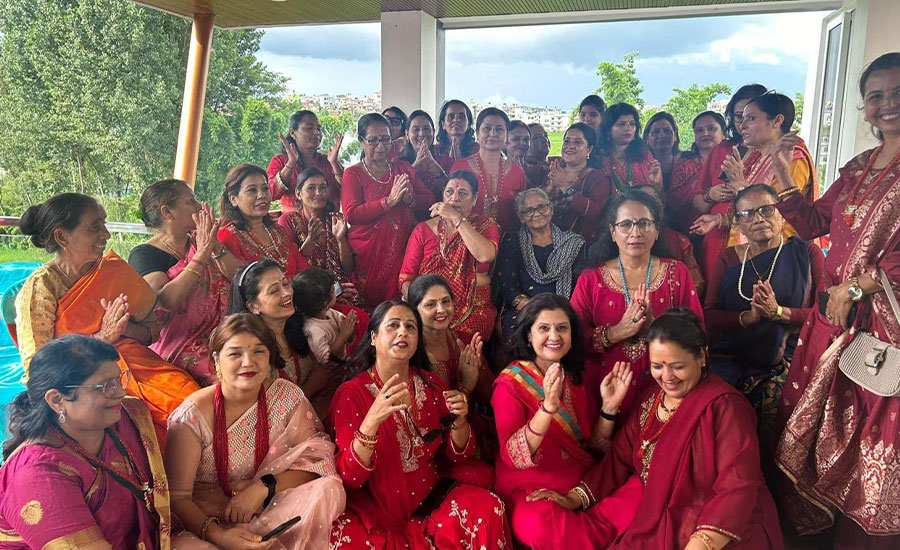
More than just a religious festival, Teej has become a cultural identity of Nepali women, representing love, strength, and togetherness. The vibrant red saris, energetic dances, traditional songs, and fasting rituals make Teej one of the most awaited festivals in Nepal.
In this article, we’ll dive into the history, significance, rituals, traditions, foods, songs, dances, and modern-day relevance of Teej, while also exploring how it connects with women’s empowerment in Nepal.
The Historical Background of Teej Festival
The Teej Festival in Nepal has deep mythological roots. According to Hindu scriptures, the festival commemorates the day when Goddess Parvati was united with Lord Shiva after years of penance. It is believed that Parvati fasted, prayed, and meditated intensely to win Shiva’s heart, and her devotion ultimately led to their marriage.
Since then, Hindu women observe Teej as a time to express devotion, emulate Parvati’s perseverance, and strengthen their marital relationships.
The word “Teej” itself refers to a type of red insect that emerges during the monsoon season, symbolizing fertility, transformation, and the vibrancy of life.
When is Teej Celebrated in Nepal?
Teej Festival Dates 2026 (2083 B.S.)
The Teej Festival is celebrated by Hindu women across Nepal during the month of Bhadra (August/September) as per the lunar calendar. It marks devotion to Lord Shiva and is observed with fasting, singing, and dancing. In 2026 A.D. / 2083 B.S., the festival falls in early September.
| Year | Festival | Bikram Sambat (B.S.) Date | Gregorian (A.D.) Date | Day |
|---|---|---|---|---|
| 2026 | Haritalika Teej (Main Day) | 2083 Bhadra 19 | September 3, 2026 | Thursday |
| 2026 | Rishi Panchami | 2083 Bhadra 20 | September 4, 2026 | Friday |
Note: The Teej Festival 2026 (2083 B.S.) will be observed on Thursday, September 3, 2026, according to the Nepali lunar calendar. Women will gather at temples, especially at Pashupatinath Temple in Kathmandu, to offer prayers and celebrate this auspicious occasion.
The celebration typically lasts three days, each carrying a distinct set of rituals and significance:
Day 1: Dar Khane Din (Feast Day)
Day 2: Fasting and Worship (Nirjala Brata)
Day 3: Rishi Panchami (Purification Rituals)
Cultural and Religious Significance of Teej
The Teej Festival in Nepal is more than just a women’s gathering; it carries deep religious and cultural meaning.
For Married Women
Teej is a way to express love and commitment toward their husbands, seeking blessings for their longevity and marital harmony.
For Unmarried Women
Young girls fast and pray for a good life partner, inspired by Goddess Parvati’s devotion.
For Spiritual Growth
The festival represents self-purification, sacrifice, and dedication—values that are central to Hindu philosophy.
For Social Bonding
Teej is also a reunion, as women visit their maternal homes, spend time with sisters and friends, and strengthen family ties.
Rituals and Traditions of Teej
Day 1: Dar Khane Din (Feasting Day)
The celebrations begin with Dar Khane Din, where women gather at their maternal homes and enjoy a grand feast before beginning the fasting ritual. Traditional Nepali foods like sel roti (rice flour bread), meat curry, fruits, and sweets are served.
This day is filled with songs, dances, and laughter, as women wear red attire, adorn jewelry, and prepare for the fasting the next day.
Day 2: Nirjala Brata (Fasting and Worship)
On this day, women undertake a strict fast, known as Nirjala Brata, where many abstain from even drinking water. The fast is considered extremely powerful in fulfilling prayers.
Women dress in bright red saris and ornaments and gather at temples dedicated to Lord Shiva, most notably the Pashupatinath Temple in Kathmandu. They sing devotional songs, dance in groups, and offer prayers to Shiva and Parvati for marital happiness and spiritual fulfillment.
Day 3: Rishi Panchami
The final day, known as Rishi Panchami, is a purification ritual. Women bathe in sacred rivers and perform puja to honor ancient sages (Rishis), seeking forgiveness for any mistakes committed during menstruation or in daily life.
Teej Festival Attire and Symbols
One of the most striking aspects of the Teej Festival in Nepal is the red attire. Red saris, tika, bangles, and pote (beaded necklaces) are seen everywhere during the festival.
Red symbolizes love, energy, and marital bliss.
Green glass bangles represent good fortune and fertility.
Henna (Mehendi) designs on hands add beauty and cultural flair.
The collective sight of thousands of women in red, singing and dancing, is one of the most iconic images of Teej.
Music, Dance, and Teej Songs
Teej is inseparable from music and dance. Women sing folk Teej songs (Teej Geet) that express themes of love, devotion, marital struggles, women’s empowerment, and even social issues.
Traditional instruments like the madal (drum) and sarangi often accompany the songs. In recent years, Teej songs have also become popular in Nepali music, blending tradition with modern beats.
Dancing in groups at temples and homes creates an atmosphere of joy and solidarity. For many women, Teej is not just about fasting—it’s also about celebrating sisterhood.
Foods Associated with Teej
Food is central to the festival, especially on Dar Khane Din. Some popular dishes include:
Sel Roti – Ring-shaped rice bread, crispy on the outside and soft inside.
Meat Curries – Often goat or chicken, enjoyed before the fasting.
Seasonal Fruits – Mangoes, bananas, and apples.
Sweets – Laddus and barfi are common festive treats.
During fasting, women abstain from food and water, showcasing immense willpower and devotion.
Teej Festival at Pashupatinath Temple
The Pashupatinath Temple in Kathmandu becomes the epicenter of Teej celebrations. Thousands of women in red line up to worship Lord Shiva, singing and dancing as they wait.
The temple authorities organize special pujas, and the atmosphere becomes one of devotion mixed with festivity. Many tourists also visit the temple during this time to witness the unique cultural spectacle.
Teej Festival and Women’s Empowerment
Traditionally, Teej was seen only as a religious ritual for husbands’ longevity. But in modern Nepal, the Teej Festival has taken on new meanings.
Expression of Women’s Voices: Teej songs now often highlight issues like gender inequality, domestic violence, and women’s rights.
Celebration of Sisterhood: The festival provides a platform for women to gather, share experiences, and strengthen bonds.
Balancing Tradition and Modernity: While rooted in religion, Teej has adapted to contemporary values, becoming a space where women express both devotion and independence.
Tourism and Teej Festival in Nepal
The Teej Festival in Nepal has become an attraction for international tourists. The vibrant scenes of women in red saris dancing and singing in Kathmandu, especially around Pashupatinath, draw photographers, researchers, and cultural enthusiasts.
Cultural tours during Teej often include:
Visits to Pashupatinath Temple
Participation in women’s processions and dances
Sampling Nepali festival foods
Learning about Hindu rituals and traditions
This has given Teej global recognition, adding to Nepal’s reputation as a land of festivals.
Conclusion: Why Teej Festival Matters
The Teej Festival in Nepal is a celebration of faith, devotion, love, and womanhood. It beautifully blends mythological roots with modern social relevance. While it remains a festival dedicated to Lord Shiva and Goddess Parvati, it has also evolved into a symbol of women’s unity and empowerment in Nepal.
From the sacred rituals at Pashupatinath to the joyous dances of women in red saris, Teej continues to inspire devotion and cultural pride. For locals, it is a cherished tradition. For tourists, it is a breathtaking glimpse into the heart of Nepali culture.