

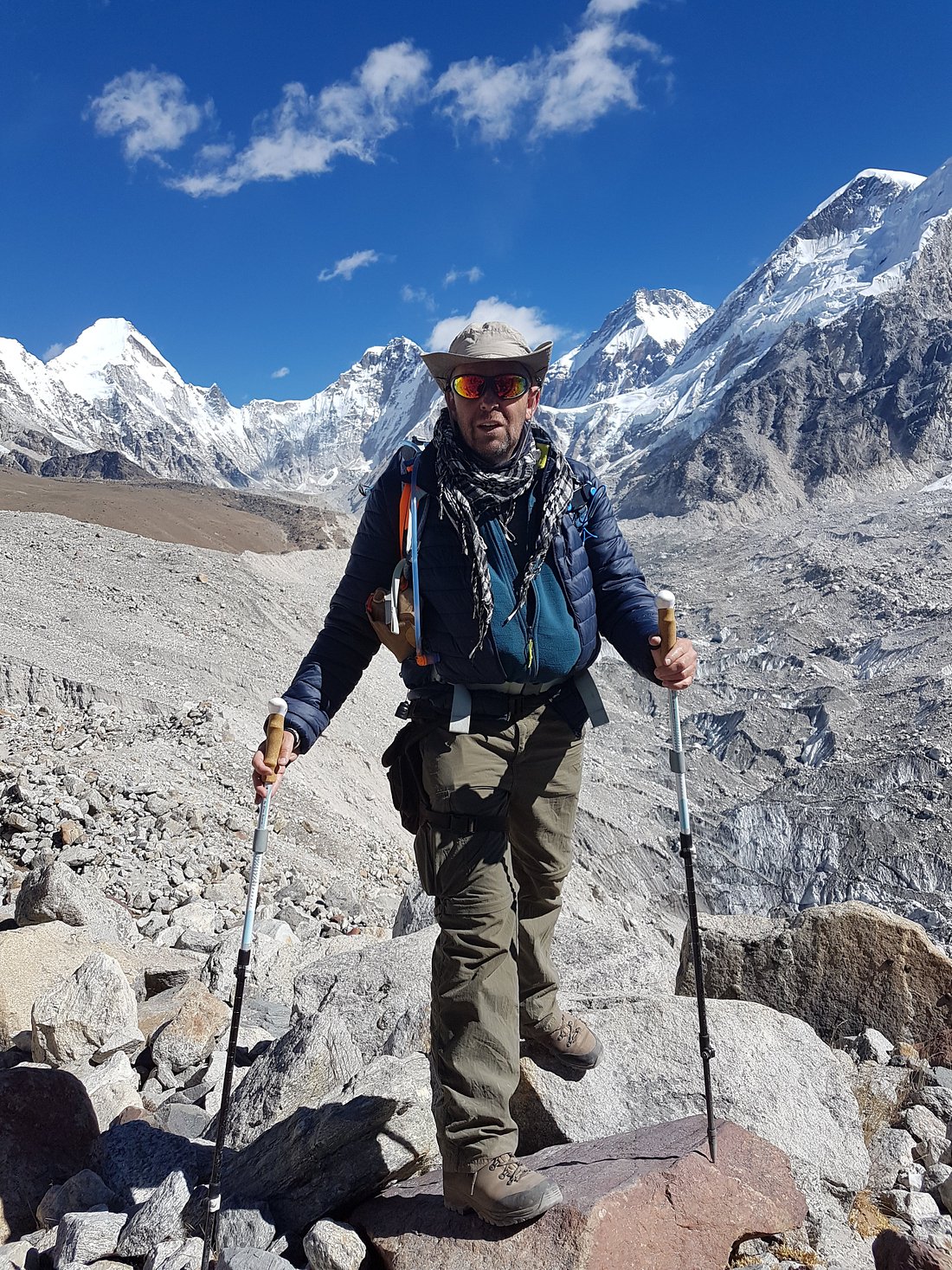
Knowing what to pack for the Everest Base Camp Trek is one of the most important parts of preparing for your journey. The route begins in the relatively mild lower Khumbu and climbs to Everest Base Camp at 5,364 m and Kala Patthar at 5,545 m, where temperatures, wind and weather can be completely different from conditions in Lukla or Namche Bazaar.
The secret is not to pack a huge amount of clothing. It is to bring the right layers, reliable footwear, warm sleeping equipment and a practical daypack while keeping your overall luggage as light as possible.
This complete Everest Base Camp packing guide by Himalayan Dream Team explains what clothing and equipment you actually need, how to divide your luggage between your porter bag and daypack, what to add for spring, autumn, winter and monsoon trekking, what women may want to carry separately, and what you can buy or rent in Kathmandu.
If you are preparing for the complete journey, see our Everest Base Camp Trek – 16 Days and our Everest Base Camp Trek Preparation Guide.
Everest Base Camp Packing List at a Glance
| Category | Essential Items |
|---|---|
| Bags | Porter duffel/trek bag, 25–35 L daypack, rain cover, dry bags |
| Base Layers | Moisture-wicking trekking shirts and thermal top/bottom |
| Insulation | Fleece or warm mid-layer and insulated down/synthetic jacket |
| Outer Layer | Waterproof/windproof shell jacket and rain trousers |
| Legwear | 2 trekking trousers, thermal leggings/base layer |
| Footwear | Broken-in waterproof trekking boots and lightweight lodge shoes |
| Socks | 3–4 pairs trekking socks plus warm sleeping socks |
| Head & Hands | Sun hat, warm beanie, buff, liner gloves and insulated gloves |
| Sleeping | Warm sleeping bag suitable for high-altitude conditions |
| Walking | Trekking poles and headlamp |
| Sun Protection | UV sunglasses, high-SPF sunscreen and SPF lip balm |
| Hydration | Reusable bottles or hydration system and water-treatment method |
| Personal Care | Toiletries, toilet paper, hand sanitizer, wet wipes and quick-dry towel |
| Medical | Personal medication, blister care and personal first-aid essentials |
| Electronics | Phone/camera, charging cables, power bank and spare batteries |
| Documents | Passport, insurance details and emergency information |
Pack Light: You Do Not Need 14 Different Outfits
One of the most common mistakes on the Everest Base Camp Trek is overpacking.
You will wear trekking clothing more than once. This is normal on a Himalayan trek. Bringing a fresh shirt, trousers and socks for every day creates unnecessary weight for you and your porter.
Instead, choose clothing that is:
- Lightweight
- Quick drying
- Moisture wicking
- Easy to layer
- Comfortable for repeated use
- Suitable for both sun and cold
A small number of good-quality layers is far more useful than a suitcase full of heavy clothing.
How Your Luggage Works on an Everest Base Camp Trek
Understanding where your belongings go makes packing much easier.
On Himalayan Dream Team's standard Everest Base Camp arrangement, one porter is normally shared between two trekkers. We recommend keeping your porter-carried trekking luggage to approximately 10 kg per person.
You carry your own daypack during the trek.
| Bag | Who Carries It? | What Goes Inside? |
|---|---|---|
| Porter Duffel / Trek Bag | Porter | Sleeping bag, spare clothing, toiletries and items you only need after reaching the lodge |
| Daypack | You | Water, warm layer, rain jacket, sunscreen, snacks, camera, valuables and anything needed during the walking day |
| Extra Travel Luggage | Stored in Kathmandu | City clothes, suitcase and anything not required during the trek |
Your porter may walk ahead of you, so you should assume that you will not have access to your main trek bag until you reach the lodge.
What Size Daypack Do You Need?
A 25–35 litre daypack is normally sufficient for the classic Everest Base Camp Trek.
You do not need to carry your sleeping bag or spare clothing during the day when travelling with porter support.
Your daypack should have:
- Comfortable padded shoulder straps
- Adjustable chest strap
- Hip belt
- Easy-access side pockets
- Rain cover or waterproof liner
- Enough room for approximately 2 litres of water
Test your backpack before travelling. A poorly fitted daypack can become uncomfortable after several hours of walking.
What Should Be in Your Daypack Every Day?
These are the items you should normally have with you while walking:
| Water | Reusable bottles or hydration system |
| Rain Protection | Waterproof shell jacket and pack cover |
| Warm Layer | Fleece or insulated jacket depending on altitude and weather |
| Sun Protection | Sunglasses, sunscreen, lip balm and sun hat |
| Personal Medication | Any medication you may need during the walking day |
| Snacks | Small amount of preferred energy food |
| Personal Items | Phone, camera, money and valuables |
| Headlamp | Especially important on early starts |
| Toilet Essentials | Toilet paper, hand sanitizer and small waste bag |
| Gloves & Hat | Keep accessible as altitude increases |
The Layering System for Everest Base Camp
The most effective way to dress for Everest Base Camp is with a layering system.
You may begin the morning in freezing conditions, become warm while climbing uphill in sunshine and need a waterproof shell when cloud or wind arrives later.
Layers allow you to adjust quickly without carrying several bulky jackets.
Layer 1: Base Layer
The base layer sits next to your skin and helps move moisture away from your body.
Choose:
- Merino wool or synthetic thermal top
- Merino wool or synthetic thermal bottom
- Quick-dry trekking T-shirts
Avoid cotton for trekking. Cotton absorbs moisture and dries slowly, which can leave you cold when temperatures drop.
Layer 2: Mid-Layer
Your mid-layer provides insulation while still allowing moisture to escape.
A fleece jacket or lightweight synthetic/down mid-layer works well.
You may walk in this layer during colder mornings and remove it once your body warms up.
Layer 3: Insulated Jacket
A warm down or synthetic insulated jacket becomes increasingly important above Namche Bazaar and is essential around Dingboche, Lobuche and Gorak Shep.
This layer is especially useful:
- Early in the morning
- After arriving at the lodge
- During acclimatization stops
- In the evening
- At Everest Base Camp
- On the Kala Patthar hike
Layer 4: Waterproof & Windproof Shell
Your outer shell protects you from wind, rain and snow.
Bring a lightweight waterproof and breathable jacket with a hood. Waterproof over-trousers are also useful, particularly in spring transition periods and during wetter months.
The shell should be large enough to fit comfortably over your insulation layers.
Recommended Clothing Quantities
You do not need to carry excessive amounts of clothing. For a standard Everest Base Camp trek, the following is a practical starting point:
| Clothing | Recommended Quantity |
|---|---|
| Quick-Dry Trekking Shirts | 2–3 |
| Thermal Base-Layer Top | 1–2 |
| Thermal Base-Layer Bottom | 1–2 |
| Fleece / Mid-Layer | 1 |
| Down / Insulated Jacket | 1 |
| Waterproof Shell Jacket | 1 |
| Trekking Trousers | 2 |
| Waterproof Over-Trousers | 1 |
| Underwear | 4–6 quick-dry pairs |
| Trekking Socks | 3–4 pairs |
| Warm Sleeping Socks | 1 pair |
| Warm Hat / Beanie | 1 |
| Sun Hat / Cap | 1 |
| Buff / Neck Gaiter | 1–2 |
| Liner Gloves | 1 pair |
| Warm Insulated Gloves | 1 pair |
Best Footwear for Everest Base Camp
Your trekking boots are one of the most important pieces of equipment you will bring.
Choose boots that are:
- Comfortable
- Water resistant or waterproof
- Supportive on uneven terrain
- Equipped with a good-grip sole
- Large enough for trekking socks without crushing your toes
- Already broken in before arriving in Nepal
Do not arrive with brand-new trekking boots. Wear them on training walks for several weeks before departure.
The EBC trail includes stone steps, rocky paths, suspension bridges, glacial moraine and steep ascents and descents. Foot comfort matters every day.
Do You Need Heavy Mountaineering Boots?
No. The standard Everest Base Camp route is a trek rather than a technical mountaineering route, so heavy expedition boots are not normally necessary during the main trekking seasons.
A good-quality waterproof trekking boot is sufficient for most spring and autumn departures.
Winter conditions may require warmer footwear depending on snow and temperatures.
Camp Shoes / Lodge Shoes
Bring one lightweight pair of comfortable shoes or sandals for evenings in the teahouse.
After walking all day, changing out of your trekking boots is extremely welcome.
Everest Base Camp Socks
Bring approximately 3–4 pairs of good trekking socks made from merino wool or synthetic material.
Avoid relying on ordinary cotton socks.
It is also useful to reserve one clean, warm pair specifically for sleeping.
If you know that you are prone to blisters, test different sock combinations during your training hikes rather than experimenting for the first time in Nepal.
Sleeping Bag for Everest Base Camp
Mountain lodges provide beds and blankets, but bedrooms are generally not heated.
A good sleeping bag therefore makes a significant difference, particularly above Dingboche.
For most standard spring and autumn departures, a warm sleeping bag suitable for sub-zero mountain conditions is appropriate. Winter trekkers require a warmer system.
Temperature ratings vary between manufacturers and individual tolerance to cold differs, so consider the comfort rating rather than relying only on an extreme-limit number.
A sleeping bag liner is optional but can:
- Add some warmth
- Keep the sleeping bag cleaner
- Improve comfort if using a rented sleeping bag
Himalayan Dream Team provides a sleeping bag when this is specified in your trek package. Confirm your inclusions before buying or renting one.
Do You Need Trekking Poles?
We strongly recommend trekking poles for Everest Base Camp.
They are particularly useful for:
- Long descents
- Uneven stone trails
- Reducing stress on knees
- Maintaining balance
- Snow or icy sections
- Glacial moraine near Gorak Shep and Everest Base Camp
Adjustable lightweight poles are easiest to pack and use.
Sun Protection at High Altitude
Sun exposure becomes stronger at high altitude, and snow can reflect additional UV radiation.
Carry:
- High-quality UV-protection sunglasses
- High-SPF broad-spectrum sunscreen
- SPF lip balm
- Sun hat or cap
- Buff or neck protection
Do not wait until you feel sunburn before applying protection. Sunscreen should be reapplied during the day, particularly to the face, nose, ears and neck.
Water Bottles & Hydration
Plan to carry approximately 1.5–2 litres of water, depending on your guide's advice, the day's route and refill opportunities.
Useful options include:
- Two reusable 1-litre bottles
- One bottle plus hydration reservoir
- Insulated bottle or bottle cover in winter
Reusable bottles are preferable to repeatedly purchasing single-use plastic bottles.
A water-treatment method such as purification tablets, drops, an appropriate filter or UV purifier can also be useful depending on how you plan to obtain drinking water.
Headlamp & Batteries
A headlamp is essential even though you sleep in lodges.
You may need it for:
- Early-morning starts
- Kala Patthar
- Walking around the lodge after dark
- Power cuts
- Finding belongings in your room
Bring spare batteries or ensure your rechargeable headlamp can be charged from your power bank.
Electronics & Charging
Most trekkers carry at least a phone and camera. Charging is available at many lodges but may involve an additional fee, especially at higher elevations.
Consider carrying:
- Phone
- Camera if desired
- Charging cables
- Travel adapter
- Power bank
- Spare camera battery
- Waterproof pouch for electronics
Cold temperatures reduce battery performance. Keep your phone, power bank and camera batteries warm whenever possible, particularly at Lobuche and Gorak Shep.
Toiletries & Personal Hygiene
Keep your toiletry bag simple and lightweight.
| Toothbrush & Toothpaste | Travel-size where possible |
| Hand Sanitizer | Keep a small bottle in your daypack |
| Toilet Paper | Carry your own supply |
| Wet Wipes | Useful when showers are limited |
| Quick-Dry Towel | Small or medium size |
| Soap | Small biodegradable/travel-size supply |
| Moisturizer | Useful in the dry mountain air |
| Sunscreen | High SPF |
| Lip Balm | Preferably with SPF |
Showers become more expensive and less appealing as you climb higher. Many trekkers rely more on basic washing and wet wipes during the highest part of the trek.
Personal First-Aid & Medication
Your trekking guide carries group safety and first-aid equipment according to the trek arrangement, but you should still carry personal items that you know you need.
A small personal kit may include:
- Regular prescription medication
- Blister treatment
- Plasters / adhesive bandages
- Personal pain relief that you normally use
- Oral rehydration salts or electrolyte mix
- Any medication specifically recommended by your doctor
If you are considering medication for altitude illness, including acetazolamide (Diamox), discuss its suitability, dosage, side effects and contraindications with a qualified medical professional before your trek.
Medication is not a substitute for gradual ascent and proper acclimatization.
Read our Everest Base Camp Acclimatization Guide for more information about preparing for altitude.
Documents & Money
Keep important documents and valuables with you rather than in your porter bag.
Carry:
- Passport
- Travel insurance details
- Emergency contact information
- Copies or digital backups of important documents
- Nepalese rupees for personal expenses
ATMs are available in Namche Bazaar, but you should not depend entirely on mountain ATMs. Carry sufficient Nepalese cash for drinks, charging, Wi-Fi, showers, snacks, tips and other personal expenses.
Himalayan Dream Team arranges the applicable trekking permits included in your package.
Travel Insurance
Travel insurance is not something to pack physically beyond keeping a copy of the details, but it is an important part of Everest Base Camp preparation.
Your policy should be suitable for the maximum trekking altitude of your itinerary and should include emergency evacuation where applicable.
Check the altitude limit carefully. Some standard travel insurance policies exclude trekking above certain elevations.
What Women Should Pack for Everest Base Camp
The essential technical equipment for Everest Base Camp is the same for women and men: reliable boots, appropriate layers, waterproof protection, warm insulation, a sleeping bag and sun protection.
However, female trekkers may want to add several personal items.
| Item | Practical Advice |
|---|---|
| Sports Bras | 2–3 comfortable quick-dry sports bras |
| Underwear | Quick-dry underwear that can be washed and dried easily |
| Menstrual Products | Bring your preferred products from home rather than relying on availability along the trail |
| Disposal Bags | Small sealable bags for carrying used hygiene products until they can be disposed of appropriately |
| Leggings / Thermal Tights | Useful as base layers and comfortable lodge clothing |
| Urination Device | Optional; some women find one useful on cold or exposed trekking days |
If you menstruate during the trek, pack enough supplies for the complete journey plus a few extra days in case travel is delayed.
What Men Should Pack for Everest Base Camp
Men require the same technical layering, footwear, sleeping and safety equipment described throughout this guide.
Useful personal considerations include:
- Quick-dry underwear
- Comfortable thermal leggings
- Personal shaving supplies only if genuinely needed
- Anti-chafing product if you commonly experience friction during long walks
The main packing principle is the same for everyone: fit and function matter more than gender labels on outdoor clothing.
Everest Base Camp Packing List for Spring: March–May
Spring is one of the best times for the Everest Base Camp Trek. Conditions gradually become warmer, but high-altitude nights remain cold and snow is still possible.
Spring Packing Priorities
- Full layering system
- Warm down jacket
- Waterproof shell
- Thermal base layers
- Warm gloves and beanie
- Sun hat and strong UV protection
- Waterproof trekking boots
- Warm sleeping bag
Do not make the mistake of packing only light clothing because Kathmandu feels warm. Conditions above 4,000 metres can remain very cold.
Everest Base Camp Packing List for Autumn: September–November
Autumn is another major trekking season, but September and November can feel very different.
Early September may still be influenced by the monsoon, while November becomes progressively colder as winter approaches.
Autumn Packing Priorities
- Full layering system
- Down jacket
- Waterproof/windproof shell
- Thermal layers
- Warm gloves and hat
- Excellent sun protection
- Waterproof boots
- Warm sleeping bag
Late-November trekkers should pack more conservatively for cold nights than someone travelling in early October.
Everest Base Camp Packing List for Winter: December–February
Winter requires the warmest equipment.
Temperatures above 4,000 metres can fall far below freezing, particularly overnight. Snow and ice are also more likely.
Add or Upgrade for Winter
- Warmer down jacket
- Heavier thermal base layers
- Insulated trekking trousers or additional leg insulation
- Warmer waterproof gloves or mittens
- Balaclava or warm face covering
- Extra warm socks
- Winter sleeping bag
- Insulated water bottle cover
- Gaiters when snow conditions require them
- Lightweight traction devices if current trail conditions warrant them
- Hand warmers if desired
If you are considering a winter departure, read our detailed Everest Base Camp Trek in December Guide.
Everest Base Camp Packing List for Monsoon: June–August
Everest Base Camp can be trekked during the summer monsoon, but lower sections are wetter, cloud is more common and Lukla flights can face greater disruption.
Monsoon Packing Priorities
- Reliable waterproof shell jacket
- Waterproof over-trousers
- Pack rain cover
- Waterproof internal dry bags
- Quick-drying clothing
- Waterproof trekking boots
- Extra dry socks
- Waterproof protection for passport and electronics
Do not assume that monsoon means warm weather throughout the trek. The upper Khumbu remains cold because of altitude.
Seasonal Packing Comparison
| Item | Spring | Autumn | Winter | Monsoon |
|---|---|---|---|---|
| Thermal Base Layers | Essential | Essential | Heavy / Essential | Essential at altitude |
| Fleece | Essential | Essential | Essential | Essential |
| Down Jacket | Essential | Essential | Heavy / Essential | Essential at altitude |
| Waterproof Shell | Essential | Essential | Essential | Critical |
| Waterproof Trousers | Recommended | Recommended | Recommended | Critical |
| Warm Gloves | Essential | Essential | Heavy / Essential | Essential at altitude |
| Warm Sleeping Bag | Essential | Essential | Winter Rating | Essential |
| Gaiters | Optional | Optional | Useful in Snow | Optional |
| Dry Bags | Useful | Useful | Useful | Highly Recommended |
Lukla Flight Baggage: Why Packing Light Matters
Flights to Lukla use small mountain aircraft and have much stricter baggage allowances than international flights.
Allowances can vary according to the airline and current operating conditions, and excess baggage is subject to availability and additional charges.
Himalayan Dream Team will advise you of the applicable baggage allowance for your confirmed flight before departure.
The safest approach is simple: pack your trekking luggage lightly and do not assume that excess baggage will automatically be accepted.
For more practical information about flight operations, read our Kathmandu to Lukla Flight Guide.
What to Leave in Kathmandu
You do not need to take your entire international travel luggage to Everest Base Camp.
Leave unnecessary items securely at your Kathmandu hotel, such as:
- Large suitcase
- City clothing
- Formal shoes
- Large toiletry bottles
- Unnecessary electronics
- Extra books
- Heavy travel accessories
- Clothing for other parts of your Nepal holiday
Only take what you genuinely need for the trek.
Can You Buy Trekking Gear in Kathmandu?
Yes. Kathmandu's Thamel district has a large selection of trekking shops selling clothing, backpacks, trekking poles, sleeping bags, gloves, hats, water bottles and other mountain equipment.
This is useful if you forget something or prefer not to travel internationally with bulky equipment.
However, quality varies considerably. For important safety-related equipment such as boots, waterproof shells and technical insulation, choose reliable products rather than buying purely on price.
Can You Rent Gear in Kathmandu?
Some equipment can be rented in Kathmandu, particularly:
- Sleeping bags
- Down jackets
- Trekking poles
- Some duffel bags
Renting can make sense for expensive items that you are unlikely to use regularly after your Nepal trip.
We generally recommend bringing your own trekking boots because fit is extremely personal and boots should already be broken in before the trek.
What Not to Pack for Everest Base Camp
A good packing list is also about knowing what to leave behind.
| Leave Behind | Why? |
|---|---|
| Too Many Clothes | You will reuse trekking clothing |
| Heavy Cotton Clothing | Slow to dry and poor for moisture management |
| Multiple Heavy Shoes | Add unnecessary weight |
| Large Toiletry Bottles | Use travel sizes |
| Expensive Jewellery | Unnecessary on the trek |
| Large Laptop | Heavy, difficult to charge and unnecessary for most trekkers |
| Too Many Snacks | Food and snacks can be purchased along the route |
| Technical Climbing Equipment | Not normally required for the standard EBC route |
Common Everest Base Camp Packing Mistakes
1. Bringing Too Much
Extra weight creates work for your porter and makes repacking every morning frustrating.
2. Bringing Brand-New Boots
Untested boots can cause painful blisters within the first few trekking days.
3. Packing for Kathmandu Weather
Warm weather in Kathmandu tells you very little about conditions at 5,000 metres.
4. Putting Everything in the Porter Bag
You need rain protection, warm clothing, water, medication and sun protection with you during the day.
5. Depending on Cotton Clothing
Cotton dries slowly and performs poorly as an active trekking layer.
6. Forgetting Sun Protection
High-altitude UV exposure is significant even when temperatures feel cold.
7. Forgetting Spare Power
Charging becomes more expensive at higher elevations and cold weather drains batteries faster.
8. Overpacking Medical Supplies
Bring your personal necessities rather than attempting to carry a complete pharmacy. Discuss prescription and altitude medication with a medical professional before travelling.
Final Everest Base Camp Packing Checklist
| Category | Pack These |
|---|---|
| Bags | Porter trek bag/duffel, 25–35 L daypack, rain cover, dry bags |
| Upper Body | 2–3 quick-dry shirts, thermal tops, fleece, down jacket, waterproof shell |
| Lower Body | 2 trekking trousers, thermal bottoms, waterproof over-trousers |
| Underwear | 4–6 quick-dry pairs; sports bras as required |
| Feet | Waterproof trekking boots, lodge shoes, 3–4 trekking socks, warm sleeping socks |
| Head & Hands | Sun hat, warm hat, buff, liner gloves, insulated gloves |
| Sleeping | Warm sleeping bag and optional liner |
| Walking Gear | Trekking poles and headlamp |
| Sun Protection | UV sunglasses, sunscreen and SPF lip balm |
| Hydration | Reusable bottles/hydration system and water-treatment option |
| Hygiene | Toothbrush, toothpaste, toilet paper, sanitizer, wipes and quick-dry towel |
| Health | Personal medication, blister treatment and small personal first-aid kit |
| Electronics | Phone/camera, power bank, cables, adapter and spare batteries |
| Documents | Passport, insurance details, emergency contacts and Nepalese cash |
| Optional Comfort | Earplugs, eye mask, sleeping bag liner, small journal and preferred snacks |
Frequently Asked Questions About Packing for Everest Base Camp
How much luggage should I pack for Everest Base Camp?
Pack as lightly as possible. On Himalayan Dream Team's standard porter arrangement, we recommend approximately 10 kg of porter-carried trekking luggage per person, plus the daypack you carry yourself.
What size daypack is best for Everest Base Camp?
A 25–35 litre daypack is normally sufficient when you have porter support. It should comfortably hold water, rain protection, warm layers, sun protection, snacks, personal medication, valuables and camera equipment.
Do I need a down jacket for Everest Base Camp?
Yes. A warm insulated down or synthetic jacket is strongly recommended. Even during the main spring and autumn trekking seasons, evenings and mornings above 4,000 metres can be very cold.
Do I need a sleeping bag for Everest Base Camp?
Yes. Teahouse bedrooms are generally unheated. Although blankets may be available, a suitable sleeping bag provides much more reliable warmth and comfort.
Do I need waterproof boots?
Waterproof or highly water-resistant trekking boots with good grip are recommended. Conditions can include rain, mud, snow, shallow water and wet trail sections depending on the season.
Do I need crampons for the standard Everest Base Camp Trek?
Technical crampons are not normally required on the classic Everest Base Camp route. During winter or periods of ice, lightweight traction devices may sometimes be useful depending on current conditions.
Do I need trekking poles?
They are not compulsory, but we strongly recommend them. Trekking poles provide useful balance on uneven terrain and can reduce stress on the knees during long descents.
Can I buy trekking equipment in Kathmandu?
Yes. Thamel has many trekking equipment shops. Basic clothing and accessories are easy to find, while some sleeping bags, down jackets and trekking poles can also be rented.
Should I buy trekking boots in Kathmandu?
If possible, bring your own properly fitted and broken-in trekking boots. Buying new boots immediately before starting the trek increases the risk of blisters and discomfort.
How many pairs of socks should I bring?
Three to four pairs of trekking socks plus one warm pair reserved for sleeping is normally sufficient for most trekkers.
Can I wear leggings on the Everest Base Camp Trek?
Yes. Technical leggings can work well as a base layer or trekking layer when they are comfortable, quick drying and appropriate for the conditions. Thermal leggings are particularly useful in colder weather.
Do women need a different Everest Base Camp packing list?
The main technical equipment is the same. Women may additionally want sports bras, preferred menstrual products, disposal bags and other personal hygiene items that may be difficult to find consistently along the trail.
Can I charge my phone on the trek?
Charging is available at many teahouses, usually for an additional fee. Availability and cost vary by location. A power bank is therefore very useful.
Should I bring a water filter?
A personal water-treatment method is useful. Depending on your preference, this may be purification tablets, drops, a suitable filter or a UV purification device.
Do I need technical climbing equipment?
No. The classic Everest Base Camp Trek does not normally require ropes, harnesses, ice axes or other technical mountaineering equipment.
What should I carry on the Lukla flight?
Keep your passport, medication, valuables, electronics and other irreplaceable essentials with you. Baggage allowances on mountain flights are limited, so follow the specific instructions provided for your confirmed airline and flight.
What is the most important packing advice for Everest Base Camp?
Pack light, dress in layers and test your equipment before arriving in Nepal. Well-broken-in boots, a warm sleeping bag, reliable insulation, waterproof protection and a comfortable daypack matter much more than bringing a large amount of clothing.
Prepare for Your Everest Base Camp Trek
A good Everest Base Camp packing list should keep you warm, dry and comfortable without creating unnecessary weight.
The most important principle is versatility. Your clothing needs to work during sunny climbs below Namche Bazaar, cold mornings around Dingboche, exposed terrain near Lobuche and Gorak Shep, and potentially freezing conditions during the hike to Kala Patthar.
Choose reliable layers, break in your boots before travelling, keep your porter bag light and make sure everything you may need during the walking day remains in your own daypack.
Before travelling, we also recommend reading our:
- Everest Base Camp Trek – 16 Days
- Everest Base Camp Trek Preparation Guide
- Best Time for Everest Base Camp Trek
- Everest Base Camp Acclimatization Guide
- Everest Base Camp Trek in December
- Kathmandu to Lukla Flight Guide
When you book your Everest Base Camp Trek with Himalayan Dream Team, our Kathmandu team will also provide practical pre-trek guidance so you can review your equipment before heading to Lukla.