

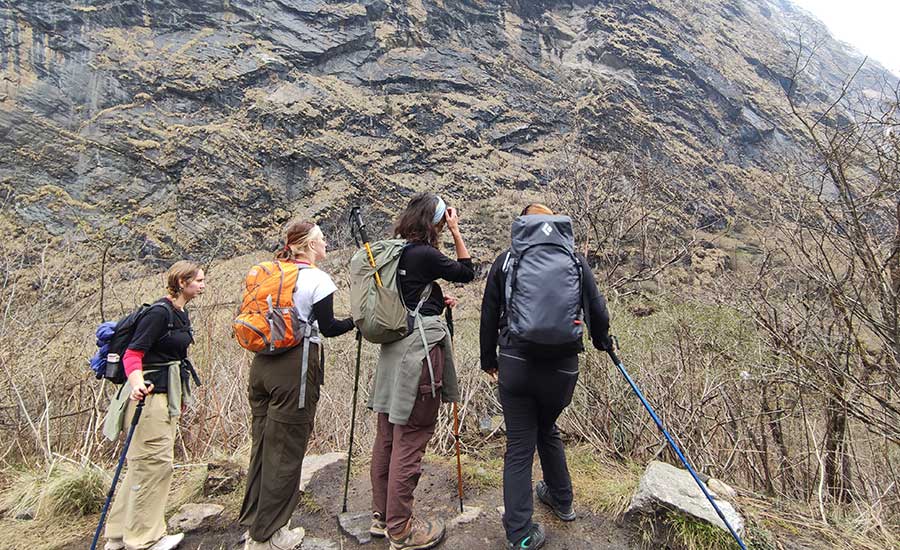
The Annapurna Base Camp Trek (ABC Trek) is one of the most popular trekking adventures in Nepal, offering breathtaking views of Annapurna I, Machhapuchhre (Fishtail), Hiunchuli, and other Himalayan peaks. Reaching an altitude of 4,130 meters, the trail passes through rhododendron forests, terraced farmlands, Gurung and Magar villages, and eventually into the spectacular Annapurna Sanctuary. Many travelers ask, “Is the Annapurna Base Camp Trek suitable for beginners?” The good news is yes—it is considered one of the most beginner-friendly treks in Nepal. Unlike challenging high-pass routes, this journey is moderate in difficulty, with well-established trails, comfortable tea house accommodations, and accessible daily walking distances.
For those looking to experience their first trek in Nepal, the Annapurna Base Camp route offers the perfect mix of cultural encounters and natural wonders. Beginners can succeed on this trek with proper preparation, basic fitness training, and the support of experienced local guides. Choosing a reputable agency such as Himalayan Dream Team ensures safety, reliable logistics, and authentic cultural experiences along the way. With steady acclimatization, healthy meals, and breathtaking mountain panoramas, the Annapurna Base Camp Trek for beginners is an unforgettable introduction to trekking in the Himalayas.
Trek Overview: Altitude and Duration
| Feature | Details |
|---|---|
| Maximum Altitude | 4,130 m / 13,550 ft (Annapurna Base Camp) |
| Starting Point | Pokhara – The gateway to the Annapurna region (820 m / 2,690 ft) |
| Duration | 10–14 days (can be shortened or extended depending on pace, side trips, and acclimatization) |
| Difficulty Level | Moderate; suitable for beginners with basic fitness. No technical climbing required. |
| Region | Annapurna Conservation Area, central Nepal |
| Best Seasons | Spring (March–May) and Autumn (September–November) for clear skies and stable weather. Winter and monsoon are less favorable. |
| Accommodation | Tea houses and lodges along the route, offering meals and basic facilities. |
| Highlights | Panoramic sunrise views from Poon Hill, Gurung and Magar villages, hot springs at Jhinu, Machhapuchhre Base Camp, and Annapurna Sanctuary. |
Compared to the Everest Base Camp Trek, ABC is shorter, involves fewer acclimatization days, and does not cross high passes, making it a great choice for beginners.
Best Time to Do Annapurna Base Camp Trek
| Season | Details |
|---|---|
| Spring (March–May) | - Best season for clear skies and stable weather. - Blooming rhododendron forests add vibrant colors to the trail. - Pleasant daytime temperatures (10–20°C at lower altitudes). - Popular season, so trails and tea houses can be crowded. |
| Autumn (September–November) | - Peak trekking season with crystal-clear mountain views. - Stable weather and dry trails after the monsoon. - Mild temperatures, ideal for trekking. - High demand for accommodation, so early booking is recommended. |
| Winter (December–February) | - Cold temperatures, especially above 3,000 meters (can drop below -10°C). - Fewer trekkers, offering a peaceful experience. - Snow may block trails near Annapurna Base Camp. - Best suited for experienced trekkers with proper gear. |
| Monsoon (June–August) | - Heavy rainfall makes trails slippery and prone to landslides. - Clouds often obscure mountain views. - Fewer crowds, but leeches are common on lower trails. - Lush greenery and waterfalls for those who don’t mind the rain. |
Accommodation and Food on the Trek
| Category | Details |
|---|---|
| Tea Houses and Lodges | - Basic but comfortable rooms, usually twin-sharing. - Facilities include beds with blankets, limited electricity, and common dining areas. - Hot showers and Wi-Fi may be available at lower altitudes (extra cost). - Higher altitude lodges are simpler with fewer amenities. |
| Typical Meals and Dietary Tips | - Traditional Dal Bhat (rice, lentils, vegetables) is the staple meal. - Other options include noodles, pancakes, soups, pasta, and Thakali sets. - Vegetarian meals are recommended to avoid foodborne illnesses. - Carry snacks like nuts, energy bars, and chocolates for extra calories. |
| Cost of Food and Drinks | - Prices increase with altitude due to transport costs. - Meals range from USD 4–8 per plate at lower altitudes, up to USD 10–15 at higher lodges. - Bottled water costs USD 1–3; boiled or filtered water is a safer and cheaper option. - Budget around USD 25–35 per day for food and drinks. |
Required Permits and Regulations
| Permit | Details |
|---|---|
| TIMS Card (Trekkers Information Management System) | - Mandatory for all trekkers in Nepal. - Helps ensure safety and record trekking information. - Issued by authorized trekking agencies or tourism offices in Kathmandu and Pokhara. - Cost: USD 10–20 depending on group/individual registration. |
| Annapurna Conservation Area Permit (ACAP) | - Required to enter the Annapurna Conservation Area. - Helps fund conservation, trail maintenance, and community projects. - Cost: USD 30 per person (foreign nationals); reduced for SAARC citizens. - Can be obtained in Kathmandu or Pokhara before the trek. |
| Guide Requirements | - As per latest rules (effective April 2023), solo trekking is no longer allowed in most trekking regions of Nepal. - A licensed trekking guide is mandatory for Annapurna Base Camp and other routes. - Guides ensure safety, navigation, cultural insights, and emergency support. - Hiring through a registered agency like Himalayan Dream Team guarantees legal compliance. |
Trail Conditions and Landscapes
The Annapurna Base Camp trekking trail is well-marked, with tea houses at regular intervals. Beginners can expect:
- Stone staircases (especially at Ulleri and Chhomrong, which test endurance).
- Suspension bridges over rivers.
- Comfortable dirt paths through forests and villages.
- Daily walking distances of 10–15 km, averaging 5–7 hours of trekking per day.
The landscapes change dramatically as you ascend:
- Lower region: Lush rhododendron forests, terraced fields, Gurung & Magar villages.
- Mid-altitudes: Bamboo groves, waterfalls, and hot springs at Jhinu.
- High region: Alpine meadows, rocky moraines, and breathtaking panoramas of Annapurna I, Machhapuchhre (Fishtail), and Hiunchuli.
Is ABC Trek Beginner Friendly? Key Factors to Consider
1. Altitude Challenges
While the maximum altitude is manageable, beginners still face the risk of Acute Mountain Sickness (AMS). A gradual ascent, one rest day, and following the rule “climb high, sleep low” are vital.
2. Physical Fitness
You don’t need to be an athlete, but preparation matters. Prior to trekking, focus on:
- Cardio: Running, swimming, cycling.
- Strength training: Squats, lunges, and stair climbing.
- Practice hikes: Short weekend treks with a backpack to simulate conditions.
3. Mental Preparation
First-time trekkers may feel fatigue, isolation, or homesickness. Building mental resilience, practicing meditation, and trekking with a supportive guide can help you stay motivated.
4. Food & Accommodation
- Meals: Dal Bhat, noodles, pancakes, Thakali sets, and vegetarian options at tea houses.
- Accommodation: Comfortable tea houses with twin-sharing rooms; heating and hot showers may be limited at higher altitudes.
5. Safety & Support
Government regulations now require trekking with a licensed guide. Choosing a trusted local agency like Himalayan Dream Team ensures safety, cultural insights, and worry-free logistics.
Annapurna Base Camp Trek Itinerary for Beginners (Suggested 12 Days)
Day 1: Arrival in Kathmandu, transfer to hotel, trek briefing.
Day 2: Drive or fly to Pokhara.
Day 3: Drive to Nayapul/Birethanti, trek to Ulleri.
Day 4: Trek to Ghorepani.
Day 5: Sunrise at Poon Hill, trek to Tadapani.
Day 6: Trek to Chhomrong or Sinuwa.
Day 7: Trek to Deurali.
Day 8: Trek to Annapurna Base Camp via Machhapuchhre Base Camp.
Day 9: Trek down to Bamboo.
Day 10: Trek to Jhinu Danda (hot springs).
Day 11: Trek to Syauli Bazaar, drive back to Pokhara.
Day 12: Return to Kathmandu.
This itinerary balances gradual ascent with cultural and scenic highlights—perfect for beginners.
Preparation Tips for Beginners
- Start training at least 8–12 weeks before your trek.
- Carry a light backpack (8–10 kg max).
- Invest in good trekking boots and break them in before the trek.
- Drink 3–4 liters of water daily and avoid alcohol.
- Consider travel insurance that covers trekking up to 5,000 meters.
Why Choose Himalayan Dream Team?
- Expert local female and male guides with years of experience.
- Flexible itineraries tailored for beginners and families.
- 24/7 support with emergency backup.
- Ethical trekking values: sustainability, fair wages for porters, and community support.
Conclusion: Is Annapurna Base Camp Trek Suitable for Beginners?
Yes—with the right preparation and guidance, Annapurna Base Camp Trek is beginner-friendly. It offers the perfect balance of challenge and reward: breathtaking Himalayan views, cultural immersion, and a real sense of accomplishment. If you’ve ever dreamed of trekking in Nepal, ABC is one of the best starting points.
Book your Annapurna Base Camp Trek 2025/2026 with Himalayan Dream Team Treks & Tours and let us guide you through this unforgettable Himalayan adventure.