

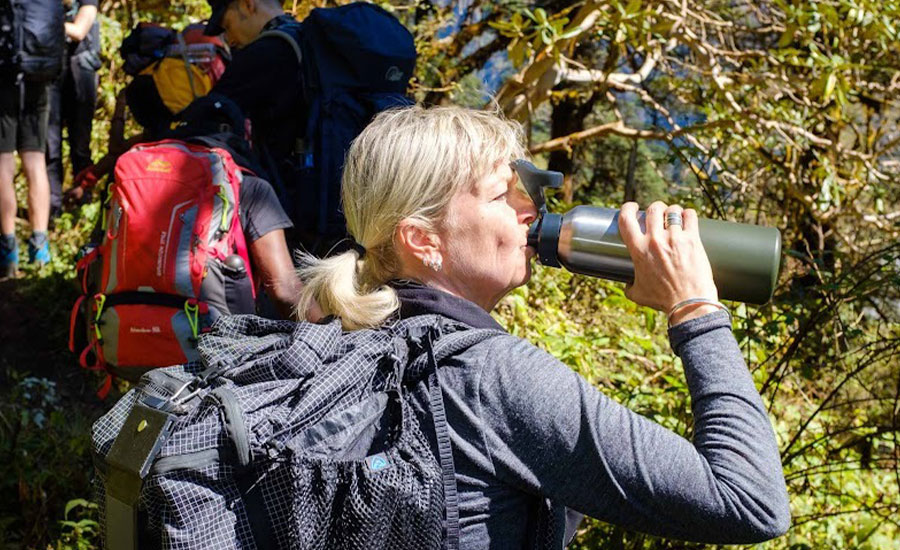
The Everest Base Camp Trek is a legendary Himalayan adventure—but its success depends on more than determination. Preparation, cultural understanding, fitness, and sustainability all play crucial roles in making your journey unforgettable. Here are 30 unique, field-tested tips from the Himalayan Dream Team to help you have the experience of a lifetime.
30 Tips to Improve Your Everest Base Camp Trekking Experience
1. Start Training at Least 2 Months in Advance
The Everest Base Camp (EBC) trek is a physically demanding adventure that requires preparation well before your flight to Kathmandu. Training should begin at least two months in advance and include cardio exercises such as hiking, running, and cycling. These help to build stamina and simulate the long walking days on uneven terrain. Strength training for legs, core, and shoulders is also essential, as it allows you to carry a daypack comfortably while trekking through the Khumbu region.
Equally important is training your body for endurance. Aim for long walks on hilly terrain with a loaded backpack to simulate the EBC trekking experience. Focus on consistency rather than intensity. Trekking in Nepal, especially to high-altitude destinations like Everest Base Camp, demands mental as well as physical preparation. Early training also reduces your risk of injury and boosts your confidence before tackling high-altitude challenges.
2. Choose the Right Trekking Season
Timing plays a crucial role in the success of your Everest Base Camp trek. The best trekking seasons in Nepal are pre-monsoon (spring: March to May) and post-monsoon (autumn: September to November). During these months, you'll enjoy clear skies, moderate temperatures, and panoramic mountain views, especially of Mt. Everest, Lhotse, and Ama Dablam.
Avoid the monsoon season (June to August), which brings heavy rain, leeches, and landslides. Winter (December to February) can be extremely cold and snowy, especially at higher elevations like Lobuche and Gorakshep. Choosing the optimal season ensures better trail conditions, safer Lukla flights, and more enjoyable tea house stays. Plan ahead and align your fitness and packing with your chosen time of year.
3. Add Buffer Days to Your Itinerary
One of the most overlooked Everest Base Camp trek tips is the importance of adding buffer days to your itinerary. Weather in the Himalayas is notoriously unpredictable, especially for flights to and from Lukla. Even in peak season, delays or cancellations are common due to cloud cover or wind.
Including at least two buffer days helps you manage any schedule changes without missing international flights. It also allows flexibility in case you experience altitude-related symptoms and need to rest an extra day. Building contingency days into your trekking plan adds peace of mind and ensures a safer, more relaxed adventure in the Everest region.
4. Acclimatize with Intent
Acclimatization is a key component of any successful EBC trek itinerary. High altitude affects everyone differently, and ascending too quickly without proper acclimatization can lead to Acute Mountain Sickness (AMS). Following the "climb high, sleep low" principle is essential to help your body adjust to thinner air.
Spend two nights in Namche Bazaar and another in Dingboche for optimal altitude acclimatization. Use these days for short hikes to higher elevations such as Everest View Hotel or Nagarjun Hill, then return to your tea house to sleep lower. These hikes improve oxygen efficiency and reduce your chances of altitude sickness.
5. Hire Experienced Local Guides & Porters
Hiring a licensed local guide and porter significantly enhances your Everest Base Camp trekking experience. Local guides are well-versed in the route, altitude issues, and emergency protocols. They also provide cultural insights, manage logistics, and ensure your safety in unpredictable mountain conditions.
Porters help carry your main luggage, allowing you to trek with just a light daypack. This reduces physical strain and helps conserve energy, especially on steep ascents like the Namche hill or the final push to Base Camp. Hiring from a trusted trekking agency like Himalayan Dream Team also supports the local economy and ensures fair wages and ethical treatment of staff.
6. Understand the Altitude Profile
Knowing the altitude profile of the Everest Base Camp trail helps set realistic expectations and prevents overexertion. The trek starts in Lukla at 2,860m and reaches EBC at 5,364m, with a significant gain in elevation over a short distance. Major acclimatization stops include Namche Bazaar (3,440m), Dingboche (4,410m), and Lobuche (4,940m).
Each day’s elevation gain should ideally not exceed 500m. Understanding this profile also helps you recognize the importance of slow ascent, rest days, and hydration. High-altitude trekking is less about speed and more about rhythm, breath control, and patience. Studying the altitude gain ahead of time can greatly reduce your risk of AMS.
7. Use Trekking Poles
Trekking poles are invaluable tools for both beginners and experienced trekkers on the EBC trail. They reduce impact on your knees, especially during descents from Tengboche or Namche Bazaar. Poles improve balance on rocky terrain and suspension bridges and help you maintain a steady rhythm while climbing uphill.
Choose adjustable, lightweight poles with ergonomic grips and wrist straps. Practice using them during your pre-trek training. By distributing body weight across four points of contact, trekking poles conserve energy and provide extra stability, particularly when navigating icy patches or crossing streams in the Himalayas.
8. Invest in Comfortable, Broken-In Footwear
Footwear can make or break your EBC trekking experience. Invest in waterproof, ankle-support hiking boots with good tread and insulation. Do not bring brand-new boots—wear them extensively during training hikes to break them in and avoid blisters.
Look for brands designed for high-altitude treks in Nepal. Pair your boots with quality moisture-wicking socks and consider using liner socks for added comfort. Foot injuries are common causes of trek abandonment, so caring for your feet with proper footwear is one of the smartest decisions you can make before starting the Everest Base Camp adventure.
9. Master the Art of Layering
Proper clothing layers are essential when trekking in the Everest region due to fluctuating weather and temperatures. Start with a moisture-wicking base layer to keep sweat off your skin, add an insulating mid-layer like fleece or down, and top it off with a waterproof and windproof shell jacket.
Layering ensures flexibility—you can adjust your clothing based on the weather without overheating or freezing. Avoid cotton, which retains moisture, and instead choose quick-drying fabrics. Pack gloves, beanies, and gaiters as well, especially for cold mornings and evenings at high altitudes.
10. Carry a Quality Sleeping Bag
Tea houses offer blankets, but temperatures can drop drastically at night in places like Lobuche and Gorakshep. Bring a four-season sleeping bag rated to at least -10°C to ensure a warm night’s sleep.
If you don't want to buy one, you can rent high-quality sleeping bags in Kathmandu through agencies like Himalayan Dream Team. A good night’s sleep is crucial for recovery and performance on the trail, so don’t compromise on this vital gear.
11. Keep Electronics Powered with Solar Chargers
Power is limited and expensive in high-altitude villages beyond Namche Bazaar. Charging your phone, camera, or GPS device may cost extra, and outlets aren’t always available when you need them. This makes solar-powered chargers and high-capacity power banks extremely useful.
Carry lightweight solar panels that can be strapped to your backpack during the day to charge while you trek. Devices like headlamps, cameras, and smartphones can quickly lose battery in cold weather. By using renewable power, you reduce dependency on local electricity and avoid missing those perfect photo moments of the Himalayas.
12. Stay Hydrated and Avoid Altitude Sickness
One of the most effective ways to prevent Acute Mountain Sickness (AMS) is by drinking plenty of water. High-altitude trekking causes faster dehydration due to low humidity and physical exertion. Aim to drink at least 3 to 4 liters of clean water each day during the trek.
Carry reusable bottles or a hydration bladder and refill them at tea houses or water stations. Always use water purification tablets or portable filters to ensure safety. Avoid alcohol and minimize caffeine, as both contribute to dehydration and can worsen altitude sickness symptoms.
13. Bring a Personal First Aid Kit
Even when trekking with a group or guide, having a personal first aid kit is crucial. Include common medications such as paracetamol, ibuprofen, antihistamines, and anti-diarrhea pills. Band-aids, antiseptic creams, blister plasters, and a thermometer are essentials.
If you take prescription medication, bring enough for the full trip, plus a few extra days in case of delays. Include high-altitude sickness medicine like Diamox (after consulting your doctor). Himalayan Dream Team also equips their guides with group first aid kits, but your personal kit ensures immediate access to essentials.
14. Pack Hygiene and Sanitation Supplies
Maintaining hygiene on the Everest trail is not only important for comfort but also for health. Bring biodegradable soap, hand sanitizer, wet wipes, a fast-drying towel, and toilet paper. As most teahouses have basic toilets, these supplies come in handy.
Women should pack menstrual hygiene products in a sealed bag and plan disposal carefully to respect the local environment. Avoid relying on buying items en route as availability becomes scarce and prices increase with altitude. Keeping clean helps prevent gastrointestinal illnesses and skin infections during the trek.
15. Lighten Your Daypack with Essentials Only
Your porter will carry the bulk of your gear, but your daypack should contain everything you need for the day. A 25–30 liter daypack is sufficient if packed wisely with items like water, snacks, sunglasses, sunscreen, gloves, a hat, a light jacket, and personal identification.
The goal is to keep your pack light to conserve energy, especially during steep climbs. Use pouches or waterproof organizers to stay neat and efficient. Remember that carrying too much, even if it's well-packed, can cause shoulder strain or fatigue, making your trek less enjoyable.
15. Lighten Your Daypack with Essentials Only
Your porter will carry the bulk of your gear, but your daypack should contain everything you need for the day. A 25–30 liter daypack is sufficient if packed wisely with items like water, snacks, sunglasses, sunscreen, gloves, a hat, a light jacket, and personal identification.
The goal is to keep your pack light to conserve energy, especially during steep climbs. Use pouches or waterproof organizers to stay neat and efficient. Remember that carrying too much, even if it's well-packed, can cause shoulder strain or fatigue, making your trek less enjoyable.
16. Use Water Purification Tablets or Filters
Drinking water is essential, but bottled water along the trail is expensive and environmentally harmful. Instead, bring water purification tablets or a portable filtration system to purify tap or stream water throughout the EBC trek.
Not only does this reduce plastic waste in the fragile mountain ecosystem, but it also helps you stay hydrated affordably. Agencies like Himalayan Dream Team often provide purified water, but having your own filter ensures you’re never caught without clean drinking water during high-altitude walks.
17. Practice Sustainable Trekking
Preserving the natural beauty of the Everest region is everyone’s responsibility. Stick to the “Leave No Trace” principle—carry your waste until you can dispose of it properly and avoid using single-use plastics.
Choose biodegradable products, avoid soaps and shampoos in open water sources, and support eco-conscious lodges and shops. Sustainable trekking not only protects the Himalayan environment but also ensures future generations can enjoy the same experience.
18. Eat Balanced, Energy-Rich Meals
Nutrition becomes even more critical at high altitudes where your body needs extra fuel to function. Eat carbohydrate-rich meals such as rice, noodles, potatoes, and porridge to maintain energy levels throughout the trek.
Traditional Nepali “Dal Bhat” is highly recommended—it’s nutritious, widely available, and includes unlimited refills. Avoid meat above Namche Bazaar due to freshness concerns, and limit junk food or overly processed snacks that may upset your digestion.
19. Respect Local Culture and Traditions
The Everest region is home to the Sherpa community, whose traditions are deeply rooted in Tibetan Buddhism. Show respect by learning basic Nepali or Sherpa greetings, dressing modestly, and always asking before taking photographs of people or religious sites.
Remove shoes before entering monasteries, spin prayer wheels clockwise, and walk around stupas in the same direction. Trekking respectfully strengthens your cultural connection and leaves a positive impression among local communities.
20. Pace Yourself—Go Slow and Steady
High-altitude trekking is not about speed. Rushing can cause exhaustion and increases the risk of altitude sickness. Focus on walking slowly, taking deep breaths, and keeping a steady rhythm, especially on steep climbs like the one from Phakding to Namche.
Don’t compete with others—listen to your body and rest whenever needed. Slow and mindful trekking helps your body adjust to elevation and allows you to fully appreciate the breathtaking scenery of the Everest region.
21. Choose Accommodations Wisely
Tea houses on the Everest Base Camp trek vary in quality. In popular areas like Namche, Dingboche, or Lukla, you can find comfortable rooms with attached bathrooms, but as you go higher, facilities become basic. Booking in advance through a trekking agency ensures better choices, especially during peak seasons.
Look for clean lodges with good food, warm dining halls, and enough blankets. A good night's rest is crucial at high altitude, so prioritize comfort and hygiene over luxury. Himalayan Dream Team selects trusted teahouses that provide safe, cozy, and reliable services for trekkers.
22. Be Prepared for Flight Delays at Lukla
The Tenzing-Hillary Airport in Lukla is known for frequent delays and cancellations due to weather. Even during trekking seasons, heavy fog or strong winds can ground flights for hours or days. This is why building buffer days into your itinerary is non-negotiable.
It’s also wise to mentally prepare for this unpredictability. Bring books, snacks, or download offline entertainment. If your timeline is tight, consider booking a helicopter as a backup option. Himalayan Dream Team can assist in arranging last-minute flights or helicopter evacuations if needed.
23. Carry Extra Cash in Nepali Rupees
There are no ATMs beyond Namche Bazaar, and card payments are rarely accepted on the trail. Carry enough cash in Nepali rupees to cover personal expenses like snacks, hot showers, battery charging, Wi-Fi, and tips.
Break your notes into smaller denominations for easier transactions. Tea houses may not have change for larger notes, especially in remote villages. Having cash handy also saves you from any hassle if mobile wallets or other electronic methods are unavailable.
24. Dress Modestly and Appropriately
Dressing modestly is important not just for weather protection but also out of respect for local culture. Avoid wearing short shorts, low-cut tops, or revealing clothing. Instead, opt for long trekking pants, full-sleeve base layers, and weather-appropriate gear.
In religious places like monasteries and stupas, respectful clothing is expected. Wearing hats inside temples is discouraged. Dressing appropriately also makes you look more respectful and well-prepared, which locals and guides greatly appreciate.
25. Monitor Your Body and Report Symptoms Early
Altitude sickness can escalate quickly if ignored. Early symptoms include headache, nausea, dizziness, loss of appetite, and trouble sleeping. Never ignore these signs—even mild discomfort should be shared with your guide immediately.
Your guide will check your pulse and oxygen levels daily if you trek with Himalayan Dream Team. Reporting symptoms early allows for quick decisions like resting, adjusting pace, or descending to a lower altitude. Never push through severe symptoms just to complete the trek—your health comes first.
26. Prepare for Basic Bathroom Facilities
Above Namche Bazaar, most tea houses have basic squat toilets or shared bathrooms. Carry your own toilet paper, hand sanitizer, and wet wipes. A small toiletry bag with essentials can make these situations much more manageable.
Being mentally prepared for basic sanitation helps you adapt easily and remain hygienic. Bring biodegradable soap and sealable plastic bags for waste where disposal bins are unavailable. Comfort and cleanliness may not always go hand-in-hand at high altitudes, so preparation is key.
27. Take Breaks to Enjoy the Journey
The Everest Base Camp trek is not just about reaching a destination—it’s a journey through majestic landscapes and cultural villages. Don’t get too caught up in your itinerary; take moments to absorb the views, speak with locals, and enjoy nature.
Whether you’re photographing a yak caravan, sipping ginger tea at a teahouse, or watching clouds swirl around Ama Dablam, these pauses make the experience richer. Slow travel enhances your emotional connection to the region and helps you recharge physically and mentally.
28. Journal or Document Your Trek
Capturing memories through journaling or photography helps preserve the once-in-a-lifetime experience of trekking to Everest Base Camp. Bring a compact notebook or use a trekking journal app to note highlights, challenges, or personal reflections.
Photos and videos are great, but writing down how you felt at each stop—your triumphs and obstacles—can make your adventure more meaningful. Many trekkers say journaling helps them relive the Himalayas long after they’ve returned home.
29. Tip Your Guide and Porter Respectfully
Tipping is customary and appreciated in the Nepali trekking industry. It’s a way to recognize the hard work, dedication, and care shown by your trekking staff. Budget around 10–15% of your trek cost for tips.
Divide it fairly between your guide and porters. Give the tip in person with a word of thanks. The Himalayan Dream Team ensures ethical treatment of staff, and tipping is a way you can personally express gratitude for a safe and memorable trek.
30. Celebrate Your Achievement—You’ve Earned It!
Reaching Everest Base Camp at 5,364 meters is a massive accomplishment. Take time to celebrate with your group, snap that iconic photo with the EBC sign, and reflect on the journey that brought you here.
Whether you do a happy dance at Base Camp or quietly soak in the view of Khumbu Icefall, honoring this milestone helps you internalize the experience. Completing this trek is not just a physical achievement, but a mental and emotional triumph as well.
Ready for Your Everest Adventure?

We at Himalayan Dream Team are here to guide you every step of the way. From personalized trekking plans to experienced Sherpa guides and quality accommodation, we ensure that your journey to Everest Base Camp is safe, immersive, and unforgettable. Let’s make your Himalayan dream come true.
Everest Base Camp Trek Itinerary
| Day | Details |
|---|---|
| Day 01 | Arrival in Kathmandu |
| Day 02 | Sightseeing in Kathmandu and trekking preparation |
| Day 03 | Fly from Kathmandu to Lukla or drive to Ramechhap to fly to Lukla & trek to Phakding |
| Day 04 | Phakding to Namche Bazaar |
| Day 05 | Acclimatization day in Namche Bazaar |
| Day 06 | Trek to Tengboche and visit Tengboche Monastery |
| Day 07 | Tengboche to Dingboche |
| Day 08 | Acclimatization in Dingboche |
| Day 09 | Dingboche to Lobuche |
| Day 10 | Lobuche to Gorak Shep and visit Everest Base Camp |
| Day 11 | Gorak Shep to Kala Patthar and trek down to Pheriche |
| Day 12 | Pheriche to Namche Bazaar |
| Day 13 | Namche Bazaar to Lukla |
| Day 14 | Fly from Lukla to Kathmandu |
| Day 15 | Free day in Kathmandu |
| Day 16 | Transfer to international airport in Kathmandu |
For a more detailed day-to-day itinerary and full trip information, please follow this link: Everest Base Camp Trek.