

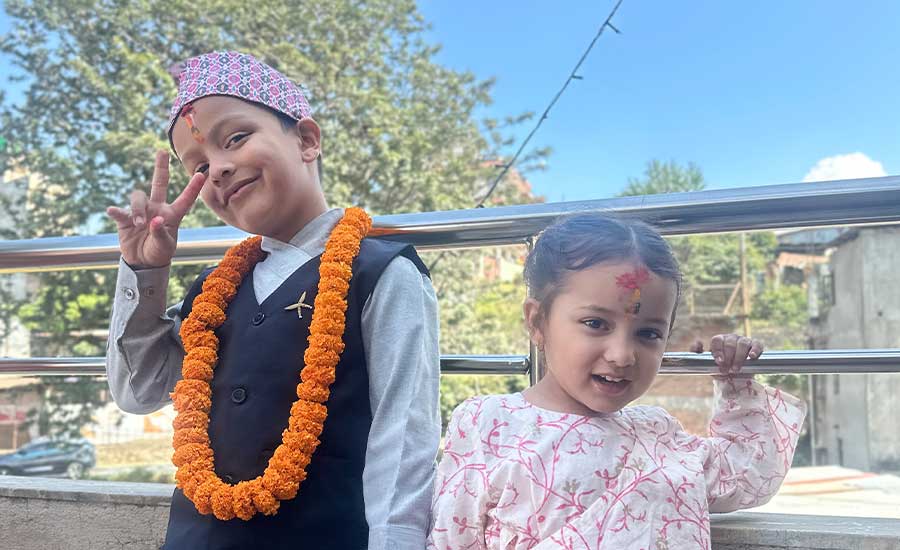
Tihar Festival 2026 in Nepal – A Sacred Celebration of Lights, Flowers, and Bonds
The Tihar Festival in Nepal, also known as the Festival of Lights and Flowers, is one of the most vibrant and spiritually significant Nepali festivals. Celebrated shortly after Dashain, Tihar marks five days of joy, rituals, and colorful decorations that illuminate homes, temples, and streets across the country. Rich in symbolism and unique customs, Tihar in Nepal beautifully blends religious devotion with the deep cultural value of respecting animals, nature, and family bonds.
What Makes the Festival of Tihar Special?
The festival of Tihar is not just about lights and celebration—each of its five days holds a sacred meaning, honoring different animals and deities. Starting from Kaag Tihar (Crow Day) to Kukur Tihar (Dog Day) and Gai Tihar (Cow Day), every ritual highlights the harmonious relationship between humans and nature. The fourth day celebrates Govardhan Puja, and the grand finale, Bhai Tika, is a touching tradition where sisters bless their brothers with protective tikas, garlands, and prayers for long life and prosperity.
In Nepal, Tihar 2026 will be celebrated with even greater enthusiasm and charm, showcasing the nation’s spiritual depth and artistic flair. From intricate Rangoli (colorful patterns) at entrances to flickering oil lamps (diyos) and strings of marigold flowers, Tihar decorations turn every home into a sanctuary of light and warmth. It's no surprise that Tihar is often referred to as Diwali in Nepal.
Tihar Celebration Highlights: Food, Culture & Spirituality
The Tihar celebration is not complete without delicious Tihar festival foods like sel roti, yomari, and traditional sweets that bring families together. Music and dance, especially Deusi-Bhailo, fill the evenings with energy as groups of children and youths visit homes, singing blessings in exchange for treats and money. It's a time of giving, gratitude, and joyful connection.
For those looking to explore Nepali culture more deeply, joining a Tihar Festival Tour in Nepal is an unforgettable experience. With Himalayan Dream Team Treks and Tours, you can witness the authentic Tihar rituals, participate in family ceremonies, and even trek through villages beautifully lit and decorated during the festival season.
Why Celebrate Tihar in Nepal 2026?
Celebrating Tihar in Nepal 2026 offers a rare chance to see Nepal in its most festive and spiritually alive state. As communities come together to honor gods, animals, and loved ones, travelers get a front-row seat to one of the most meaningful festivals in Nepal. Whether you're walking through flower markets in Kathmandu or watching the Bhai Tika 2026 ceremony in a mountain village, you'll feel the soul of Nepal in every moment.
Make your Tihar Festival Trek in Nepal 2026 truly magical with Himalayan Dream Team—immerse yourself in the beauty, devotion, and togetherness that define this spectacular celebration. Tihar Festival With Mardi Himal Trek.
Key Elements of Tihar Festival in Nepal
The Tihar Festival in Nepal, also known as the Festival of Lights and Flowers, is full of symbolic traditions, colors, and joyful community activities. From sacred flower garlands to vibrant forehead tikas, every element of Tihar celebration holds deep spiritual meaning. Let’s explore the most iconic aspects that make Tihar in Nepal so special.
1. Flowers in Tihar: Sayapatri and Makhamali
Flowers play a central role in the Nepali Tihar Festival, especially during rituals and offerings. Two flowers are considered especially sacred:
Marigold (Sayapatri): Known as the “flower of the sun,” marigolds symbolize purity, positivity, and the triumph of light over darkness. Homes and temples are adorned with garlands made of vibrant orange and yellow marigolds.
Globe Amaranth (Makhamali): This purple flower symbolizes immortality and everlasting relationships, making it particularly important during Bhai Tika, when sisters offer it to their brothers as a blessing for long life and strong bonds.
These flowers are not just decorative—they carry emotional and spiritual significance throughout the Tihar celebration in Nepal.
2. Saptarangi Tika: The Seven-Colored Blessing
One of the most visually striking traditions of Tihar in Nepal is the application of the Saptarangi Tika—a seven-colored tika applied to the forehead on Bhai Tika, the final day of the festival. Each color in this festival of Tihar represents a unique virtue and energy:
Red – Power, love, and respect
Yellow – Peace, learning, and prosperity
Green – Nature, harmony, and balance
Blue – Infinity, the sky, and protection
White – Purity, truth, and clarity
Purple – Creativity, spirituality, and wisdom
Pink – Love, affection, and kindness
Together, these colors form a symbolic rainbow of protection and blessings, creating a tika that represents unity, harmony, and heartfelt connection between siblings.
3. Deusi and Bhailo: The Rhythmic Heart of Tihar
No Tihar celebration in Nepal is complete without Deusi-Bhailo, traditional songs and dances performed during Lakshmi Puja.
Deusi is usually sung by boys, while Bhailo is performed by girls, though modern groups often blend both.
Performers visit homes singing, dancing, and offering blessings in exchange for treats or money, which symbolizes sharing joy and prosperity.
Traditional Nepali instruments like the madal (drum) and harmonium add a lively rhythm that brings communities together in celebration.
Deusi-Bhailo is more than just entertainment—it’s a vibrant expression of gratitude, unity, and cultural pride in the festival Tihar.
How to Celebrate Tihar in Nepal as a Tourist
Visiting Nepal during Tihar 2026 offers a once-in-a-lifetime opportunity to witness this stunning Nepali festival firsthand. Here’s how travelers can experience it:
Join Deusi-Bhailo groups to feel the rhythm of local music and dance
Admire the dazzling lights and colorful rangoli art in homes and streets
Learn to make flower garlands and apply the symbolic Saptarangi Tika
Taste traditional Tihar festival foods like sel roti and other homemade sweets
Visit temples during the festive evenings and engage in cultural rituals
Celebrate Bhai Tika with a local family and observe the deep bond between siblings
The Nepali Tihar Festival is more than just a celebration—it’s a rich cultural experience that invites everyone, including tourists, to take part in its joy and meaning.
Whether you're exploring the heritage sites of Kathmandu or trekking through the hills, celebrating Tihar in Nepal 2025 will be a heartwarming, immersive experience. From flowers to food, from tikas to traditional tunes, every moment of Nepal Tihar is infused with gratitude, love, and light.
Day-by-Day Celebrations of Tihar
Day 1: Kaag Tihar (Worship of Crows)
It starts with Kaag Tihar, dedicated to crows; they are believed to be carriers of information among the gods. The people will take food outdoors for the crows so that the birds will not carry any bad news and there is harmony. Feeding the crows signifies the communion between man and the divine, setting a trend for the days of gratitude and worship coming afterwards.

Day 2: Kukur Tihar (Worship of Dogs)
Kukur Tihar celebrates dogs, who are considered to be the messengers of Lord Yamaraj, the God of Death. On this day, dogs wear garlands and tikas, receiving delicious meals as a sign of respect and gratitude for the fact that they provide loyalty and companionship. The day depicts how dogs are important in Nepalese culture and play a protecting and friend role within it.

Day 3: Gai Tihar and Laxmi Puja (Worship of Cows and Goddess Laxmi)
Day three is now called Gai Tihar and Laxmi Puja. The cows, since they are held sacred-being the mothers of sustenance-are indeed very important in daily survival. They would be garlanded and fed special treats. Later in the evening, the houses are lit up with oil lamps and candles to invite Laxmi, the Goddess of Wealth, into their homes for prosperity throughout the coming year. Traditionally, women sing Bhailo songs while on house visits to bless and receive dakshina.

Day 4: Gobardhan Puja and Deusi Bhailo
The fourth day, Gobardhan Puja, is a time when the cow dung represents the oxen and the Govardhan Mountain and is worshipped. This is the day that underlines the agricultural roots of Nepal; therefore, it has to do something with oxen in one of its prime necessities related to the field plowing. The evening festivities also continue with Deusi Bhailo, a group of boys and girls who go around, singing traditional songs for visiting homes seeking blessings and funds for any social cause.

Day 5: Bhai Tika (Brothers' Day)
It concludes with Bhai Tika, where sisters put a special tika to their brothers' foreheads, praying for their long lives and protection. As a matter of fact, it's related to the ritualistic legend of Yamaraj that delineates attachment between sisters and brothers, telling about the importance of family ties. The delicious meal and gifts from the sisters are given to the brothers in return for protecting and supporting them throughout their lives.

Trekking to Mardi Himal: A Tranquil Adventure
In addition to experiencing Tihar, embark on a serene trek to Mardi Himal, nestled in Nepal’s Annapurna region. This Tihar Festival With Mardi Himal Trek offers a peaceful escape from the crowds, with tranquil walks through lush rhododendron forests, traditional Nepali villages, and panoramic mountain vistas. Witness the majestic views of Mt. Machhapuchhre, Himchuli, and Annapurna South, enhancing your connection with nature and the local ethnic culture of the Gurung people.

Trip Highlights:
- Experience the vibrant Tihar Festival, witnessing Nepal’s rich cultural and spiritual traditions.
- Explore Kathmandu’s iconic UNESCO World Heritage Sites, including Swayambhunath Stupa, Pashupatinath Temple, and Boudhanath Stupa.
- Enjoy the serene beauty of Fewa Lake and the enchanting city of Pokhara, with its stunning mountain views.
- Trek the less-traveled path to Mardi Himal Base Camp, experiencing peaceful walks and breathtaking mountain vistas.
- Discover the local ethnic culture of the Gurung people, gaining insights into their traditional way of life.
- Stay in local teahouses, savor traditional Nepali cuisine, and engage with the local communities.
Importance of the Tihar Festival in Nepal
Tihar is the Festival of Lights and one of the most important festivals in Nepal, signifying the triumph of good over evil. During this colorful festival, humans are drawn closer to animals, thereby appreciating the value of creatures such as crows, dogs, cows, and oxen in everyday life. Feasting, cleaning houses, wearing new clothes, and tasting different delicious foods are in vogue. Due to Tihar, schools, colleges, and offices declare a public holiday so that everyone can enjoy the festival.
At night, every house and shop is painted with colored lights; fireworks fill the sky. Friends and relatives gather together and exchange gifts and good wishes, enhancing social relationships. Nepalis wear new clothes and welcome their lives with a ray of hope and happiness.
It has a significant role in fostering community spirit and acting as a relief from daily monotonous routines. It also ensures that the cultural traditions are upheld. The special meals prepared, flying kites, decorating houses and streets, and enjoying card games immensely, as this is considered part of the holiday. In this way, Tihar contributes to keeping alive the rich cultural heritage of Nepal; classic songs and dances are also remembered.
Dhanteras: A Day of Prosperity
Dhanteras, or Dhan Trayodashi, coincides with Kaag Tihar, the first day of the festival. On this day, Hindus celebrate Dhanvantari, the goddess of healing and wealth. It is customary to purchase gold, silver, copper, and household items, as these are considered auspicious.
Are Diwali and Tihar the Same?
Names such as "Deepawali," "Yamapanchak," and "Swanti" have been used to identify Tihar in Nepal. Though similar, Tihar bears a few major differences from the Indian Diwali. Similarities such as light, rangoli, and sweets are used in the triumph of good over evil in both events. Tihar however focuses on giving thanks to the animals for services provided during one's life, whereas Diwali focuses a bit more on deities.
It is a five-day festival starting with Kaag Tihar on Trayodashi tithi of Kartika Krishna Paksha and ending with Bhai Tika on Dwitiya tithi of Kartika Sukla Paksha. Hence, it falls between the month of October and November every year.
Differences Between Diwali and Tihar
- Day 1: Kaag Tihar in Nepal honors crows, regarded as messengers of Lord Yama. In India, Dhanteras marks the start of Diwali, a day for cleaning homes and buying auspicious items.
- Day 2: Kukur Tihar celebrates dogs for their loyalty. Dogs are adorned with garlands and tikas, receiving special meals. In India, Choti Diwali involves decorating homes and preparing for the main festival.
- Day 3: Gai Tihar honors cows, followed by the evening Laxmi Puja. Homes are decorated with lights and garlands. In India, Diwali is celebrated with family gatherings, gift-giving, and worshiping Goddess Laxmi.
- Day 4: Goru Tihar celebrates oxen and varies by ethnic group. In India, Padwa is observed, with people opening new business accounts for prosperity.
- Day 5: Bhai Tika in Nepal honors sibling relationships through rituals and gifts. In India, Bhai Duj celebrates the bond between brothers and sisters.
While both festivals aim to bring good fortune and family prosperity, Tihar emphasizes animals' role in supporting human life, whereas Diwali focuses more on divine blessings.
The Reason Behind Tihar's Celebration
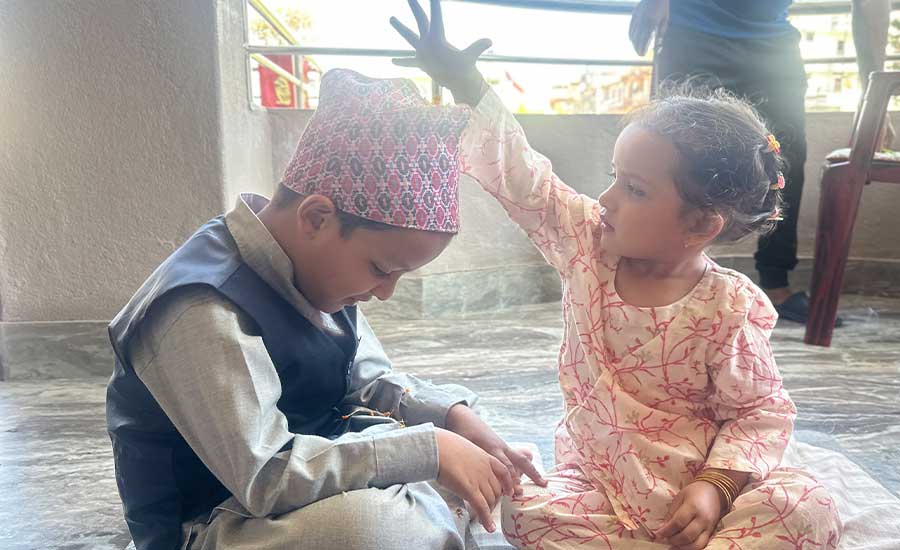
Different communities in Nepal celebrate Tihar in diverse ways. The Newars call it Swanti, and the Madhesis refer to it as Deepawali. Tihar is Nepal's second-largest festival after Dashain, celebrated with vibrant lights, colorful rangoli, and joyful gatherings. But why do we celebrate Tihar?
The Story of Yama and Yamuna
One popular legend behind Tihar is the tale of Lord Yama, the God of Death, and his sister Yamuna. Yama, who judges souls after death, was too busy with his duties to visit his sister. Despite Yamuna sending messages through a crow, dog, and cow, Yama did not come. Finally, Yamuna visited him herself, leading to the celebration of Bhai Tika on the fifth day. This ritual symbolizes the bond between siblings, with sisters wishing their brothers well.
Govardhan Puja
Another story associated with Tihar is the Govardhan Puja, which commemorates Lord Krishna lifting the Govardhan Mountain to protect villagers from a flood. In gratitude, the villagers worshiped the mountain with offerings of food.
Main Attractions of the Tihar Festival
Tihar is unique in its celebration of animals and gods, creating a harmonious blend of spirituality and tradition. During the festival, Nepalis create intricate rangoli designs on the floors of their homes, welcoming gods and goddesses like Lakshmi. Firecrackers, though recently restricted for safety, add to the festive atmosphere. Children sing and play games like kauda, engaging in fun-filled activities.
Exploring Tihar in Nepal
Tihar is a wonderful time for tourists to visit Nepal, offering a chance to experience the culture and festivities firsthand. Visitors are often welcomed into Nepali homes for meals and celebrations. On Bhai Tika, the Rani Pokhari Temple in Kathmandu opens to the public, offering a unique glimpse into local traditions.
Kathmandu Street Visit
Explore the streets of Kathmandu, adorned with lights and decorations, and immerse yourself in the vibrant energy of the festival. Experience the joy of participating in rituals, giving thanks to animals, and celebrating the unity of community and family.
Visit Markets
During Tihar, markets are abuzz with activity, offering a visual feast of lamps, garlands, and colorful displays. Shoppers buy gifts and festive supplies, adding to the lively atmosphere. Visiting local markets during Tihar provides a deeper insight into the cultural significance of the festival and its impact on daily life.
Celebrate Tihar & Trek Mardi Himal: A Unique Nepal Experience
Join Himalayan Dream Team Treks and Tours Pvt. Ltd. for an unforgettable journey that combines the cultural richness of the Tihar Festival with the tranquility of the Mardi Himal Trek. This unique experience offers the perfect blend of cultural immersion and natural beauty, ensuring a memorable adventure in the heart of Nepal.
Itinerary Details:
Day 1: Arrival in Kathmandu and Tihar Celebration
- Arrive at Tribhuvan International Airport and transfer to your hotel.
- Enjoy a traditional Nepali welcome dinner and participate in Laxmi Puja celebrations.
Day 2: Sightseeing in Kathmandu Valley - UNESCO Heritage Sites
- Visit Swayambhunath Stupa, Pashupatinath Temple, and Kathmandu Durbar Square.
- Experience Gobardhan Puja and Deusi Bhailo celebrations in the evening.
Day 3: Tihar Festival Celebration with Family
- Participate in Bhai Tika rituals with a local family, experiencing the warmth and joy of this special day.
Day 4: Drive from Kathmandu to Pokhara
- Enjoy a scenic drive to Pokhara, a city known for its natural beauty and peaceful ambiance.
Day 5: Trekking Adventure Begins
- Drive to Kande and trek to Australian Base Camp, enjoying stunning views along the way.
Days 6-9: Trek to Mardi Himal Base Camp and Return
- Trek through lush forests and traditional villages to Mardi Himal Base Camp.
- Soak in the breathtaking mountain vistas and experience the tranquility of the Annapurna region.
Day 10: Trek to Syauli Bazaar and Return to Pokhara
- Trek to Syauli Bazaar and drive back to Pokhara for a relaxing evening.
Day 11: Free Day in Pokhara
- Explore the charming city of Pokhara at your leisure, enjoying its serene lakes and vibrant culture.
Day 12: Return to Kathmandu
- Drive back to Kathmandu, with free time to explore the city or relax.
Day 13: Final Departure
- Transfer to Tribhuvan International Airport for your departure.
For personalized travel plans or itinerary adjustments, please contact us. We are happy to accommodate your preferences and specifications.
Tihar Festival Dates In Nepal 2026

| Day | Celebration | Date (Nepal) – 2026 |
|---|---|---|
| Day 1 | Kaag Tihar (Crow Day) | Friday, 6 November 2026 |
| Day 2 | Kukur Tihar (Dog Day) | Saturday, 7 November 2026 |
| Day 3 | Gai Tihar & Laxmi Puja (Cow & Goddess Lakshmi) | Sunday, 8 November 2026 |
| Day 4 | Goru Tihar / Mha Puja (Newar) | Monday, 9 November 2026 |
| Day 5 | Bhai Tika | Wednesday, 11 November 2026 |
Nepal Sambat: A Historical New Year
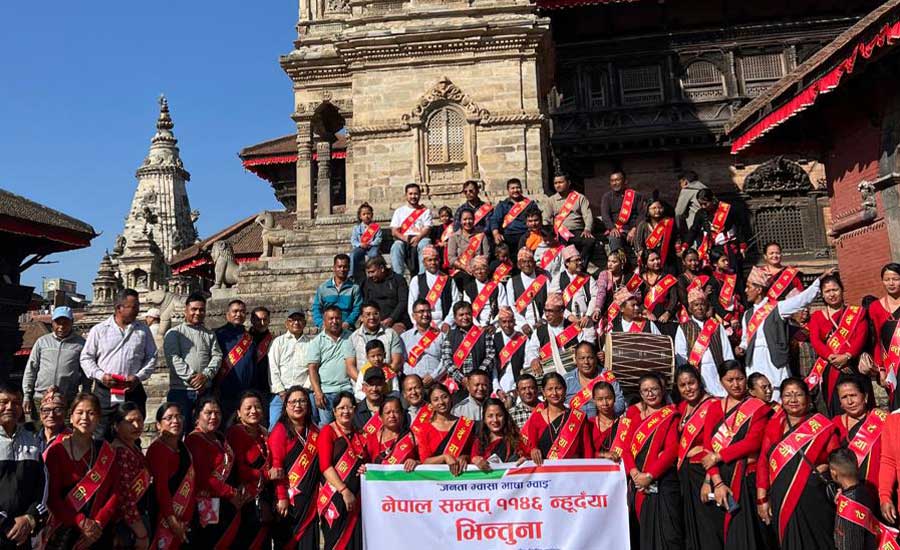
Nepal Sambat is one of the most treasured symbols of Nepal’s cultural identity and pride. Established in 879 AD by Shankhadhar Sakhwa — a visionary philanthropist from Kathmandu — it represents generosity, unity, and social renewal. According to legend, Shankhadhar Sakhwa used his fortune to free the people of the Kathmandu Valley from debt, giving birth to this unique lunar calendar system known as the Nepal Sambat.
Today, this historical calendar continues to mark not only the passage of time but also Nepal’s spirit of compassion and community. You can explore the full story in our detailed blog: Nepal Sambat – A Historical New Year.
For more information read our blog: Nepal Sambat
The Connection Between Nepal Sambat and the Tihar Festival
Nepal Sambat and Tihar are beautifully connected. The Nepal Sambat New Year begins on the fourth day of Tihar, celebrated as Mha Puja, a ritual that honors the self. While Tihar is known as the Festival of Lights—celebrating prosperity, animals, and family bonds—Nepal Sambat adds a deeper sense of reflection and spiritual renewal.
Together, these celebrations blend joy with mindfulness. The glowing oil lamps, songs of Deusi-Bhailo, and colorful decorations represent not just festivity, but also rebirth and gratitude. This shared timing between the two festivals highlights Nepal’s harmony between tradition, nature, and inner peace.
Mha Puja: Worship of the Self
Mha Puja, observed by the Newar community, translates to “worship of the self.” It’s one of the most meaningful parts of Tihar and the Nepal Sambat New Year. During the ceremony, each family member sits before a beautifully drawn mandala made of colored powders, flowers, and oil lamps. Prayers are offered for purity, strength, and prosperity in the year ahead.
This ritual reminds everyone to respect their own body and soul — a symbol of self-awareness, gratitude, and renewal. Mha Puja celebrates both individuality and unity, showing how spiritual health and cultural pride are deeply linked in Nepali tradition.
Legends and Myths of Tihar
The Tihar Festival is woven with timeless legends that give it spiritual depth. One of the most loved stories tells of Yama, the god of death, and his sister Yamuna. Out of love, Yamuna invited Yama home, applied tika on his forehead, and prayed for his long life. Touched by her devotion, Yama granted that any brother receiving tika from his sister on Bhai Tika would be blessed with longevity and protection.
Another tale tells of Goddess Laxmi, who visits homes during Laxmi Puja to bless families with fortune and happiness. Likewise, Govardhan Puja commemorates Lord Krishna lifting the Govardhan Hill to protect villagers from a storm — a symbol of faith and divine shelter.
These myths capture the true essence of Tihar: love, light, and gratitude. Together with Nepal Sambat, they make this period one of the most meaningful and culturally rich times of the year in Nepal.
Best Time, Weather & Visibility During Tihar 2026
Tihar falls in early November — one of the most pleasant times to visit Nepal. The post-monsoon season brings clear blue skies, mild temperatures, and crisp evenings perfect for lighting diyos and watching the cities glow. In Kathmandu and Pokhara, daytime temperatures average 22–26°C, dropping to a cool 10–14°C at night, making light jackets ideal.
The air is clean and visibility excellent, offering perfect conditions for photography. Sunrise and sunset hours paint the sky golden, beautifully complementing the marigold garlands and flickering lamps. For travelers, Tihar 2026 offers not just cultural vibrancy but also the most photogenic landscapes of the year.
Where to Experience Tihar in Nepal
Tihar is celebrated across Nepal with local flavor in every region, from the bustling cities to peaceful villages.
Kathmandu: Visit Ason and Indra Chowk early in the morning to see vibrant flower markets bursting with sayapatri (marigolds) and makhamali (globe amaranth). In the evenings, explore Thamel and Patan Durbar Square, where lights, candles, and rangoli patterns create a magical atmosphere.
Bhaktapur: Known for its ancient charm, Bhaktapur’s Taumadhi Square and Nyatapola Temple area glow with oil lamps. The Rani Pokhari Temple, usually closed all year, opens on Bhai Tika day, drawing large crowds for blessings.
Pokhara: The shores of Phewa Lake glimmer with floating diyos and reflections of lights from lakeside restaurants and homes.
Village Experience: In rural areas, travelers can join families during Deusi-Bhailo, where children sing and dance door to door, spreading blessings and laughter — a truly authentic Tihar experience.
Tihar Decorations & Shopping Guide
Shopping for Tihar begins days before the festival, with markets overflowing with festive items. Streets are lined with marigold and makhamali garlands, symbolizing prosperity and long-lasting relationships. Families buy clay diyos (oil lamps), LED fairy lights, and colorful rangoli powders to decorate their homes.
You can find everything at Ason Bazaar in Kathmandu or Mahendrapul in Pokhara. Typical prices include:
Marigold garland: NPR 50–150 per strand
Clay diya set (10 pieces): NPR 150–300
Rangoli color pack: NPR 80–200
Sel roti (per ring): NPR 40–80
Shopping for Tihar is an experience in itself — a cheerful blend of color, scent, and community spirit.
Traditional Tihar Foods You Must Try
No festival in Nepal is complete without delicious food, and Tihar is especially famous for its homemade delicacies.
Sel Roti: A crispy, ring-shaped rice bread deep-fried in ghee, made in every home.
Anarsa: Sweet rice flour cakes with sesame seeds.
Yomari: A steamed delicacy filled with jaggery and sesame paste, popular among Newars.
Kheer and Fruits: Served during pujas and Bhai Tika rituals.
During Bhai Tika, sisters prepare an elaborate plate of sweets, dry fruits, and sel roti for their brothers, symbolizing love and prosperity.
Visitor Etiquette During Tihar
Travelers are warmly welcomed to join the celebrations, but respecting local customs ensures a meaningful experience:
Dress modestly and remove shoes before entering homes or temples.
Always ask permission before photographing rituals or people.
During Deusi-Bhailo, offer small amounts of money or sweets to the singing groups as a gesture of goodwill.
Be mindful of firecrackers, as loud noises can disturb elders and animals.
On Kukur Tihar, approach dogs gently and never force garlands or tikas on frightened ones.
These small acts of respect make your Tihar experience both joyful and culturally sensitive.
How to Celebrate Tihar Respectfully
If you’re visiting Nepal during Tihar 2026, immerse yourself in the celebration step by step:
Laxmi Puja (Day 3): Clean your doorway and make a rangoli to welcome Goddess Laxmi, the goddess of wealth. Keep diyos and lamps lit all evening to invite prosperity.
Deusi-Bhailo: Join or observe these neighborhood singing and dancing groups. Keep fruits, sweets, and small cash ready to give as blessings.
Bhai Tika (Day 5): Watch or join a local family ceremony where sisters apply the seven-colored tika (Saptarangi Tika) on their brothers’ foreheads, wishing them long life and success.
Each ritual reflects gratitude, harmony, and the deep-rooted spirituality of Nepali life.
Practical Travel Tips for Tihar 2026
Book hotels early, as both locals and tourists travel extensively during the festival.
Carry cash, as smaller shops and markets may not accept cards.
Expect heavy traffic during evenings due to processions and street celebrations.
Major tourist sites may have shorter visiting hours during Tihar week.
Electricity cuts can occur; keep a torch or power bank handy.
The airport and bus stations are busiest two days before Tihar begins—plan travel accordingly.
These small preparations will make your Tihar experience smooth and enjoyable.
Photography Tips for Tihar Nights
Tihar offers some of the most stunning visuals for photographers. Capture its essence with these tips:
Use tripod or phone night mode to capture diyos and rangoli without blur.
Golden hour (5–6 PM) and blue hour (6–7 PM) are ideal for soft lighting.
Frame reflections of lamps in water or people lighting diyos.
Always ask permission before close-up shots, especially of Bhai Tika rituals.
Focus on emotions, colors, and cultural details rather than only fireworks.
These photos will tell the real story of light, love, and Nepalese spirit.
Safety, Sustainability & Animal Welfare During Tihar
Tihar emphasizes compassion toward all beings — an ideal time to celebrate responsibly:
Avoid plastic-based decorations; choose natural flowers and clay diyas.
Dispose of used oil and flowers respectfully to keep the environment clean.
Refrain from loud firecrackers that frighten pets and wildlife.
On Kukur Tihar, feed and care for street dogs gently instead of overwhelming them.
Support local artisans and florists by purchasing handmade goods.
By celebrating mindfully, you contribute to keeping the true spirit of Tihar alive — a festival of harmony between humans, nature, and divinity.
Tihar Calendar Dates 2025 (2082 B.S.)

Best Trekking Options to Do During Tihar Festival in Nepal
Annapurna Base Camp Trek
The Annapurna Base Camp Trek is one of the most popular trekking routes during the Tihar Festival. The weather is ideal, offering clear views of the stunning Annapurna range, with crisp, pleasant temperatures. As trekkers pass through quaint villages, they can witness the local communities celebrating Dashain, making it a culturally enriching experience. The trek offers a mix of lush forests, terraced farmlands, and breathtaking mountain vistas, creating a perfect balance between adventure and cultural immersion.
 Everest Base Camp Trek
The Everest Base Camp Trek is an iconic trekking route that many choose during the Tihar Festival. The skies are usually clear during October-November, providing unbeatable views of Mount Everest and other Himalayan giants. Along the way, trekkers can experience local Sherpa communities celebrating Dashain, with unique rituals and customs. The mix of trekking through high-altitude landscapes and the festive vibe of the local culture makes this trek an unforgettable journey during Tihar Festival.
 Langtang Valley Trek
The Langtang Valley Trek is another fantastic option during Tihar, offering relatively fewer crowds compared to the more famous routes. November’s clear weather enhances the beauty of the Langtang range, and trekkers can enjoy the serene atmosphere as they pass through traditional Tamang and Sherpa villages. Since Tihar is a time of celebration, visitors can observe local festivities and enjoy cultural interactions with the people of the Langtang region, adding a special dimension to the trek.
 Ghorepani Poon Hill Trek
The Ghorepani Poon Hill Trek is a short and scenic trek, making it a perfect choice for those wanting a quick but enriching experience during Tihar. The highlight of the trek is the sunrise view from Poon Hill, which offers panoramic views of the Annapurna and Dhaulagiri ranges. Since the trek passes through several villages, trekkers can observe the Tihar festival being celebrated, with families flying kites, offering tika, and engaging in other festivities.
Mardi Himal Trek
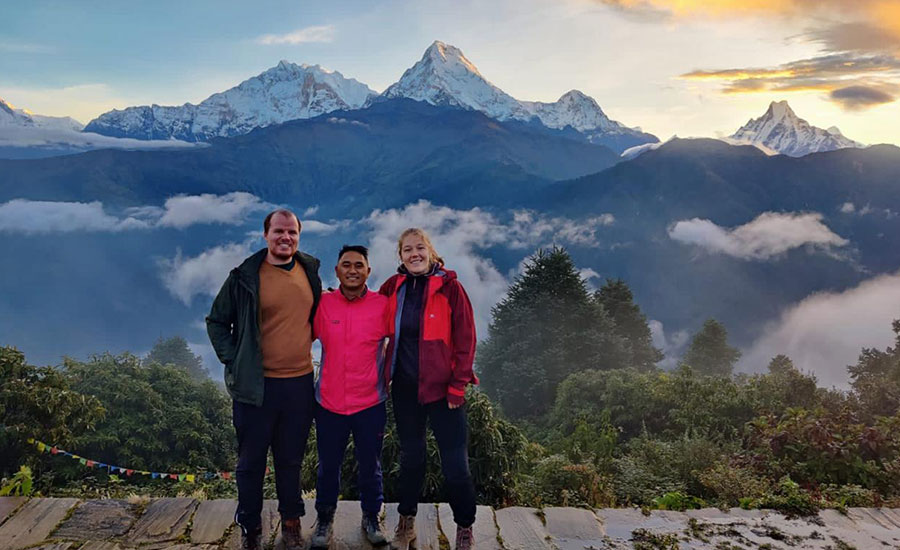
The Mardi Himal Trek is a lesser-known gem that is gaining popularity among trekkers. The Tihar Festival brings a festive spirit to the small, traditional villages along this route, making it a culturally immersive experience. The trek takes you through beautiful rhododendron forests and offers stunning views of Machapuchare (Fishtail) and the Annapurna range. The moderate difficulty level and the cultural interaction during Tihar make this trek an excellent option for adventurers.
Manaslu Circuit Trek
For those seeking a less-traveled path during Tihar, the Manaslu Circuit Trek is an excellent choice. This trek offers remote wilderness, stunning views of Mount Manaslu, and encounters with diverse cultures, including Gurung and Tibetan communities. During Tihar, trekkers can experience the festival in its most authentic form, far from the hustle of city life. The clear weather in October and November also make this trek particularly appealing for those seeking breathtaking Himalayan vistas.

Upper Mustang Trek
The Upper Mustang Trek offers a unique experience during Tihar as it takes trekkers through the semi-arid desert-like landscapes and ancient Tibetan Buddhist culture of the Mustang region. The Tihar here is celebrated differently due to the unique cultural practices of the local Lo Manthang community. With clear skies, mesmerizing landscapes, and a rich cultural experience, this trek is perfect for those looking for something different during the festival season.

Plan Your Trip with Himalayan Dream Team Treks and Tours
Service Included in Trip Cost:
- Arrival and departure transfers by private vehicle.
- Welcome dinner upon arrival in Kathmandu.
- Accommodation in 3-star hotels in Kathmandu and Pokhara with breakfast.
- Cultural guide and private transport for sightseeing in Kathmandu.
- Tihar celebrations with meals included.
- Tourist bus transportation from Kathmandu to Pokhara and back.
- Meals during the trek.
- Experienced trekking guide and porters.
- Permits for Annapurna Conservation Area and Trekkers’ Information Management System (TIMS).
- Government taxes and travel arrangements.
Cost Excludes:
- International airfare.
- Lunch and dinner in Kathmandu and Pokhara.
- Nepal entry visa.
- Beverages and personal expenses.
- Monument entrance fees during sightseeing.
- Personal trekking equipment and insurance.
- Tips for staff.
Join us in celebrating Tihar and exploring the breathtaking landscapes of Nepal on a journey that promises unforgettable memories and cultural enrichment.
This blog provides an engaging overview of the Tihar Festival, its cultural significance, and the unique trekking experience offered by Himalayan Dream Team Treks and Tours Pvt. Ltd. Let us know if you need any more details or adjustments!
Tihar Festival in Nepal -FAQs

| Question | Answer |
|---|---|
| What is the Tihar festival in Nepal? | The Tihar festival in Nepal is a colorful five-day celebration known as the Festival of Lights. It honors animals like crows, dogs, and cows, celebrates the bond between brothers and sisters, and welcomes Goddess Laxmi, the goddess of wealth, into homes. |
| Why is the Tihar festival important in Nepal? | Tihar is important because it symbolizes harmony between humans, animals, and nature. It reflects love, respect, and gratitude, and brings families together through rituals, songs, and lights. |
| How is Tihar festival celebrated in Nepal in 2026? | Tihar festival 2026 in Nepal will be celebrated from November 6 to November 11, 2026. Each day is dedicated to a specific ritual — from worshipping crows, dogs, and cows to performing Laxmi Puja and Bhai Tika, which honors the sibling bond. |
| What is the history of the Tihar festival in Nepal? | The Tihar festival dates back to ancient Hindu traditions. It is believed that Goddess Laxmi visits every home during this time, blessing them with wealth and prosperity. The festival also honors Yama, the god of death, promoting long life and well-being. |
| Can you write an essay about Tihar festival in Nepal in English? | An essay on Tihar in Nepal should describe the festival’s five days, its spiritual meaning, and its joyous atmosphere. Tihar is often called the Nepali version of Diwali, symbolizing victory of light over darkness and love among all living beings. |
| What are the 5 days of Tihar in Nepal 2026? |
|
| What is the significance of Bhai Tika in Tihar 2026? | Bhai Tika, on November 11, 2026, marks the last and most emotional day of Tihar. Sisters apply tika on their brothers’ foreheads, exchange gifts, and pray for their long life and protection, symbolizing unconditional love and unity. |
| How to celebrate Kukur Tihar 2026 in Nepal? | On Saturday, November 7, 2026, Kukur Tihar is celebrated by worshipping dogs with garlands, tika, and delicious food. It honors their loyalty, protection, and friendship with humans. |
| What are some traditions followed during Tihar festival in Nepal? | Traditions include decorating homes with diyas and rangolis, singing Deusi-Bhailo songs, worshipping Goddess Laxmi, and performing Bhai Tika rituals. Families also prepare traditional sweets like sel roti and anarsa. |
| What are the dates for Dashain and Tihar 2026 in Nepal? | In 2026, Dashain will begin around October 3, and Tihar will be celebrated from November 6 to November 11, 2026, according to the Nepali lunar calendar (Kartik month). |
| Can you write a short paragraph about Tihar festival in Nepal? | The Tihar festival in Nepal, also known as Deepawali, is a five-day celebration of lights, music, and devotion. Each day honors different deities and animals, spreading messages of love, gratitude, and cultural unity. |
| What is the significance of Laxmi Puja during Tihar in Nepal? | Laxmi Puja, on Sunday, November 8, 2026, is dedicated to Goddess Laxmi. People clean and decorate their homes with lamps and flowers, believing that the goddess visits to bless them with wealth and happiness. |
| What makes Tihar festival different from Dashain in Nepal? | Dashain celebrates the victory of good over evil, while Tihar focuses on gratitude, light, and relationships. Unlike Dashain, Tihar emphasizes harmony with nature and includes the famous Bhai Tika ceremony for siblings. |
| How to prepare for Tihar festival in Nepal in 2026? | To prepare for Tihar 2026, families clean and decorate homes with colorful lights, purchase oil lamps, flowers, and gifts, prepare sweets, and plan for Bhai Tika and Deusi-Bhailo celebrations. |
| What is the best way to understand the cultural significance of Tihar festival in Nepal? | The best way to understand Tihar’s significance is to experience it in Nepal—observe the rituals, enjoy traditional music and food, and witness how the festival unites communities with joy and devotion. |