- Lunches and dinners in Kathmandu
- Personal insurance and helicopter rescue in case of emergency
- International flight ticket
- Nepal Entry Visa Fee (USD 50 for 30 days, obtainable upon arrival at Tribhuvan International Airport
- Personal expenses and tips for staff
- All that is not mentioned in Include section
Is Langtang Gosainkunda Helambu Trek Difficult?
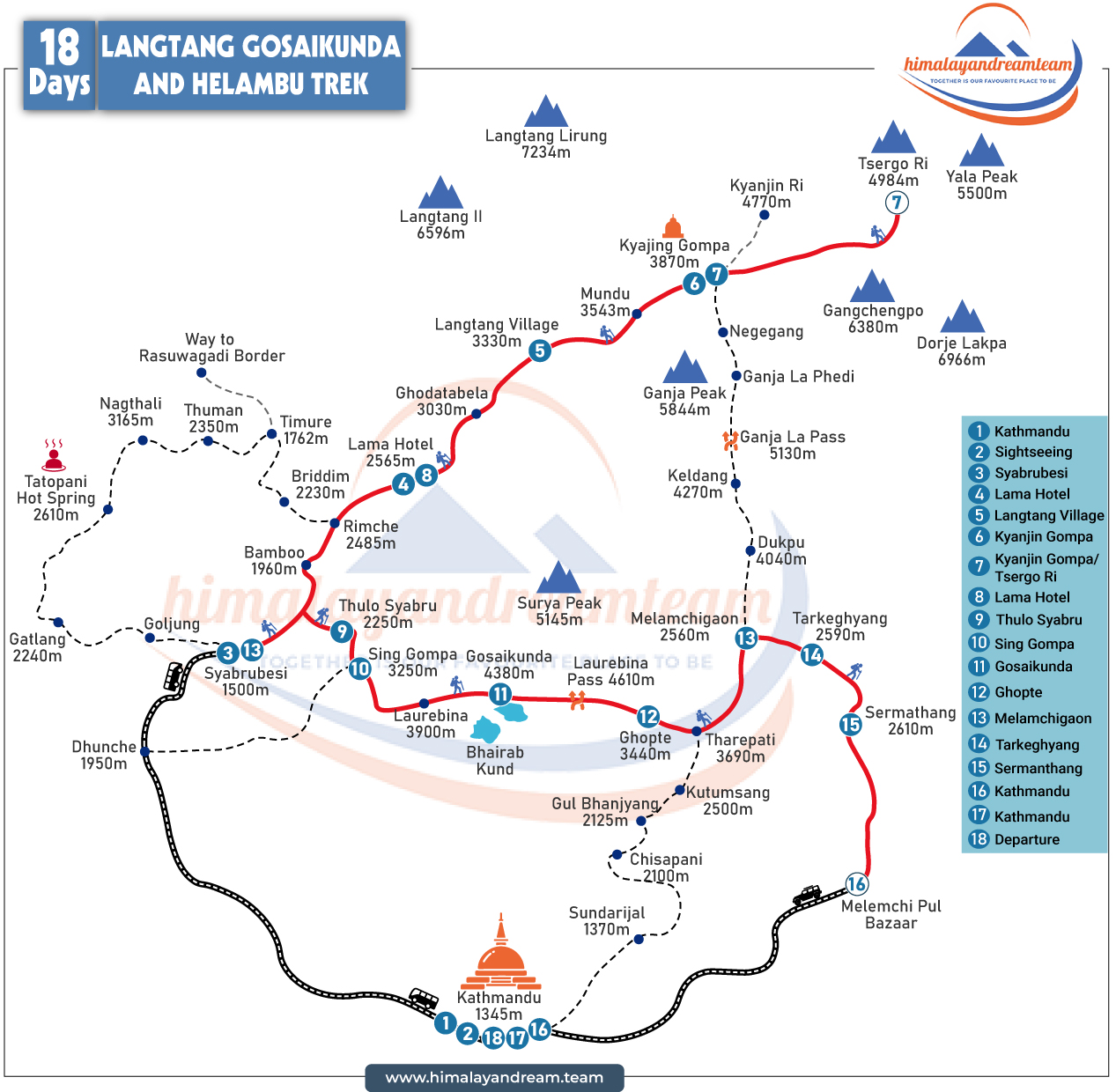
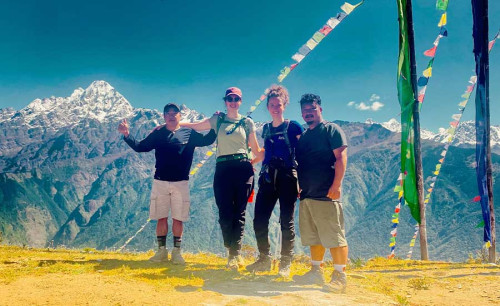
The Langtang Gosainkunda Helambu Trek is considered a moderate to challenging trek suitable for trekkers with a good level of fitness. Daily walks range from 4 to 8 hours, and the trail reaches a maximum altitude of 4,984 m at Tserko Ri and crosses Laurebina La Pass (4,610 m). While no technical climbing experience is required, proper acclimatization and preparation are important. In return, trekkers are rewarded with stunning Himalayan views, sacred lakes, diverse landscapes, and rich Tamang and Hyolmo culture.
Best Time for Langtang, Gosainkunda and Helambu Trek
The Langtang, Gosainkunda and Helambu Trek can be enjoyed throughout the year, but Spring (March to May) and Autumn (September to November) are considered the best seasons. During these months, trekkers can enjoy clear mountain views, comfortable temperatures, and excellent trekking conditions.
Spring (March-May):
Spring is one of the most beautiful times to trek in the Langtang region. The weather is generally stable, temperatures are pleasant, and the hillsides burst into color with blooming rhododendrons, magnolias, and other wildflowers. The forests around Langtang Valley and Helambu become especially vibrant, creating spectacular scenery against the backdrop of snow-capped Himalayan peaks.
Autumn (September-November):
Autumn is the most popular trekking season in Nepal due to its crystal-clear skies, dry weather, and excellent mountain visibility. Following the summer monsoon, the landscapes are lush and green, while the views of Langtang Lirung, Ganesh Himal, and surrounding peaks are at their finest. Major Nepalese festivals such as Dashain and Tihar also take place during this season, offering trekkers a unique cultural experience.
Winter (December-February):
Winter brings cold temperatures and occasional snowfall at higher elevations, especially around Gosainkunda and Laurebina La Pass. However, clear skies, fewer trekkers, and peaceful trails make it an attractive season for those seeking solitude and stunning winter landscapes.
Monsoon (June-August):
The monsoon season brings frequent rainfall, particularly in lower elevations and forested sections of the trek. While mountain views may be limited at times, the countryside becomes exceptionally green and beautiful. This season is best suited for experienced trekkers who do not mind occasional rain and muddy trails.
Food and Accommodation During the Trek
The Langtang Gosainkunda Helambu Trek offers comfortable tea house accommodation throughout the route. Lodges generally provide twin-sharing rooms with simple but clean facilities. In Kathmandu, you will stay in a comfortable hotel with breakfast included.
Meals during the trek are freshly prepared and typically include Nepali Dal Bhat, noodles, fried rice, soups, pasta, potatoes, vegetables, eggs, pancakes, tea, coffee and seasonal fruits. Dal Bhat remains the most popular choice among trekkers due to its nutritional value and unlimited refills in many lodges.
Permits Required for Langtang Gosainkunda Helambu Trek
The Langtang Gosainkunda Helambu Trek requires the following permits:
- Langtang National Park Entry Permit
- TIMS Card (Trekkers' Information Management System)
All permits are included in our package and will be arranged by Himalayan Dream Team before the trek begins.
Altitude Sickness and Acclimatization
Although the Langtang Gosainkunda Helambu Trek is considered a moderate trek, it reaches a maximum altitude of 4,984 m at Tserko Ri and crosses Laurebina La Pass (4,610 m). Proper acclimatization is therefore essential.
Our itinerary includes an acclimatization day at Kyanjin Gompa and a gradual ascent toward Gosainkunda to help reduce the risk of altitude sickness. Our experienced guides are trained to recognize altitude-related symptoms and will closely monitor your health throughout the trek. Staying hydrated, walking at a comfortable pace, and following your guide's advice are the best ways to ensure a safe and enjoyable trekking experience.
Why Choose Himalayan Dream Team for Your Nepal Adventure?
At Himalayan Dream Team, we believe that a great trek is about more than reaching a destination. It is about feeling safe, welcomed, and well cared for throughout your journey. From the moment you arrive in Nepal until the day you fly home, our experienced team takes care of every detail, allowing you to relax and enjoy your adventure.
As a trusted women-led trekking company based in Nepal, we are committed to providing personalized service, responsible tourism, and authentic local experiences. Our guides, porters, and support team have many years of experience in the Himalayas and are dedicated to making your journey safe, enjoyable, and memorable.
Why Travel With Us?
♦ Women-led local trekking company based in Nepal.
♦ Female trekking guides can be arranged upon request, subject to availability and advance notice.
♦ Experienced government-licensed guides and professional porters.
♦ Small groups and personalized service.
♦ Carefully planned itineraries with proper acclimatization.
♦ 24/7 support from arrival to departure.
♦ Authentic cultural experiences and local knowledge.
♦ Safety-focused trekking with experienced mountain staff.
♦ Sustainable and responsible tourism practices.
♦ Excellent reviews and many returning clients.
♦ Transparent pricing with no hidden costs.
Whether you are visiting Nepal for the first time or returning for another Himalayan adventure, we look forward to sharing the beauty, culture and hospitality of Nepal with you.