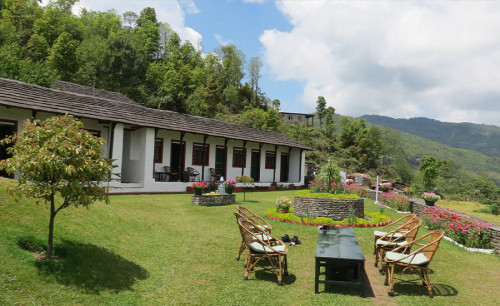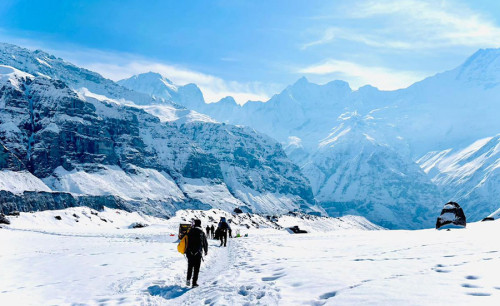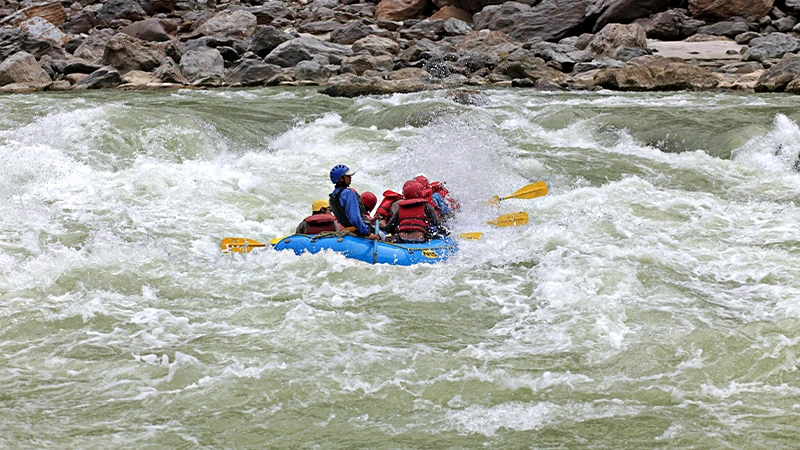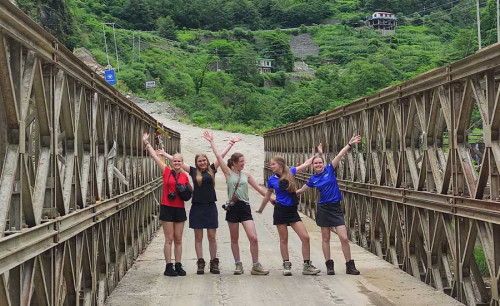
Travel to Nepal and discover a country where the world's highest mountains meet ancient cities, sacred temples, Buddhist monasteries, traditional villages and remarkable natural landscapes. Situated between India and China, Nepal is one of Asia's most rewarding destinations for Himalayan trekking, cultural holidays, wildlife safaris, mountaineering and outdoor adventures.
Home to Mount Everest (8,848.86 m) and eight of the world's fourteen mountains above 8,000 metres, Nepal offers extraordinary experiences for travellers of different ages and interests. From the famous Everest Base Camp Trek and Annapurna Circuit to the historic streets of Kathmandu, the lakes of Pokhara, the wildlife of Chitwan and the birthplace of Buddha in Lumbini, every region offers something different.
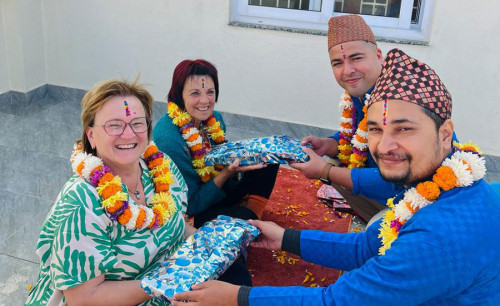
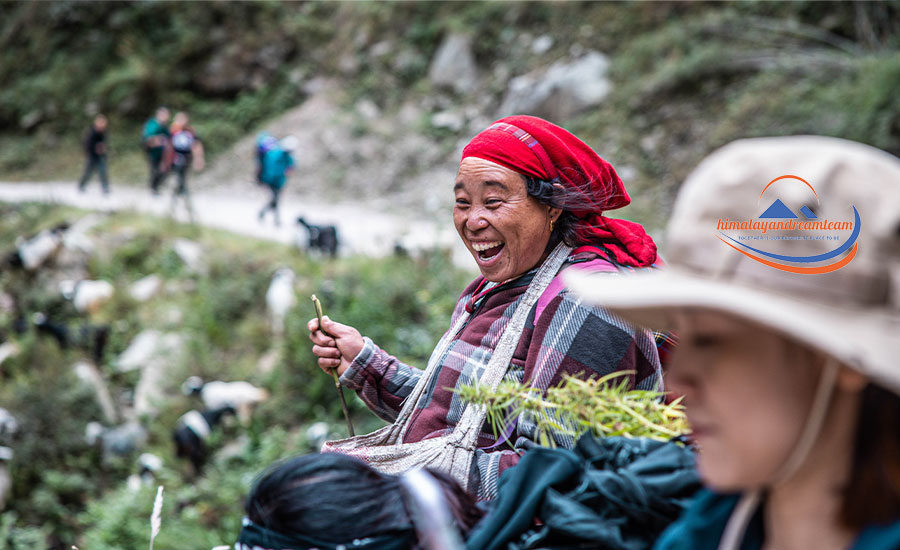
A holiday in Nepal is about more than spectacular scenery. It is also about meeting local people, discovering different cultures, sharing traditional meals, exploring centuries-old heritage sites and experiencing the hospitality of Himalayan communities.
At Himalayan Dream Team Treks & Tours Pvt. Ltd., we are a Kathmandu-based, women-led travel company organising private holidays, small-group treks, cultural tours, peak climbing and tailor-made Himalayan adventures. Our local team helps travellers choose suitable routes and arrange accommodation, transportation, trekking permits and other essential services.
This complete Nepal travel guide covers the best places to visit, popular trekking routes, seasonal weather, cultural experiences, visas, permits, transportation, accommodation, food, travel costs, altitude safety and practical advice for planning your Nepal holiday.
Why Visit Nepal?
Few countries offer such a remarkable combination of natural beauty, cultural diversity and adventure within a relatively small geographical area. Nepal stretches from the subtropical plains of the Terai to the highest peaks of the Himalayas, creating dramatically different landscapes, climates and travel experiences.
Whether you are planning a two-week Nepal holiday, a family cultural tour, a women's trekking adventure or a challenging Himalayan expedition, Nepal offers experiences that can be adapted to your interests and available time.
Highlights of Travelling in Nepal
- The Himalayas: Discover Mount Everest, Annapurna, Manaslu, Langtang, Kanchenjunga and many other spectacular mountain ranges.
- World-famous trekking: Choose from short scenic hikes, comfortable lodge treks, classic base camp routes and remote high-altitude adventures.
- UNESCO World Heritage: Explore the historic monuments of Kathmandu Valley, Lumbini and Nepal's protected natural heritage sites.
- Cultural diversity: Learn about Newar, Sherpa, Gurung, Magar, Tamang, Thakali, Tharu and many other communities.
- Buddhist and Hindu heritage: Visit ancient temples, monasteries, stupas and important pilgrimage destinations.
- Wildlife and nature: Experience the forests and grasslands of Chitwan and Bardia National Parks.
- Festivals and traditions: Discover Dashain, Tihar, Holi, Buddha Jayanti, Indra Jatra and other celebrations.
- Flexible travel: Combine trekking, sightseeing, wildlife, village visits and relaxation in one itinerary.
Best Places to Visit in Nepal
Nepal has much more to offer than its famous trekking trails. The country's cities, national parks, historic towns and rural landscapes provide opportunities for cultural exploration, relaxation and nature-based travel.
1. Kathmandu Valley – Nepal's Cultural and Historical Heart
Kathmandu, Nepal's capital, is the principal gateway for most international visitors. The Kathmandu Valley is renowned for its traditional architecture, Hindu temples, Buddhist stupas, historic royal squares and lively markets.
Seven monument zones in the valley together form the UNESCO-listed Kathmandu Valley World Heritage property.
Important places to visit include:
- Kathmandu Durbar Square: Historic palaces, courtyards and traditional Newar architecture.
- Swayambhunath Stupa: An important Buddhist pilgrimage site overlooking Kathmandu Valley.
- Boudhanath Stupa: One of Nepal's most significant Tibetan Buddhist centres.
- Pashupatinath Temple: A major Hindu pilgrimage complex dedicated to Lord Shiva.
- Patan Durbar Square: Traditional Newar craftsmanship, temples and historic architecture.
- Bhaktapur Durbar Square: A beautifully preserved historic city with traditional streets, squares and temples.
- Changu Narayan Temple: An important historic Hindu temple with early stone inscriptions and artistic heritage.
We recommend spending at least two days exploring Kathmandu Valley, particularly if you are interested in Nepalese history, religion, art and traditional culture.
2. Pokhara – Lakes, Mountain Views and the Gateway to Annapurna
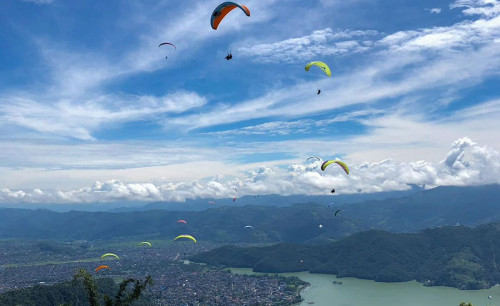
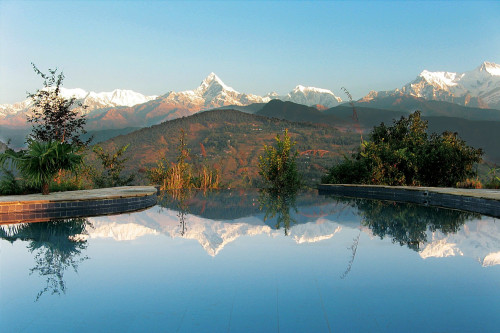
Pokhara is one of Nepal's most beautiful travel destinations. Located beside Phewa Lake and surrounded by green hills, it is famous for its relaxed atmosphere and views of the Annapurna and Machhapuchhre mountain ranges.
Popular experiences include boating on Phewa Lake, visiting the World Peace Pagoda, enjoying sunrise views from Sarangkot, exploring local villages and discovering waterfalls and caves.
Pokhara is also the main starting point for several popular treks, including the Annapurna Base Camp Trek, Ghorepani Poon Hill Trek and Mardi Himal Trek.
3. Chitwan National Park – Wildlife and Jungle Experiences
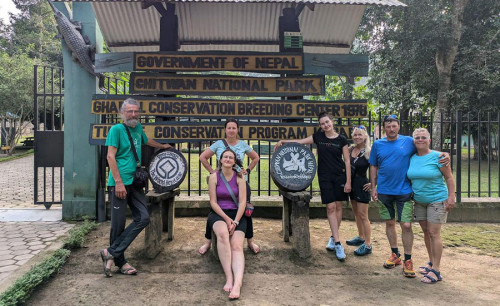
Chitwan National Park is a UNESCO World Heritage Site in Nepal's subtropical lowlands and one of the country's best-known wildlife destinations.
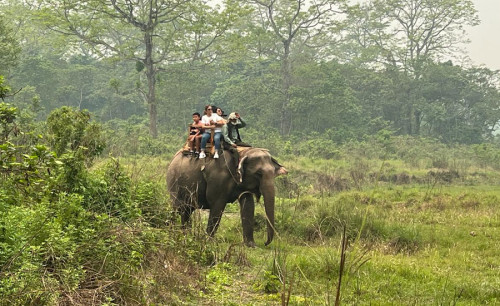
The park protects important habitats for the greater one-horned rhinoceros, Bengal tiger, gharial crocodile, deer, wild elephants and numerous bird species.
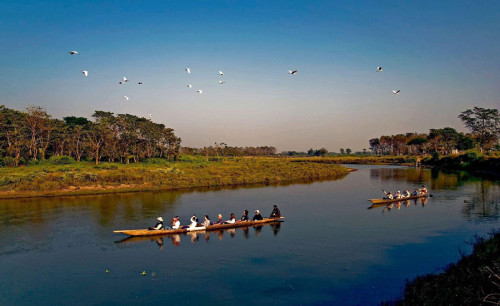
Popular activities include guided jeep safaris, canoe excursions where conditions permit, nature walks and birdwatching with trained local naturalists.
Wildlife sightings are never guaranteed, and all activities should follow national park regulations and responsible wildlife-viewing practices.
Chitwan is also an excellent place to learn about the traditions and daily life of the local Tharu communities.
4. Lumbini – The Birthplace of Lord Buddha
Lumbini, in southern Nepal, is internationally recognised as the birthplace of Siddhartha Gautama Buddha and is listed as a UNESCO World Heritage Site.
Important attractions include the Maya Devi Temple, the sacred garden, the Ashoka Pillar and monasteries built by Buddhist communities from around the world.
Lumbini is particularly meaningful for Buddhist pilgrims, cultural travellers and visitors interested in the history of Buddhism.
5. Bandipur – Traditional Hill Town
Bandipur is a beautifully situated hill town between Kathmandu and Pokhara, known for its traditional Newar architecture, pedestrian-friendly historic centre and views towards the Himalayas on clear days.
It is an excellent stop for travellers who want to experience a quieter atmosphere, traditional village streets and local hospitality.
6. Nagarkot and Dhulikhel – Himalayan Views Near Kathmandu
Nagarkot and Dhulikhel are popular hill destinations near Kathmandu, offering peaceful surroundings, short hikes and mountain panoramas when the weather is clear.
These places are particularly suitable for travellers who want to experience Nepal's mountain scenery without undertaking a long trek.
Trekking in Nepal – Explore the Himalayas
Trekking in Nepal is one of the country's most popular travel experiences. The Himalayan trail network passes through mountain valleys, forests, terraced farmland, suspension bridges, alpine landscapes and traditional settlements. Treks range from a few days of relatively easy walking to demanding journeys lasting several weeks. Many popular routes use local teahouses and mountain lodges, while remote regions may require camping arrangements or specialised logistics.
The best trek depends on your fitness, available time, previous hiking experience, preferred altitude, travel season and interest in local culture.
Explore our full selection of trekking holidays in Nepal.
Everest Region Trekking
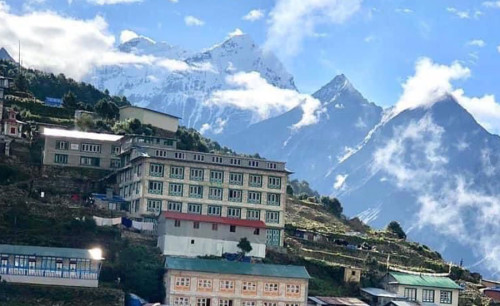
The Everest region, also known as Khumbu, is home to some of Nepal's most iconic trekking routes. It combines dramatic Himalayan scenery with Sherpa villages, Buddhist monasteries and the landscapes of Sagarmatha National Park.
Everest Base Camp Trek
The Everest Base Camp Trek – 16 Days is one of the world's best-known trekking adventures.
The journey follows the classic route from Lukla through Phakding, Namche Bazaar, Tengboche, Dingboche and Lobuche to Everest Base Camp at approximately 5,364 metres.
A hike to Kala Patthar, around 5,545 metres, offers outstanding views of Mount Everest and the surrounding Himalayan peaks when conditions are clear.
The trek requires good fitness, careful acclimatization and sufficient time for possible weather-related flight delays.
Everest Base Camp Trek with Helicopter Return
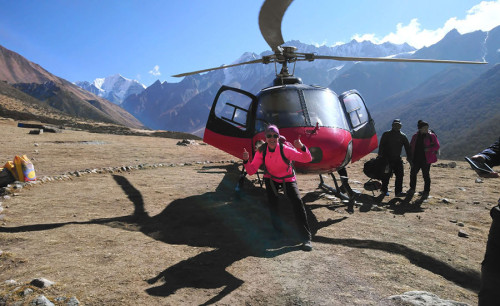
The Everest Base Camp Trek with Helicopter Return – 10 Days combines trekking in the Khumbu region with a helicopter return, subject to weather and operational conditions.
This itinerary can be attractive to travellers with limited time, but high-altitude acclimatization and appropriate preparation remain essential.
Gokyo Lakes and Everest View Treks
The Gokyo Valley offers turquoise glacial lakes, high-altitude landscapes and beautiful Himalayan viewpoints, including Gokyo Ri.
Shorter Everest View itineraries are also available for travellers who want to experience Sherpa culture, Namche Bazaar and Himalayan scenery without trekking all the way to Everest Base Camp. These routes offer different levels of difficulty and should be chosen according to fitness, available days and altitude considerations.
Annapurna Region Trekking
The Annapurna region is one of Nepal's most varied trekking destinations. It offers traditional villages, subtropical forests, high mountain landscapes, alpine valleys and some of the country's most impressive Himalayan panoramas.
Annapurna Base Camp Trek
The Annapurna Base Camp Trek – 14 Days leads through traditional Gurung villages, forests and mountain valleys to Annapurna Base Camp at 4,130 metres. The base camp lies within the spectacular Annapurna Sanctuary, surrounded by Annapurna I, Annapurna South, Hiunchuli and Machhapuchhre. It is an excellent choice for travellers seeking a combination of mountain scenery, cultural experiences and a rewarding Himalayan trek.
Annapurna Circuit Trek
The Annapurna Circuit Trek is famous for its changing landscapes and the crossing of Thorong La Pass at 5,416 metres. The route travels through river valleys, traditional villages and the high-altitude Manang region before descending towards the Kali Gandaki Valley. It is a demanding trek that requires good physical preparation and careful acclimatization.
Annapurna Circuit with Tilicho Lake
The Annapurna Circuit with Tilicho Lake Trek adds a visit to the spectacular high-altitude Tilicho Lake area. This extension requires additional time, good fitness and suitable trail and weather conditions. Access to Tilicho Lake may be restricted by snow, landslides or other hazards.
Ghorepani Poon Hill Trek
The Ghorepani Poon Hill Trek is one of Nepal's most popular shorter trekking experiences. It passes through traditional villages and forests before reaching Poon Hill at approximately 3,210 metres, a famous sunrise viewpoint overlooking the Annapurna and Dhaulagiri ranges. It is particularly suitable for active beginners, families and travellers who want a shorter Himalayan adventure.
Mardi Himal Trek
The Mardi Himal Trek follows scenic forest trails and ridgelines towards the Mardi Himal viewpoint and base camp area. The trek offers impressive views of Machhapuchhre and the Annapurna range and is a rewarding alternative to some of the region's busier routes.
Manaslu Circuit and Tsum Valley Trekking
The Manaslu region is known for remote Himalayan scenery, traditional villages and strong Tibetan Buddhist cultural influences.
Manaslu Circuit Trek
The Manaslu Circuit Trek circles Mount Manaslu (8,163 m), the world's eighth-highest mountain. The route follows the Budhi Gandaki Valley through villages and alpine landscapes before crossing Larkya La Pass at approximately 5,106 metres. This is a challenging trek requiring appropriate permits, experienced guidance, proper acclimatization and careful weather planning.
Tsum Valley Trek
The Tsum Valley Trek explores a culturally distinctive Himalayan valley with traditional Buddhist villages, monasteries and views of Ganesh Himal. It is particularly rewarding for travellers interested in mountain culture, religious heritage and quieter trekking routes.
Langtang Valley Trekking
The Langtang Valley Trek offers a beautiful Himalayan experience north of Kathmandu. The route passes through forests, Tamang settlements and alpine landscapes towards Kyanjin Gompa, surrounded by dramatic mountain scenery. Optional viewpoint hikes can be arranged according to the itinerary, fitness, acclimatization and weather. Langtang is an excellent choice for travellers seeking a rewarding trek without requiring a domestic flight to the trailhead.
Remote and Less-Crowded Treks in Nepal
Beyond the classic Everest and Annapurna routes, Nepal offers exceptional trekking opportunities in remote mountain regions.
Kanchenjunga: Explore eastern Nepal beneath Kanchenjunga (8,586 m), the world's third-highest mountain. The region is known for remote trails, dramatic landscapes and traditional mountain communities.
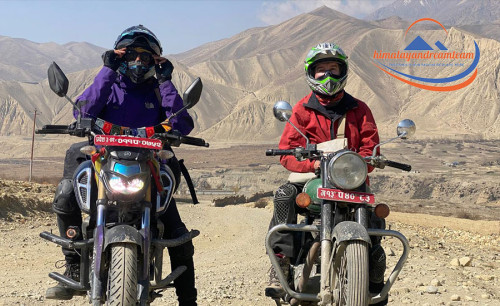
Upper Mustang: Discover the dry Trans-Himalayan landscapes, ancient monasteries and Tibetan-influenced culture of Lo Manthang. The region lies in a rain shadow and can be suitable for travel during parts of the summer monsoon.
Dolpo: Experience remote valleys, traditional settlements and striking Himalayan landscapes in one of Nepal's least accessible trekking regions.
Makalu: Trek towards Makalu Base Camp through the landscapes of Makalu Barun National Park, a demanding route suitable for experienced trekkers.
Remote treks often require additional permits, more travel time and careful logistical planning. Read our guide to restricted trekking regions in Nepal.
Compare the Best Treks in Nepal
| Trekking Route | Main Highlight | Difficulty | Recommended Season |
|---|---|---|---|
| Everest Base Camp | Everest Base Camp and Kala Patthar | Challenging | March–May, September–November |
| Annapurna Base Camp | Annapurna Sanctuary | Moderate to Challenging | March–May, September–November |
| Annapurna Circuit | Thorong La Pass | Challenging | March–May, September–November |
| Manaslu Circuit | Manaslu region and Larkya La | Challenging | March–May, September–November |
| Langtang Valley | Tamang villages and Kyanjin Gompa | Moderate | March–May, September–November |
| Ghorepani Poon Hill | Himalayan sunrise panorama | Easy to Moderate | March–May, September–November |
| Mardi Himal | Machhapuchhre and Annapurna views | Moderate | March–May, September–November |
| Tsum Valley | Buddhist monasteries and remote villages | Moderate to Challenging | March–May, September–November |
Important: Trekking difficulty depends on altitude, daily walking hours, trail conditions, weather and individual fitness. Seasonal recommendations are general guidelines rather than guarantees of safe conditions.
Peak Climbing and Mountaineering in Nepal
Nepal is one of the world's leading destinations for mountaineering and Himalayan peak climbing.
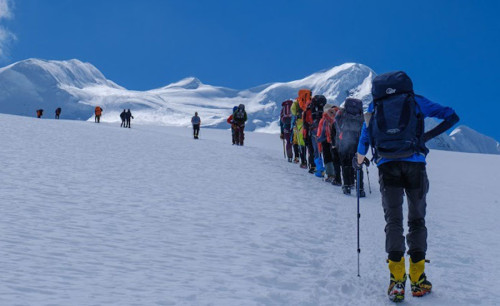
For experienced trekkers wishing to progress towards climbing, peaks such as Mera Peak (6,476 m) and Island Peak (6,189 m) are popular objectives. These climbs require proper acclimatization, suitable technical preparation, climbing equipment and experienced local guides. Although often described as trekking peaks, they should not be treated as ordinary hikes.
Higher and more technical expeditions demand extensive experience, specialist support, appropriate permits and careful logistical planning.
Nepal Cultural Tours and Heritage Experiences
Nepal offers an exceptional range of cultural experiences beyond its trekking routes. Travellers can explore historic royal squares, Buddhist monasteries, Hindu temples, traditional markets, rural villages and important pilgrimage sites.
Popular cultural experiences include:
- Guided sightseeing in Kathmandu, Patan and Bhaktapur.
- Visiting Buddhist monasteries and important Hindu temples.
- Exploring traditional Newar architecture and historic settlements.
- Participating in a traditional Nepali cooking class.
- Discovering local handicrafts, pottery and traditional art.
- Visiting Lumbini and Buddhist pilgrimage sites.
- Combining cultural tours with short hikes and Himalayan viewpoints.
- Learning about community traditions and responsible tourism initiatives.
Women-Only Treks and Tours in Nepal
For women who prefer travelling with other women, Himalayan Dream Team offers specially designed women-only trekking and cultural holidays. As a women-led Nepal travel company, we support professional opportunities for female trekking guides and cultural guides while providing organised, small-group travel experiences. Our Nepal Highlights Tour for Women combines cultural sightseeing, Himalayan scenery, gentle hiking and local experiences. For women interested in trekking, the Women-Only Annapurna Base Camp Trek offers a guided Himalayan adventure with female trekking leadership. Experienced trekkers can also consider the Women-Only Manaslu Circuit Trek, a more demanding journey through remote Himalayan landscapes. These trips are suitable for women travelling independently, with friends or as part of an organised small group, subject to the fitness and experience requirements of each itinerary.
Best Time to Visit Nepal – Weather and Travel Seasons
The best time to visit Nepal depends on your destination, altitude and planned activities.
Spring and autumn are generally the most popular seasons for trekking, while winter is often suitable for cultural travel and lower-altitude hikes. The monsoon season can be attractive for lush landscapes and travel to selected rain-shadow regions.
| Season | Months | Typical Conditions | Recommended Activities |
|---|---|---|---|
| Spring | March–May | Generally favourable trekking weather, warming temperatures and flowering rhododendrons | Everest, Annapurna, Langtang, Manaslu, peak climbing and cultural tours |
| Monsoon | June–August | Heavy rainfall in many regions, green landscapes and possible transport disruption | Upper Mustang, selected Dolpo routes and flexible cultural holidays |
| Autumn | September–November | Often clearer post-monsoon skies, favourable trekking conditions and major festivals | Most Himalayan treks, sightseeing, festivals and mountain photography |
| Winter | December–February | Cooler, generally drier conditions at lower elevations; severe cold and snow possible higher up | Kathmandu, Pokhara, Chitwan, Lumbini and selected lower-altitude treks |
Read our detailed Best Time to Visit Nepal guide for more information about seasonal conditions and planning your journey.
Major Festivals in Nepal
Nepal's festivals reflect the country's religious diversity, cultural heritage and strong community traditions.
Dashain: One of Nepal's most important family festivals, associated with Goddess Durga, blessings from elders, tika and jamara.
Tihar: The Festival of Lights, celebrated with oil lamps, marigold flowers, Laxmi Puja, animal worship and Bhai Tika.
Holi: The colourful spring festival celebrated with coloured powders and community gatherings.
Buddha Jayanti: An important Buddhist celebration commemorating the life of Buddha.
Indra Jatra: A major traditional festival in Kathmandu featuring religious processions and cultural performances.
Mani Rimdu: A Buddhist festival celebrated at selected monasteries in the Everest region.
Tiji Festival: A distinctive Buddhist festival celebrated in Lo Manthang, Upper Mustang.
Festival dates may change annually according to lunar calendars and local traditions. Travellers planning around a specific celebration should confirm the dates before booking.
Getting to Nepal – International Flights and Land Borders
Most international travellers arrive in Nepal by air through Kathmandu. Nepal also has international airports in Bhairahawa and Pokhara, although the availability of international services depends on current airline schedules.
| Entry Point | Location | Travel Information |
|---|---|---|
| Tribhuvan International Airport | Kathmandu | Main international gateway for Kathmandu and most Nepal trekking and tour itineraries |
| Gautam Buddha International Airport | Bhairahawa | Convenient for Lumbini and southern Nepal; international schedules vary |
| Pokhara International Airport | Pokhara | Gateway to Pokhara and Annapurna; international flight availability must be checked |
| India–Nepal Land Borders | Various crossings | Overland entry through designated immigration points, subject to current regulations |
| China–Nepal Land Borders | Northern border region | Travel depends on border opening, immigration rules and applicable Tibet travel permits |
Domestic flights connect Kathmandu with several regional destinations, including Pokhara, Bharatpur, Bhairahawa and airports used for trekking access.
Flights to Lukla may operate from Ramechhap during busy trekking seasons, requiring an early road transfer from Kathmandu. Mountain flights are weather-dependent, so travellers should allow flexibility in their itinerary.
Nepal Visa and Entry Requirements
Many international visitors can obtain a tourist visa on arrival at designated entry points in Nepal, but eligibility depends on nationality. Travellers from certain countries must obtain a visa before travelling, while Indian nationals have different entry arrangements.
Before departure, check the following:
- Passport validity and condition.
- Visa eligibility for your nationality.
- Current tourist visa fees and permitted length of stay.
- Official visa application procedures.
- Any additional documents required for your entry route.
- Applicable rules for children travelling with parents or guardians.
For official immigration information, consult the Department of Immigration, Nepal.
Trekking Permits in Nepal
Different trekking regions require different permits. Depending on your route, these may include national park entry permits, conservation area permits, local permits and restricted-area trekking permits.
For example, trekking in the Annapurna region generally requires an Annapurna Conservation Area Permit, while Manaslu and certain other remote regions require additional permissions. Guide requirements and permit procedures can vary by region and may change over time. Read our Trekking Permits in Nepal Guide and Restricted Area Permit Rules for further information.
Himalayan Dream Team arranges the applicable trekking permits for its organised trips according to the current regulations.
Altitude Sickness and Trekking Safety in Nepal
High-altitude trekking is one of Nepal's greatest attractions, but it also requires careful planning.
Acute Mountain Sickness (AMS) can affect travellers at altitude regardless of age or fitness. Symptoms may include headache, nausea, dizziness, unusual tiredness and poor appetite.
Serious altitude illness can be life-threatening. Never ignore worsening symptoms or continue ascending when altitude illness is suspected.
Important High-Altitude Safety Guidelines
- Choose an itinerary with gradual altitude gain and appropriate acclimatization days.
- Walk at a comfortable pace and avoid unnecessary rushing.
- Drink adequately and eat regular meals.
- Inform your guide immediately if you feel unwell.
- Do not ascend higher while experiencing symptoms of altitude illness.
- Descend promptly if symptoms worsen or serious signs develop, and seek medical assistance.
- Carry suitable clothing and equipment for changing mountain conditions.
- Arrange travel insurance covering high-altitude trekking and emergency evacuation at the maximum elevation of your route.
Experienced guides, sensible itineraries and appropriate preparation are essential, but they cannot eliminate altitude-related risks.
Accommodation in Nepal – Hotels, Lodges and Teahouses
Accommodation in Nepal varies from comfortable city hotels to traditional mountain lodges and simple teahouses.
Kathmandu and Pokhara: Travellers can choose from budget guesthouses, boutique hotels and luxury accommodation.
Chitwan: Hotels and jungle lodges offer accommodation for wildlife and nature-based holidays.
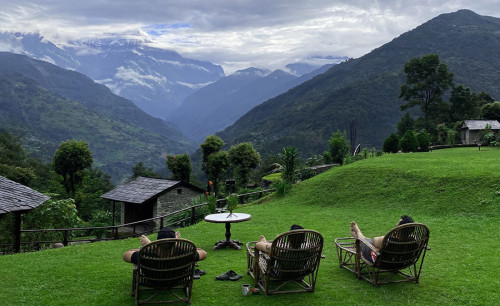
Trekking regions: Teahouses and mountain lodges provide basic rooms, meals and a welcoming place to rest after a day of walking.
At higher elevations, accommodation is generally simpler. Rooms may be unheated, bathroom facilities can be shared, and hot showers, charging and Wi-Fi may cost extra.
Remote expeditions and selected trekking routes may require camping accommodation.
Food and Drinking Water in Nepal
Nepalese cuisine reflects the country's diverse cultures and geography.
Dal Bhat, consisting of rice, lentil soup and vegetable or meat accompaniments, is one of Nepal's most common meals and a popular choice among trekkers.
Other well-known foods include momos, thukpa, sel roti, dhindo, Newari dishes and regional specialities.
Along established trekking routes, mountain lodges commonly serve rice dishes, noodles, soups, potatoes, eggs and other simple meals.
For drinking water, use properly treated or safely filtered water rather than assuming that water from taps or mountain streams is safe.
Reusable bottles and reliable purification methods help reduce plastic waste in trekking regions.
How Much Does It Cost to Travel to Nepal?
The cost of travelling in Nepal depends on your itinerary, travel season, accommodation standard, group size, transport choices and activities.
A cultural holiday in Kathmandu and Pokhara has different cost requirements from a high-altitude trek involving guides, porters, domestic flights and permits.
| Travel Expense | What Affects the Cost? |
|---|---|
| International Flights | Departure country, airline, season and booking date |
| Hotels | Location, category, room type and season |
| Trekking Guides and Porters | Trek duration, route, staffing arrangements and support requirements |
| Trekking Permits | National park, conservation area and restricted-area regulations |
| Domestic Transport | Flights, private vehicles, road conditions and destination |
| Meals | City restaurants, lodge meal plans and remote mountain locations |
| Travel Insurance | Medical coverage, trekking altitude and evacuation protection |
| Optional Activities | Helicopter flights, sightseeing, cultural activities and wildlife excursions |
When comparing Nepal tour packages, check exactly what is included. A lower advertised price may exclude meals, permits, flights, porter support or other important services.
Himalayan Dream Team provides itinerary-specific quotations with clearly stated inclusions and exclusions.
Suggested Nepal Itineraries – How Many Days Do You Need?
The ideal length of a Nepal holiday depends on whether you want to focus on culture, trekking, wildlife or a combination of experiences.
| Travel Duration | Suggested Nepal Holiday | Suitable For |
|---|---|---|
| 5–7 Days | Kathmandu Valley, Bhaktapur, Patan and optional Nagarkot or Dhulikhel | Short cultural holidays |
| 8–10 Days | Kathmandu, Pokhara and a short scenic hike or Chitwan extension | First-time visitors |
| 11–14 Days | Kathmandu, Pokhara, Chitwan and selected trekking or cultural activities | Families, couples and cultural travellers |
| 14–16 Days | Everest Base Camp, Annapurna Base Camp or other suitable Himalayan trek | Active travellers and trekkers |
| 17–21 Days | Extended trekking with Kathmandu and optional Pokhara or Chitwan | Travellers seeking trekking and culture |
| 22 Days or More | Remote Himalayan trekking, specialised expeditions or comprehensive Nepal journeys | Experienced trekkers and long-stay travellers |
These are planning examples rather than fixed packages. The correct duration depends on travel times, altitude, acclimatization requirements and weather contingency days.
Nepal Travel Information – Essential Facts
| Travel Information | Details |
|---|---|
| Country | Nepal |
| Location | South Asia, between India and China |
| Capital | Kathmandu |
| Population | Approximately 30 million |
| Official Language | Nepali; many other languages are spoken throughout the country |
| Currency | Nepalese Rupee (NPR) |
| Time Zone | Nepal Standard Time, UTC +5:45 |
| Government | Federal Democratic Republic |
| Religion | Hinduism, Buddhism, Islam, Kirat and other traditions |
| Electricity | 230 V, 50 Hz; carry a universal adapter |
| International Dialling Code | +977 |
| Highest Mountain | Mount Everest, 8,848.86 m |
| Climate | Subtropical lowlands, temperate hills and alpine Himalayan regions |
| Driving | Left-hand side of the road |
| Tipping | Customary and appreciated for good service, but generally discretionary |
National Symbols of Nepal
| National Symbol | Name |
|---|---|
| National Bird | Himalayan Monal (Danphe) |
| National Flower | Rhododendron (Lali Gurans) |
| National Animal | Cow |
| National Colour | Crimson |
| National Flag | Distinctive double-pennant flag |
Responsible and Sustainable Travel in Nepal
Responsible tourism is important for protecting Nepal's fragile mountain environments and supporting local communities.
Travellers can make a positive contribution by choosing experienced local guides, using reusable water bottles, respecting cultural traditions and supporting locally operated accommodation and services.
Responsible Trekking Practices
- Carry reusable bottles and avoid unnecessary single-use plastic.
- Dispose of waste responsibly and follow local conservation rules.
- Stay on established trails and respect protected areas.
- Respect wildlife and avoid disturbing animals.
- Ask permission before photographing people or religious ceremonies.
- Respect the privacy of local families and communities.
- Support fair working conditions and appropriate equipment for trekking staff.
- Choose routes and travel arrangements suited to your fitness and experience.
Why Choose Himalayan Dream Team for Your Nepal Holiday?
Himalayan Dream Team Treks & Tours Pvt. Ltd. is a local, women-led trekking and tour company based in Kathmandu.
We specialise in organising Himalayan trekking, cultural tours, peak climbing, private holidays and small-group travel experiences throughout Nepal.
Our approach focuses on practical planning, knowledgeable local guides, appropriate acclimatization, clear communication and itineraries adapted to each traveller's interests and abilities.
- Local expertise: A Kathmandu-based team with firsthand knowledge of Nepal's destinations and travel arrangements.
- Tailor-made journeys: Flexible itineraries for couples, families, friends, solo travellers and private groups.
- Experienced guides: Professional local trekking and cultural guides suited to the itinerary.
- Women-led travel company: Supporting opportunities for women in Nepal's tourism industry.
- Comprehensive arrangements: Assistance with permits, hotels, transport, domestic flights and trekking logistics.
- Careful trekking plans: Attention to altitude, acclimatization, daily walking distances and mountain conditions.
- Cultural experiences: Opportunities to discover Nepalese heritage, traditions and local communities respectfully.
- Personal service: Help choosing a suitable journey and preparing for travel to Nepal.
Frequently Asked Questions About Travelling to Nepal
1. Is Nepal worth visiting?
Yes. Nepal offers an exceptional combination of Himalayan landscapes, cultural heritage, traditional villages, national parks and outdoor adventures. It is suitable for trekking holidays, cultural tours, wildlife experiences and tailor-made travel.
2. What is Nepal famous for?
Nepal is famous for Mount Everest, Himalayan trekking, mountaineering, ancient temples, Buddhist monasteries, Kathmandu Valley, Pokhara, Chitwan National Park and Lumbini, the birthplace of Buddha.
3. What is the best time to visit Nepal?
Spring, from March to May, and autumn, from September to November, are generally the most popular seasons. However, Nepal can be visited throughout the year depending on your destination and activities.
4. How many days are enough for Nepal?
Seven to ten days can be enough for a cultural holiday covering Kathmandu and Pokhara. Around two to three weeks is often more suitable for a major Himalayan trek or a combination of trekking, sightseeing and wildlife experiences.
5. Is Nepal suitable for first-time travellers?
Yes. Nepal offers organised cultural tours, comfortable hotels, guided sightseeing, short hikes and trekking routes for different experience levels. A well-planned itinerary helps first-time visitors travel comfortably.
6. Is Nepal suitable for families with children?
Yes. Families can enjoy Kathmandu sightseeing, Pokhara, Chitwan wildlife activities and selected short hikes. Trekking routes should be chosen according to children's ages, fitness and altitude considerations.
7. Can women travel to Nepal alone?
Yes. Many women travel to Nepal independently. As with any destination, sensible precautions and appropriate planning are important. Himalayan Dream Team also offers women-only tours and treks with female guides.
8. What are the best trekking routes in Nepal?
Popular routes include Everest Base Camp, Annapurna Base Camp, Annapurna Circuit, Manaslu Circuit, Langtang Valley, Ghorepani Poon Hill and Mardi Himal. The best route depends on fitness, time and preferred difficulty.
9. Can beginners go trekking in Nepal?
Yes. Nepal has shorter and lower-altitude trekking options suitable for active beginners. More demanding high-altitude treks require stronger preparation and careful acclimatization.
10. Do I need a guide for trekking in Nepal?
Guide requirements depend on the trekking region and current regulations. Restricted areas have specific requirements, and guide rules for other routes may differ. Travellers should confirm the applicable rules before departure.
11. Do I need trekking permits in Nepal?
Most established trekking regions require one or more permits. These may include conservation area permits, national park permits, local permits and restricted-area permissions.
12. Is altitude sickness a risk when trekking in Nepal?
Yes. Altitude sickness can affect anyone travelling to high elevations. Gradual ascent, appropriate acclimatization and early recognition of symptoms are essential. Worsening symptoms require prompt action and medical advice.
13. Do I need travel insurance for Nepal?
Travel insurance is strongly recommended. For trekking and climbing, the policy should cover the maximum planned altitude, medical treatment and emergency evacuation, including helicopter rescue where applicable.
14. Can I get a Nepal tourist visa on arrival?
Many nationalities are eligible for a tourist visa on arrival, but not all. Check your nationality's requirements and current visa procedures with Nepal's Department of Immigration before travelling.
15. Which airport should I use when travelling to Nepal?
Tribhuvan International Airport in Kathmandu is the main gateway for most international travellers. Other international airports are located in Bhairahawa and Pokhara, although flight availability varies.
16. How do I travel from Kathmandu to Pokhara?
You can travel by domestic flight or road. Flights are normally much quicker, while road journeys take several hours and can be affected by traffic, construction and weather conditions.
17. What currency is used in Nepal?
The official currency is the Nepalese Rupee (NPR). Cash is useful in rural and trekking regions, while many city hotels, restaurants and businesses accept payment cards.
18. Can I use credit cards in Nepal?
Cards are accepted at many hotels, restaurants and larger businesses in Kathmandu and Pokhara. Cash remains important in villages, smaller shops and mountain trekking areas.
19. Is Wi-Fi available in Nepal?
Wi-Fi is widely available in city hotels and many restaurants. Some trekking lodges also provide internet access, but connectivity can be limited, slow or unavailable in remote areas.
20. What food should I try in Nepal?
Popular Nepalese foods include dal bhat, momos, thukpa, sel roti, dhindo and traditional Newari dishes. Regional food varies considerably throughout the country.
21. What should I pack for Nepal?
Pack according to your season and itinerary. Cultural holidays generally require comfortable walking clothes and suitable layers, while trekking trips need appropriate footwear, warm clothing, rain protection and other mountain equipment.
22. Can I visit Nepal during the monsoon?
Yes. The monsoon brings green landscapes and fewer visitors to some destinations. However, heavy rainfall can cause landslides and transport disruption. Upper Mustang and selected rain-shadow areas may be suitable alternatives.
23. Is Nepal good for wildlife holidays?
Yes. Chitwan and Bardia National Parks offer wildlife and birdwatching opportunities, including habitats for rhinoceroses, tigers, deer and many bird species. Sightings depend on conditions and wildlife behaviour.
24. Can I combine trekking and cultural tours in Nepal?
Yes. Many travellers combine a Himalayan trek with Kathmandu sightseeing, Pokhara, Chitwan or Lumbini. This is an excellent way to experience Nepal's natural and cultural diversity.
25. How do I book a Nepal trip with Himalayan Dream Team?
Contact Himalayan Dream Team with your preferred travel dates, number of travellers, interests, available time and trekking experience. Our local team can recommend suitable itineraries and provide a quotation with clearly stated services.
Plan Your Nepal Trekking, Tour or Himalayan Adventure
Travelling to Nepal is an opportunity to experience one of the world's most extraordinary combinations of mountain landscapes, cultural heritage, wildlife and traditional hospitality.
Whether you want to stand beneath Mount Everest, trek through the Annapurna Sanctuary, explore the remote Manaslu region, discover the ancient streets of Kathmandu, relax beside Phewa Lake or experience wildlife in Chitwan, Nepal offers journeys for many different travel styles.
At Himalayan Dream Team Treks & Tours Pvt. Ltd., we help travellers turn their ideas into carefully planned Nepal holidays. From classic trekking routes to private cultural journeys and more demanding Himalayan adventures, our local team can assist with the practical details of your trip.
Explore our Nepal Trekking Holidays, discover the Everest Base Camp Trek, experience the Annapurna Base Camp Trek or choose a Women-Only Nepal Tour.
Start planning your Nepal holiday with Himalayan Dream Team and discover the Himalayas with experienced local support.