Featured

The Nepal Student Educational Tour – 13 Days is designed for international school, college and university groups looking for more than a traditional sightseeing holiday. Combining education, cultural exchange, nature, wildlife and easy outdoor activities, the journey gives students an opportunity to experience Nepal as a living classroom while travelling through Kathmandu, Pokhara, Dhampus, Chitwan, Gorkha and Dhulikhel.
The program begins in Kathmandu Valley, where students explore Nepal's history, religions, art and architecture through visits to important UNESCO World Heritage Sites. Ancient temples, Buddhist stupas, historic squares and traditional neighborhoods introduce students to the coexistence of Hindu and Buddhist traditions and provide a practical connection to subjects such as history, culture, religion, architecture and social studies.
Travelling to Pokhara and the Annapurna region introduces a completely different learning environment. Students experience the geography of the Himalayan foothills, observe mountain landscapes and rural communities, and learn more about Nepal's mountaineering heritage. A sunrise experience at Sarangkot, visits around Pokhara and an easy hike to Dhampus combine outdoor activity with opportunities to understand Himalayan geography, village life, agriculture and local culture.
At Chitwan National Park, the focus changes to biodiversity, ecosystems and wildlife conservation. Guided nature activities allow students to learn about Nepal's subtropical environment and the conservation of species such as the greater one-horned rhinoceros, along with the many birds and other wildlife found in the region. Interaction with local culture also introduces students to the traditions and daily life of the Tharu community.
The educational journey continues to Gorkha, an important place for understanding Nepalese history, before travelling through the hill landscapes to Dhulikhel and Namobuddha. Here, students gain further insight into Buddhism, local communities and Nepal's spiritual traditions in a peaceful rural setting.
Whenever appropriate and arranged in advance, the program can also include meaningful student-to-student interaction, school visits or community-based learning experiences. These activities are organized according to group interests, availability and the suitability of the host institution, helping create respectful cultural exchange rather than simply observing local communities.
Back in Kathmandu, a hands-on Nepali cooking experience adds another dimension to the journey as students learn about local ingredients, food traditions and everyday Nepalese life.
More than a holiday, this student educational tour in Nepal encourages curiosity, teamwork, cultural understanding and learning through real-world experiences. The 13-day program can also be adapted for different ages, academic interests and learning objectives, making it suitable for international schools, high schools, colleges, universities, teachers and faculty-led student groups.
With Himalayan Dream Team, student groups are supported by an experienced local team, private transportation and knowledgeable guides throughout the journey, with the program carefully organized to provide a comfortable, engaging and educational experience in Nepal.
| Day | Activity | Accommodation |
|---|---|---|
| Day 1 | Arrival in Kathmandu and Welcome to Nepal | Hotel |
| Day 2 | Kathmandu Heritage & Cultural Learning – UNESCO World Heritage Sites | Hotel |
| Day 3 | Kathmandu Educational Exploration & Cultural Experiences | Hotel |
| Day 4 | Scenic Drive from Kathmandu to Pokhara | Hotel |
| Day 5 | Sarangkot Sunrise, Pokhara Exploration & Phewa Lake | Hotel |
| Day 6 | Drive to Phedi & Hike to Dhampus – Village and Himalayan Experience | Mountain Lodge |
| Day 7 | Hike to Phedi & Drive to Chitwan National Park | Jungle Resort |
| Day 8 | Chitwan Wildlife, Nature & Conservation Experience | Jungle Resort |
| Day 9 | Drive to Gorkha & Explore Nepal's Historic Heritage | Hotel |
| Day 10 | Drive from Gorkha to Dhulikhel through Nepal's Hill Landscapes | Hotel |
| Day 11 | Hike to Namobuddha – Buddhist Culture & Drive to Kathmandu | Hotel |
| Day 12 | Kathmandu Cultural Experience, Nepali Cooking Class & Farewell Dinner | Hotel |
| Day 13 | Final Departure – Transfer to Kathmandu International Airport | — |
Nepal becomes a living classroom on this journey. Students learn not only by visiting places, but by meeting people, experiencing different cultures and seeing history, geography and nature firsthand.
| Learning Area | What Students Experience & Learn |
|---|---|
| History & Heritage | Explore Kathmandu and Gorkha while discovering Nepal's history, ancient architecture and cultural heritage. |
| Religion & Culture | Experience Hindu and Buddhist traditions through temples, stupas, monasteries and local communities. |
| Himalayan Geography | See mountains, valleys, rivers and terraced landscapes while learning how geography shapes life in Nepal. |
| Village & Community Life | Experience rural Nepal around Dhampus and understand local traditions, agriculture and everyday life. |
| Wildlife & Conservation | Discover Chitwan National Park and learn about biodiversity, ecosystems and wildlife conservation. |
| Cultural Exchange | Meet local people and, where arranged, interact with Nepali students and communities to exchange experiences and ideas. |
| Food & Traditions | Join a Nepali cooking experience and learn how food connects families, culture and tradition. |
| Personal Growth | Develop teamwork, curiosity, independence, adaptability and respect for different cultures and ways of life. |
Students return home with more than photographs. They take with them new perspectives, greater confidence, meaningful friendships and a deeper understanding of the world beyond their classroom.
The Nepal Student Educational Tour turns travel into hands-on learning. Instead of only seeing famous places, students are encouraged to observe, ask questions, interact and understand the stories behind the places they visit.
Explore Kathmandu’s UNESCO World Heritage Sites with a local cultural guide and discover how history, religion, architecture and everyday life remain closely connected in Nepal.
Around Pokhara and Dhampus, students experience the Himalayan landscape firsthand while learning about mountains, rivers, terraced farming, rural communities and how geography influences daily life.
In Chitwan National Park, guided nature activities introduce students to biodiversity, ecosystems, wildlife conservation and the importance of protecting Nepal’s natural habitats.
Visits to Gorkha and Namobuddha provide opportunities to explore important chapters of Nepalese history and gain a respectful understanding of Buddhist traditions and spiritual life.
Where suitable and arranged in advance, students may have opportunities to meet Nepali students or visit local educational and community initiatives, creating genuine interaction and exchange between young people from different backgrounds.
A hands-on Nepali cooking class introduces students to local ingredients, traditional dishes and the role food plays in family and cultural life.
Every experience is designed to encourage students to look beyond sightseeing, ask questions and connect what they see in Nepal with what they learn in the classroom.
The safety and well-being of students are a priority throughout the Nepal Student Educational Tour. The program is carefully planned for student groups, with experienced local support and organized transportation, accommodation and activities throughout the journey.
Experienced Local Team: Student groups travel with knowledgeable local guides who understand the destinations, culture and practical conditions in Nepal.
Private Transportation: Travel between destinations and scheduled sightseeing is arranged by private tourist vehicle suitable for the group size.
Carefully Selected Accommodation: Hotels, lodges and the Chitwan resort are selected with student comfort, hygiene, location and group requirements in mind.
Age-Appropriate Activities: Activities can be adapted according to the students' age, fitness level and the requirements of the school, college or university.
Teachers & Group Leaders: Accompanying teachers, faculty members or designated group leaders remain an important part of student supervision throughout the program.
Flexible Planning: Weather, road conditions and local circumstances are monitored, and the itinerary can be adjusted when necessary.
Dietary & Medical Information: Schools are encouraged to provide dietary requirements, allergies and relevant medical information before arrival so appropriate arrangements can be planned.
Emergency Support: Our local team remains available to assist with medical or travel-related situations and coordinate appropriate support when required.
Before arrival, Himalayan Dream Team can work with teachers and group organizers to discuss the students' ages, group size, dietary needs, activity requirements and other practical considerations, helping create a well-organized and responsible educational journey in Nepal.
Comfortable accommodation and suitable meals are an important part of a successful student educational tour in Nepal. We select student-friendly hotels and lodges and can plan meals according to the needs of the group.
| Category | What to Expect |
|---|---|
| Accommodation | Comfortable hotels in Kathmandu, Pokhara, Gorkha and Dhulikhel, a mountain lodge in Dhampus and a selected jungle resort in Chitwan. |
| Room Arrangements | Student and teacher room arrangements can be planned according to group size, age and school requirements. |
| Meals | Daily breakfast is included, with breakfast, lunch and dinner provided during the Chitwan National Park stay. |
| Dietary Requirements | Vegetarian, vegan and other dietary requirements can be arranged when communicated in advance. |
| Food Allergies | Schools and group leaders should provide allergy and dietary information before arrival so suitable arrangements can be discussed with our local partners. |
Our team works with teachers and group leaders in advance to make accommodation and meal arrangements comfortable, practical and suitable for the student group.
The best time for a student educational tour in Nepal is generally from September to May, with October–November and March–April offering particularly favorable conditions for sightseeing, outdoor learning and Himalayan views.
| Season | Months | What Students Can Expect |
|---|---|---|
| Autumn | September–November | Clearer skies, pleasant temperatures and excellent Himalayan views. One of the best periods for school and college groups. |
| Winter | December–February | Cooler but generally pleasant for cultural sightseeing and Chitwan. Mornings and evenings can be cold, especially in the hills. |
| Spring | March–May | Warmer weather, colorful landscapes and good conditions for sightseeing, hiking and outdoor educational activities. |
| Monsoon | June–August | Green landscapes but frequent rainfall, humidity and possible travel delays. Programs can still be arranged with suitable adjustments. |
For international schools, colleges and universities, the program can also be customized around school holidays, semester breaks and academic calendars.
Welcome to Nepal – The Beginning of Your Educational Journey
Welcome to Nepal! Upon arrival at Tribhuvan International Airport in Kathmandu, the student group, teachers and accompanying leaders will be warmly welcomed by a representative from Himalayan Dream Team. After introductions and assistance with luggage, you will travel by private vehicle to your hotel.
After check-in, students can rest and settle into their new surroundings after the international journey. Depending on the arrival time, there may be an opportunity for a short orientation walk around the neighborhood and a first introduction to everyday life in Kathmandu.
Later, the group will meet for a welcome briefing, where our team will introduce the journey ahead, discuss local customs, responsible travel, student safety and practical information for travelling together in Nepal.
In the evening, enjoy a traditional Nepali welcome dinner. It is a relaxed first opportunity for students and teachers to experience Nepali food and hospitality while getting to know the local team who will accompany them during their educational journey.
Educational Focus: Introduction to Nepal, local customs, responsible travel and cultural awareness.
Discover Nepal's History, Religion, Art and Living Heritage
After breakfast, students begin their first full educational day in the Kathmandu Valley, exploring some of Nepal's most important cultural and religious heritage sites with an experienced local guide.
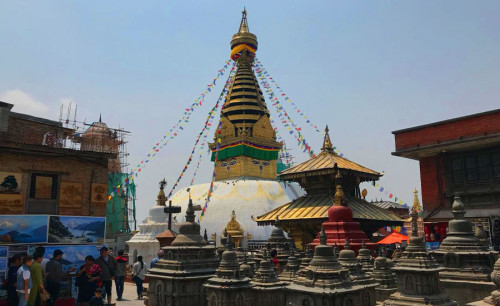
Begin at Swayambhunath Stupa, situated on a hill overlooking Kathmandu. This ancient Buddhist site provides an excellent introduction to Buddhism, religious symbolism, prayer flags, stupas and the cultural relationship between Hindu and Buddhist traditions in Nepal.
Continue to Kathmandu Durbar Square, the historic royal center of old Kathmandu. Students can observe traditional Newari architecture, intricately carved wooden buildings, temple courtyards and the former royal palace complex. The area also introduces the fascinating tradition of the Kumari, Nepal's Living Goddess. Nepal Tourism Board describes the square as a concentration of historic palaces, courtyards and temples in the heart of old Kathmandu.
Later, visit Pashupatinath Temple, one of Nepal's most important Hindu pilgrimage complexes. From the areas accessible to visitors, students can learn respectfully about Hindu beliefs, rituals, the sacred Bagmati River and attitudes toward life and death.
Finish the day's cultural exploration at Boudhanath Stupa, one of Kathmandu's great centers of Tibetan Buddhism. Students can observe pilgrims walking around the stupa, prayer wheels, monasteries and daily religious practices, providing an opportunity to see that these heritage sites are not simply historical monuments but remain part of living communities and traditions. UNESCO identifies Swayambhu, Boudhanath and Pashupati among the seven monument zones that make up the Kathmandu Valley World Heritage property.
The day is designed not simply as sightseeing, but as an introduction to how history, religion, architecture and everyday life remain connected in Nepal.
Educational Focus: Nepalese history, Hinduism, Buddhism, Newari architecture, religious traditions and UNESCO cultural heritage.
Learning from Nepal's Historic Cities
Today students continue exploring the Kathmandu Valley, focusing on the historic cities of Patan and Bhaktapur and the remarkable artistic traditions of the Newar community.
After breakfast, drive to Patan Durbar Square, once the royal center of the historic city of Lalitpur. Walking through the square provides students with an opportunity to study traditional architecture, stone and metal craftsmanship, temples, courtyards and the urban design of one of Nepal's oldest cities.
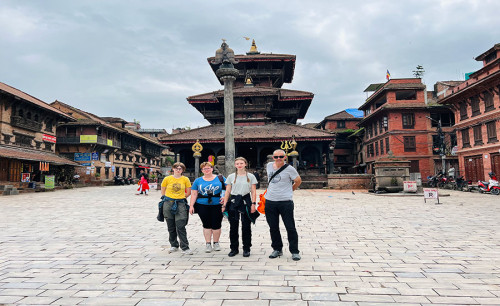
The journey then continues to Bhaktapur, another former royal city of the Kathmandu Valley. Its squares, brick-paved lanes, temples, traditional houses and artisan workshops provide an excellent setting for students to observe how cultural heritage continues within a living city.
Rather than simply photographing monuments, students are encouraged to notice details: How were these cities built? Why are temples and public squares at the center of community life? How have traditional crafts survived? How does a historic city balance preservation with modern life?
UNESCO recognizes the royal squares of Kathmandu, Patan and Bhaktapur as three of the seven monument zones of the Kathmandu Valley World Heritage property and highlights the valley's exceptional traditions of craftsmanship in brick, stone, timber and bronze.
Where suitable and arranged in advance, this day can also include an educational or cultural exchange activity according to the interests of the school or college group and the availability of the host institution.
Return to the hotel in Kathmandu in the late afternoon.
Educational Focus: Newari culture, traditional architecture, arts and craftsmanship, urban history, heritage conservation and cultural identity.
From Kathmandu Valley to the Himalayan Foothills
After breakfast, leave Kathmandu and begin the overland journey to Pokhara, Nepal's famous lakeside city and the gateway to the Annapurna region.
For students, today is more than a transfer between two cities. The journey becomes a moving lesson in the geography and everyday life of Nepal.
As the road travels through the hills of central Nepal, students can observe river valleys, terraced farmland, roadside settlements, suspension bridges and changing landscapes. Along the way, the guide can explain how Nepal's mountainous geography influences transportation, agriculture, settlement patterns and the daily lives of rural communities.
There will be suitable stops along the journey for refreshments, lunch and short breaks, giving students time to observe how the landscape gradually changes as the group travels west toward Pokhara.
Upon arrival in Pokhara (822 m), check into the hotel and enjoy time to relax after the drive. If time and weather allow, students can take a gentle orientation walk around the lakeside area and enjoy their first views of Pokhara's natural surroundings.
The following days will turn the focus toward Himalayan geography, mountaineering, village life and outdoor learning around Pokhara and Dhampus.
Educational Focus: Physical geography, river systems, terraced agriculture, rural settlements, transportation and the relationship between people and landscape in Nepal.
Early in the morning, drive from Pokhara to Sarangkot (1,592 m), one of the best-known viewpoints in the Pokhara Valley. On a clear morning, students can watch the sunrise illuminate the Annapurna and Dhaulagiri ranges, with beautiful views of Machhapuchhre (Fishtail).
Beyond the sunrise, Sarangkot provides a natural setting for understanding the scale and geography of the Himalayas. Students can observe the relationship between the high mountains, surrounding hills, river valleys and settlements of the Pokhara region.
Return to Pokhara for breakfast before continuing the day's educational exploration. Visit the International Mountain Museum, where students can learn about the Himalayan mountain system, mountaineering history, mountain communities and the people who have explored some of the world's highest peaks.
Continue to some of Pokhara's important natural and cultural attractions, which may include Davis Falls and Gupteshwor Cave, offering opportunities to observe how water and geology have shaped the local landscape.
Later, enjoy a relaxing boat ride on Phewa Lake. From the lake, students can appreciate Pokhara's remarkable setting between water, hills and the Annapurna Himalayas.
Return to the hotel after a varied day combining nature, geography, history and outdoor experience.
Educational Focus: Himalayan geography, mountain environments, geology, mountaineering history and the relationship between landscape and tourism.
After breakfast, leave Pokhara by private vehicle and drive to Phedi, where today's easy Himalayan foothill hike begins.
The trail climbs gradually through forest, terraced farmland and small settlements toward Dhampus, a traditional village situated above the Pokhara Valley. The walk gives students their first opportunity to experience Nepal on foot rather than through the window of a vehicle.
Along the way, students can observe terraced agriculture, traditional houses, local crops and rural landscapes, gaining a better understanding of how people have adapted to living and farming in Nepal's hills.
Upon reaching Dhampus, settle into the mountain lodge and enjoy the peaceful village surroundings. In clear weather, the area offers impressive views toward Annapurna South, Hiunchuli and Machhapuchhre.
The afternoon provides time to explore the village respectfully and observe everyday rural life. Students can compare life in a Himalayan village with life in Kathmandu, Pokhara and their own communities back home.
The overnight stay in Dhampus is an important part of the educational journey, allowing students to slow down and experience a side of Nepal that cannot be understood through sightseeing alone.
Educational Focus: Rural communities, terraced agriculture, Gurung culture, Himalayan landscapes, sustainable living and adaptation to mountain environments.
Wake up in the peaceful surroundings of Dhampus and, weather permitting, enjoy another beautiful view of the Annapurna mountains before breakfast.
After breakfast, begin the hike downhill toward Phedi, passing through forest, farmland and small settlements. Your private vehicle will be waiting at the end of the trail for the journey south toward Chitwan National Park.
Today's journey offers students one of the clearest examples of Nepal's extraordinary geographical diversity. Within a single day, the group travels from the cooler Himalayan foothills into the warmer, subtropical lowlands of the Terai.
As the scenery changes, students can observe differences in vegetation, agriculture, settlement patterns and climate.
Upon arrival in Chitwan, check into the jungle resort and enjoy lunch or refreshments depending on arrival time. A local nature guide will introduce the group to the national park, its wildlife and the activities planned for the following day.
Depending on the schedule, the afternoon or evening may include a Tharu village experience, riverside walk or cultural program, providing an introduction to the traditions of the indigenous Tharu community of the Terai.
Educational Focus: Nepal's changing climate zones, geographical diversity, Terai ecosystems, rural communities and Tharu culture.
Today is dedicated to the remarkable natural environment of Chitwan National Park, Nepal's first national park and a UNESCO World Heritage Site.
Accompanied by an experienced nature guide, students participate in a selection of wildlife and nature activities organized according to park conditions and the resort program. These may include a jeep safari, nature walk, birdwatching and a visit to the Rapti River area.
Chitwan protects important populations of wildlife, including the greater one-horned rhinoceros, deer, crocodiles, monkeys and numerous bird species. The park is also habitat for the Bengal tiger, although sightings of wild animals can never be guaranteed.
For students, the experience goes beyond looking for animals. The nature guide can explain how forests, grasslands, wetlands and rivers form interconnected ecosystems and why protected areas are important for conserving wildlife.
Students also gain insight into the challenges of balancing wildlife conservation, tourism and the needs of communities living around protected areas.
Where included in the day's program, students can learn more about Tharu culture and traditional life, adding a human perspective to their understanding of the Chitwan region.
The day provides a memorable opportunity to experience concepts such as biodiversity, habitats and conservation outside the classroom and within a real protected environment.
Educational Focus: Biodiversity, ecosystems, endangered wildlife, habitat protection, conservation and the relationship between people and protected areas.
After breakfast, leave the subtropical landscapes of Chitwan and drive north toward Gorkha, a historically important hill town closely connected with the formation of modern Nepal.
After arrival and hotel check-in, explore the historic area of Gorkha with your guide.
A major highlight is Gorkha Durbar, the historic palace complex situated on a ridge above the town. The location provides an opportunity to introduce students to King Prithvi Narayan Shah, who began the campaign that eventually unified many smaller kingdoms into modern Nepal during the 18th century.
Students can learn how geography, politics and trade influenced Nepal's history and why Gorkha holds such an important place in the country's national story.
The visit also provides an opportunity to discuss the internationally recognized Gurkha tradition and distinguish the broader history of Gorkha from the popular image of Gurkha soldiers abroad.
Beyond history, the hilltop surroundings provide excellent views across rural Nepal, allowing students to observe settlements, farmland and the middle hills from another perspective.
Return to the hotel after the visit and enjoy the evening in Gorkha.
Educational Focus: Nepalese history, the unification of Nepal, Prithvi Narayan Shah, Gorkha heritage and the historical Gurkha tradition.
After breakfast, leave Gorkha and travel east toward Dhulikhel, a traditional hill town situated outside the Kathmandu Valley.
The drive takes students once again through Nepal's diverse middle-hill landscape, passing rivers, terraced fields, towns and rural communities. Suitable stops will be made along the journey for refreshments, lunch and rest.
Upon reaching Dhulikhel, check into the hotel and enjoy some time to relax after the drive.
If time and weather permit, take an easy walk through the surrounding area or explore parts of old Dhulikhel, where traditional Newar houses, temples and narrow streets provide another example of Nepal's cultural diversity.
On a clear day, Dhulikhel is also known for its broad views toward the Himalayan ranges. The peaceful setting makes it a good place for students to reflect on the different environments they have experienced so far—from Kathmandu's historic urban communities and the Annapurna foothills to Chitwan's subtropical ecosystem and Gorkha's historic hill landscapes.
The overnight stay also prepares the group for the following day's journey to Namobuddha, one of Nepal's important Buddhist pilgrimage sites.
Educational Focus: Nepal's middle-hill geography, rural landscapes, Newar culture, settlement patterns and reflection on the journey through Nepal's different regions.
After breakfast, begin a beautiful hike from Dhulikhel toward Namobuddha, combining outdoor activity with another opportunity to experience Nepal's rural landscapes, villages and spiritual traditions.
The trail passes through the countryside, small settlements and agricultural landscapes, with sections leading through Kavrekot and local temple areas. Along the way, students can observe how communities live outside Nepal's major cities and see the close relationship between farming, religion and everyday village life.
On clear days, the higher sections of the trail offer impressive views across Nepal's hills toward the distant Himalayas.
The hike eventually reaches Namobuddha (approx. 1,750 m), one of Nepal's important Buddhist pilgrimage destinations. Here, students visit the monastery area and learn about Buddhist beliefs, monastic life, compassion and the spiritual significance of Namobuddha.
Students are encouraged to experience the monastery respectfully—not simply as visitors taking photographs, but by observing the peaceful surroundings, religious practices and role of Buddhism in local life.
After completing the visit, drive back to Kathmandu (1,335 m) and check into the hotel.
Today's combination of walking, rural landscapes and Buddhist culture provides a peaceful conclusion to the travelling part of the educational journey.
Educational Focus: Buddhism, spiritual traditions, rural communities, cultural respect, Himalayan landscapes and learning through outdoor experience.
After many days of travelling across Nepal, today offers students time to slow down, enjoy Kathmandu and reflect on everything they have experienced.
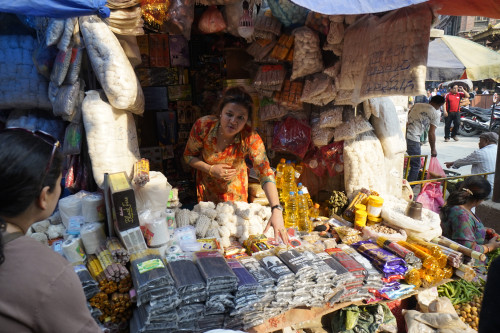
The morning is kept relatively relaxed. Depending on the group's interests, students can explore areas such as Thamel or the traditional Asan market, accompanied as appropriate by teachers and group leaders. The colorful streets provide another opportunity to observe everyday city life, local shops, spices, handicrafts and the lively atmosphere of Kathmandu.
In the afternoon, take part in a hands-on Nepali cooking class.
With guidance from local hosts, students learn about ingredients, spices and traditional cooking methods before helping to prepare popular Nepali dishes. The experience provides a fun and practical way to understand how food connects with family life, agriculture, geography and cultural traditions.
More importantly, students participate rather than simply observe—preparing, cooking and sharing food together.
In the evening, gather for a special farewell dinner with Himalayan Dream Team. This is a time for students, teachers, guides and our team to look back on the journey—from Kathmandu's ancient heritage and the mountains of Pokhara and Dhampus to Chitwan's wildlife, the history of Gorkha and the peaceful Buddhist surroundings of Namobuddha.
Students can share their favorite experiences and some of the things that surprised or inspired them during their time in Nepal.
It is a warm final evening celebrating not only the places visited, but also the friendships, experiences and lessons shared along the way.
Educational Focus: Nepali food culture, local ingredients, traditional markets, practical learning, teamwork and reflection on the educational journey.
Today your Nepal Student Educational Tour comes to an end.
After breakfast, depending on the international flight schedule, students and teachers will have some free time before checking out of the hotel.
A representative from Himalayan Dream Team will meet the group and arrange the private transfer to Tribhuvan International Airport for the flight home.
Over the past 13 days, students have experienced Nepal in many different ways: walking through ancient cities, seeing the Himalayas, staying in a mountain village, learning about wildlife conservation, exploring Nepalese history, experiencing Buddhist and Hindu traditions, meeting local people and preparing Nepali food together.
But the most important part of an educational journey is not simply how many places students visit.
It is what they take home with them.
We hope students leave Nepal with greater curiosity, confidence and respect for different cultures, along with a deeper appreciation for nature and a better understanding of a world that extends far beyond their own classroom.
The Himalayan Dream Team bids the students, teachers and group leaders a warm Namaste and safe journey home, with the hope that the memories, friendships and lessons from Nepal will stay with them for many years to come.
Educational Focus: Reflection, cultural understanding, personal growth and carrying the lessons of Nepal beyond the journey.
Yes. Nepal offers students an unusual combination of history, culture, religion, Himalayan geography, wildlife, conservation and rural community life within one journey. Students can explore UNESCO World Heritage Sites in Kathmandu, study mountain landscapes around Pokhara, experience village life in Dhampus, learn about biodiversity in Chitwan National Park and discover important chapters of Nepalese history in Gorkha.
Rather than learning only through sightseeing, students experience many subjects in real settings. This makes Nepal particularly suitable for school trips, college educational tours, university study programs and faculty-led student travel.
The Nepal Student Educational Tour – 13 Days is designed for international schools, high schools, colleges, universities and faculty-led student groups. The itinerary can also work for educational organizations and youth groups travelling with responsible adult supervision.
Because the program combines cultural sightseeing, easy hiking, wildlife experiences and hands-on activities rather than strenuous trekking, it can be adapted to different student ages and educational objectives.
The program can be adapted for different student age groups. School-age groups may require closer supervision, shorter activities and different room arrangements, while college and university groups may prefer a stronger academic focus or additional independent learning activities.
Before confirming the program, Himalayan Dream Team can discuss the students' ages, group size, fitness levels and learning objectives with teachers or faculty members so that the itinerary is appropriately planned.
Yes. The 13-day itinerary can be customized according to the institution's academic interests, student ages, available travel dates and group requirements.
Schools may prefer a broad program combining culture, geography, wildlife and outdoor learning, while colleges and universities may want greater emphasis on subjects such as environmental studies, history, Buddhism and Hinduism, conservation, geography, tourism or community studies.
The duration can also be adjusted when a group has a shorter school holiday or a longer study period available.
Yes. Student programs can be planned around school holidays, semester breaks, university vacations and academic calendars.
The most favorable overall periods are generally September to May, with October–November and March–April particularly popular for comfortable temperatures, outdoor activities and Himalayan views.
Groups traveling during other months can also be accommodated, although the itinerary may need adjustments according to seasonal weather and road conditions.
Students experience several learning areas throughout the journey, including Nepalese history and heritage, Hinduism and Buddhism, Himalayan geography, village life, agriculture, biodiversity, wildlife conservation, cultural traditions and food.
The journey also encourages personal development. Traveling in a different cultural environment can help students develop curiosity, teamwork, adaptability, independence and respect for different ways of life.
The aim is to make Nepal a living classroom where students connect what they learn academically with real people, places and environments.
The itinerary can complement subjects including geography, history, environmental science, biology, religious studies, cultural studies, social studies, tourism and sustainability.
For example, Kathmandu introduces history, architecture and religion; Pokhara and Dhampus provide opportunities to observe Himalayan geography and rural landscapes; Chitwan focuses on ecosystems and wildlife conservation; Gorkha connects students with Nepalese history; and Namobuddha introduces Buddhist traditions and monastic culture.
Programs can be adjusted when a school, college or university has specific academic learning objectives.
Where appropriate and arranged in advance, the program can include a school visit, student-to-student interaction or community-based educational experience.
Such visits depend on the interests of the visiting group, local school calendars, availability and agreement of the host institution. Himalayan Dream Team aims to arrange these activities respectfully so that they create genuine interaction and learning rather than treating local communities simply as tourist attractions.
Schools interested in an exchange experience should discuss their objectives with us during the planning stage.
Student safety and well-being are important considerations throughout the program. Groups travel with experienced local support, scheduled transportation is arranged by private vehicle, and accommodation and activities are selected with the requirements of student groups in mind.
Accompanying teachers, faculty members or designated group leaders remain responsible for student supervision, while the Himalayan Dream Team provides local logistical support throughout the journey.
Activities can also be adapted according to student age, fitness and institutional requirements.
Students travel as an organized group accompanied by their teachers, faculty members or designated group leaders, together with the local Himalayan Dream Team guides and support team.
Teachers and institutional group leaders remain an important part of student supervision throughout the program. Our local team manages the travel arrangements, destination logistics, guiding, transportation and coordination of scheduled activities.
For younger student groups, arrangements can be discussed in advance to suit the school's supervision and safeguarding requirements.
The program uses comfortable hotels in Kathmandu, Pokhara, Gorkha and Dhulikhel, a selected lodge during the Dhampus village experience and a jungle resort during the stay in Chitwan.
Accommodation is selected with practical considerations such as comfort, hygiene, location and suitability for organized groups in mind.
Room arrangements for students, teachers and faculty members can be discussed before the tour according to group size, age and institutional requirements.
The standard program includes daily breakfast, while breakfast, lunch and dinner are provided during the Chitwan National Park stay. A welcome dinner and farewell experience are also included according to the final confirmed program.
Meals not included in the package allow groups some flexibility during the journey.
Exact meal inclusions will be clearly stated in the final quotation and itinerary provided to the school, college or university before booking.
Vegetarian, vegan and many other dietary requirements can generally be planned when Himalayan Dream Team receives the information in advance.
Schools and group leaders should provide details about food allergies, intolerances, religious dietary requirements and other important dietary needs before arrival. This allows our team to discuss appropriate arrangements with hotels, lodges, restaurants and other local partners.
Students with serious allergies or specific medical dietary requirements should also follow the advice provided by their school, parents and medical professionals.
The tour is graded Easy and is designed as an educational journey rather than a demanding Himalayan trek.
Most days involve cultural visits, sightseeing, nature activities or traveling by private vehicle. The main walking experiences include the hike to Dhampus and the approximately 10 km hike from Dhulikhel to Namobuddha.
Students should be comfortable walking for several hours, including on uneven trails and hills, but no technical trekking or climbing experience is required.
No. This itinerary is specifically designed to provide a Himalayan experience without traveling to high altitude.
The highest point of the standard program is around 1,750 m at Namobuddha, while Dhampus is approximately 1,650 m and Sarangkot approximately 1,592 m.
This makes the itinerary very different from high-altitude trekking programs such as Everest Base Camp or the Annapurna Circuit and allows students to experience Nepal's mountain landscapes without undertaking a demanding high-altitude expedition.
The best time for a student educational tour in Nepal is generally September to May.
October and November normally provide pleasant conditions and clearer Himalayan views, while March and April are excellent for warmer weather and outdoor educational activities. December to February can also be suitable, although mornings and evenings are cooler.
June to August is Nepal's main monsoon period. Educational programs are still possible, but rainfall, humidity and possible road delays need to be considered when planning the itinerary.
Students should bring comfortable and practical clothing suitable for cultural sightseeing, easy hiking and changing temperatures. Useful items include comfortable walking shoes, lightweight clothing, a warm layer, rain protection, sun hat, reusable water bottle, small daypack, sunscreen and personal toiletries.
Because the journey includes religious and cultural sites, students should also bring clothing that allows them to dress respectfully when visiting temples, monasteries and local communities.
A more detailed recommended packing list can be provided before departure according to the season.
Scheduled transfers and overland journeys are arranged using a private tourist vehicle appropriate to the size of the student group.
The itinerary includes road travel between Kathmandu, Pokhara, Chitwan, Gorkha and Dhulikhel, together with shorter transfers for sightseeing and hiking.
Driving times in Nepal can vary because of traffic, road conditions, weather and ongoing road works. For this reason, the itinerary should maintain some flexibility, particularly on longer travel days.
Chitwan National Park provides an excellent opportunity to learn about Nepal's subtropical ecosystems and wildlife conservation.
Depending on the activity and natural conditions, students may see greater one-horned rhinoceroses, deer, monkeys, crocodiles and numerous bird species. Chitwan is also habitat for Bengal tigers and many other species.
However, this is a natural protected environment rather than a zoo, so wildlife sightings can never be guaranteed. The educational emphasis is on understanding habitats, biodiversity and conservation as well as observing wildlife.
The program is designed to balance learning, discovery and enjoyable shared experiences.
Students explore ancient cities, watch sunrise over the Himalayas, hike through villages, take a boat ride on Phewa Lake, experience Chitwan's wildlife, visit historic and spiritual sites and participate in a Nepali cooking class.
Learning happens naturally through these experiences rather than through formal classroom sessions every day. This balance makes the program suitable for schools and colleges looking for an educational journey that students will also genuinely enjoy.
Yes. Schools, colleges and universities can share their curriculum themes, subjects or learning objectives with Himalayan Dream Team during the planning process.
The itinerary can then place greater emphasis on relevant experiences—for example, Himalayan geography, biodiversity and conservation, Nepalese history, religious studies, cultural heritage, sustainable tourism or community life.
Teachers can also use the journey for student journals, photography projects, field observations, group discussions, presentations or other assignments designed by their institution.
Yes. The standard program is designed for organized student groups and can be adapted according to group size.
For larger groups, transportation, accommodation, guides, room allocation, meals and daily activities need to be planned carefully in advance. Himalayan Dream Team can work directly with teachers, school administrators, faculty leaders and educational travel organizers to coordinate the practical arrangements.
Large groups should contact us early so suitable hotels, vehicles and other services can be secured.
Yes. The 13-day Nepal Student Educational Tour is a suggested program and can be shortened, extended or redesigned according to the group's available dates and educational goals.
A shorter program might concentrate on Kathmandu, Pokhara and Chitwan, while a longer educational journey could allow additional time for cultural exchange, village experiences, nature activities or other parts of Nepal.
The final itinerary can be developed around the school's academic calendar, student age group and preferred learning focus.
Yes. Students, teachers and accompanying group members should have appropriate travel insurance for Nepal before departure.
Insurance should be suitable for the activities included in the confirmed itinerary and should provide appropriate coverage for medical treatment, emergency assistance, trip interruption and other relevant travel risks.
Schools, parents and participants should review the terms and exclusions of their chosen policy carefully, as Himalayan Dream Team does not determine whether an individual insurance policy provides adequate coverage.
Unless specifically stated in the confirmed quotation, the Nepal visa is not included in the standard tour cost.
Visa requirements can vary according to nationality and travel circumstances. Schools and group organizers should therefore confirm the applicable entry requirements for every participant well before departure.
Passport validity and any documentation required for minors should also be checked during the planning process.
International flights to and from Nepal are normally not included in the standard tour package unless specifically agreed otherwise.
This gives schools, universities and educational travel organizers flexibility to arrange international flights from their own country according to their preferred airline, departure city and group travel policy.
Himalayan Dream Team arranges the local Nepal program beginning with arrival at Kathmandu International Airport and ending with the final airport transfer.
For international student groups, planning several months in advance is recommended, particularly when traveling during the popular autumn and spring seasons.
Early planning gives schools more time to coordinate international flights, student documentation, insurance, parental permissions, room arrangements, dietary information and educational objectives. It also provides more flexibility when arranging suitable hotels, private transportation and any requested school or community exchange.
Larger student groups and institutions traveling during fixed school holidays should generally begin planning as early as practical.
Yes. A clearly planned itinerary is particularly important for educational travel.
Before the journey, the school or group organizer can receive information about the day-to-day program, accommodation, transportation, included services and other practical arrangements relevant to the confirmed tour.
Teachers and organizers should also provide Himalayan Dream Team with important group information in advance, including student ages, rooming requirements, dietary needs and any other arrangements that need to be considered during planning.
A successful student journey requires more than simply arranging hotels and sightseeing. It requires a local team that understands how to combine education, cultural experience, nature, practical organization and responsible travel.
Himalayan Dream Team works with teachers and group organizers to create a program appropriate to the students' ages, interests and learning objectives. From Kathmandu's cultural heritage and Pokhara's Himalayan landscapes to Chitwan's conservation experiences and rural Nepal, we aim to help students understand the country rather than simply pass through it.
Our goal is for students to return home with knowledge, new perspectives, meaningful memories and greater understanding of a culture different from their own.
No reviews yet. Traveled with us on this trip? Be the first to share your experience.
Enjoy the popular trekking and tour packages in Nepal Himalayas. 2026.
© 2011 - 2026 All rights reserved. Himalayan Dream Team