Featured

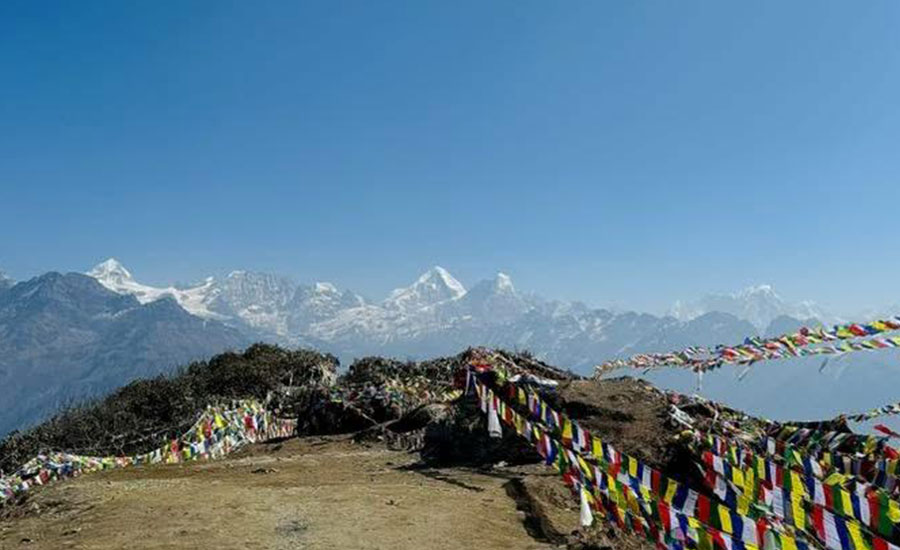
The Ama Yangri Trek is a short but breathtaking trekking route located in the Helambu region of Nepal, just north of Kathmandu. Often referred to as the "Everest View Trek of Central Nepal," this lesser-known trail reaches an elevation of 3,771 meters at the Ama Yangri peak, offering panoramic views of giants like Langtang Lirung, Dorje Lakpa, Shishapangma, and even distant glimpses of Mount Everest on a clear day. What makes this trek especially appealing is its proximity to the capital, making it ideal for those seeking a Himalayan experience without the long travel or high altitude risks of other popular routes.
The trek begins from Tarkeghyang, a traditional Sherpa village in the Sindhupalchowk district, accessible by a 5-6 hour drive from Kathmandu. This region is steeped in Buddhist heritage, and along the trail, trekkers will pass through ancient monasteries, colorful prayer flags, and rhododendron forests, especially vibrant in spring. The summit of Ama Yangri itself is marked by a stupa and prayer flags, and is believed by locals to be a powerful spiritual site. For both seasoned hikers and casual adventurers, the trek offers a perfect blend of culture, nature, and solitude—rare in more commercialized trekking zones.
Ideal for a 2 to 3-day escape, the Ama Yangri Trek is suitable for beginners and families, yet still rewarding for experienced trekkers. It’s a perfect option for those with limited time or seeking an off-the-beaten-path experience. Whether you’re a local traveler rediscovering your homeland or an international visitor eager for an authentic Himalayan encounter, Ama Yangri promises serenity, spiritual charm, and scenic grandeur without the crowds.
Proximity to Kathmandu: Easily accessible, making it perfect for travelers with limited time.
Stunning Panoramic Views: Witness 360-degree vistas of the Langtang, Ganesh Himal, Manaslu, and even Mount Everest on clear days.
Cultural Immersion: Experience the unique Hyolmo culture and visit ancient monasteries in traditional Sherpa villages like Tarkeghyang.
Moderate Difficulty: Suitable for beginners and seasoned trekkers alike, with well-marked trails and manageable elevations.–
Day 1: Drive from Kathmandu to Timbu (approx. 4 hours), then trek to Tarkeghyang (5 hours).
Day 2: Early morning hike to Ama Yangri Peak (3,771m) and return to Tarkeghyang.
Day 3: Trek back to Timbu and drive to Kathmandu.–
Note: Some itineraries extend to 5-7 days, including additional stops like Sermathang and cultural sightseeing in Kathmandu.–
Ama Yangri is revered as a protective deity by the Hyolmo people. The peak holds spiritual importance, and local legends speak of its guardian spirit watching over the Helambu region. Visiting the summit is considered a blessing, offering both physical and spiritual rejuvenation.–
Drive Duration: Approx. 4 hours
Trek Duration: Approx. 5 hours
Elevation: Timbu (1,800m) to Tarkeghyang (2,560m)
Overnight Stay: Local teahouse or homestay in Tarkeghyang
Your journey begins with an early morning drive from Kathmandu to Timbu, a small village in Helambu. The road, though bumpy at times, offers beautiful views of rural Nepal, terraced fields, and river valleys. Upon reaching Timbu, you'll start your scenic uphill trek through rhododendron and pine forests, crossing several suspension bridges and small settlements along the way.
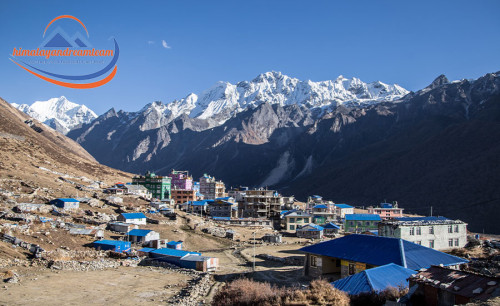
By late afternoon, you'll arrive in Tarkeghyang, a picturesque Sherpa village known for its ancient monastery and stone-paved alleys. Take time to explore the village, interact with locals, and enjoy the peaceful mountain atmosphere.
Trek Duration: Approx. 4–5 hours
Drive Duration: Approx. 4 hours
Destination: Return to Kathmandu
After breakfast, begin your descent from Tarkeghyang to Timbu, following the same scenic path down through forests and riverside trails. Once in Timbu, your private vehicle will be waiting to take you back to Kathmandu, marking the end of your short but unforgettable Himalayan adventure.
Hike Duration: 6–7 hours round trip
Elevation Gain: ~1,200m ascent and descent
Highlights: Ama Yangri viewpoint, panoramic Himalayan views, spiritual stupa
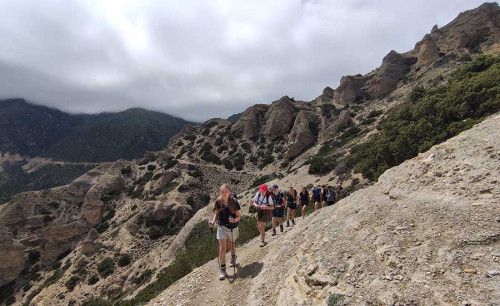
Wake up early and begin your ascent to the Ama Yangri viewpoint, the spiritual and scenic high point of this trek. The trail is steep but well-marked, winding through dense forests filled with birdsong, prayer flags, and occasional wildlife sightings. As you climb, the surrounding views become more dramatic.
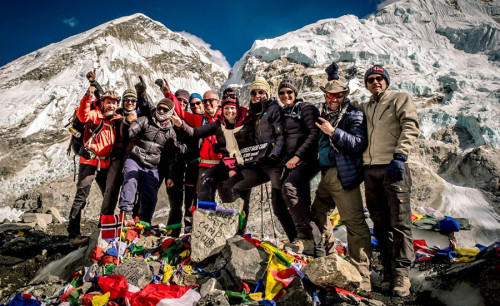
Upon reaching the summit at 3,771 meters, you'll be rewarded with a breathtaking 360° panorama of the Himalayas, including Langtang Lirung, Dorje Lakpa, Ganesh Himal, and even Mount Everest on a clear day. The summit is adorned with a large stupa and fluttering prayer flags, believed to bring protection and blessings. After soaking in the views and capturing photos, retrace your steps back to Tarkeghyang for a well-deserved rest.
Spring (March to May): Enjoy blooming rhododendron forests and clear mountain views.
Autumn (September to November): Experience stable weather and vibrant local festivals.–
While trekking is possible year-round, winter months can bring snow and colder temperatures, and monsoon season (June to August) may result in slippery trails.
For Nepali Citizens: Approximately NPR 3,500–5,500, including transportation and accommodation.
For Foreigners: Costs vary based on services; permits required include the Langtang National Park Entry Permit and TIMS card.
No reviews yet. Traveled with us on this trip? Be the first to share your experience.
Enjoy the popular trekking and tour packages in Nepal Himalayas. 2026.
© 2011 - 2026 All rights reserved. Himalayan Dream Team