

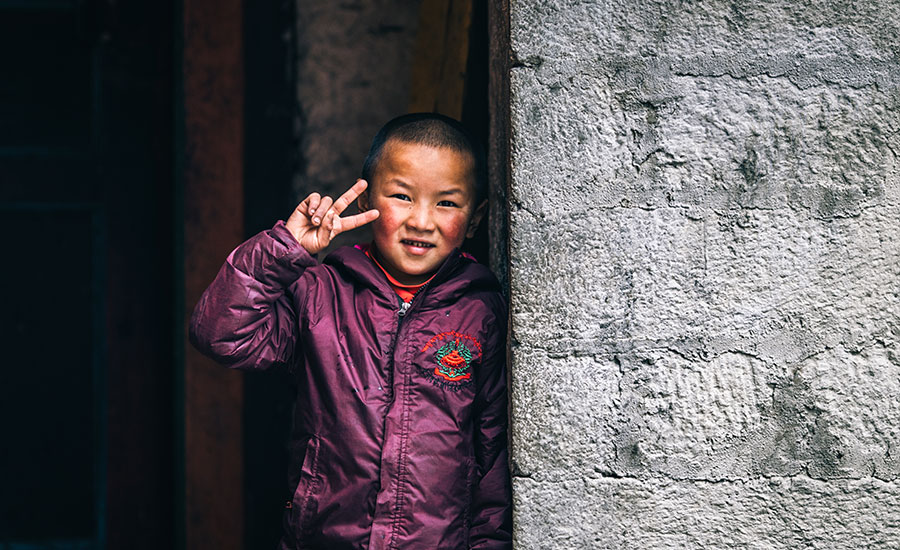
The Gyalpo Lhosar Festival in Nepal is one of the most important New Year celebrations among Sherpa, Tibetan Buddhist and other Himalayan communities. Filled with monastery prayers, family gatherings, traditional food, colourful clothing, butter lamps and wishes for a prosperous year ahead, Gyalpo Lhosar offers a fascinating insight into Nepal's Himalayan Buddhist heritage.
In 2027, Gyalpo Lhosar in Nepal falls on Tuesday, 9 March 2027, corresponding to Falgun 25, 2083 B.S. The festival follows a lunar calendar, so its Gregorian date changes from year to year.
For travellers visiting Nepal around this period, Gyalpo Lhosar is a wonderful opportunity to experience living Buddhist traditions in Kathmandu and the Himalayan regions. Places such as Boudhanath Stupa, Swayambhunath and Buddhist monasteries around Kathmandu become especially meaningful places to observe prayers and community activities.
This complete guide to Gyalpo Lhosar Festival in Nepal 2027 explains the festival date, history, meaning, preparations, religious rituals, traditional foods, celebrations in Kathmandu, Sherpa culture and practical information for travellers wishing to experience the festival respectfully.
Gyalpo Lhosar 2027 at a Glance
| Festival Information | Details |
|---|---|
| Festival | Gyalpo Lhosar / Gyalpo Losar |
| Meaning | New Year celebration |
| Gyalpo Lhosar Date 2027 | Tuesday, 9 March 2027 |
| Nepali Date | Falgun 25, 2083 B.S. |
| Religion / Tradition | Tibetan Buddhism and Himalayan Buddhist traditions |
| Main Communities | Sherpa, Tibetan/Bhote and related Himalayan Buddhist communities |
| Main Celebration Areas | Kathmandu, Boudhanath, Swayambhunath, Solukhumbu and Himalayan communities |
| Main Activities | Prayers, monastery visits, family gatherings, offerings and festive meals |
| Traditional Foods | Guthuk, khapse, momo, thukpa and butter tea |
| Festival Period | Celebrations and preparations extend beyond the main New Year day |
| Season | Late winter / early spring |
| Suitable for Travellers | Yes, particularly for cultural and Buddhist heritage travellers |
What Is Gyalpo Lhosar Festival in Nepal?
Gyalpo Lhosar, also commonly written as Gyalpo Losar, marks the beginning of a New Year according to the Tibetan lunar calendar.
In Nepal, the festival is particularly associated with the Sherpa community and Tibetan Buddhist communities whose religious and cultural traditions have deep historical connections with the Himalayan region.
The word Lhosar or Losar is commonly understood as "New Year," with lo referring to year and sar to new or change.
But Gyalpo Lhosar is much more than simply turning a page on a calendar.
It represents renewal, purification, family unity, religious devotion and hope for the coming year. Families prepare their homes, visit monasteries, make offerings, share traditional meals and exchange New Year greetings.
For the Sherpa people and other Himalayan Buddhist communities, these traditions help maintain an important connection between family life, Buddhist spirituality and cultural identity.
When Is Gyalpo Lhosar in Nepal in 2027?
The official Gyalpo Lhosar date in Nepal in 2027 is Tuesday, 9 March 2027, corresponding to Falgun 25, 2083 B.S.
Gyalpo Lhosar does not fall on the same Gregorian date every year because it follows a lunar calendar.
| Year | Festival | Nepali Date | Gregorian Date | Day |
|---|---|---|---|---|
| 2027 | Gyalpo Lhosar | Falgun 25, 2083 B.S. | 9 March 2027 | Tuesday |
Travel Tip: If you are planning a Nepal holiday specifically to experience Gyalpo Lhosar, always check the festival date for your year of travel. The Gregorian date changes according to the lunar calendar.
The Origin and History of Gyalpo Lhosar
The roots of Gyalpo Lhosar are connected with the ancient cultural and religious traditions of Tibet and the wider Himalayan region.
Over centuries, communities moving across the Himalayas carried their language, Buddhist beliefs, festivals, food traditions and New Year customs with them.
The Sherpa people have particularly strong historical connections with eastern Tibet. Their ancestors migrated across the Himalayas and settled primarily in northeastern Nepal, especially in today's Solukhumbu region.
Visitors interested in learning more about this history can read our guide to the Sherpa people of Nepal.
Over generations, Lhosar became an important annual occasion for families and communities to mark the end of one cycle and welcome another through religious observances, social gatherings and cultural traditions.
Today, Gyalpo Lhosar continues to connect modern Sherpa and Himalayan Buddhist communities with their heritage while remaining a vibrant and evolving celebration.
Why Is Gyalpo Lhosar Celebrated?
Gyalpo Lhosar combines religious, cultural, family and social traditions.
Welcoming a New Year
At its simplest, Lhosar marks the transition from the old year to the new one. Families leave behind the difficulties of the previous year and welcome the future with hope and positive intentions.
Spiritual Renewal
Buddhist prayers, offerings and monastery visits form an important part of the festival. People may pray for peace, good health, protection and prosperity in the coming year.
Family Reunion
Like many New Year celebrations around the world, Gyalpo Lhosar brings relatives together. Families share meals, visit one another and exchange greetings.
Community Connection
Monasteries and community spaces become important gathering points where people pray and celebrate together.
Preserving Himalayan Culture
Traditional foods, clothing, religious rituals, music and family customs help younger generations remain connected with their cultural heritage.
How Is Gyalpo Lhosar Celebrated in Nepal?
Gyalpo Lhosar is not limited to one single day of activity. Preparations begin before New Year's Day, while family visits and religious observances may continue afterwards.
Customs vary between families, monasteries and communities, but several traditions are commonly associated with the festival.
Cleaning the Home and Preparing for Lhosar
Before the New Year begins, families traditionally clean their homes and prepare for the arrival of a fresh year.
This has both a practical and symbolic meaning. Cleaning represents leaving behind the unwanted aspects of the old year and creating a fresh environment for the new one.
Homes may be prepared for visiting relatives and guests, while food for the celebration is made in advance.
In Himalayan Buddhist communities, religious spaces within the home may also be cleaned and prepared for offerings.
Guthuk – The Special Meal Before Lhosar
One of the most interesting traditions associated with Tibetan New Year celebrations is Guthuk, traditionally eaten shortly before the New Year.
Guthuk is a special noodle soup that may contain different ingredients depending on the household and regional tradition.
In some traditions, pieces of dough conceal symbolic ingredients. Family members discover what is inside their portion, and the hidden item may be interpreted humorously as representing a personality characteristic or behaviour.
The meal combines family fun with the broader theme of leaving behind negativity before entering the New Year.
For travellers, Guthuk is a fascinating example of how food, symbolism and family interaction come together during Lhosar.
Monastery Prayers and Buddhist Rituals
Religion is at the heart of Gyalpo Lhosar for many families.
People may visit monasteries and stupas to pray, make offerings, receive blessings and light butter lamps.
Common religious activities can include:
- Visiting Buddhist monasteries
- Offering butter lamps
- Listening to Buddhist prayers and chanting
- Making offerings
- Receiving blessings from monks or lamas
- Walking clockwise around stupas
- Spinning prayer wheels
- Displaying or renewing prayer flags
Exact ceremonies vary between monasteries and communities, so visitors should not expect every location to follow an identical programme.
Prayer Flags and New Beginnings
Colourful Buddhist prayer flags are one of the most recognisable features of Nepal's Himalayan regions.
Around the New Year period, some families and communities replace old prayer flags or raise new ones.
The flags traditionally carry sacred prayers and mantras. As the wind passes through them, Buddhist tradition associates them with the spreading of blessings and positive intentions.
For travellers trekking through the Everest region, prayer flags can be seen at monasteries, mountain passes, bridges, chortens and settlements throughout Sherpa country.
Traditional Gyalpo Lhosar Food
Food is an essential part of Gyalpo Lhosar because the festival brings families and communities together.
Recipes and customs vary between households, but several foods are commonly associated with Lhosar and Himalayan Buddhist communities.
| Traditional Food | Description |
|---|---|
| Guthuk | Special noodle soup traditionally associated with preparations before the New Year |
| Khapse | Fried pastry prepared in different shapes and commonly served during festive occasions |
| Momo | Steamed or fried dumplings filled with meat or vegetables |
| Thukpa | Warm Himalayan noodle soup prepared in different styles |
| Butter Tea | Traditional salty tea associated with Tibetan and Himalayan communities |
| Rice and Meat Dishes | Family meals vary according to household traditions |
| Sweets and Snacks | Served to family members and visiting guests during New Year gatherings |
Khapse is particularly associated with festive occasions. These fried pastries can be made in different shapes and are often prepared in advance for family members and guests.
Food during Lhosar is not simply about eating. Preparing and sharing meals reinforces family ties and hospitality.
Traditional Clothing During Gyalpo Lhosar
Gyalpo Lhosar is also an occasion when many people proudly wear traditional clothing.
Sherpa and Tibetan-style clothing differs according to gender, region, age, family tradition and occasion, so it should not be reduced to one standard costume.
Festive dress may include beautifully woven or decorated garments, aprons, jewellery, boots and other traditional accessories.
For younger generations living in Kathmandu or overseas, wearing traditional clothing during Lhosar can also be an important way of maintaining a visible connection with family heritage.
Music, Dance and Community Celebrations
Alongside religious observances and family gatherings, Lhosar can include cultural programmes featuring traditional songs, dances and community performances.
Celebrations differ according to location. Some are primarily religious and family-oriented, while larger organised events may include music, cultural presentations and public gatherings.
Visitors should remember that not every monastery hosts a public masked dance during Gyalpo Lhosar. Cham dances are sacred ritual performances associated with particular Tibetan Buddhist festivals and monastery calendars, so their occurrence should always be confirmed for the specific monastery and date.
This distinction is important for travellers who want an authentic cultural experience rather than expecting the same performances at every Buddhist festival.
Gyalpo Lhosar Celebrations at Boudhanath Stupa
Boudhanath Stupa is one of the most important places in Kathmandu for travellers interested in Tibetan Buddhist culture.
The enormous white stupa is surrounded by monasteries, prayer wheels, shops and communities with strong connections to Tibetan Buddhism.
Around Lhosar, visitors may see devotees:
- Walking clockwise around the stupa
- Turning prayer wheels
- Lighting butter lamps
- Visiting surrounding monasteries
- Making religious offerings
- Meeting family and friends
- Wearing traditional clothing
The atmosphere around Boudhanath provides international travellers with an accessible opportunity to observe Buddhist religious life in Kathmandu.
However, Lhosar is first and foremost a meaningful religious and family celebration. Visitors should observe respectfully rather than treating worshippers or ceremonies simply as tourist attractions.
Gyalpo Lhosar at Swayambhunath
Swayambhunath, often known internationally as the Monkey Temple, is another important Buddhist heritage site in Kathmandu.
The hilltop complex includes stupas, shrines, prayer wheels and monasteries and is sacred to both Buddhist and Hindu communities.
During Buddhist festival periods, devotees may visit Swayambhunath for prayer, circumambulation, offerings and blessings.
For travellers, visiting both Boudhanath and Swayambhunath provides a broader understanding of Kathmandu's Buddhist heritage.
Gyalpo Lhosar in the Everest and Solukhumbu Region
Gyalpo Lhosar has particular cultural significance in Solukhumbu and the Everest region, home to many Sherpa communities.
Places such as Namche Bazaar, Khumjung, Khunde, Thame and other Sherpa settlements have deep connections with Tibetan Buddhist culture.
Life in these mountain communities is closely linked with monasteries, chortens, mani walls, prayer wheels and religious traditions.
Travellers visiting the region around Lhosar may gain a different perspective from celebrations in Kathmandu. Instead of a large urban gathering, they may encounter smaller family and community traditions in the environment where Sherpa culture has developed over generations.
Our guide to Everest trekking routes provides more information about the villages and trails of the Khumbu region.
Gyalpo Lhosar vs. Sonam Lhosar vs. Tamu Lhosar
Nepal celebrates several festivals commonly called Lhosar or Losar. They should not be treated as the same festival because they are associated with different communities, calendars and traditions.
| Festival | Main Community | Usual Period | Main Meaning |
|---|---|---|---|
| Tamu Lhosar | Gurung (Tamu) | Late December | Gurung New Year |
| Sonam Lhosar | Tamang | January / February | Tamang New Year |
| Gyalpo Lhosar | Sherpa, Tibetan/Bhote and related Himalayan Buddhist communities | February / March | Tibetan lunar New Year tradition |
Although all three celebrate a transition into a New Year, their dates, community identities, clothing, foods, religious practices and cultural programmes differ.
Together, they demonstrate the remarkable cultural diversity found within Nepal.
Where Is the Best Place to Experience Gyalpo Lhosar in Nepal?
The best location depends on what kind of experience you are looking for.
| Place | Why Visit During Gyalpo Lhosar? |
|---|---|
| Boudhanath, Kathmandu | Excellent for observing Tibetan Buddhist prayer, monasteries, butter lamps and community life |
| Swayambhunath | Important Buddhist pilgrimage site with prayer rituals and panoramic Kathmandu views |
| Kathmandu Buddhist Monasteries | Opportunities to observe religious traditions where public access is permitted |
| Namche Bazaar | Major Sherpa centre in the Everest region |
| Khumjung & Khunde | Traditional Sherpa settlements with strong Buddhist heritage |
| Thame | Historic Sherpa village and monastery culture |
| Solukhumbu | Opportunity to experience Sherpa traditions in their Himalayan cultural setting |
Can Tourists Experience Gyalpo Lhosar?
Yes. Travellers are generally welcome to observe public Gyalpo Lhosar celebrations and visit Buddhist heritage sites, provided they behave respectfully.
The festival is particularly interesting for visitors interested in:
- Buddhism
- Sherpa culture
- Himalayan traditions
- Religious festivals
- Traditional food
- Cultural photography
- Nepal's ethnic diversity
- Everest region culture
However, travellers should remember that some ceremonies are religious rather than tourist performances and that private family celebrations should remain private unless guests are specifically invited.
Cultural Etiquette During Gyalpo Lhosar
Respectful behaviour makes a significant difference when experiencing a religious festival.
Visitors should:
- Dress modestly when entering monasteries.
- Remove shoes when requested.
- Ask permission before photographing monks or individuals.
- Check whether photography is permitted inside prayer halls.
- Keep voices low during religious ceremonies.
- Do not interrupt prayers to take photographs.
- Walk clockwise around stupas and Buddhist religious monuments where local tradition requires it.
- Do not climb on chortens, mani walls or religious monuments.
- Follow instructions from monks, guides and monastery staff.
- Respect private family gatherings.
A knowledgeable local guide can help visitors understand the meaning of rituals and avoid unintentionally disrespecting local customs.
Photography During Gyalpo Lhosar
Gyalpo Lhosar can offer wonderful opportunities for cultural photography, particularly around Boudhanath and public community celebrations.
Prayer flags, traditional clothing, butter lamps, monasteries, Himalayan Buddhist architecture and family gatherings can create beautiful images.
But people should never be treated simply as photographic subjects.
Always ask before taking close portraits, especially of monks, elderly people and children. Avoid intrusive photography during prayer and private religious rituals.
Inside monasteries, photography rules vary. Some prayer halls allow photography, while others strictly prohibit it.
Weather in Nepal During Gyalpo Lhosar 2027
Gyalpo Lhosar 2027 falls on 9 March, when Nepal is moving from winter towards spring.
In Kathmandu, daytime conditions can be pleasant, but mornings and evenings may still feel cool. March can also bring changing weather as the spring season develops.
In higher Himalayan regions such as Solukhumbu, temperatures are considerably colder, particularly at night and early in the morning.
What to Wear in Kathmandu
- Light layers during the daytime
- Warm fleece or jacket for mornings and evenings
- Comfortable walking shoes
- Modest clothing for monastery visits
- Sun protection
What to Wear in the Everest Region
Travellers heading into the Everest region need proper trekking clothing, including warm layers, an insulated jacket, trekking footwear, gloves and other equipment appropriate for high-altitude conditions.
Planning a Nepal Trip Around Gyalpo Lhosar 2027
Travellers specifically interested in experiencing the festival should plan to arrive in Kathmandu several days before 9 March 2027.
This allows time to explore Buddhist heritage sites and experience the preparations leading into the New Year.
Suggested Gyalpo Lhosar Cultural Experience
| Date | Suggested Experience |
|---|---|
| 7 March 2027 | Arrive in Kathmandu and settle into your hotel |
| 8 March 2027 | Visit Boudhanath and surrounding Buddhist monasteries; observe pre-Lhosar atmosphere where appropriate |
| 9 March 2027 | Experience Gyalpo Lhosar celebrations, Buddhist prayers and community activities in Kathmandu |
| 10 March 2027 | Visit Swayambhunath and explore Kathmandu's Buddhist and cultural heritage |
| 11 March onward | Continue to Pokhara, Chitwan or begin a Himalayan trekking journey |
Festival programmes vary between monasteries and communities. Travellers should therefore confirm specific public ceremonies and events closer to their travel date rather than assuming that every monastery will hold the same programme.
Combining Gyalpo Lhosar with an Everest Region Trek
March is also the beginning of Nepal's popular spring trekking period, making Gyalpo Lhosar particularly interesting for travellers who want to combine culture with Himalayan trekking.
Possible journeys include:
- Everest Base Camp Trek
- Gokyo Lakes Trek
- Pikey Peak Trek
- Everest View Trek
- Namche Bazaar and Sherpa Village Trek
The Everest region is not simply a trekking destination. It is the homeland of Sherpa communities with a rich cultural and spiritual heritage closely connected with Tibetan Buddhism.
Along the trails, visitors encounter monasteries, mani walls, prayer wheels, chortens, prayer flags and traditional Sherpa settlements.
Our Festival Treks and Tours in Nepal guide explains how travellers can combine Nepal's festivals with cultural tours and Himalayan trekking routes.
Why Gyalpo Lhosar Is Important to Nepal's Cultural Heritage
Nepal is often introduced internationally through Mount Everest, trekking and spectacular Himalayan scenery, but the country's greatest richness also lies in its people and cultural diversity.
Gyalpo Lhosar demonstrates how centuries-old Himalayan traditions continue to be practised within modern Nepal.
The festival helps preserve:
- Religious traditions
- Family customs
- Traditional food
- Himalayan clothing
- Buddhist rituals
- Community relationships
- Sherpa and Himalayan cultural identity
For younger generations, Lhosar provides an important opportunity to learn traditions from parents and grandparents.
For international travellers, it provides a chance to understand that Nepal's Himalayan communities are not defined only by mountains and mountaineering, but by complex histories, religions, languages and living traditions.
Is Gyalpo Lhosar Worth Experiencing as a Traveller?
Yes, especially for travellers interested in Buddhist culture, Sherpa traditions, photography and Nepal's Himalayan heritage.
Gyalpo Lhosar offers something very different from a standard sightseeing tour.
Instead of visiting a monastery simply as a historic attraction, travellers may see Buddhist sites being actively used for prayer and New Year traditions.
Instead of learning about Sherpa culture only through trekking, visitors can better understand the family, religious and community traditions that form an important part of Sherpa identity.
The key is to experience the festival with curiosity and respect.
Frequently Asked Questions About Gyalpo Lhosar Festival in Nepal
When is Gyalpo Lhosar in Nepal in 2027?
Gyalpo Lhosar falls on Tuesday, 9 March 2027, corresponding to Falgun 25, 2083 B.S. in Nepal's official holiday calendar.
What is Gyalpo Lhosar?
Gyalpo Lhosar is a New Year celebration based on the Tibetan lunar calendar. In Nepal, it is particularly associated with Sherpa, Tibetan/Bhote and related Himalayan Buddhist communities.
What does Lhosar mean?
Lhosar, also written Losar, means New Year. It represents the transition from the old year into a new annual cycle.
Who celebrates Gyalpo Lhosar in Nepal?
Gyalpo Lhosar is particularly associated with Sherpa and Tibetan Buddhist communities, as well as other Himalayan communities sharing related religious and cultural traditions.
Is Gyalpo Lhosar the Sherpa New Year?
It is widely associated with the Sherpa New Year in Nepal, although the broader Tibetan lunar New Year tradition is also observed by Tibetan and other Himalayan Buddhist communities.
Is Gyalpo Lhosar a public holiday in Nepal in 2027?
Yes. Gyalpo Lhosar on 9 March 2027 is listed as a public holiday in Nepal's official 2083 B.S. holiday calendar.
Where is the best place to see Gyalpo Lhosar in Kathmandu?
Boudhanath is one of the best areas for visitors interested in Tibetan Buddhist New Year traditions. Swayambhunath and various Buddhist monasteries around Kathmandu are also important religious sites.
Where is Gyalpo Lhosar celebrated in the Everest region?
Sherpa communities throughout Solukhumbu observe their New Year traditions. Namche Bazaar, Khumjung, Khunde, Thame and surrounding villages have strong connections with Sherpa culture and Tibetan Buddhism.
What is Guthuk?
Guthuk is a special noodle soup traditionally associated with the period immediately before Lhosar. Some families include symbolic items hidden inside dough pieces as part of a playful New Year custom.
What is Khapse?
Khapse is a fried pastry prepared in different shapes and commonly served during Tibetan and Himalayan festive occasions, including Lhosar.
What foods are eaten during Gyalpo Lhosar?
Traditional foods may include Guthuk, khapse, momo, thukpa, butter tea and various family dishes. Exact menus vary between households and communities.
What is the difference between Gyalpo Lhosar and Sonam Lhosar?
Gyalpo Lhosar is particularly associated with Sherpa and Tibetan Buddhist communities, while Sonam Lhosar is principally the New Year festival of Nepal's Tamang community. They follow different cultural traditions and normally occur on different dates.
What is the difference between Gyalpo Lhosar and Tamu Lhosar?
Tamu Lhosar is the Gurung New Year and is generally celebrated in late December. Gyalpo Lhosar follows the Tibetan lunar New Year tradition and normally falls later in winter or early spring.
Can tourists attend Gyalpo Lhosar celebrations?
Yes. Travellers can observe public celebrations and visit Buddhist heritage sites where access is permitted. Private family ceremonies should only be attended by invitation.
Can I take photographs during Gyalpo Lhosar?
Photography is possible in many public areas, but always ask permission before taking close portraits and check monastery rules before photographing prayer halls, monks or ceremonies.
Are Cham mask dances performed during Gyalpo Lhosar?
Cham dances are sacred Buddhist performances connected with particular monasteries and festival calendars. They should not be assumed to occur at every Gyalpo Lhosar celebration. Travellers interested in seeing a Cham performance should confirm the programme of the specific monastery in advance.
Is March a good time to visit Nepal?
Yes. March marks the beginning of Nepal's spring travel and trekking season. Kathmandu generally becomes warmer, while the Himalayan regions remain colder, particularly at higher elevations.
Can I combine Gyalpo Lhosar with an Everest trek?
Yes. March is an excellent period to begin many Everest region treks, and combining Lhosar with a Sherpa-region journey can provide a deeper cultural understanding of the communities living along the trekking trails.
Conclusion: Why Gyalpo Lhosar Festival in Nepal Is Special
The Gyalpo Lhosar Festival in Nepal is much more than the beginning of another year. It is a celebration of faith, family, renewal, cultural identity and Himalayan Buddhist heritage.
From preparing Guthuk and khapse at home to lighting butter lamps, visiting monasteries and gathering with relatives, each tradition helps connect today's communities with generations that came before them.
In 2027, Gyalpo Lhosar falls on Tuesday, 9 March, making early March an especially interesting time for cultural travellers to visit Nepal.
For visitors, experiencing Lhosar around Boudhanath, Swayambhunath or the Sherpa communities of Solukhumbu offers a deeper understanding of Nepal beyond its famous trekking trails and mountain peaks.
Travellers who want to combine Nepal's Buddhist heritage, Himalayan landscapes and local culture can explore our Festival Treks and Tours in Nepal or learn more about Sherpa culture and history.
With Himalayan Dream Team Treks & Tours, cultural experiences can also be combined with Kathmandu sightseeing, Buddhist heritage tours and carefully planned journeys into Nepal's Himalayan regions.
Travel respectfully, take time to understand the traditions around you, and Gyalpo Lhosar can become one of the most meaningful cultural experiences of your journey through Nepal.