Exclusively Experience the unique blend of heritage, luxury, and well-being with this exclusive package at The Dwarika's Hotel, Kathmandu, and The Dwarika's Resort, Dhulikhel. This specially crafted experience weaves together cultural immersion, architectural grandeur, and rejuvenation within the foothills of the Himalayas. Ideal for those looking for a plush retreat with a dash of Nepal's rich cultural vibe along with its serene natural landscapes.
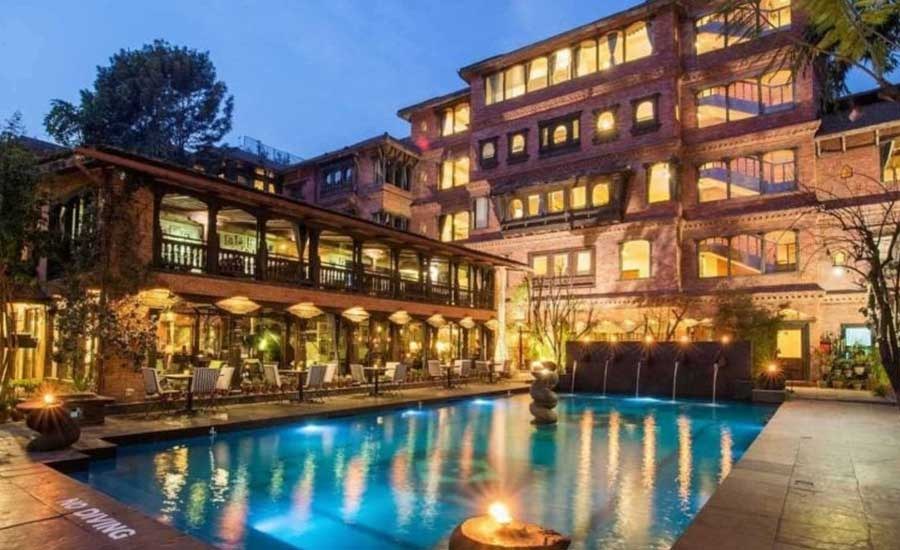
The Dwarika's Hotel is a stunning tribute to Nepal's rich cultural heritage and traditional Newari architecture. Situated just 1.4 miles (2.3 km) from Tribhuvan International Airport in Kathmandu, this hotel is more than just a place to stay—it is a living masterpiece. The property is a collection of beautifully restored Nepali houses centered around elegant courtyards, featuring intricate woodwork and artisan-crafted interiors that capture the essence of ancient Kathmandu.
With its award-winning cultural design, The Dwarika's Hotel seamlessly blends heritage with luxury. The central courtyards reflect the charm of traditional Kathmandu, offering a serene retreat amid the bustling city. Its prime location allows guests easy access to major heritage sites such as Pashupatinath Temple and Boudhanath Stupa, making it an ideal destination for cultural exploration and indulgence.
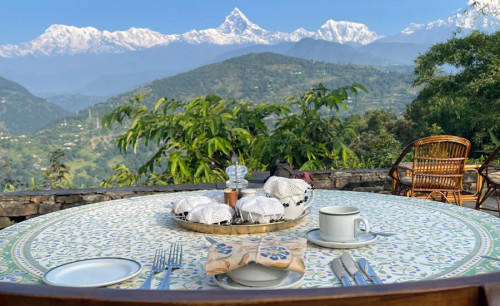
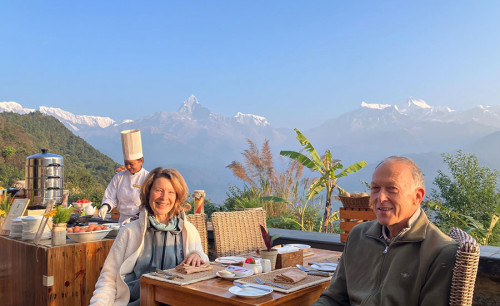
The Dwarika's Resort in Dhulikhel is a serene retreat designed for those seeking relaxation and rejuvenation. Located about 30 km from Tribhuvan International Airport in Kathmandu, the resort is easily accessible yet tucked away in the tranquil hills of Dhulikhel. Perched on a hilltop, it offers breathtaking panoramic views of the Himalayas, making it an ideal escape for nature lovers and wellness enthusiasts alike. The resort's design and philosophy are rooted in ancient Hindu Vedic traditions, emphasizing harmony with nature and mindful living.
Guests can enjoy a range of well-being experiences, including yoga and meditation sessions, holistic spa therapies, and peaceful nature walks. The resort’s luxurious accommodations are thoughtfully designed to respect the natural surroundings while providing modern comfort. With features like an outdoor swimming pool overlooking the mountains and opportunities to witness stunning Himalayan sunrises, The Dwarika's Resort promises an unforgettable blend of luxury, tranquility, and cultural inspiration.

Arrival in Kathmandu and transfer to The Dwarika's Hotel
Relax and recharge - Overnight at The Dwarika's Hotel in Kathmandu
Relax and recharge - Overnight at The Dwarika's Hotel in Kathmandu
Drive to Dhulikhel - Overnight at The Dwarika's Resort in Dhulikhel
Relax and recharge- Overnight at The Dwarika's Resort in Dhulikhel
Transfer to International Airport for Final Departure
Reasons to Stay at The Dwarika's Hotel in Kathmandu and The Dwarika's Resort in Dhulikhel
No reviews yet. Traveled with us on this trip? Be the first to share your experience.
Enjoy the popular trekking and tour packages in Nepal Himalayas. 2026.
© 2011 - 2026 All rights reserved. Himalayan Dream Team