

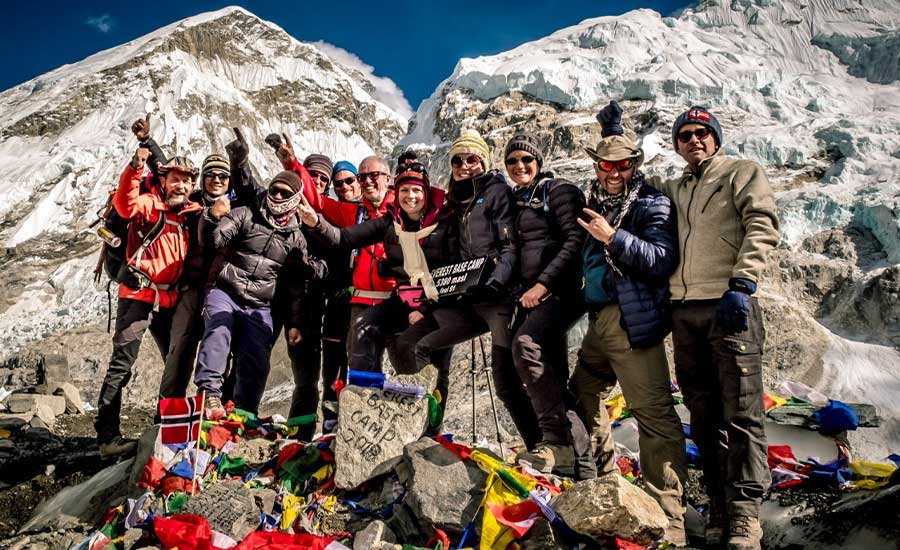
Everest Base Camp Trek is one of the most iconic trekking adventures in the world, attracting thousands of trekkers who dream of standing at the foot of Mount Everest. This bucket-list journey offers breathtaking Himalayan landscapes, rich Sherpa culture, and once-in-a-lifetime experiences that few destinations can match. However, trekking to an altitude of 5,364 meters is not just about physical endurance; it requires a well-structured itinerary that prioritizes acclimatization at high altitude. Without proper rest days in places like Namche Bazaar and Dingboche, trekkers risk altitude sickness, which can make the journey unsafe and less enjoyable.
At Himalayan Dream Team, we understand that acclimatization is the key to a successful Everest adventure. That’s why our Everest Base Camp trek itineraries are carefully designed with scheduled acclimatization days that allow your body to gradually adjust to reduced oxygen levels. These rest days not only ensure safety but also provide opportunities to explore Sherpa villages, enjoy short hikes to panoramic viewpoints, and immerse in the local culture. By trekking at the right pace with our experienced guides, you maximize your chances of reaching Everest Base Camp safely while fully enjoying the beauty of the Himalayas.
What Is Acclimatization in Trekking?
Acclimatization is the natural process by which the human body adjusts to reduced oxygen levels at high altitude. In trekking terms, it’s not just about “taking a rest day”—it’s about giving your lungs and blood cells time to adapt, so you can continue ascending without risking Acute Mountain Sickness (AMS).
At high elevations like the Khumbu region, air pressure drops, meaning each breath delivers less oxygen. Without acclimatization, trekkers risk headaches, dizziness, fatigue, or more severe conditions such as HAPE (High-Altitude Pulmonary Edema) or HACE (High-Altitude Cerebral Edema).
Why Is Acclimatization So Important on the Everest Base Camp Trek?
- Prevents Altitude Sickness: Extra nights at key points allow your body to adapt, reducing the risk of AMS.
- Improves Physical Performance: Adjusting gradually boosts stamina and endurance.
- Ensures Trekking Safety: Remote mountain villages have limited medical facilities, so prevention is key.
- Enhances Trek Enjoyment: A healthy trekker can fully appreciate the breathtaking scenery and cultural experiences.
- Supports Group Cohesion: When all members are well-adjusted, the group can trek together smoothly.
Key Acclimatization Points on the Everest Base Camp Trek
Namche Bazaar: Gateway to Everest (Acclimatization Day 1)

Namche is the bustling heart of the Khumbu and the first place most trekkers spend two nights to adapt after the steep ascent from Lukla (2,860 m)—a rapid altitude jump that makes Namche the ideal acclimatization stop.
Why Namche matters: Big altitude gain from Lukla; sleeping two nights here reduces AMS risk and boosts performance for higher sections.
Active acclimatization hike: Trail to Everest View Hotel (3,880 m) for panoramas of Everest, Lhotse, Ama Dablam—then descend to sleep low.
Culture & history: Sherpa Culture Museum, Namche Gompa, and side trip to Khumjung (Hillary School, monastery with “Yeti” relic).
Trekker services: Quality lodges, cafés/bakeries, gear shops, ATMs, pharmacies, Wi-Fi—perfect for recovery and gear checks.
Pro tips (HDT): Hydrate (3–4 L/day), avoid alcohol, walk “slow and steady,” and use the mantra “hike high, sleep low.”
Read our full guide: Complete Namche Bazaar Guide
Dingboche (4,410 m / 14,470 ft)
Dingboche is the second acclimatization stop, surrounded by dramatic Himalayan peaks. From here, trekkers prepare for higher altitudes toward Lobuche, Gorak Shep, and Everest Base Camp.
Popular acclimatization activities in Dingboche:
Hike to Nangkartshang Hill (5,100 m) for spectacular views of Makalu, Lhotse, and Island Peak.
Trek to Chukhung Valley (4,730 m) as a warm-up for climbers heading to Island Peak.
Explore Dingboche village and visit its local monastery for quiet reflection.
Gokyo (4,800 m) — Everest Region
Why Gokyo is ideal: Sitting beside Dudh Pokhari (Third Gokyo Lake) at ~4,800 m, Gokyo is a perfect high-camp to let your body adapt before the push toward Cho La Pass, Everest Base Camp, or a loop toward Renjo La. You sleep “low” relative to the nearby viewpoints, which makes it excellent for active rest—short hikes that gain height, followed by a descent back to lodge level.
How we acclimatize here (Himalayan Dream Team approach): We schedule one extra night in Gokyo, encourage gentle movement, hydration, and a controlled altitude gain of 300–600 m on side hikes. You’ll hike high for views, then descend to sleep—reducing AMS risk while still enjoying the best panoramas in the Khumbu.
Best acclimatization hikes (choose 1–2):
Gokyo Ri (5,357 m) – 3–4 hrs up / 1.5–2 hrs down. Signature viewpoint of Everest, Lhotse, Makalu, Cho Oyu and the Ngozumpa Glacier. Start early for calm winds and clearer skies.
Fourth & Fifth Lakes (Thonak Tsho & Ngozumpa Tsho, 4,840–4,980 m) – 3–5 hrs round trip, mostly gentle undulations. Add Scoundrel’s Viewpoint for wild glacier vistas—great if winds make Gokyo Ri less comfortable.
Ngozumpa Moraine Ridge Walk – 2–3 hrs easy-moderate. Explore the glacier’s lateral moraine for unique angles over the lakes and ice flows.
Sunset Ridge Above Gokyo – 60–90 min. A mellow evening leg-stretcher for golden-hour photos with minimal exertion.
Pro tips for a safer acclimatization day:
Hydrate 3–4 L/day, eat warm, carb-rich meals; avoid alcohol and sleeping pills.
Dress in layers; winds can be sharp above 5,000 m. Carry hat, gloves, and a shell.
Use the rule “hike high, sleep low.” If symptoms of AMS appear (persistent headache, nausea, unusual fatigue), do not ascend—rest, and tell your guide.
Consider a second night in Gokyo if crossing Cho La Pass soon or if you felt symptoms earlier on the climb.
In shoulder seasons, microspikes/traction can help on early-morning frost near Gokyo Ri.
When to place Gokyo in your itinerary: After Dole (4,200 m) and Machhermo (4,470 m), one extra night at Gokyo (4,800 m) provides a smooth, staged ascent before higher efforts like Cho La (5,420 m) or the Renjo La traverse—maximizing comfort, safety, and summit-view enjoyment.
Acclimatization in Alternative Everest Routes
EBC via Gokyo Lakes and Cho La Pass Trek
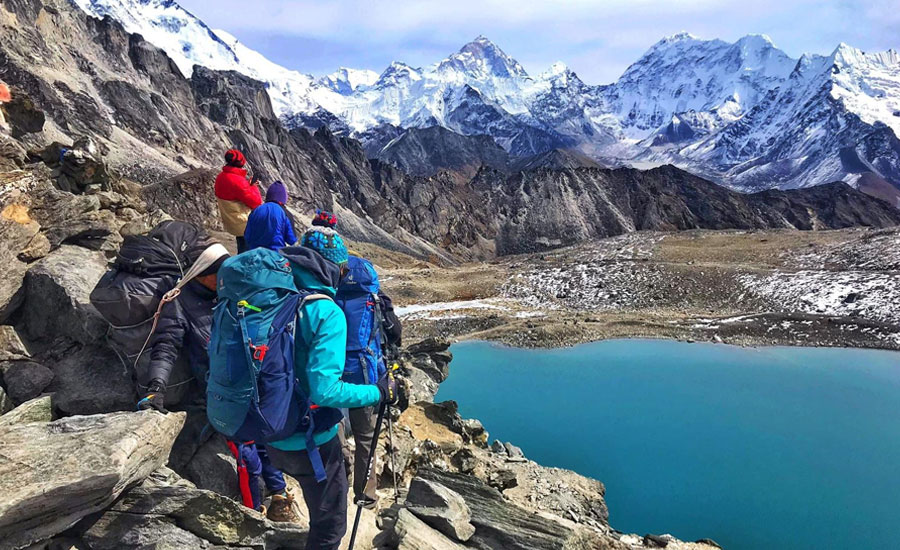
The EBC via Gokyo Lakes and Cho La Pass Trek is a spectacular 19-day Himalayan adventure that blends the classic Everest Base Camp route with the turquoise beauty of the Gokyo Lakes (4,700–5,000 m) and the thrilling crossing of Cho La Pass (5,420 m). Trek past Namche Bazaar, quiet high valleys, and into Sagarmatha National Park to climb Gokyo Ri (5,357 m) for one of the best panoramas of Everest, Lhotse, Makalu, and Cho Oyu. Continue to Everest Base Camp (5,364 m) and the sunrise viewpoint of Kala Patthar (5,545 m) for close-up vistas of the Khumbu Icefall and the region’s towering 8,000-m peaks—an unforgettable, less-crowded alternative to the standard EBC trail.
With Himalayan Dream Team, this strenuous trek is planned for comfort and safety: expert Sherpa guides, carefully paced acclimatization, teahouse/lodge accommodation, and meals included during trekking. The journey starts/ends in Kathmandu, uses private vehicles and flights, and suits fit, determined trekkers (group size 1–12). Best months: Sep–Dec & Mar–May. Along the way, experience Sherpa hospitality, Tengboche Monastery, yak pastures, and pristine glacier valleys—an all-in-one route that delivers culture, scenery, and the ultimate Everest Base Camp via Gokyo and Cho La experience.
Short Itinerary – EBC via Gokyo Lakes & Cho La Pass Trek (Highlights with Acclimatization)
| Day | Route & Key Activities | Meals | Accommodation | Highest Altitude | Walking Hours |
|---|---|---|---|---|---|
| 1 | Arrival in Kathmandu – Airport pick-up, hotel check-in, evening welcome dinner. | Dinner | Hotel | 1,335 m | — |
| 2 | Kathmandu Sightseeing & Trek Prep – Swayambhunath, Pashupatinath, Durbar Square, Asan/Indra Chowk; briefing. | Breakfast | Hotel | 1,335 m | — |
| 3 | Fly to Lukla → Trek to Phakding – Seasonal Ktm/Manthali flights or heli option; trail via Cheplung, Dudh Koshi. | Breakfast–Lunch–Dinner | Lodge | 2,800 m | 4–5 hrs |
| 4 | Phakding → Namche Bazaar – Monjo (SNP gate), Jorsale, bridges, first Everest views; arrive Namche. | Breakfast–Lunch–Dinner | Lodge | 3,450 m | 5–6 hrs |
| 5 Acclimatization | Namche Bazaar (Active Rest) – Optional hikes to Thame/Khumjung or Everest View Hotel; Sherpa museum & market. | Breakfast–Lunch–Dinner | Lodge | 3,450 m | 4–5 hrs (side hike) |
| 6 | Namche → Dole – Mong La pass rest stop; rhododendron forests, Phortse Thanga; wildlife chances. | Breakfast–Lunch–Dinner | Lodge | 3,680 m | 5–6 hrs |
| 7 | Dole → Machhermo – Views of Cho Oyu/Kantega/Thamserku; pass Luza; visit Himalayan Rescue Hospital (AMS talk). | Breakfast–Lunch–Dinner | Lodge | 4,470 m | 5–6 hrs |
| 8 | Machhermo → Gokyo – Via Phangga & moraine to lakes: Longpongo, Taboche Tsho; reach Gokyo (3rd lake). | Breakfast–Lunch–Dinner | Lodge | 4,800 m | 4–5 hrs |
| 9 Acclimatization | Gokyo (Active Rest) – Optional hike to Gokyo Ri (5,357 m), 5th lake, Scoundrel’s Viewpoint; glacier/lake views. | Breakfast–Lunch–Dinner | Lodge | 4,800 m (max hike ~5,357 m) | 3–4 hrs (side hike) |
| 10 | Gokyo → Thagnak – (If not done, sunrise Gokyo Ri). Cross Ngozumpa Glacier; short day to rest for pass. | Breakfast–Lunch–Dinner | Lodge | 4,740 m | 4–5 hrs |
| 11 | Thagnak → Dzongla via Cho La Pass – Steep/rocky ascent, glacier crossing; prayer flags on the pass; big mountain views. | Breakfast–Lunch–Dinner | Lodge | 5,420 m (pass) / sleep 4,830 m | 7–8 hrs |
| 12 | Dzongla → Lobuche – Join classic EBC route; Chola Lake, memorials; easy contour to Lobuche. | Breakfast–Lunch–Dinner | Lodge | 4,940 m | 3–4 hrs |
| 13 | Lobuche → Gorak Shep → Everest Base Camp – Khumbu moraine; visit EBC; return sleep at Gorak Shep. | Breakfast–Lunch–Dinner | Lodge | 5,364 m (EBC) | 5–6 hrs |
| 14 | Gorak Shep → Kala Patthar → Pheriche – Sunrise from Kala Patthar (~5,545 m); descend to Pheriche. | Breakfast–Lunch–Dinner | Lodge | 5,545 m (viewpoint) | 5–6 hrs |
| 15 | Pheriche → Namche Bazaar – Forested valleys, Kyangjuma lunch; broad Himalayan vistas. | Breakfast–Lunch–Dinner | Lodge | 3,450 m | 4–5 hrs |
| 16 | Namche Bazaar → Lukla – Bridges & Dudh Koshi; celebrate trek completion in Lukla. | Breakfast–Lunch–Dinner | Lodge | 2,652 m | 5–6 hrs |
| 17 | Fly Lukla → Kathmandu – Rest, souvenir shopping, or guided city time. | Breakfast | Hotel | 1,335 m | — |
| 18 | Free Day in Kathmandu – Weather buffer for Lukla flights; optional tours. | Breakfast | Hotel | 1,335 m | — |
| 19 | Transfer to International Airport – Final departure (or enjoy city until evening flight). | — | — | — | — |
Legend: Acclimatization rows mark planned active-rest days (Namche & Gokyo). Focus on hydration, slow pacing, and “hike high, sleep low” to minimize AMS risk.
Everest Three High Passes Trek

This challenging route includes Kongma La, Cho La, and Renjo La passes. Extra acclimatization days are essential at Namche, Dingboche, Gokyo, and Thagnak to prepare for long, high-altitude crossing days.
Short Itinerary – Everest Three Passes Trek (Acclimatization Highlighted)
| Day | Route & Key Activities | Meals | Accommodation | Highest Altitude | Walking Hours |
|---|---|---|---|---|---|
| 1 | Arrival in Kathmandu – Airport pickup, hotel check-in, evening welcome dinner. | Dinner | Hotel | 1,335 m | — |
| 2 | Fly Kathmandu → Lukla (≈35–45 min) & Trek to Phakding – Meet team; gentle descent via Cheplung. | Breakfast–Lunch–Dinner | Lodge | 2,800 m | ≈3 hrs |
| 3 | Phakding → Namche Bazaar – Jorsale (SNP gate), high bridges, first Everest view; climb to Sherpa capital. | Breakfast–Lunch–Dinner | Lodge | 3,440 m | 5–6 hrs |
| 4 Acclimatization | Namche Bazaar (Active Rest) – Side hikes to Thame/Khumjung or Everest View Hotel; museum & market time. | Breakfast–Lunch–Dinner | Lodge | 3,440 m | 4–5 hrs (side hike) |
| 5 | Namche → Tengboche – Forested trail via Phunki Thanga; visit Tengboche Monastery (views of Everest & Ama Dablam). | Breakfast–Lunch–Dinner | Lodge | 3,870 m | 5–6 hrs |
| 6 | Tengboche → Dingboche – Via Upper Pangboche, Shomare & Orsho; enter Imja valley; wide Himalayan panoramas. | Breakfast–Lunch–Dinner | Lodge | 4,410 m | 5–6 hrs |
| 7 Acclimatization | Dingboche (Active Rest) – Optional hike to Chhukung (4,730 m) or ridge above town; prep for high passes. | Breakfast–Lunch–Dinner | Lodge | 4,410 m | — / side hike |
| 8 | Dingboche → Chhukung & Climb Chhukung Ri (5,546 m) – Big views of Ama Dablam & Amphu Labcha. | Breakfast–Lunch–Dinner | Lodge | 4,730 m (max 5,546 m) | 6–7 hrs |
| 9 | Cross Kongma La Pass → Lobuche – Highest of the three passes; dramatic Khumbu Glacier scenes. | Breakfast–Lunch–Dinner | Lodge | 5,535 m (pass) / sleep 4,940 m | 6–7 hrs |
| 10 | Lobuche → Gorak Shep & Visit Everest Base Camp – Glacial/moraine trail; return to Gorak Shep. | Breakfast–Lunch–Dinner | Lodge | 5,364 m (EBC) | 6–7 hrs |
| 11 | Sunrise Kala Patthar (5,545 m) → Return to Lobuche – Premier Everest viewpoint. | Breakfast–Lunch–Dinner | Lodge | 5,545 m / sleep 4,940 m | 8–9 hrs |
| 12 | Lobuche → Dzongla – Quieter trail with striking vistas; position for Cho La crossing. | Breakfast–Lunch–Dinner | Lodge | 4,830 m | 3–4 hrs |
| 13 | Cross Cho La Pass → Gokyo – Steep/rocky ascent; arrive to emerald lakes & glacier views. | Breakfast–Lunch–Dinner | Lodge | 5,420 m (pass) / sleep 4,700 m | 7–8 hrs |
| 14 Acclimatization | Gokyo (Active Rest) – Optional climb to Gokyo Ri (5,357 m); explore 4th/5th lakes & viewpoints. | Breakfast–Lunch–Dinner | Lodge | 4,700 m (max 5,357 m) | — / side hike |
| 15 | Cross Renjo La Pass → Lumde – Final high pass with sweeping Everest-range panoramas. | Breakfast–Lunch–Dinner | Lodge | 5,357 m (pass) / sleep 4,368 m | 6–7 hrs |
| 16 | Lumde → Namche Bazaar – Return to Sherpa capital through familiar but ever-new scenery. | Breakfast–Lunch–Dinner | Lodge | 3,438 m | 6–7 hrs |
| 17 | Namche Bazaar → Lukla – Bridges over Dudh Koshi; celebrate trek completion with crew. | Breakfast–Lunch–Dinner | Lodge | 2,800 m | 6–7 hrs |
| 18 | Fly Lukla → Kathmandu – Free time for rest, shopping, or optional city tour; farewell dinner. | Breakfast | Hotel | 1,335 m | — |
| 19 | Extra Day in Kathmandu – Weather buffer & cultural exploration. | Breakfast | Hotel | 1,335 m | — |
| 20 | Departure – Transfer to international airport (optional post-trip tours available). | Breakfast | — | — | — |
Legend: Acclimatization rows (Namche, Dingboche & Gokyo) mark planned active-rest days to aid safe altitude adaptation. Focus on hydration, slow pacing, and “hike high, sleep low.”
Short Everest Base Camp Trek Itinerary – Highlights with Acclimization
| Day | Route & Key Activities | Food | Accommodation | Highest Altitude | Walking Hours |
|---|---|---|---|---|---|
| 01 | Arrival in Kathmandu – Airport meet & greet, hotel check-in, evening welcome dinner. | Dinner | Hotel | 1,335 m | — |
| 02 | Kathmandu Sightseeing & Trek Prep – Durbar Square, Pashupatinath, Swayambhunath, Boudhanath; trip briefing. | Breakfast | Hotel | 1,335 m | — |
| 03 | Fly/Drive to Lukla → Trek to Phakding Seasonal flights via Kathmandu/Manthali; optional helicopter. Trail via Cheplung with views of Mt. Khumbila. | Breakfast–Lunch–Dinner | Lodge | 2,600 m | 4–5 hrs |
| 04 | Phakding → Namche Bazaar Dudh Koshi valley, Monjo (Sagarmatha NP permit), Jorsale, Tope Danda lookout; arrive Namche. | Breakfast–Lunch–Dinner | Lodge | 3,450 m | 5–6 hrs |
| 05 Acclimatization | Namche Bazaar (Active Rest) Optional hikes: Everest View Hotel, Khumjung (Hillary School), Namche Monastery; Sherpa Culture Museum. Hike high, sleep low to aid adaptation. | Breakfast–Lunch–Dinner | Lodge | 3,450 m | 6–7 hrs (side hikes) |
| 06 | Namche → Tengboche Forested trails, Phunki Tenga bridge, rhododendron ascent; visit Tengboche Monastery (Dawa Choling Gompa). | Breakfast–Lunch–Dinner | Lodge | 3,870 m | 5–6 hrs |
| 07 | Tengboche → Dingboche Via Upper Pangboche, Shomare & Orsho; wide views of Taboche, Ama Dablam, Thamserku, Nuptse, Lhotse; enter Imja valley. | Breakfast–Lunch–Dinner | Lodge | 4,360 m | 6–7 hrs |
| 08 Acclimatization | Dingboche (Active Rest) Optional hike to Chhukung (4,730 m) or Nangkartsang ridge; views of Lhotse, Ama Dablam & Island Peak. Strategic second acclimatization to prep for Lobuche & EBC. | Breakfast–Lunch–Dinner | Lodge | 4,360 m | — / side hike |
| 09 | Dingboche → Lobuche Ascend via Duglha/Thukla memorial ridge (tributes to mountaineers), along Khumbu Glacier moraine. | Breakfast–Lunch–Dinner | Lodge | 4,940 m | 5–6 hrs |
| 10 | Lobuche → Gorak Shep → Everest Base Camp Khumbu moraine, Thangma Riju; visit EBC (tents in climbing season); return to Gorak Shep. | Breakfast–Lunch–Dinner | Lodge | 5,364 m | 6–7 hrs |
| 11 | Gorak Shep → Kala Patthar → Pheriche Sunrise views of Everest from Kala Patthar (5,545 m); descend to Pheriche for rest. | Breakfast–Lunch–Dinner | Lodge | 5,545 m | 6–7 hrs |
Can You Trek Without Acclimatization?
Some trekkers attempt to skip acclimatization to save time, but the risks outweigh the benefits. While it may shorten the itinerary and reduce costs, it greatly increases the likelihood of altitude sickness, failed treks, or even medical emergencies. At Himalayan Dream Team, we strongly discourage itineraries without acclimatization.
Merits and Demerits of Trekking Without Acclimatization
| Merits (Pros) | Demerits (Cons) |
|---|---|
| Faster Completion Shortens the trek duration, useful for those with limited time. | Increased Risk of Altitude Sickness Higher chance of AMS, HAPE, or HACE which can be life-threatening. |
| Cost-Effective Fewer days mean reduced costs for lodging, food, and logistics. | Decreased Enjoyment Headaches, nausea, and fatigue reduce the overall trekking experience. |
| Immediate Challenge Appeals to trekkers seeking a quick and intense adventure. | Lower Success Rate Higher risk of turning back due to illness or exhaustion. |
| Simple Planning Fewer days make scheduling appear straightforward. | Safety Concerns Rapid ascent can trigger emergencies in remote areas. |
| Time Flexibility Saved days can be used for sightseeing or return travel. | Impact on Group Dynamics If one trekker falls sick, it affects the entire group’s progress. |
FAQs on Acclimatization for EBC
Does acclimatization prevent altitude sickness?
Yes. Gradual ascent, hydration, and rest days are proven strategies to reduce AMS risks.
Which is better: EBC via Gokyo Lakes or Gokyo via EBC?
Both are rewarding. Starting with Gokyo offers better acclimatization and fewer crowds, while EBC-first treks give earlier access to the famous base camp.
Final Thoughts: Why Choose Himalayan Dream Team
Proper acclimatization is the difference between a successful Everest Base Camp trek and an early retreat due to illness. Our expert Sherpa guides, carefully crafted itineraries, and local knowledge ensure that you not only reach your goal but also enjoy the journey with safety and confidence.
With Himalayan Dream Team, you trek at a pace designed for your body, not the clock—because in the Himalayas, slow and steady wins the summit.