

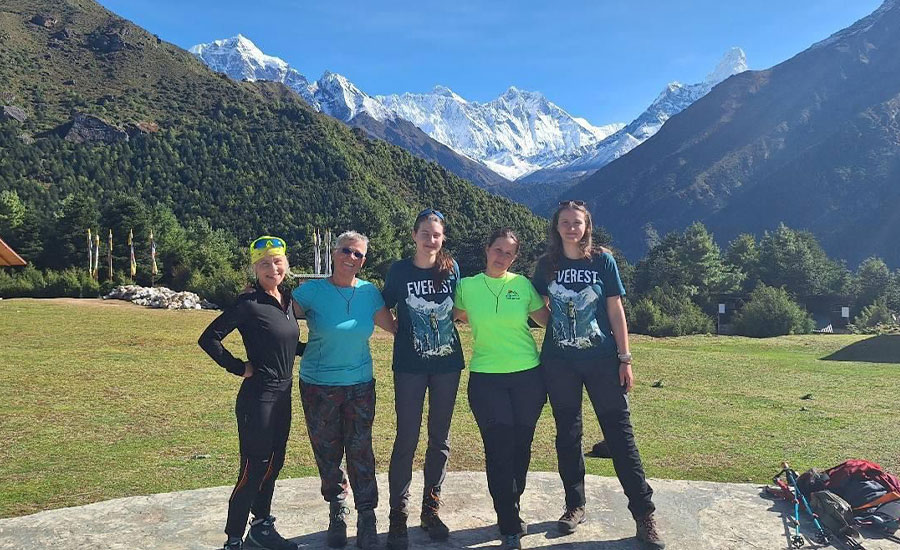
Namche Bazaar is another very popular "Gateway to Everest" and is one of the vital stops for trekkers en route to the Base Camp of Everest. Generally, trekking to Namche Bazaar takes about two days from Lukla via a strenuous climb through thick forests and suspension bridges. This beautiful Sherpa town lies at an altitude of 3,440 meters above sea level, thus becoming a vital point of acclimatization for climbers. The route to Namche assures of breathtaking mountain views, including Thamserku and Kongde Ri, making the trek a wonder in itself. Regarding how long the trek to Namche Bazaar is, it may take some physical endurance, but it is well worth the reward provided by the scenic beauty.
The main features that Namche Bazaar is known for are its Sherpa culture and local markets, which attract people from far and wide across the globe. Every Saturday, the starting to bustle with traders not only from surrounding villages but even from Tibet, selling everything from fresh produce to handmade crafts. The Sherpa Culture Museum and Everest Photo Gallery depict the rich cultural heritage of this town. Combined with the hospitality of the Sherpa people, these facts make Namche Bazaar "worth visiting" in and of itself, not only because it is situated near the Himalayas but also because of the dynamic traditions and history among the locals.
The means of reaching Namche Bazaar are all part of the adventure to Everest. The common way to do this involves flying from Kathmandu to Lukla, then trekking through the scenic Khumbu Valley. Although the journey is jaded and weary, the modern facilities at Namche Bazaar include comfortable lodges, cafes, and well-stocked shops that afford the trekkers much-needed rest and replenishment. Whether it's great views of Everest from nearby viewpoints or an insight into the Sherpa way of life, Namche Bazaar blends natural beauty with cultural enrichment to perfection-a must-include in any Himalayan trek.
Namche Bazaar at a Glance
For travellers planning a trek in the Everest region, these are the most useful facts to know about Namche Bazaar before starting the journey.
| Namche Bazaar Information | Details |
|---|---|
| Country | Nepal |
| Region | Khumbu, Everest Region |
| District | Solukhumbu |
| Elevation | 3,440 m / 11,286 ft |
| National Park | Sagarmatha National Park |
| Common Access | Flight to Lukla followed by trekking |
| Lukla to Namche | Usually 2 trekking days |
| Main Overnight Stop | Phakding |
| Main Role | Acclimatization and trekking hub |
| Popular Nearby Hikes | Everest View Hotel, Khumjung and Khunde |
| Best Trekking Seasons | Spring and autumn |
| Main Culture | Sherpa and Tibetan Buddhist influences |
Namche Bazaar is much more than an overnight stop. At 3,440 metres, it is the main commercial and trekking centre of the Khumbu and an important place for acclimatization before travelling higher into the Everest region.
Why Visit Namche Bazaar?
| Reason | Description |
|---|---|
| Stunning Panoramic Views | Namche Bazaar offers breathtaking views of some of the world's highest peaks, including Mount Everest, Lhotse, Nuptse, and Ama Dablam. The sunrise view from the iconic viewpoint at the top of the village is a must-see, as the mountains are bathed in a golden glow. Photographers and nature lovers will find every moment in Namche to be an ideal photo opportunity. |
| Rich Sherpa Culture | Namche Bazaar is the heart of Sherpa culture. Visitors can explore the Sherpa Culture Museum, which showcases the lifestyle, religious practices, and history of the Sherpa people. The bustling marketplaces offer traditional handicrafts, clothing, and souvenirs. Interactions with the locals provide deeper insights into their heritage. |
| Base for Treks and Expeditions | Namche Bazaar is a critical acclimatization point and a starting base for treks in the Everest region. It is equipped with shops selling trekking gear, lodges, cafes, and internet access, offering both practical utility and comfort for adventurers preparing for their journey ahead. |
Top Attractions in Namche Bazaar
1. Sagarmatha National Park Visitor Center: The thing to do first in Namche Bazaar
The Sagarmatha National Park Visitor Center is one of those places in Namche Bazaar that no tourist should miss. This informative center offers an understanding of various types of flora and fauna in the region and thus acts as a perfect educational hub for nature lovers and trekkers alike. Since it's the entrance to Everest, comprehension of the natural heritage in the Khumbu Valley will add to your adventure of trekking and thereby will let you raise your appreciation toward the environment that you are setting forth to explore.
Exhibitions at the center vary from the unique biodiversity of Sagarmatha National Park to detailed displays of various plant species, wildlife, and the life-supporting systems within this high-altitude environment. Another important aspect on which the center focuses its efforts is the conservation of this fragile region for preserving its natural beauty times to come.
A visit to Sagarmatha National Park at the Visitors Center before the trek can facilitate you with relevant knowledge on various challenges and responsibilities which one undertakes while trekking in such a pristine area. The information provided here makes certain that you are well-prepared and aware of the environmental impact of your journey. This not only heightens your experience during the trek but also fosters greater respect for the stunning landscapes and unique wildlife of the Everest region.
2. Everest View Hotel: Breathtaking Views and Comfort not far from Namche Bazaar
The highlight of the tourists coming to Namche Bazaar is visiting the Everest View Hotel. The hotel is only a short walk away from the town and is considered to be one of the highest hotels in the world. This trek to the hotel itself is a pleasing experience, as you catch glimpses of the surrounding Himalayan peaks during your hike. As one rises upwards, the expectation builds up to catch all the panoramic views from the top.
When it finally reaches the Everest View Hotel, guests are allowed to savor unparalleled views of Mt. Everest itself and its giants surrounding it. Its hotel terrace is a perfect vantage point where one can sit back and drink in the breathtaking view. Take a cup of tea or coffee and feast your eyes on the lofty peaks that appear almost at arm's length. It is a unique experience indeed, as it allows you to appreciate the grandeur of the Himalayas from comfortable and serene surroundings.
The Everest View Hotel is more than a viewpoint; it's an experience of luxury with wilderness. All the facilities and friendly hospitality of this hotel provide a perfect haven for trekkers and travelers. Photo opportunity or the moment captured, this hotel during the visit forms an essential part of any Namche Bazaar itinerary, thus keeping the moments alive as a memory of the spectacular landscapes presented in the Everest region.
3. Saturday Market in Namche Bazaar: A Lively Cultural Experience
Every Saturday gives life to Namche Bazaar when the market opens. People from the surrounding villages come here to sell something and buy something in return; that is why the sights here are so vivid and colorful. One can buy fresh fruits and vegetables, handmade handicrafts, clothes, and trekking equipment-all these commodities give a glimpse of the rich cultural identity of the place.
From the Saturday Market, one does much more than just shop; it's an effort to intrude into the local way of life. Walking down the lines of the stalls, one gets into close contact with the interactions between villagers, traders, and trekkers. This dynamic marketplace gives a very unique glimpse into the local economy, showcasing the traditional barter system right next to modern commerce. The market is an important means of livelihood and social connection within the community.
Visiting the Saturday Market in Namche Bazaar will complete a trip because one gets to understand more about Sherpa culture and rhythm of life in the Khumbu Valley. Whether one goes there to do something-buy some very peculiar souvenirs or simply observe the bright atmosphere-the market is such a highlight when in Namche Bazaar that it really should not be missed. It is the energy and authenticity of the Saturday Market that can leave a mark in the heart, making it one of the most memorable parts of the journey to the Everest region.
Where is Namche Bazaar Located

| Location Detail | Description |
|---|---|
| Region | Namche Bazaar is located in the Khumbu region of northeastern Nepal, within the Solukhumbu District. |
| Altitude | The town sits at an elevation of approximately 3,440 meters (11,286 feet) above sea level, making it a crucial stop for acclimatization during treks to higher altitudes. |
| Proximity to Mount Everest | Namche Bazaar is often referred to as the "Gateway to Everest," as it is a key stop for trekkers on their way to Everest Base Camp, which is about 30 kilometers away. |
| Geographical Coordinates | The geographical coordinates of Namche Bazaar are approximately 27.806° N latitude and 86.714° E longitude. |
| Sagarmatha National Park | Namche Bazaar is situated within Sagarmatha National Park, a UNESCO World Heritage Site known for its stunning landscapes and diverse wildlife. |
Everest View Trek - 7 nights/ 8 days itinerary

Day 1: Kathmandu - Lukla flight and then trek to Phakding
Initiate your Everest adventure with a spectacular flight from Kathmandu to Lukla, one of the most spectacular and exciting air routes in the world. Upon arrival in Lukla, take a picturesque trek to Phakding. This initial trek introduces you to the beautiful landscapes and the serene environment of the Khumbu region. Enjoy a relaxing evening in Phakding, preparing for the journey ahead.
Day 2: Trek from Phakding to Namche Bazaar
Today's hike takes you from Phakding to the bustling town of Namche Bazaar. The Dudh Koshi River and a number of suspension bridges along the river are crossed while passing several beautiful Sherpa villages. The Himalayas become increasingly spectacular as altitude is gained. Arrive at Namche Bazaar, a vibrant market town that is situated in a natural amphitheater ringed by A-shaped mountain peaks offering spectacular mountain views and a range of amenities.
Day 3: Rest for Acclimatization at Namche Bazaar
As today is supposed to be an acclimatization rest, take a well-deserved rest day in Namche Bazaar. You will be able to explore the town and visit the Sherpa Museum and do a short hike to the top of the hill in front of the town at the Everest View Hotel, from where you will get a stunning panorama view of the Everest, Lhotse, and Ama Dablam. This day will help your body grow accustomed to higher altitude and minimize the risk of developing altitude sickness as you go further up with the trek.
Day 4: Namche Bazaar - Tengboche
Leaving behind Namche Bazaar, the trek extends at Tengboche, one of the popular spots possessing a monastery named Tengboche Monastery. Today, there are several ascents as well as descents along the trail, and the last climb goes to the monastery. As the trail reaches to Tengboche, get covered under the spiritual surroundings of the monastery which also offers a range of peaks such as Everest, Nuptse, and Thamserku.
Day 5: Tengboche - Namche Bazaar
From Tengboche to Namche Bazaar, the route is revisited upward with brilliant views and lush landscapes. This trek lets you once again pass by some of the beautiful spots and share interactions with fellow trekkers and locals. Overnight at Namche Bazaar, immersing yourself in the vibrant atmosphere of this Himalayan hub.
Day 6: Trek from Namche Bazaar to Lukla
On your penultimate day, start from Namche Bazaar to Lukla. The track passes through forests and above rivers, next to the local Sherpa villages. Think about the whole trek as you get closer to Lukla. Once you reach there, celebrate with the other trekkers over the fact that you have completed your trek. Prepare for a flight to Kathmandu.
Day 7: Fly Back to Kathmandu from Lukla
End your Everest adventure with a flight from Lukla to Kathmandu. Enjoy one last optical feast of the Himalayas by air as you fly back into the hustle and bustle of Nepal's capital city. Arrive in Kathmandu and devote the time needed getting relaxed and reflecting on these unforgettable experiences and memories throughout your journey into the Everest region.
Some Interesting Facts About Namche Bazaar
| Fact | Description |
|---|---|
| Largest Sherpa Settlement | Namche Bazaar is one of the largest Sherpa settlements in the Khumbu Region, offering visitors a unique opportunity to explore Sherpa culture and traditions. |
| Sherpa Museum | The Sherpa Museum in Namche preserves and showcases the rich cultural heritage of the Sherpa community, making it a must-visit spot for travelers. |
| Modern Amenities | Despite its remote location, Namche Bazaar offers urban comforts like a bank, the only ATM in the Everest Region, and cafes and bakeries serving international food and drinks. |
| International Flavors | Bakeries serve German pretzels, while cafes offer Italian-style cappuccinos and espressos. The town also has an Irish Pub for adventurous visitors. |
| Views of Mount Everest | The first proper view of Mount Everest can be enjoyed from the entrance of Namche Bazaar, along with views of Thamserku, Kongde Ri, Kantega, and Kusum Kanguru. |
| Day Hikes | Several day hikes are available around Namche, including a trek to Hotel Everest View, which offers panoramic views of Mount Everest and other peaks. |
| Sagarmatha National Park | Namche is located within Sagarmatha National Park, a UNESCO World Heritage Site, surrounded by pristine rivers, waterfalls, and lush forests. |
How to Reach Namche Bazaar
| Step | Description |
|---|---|
| Flight to Lukla | Starting from Kathmandu, the journey to Namche Bazaar begins with a thrilling 30-minute flight to Lukla, known for its exciting airstrip and spectacular views of the Himalayan mountains. |
| Trek from Lukla to Namche Bazaar | From Lukla, trekkers begin their hike, passing through Phakding and crossing suspension bridges over the Dudh Kosi River. The trek to Namche Bazaar takes about two days, with significant elevation gain requiring stamina and acclimatization. |
| Distance and Time | The trek covers approximately 13 kilometers from Lukla to Namche Bazaar, with daily hikes of 6 to 8 hours. The trail is well-marked, offering beautiful views of mountains and valleys. |
| Acclimatization in Namche Bazaar | Namche Bazaar, located at an altitude of 3,440 meters, is a crucial acclimatization stop. Most trekkers spend an extra day here to adjust to the high altitude before continuing further into the Everest region. |
| Why Visit Namche Bazaar? | Namche Bazaar is not only essential for acclimatization but also offers stunning views of Everest, Lhotse, and Ama Dablam. The village has modern amenities like lodges, cafes, and shops, providing a comfortable place to rest before heading deeper into the Himalayas. |
Lukla to Namche Bazaar Trek: Distance, Time and Altitude
Most travellers reach Namche Bazaar on foot after flying to Lukla. Rather than trying to reach Namche in a single day, the normal trekking itinerary divides the journey over two days.
A typical route is:
Lukla → Phakding → Monjo → Jorsalle → Namche Bazaar
The first day from Lukla is generally easier and usually ends at Phakding. The second day involves a considerably greater altitude gain and a long final climb to Namche Bazaar.
Trekkers cross several suspension bridges over the Dudh Koshi River and pass through settlements and forest before beginning the steep ascent toward Namche.
The climb should not be rushed. Namche lies considerably higher than Lukla, and allowing sufficient time for the journey is important for both comfort and acclimatization.
Accommodation and Food

Accommodations in Namche Bazaar vary from basic teahouses to the more upmarket lodges, catering for the different needs of trekkers and other visitors. Most of the lodges have basic facilities like comfortable beds, hot showers, and Wi-Fi, all of which ensure trekkers can rest and rejuvenate after a long day on the trail. The high-end ones come with heated rooms and en-suite bathrooms, which make them the most demanded by trekkers to have extra comfort in this high-altitude area. Namche Bazaar is well-acknowledged for its hospitality, and a wide range of accommodation options lets all kinds of visitors find a place to stay in.
Regarding the food, it is really a wonder how much variety Namche Bazaar can boast. Teahouses and restaurants serve up traditional Sherpa dishes like dal bhat, while simultaneously hosting a variety of international cuisines, everything from pizza to pasta, and freshly baked goods. For anyone questioning the extent of variety one may find in Namche concerning food on a trek, this town has German pretzels for sale in bakeries, different types of cakes, and cafes brewing up delicious cappuccinos and espresso shots. This will allow Namche Bazaar to present a variety of food for every traveler, from trying local flavors to enjoying the taste of home, and make sure everyone has a great dining experience in the heart of the Everest region.
Internet, Wi-Fi, Mobile Network and Electricity in Namche Bazaar
Namche Bazaar has considerably better facilities than many settlements farther into the Everest region.
Many lodges, cafés and restaurants provide Wi-Fi or internet access, although speed and reliability can vary with weather, location and network conditions.
Mobile coverage may also be available, but travellers should not depend on continuous connectivity throughout the Khumbu.
Electricity is available in Namche and charging facilities are commonly offered by lodges. Depending on the accommodation, charging electronic devices may be included or charged separately.
Trekkers carrying cameras and phones should consider bringing a power bank, particularly when continuing to more remote settlements.
Money, ATMs and Payments in Namche Bazaar
Namche Bazaar has banking and ATM facilities and is one of the last major commercial centres before trekkers continue deeper into the Everest region.
However, mountain ATMs and card-payment systems should never be treated as completely reliable. Network interruptions, technical problems or a lack of cash can occasionally affect services.
It is sensible to carry enough Nepalese rupees in cash for meals, drinks, charging, Wi-Fi, showers, snacks and personal expenses during the trek.
Kathmandu is generally the better place to organize most of your trekking cash before flying to Lukla.
What to Pack for Namche Bazaar
Conditions in Namche can change quickly because of the altitude. Even during the main trekking seasons, mornings and evenings can be cold.
Useful items include layered trekking clothing, a warm jacket, comfortable trekking boots, sun protection, sunglasses, gloves, a warm hat, a reusable water bottle and a waterproof outer layer.
A small daypack is useful for carrying water, a camera, sunscreen and extra clothing during acclimatization hikes.
Travellers continuing toward Everest Base Camp, Gokyo or the high passes will require more complete high-altitude trekking equipment than someone visiting Namche on a shorter Everest View Trek.
Day Hikes around Namche Bazaar

The day hikes around Namche Bazaar provide a great opportunity to acclimatize while taking in great panoramic views of the Himalayas. One of the most popular day hikes is to the Everest View Hotel, offering one of the best views of Mt. Everest, Ama Dablam, and Lhotse. The trail to the hotel itself takes about 2-3 hours and involves a perfect, acclimatization hike with spectacular photo views around the peaks. Another rewarding day hike would be towards the nearby villages of Khumjung and Khunde and a look into the traditional Sherpa culture in the process by stopping at the Hillary School and the Khunde Hospital. These hikes not only present the trekkers with cultural experiences but also help them get their body tuned for higher altitudes.
Further, the trek to Thame Valley is another great option for the seekers of adventure. The scenic route takes the trekkers along Bhote Koshi River, offering great views of snow-capped mountains and pristine landscapes. Thame is less crowded compared to Namche but has some historical importance since it's the birthplace of Tenzing Norgay, one of the first climbers of Mount Everest. These short day hikes around Namche Bazaar serve great for acclimatization and offer unforgettable experiences of natural beauty and cultural perspectives of the area.
Weather and Climate in Namche Bazaar
| Season | Namche Bazaar Temperature Range (Day/Night) | Weather Conditions | Trekking Experience |
|---|---|---|---|
| Spring (March-May) | 10°C to 15°C / -5°C to 0°C | Clear skies, moderate temperatures, blooming flora | One of the best times to visit, stable weather, breathtaking views of rhododendron forests in bloom |
| Summer/Monsoon (June-August) | 15°C to 20°C / 5°C to 10°C | Heavy rainfall, cloudy, humid, risk of landslides | Less ideal for trekking, slippery trails, cloud-covered peaks |
| Autumn (September-November) | 8°C to 14°C / -3°C to 5°C | Clear skies, crisp air, mild temperatures | Peak trekking season, excellent visibility, vibrant colors, ideal conditions |
| Winter (December-February) | 5°C to 10°C / -10°C to -5°C | Cold, occasional snowfall, clear but chilly days | Challenging due to freezing temperatures, fewer crowds, but beautiful snow-covered landscapes |
The best time to visit Namche Bazaar is during spring (March to May) and autumn (September to November). These seasons offer pleasant weather and clear skies, making it ideal for trekking and enjoying panoramic views of the Himalayas. In spring, the rhododendron forests are in full bloom, adding color to the landscape, while autumn provides crisp air and stunning mountain vistas.
During the summer monsoon season (June to August), heavy rains can make the trails slippery and obscure mountain views. In winter (December to February), cold temperatures and snowfall make trekking more challenging, but for those who can brave the cold, the quiet trails and snow-covered scenery offer a unique experience.
How Altitude Affects the Climate
At Namche Bazaar's high altitude of 3,440 meters, the temperature drops significantly at night, and weather conditions can change rapidly. Trekkers should be prepared for both warmer daytime temperatures and freezing nighttime conditions, especially during winter and autumn.
What to Buy in Namche Bazaar
| Item | Description |
|---|---|
| Trekking Gear | Namche Bazaar is a key destination for trekkers to replace missing or lost gear. Items available include thermal clothes, rain jackets, trekking boots, poles, sleeping bags, and altitude sickness medicine. Both new and used options make it ideal for last-minute gear needs. |
| Local Markets | The Saturday Market in Namche is famous for being crowded with buyers and sellers. Fresh produce, including seasonal fruits and vegetables, is available, along with handmade woolen items like gloves, hats, and scarves crafted by local artisans, reflecting the region's culture. |
| General Shops | Aside from trekking stores, Namche is home to general shops offering snacks, toiletries, and everyday essentials. These stores are perfect for stocking up on supplies before continuing your journey. Souvenir shops with local crafts and symbolic items are also common. |
| Tibetan Prayer Flags | These iconic, colorful flags symbolize peace, compassion, and good luck. Available in various sizes, they are a popular souvenir from Namche Bazaar and a meaningful keepsake for travelers returning from the Himalayas. |
| Thangka Paintings | Thangka paintings are traditional Tibetan Buddhist art pieces that depict deities, mandalas, or sacred symbols. These intricate artworks can be found in specialized shops and serve as spiritual and artistic keepsakes from Namche Bazaar. |
Things to Do In Namche Bazaar
- Sherpa Culture Museum: The Sherpa Culture Museum will provide more detail about the rich heritage, tradition, and lifestyle of the Sherpa people and about their mountaineering history.
- Hike to Everest View Hotel: Major things to do here are hiking to the Everest View Hotel. A great place that offers spectacular views of Mount Everest and other peaks around it, this probably would be a great chance for getting acclimatized while capturing amazing photos in your camera viewfinder.
- Namche Bazaar Market: Fresh produce, local handicrafts, and trekking gear at the bustling local Saturday market. This market is a sort of cultural hub where locals and trekkers meet.
- Sagarmatha National Park Visitor Centre: The Sagarmatha National Park Visitor Centre, near Namche, provides insight into the region's wildlife, geography, and its various conservation projects.
- Trip to Tengboche Monastery: A day trip to the nearby Tengboche Monastery is a must as it is one of the most important spiritual places for the locals in the Everest region. Grounds of the monastery are full of serene surroundings and great mountain vistas.
- Acclimatization Hikes: Namche Bazaar is ideal to take short acclimatization hikes to the nearby villages of Khumjung and Khunde, places from where one may see more of the Sherpa culture and enjoy stunning mountain scenery.
- Cafes and Bakeries: Rest at one of the many cafes or bakeries that dot the streets of Namche, where you can enjoy freshly baked goods, cappuccinos, or even a full meal after a long day of trekking.
- Visit Namche Monastery: The Namche Monastery is another place worth seeing as it reveals the deep-seated Buddhist heritage of the region; hence, a tranquil setting for contemplation.
- Panoramic Viewpoints: These viewpoints around Namche Bazaar show panoramic views of Mt. Everest, Lhotse, Ama Dablam, and other giants of the Himalayas.
- Irish Pub: Have an incredibly unusual watering hole at this altitude-the world's highest Irish Pub-and share drinks with fellow trekkers from all over the world.
All these activities ensure that Namche Bazaar provides a combination of culture, adventure, and relaxation to trekkers differently in the Everest Region.
Best Time to Visit Namche Bazaar
| Season | Months | Weather Conditions | Why Visit During This Time |
|---|---|---|---|
| Spring | March to May | Mild temperatures, clear skies, blooming rhododendrons | Spring offers beautiful scenery with colorful flowers and is an excellent time for trekking due to stable weather conditions and clear mountain views. |
| Autumn | September to November | Cool temperatures, crisp air, clear skies | Autumn is considered the best time to visit, with ideal trekking conditions, stunning views of the Himalayas, and vibrant fall colors. |
| Winter | December to February | Cold, occasional snowfall, clear but chilly days | Winter offers fewer crowds and serene landscapes, with snow-covered mountains making for stunning, quiet treks. However, it’s best for experienced trekkers prepared for colder conditions. |
| Summer/Monsoon | June to August | Warm temperatures, heavy rainfall, cloudy skies | While the monsoon season brings lush greenery, trekking is more challenging due to slippery trails and limited mountain visibility. It’s less ideal for trekking, but offers a quieter experience. |
Popular Treks Passing Through Namche Bazaar

Everest Base Camp Trek:
Everest Base Camp Trek is one of the most iconic treks in the world, starting from Namche Bazaar and heading up to Everest Base Camp. Besides Mt. Everest, it also offers the overwhelming view of Lhotse and Nuptse while gaining experience with Sherpa culture. It's a vital acclimatization stop before heading further into the Everest region.
Gokyo Lakes Trek:
Gokyo Lakes trek takes trekkers to the beautiful and serene Gokyo Lakes, a set of turquoise-colored alpine lakes at high altitudes. The all-around panorama from Gokyo Ri includes breathtaking views of Everest, Makalu, and Cho Oyu. The trek is less crowded compared to the Everest Base Camp route and provides an undisturbed peaceful alternative for nature lovers.
Three Passes Trek:
For the experienced trekkers who are looking for more thrills, the Three Pass Trek is a challenging alternative across three high-altitude passes: Renjo La, Cho La, and Kongma La. Offering an all-inclusive Everest region trekking experience, this also includes parts of the Everest Base Camp and Gokyo Lakes treks.
Everest View Trek:
A shorter version of the mentioned above option intended for people who want to have a taste of the Everest region without going all the way to Base Camp. The trek goes up to the Everest View Hotel that offers fantastic views of Mt. Everest and other peaks, yet allows trekkers to experience Sherpa culture in and around Namche Bazaar.
Tengboche Monastery Trek:
This moderate trekking takes trekkers from Namche Bazaar to one of the most famous monasteries, Tengboche Monastery, which is the biggest monastery in the Khumbu region. The trek offers beautiful mountain views and a glimpse of spiritual insight into the region's Buddhist traditions, with Namche as the base for starting up comfortably.
Each of these treks offers unique experiences and unforgettable views of the Himalayan peaks, with Namche Bazaar serving as the perfect starting or resting point.
Is Namche Bazaar Suitable for Beginners?
Yes. Namche Bazaar can be reached by first-time Himalayan trekkers who have reasonable fitness and prepare properly for the altitude.
The route does not involve technical climbing. However, trekkers should be comfortable walking for several hours on mountain trails and should understand that the climb from Phakding to Namche is physically demanding.
A slower itinerary, appropriate acclimatization and travelling with an experienced local guide can make the journey safer and more enjoyable.
Can You See Mount Everest from Namche Bazaar?
Mount Everest is not continuously visible from every part of Namche Bazaar because surrounding mountains and terrain can block the view.
However, excellent Everest panoramas can be enjoyed from viewpoints above Namche. The hike toward the Everest View Hotel is particularly popular and can reveal views of Everest together with Lhotse, Ama Dablam and other Himalayan peaks when the weather is clear.
This is one reason the hike is commonly included on the acclimatization day.
Why Namche Bazaar Is Important on an Everest Trek
Namche Bazaar plays several roles at the same time. It is a Sherpa settlement, trading centre, acclimatization stop and the main trekking hub of the Everest region.
For trekkers, it provides an opportunity to rest and adjust to altitude before travelling into more remote parts of the Khumbu. For visitors interested in local culture, it provides access to Sherpa heritage, monasteries, markets and nearby villages.
For this reason, Namche should not simply be viewed as somewhere to sleep on the way to Everest Base Camp. Spending time here is an important part of understanding the Everest region itself.
Frequently Asked Questions About Namche Bazaar
1. What is Namche Bazaar famous for?
Namche Bazaar is famous as the main Sherpa town and trekking hub of Nepal's Everest region. It is an important acclimatization stop for trekkers travelling toward Everest Base Camp, Gokyo and other destinations in the Khumbu.
2. What is the altitude of Namche Bazaar?
Namche Bazaar is located at approximately 3,440 metres (11,286 feet) above sea level.
3. How do you get to Namche Bazaar?
The most common route is to fly to Lukla and then trek through the Dudh Koshi Valley. Most itineraries take two trekking days, usually staying overnight in Phakding before continuing to Namche.
4. Can you drive from Kathmandu to Namche Bazaar?
There is no normal direct road journey that takes travellers all the way into central Namche Bazaar. Trekking remains the traditional and most common way of reaching the town.
5. How long does it take to trek from Lukla to Namche Bazaar?
Most trekkers take two days, usually walking from Lukla to Phakding on the first day and from Phakding to Namche Bazaar on the second.
6. Is the trek to Namche Bazaar difficult?
The trek is moderate rather than technical. The long uphill climb on the second day can be physically demanding, particularly as trekkers gain altitude.
7. Do I need an acclimatization day in Namche Bazaar?
For travellers continuing higher into the Everest region, an acclimatization day in Namche is strongly recommended. Most standard trekking itineraries therefore include two nights here.
8. Can beginners trek to Namche Bazaar?
Yes. First-time trekkers with reasonable fitness can trek to Namche. Walking slowly, preparing physically and allowing sufficient time for altitude adjustment are important.
9. Can you see Mount Everest from Namche Bazaar?
Everest can be seen from selected viewpoints around and above Namche when conditions are clear. The Everest View Hotel area is one of the most popular viewpoints.
10. What can I do during an acclimatization day in Namche?
Popular activities include hiking toward the Everest View Hotel, visiting Khumjung and Khunde, exploring the Sherpa cultural attractions, visiting the national park visitor centre and spending time around Namche itself.
11. Are there hotels and lodges in Namche Bazaar?
Yes. Namche has one of the widest selections of accommodation in the Everest region, ranging from traditional trekking lodges to more comfortable properties with private bathrooms and additional facilities.
12. Is Wi-Fi available in Namche Bazaar?
Wi-Fi is available at many lodges, cafés and restaurants, although speed and reliability can vary.
13. Are there ATMs in Namche Bazaar?
ATM and banking facilities are available in Namche, but trekkers should still carry sufficient Nepalese cash because mountain banking services can occasionally be unreliable.
14. What is the best time to visit Namche Bazaar?
The most popular periods are spring (March to May) and autumn (September to November) because these seasons generally provide favourable trekking conditions and good mountain visibility.
15. Does it snow in Namche Bazaar?
Yes. Snowfall can occur in Namche, particularly during winter, and temperatures can fall well below freezing at night.
16. Is Namche Bazaar inside Sagarmatha National Park?
Yes. Namche Bazaar is situated within Sagarmatha National Park in Nepal's Everest region.
17. What treks pass through Namche Bazaar?
Major routes passing through or near Namche include the Everest Base Camp Trek, Gokyo Lakes Trek, Everest Three Passes Trek, Everest View Trek and routes toward Tengboche.
18. Is Namche Bazaar worth visiting if I am not trekking to Everest Base Camp?
Yes. Namche itself can be the destination of a shorter Everest region journey. Visitors can experience Sherpa culture, mountain scenery, local villages and Everest viewpoints without trekking all the way to Everest Base Camp.
19. How many nights should I stay in Namche Bazaar?
Most trekkers continuing to higher elevations stay for at least two nights, allowing one day for acclimatization and local exploration.
20. Why is Namche Bazaar called the Gateway to Everest?
Namche sits at an important junction of trekking routes leading deeper into the Khumbu. Routes toward Everest Base Camp, Tengboche, Gokyo and several high-altitude destinations pass through or branch from the Namche area, making it the principal gateway to the Everest region.