

Quick Tips: How to Prepare for the Everest Base Camp Trek
| Tip | What to Do | Why It Matters |
|---|---|---|
| Start Early | Begin training at least 8–12 weeks before your trek. | Allows your body to build stamina gradually and safely. |
| Practice Hiking | Hike on hills or stairs 1–2 times per week with a backpack. | Simulates real trekking conditions in the Himalayas. |
| Build Cardio Fitness | Run, cycle, swim, or brisk walk 3–4 times per week. | Improves endurance and helps your body perform at altitude. |
| Strength Training | Focus on legs, core, and back muscles. | Makes uphill climbs and carrying a daypack easier. |
| Train with a Backpack | Gradually increase backpack weight to 5–8 kg. | Prepares your body for daily trekking. |
| Eat a Balanced Diet | Focus on complex carbohydrates, protein, fruits, and vegetables. | Supports energy levels and recovery. |
| Stretch Regularly | Include yoga and mobility exercises. | Reduces injury risk and improves flexibility. |
| Learn About Altitude | Understand acclimatization and altitude sickness. | Helps you stay safe during the trek. |
| Test Your Gear | Break in your boots and test equipment before departure. | Prevents discomfort and blisters on the trail. |
| Stay Positive | Prepare mentally for challenging days. | Mental strength is as important as physical fitness. |
Everest Base Camp Preparation: The Complete Guide

The Everest Base Camp Trek is one of the world's most iconic trekking adventures. Every year, thousands of trekkers travel to Nepal to follow the legendary trail through Sherpa villages, Buddhist monasteries, suspension bridges, and breathtaking Himalayan landscapes before reaching Everest Base Camp at 5,364 meters.
While the trek does not require technical climbing skills, it should never be underestimated. The combination of high altitude, long walking days, steep ascents, and unpredictable mountain weather makes proper preparation essential.
Many first-time trekkers assume the Everest Base Camp Trek is simply a long walk. In reality, success depends heavily on physical fitness, mental resilience, proper acclimatization, and suitable equipment. The better prepared you are before arriving in Nepal, the more enjoyable and comfortable your trekking experience will be.
This comprehensive Everest Base Camp Preparation Guide explains exactly how to train, how fit you need to be, and how to prepare yourself physically and mentally for one of the most rewarding adventures on Earth.
Why Everest Base Camp Preparation Is Essential
Everest Base Camp is not technically difficult, but the altitude and duration make it a demanding trek.
Unlike shorter treks, the Everest Base Camp route requires walking for approximately 12 to 14 days at elevations where oxygen levels are significantly lower than at sea level. Above 3,000 meters, your body must work harder with every step. Even experienced hikers can feel the effects of altitude if they are not properly prepared.
Main Challenges of the Everest Base Camp Trek
| Challenge | Description |
|---|---|
| High Altitude | Oxygen levels decrease significantly above 3,000 meters, making physical activity more demanding. |
| Long Trekking Days | Most trekking days involve 5–8 hours of walking on varied terrain. |
| Steep Ascents and Descents | The trail includes many uphill and downhill sections that require good endurance and leg strength. |
| Cold Temperatures | Morning and nighttime temperatures can fall well below freezing at higher elevations. |
| Remote Environment | Medical facilities and transportation options are limited once you enter the Everest region. |
| Mental Fatigue | Consecutive trekking days can be physically and mentally challenging. |
Good preparation greatly increases your chances of enjoying the trek, acclimatizing successfully, and reaching Everest Base Camp safely.
How Fit Do You Need to Be for Everest Base Camp?
One of the most common questions trekkers ask is:
"Do I need to be extremely fit to trek to Everest Base Camp?"
The answer is no.
You do not need to be an athlete, marathon runner, or mountaineer. However, you should have a reasonable level of cardiovascular fitness and be capable of walking for several hours each day over consecutive days.
Suitable for Most Active Travelers
You can successfully complete the Everest Base Camp Trek if you:
Walk regularly.
Participate in moderate exercise several times per week.
Can comfortably hike for 5–6 hours.
Have no serious medical conditions that prevent strenuous activity.
Are willing to train before the trek.
Beginner Fitness Level
Even beginners can complete Everest Base Camp with proper preparation.
If you currently exercise little, start training at least 3–4 months before departure. Focus on gradually increasing your walking distance, stamina, and leg strength.
Moderate Fitness Level
Most Everest Base Camp trekkers fall into this category.
If you already participate in activities such as hiking, cycling, running, gym workouts, or team sports, 8–12 weeks of focused preparation is usually sufficient.
Experienced Hikers
Experienced hikers generally adapt quickly to the physical demands of the trek. However, altitude affects everyone differently, regardless of fitness level.
Remember:
Fitness helps, but proper acclimatization remains the most important factor for success at high altitude.
How to Train for the Everest Base Camp Trek

The ideal training program should begin at least 8 to 12 weeks before departure.
Your training should focus on four key areas:
Cardiovascular Fitness
Strength Training
Hiking Practice
Flexibility and Recovery
1. Cardiovascular Training
Cardiovascular fitness is one of the most important aspects of Everest Base Camp preparation.
Your heart and lungs must work efficiently for multiple days of trekking at altitude.
Excellent cardio activities include:
Running
Jogging
Cycling
Swimming
Stair climbing
Rowing
Fast-paced walking
Recommended Schedule
3–4 cardio sessions per week
30–60 minutes per session
Gradually increase intensity over time
Goal
By departure, you should comfortably maintain moderate physical activity for several hours without excessive fatigue.
2. Strength Training
Strong legs and core muscles make trekking considerably easier.
Strength training helps you:
Climb steep trails more efficiently.
Reduce fatigue.
Improve balance.
Protect your knees during descents.
Carry a daypack comfortably.
Recommended Exercises
Lower Body
Squats
Lunges
Step-ups
Deadlifts
Wall sits
Core Strength
Planks
Side planks
Russian twists
Mountain climbers
Upper Body
Push-ups
Pull-ups
Dumbbell rows
Shoulder presses
Recommended Schedule
2–3 strength sessions per week
45–60 minutes each
3. Hiking Practice
Nothing prepares you for trekking better than actual hiking.
Try to hike regularly on:
Hills
Staircases
Uneven trails
Mountain paths
As your fitness improves:
Increase distance gradually.
Carry a backpack.
Practice consecutive hiking days.
Backpack Training
Start with:
3–4 kg backpack
Progress to:
5–8 kg backpack
This closely simulates real Everest Base Camp trekking conditions.
4. Flexibility and Mobility Training
Flexibility is often overlooked but plays a major role in injury prevention.
Include:
Stretching
Yoga
Foam rolling
Mobility exercises
Particularly focus on:
Hamstrings
Calves
Hip flexors
Lower back
Ankles
Benefits
Reduced muscle soreness
Better balance
Improved recovery
Lower injury risk
Everest Base Camp Weekly Training Plan
The following sample plan works well for most trekkers preparing for Everest Base Camp.
| Day | Training |
|---|---|
| Monday | Full-body strength workout (45–60 minutes) + stretching |
| Tuesday | Cardio session (45–60 minutes running, cycling, or swimming) |
| Wednesday | Hill walking or stair climbing with backpack (60 minutes) |
| Thursday | Strength training + flexibility exercises |
| Friday | Rest or gentle yoga |
| Saturday | Long hike (4–6 hours) with backpack on varied terrain |
| Sunday | Long walk or hike (3–5 hours) at a comfortable pace |
Final Month Before Departure
During the final four weeks:
Increase hiking duration.
Include more elevation gain.
Practice with trekking boots.
Carry the backpack weight you expect to use during the trek.
Aim to comfortably complete:
5–7 hour hikes.
800–1,200 meters of elevation gain.
Consecutive hiking days on weekends.
This level of preparation closely mirrors the demands of the Everest Base Camp Trek and gives you the best chance of enjoying the journey from start to finish.
Common Training Mistakes to Avoid
Many trekkers make avoidable mistakes during preparation.
Doing Only Gym Workouts
Gym training is useful, but it cannot fully replace hiking.
Wearing New Boots on the Trek
Always break in your trekking boots before arriving in Nepal.
Training Too Hard Too Quickly
Gradual progression reduces injury risk and improves long-term fitness.
Ignoring Recovery
Rest days are essential for muscle repair and fitness gains.
Focusing Only on Cardio
Strength and endurance are equally important for Everest Base Camp.
Waiting Until the Last Minute
The earlier you begin training, the easier and more enjoyable the trek will be.
Complete Packing List for Everest Base Camp Trek

Packing properly is one of the most important aspects of Everest Base Camp preparation. Temperatures can vary dramatically during the trek, ranging from warm afternoons in lower valleys to freezing nights above 4,000 meters. The key is to dress in layers and bring lightweight but reliable equipment.
A well-planned packing list will help you stay comfortable, warm, and safe throughout your Himalayan adventure.
Everest Base Camp Packing Checklist
Clothing
Base Layers
2–3 moisture-wicking thermal tops
2 thermal bottoms
Lightweight trekking shirts (2–3)
Sports bras (for women)
Mid Layers
Fleece jacket
Lightweight insulated jacket
Softshell jacket (optional)
Outer Layers
Waterproof and windproof jacket (Gore-Tex or similar)
Waterproof trekking pants
Trekking Clothes
2–3 pairs trekking pants
1 pair comfortable travel pants
Lightweight shorts (optional)
Down Jacket
A high-quality down jacket is essential for temperatures below freezing.
Recommended:
Rated for temperatures below -10°C
Lightweight and compressible
Most trekkers can rent a down jacket in Kathmandu before the trek.
Headwear
Sun hat or cap
Warm wool hat or beanie
Buff or neck gaiter
Balaclava (winter treks)
Gloves
Lightweight inner gloves
Insulated waterproof outer gloves
Footwear
Trekking Boots
Your boots should be:
Waterproof
Well broken-in
Comfortable for long-distance walking
Have good ankle support
Never use brand-new boots on the Everest Base Camp Trek.
Socks
4–5 pairs trekking socks
2 pairs thermal socks for higher elevations
Essential Equipment
| Item | Essential |
|---|---|
| Daypack (25–35L) | – |
| Duffel Bag | – |
| Sleeping Bag (-15°C to -20°C) | – |
| Trekking Poles | – |
| Headlamp | – |
| Sunglasses (UV Protection) | – |
| Water Bottles | – |
| Water Purification Tablets | – |
| Power Bank | – |
| Universal Adapter | – |
Toiletries and Personal Items
Toothbrush and toothpaste
Wet wipes
Hand sanitizer
Sunscreen SPF 50+
Lip balm with UV protection
Small towel
Nail clippers
First Aid and Medication
Consult your doctor before traveling.
Recommended items include:
Personal medication
Diamox (Acetazolamide)
Ibuprofen or Paracetamol
Band-aids and blister treatment
Antiseptic cream
Oral rehydration salts
Cold and flu medication
Important Documents
Passport
Nepal visa
Travel insurance certificate
Flight tickets
Emergency contacts
Extra passport photos
Understanding Altitude Sickness on the Everest Base Camp Trek
Altitude sickness is one of the biggest challenges trekkers face in the Everest region.
As you ascend higher into the Himalayas, oxygen levels decrease significantly. At Everest Base Camp, there is approximately 50% less oxygen available compared to sea level.
Anyone can develop altitude sickness regardless of:
Age
Fitness level
Gender
Previous trekking experience
Even marathon runners and experienced mountaineers can be affected.
Common Symptoms of Altitude Sickness
Mild Symptoms
Headache
Fatigue
Dizziness
Loss of appetite
Difficulty sleeping
Moderate Symptoms
Persistent headache
Nausea
Vomiting
Shortness of breath while resting
Severe Symptoms
Loss of coordination
Confusion
Severe breathing difficulty
Blue lips or fingernails
These symptoms require immediate medical attention and descent.
How to Prevent Altitude Sickness
| Prevention Method | Why It Works |
|---|---|
| Acclimatize Properly | Allows your body to adapt gradually. |
| Follow a Proper Itinerary | Reduces rapid altitude gain. |
| Stay Hydrated | Supports acclimatization and circulation. |
| Trek Slowly | Conserves energy and reduces strain. |
| Eat Well | Provides energy for adaptation. |
| Avoid Alcohol | Alcohol increases dehydration. |
| Listen to Your Guide | Experienced guides monitor symptoms early. |
Importance of Acclimatization Days
Most successful Everest Base Camp itineraries include two acclimatization days:
Namche Bazaar (3,440 m)
The first acclimatization stop where trekkers usually hike to Everest View Hotel or Khumjung Village.
Dingboche (4,410 m)
A second acclimatization day that significantly improves the chances of reaching Base Camp successfully.
Never skip acclimatization days to save time.
How Much Water Should You Drink?
Hydration is extremely important at altitude.
Most trekking experts recommend:
3 to 4 liters per day
Drink regularly throughout the day rather than waiting until you feel thirsty.
Signs of dehydration include:
Dark urine
Headaches
Fatigue
Dizziness
Mental Preparation for Everest Base Camp Trek
Many trekkers focus entirely on physical fitness and forget about mental preparation.
The Everest Base Camp Trek is not only a physical challenge but also a mental journey.
Weather changes, cold temperatures, altitude, and multiple days of walking can test your patience and determination.
Set Realistic Expectations
Not every day will be easy.
Some days may involve:
Cold mornings
Strong winds
Long climbs
Basic teahouse accommodation
Limited internet access
Accepting these realities before the trek makes the experience much more enjoyable.
Focus on the Journey
Many trekkers become obsessed with reaching Everest Base Camp.
Instead:
Enjoy the mountain scenery.
Visit monasteries.
Meet local Sherpa communities.
Experience Himalayan culture.
The journey itself is often more rewarding than the destination.
Stay Positive
Positive thinking can make a tremendous difference during challenging days.
Helpful strategies include:
Breaking each day into smaller goals.
Walking at a steady pace.
Celebrating small achievements.
Practicing mindfulness and deep breathing.
Weather and Temperature in the Everest Region
Weather conditions in the Everest region vary considerably throughout the year.
Choosing the right season is one of the most important parts of Everest Base Camp preparation.
Spring Season (March to May)
Spring is one of the most popular trekking seasons.
Advantages
Stable weather
Rhododendron flowers in bloom
Excellent mountain views
Warmer temperatures
Disadvantages
Busy trails
Higher demand for flights and lodges
Autumn Season (September to November)
Autumn is considered by many trekkers to be the best season for Everest Base Camp.
Advantages
Crystal-clear mountain views
Dry weather
Comfortable temperatures
Excellent visibility
Disadvantages
Peak season crowds
Winter Season (December to February)
Winter offers quieter trails and beautiful snow-covered landscapes.
Advantages
Fewer trekkers
Clear mountain views
Peaceful trails
Disadvantages
Extremely cold temperatures
Possible flight delays
Snow on higher sections
Monsoon Season (June to August)
Monsoon is the least popular trekking season.
Advantages
Lush green landscapes
Fewer tourists
Disadvantages
Rain
Cloudy skies
Reduced mountain visibility
Flight delays
Everest Region Temperature Guide
| Location | Day Temperature | Night Temperature |
|---|---|---|
| Lukla (2,860 m) | 10°C to 20°C | 0°C to 8°C |
| Namche Bazaar (3,440 m) | 5°C to 15°C | -5°C to 2°C |
| Dingboche (4,410 m) | 0°C to 10°C | -10°C to -5°C |
| Lobuche (4,940 m) | -5°C to 5°C | -15°C to -10°C |
| Gorak Shep (5,164 m) | -8°C to 5°C | -18°C to -12°C |
Temperatures vary depending on season and weather conditions.
Common Mistakes First-Time Everest Base Camp Trekkers Make
Trekking Too Fast
The most common cause of altitude problems.
Walk slowly and consistently.
Bringing Too Much Gear
Many trekkers overpack.
Remember:
"If you don't use it at home, you probably won't use it on the trek."
Wearing New Boots
Always break in boots before arrival.
Not Drinking Enough Water
Hydration plays a major role in successful acclimatization.
Ignoring Early Altitude Symptoms
Never ignore headaches, dizziness, or nausea.
Inform your guide immediately.
Choosing the Cheapest Travel Insurance
Always purchase insurance that covers:
Trekking above 5,000 meters
Emergency helicopter evacuation
Medical treatment
Most Effective Ways to Prepare for Everest Base Camp
- Start training at least 8–12 weeks before departure.
- Practice hiking with a backpack.
- Improve cardiovascular fitness.
- Strengthen your legs and core.
- Break in your trekking boots.
- Learn about altitude sickness.
- Pack lightweight but essential gear.
- Stay hydrated during training and trekking.
- Follow a proper acclimatization itinerary.
- Maintain a positive mindset and realistic expectations.
With proper preparation, thousands of trekkers successfully reach Everest Base Camp every year. The better prepared you are before arriving in Nepal, the more comfortable, safe, and enjoyable your Himalayan adventure will be.
Everest Base Camp Trek Short Itinerary
The classic Everest Base Camp Trek typically takes 14 to 16 days, allowing sufficient time for acclimatization and a safe ascent to Everest Base Camp. Below is a standard 16-day itinerary used by Himalayan Dream Team.
| Day | Activity | Accommodation | Highest Altitude |
|---|---|---|---|
| Day 01 | Arrival in Kathmandu | Hotel | 1,335 m |
| Day 02 | Kathmandu sightseeing and trek preparation | Hotel | 1,335 m |
| Day 03 | Flight to Lukla and trek to Phakding | Lodge | 2,610 m |
| Day 04 | Trek to Namche Bazaar | Lodge | 3,440 m |
| Day 05 | Acclimatization day in Namche Bazaar | Lodge | 3,880 m |
| Day 06 | Trek to Tengboche | Lodge | 3,860 m |
| Day 07 | Trek to Dingboche | Lodge | 4,410 m |
| Day 08 | Acclimatization day in Dingboche | Lodge | 5,083 m |
| Day 09 | Trek to Lobuche | Lodge | 4,940 m |
| Day 10 | Trek to Gorak Shep and Everest Base Camp | Lodge | 5,364 m |
| Day 11 | Hike to Kala Patthar and trek to Pheriche | Lodge | 5,545 m |
| Day 12 | Trek to Namche Bazaar | Lodge | 3,440 m |
| Day 13 | Trek to Lukla | Lodge | 2,860 m |
| Day 14 | Flight to Kathmandu | Hotel | 1,335 m |
| Day 15 | Free day in Kathmandu | Hotel | 1,335 m |
| Day 16 | Departure from Nepal | - | - |
This itinerary follows internationally recommended acclimatization guidelines and offers the highest success rate for reaching Everest Base Camp safely.
Alternative Trekking Options in the Everest Region

The Everest region offers far more than just the classic Everest Base Camp Trek. Depending on your fitness level, available time, and interests, there are several excellent alternatives.
Everest Base Camp Trek

The classic Everest Base Camp Trek remains Nepal's most famous trekking adventure. The route combines spectacular Himalayan scenery, traditional Sherpa culture, ancient monasteries, and the opportunity to stand at the base of the world's highest mountain.
Highlights
Everest Base Camp (5,364 m)
Kala Patthar (5,545 m)
Namche Bazaar
Tengboche Monastery
Sherpa culture and hospitality
Everest Base Camp Trek with Helicopter Return

This Everest Base Camp Trek with Helicopter Return combines trekking with a spectacular helicopter flight back from Gorak Shep or Kala Patthar.
Instead of retracing the trail to Lukla, trekkers enjoy breathtaking aerial views of Everest, Lhotse, Nuptse, Ama Dablam, and the Khumbu Glacier.
Ideal For
Travelers with limited time
Luxury trekkers
Photographers
Those wanting a unique Everest experience
Everest Three Passes Trek

The Everest Three Passes Trek is considered the ultimate Everest adventure.
Trekkers cross three spectacular high mountain passes:
Kongma La (5,535 m)
Cho La (5,420 m)
Renjo La (5,360 m)
This trek provides some of the most stunning mountain scenery in Nepal and is suitable for experienced trekkers seeking a greater challenge.
Highlights
Three major Himalayan passes
Everest Base Camp
Kala Patthar
Gokyo Lakes
Less crowded trails
Gokyo Lakes and Gokyo Ri Trek
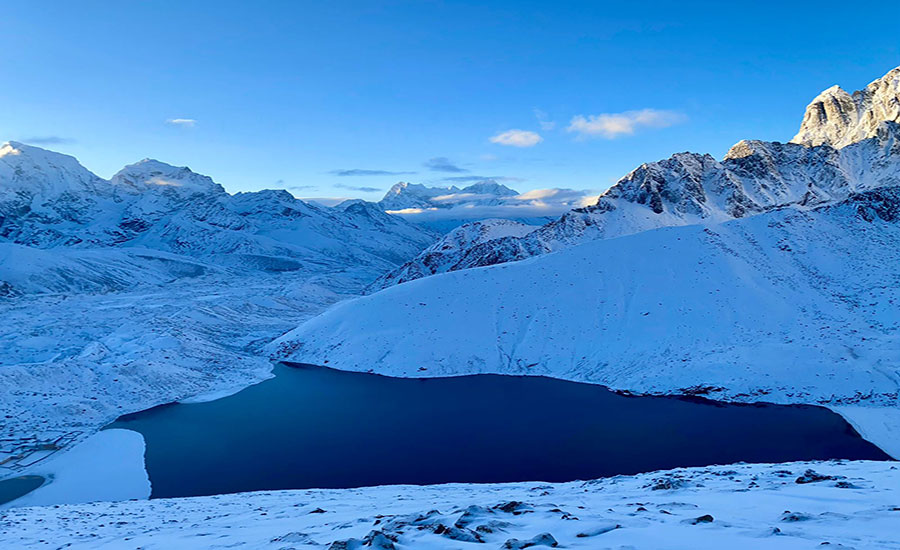
For trekkers who prefer fewer crowds, the Gokyo Lakes Trek offers one of the most beautiful routes in the Everest region.
The trail leads to a series of stunning turquoise lakes surrounded by snow-capped peaks.
Highlights
Gokyo Lakes
Gokyo Ri (5,357 m)
Ngozumpa Glacier
Exceptional panoramic mountain views
Many trekkers consider the view from Gokyo Ri even better than Kala Patthar.
Everest Base Camp via Gokyo Lakes and Cho La Pass
This route combines the best of both worlds.
Trekkers visit the magnificent Gokyo Lakes before crossing the challenging Cho La Pass and continuing to Everest Base Camp.
Highlights
Everest Base Camp
Gokyo Lakes
Cho La Pass
Gokyo Ri
Kala Patthar
This is one of the most rewarding trekking routes in Nepal.
Everest View Trek

The Everest View Trek is perfect for travelers who want to experience the Everest region without trekking to Base Camp.
The route reaches Namche Bazaar and the famous Everest View Hotel, offering magnificent mountain panoramas.
Ideal For
Families
Senior travelers
Short holidays
First-time trekkers
Why Choose a Small Group Everest Trek?
Smaller trekking groups offer many advantages compared to large commercial groups.
Benefits of Small Groups
More personalized service
Flexible walking pace
Better guide support
Easier acclimatization monitoring
Stronger group atmosphere
Better overall trekking experience
At Himalayan Dream Team, we focus on small groups to ensure safety, comfort, and personalized attention throughout the journey.
Frequently Asked Questions
How long does the Everest Base Camp Trek take?
Most itineraries take between 12 and 16 days depending on acclimatization schedules and side excursions.
What is the best time for the Everest Base Camp Trek?
The best seasons are:
Spring (March to May)
Autumn (September to November)
These months offer the most stable weather and best mountain views.
How difficult is the Everest Base Camp Trek?
The trek is considered moderately challenging. No technical climbing skills are required, but good physical fitness and proper preparation are important.
Do I need previous trekking experience?
Previous trekking experience is helpful but not essential. Many first-time trekkers successfully complete Everest Base Camp each year.
What permits are required for the Everest Base Camp Trek?
Currently, trekkers require:
Sagarmatha National Park Entry Permit
Khumbu Pasang Lhamu Rural Municipality Permit
Your trekking agency can arrange these permits before the trek begins.
What is the highest point of the trek?
The highest point is Kala Patthar at 5,545 meters.
Kala Patthar provides the best panoramic views of Mount Everest and surrounding Himalayan peaks.
Can I trek to Everest Base Camp solo?
Yes, independent trekking is possible. However, many trekkers choose to hire a guide for safety, navigation, local knowledge, and additional support.
Is Wi-Fi available during the trek?
Wi-Fi is available in many tea houses, although connections can be slow and may require an additional fee.
What food is available on the trek?
Most tea houses offer a surprisingly wide range of meals including:
Dal Bhat
Fried rice
Noodles
Soups
Pasta
Pancakes
Eggs
Potatoes
Dal Bhat remains the most popular and energy-rich meal for trekkers.
Do I need travel insurance?
Yes.
We strongly recommend comprehensive travel insurance that covers:
Trekking above 5,000 meters
Emergency medical treatment
Helicopter evacuation
Trip interruption
How much does the Everest Base Camp Trek cost?
Costs vary depending on group size, accommodation standards, domestic flights, and services included.
Most guided Everest Base Camp treks range between USD 1,500 and USD 3,000 per person.
What is the success rate of reaching Everest Base Camp?
With a proper itinerary, experienced guides, and adequate acclimatization, most trekkers successfully reach Everest Base Camp.
Following your guide's advice and trekking at a steady pace significantly improves your chances of success.
Why Trek Everest Base Camp with Himalayan Dream Team?
Choosing the right local trekking company can make a significant difference to your Everest experience.
Himalayan Dream Team is a Nepal-based, woman-led trekking company specializing in personalized Himalayan adventures.
What Makes Us Different?
Experienced local guides with extensive Everest region knowledge
Small groups for a more personal experience
Safety-focused itineraries with proper acclimatization
Airport transfers and full logistical support
High-quality tea house accommodation
Responsible and sustainable tourism practices
Fair treatment of guides and porters
24-hour emergency support during your trek
Customized private and group departures
Genuine local expertise from a Nepal-based team
Our goal is not only to take you to Everest Base Camp but to help you experience the culture, landscapes, and hospitality of the Himalayas in a safe and meaningful way.
Ready for Your Everest Base Camp Adventure?
The Everest Base Camp Trek is much more than a hiking holiday. It is a life-changing journey through some of the world's most spectacular mountain scenery, rich Sherpa culture, ancient monasteries, and unforgettable Himalayan landscapes.
With proper preparation, realistic expectations, and the support of experienced local guides, reaching Everest Base Camp is an achievable goal for most active travelers.
Whether you are planning your first Himalayan trek or fulfilling a lifelong dream of seeing Mount Everest up close, the journey will reward you with memories that last forever.
The key to a successful Everest Base Camp Trek starts long before you arrive in Nepal. Train consistently, prepare carefully, choose the right season, and travel with a trusted local team.
We look forward to welcoming you to Nepal and helping you experience one of the world's greatest trekking adventures.