

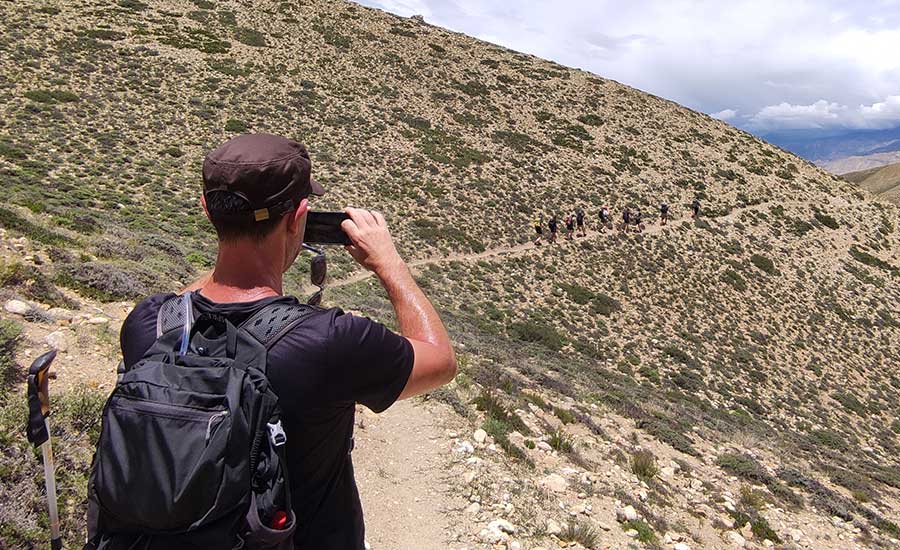
Teahouse trekking in Nepal is the most authentic and rewarding way to experience the Himalayas, offering a perfect balance of comfort, culture, and adventure. Popular routes like the Everest Base Camp Trek, Annapurna Circuit Trek, and Langtang Valley Trek are lined with traditional family-run teahouses where trekkers enjoy hearty meals, warm lodging, and genuine Nepali hospitality. Unlike camping treks, teahouse trekking allows travelers to hike light while still immersing themselves in local traditions, breathtaking landscapes, and the vibrant trekking culture that makes Nepal the world’s top trekking destination.
Despite its popularity, many first-time trekkers hold back due to common teahouse trekking myths, such as worries about food, comfort, or safety. The reality is that Nepal’s teahouses have evolved to provide a wide range of facilities—from basic lodges to luxury options with hot showers, Wi-Fi, and cozy dining halls. At Himalayan Dream Team, we specialize in creating well-organized treks that combine authentic cultural experiences with reliable accommodation and expert guidance. Whether you’re planning to conquer Everest Base Camp or explore the quieter trails of Langtang and Annapurna, our teahouse treks ensure safety, comfort, and unforgettable Himalayan memories.
What is a Teahouse?
A teahouse in Nepal is a traditional family-run lodge found along popular trekking routes such as the Everest Base Camp, Annapurna Circuit, and Langtang Valley. These teahouses provide trekkers with essential services including meals, lodging, and a welcoming communal space after a long day of hiking. What once began as simple mountain shelters has now transformed into comfortable lodges equipped with cozy dining halls, private or shared bedrooms, and in many areas, access to hot showers, charging stations, and even Wi-Fi.
Beyond being places to rest, Nepalese teahouses represent a unique cultural experience, offering warm hospitality and a chance to connect with local families and fellow trekkers. Staying in a teahouse not only ensures convenience on the trail but also supports local economies and sustainable tourism. By choosing teahouse trekking, travelers enjoy authentic Nepali food, community spirit, and a true Himalayan lifestyle—making it one of the most enriching aspects of trekking in Nepal.
Common Myths About Teahouse Trekking in Nepal

Myth 1: Teahouses are Too Basic
Many trekkers believe teahouses are just tiny huts with bare facilities, but that’s far from the truth. Along popular trekking routes like the Everest Base Camp Trek and Annapurna Circuit, most teahouses provide private or shared rooms with warm bedding, cozy dining halls, and hot showers for a small fee. Some lodges even feature electric blankets, heated common areas, and Wi-Fi, ensuring that comfort is not compromised even in the Himalayas.
Myth 2: Food is Limited and Unsafe
A common misconception is that teahouse food is repetitive or unhygienic, but the reality is the opposite. Beyond the famous Dal Bhat, trekkers can enjoy pancakes, Tibetan bread, noodles, momos, pasta, soups, and even baked goods. Meals are freshly prepared using locally sourced ingredients, making them both nutritious and safe. Choosing vegetarian options in higher altitudes is often recommended for freshness and easier digestion.
Myth 3: You Need to Carry Camping Gear
One of the greatest advantages of teahouse trekking in Nepal is that you don’t need to haul heavy tents, stoves, or cooking equipment. Teahouses along trails such as Langtang Valley or Everest Base Camp provide accommodation and meals, allowing trekkers to travel light and enjoy the journey instead of worrying about logistics. Only in remote regions like Dolpo or Dhaulagiri Circuit does camping become necessary.
Myth 4: Only Budget Travelers Use Teahouses
It’s a myth that teahouses are only for budget trekkers. In fact, there are options for every budget—from simple lodges with basic facilities to luxury teahouses featuring attached bathrooms, heated dining areas, and premium bedding. Luxury trekking routes, particularly in the Everest and Annapurna regions, now offer high-end lodges designed for travelers who seek both adventure and comfort.
Myth 5: Teahouses are Always Overcrowded
While it’s true that trails like Everest Base Camp can be busy in peak seasons (spring and autumn), overcrowding is not the everyday norm. With proper planning, advance booking, or by trekking in the off-season, trekkers can always secure accommodation. Many teahouses expand capacity during busy months, ensuring travelers still find a warm bed at day’s end.
Myth 6: Unsafe for Solo or Female Trekkers
Safety is a major concern for first-time travelers, but Nepal is considered one of the safest trekking destinations in the world. Teahouses in Nepal are usually family-run, creating a warm and secure environment. Solo trekkers, including women, often find companionship in teahouses, where international travelers gather, share stories, and form trekking partnerships. Choosing reputable lodges or trekking with a guide further enhances safety.
Myth 7: No Internet or Electricity in Teahouses
Another outdated myth is that teahouses disconnect trekkers from the modern world. Today, most lodges along routes like Everest and Annapurna have electricity, solar power, and charging facilities (for a small fee). Many also provide Wi-Fi services, even at Everest Base Camp, allowing trekkers to stay connected while enjoying the remote beauty of the Himalayas.
Myth 8: All Teahouses are the Same
Every region offers a unique teahouse experience. For example, teahouses in the Everest region are generally more modern and well-equipped, while those on the Manaslu Circuit or remote trails are simpler but more authentic. Factors such as altitude, culture, and accessibility influence the type of lodge you’ll encounter, making each trek distinctive.
Myth 9: You Must Speak Nepali Fluently
Trekkers often worry about language barriers, but in reality, English is widely spoken along trekking trails in Nepal. Most teahouse owners and staff can communicate effectively in basic English, making it easy to order meals, book rooms, and interact. Learning a few Nepali phrases like “Namaste” (hello) or “Dhanyabad” (thank you) can enrich your journey, but fluency is not required.
Myth 10: Teahouse Trekking Isn’t Eco-Friendly
Far from being harmful, teahouse trekking is actually one of the most sustainable ways to travel in the Himalayas. Most lodges use solar energy, practice waste management, and rely on locally sourced food. Staying in teahouses also supports local communities directly, reducing the environmental impact compared to large-scale camping treks. Trekkers can contribute by carrying reusable bottles, minimizing plastic use, and respecting local eco-practices.
The Reality of Teahouse Life on the Trails
Here’s what a typical Nepal teahouse provides—reliable comforts, warm hospitality, and community that supports your Himalayan trekking experience.
| Facility | What You Can Expect |
|---|---|
| Rooms | Private or shared rooms with warm bedding and blankets for a restful night at altitude. |
| Meals | Nutritious breakfasts, lunches, and dinners prepared daily; hearty portions with vegetarian options. |
| Communal Dining | Cozy dining halls that encourage a friendly, communal atmosphere among trekkers and hosts. |
| Showers & Charging | Access to hot showers and device charging for a small fee (availability may vary by altitude and season). |
| Community | Plenty of chances to bond with fellow trekkers and connect with welcoming local families. |
Why Choose Teahouse Trekking with Himalayan Dream Team
Expertly designed itineraries that combine Himalayan adventure with comfort, cultural immersion, and authentic Nepali hospitality.
Trusted partnerships with reliable teahouses, ensuring safe, clean, and hygienic accommodation on treks like Everest Base Camp, Annapurna Circuit, and Langtang Valley.
Professional guides and strong porters who manage all logistics, so you can focus on enjoying the trek worry-free.
Flexible trekking options ranging from budget-friendly teahouses to luxury lodges in Everest and Annapurna regions.
Authentic cultural experiences through family-run teahouses that allow interaction with locals and fellow trekkers.
Nutritious and diverse meals served at teahouses, offering everything from traditional Dal Bhat to international dishes.
Sustainable tourism practices, supporting local communities while promoting eco-friendly trekking in Nepal.
Personalized service with small group sizes and custom itineraries tailored to your pace and preference.
Year-round trekking opportunities, with teahouse support available in all seasons, from spring blossoms to winter landscapes.
Decades of expertise as a trusted Nepal trekking company, delivering safe, memorable, and life-changing Himalayan journeys.
Final Thoughts
Teahouse trekking in Nepal is not only a practical way to explore the majestic Himalayas but also a cultural adventure that connects you with local communities and traditions. Staying in family-run lodges along world-famous routes like the Everest Base Camp Trek, Annapurna Circuit, and Langtang Valley Trek gives you more than a bed and a meal—it offers authentic Nepali hospitality, shared stories, and a sense of belonging in the mountains. Choosing teahouse trekking also reduces the need for heavy camping gear, making your journey lighter, more enjoyable, and accessible to trekkers of all levels.
At Himalayan Dream Team, we believe that trekking should be both comfortable and meaningful. By debunking common teahouse trekking myths, we encourage travelers to embrace this sustainable and community-driven style of trekking with confidence. Whether you prefer budget-friendly lodges or luxury teahouses with modern amenities, our expertly crafted itineraries ensure safety, cultural immersion, and unforgettable Himalayan experiences. With us, you don’t just trek—you discover Nepal in the most authentic and responsible way possible.