Women Only Manaslu Circuit Trek 2026/2027
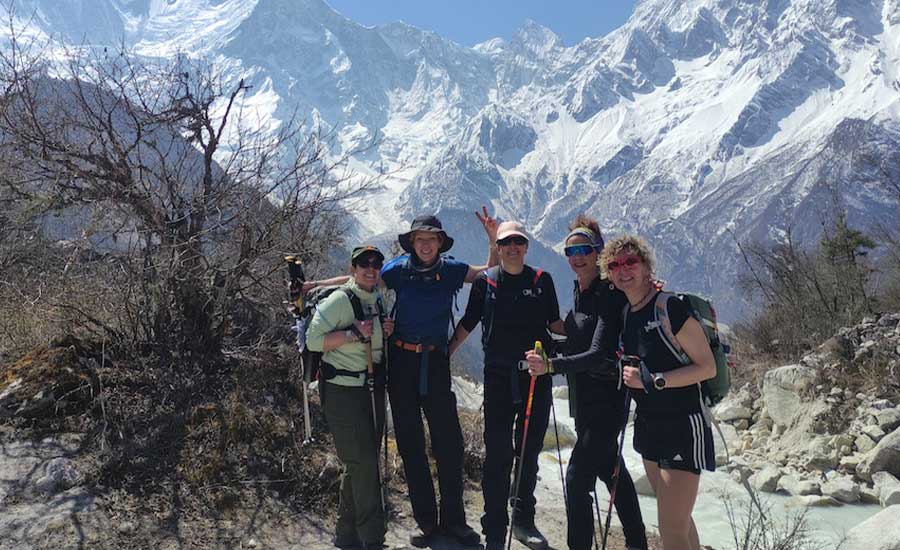
The Women Only Manaslu Circuit Trek is an unforgettable 16-day Himalayan adventure created exclusively for women who want to explore one of Nepal's most spectacular and least-visited trekking regions. Organized by Himalayan Dream Team, a trusted female-led trekking company in Nepal, and led by experienced female trekking guides, this journey offers a safe, supportive, and inspiring environment for solo female travellers, friends, and adventure seekers from around the world.
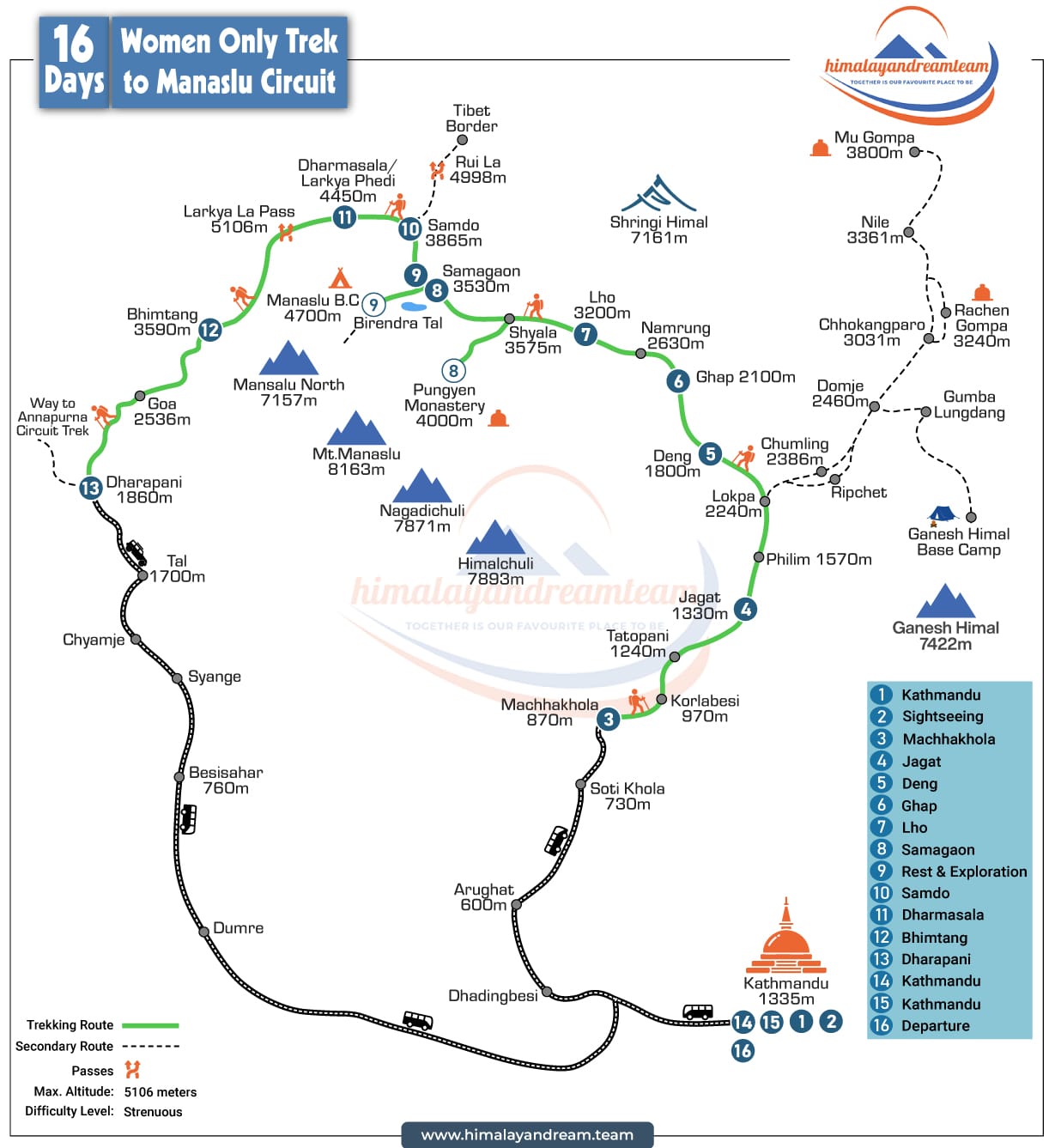
Located in the remote Manaslu Conservation Area, this spectacular trek circles Mount Manaslu (8,163 m), the world's eighth-highest mountain. The trail passes through traditional Gurung and Tibetan Buddhist villages, ancient monasteries, colourful prayer flags, mani walls, yak pastures, rhododendron forests, deep river gorges, and peaceful alpine valleys, offering an authentic Himalayan experience far from the crowds found on the Everest and Annapurna trekking routes.
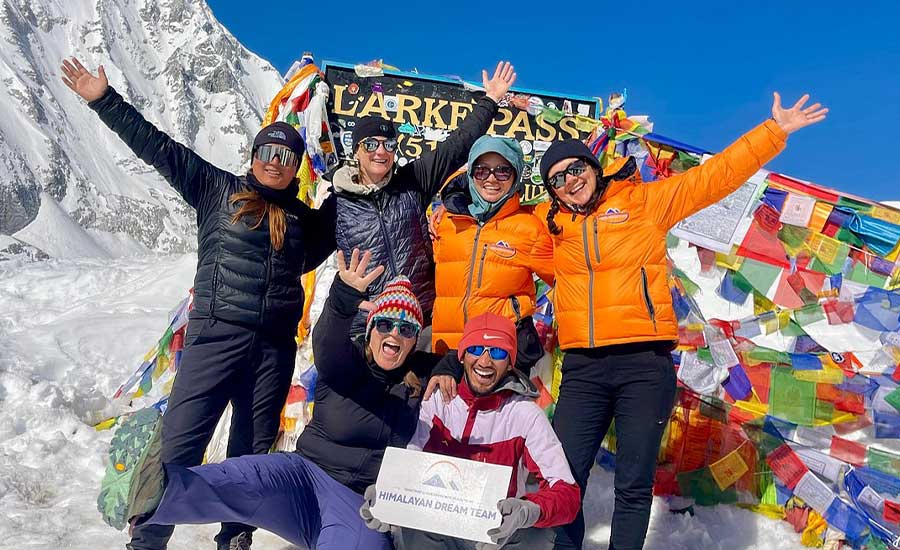
The highlight of the trek is crossing the breathtaking Larkya La Pass (5,106 m), one of Nepal's most beautiful high mountain passes. Along the way, you'll enjoy incredible views of Mount Manaslu, Annapurna II, Himlung Himal, Cheo Himal, Kang Guru, Ganesh Himal, and many other snow-covered Himalayan peaks. The itinerary also includes an acclimatization day in Samagaun , with optional hikes to the stunning Birendra Lake or Manaslu Base Camp, allowing you to explore the region while preparing safely for higher elevations.
Designed with women's comfort and safety in mind, this trek includes carefully planned acclimatization, experienced female guides, comfortable teahouse accommodation, private transportation, all required permits, and full logistical support. Every detail is arranged so you can focus on enjoying the mountains, local culture, and the unforgettable journey ahead.
More than just a trekking holiday, the Women Only Manaslu Circuit Trek is an opportunity to build confidence, form lasting friendships, and share incredible experiences with like-minded women. Combining breathtaking Himalayan scenery, rich Tibetan Buddhist culture, remote mountain trails, and genuine local hospitality, this is one of the most rewarding trekking adventures in Nepal.
Women Only Manaslu Circuit Trek Highlights
- Join a women-only Himalayan adventure led by an experienced, government-licensed female trekking guide.
- Explore Kathmandu Valley’s UNESCO World Heritage Sites before beginning the trek.
- Trek through remote Gurung and Tibetan-influenced villages in the less-crowded Manaslu region.
- Experience Tibetan Buddhist culture through ancient monasteries, mani walls, prayer wheels, and colorful prayer flags.
- Enjoy spectacular views of Mount Manaslu (8, 163 m), Annapurna II, Ganesh Himal, Himlung Himal, and surrounding peaks.
- Visit Pungyen Gompa (4, 000 m), set beneath Mount Manaslu and its surrounding glaciers.
- Spend an acclimatization day in Samagaun with an optional hike to Birendra Lake or Manaslu Base Camp.
- Cross Larkya La Pass (5, 106 m), the highest and most challenging point of the trek.
- Travel in a small, supportive group of women, ideal for solo female travelers and friends traveling together.
16 Days Women Only Manaslu Circuit Trek- Short Itinerary
| Day | Program | Accommodation |
|---|
| Day 1 | Arrival in Kathmandu and transfer to the hotel | Hotel |
| Day 2 | Kathmandu Valley sightseeing – UNESCO World Heritage Sites | Hotel |
| Day 3 | Drive from Kathmandu to Machha Khola | Teahouse |
| Day 4 | Trek from Machha Khola to Jagat | Teahouse |
| Day 5 | Trek from Jagat to Deng | Teahouse |
| Day 6 | Trek from Deng to Ghap | Teahouse |
| Day 7 | Trek from Ghap to Lho | Teahouse |
| Day 8 | Trek from Lho to Samagaun via Pungyen Gompa | Teahouse |
| Day 9 | Acclimatization day in Samagaun – Optional hike to Manaslu Base Camp or Birendra Lake | Teahouse |
| Day 10 | Trek from Samagaun to Samdo | Teahouse |
| Day 11 | Trek from Samdo to Dharmasala (Larkya Phedi) | Teahouse |
| Day 12 | Cross Larkya La Pass (5,106 m) and trek to Bhimtang | Teahouse |
| Day 13 | Trek from Bhimtang to Dharapani | Hotel |
| Day 14 | Drive from Dharapani to Kathmandu | Hotel |
| Day 15 | Leisure day in Kathmandu | Hotel |
| Day 16 | Transfer to Tribhuvan International Airport | — |
Who Is the Women Only Manaslu Circuit Trek For?
The Women Only Manaslu Circuit Trek is designed for women who want to experience a challenging Himalayan adventure in a small and supportive group. You do not need to travel with a friend or trekking partner—solo female travelers are welcome to join our scheduled women-only departures.
This trek is ideal for solo female travelers, friends traveling together, and active women looking for a quieter and less-crowded trekking experience in Nepal. Previous high-altitude trekking experience is helpful but not essential. However, good physical fitness and preparation are important, as the trek includes long walking days and reaches 5,106 m at Larkya La Pass.
Is the Women Only Manaslu Circuit Trek Difficult?
The Women Only Manaslu Circuit Trek is a moderate to challenging trek suitable for women with a good level of fitness and a spirit of adventure. You'll walk 4 to 8 hours each day through remote mountain villages, forests, river valleys, and high-altitude landscapes.
The trek reaches its highest point at Larkya La Pass (5,106 m). While no technical climbing experience is required, the high altitude and long trekking days make proper preparation and acclimatization essential.
Our carefully planned itinerary includes an acclimatization day in Samagaun and is led by experienced, government-licensed female trekking guides, making the trek safe, enjoyable, and achievable for most active women. In return, you'll be rewarded with spectacular Himalayan scenery, authentic Tibetan Buddhist culture, and an unforgettable trekking experience.
Difficulty at a Glance
| Feature | Details |
|---|
| Difficulty Level | Moderate to Challenging |
| Duration | 16 Days |
| Maximum Elevation | 5,106 m (Larkya La Pass) |
| Daily Walking Hours | 4–8 hours |
| Trekking Experience | Helpful but not essential |
| Technical Climbing | Not required |
| Accommodation | Hotel & Traditional Teahouse |
| Meals | Breakfast in Kathmandu & All Meals During the Trek |
| Best Trekking Seasons | March–May & September–November |
| Suitable For | Active women with a good fitness level and a sense of adventure |
Why Trek with Himalayan Dream Team?
Choosing the right trekking company can make all the difference to your Himalayan adventure. At Himalayan Dream Team, we combine local expertise, professional service, and genuine Nepali hospitality to create safe, enjoyable, and unforgettable trekking experiences for women from around the world.
| Why Choose Himalayan Dream Team? | What You Receive |
|---|
| Female-Led Trekking Company | Travel with a trusted women-owned trekking company dedicated to creating safe and empowering adventures for female travellers. |
| Experienced Female Guides | Government-licensed, first-aid trained female trekking guides with extensive Himalayan experience. |
| Small Group Departures | Enjoy a more personal trekking experience with small groups of 2–12 participants. |
| Safety First | Well-planned itineraries, proper acclimatization, altitude awareness, and professional support throughout the trek. |
| Local Expertise | Discover authentic Himalayan culture, remote villages, monasteries, and hidden trails with knowledgeable local guides. |
| Ethical & Responsible Tourism | Fair treatment of guides and porters, responsible travel practices, and support for local mountain communities. |
| Complete Trek Arrangements | Accommodation, transportation, permits, meals, and logistics are organized before your adventure begins. |
| Transparent Pricing | No hidden costs, with clear inclusions and exclusions provided before booking. |
| 24/7 Local Support | Friendly assistance from arrival in Nepal until your departure, ensuring a smooth and worry-free experience. |
| Excellent Guest Reviews | Trusted by trekkers worldwide for professional service, safety, and memorable Himalayan adventures. |
Best Time for the Women Only Manaslu Circuit Trek
The Women Only Manaslu Circuit Trek can be completed during most of the year, but spring (March to May) and autumn (September to November) offer the best weather, clear mountain views, and the most comfortable trekking conditions. Winter is suitable for experienced trekkers, while the monsoon season is generally not recommended due to heavy rainfall and slippery trails.
| Season | Months | Weather & Trail Conditions | Recommendation |
|---|
| Spring | March – May | Warm temperatures, blooming rhododendrons, clear mountain views, and excellent trekking conditions. | ⭐⭐⭐⭐⭐ Excellent |
| Autumn | September – November | Stable weather, crystal-clear skies, and ideal conditions for crossing Larkya La Pass. | ⭐⭐⭐⭐⭐ Excellent |
| Winter | December – February | Cold temperatures and possible snowfall at higher elevations. Best for experienced trekkers. | ⭐⭐⭐ Good |
| Monsoon | June – August | Heavy rainfall, muddy trails, leeches, and an increased risk of landslides. | ⭐⭐ Not Recommended |
Manaslu Circuit Trek: Required Permits
The Manaslu Circuit Trek passes through a restricted region of Nepal and requires several government-issued trekking permits. All permits are arranged by Himalayan Dream Team before the trek begins.
The following permits are required:
- Manaslu Restricted Area Permit (RAP)
- Manaslu Conservation Area Permit (MCAP)
- Annapurna Conservation Area Permit (ACAP)
Important Information:
- Solo trekking is not permitted in the Manaslu region.
- A minimum of two trekkers is required to obtain the Restricted Area Permit.
- All trekkers must be accompanied by a licensed guide through a registered trekking agency.
- Your passport copy and passport-sized photos may be required for permit processing.
Teahouse Accommodation: What to Expect
During the Manaslu Circuit Trek, accommodation is in simple yet welcoming teahouses- small, family-run lodges that provide trekkers with a warm bed, hearty meals, and a genuine insight into Himalayan mountain life. Facilities are basic, but the atmosphere is cozy, authentic, and well-suited for a remote trekking experience.
Rooms
Teahouse rooms are typically twin-shared, featuring wooden walls, simple furnishings, thin mattresses, and warm blankets. Insulation is minimal, so a good four-season sleeping bag is highly recommended, especially above 3,000 meters. Rooms are clean and practical, designed mainly for resting after long trekking days.
Toilets and Showers
Most teahouses have shared toilets, commonly squat-style, while some lodges at lower altitudes may offer Western toilets. Hot showers are available at many stops for an additional fee and are usually heated by gas or solar power. At higher elevations, water may be limited or cold due to freezing temperatures.
Heating
Bedrooms are generally unheated. In the evenings, trekkers gather in the dining area, which serves as the warm and social heart of the teahouse. A central stove- often fueled by wood or yak dung - provides heat while guests enjoy meals, warm drinks and shared conversations, creating a comfortable and communal atmosphere.
Power and Wi-Fi
Electricity is available in most villages, though the supply can be unreliable. Charging electronic devices usually involves a small fee, especially at higher altitudes. Wi-Fi is offered in some teahouses for an extra cost, but connections are often slow or unstable - an ideal opportunity to disconnect and fully enjoy the peaceful mountain surroundings.
Food During the Manaslu Circuit Trek
Food on the Manaslu Circuit Trek is freshly prepared in local teahouses and provides the energy needed for long days of trekking in the Himalayas. While menus become simpler at higher elevations, trekkers can still enjoy a good variety of nutritious and satisfying meals throughout the journey.
Common meals and drinks available during the trek:
- Dal Bhat (rice, lentil soup, vegetables and pickles) – Nepal's most popular trekking meal.
- Noodles, fried rice, pasta, and potato dishes.
- Soups, porridge, pancakes, eggs, and Tibetan bread.
- Momos (Nepali dumplings) in many villages.
- Tea, coffee, hot chocolate, and ginger lemon honey tea.
- Vegetarian meals available throughout the trek.
- Vegan meals can often be arranged with advance notice.
- Fresh seasonal fruits may be served at some lodges.
- Safe boiled drinking water available for purchase in most teahouses.
Our recommendation: For the best health and energy at high altitude, choose freshly cooked local meals, stay well hydrated and avoid meat dishes at higher elevations where refrigeration is limited.