

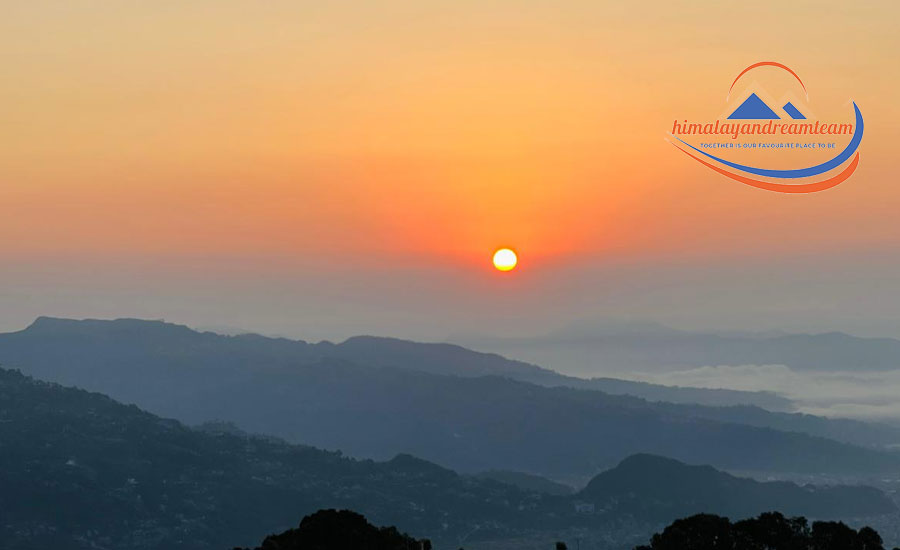
There is something special about watching the sunrise in Nepal. Before the villages become busy and the mountain trails fill with trekkers, the first morning light begins to touch the Himalayan peaks. Snow-covered mountains gradually turn golden, valleys emerge from the shadows, and the peaceful landscape offers a beautiful beginning to the day.
Nepal is home to some of the world's most remarkable sunrise viewpoints. From the famous Poon Hill sunrise overlooking the Annapurna and Dhaulagiri ranges to the close-up views of Mount Everest from Kala Patthar, each destination offers a different Himalayan experience.
Not every sunrise viewpoint requires a challenging trek. Travelers staying in Kathmandu can enjoy beautiful mornings at Nagarkot or Dhulikhel, while visitors to Pokhara can easily reach Sarangkot for impressive views of Machhapuchhre and the Annapurna mountains.
For those who enjoy trekking, Mardi Himal offers spectacular high-altitude scenery, while Antu Danda in eastern Nepal is known for its peaceful sunrise landscapes, tea gardens and rolling green hills.
At Himalayan Dream Team Treks & Tours, we believe that some of the most beautiful travel memories begin early in the morning. This guide introduces seven of Nepal's best sunrise destinations, including their elevations, mountain views, accessibility, best seasons, hiking requirements and practical travel tips.
What Are the Best Places to Watch Sunrise in Nepal?
The seven best-known and most rewarding sunrise destinations covered in this guide are Poon Hill, Nagarkot, Sarangkot, Kala Patthar, Dhulikhel, Mardi Himal and Antu Danda.
Each location offers a different experience. Some are suitable for families and travelers who prefer comfortable hotels, while others require several days of trekking through the Himalayas.
| Sunrise Viewpoint | Approx. Elevation | Location | Best For |
|---|---|---|---|
| Poon Hill | 3,210 m | Annapurna Region | Classic Himalayan sunrise trekking |
| Nagarkot | 2,175 m | Near Kathmandu | Easy sunrise and overnight escapes |
| Sarangkot | 1,600 m | Pokhara | Accessible Annapurna mountain views |
| Kala Patthar | 5,545 m | Everest Region | Close-up views of Mount Everest |
| Dhulikhel | 1,550 m | Near Kathmandu | Peaceful sunrise and cultural experiences |
| Mardi Himal Viewpoint | Approx. 4,200 m | Annapurna Region | High-altitude sunrise and mountain photography |
| Antu Danda | Approx. 2,328 m | Ilam, Eastern Nepal | Sunrise over tea gardens and green hills |
Elevations are approximate and can vary between viewpoints, survey references and trekking itineraries. Mountain visibility depends on weather, season and atmospheric clarity.
1. Poon Hill Sunrise – One of Nepal's Most Famous Himalayan Viewpoints
Poon Hill, located above Ghorepani in Nepal's Annapurna region, is one of the most popular sunrise viewpoints in the country. Standing at approximately 3,210 meters, it offers a magnificent panorama of the Annapurna and Dhaulagiri mountain ranges.
On a clear morning, visitors can see Dhaulagiri I (8,167 m), Annapurna I (8,091 m), Annapurna South, Hiunchuli, Nilgiri and Machhapuchhre (Fishtail), together with many surrounding Himalayan peaks.
The sunrise experience begins before dawn in Ghorepani. Trekkers leave their lodge with headlamps and follow the uphill stone trail towards Poon Hill. The climb normally takes around 45–60 minutes, although walking time depends on individual pace and conditions.
As the first sunlight reaches the mountains, the snow-covered peaks gradually change from pale pink to warm gold. The contrast between the illuminated summits and the darker valleys below creates a beautiful scene for photographers and nature lovers.
How Do You Reach Poon Hill?
The journey normally begins in Pokhara. Travelers drive to an appropriate Annapurna trekking trailhead and continue on foot through villages such as Ulleri and Ghorepani.
The classic trekking route passes through terraced farmland, rhododendron forests and traditional Magar and Gurung communities. Many itineraries continue towards Tadapani and Ghandruk after the sunrise hike.
How Many Days Are Needed for Poon Hill?
The trekking section can be arranged over approximately 3–5 days, depending on the route and available road access. Travelers who prefer a complete Nepal holiday can combine the trek with Kathmandu sightseeing and time in Pokhara.
Himalayan Dream Team offers an 11-day Ghorepani Poon Hill Trek, including Kathmandu, Pokhara, the Annapurna trekking route and the famous Poon Hill sunrise.
Best Time for Poon Hill Sunrise
March to May and October to November are particularly popular. Spring brings colorful rhododendron forests, while autumn often offers excellent Himalayan visibility.
Winter can also provide clear mountain views, although mornings may be freezing and snow or ice can affect the trail.
Who Is Poon Hill Suitable For?
Poon Hill is an excellent choice for first-time trekkers, active families, couples and travelers who want impressive Himalayan scenery without trekking to extreme altitudes.
The trek is generally graded easy to moderate, but it includes long stone staircases and repeated uphill and downhill walking.
Himalayan Dream Team recommendation: Choose Poon Hill if you want a classic Nepal trekking experience with beautiful mountain views, welcoming villages and manageable trekking days.
Explore Our Ghorepani Poon Hill Trek – 11 Days
2. Nagarkot Sunrise – Beautiful Himalayan Views Near Kathmandu
Nagarkot is one of the most accessible sunrise destinations near Kathmandu. Located approximately 30–32 kilometers east of the capital, this peaceful hill station is known for its wide Himalayan views, fresh mountain air and beautiful countryside.
At an elevation of approximately 2,175 meters, Nagarkot offers an excellent escape from the busy streets of Kathmandu. Travelers can stay overnight in a hillside hotel and wake early to watch the sunrise without undertaking a demanding trek.
On clear mornings, the Himalayan horizon gradually brightens as the first light reaches the distant snow-covered mountains. The surrounding green hills, terraced farmland and traditional villages add to the peaceful atmosphere.
Can You See Mount Everest from Nagarkot?
Mount Everest lies very far from Nagarkot. Although it may be possible to identify the distant Everest area under exceptionally clear conditions from certain viewpoints, visitors should not expect a reliable or close-up view of Everest.
Nagarkot is better appreciated for its broad Himalayan panorama, which may include sections of the Langtang, Ganesh Himal and other central and eastern Himalayan ranges, depending on visibility.
How to Reach Nagarkot from Kathmandu
Nagarkot is normally reached by private vehicle from Kathmandu in approximately 1.5–2 hours, depending on traffic, road conditions and the departure point.
For the best sunrise experience, staying overnight is recommended. This allows travelers to enjoy a relaxed evening, mountain views and an early morning without leaving Kathmandu in the middle of the night.
Things to Do in Nagarkot
- Watch sunrise from a hotel terrace or designated viewpoint.
- Enjoy panoramic Himalayan and countryside views.
- Take short walks through nearby villages and farmland.
- Explore hiking routes connecting Nagarkot with surrounding hill settlements.
- Combine Nagarkot with Changunarayan Temple and Bhaktapur.
- Enjoy a peaceful overnight stay outside Kathmandu.
Best Time for Nagarkot Sunrise
October to December and March to April often provide good conditions for mountain viewing. Winter mornings can be clear but cold, while monsoon months are greener and more frequently cloudy.
Who Should Visit Nagarkot?
Nagarkot is particularly suitable for families, couples, older travelers, photographers and visitors with limited time in Nepal.
Himalayan Dream Team can arrange Nagarkot as part of a private Kathmandu Valley sightseeing or hiking itinerary, combining mountain scenery with Nepal's cultural heritage.
3. Sarangkot Sunrise – The Best Sunrise Viewpoint in Pokhara
Sarangkot is one of the most popular places to watch sunrise in Pokhara. Located on a hill above the Pokhara Valley, the viewpoint offers beautiful views of the Annapurna mountain range and the distinctive summit of Machhapuchhre, also known as Fishtail Mountain.
At approximately 1,600 meters above sea level, Sarangkot is easily accessible from Pokhara and does not require several days of trekking.
On a clear morning, the first sunlight illuminates Annapurna South, Machhapuchhre and other surrounding peaks. The mountain scenery rises dramatically above the green hills and the Pokhara Valley.
Which Mountains Can You See from Sarangkot?
Depending on visibility, visitors can admire parts of the Annapurna range, including Annapurna II, Annapurna III, Annapurna IV, Annapurna South and Machhapuchhre.
The viewpoint also overlooks the Pokhara Valley, and parts of Phewa Lake can be visible from suitable positions. However, reflections of sunrise colors on the lake are not guaranteed and depend on the viewing angle and weather.
How to Reach Sarangkot from Pokhara
Most travelers reach Sarangkot by private vehicle, usually taking approximately 30–45 minutes from the Lakeside area, depending on the road and exact viewpoint.
Walking routes and cable-car access may also be available, subject to operating schedules. For sunrise, a private early-morning transfer is generally the most convenient arrangement.
Best Time for Sarangkot Sunrise
October to November and March to April are popular months for clear mountain views. Winter can also offer excellent visibility, although mornings are colder.
Other Activities Around Sarangkot
- Enjoy panoramic views of the Annapurna range.
- Photograph Machhapuchhre at sunrise.
- Explore nearby hillside villages.
- Enjoy views across the Pokhara Valley.
- Combine sunrise with Pokhara sightseeing.
- Consider paragliding later in the day when operations and conditions permit.
Who Is Sarangkot Best For?
Sarangkot is ideal for travelers who want spectacular mountain views without a demanding trek. It is particularly popular with families, couples, photographers and visitors spending a few days in Pokhara.
Himalayan Dream Team can include a Sarangkot sunrise excursion in a customized Kathmandu and Pokhara holiday or as a relaxing addition before or after an Annapurna trek.
4. Kala Patthar Sunrise – The Ultimate Mount Everest Viewpoint
Kala Patthar is one of the most famous high-altitude viewpoints in Nepal. Located above Gorak Shep in the Everest region, it provides outstanding views of Mount Everest, Nuptse, Pumori and the surrounding Himalayan landscape.
The viewpoint is commonly listed at approximately 5,545 meters, although published measurements for the upper summit area vary.
Unlike Everest Base Camp, where the summit of Everest is largely hidden behind surrounding terrain, Kala Patthar offers a much clearer perspective of the world's highest mountain.
What Is Sunrise Like at Kala Patthar?
The sunrise hike normally begins before dawn from Gorak Shep. Trekkers follow a steep, rocky trail towards the ridge beneath Mount Pumori, often walking in freezing temperatures with headlamps.
As the sky brightens, the enormous Himalayan peaks gradually emerge from the darkness. The changing colors across Everest, Nuptse and the surrounding mountains create a memorable high-altitude experience.
It is worth knowing that Everest is often partly backlit at sunrise. Sunset may provide better direct golden light on the visible face of the mountain, although afternoon clouds and the need to descend in darkness are important considerations.
How Do You Reach Kala Patthar?
Most visitors reach Kala Patthar during the classic Everest Base Camp Trek, following the route through Lukla, Phakding, Namche Bazaar, Tengboche, Dingboche, Lobuche and Gorak Shep.
From Gorak Shep, the uphill hike normally takes approximately 1.5–3 hours, depending on fitness, acclimatization and trail conditions.
How Difficult Is Kala Patthar?
Kala Patthar is a challenging high-altitude hike. Although technical climbing is normally unnecessary on the standard viewpoint route, the thin air, steep ascent and freezing temperatures require good preparation.
Trekkers should follow a gradual acclimatization itinerary, including appropriate additional nights in Namche Bazaar and Dingboche.
Best Time for Kala Patthar Sunrise
March to May and October to November are generally the most favorable trekking seasons. Clear weather is essential for mountain views, and the final ascent should only be attempted when conditions are safe.
Who Should Choose Kala Patthar?
Kala Patthar is best suited to travelers seeking a genuine high-altitude trekking adventure and spectacular views of Mount Everest.
Himalayan Dream Team organizes the Everest Base Camp Trek, including the Kala Patthar viewpoint and carefully planned acclimatization days.
Explore Our Everest Base Camp Trek – 16 Days
5. Dhulikhel Sunrise – Peaceful Himalayan Views and Newari Culture
Dhulikhel is a charming historic town approximately 30 kilometers southeast of Kathmandu. Situated at around 1,550 meters, it is known for its traditional Newari architecture, surrounding countryside and panoramic Himalayan views.
Compared with some of Nepal's better-known tourist viewpoints, Dhulikhel offers a quieter atmosphere and an opportunity to combine sunrise viewing with cultural exploration.
On a clear morning, visitors can watch the first sunlight spread across the distant Himalayan ranges while the green hills and valleys gradually emerge from the morning mist.
What Can You See from Dhulikhel?
Dhulikhel offers broad views towards the central and eastern Himalayan ranges, depending on the viewpoint and atmospheric conditions.
The town is also known for its traditional Newari neighborhoods, temples, narrow streets and surrounding agricultural landscapes.
How to Reach Dhulikhel
Dhulikhel is normally reached from Kathmandu by private vehicle in approximately 1–2 hours, depending on traffic and road conditions.
Travelers can visit as part of a day trip, although an overnight stay provides a more relaxed sunrise experience.
Things to Do in Dhulikhel
- Enjoy sunrise from a hillside hotel or viewpoint.
- Explore traditional Newari streets and architecture.
- Visit local temples and cultural sites.
- Take short countryside walks.
- Combine Dhulikhel with Namo Buddha Monastery.
- Visit Panauti, known for its historic temples and Newari heritage.
Best Time for Dhulikhel Sunrise
October to December and March to April generally offer favorable conditions for Himalayan views. The monsoon season brings lush greenery but more cloud cover.
Who Should Visit Dhulikhel?
Dhulikhel is ideal for travelers who enjoy peaceful surroundings, cultural experiences, easy hiking and beautiful countryside without undertaking a long trek.
Himalayan Dream Team can combine Dhulikhel, Namo Buddha and Panauti with a customized Kathmandu Valley cultural or walking holiday.
6. Mardi Himal Sunrise – Spectacular Views of Machhapuchhre and Annapurna
Mardi Himal is one of the most rewarding short trekking destinations in Nepal's Annapurna region. The route offers dramatic mountain scenery, beautiful forest trails, alpine ridges and close-up views of Machhapuchhre, Annapurna South and Hiunchuli.
Unlike Poon Hill, which offers a broad panorama from a relatively accessible viewpoint, Mardi Himal provides a more adventurous mountain experience with narrow ridgelines and higher elevations.
Where Is the Best Mardi Himal Sunrise Viewpoint?
Trekkers can enjoy sunrise from several locations along the upper Mardi Himal route, including High Camp at approximately 3,550–3,580 meters and the upper viewpoint at around 4,200 meters.
Mardi Himal Base Camp is commonly listed at approximately 4,500 meters, but not every trekker needs to reach Base Camp to enjoy beautiful sunrise views.
What Is Sunrise Like at Mardi Himal?
The sunrise experience is particularly impressive because Machhapuchhre rises dramatically above the surrounding ridges. On clear mornings, the first sunlight gradually illuminates the mountain's steep rock and snow faces.
Trekkers can also enjoy beautiful views towards Annapurna South, Hiunchuli and the surrounding Himalayan landscape.
How Do You Reach Mardi Himal?
Most Mardi Himal trekking routes begin from a trailhead accessible by road from Pokhara. The trek passes through forested settlements such as Forest Camp and Low Camp before reaching High Camp.
The route continues towards the upper viewpoint and, when conditions permit, Mardi Himal Base Camp.
How Difficult Is Mardi Himal?
The Mardi Himal Trek is generally moderate to challenging, depending on the highest point reached and the chosen itinerary.
The upper trail is steep, exposed and potentially icy. Strong winds, snowfall and poor visibility may make the high viewpoint unsafe.
Best Time for Mardi Himal Sunrise
March to May and October to November are popular trekking seasons. Spring brings colorful rhododendron forests, while autumn often provides excellent mountain visibility.
Who Should Choose Mardi Himal?
Mardi Himal is ideal for active travelers who enjoy trekking, mountain photography and quieter high-altitude scenery.
Himalayan Dream Team can arrange a Mardi Himal trekking journey or combine it with other Annapurna-region routes according to your available time and experience.
7. Antu Danda Sunrise – Beautiful Tea Gardens in Eastern Nepal
Antu Danda, also known as Shree Antu, is a beautiful sunrise destination in Ilam District in eastern Nepal. Situated at approximately 2,328 meters, it is especially famous for its rolling green hills, tea gardens, peaceful villages and early-morning scenery.
Unlike the dramatic snow-covered landscapes of Poon Hill or Kala Patthar, Antu Danda offers a softer countryside sunrise experience.
As the morning light appears over the eastern hills, mist may linger in the valleys while the surrounding tea gardens gradually become visible.
Can You See Kanchenjunga from Antu Danda?
On exceptionally clear days, distant Himalayan peaks in the Kanchenjunga region may be visible from suitable locations. However, the main attraction of Antu Danda is the sunrise over the eastern hills, tea-growing landscape and surrounding countryside.
Travelers should not expect a guaranteed close-up view of Kanchenjunga.
How to Reach Antu Danda
Antu Danda is reached by road through eastern Nepal, usually via the Ilam region. Travelers arriving from Kathmandu may choose a longer road journey or fly to Bhadrapur and continue by private vehicle.
Road conditions and driving times vary, particularly during the monsoon season.
What Can You Do Around Antu Danda?
- Watch sunrise over the eastern hills.
- Walk through beautiful tea gardens.
- Explore nearby villages and farmland.
- Experience local homestay hospitality.
- Photograph mist-covered valleys and green hills.
- Visit other attractions in the Ilam region.
Best Time for Antu Danda Sunrise
October to December and March to April are generally favorable periods for clear views. Monsoon months bring particularly green scenery but also more clouds and rainfall.
Who Should Visit Antu Danda?
Antu Danda is ideal for travelers interested in peaceful countryside experiences, photography, tea gardens and destinations beyond Nepal's traditional trekking routes.
It can be included in a customized eastern Nepal cultural and nature tour.
Which Sunrise Viewpoint in Nepal Should You Choose?
The best sunrise viewpoint depends on your available time, fitness, preferred scenery and travel interests.
| Travel Preference | Recommended Viewpoint | Why Choose It? |
|---|---|---|
| First-time trekking | Poon Hill | Classic Himalayan views and manageable trekking route |
| Short trip from Kathmandu | Nagarkot | Easy access and overnight mountain escape |
| Staying in Pokhara | Sarangkot | Convenient sunrise over the Annapurna range |
| Mount Everest photography | Kala Patthar | Excellent close-up Everest views |
| Peaceful cultural getaway | Dhulikhel | Himalayan scenery and Newari heritage |
| Adventure trekking | Mardi Himal | High mountain ridges and Machhapuchhre views |
| Tea gardens and countryside | Antu Danda | Eastern Nepal sunrise and green landscapes |
For travelers visiting Nepal for the first time, Sarangkot and Nagarkot are convenient choices. For those who want to combine trekking with sunrise photography, Poon Hill is an excellent option. More experienced trekkers may prefer Mardi Himal or Kala Patthar.
Best Time of Year to Watch Sunrise in Nepal
Nepal offers sunrise experiences throughout the year, but the quality of mountain views changes with the seasons.
| Season | Months | Sunrise Conditions |
|---|---|---|
| Spring | March–May | Good trekking conditions, flowering hillsides and generally favorable mountain views |
| Monsoon | June–August | Lush greenery, frequent clouds and reduced mountain visibility |
| Autumn | September–November | Often excellent Himalayan visibility, particularly after the monsoon |
| Winter | December–February | Potentially clear skies but cold mornings and snow at higher elevations |
Is October the Best Month for Sunrise in Nepal?
October is one of the most popular months for sunrise photography in Nepal. After the monsoon, the atmosphere is often clearer, and the main trekking routes are generally accessible.
November is another excellent choice, especially for travelers seeking clear mountain views. However, no month guarantees cloud-free conditions.
Can You See Beautiful Sunrises During the Monsoon?
Yes. Even during the monsoon, there may be clear mornings and beautiful light over the hills and valleys. However, mountain visibility is less predictable because of clouds, rain and humidity.
Lower-elevation viewpoints such as Nagarkot, Dhulikhel and Antu Danda can still offer attractive countryside scenery during the green season.
What Time Does the Sun Rise in Nepal?
Sunrise time in Nepal varies throughout the year and changes slightly between eastern and western locations.
In the Kathmandu region, sunrise is generally around 5:00–5:15 AM during the longest summer days and around 6:45–6:55 AM during the shortest winter days.
These are approximate seasonal ranges, not exact times for every destination. Eastern Nepal experiences sunrise earlier than western Nepal, and mountain ridges may delay the moment when the sun becomes visible from a particular viewpoint.
For the best experience, check the exact local sunrise time for your travel date and arrive at least 20–30 minutes before sunrise. High-altitude sunrise hikes require additional walking time and should be planned with your guide.
Practical Tips for Watching Sunrise in Nepal
1. Check the Weather Forecast
Clear skies provide the best chance of seeing the Himalayan peaks. Check the local weather forecast the evening before your excursion, but remember that mountain weather can change quickly.
2. Arrive Before Sunrise
Allow enough time to reach the viewpoint and enjoy the changing colors before the sun appears. Photographers may want to arrive earlier for the soft pre-dawn light.
3. Wear Warm Clothing
Early mornings can be cold, particularly above 2,000 meters. Carry suitable layers, a warm jacket, hat and gloves according to the destination and season.
4. Carry a Headlamp for Sunrise Hikes
A reliable headlamp is important for trekking routes such as Poon Hill, Mardi Himal and Kala Patthar, where the ascent may begin before daylight.
5. Protect Your Camera Batteries
Cold temperatures reduce battery performance. Carry a charged phone or camera and keep spare batteries warm.
6. Choose the Right Viewpoint
Not every sunrise destination requires trekking. Sarangkot, Nagarkot and Dhulikhel are suitable for travelers who prefer easier access, while Poon Hill, Mardi Himal and Kala Patthar require more physical preparation.
7. Respect Local Communities and Nature
Stay on established trails, avoid leaving rubbish and respect local customs. Ask permission before photographing people closely, particularly in villages and religious locations.
8. Allow Flexibility
Sunrise views depend on the weather. If you are planning a photography-focused holiday, allowing an additional morning at your destination can improve your chances of seeing clear mountain views.
How to Photograph the Himalayan Sunrise in Nepal
Sunrise photography in Nepal offers wonderful opportunities to capture changing light across snow-covered mountains, green hills, traditional villages and peaceful valleys.
| Photography Tip | Recommendation |
|---|---|
| Best Timing | Arrive before sunrise to capture changing dawn colors |
| Wide-Angle Lens | Useful for mountain panoramas and landscapes |
| Telephoto Lens | Useful for isolating distant peaks and mountain details |
| Tripod | Helpful for low-light photography where safe and permitted |
| Camera Exposure | Protect bright highlights in snow and sky |
| Battery Care | Keep spare batteries warm in cold conditions |
| Foreground | Include villages, prayer flags, hills or trees for perspective |
| Safety | Avoid unstable rocks and exposed edges |
For mountain photography, patience is important. The most beautiful light may appear before sunrise, immediately afterward or later in the morning as clouds move across the mountains.
Can You Combine Several Sunrise Viewpoints in One Nepal Trip?
Yes. Nepal's sunrise destinations can be combined with cultural sightseeing, trekking and nature experiences.
Kathmandu Valley Sunrise and Cultural Tour
Travelers can combine Nagarkot and Dhulikhel with Kathmandu, Bhaktapur, Changunarayan, Namo Buddha and Panauti.
This option is suitable for visitors who enjoy Himalayan views, local culture and gentle countryside walks without high-altitude trekking.
Pokhara and Poon Hill Sunrise Journey
A popular combination is to enjoy sunrise from Sarangkot before or after completing the Ghorepani Poon Hill Trek.
This allows travelers to experience both an easily accessible viewpoint and a traditional Annapurna trekking adventure.
Explore the Ghorepani Poon Hill Trek – 11 Days
Everest Base Camp and Kala Patthar Sunrise
For adventurous travelers, the Everest Base Camp Trek provides the opportunity to experience the dramatic Khumbu landscape and watch sunrise from Kala Patthar.
Explore the Everest Base Camp Trek – 16 Days
Mardi Himal and Annapurna Sunrise Adventure
Travelers with additional trekking time can explore Mardi Himal and other Annapurna viewpoints, choosing an itinerary that matches their fitness and available days.
Himalayan Dream Team can customize Nepal holidays to include cultural sightseeing, mountain sunrise excursions, trekking, wildlife experiences and relaxing stays in Pokhara.
Frequently Asked Questions About Sunrise in Nepal
1. What is the best place to watch sunrise in Nepal?
Poon Hill is one of the best choices for a classic Himalayan sunrise trek. Sarangkot is ideal for travelers staying in Pokhara, Nagarkot is convenient from Kathmandu, and Kala Patthar offers exceptional views of Mount Everest.
2. Where can I see sunrise over Mount Everest?
Kala Patthar is one of the best accessible viewpoints for seeing Mount Everest at sunrise. The viewpoint is reached during the Everest Base Camp Trek and requires appropriate acclimatization.
3. Which sunrise viewpoint is closest to Kathmandu?
Nagarkot and Dhulikhel are two popular sunrise destinations near Kathmandu. Both can be reached by road and are suitable for overnight excursions.
4. Where is the best sunrise viewpoint in Pokhara?
Sarangkot is the most famous sunrise viewpoint in Pokhara. It offers beautiful views of Machhapuchhre and the Annapurna range when the weather is clear.
5. Is Poon Hill sunrise worth the trek?
Yes. Poon Hill offers a remarkable panorama of the Annapurna and Dhaulagiri ranges and is one of Nepal's most rewarding short trekking experiences.
6. How difficult is the Poon Hill sunrise hike?
The early-morning climb from Ghorepani to Poon Hill normally takes around 45–60 minutes. The trail is uphill and includes steps, but it is manageable for many trekkers with reasonable fitness.
7. Can beginners visit Mardi Himal for sunrise?
Fit beginners with appropriate preparation can complete some Mardi Himal itineraries, but the upper viewpoint is a challenging high-altitude hike. Weather, snow and trail exposure must be considered.
8. Can you see Mount Everest from Nagarkot?
Everest is extremely distant from Nagarkot and is not reliably visible. Nagarkot is better known for its broad Himalayan and countryside views.
9. Is sunrise or sunset better at Kala Patthar?
Both offer beautiful mountain scenery. Sunrise provides changing dawn colors, while sunset often gives better direct light on the visible face of Mount Everest.
10. What is the best month for sunrise photography in Nepal?
October and November are especially popular because mountain visibility is often excellent after the monsoon. March and April are also good months for sunrise photography and trekking.
11. Can I watch sunrise in Nepal without trekking?
Yes. Nagarkot, Sarangkot and Dhulikhel are accessible by road, making them suitable for travelers who do not want to undertake a multi-day trek.
12. Which sunrise viewpoint is best for families?
Sarangkot, Nagarkot and Dhulikhel are convenient choices for families because they can be reached by vehicle. Poon Hill may also suit active families who enjoy hiking.
13. Which sunrise viewpoint is best for older travelers?
Nagarkot, Dhulikhel and Sarangkot are generally more accessible than high-altitude trekking viewpoints. The best choice depends on individual mobility, health and travel preferences.
14. Can I watch sunrise in Nepal during winter?
Yes. Winter can provide clear mountain views, particularly at lower-elevation viewpoints. However, mornings are cold and higher trekking routes may have snow or ice.
15. Is sunrise visible during the monsoon?
Sunrise can still be beautiful during the monsoon, but clouds and rainfall often reduce mountain visibility. The hills and countryside become especially green during this season.
16. Do I need a guide for sunrise viewpoints in Nepal?
Easy-access viewpoints such as Sarangkot, Nagarkot and Dhulikhel can be visited with private transportation. For trekking destinations such as Poon Hill, Mardi Himal and Kala Patthar, travelers should follow current trekking regulations and use appropriate local guidance.
17. What should I wear for sunrise in Nepal?
Wear comfortable clothing and carry warm layers. High-altitude destinations require more substantial insulation, gloves, hats and appropriate trekking footwear.
18. Can I combine sunrise viewing with cultural sightseeing?
Yes. Nagarkot and Dhulikhel can be combined with Kathmandu Valley heritage sites, while Sarangkot can be included in a Pokhara sightseeing holiday.
19. Can I combine Poon Hill and Mardi Himal?
Yes. Both are located in the Annapurna region and can be included in a longer customized trekking itinerary, depending on route planning and available time.
20. Why book a sunrise trekking holiday with Himalayan Dream Team?
Himalayan Dream Team is a Nepal-based trekking and tour company offering guided Himalayan treks, cultural tours, private transportation, accommodation arrangements and customized Nepal holidays with local support.
Conclusion: Experience the Most Beautiful Sunrise Views in Nepal
Watching sunrise in Nepal is one of the simplest yet most memorable ways to experience the beauty of the Himalayas. Whether you stand above the clouds at Poon Hill, watch the Annapurna mountains turn golden from Sarangkot or admire Mount Everest from Kala Patthar, each viewpoint offers something special.
For travelers who prefer comfortable accommodation and easy access, Nagarkot and Dhulikhel provide peaceful alternatives near Kathmandu. Mardi Himal offers a more adventurous trekking experience, while Antu Danda reveals the quieter beauty of eastern Nepal's tea gardens and rolling hills.
There is no single sunrise viewpoint that is best for everyone. The right choice depends on your interests, available time, fitness and the kind of Nepal journey you wish to experience.
With careful planning and a little flexibility for mountain weather, a sunrise in Nepal can become one of the most beautiful memories of your holiday.
Plan Your Nepal Sunrise Adventure with Himalayan Dream Team
Would you like to experience the beautiful Himalayan sunrise during your next holiday in Nepal?
At Himalayan Dream Team Treks & Tours Pvt. Ltd., we organize private and group trekking holidays, cultural journeys and customized travel experiences throughout Nepal.
Whether you dream of watching sunrise from Poon Hill, exploring the Annapurna region, reaching Kala Patthar or enjoying a peaceful morning in Nagarkot, our local team can help you plan a journey suited to your interests and available time.
Explore our popular sunrise trekking adventures:
We can also arrange customized Kathmandu Valley sunrise tours, Pokhara sightseeing excursions, Mardi Himal trekking and other Himalayan travel experiences.
Himalayan Dream Team Treks & Tours Pvt. Ltd.
Local Trekking and Tour Operator in Nepal
www.himalayandream.team
Together is Our Favourite Place to Be.