

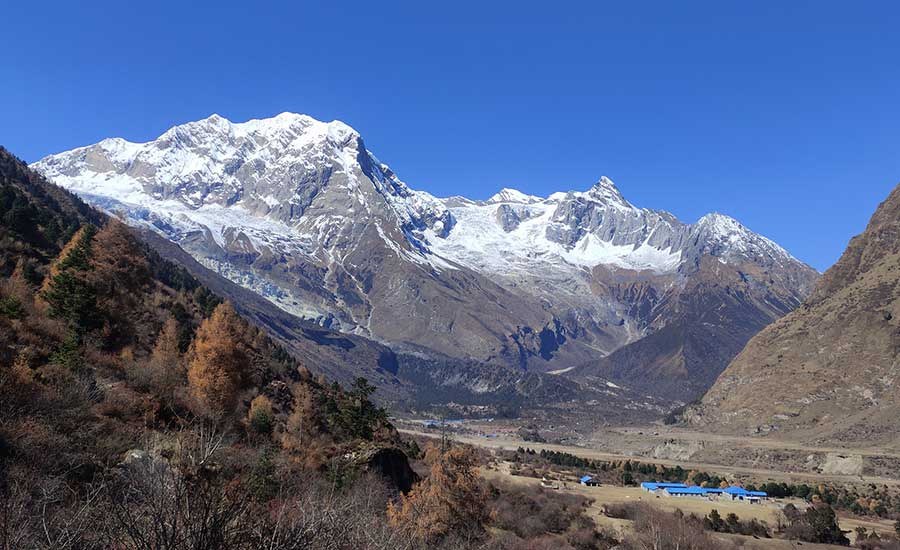
The Manaslu Circuit Trek is one of Nepal's most beautiful and adventurous trekking routes. Circling Mount Manaslu (8,163 m), the eighth-highest mountain in the world, this remarkable journey takes you through traditional mountain villages, lush forests, deep river valleys, suspension bridges, ancient Buddhist monasteries and spectacular Himalayan landscapes.
Unlike the busier Everest Base Camp and Annapurna trekking routes, the Manaslu region offers a quieter and more remote trekking experience. However, its isolation, challenging terrain and high altitude mean that careful preparation is essential.
The highest point of the trek is Larkya La Pass (approximately 5,106–5,160 m), where trekkers must deal with thin air, freezing temperatures, unpredictable weather and a demanding mountain crossing.
At Himalayan Dream Team Treks & Tours, we believe that trekking safely is just as important as reaching your destination. With an experienced local guide, a well-planned itinerary, proper acclimatization and suitable equipment, you can prepare for the challenges of this extraordinary Himalayan adventure.
In this complete guide, we share 20 essential Manaslu Circuit Trek safety tips, including altitude sickness prevention, Larkya La preparation, trekking permits, weather conditions, emergency planning and practical advice from the trail.
Important trail update – 14 October 2026: Recent flooding has reportedly damaged bridges and trekking trails in parts of the Budhi Gandaki Valley. Travellers should not assume the complete Manaslu Circuit is currently accessible. Confirm official route conditions before departure, and do not enter damaged or restricted sections until access has been declared safe.
Is the Manaslu Circuit Trek Safe?
The Manaslu Circuit can be a rewarding trekking experience for properly prepared travellers when the route is accessible and conditions are suitable. However, it is a remote, high-altitude trek, and no trekking company can guarantee complete safety.
The route involves long walking days, steep ascents and descents, narrow mountain paths and significant altitude gain.
Some of the main challenges include:
Altitude sickness above 3,000 m
Cold temperatures and unpredictable mountain weather
Snow and ice around Larkya La Pass
Landslides, rockfall and damaged trails
Suspension bridges and river crossings
Limited medical facilities and unreliable communication
Physical exhaustion during long trekking days
Restricted-area trekking regulations
The most important safety measures are proper acclimatization, physical preparation, an experienced licensed guide, suitable equipment and the flexibility to change your itinerary when conditions require it.
1. Prepare Your Physical Fitness Before the Trek
The Manaslu Circuit Trek is physically demanding. Most trekking days involve approximately 4–7 hours of walking, while the Larkya La crossing can take 8–10 hours or longer.
You do not need to be a professional athlete, but you should be comfortable walking uphill and downhill for several consecutive days.
We recommend starting your physical preparation approximately 8–12 weeks before departure, depending on your current fitness.
Good training activities include hiking, stair climbing, cycling, swimming, brisk walking and leg-strengthening exercises.
Try to complete several longer walks while carrying a daypack. This helps prepare your body for the repeated climbs and descents of the Manaslu Circuit.
Himalayan Dream Team Tip: Focus on endurance rather than speed. The ability to walk comfortably for several hours is more useful than being able to hike quickly.
2. Understand the Risk of Altitude Sickness
Altitude sickness is one of the most important safety concerns on the Manaslu Circuit Trek.
As you ascend into the mountains, atmospheric pressure decreases, reducing the oxygen available with each breath. Your body needs time to adapt.
Acute Mountain Sickness (AMS) can affect anyone, including experienced trekkers and physically fit travellers.
Common symptoms include headache, nausea, dizziness, loss of appetite, unusual fatigue, vomiting and difficulty sleeping.
If you develop symptoms after gaining altitude, inform your guide immediately.
Never continue ascending to sleep at a higher altitude while experiencing symptoms of altitude illness.
If symptoms worsen, descent and medical assessment are necessary. Confusion, difficulty walking in a straight line or breathlessness at rest may indicate a life-threatening altitude emergency requiring urgent descent and medical care.
Medication such as acetazolamide may be appropriate for some travellers, but it should be discussed with a qualified healthcare professional before trekking.
3. Allow Enough Time for Acclimatization
Proper acclimatization is essential for a safer Manaslu Circuit Trek.
A well-designed itinerary should allow your body to adjust gradually as you move into higher elevations.
Himalayan Dream Team's 16-day Manaslu Circuit Trek includes an acclimatization day at Samagaun (approximately 3,530 m).
During this day, trekkers can rest, explore the village or enjoy a carefully selected acclimatization walk.
Possible excursions include Birendra Lake or a shorter hike towards a higher viewpoint. The demanding Manaslu Base Camp hike is not suitable for every trekker and should only be attempted when health, weather and acclimatization allow.
Above approximately 3,000 m, a commonly recommended guideline is to limit increases in sleeping altitude to around 500 m per day where possible, with additional acclimatization nights as needed.
Important: Acclimatization days reduce risk but cannot guarantee that altitude sickness will not occur.
4. Walk Slowly and Maintain a Comfortable Pace
One of the most common trekking mistakes is walking too quickly, especially during the first few days.
The Manaslu Circuit is not a race.
Walking slowly helps conserve energy and makes it easier to monitor how your body responds to increasing altitude.
Take short breaks when necessary, drink regularly and avoid pushing yourself to keep up with faster trekkers.
Your guide should help establish a sustainable walking pace based on the group's fitness, weather and trail conditions.
Remember that reaching the lodge early is less important than arriving in good condition.
5. Prepare Carefully for Larkya La Pass
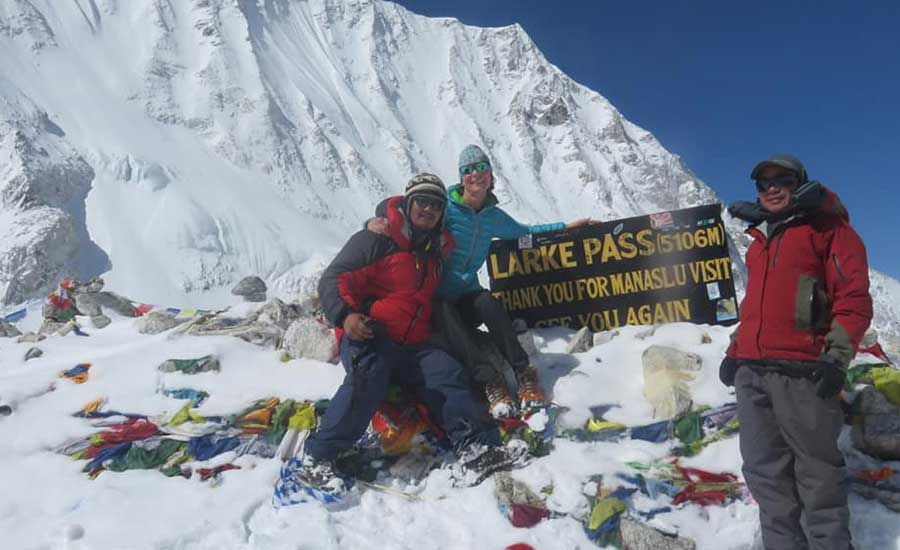
Crossing Larkya La Pass is one of the most memorable experiences of the Manaslu Circuit Trek, but it is also one of the most demanding.
The pass is commonly reported at elevations between approximately 5,106 m and 5,160 m, depending on the source.
Trekkers usually begin the crossing early in the morning from Dharamsala, also known as Larkya Phedi.
The journey includes a long ascent, exposed high-altitude terrain and a substantial descent towards Bimthang.
Before attempting the pass, your guide should assess the weather forecast, snow and ice conditions, visibility, wind, trail stability and the health of every trekker.
Carry warm clothing, a headlamp, water, snacks and any additional traction equipment recommended for the conditions.
Never attempt to cross Larkya La when weather or trail conditions are unsafe. Delaying or abandoning the crossing is sometimes the safest decision.
6. Choose the Best Trekking Season
The best time for the Manaslu Circuit Trek is generally during spring and autumn.
Season | Months | Trekking Conditions |
|---|---|---|
Spring | March–May | Generally favourable, with flowering forests and possible snow at higher elevations |
Autumn | September–November | Often clearer mountain views and cooler temperatures |
Winter | December–February | Very cold at high altitude, with possible snow and pass closures |
Monsoon | June–August | Heavy rainfall, landslide risk, slippery trails and possible flooding |
October and November are usually popular trekking months, but seasonal averages do not guarantee safe conditions.
Recent flooding demonstrates that unusual weather events can disrupt trekking routes even during the main trekking season.
Always confirm the latest trail and access conditions before travelling.
7. Check the Weather Every Day
Mountain weather can change rapidly, especially around high passes.
Clear skies in the morning do not guarantee good weather later in the day.
Before leaving your lodge, discuss the forecast and local conditions with your guide.
Pay particular attention to snowfall, strong winds, heavy rain, poor visibility and potential landslide areas.
Weather forecasts are useful, but they should be combined with current observations and reliable local information.
A flexible itinerary is one of the best safety measures in remote Himalayan trekking.
8. Trek with a Licensed Guide and the Required Permits
The Manaslu Circuit passes through a restricted trekking region where special trekking regulations apply.
The standard route generally requires:
Manaslu Restricted Area Permit (RAP)
Manaslu Conservation Area Permit (MCAP)
Annapurna Conservation Area Permit (ACAP)
Any additional documentation required under current trekking regulations
The applicable TIMS requirements and restricted-area permit conditions should be checked before departure, as regulations may change.
A licensed local guide helps with route navigation, permit checkpoints, communication, weather decisions and emergency coordination.
Himalayan Dream Team arranges the required trekking documentation and guiding services for its confirmed packages.
9. Pack the Right Trekking Equipment
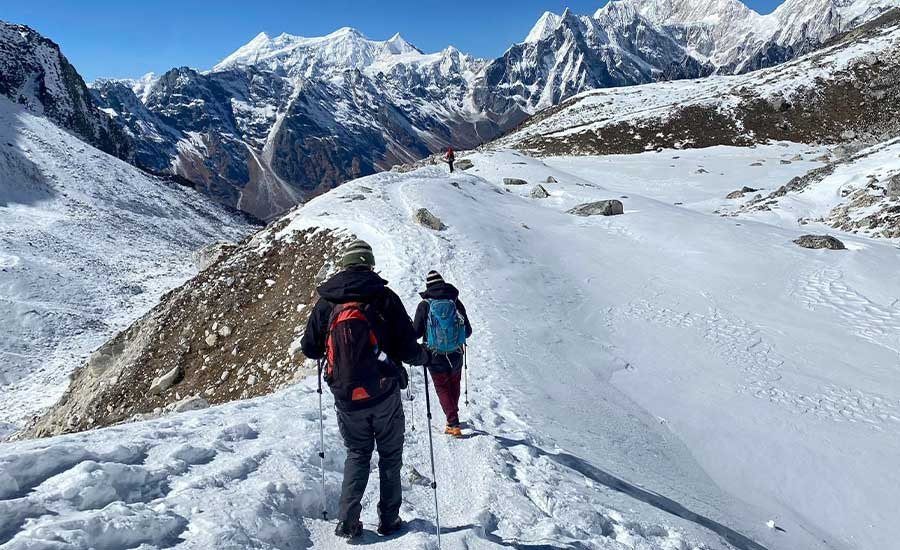
The Manaslu Circuit passes through different climatic zones.
The lower valleys may be warm during the day, while the upper mountain areas can be extremely cold.
A practical layering system is essential.
Your packing list should include warm base layers, a fleece jacket, an insulated jacket, waterproof clothing, trekking trousers, gloves, a warm hat, sunglasses, comfortable trekking boots and a suitable sleeping bag.
Other important items include trekking poles, a headlamp, reusable water bottles, water-treatment equipment, sunscreen, personal medication and a first-aid kit.
Make sure your boots are comfortable and already broken in before arriving in Nepal.
10. Stay Hydrated and Drink Safe Water
Long trekking days and high-altitude conditions can increase your fluid requirements.
Drink regularly according to thirst, exertion and weather conditions. Avoid forcing excessive amounts of water, as overhydration can also be dangerous.
Do not drink untreated water directly from rivers, streams or taps.
Use boiled, properly filtered or otherwise effectively treated water.
Carry reusable water bottles to reduce plastic waste along the trekking route.
11. Eat Properly to Maintain Your Energy
Good nutrition helps you maintain energy throughout the trek.
Most teahouses along the Manaslu Circuit serve simple meals such as dal bhat, noodles, potatoes, soups, porridge and vegetables.
Dal bhat, a traditional Nepali meal of rice, lentils and vegetables, is a popular choice among trekkers.
At higher elevations, appetite may decrease. Try to eat regularly and inform your guide if you are unable to eat or drink properly.
Good hand hygiene and freshly prepared meals also help reduce the risk of stomach illness.
12. Be Careful on Narrow Trails and Suspension Bridges
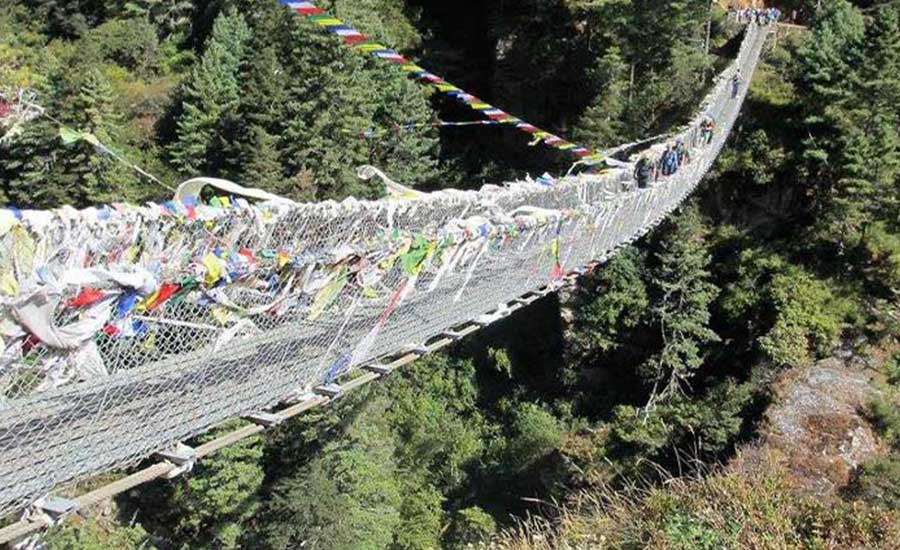
The Manaslu Circuit follows narrow mountain trails, rocky paths and suspension bridges above the Budhi Gandaki River.
Some sections have steep slopes or exposed edges.
Walk carefully, especially when the trail is wet or uneven.
Avoid overtaking other trekkers in narrow places and give pack animals sufficient space.
When crossing suspension bridges, follow local instructions and avoid rushing.
Never attempt to cross a bridge that has been damaged or declared unsafe.
13. Understand Landslide and Rockfall Risks
Landslides and falling rocks are important hazards in the Manaslu region.
Heavy rainfall, unstable slopes and changing river conditions can damage trails and bridges.
These risks are particularly important during and after the monsoon, but they can occur at other times as well.
If a section of trail is damaged, do not attempt to cross it simply to continue the itinerary.
Follow official restrictions and your guide's safety instructions.
Following the October 2026 flooding, current confirmation of route accessibility is especially important.
14. Protect Yourself from Cold and Hypothermia
Temperatures can drop significantly in the upper Manaslu region, particularly around Samdo, Dharamsala and Larkya La.
Keep your clothing dry and protect your hands, feet and head from cold wind.
Use warm layers and change out of wet clothing as soon as possible.
Mountain lodge bedrooms are generally not heated, so a suitable sleeping bag is important.
Persistent shivering, confusion, clumsiness or an inability to warm up may indicate dangerous cold exposure.
Seek shelter and medical assistance promptly if these symptoms occur.
15. Carry Appropriate Travel Insurance
Travel insurance is essential for a remote high-altitude trek.
Your policy should explicitly cover trekking above 5,000 m, including the maximum altitude of your itinerary.
Check that it includes emergency medical treatment and medically necessary evacuation, including helicopter evacuation where applicable.
Read the exclusions carefully. Some policies require additional coverage for high-altitude trekking.
Keep a printed and digital copy of your insurance information and emergency assistance contact details.
16. Understand Emergency Evacuation Procedures
Medical facilities in remote parts of the Manaslu region are limited.
In a serious emergency, assistance may require descent, ground transportation or helicopter evacuation.
However, helicopter rescue is not guaranteed.
Bad weather, poor visibility, landing restrictions and aircraft availability can delay evacuation.
If you experience serious altitude symptoms, injury or illness, inform your guide immediately.
Early communication and timely decisions are essential.
17. Stay Connected with Family and Emergency Contacts
Mobile phone coverage and internet access are unreliable in some parts of the Manaslu Circuit.
Before leaving Kathmandu, share your trekking itinerary and expected return date with someone at home.
Carry your passport details, insurance information, trekking company contact and emergency contact numbers.
Agree on a communication plan before beginning the trek.
Do not assume that every mountain lodge will have reliable mobile service or Wi-Fi.
18. Respect Local Culture and Traditions
The Manaslu region is home to communities with strong Himalayan and Tibetan Buddhist cultural traditions.
Along the trekking route, you will encounter monasteries, prayer flags, mani walls and traditional villages.
Respect local customs and ask permission before photographing people or religious ceremonies.
Avoid disturbing religious objects and follow the customary direction when walking around mani walls and chortens.
Respectful travel helps maintain positive relationships between visitors and local communities.
19. Trek Responsibly and Protect the Environment
The Manaslu Conservation Area contains diverse forests, wildlife habitats and mountain ecosystems.
Help protect this environment by carrying reusable water bottles, avoiding unnecessary plastic, taking rubbish out of the mountains and staying on established trails.
Do not feed wildlife or damage plants.
Choose local lodges and services where practical.
Responsible trekking also includes respecting the safety and working conditions of guides and porters.
20. Be Flexible and Know When to Turn Back
Perhaps the most important safety tip is knowing when to change your plans.
A high mountain pass should never become more important than your health or safety.
Severe weather, altitude illness, damaged trails, flooding or unsafe snow conditions may require an additional rest day, a route change or an early return.
An experienced guide should help assess the situation, but every trekker must also communicate honestly about how they feel.
A successful Manaslu Circuit Trek is not simply about reaching Larkya La Pass. It is about enjoying the journey and returning safely.
Manaslu Circuit Trek Altitude and Safety Overview
The following table highlights the main locations along the standard trekking route. Elevations are approximate and can vary slightly between sources.
Location | Elevation | Main Safety Consideration |
|---|---|---|
Machha Khola | 870 m | Road access and river conditions |
Jagat | 1,340 m | Steep trails and suspension bridges |
Deng | 1,860 m | Uneven paths and long walking days |
Ghap | 2,160 m | Forest trails and changing weather |
Lho | 3,180 m | Increasing altitude |
Samagaun | 3,530 m | Acclimatization and altitude monitoring |
Samdo | 3,860 m | Cold weather and high altitude |
Dharamsala | 4,460 m | Pass preparation and limited facilities |
Larkya La Pass | 5,106–5,160 m | Snow, wind, altitude and fatigue |
Bimthang | 3,590 m | Fatigue after the long descent |
Dharapani | 1,860 m | Trail and road conditions |
What Should You Do in an Emergency on the Manaslu Circuit?
In a remote trekking area, quick communication and appropriate decisions are essential.
If you develop altitude symptoms, stop ascending and inform your guide.
If symptoms worsen, descend and seek medical assistance. Severe symptoms such as confusion, loss of coordination or breathlessness at rest require urgent action.
If weather conditions deteriorate, move to a safe location and follow the agreed emergency plan.
Never attempt to cross a damaged bridge, unstable slope or flooded river.
Remember that evacuation may take time, particularly in poor weather.
Manaslu Circuit Trek Safety Checklist
Before beginning your trek, make sure you have completed the following preparations:
Developed sufficient fitness for consecutive trekking days
Selected a suitable itinerary with acclimatization
Understood the symptoms of altitude sickness
Arranged a licensed guide and required trekking permits
Confirmed current trail and bridge conditions
Checked the weather forecast
Purchased appropriate high-altitude travel insurance
Packed suitable clothing and equipment
Prepared personal medication and first-aid supplies
Arranged safe drinking water
Saved emergency contacts
Shared your itinerary with someone at home
Allowed flexibility for unexpected delays
Why Trek the Manaslu Circuit with Himalayan Dream Team?
At Himalayan Dream Team Treks & Tours, we organize private and small-group trekking adventures throughout Nepal, including the Manaslu region.
Our 16-day Manaslu Circuit Trek combines spectacular Himalayan scenery, traditional mountain villages, cultural experiences and carefully planned acclimatization.
We place particular importance on experienced local guides, responsible route planning, appropriate trekking permits and practical preparation before departure.
Our standard program includes an acclimatization day in Samagaun before continuing towards Samdo and Larkya La Pass.
We also understand that Himalayan conditions can change unexpectedly. When necessary, itineraries must be adjusted to prioritize safety.
Explore our Manaslu Circuit Trek – 16 Days for the detailed itinerary, inclusions and trip information.
Frequently Asked Questions About Manaslu Circuit Trek Safety
Is the Manaslu Circuit Trek safe for beginners?
The Manaslu Circuit is a moderate-to-challenging high-altitude trek. Fit beginners with suitable preparation may be able to complete it, but previous multi-day hiking experience is strongly recommended.
Is the Manaslu Circuit currently safe after the October 2026 floods?
As of 14 October 2026, recent flooding has reportedly damaged parts of the Budhi Gandaki Valley. Current access and route conditions must be confirmed with reliable official and local sources before travelling. Do not assume the complete circuit is open.
What is the highest point of the Manaslu Circuit Trek?
The highest point is Larkya La Pass, commonly reported at approximately 5,106–5,160 m, depending on the source.
Is altitude sickness common on the Manaslu Circuit?
Altitude sickness is a genuine risk because the route reaches elevations above 5,000 m. Proper acclimatization and early recognition of symptoms are essential.
How can I prevent altitude sickness on Manaslu?
Ascend gradually, allow acclimatization days, monitor symptoms and avoid ascending to sleep higher when experiencing altitude illness. Consult a healthcare professional about preventive medication if appropriate.
Is Larkya La Pass dangerous?
Larkya La can be challenging because of altitude, cold, strong wind, snow and the length of the crossing. Conditions must be assessed carefully before attempting the pass.
Do I need a guide for the Manaslu Circuit Trek?
Yes. The Manaslu Circuit passes through a restricted trekking region with mandatory guide and permit arrangements. Confirm the current requirements with an authorized trekking agency.
What permits are required for Manaslu?
The standard route generally requires a Manaslu Restricted Area Permit, Manaslu Conservation Area Permit and Annapurna Conservation Area Permit. Any applicable TIMS requirements should also be checked.
What is the best time to trek the Manaslu Circuit?
March to May and September to November are generally the main trekking seasons. However, current weather, trail conditions and official access restrictions always take priority.
How difficult is the Manaslu Circuit Trek?
The trek is moderate to challenging, involving long walking days, repeated ascents and descents, high-altitude exposure and the demanding Larkya La crossing.
How many days are needed for the Manaslu Circuit Trek?
Himalayan Dream Team offers a 16-day itinerary, including Kathmandu arrangements, transport, trekking and the return journey. Additional days may be needed depending on weather, acclimatization and travel arrangements.
Do I need travel insurance for the Manaslu Circuit?
Yes. Insurance should cover high-altitude trekking, emergency medical treatment and evacuation at the maximum altitude of your itinerary.
Can a helicopter rescue me from the Manaslu Circuit?
Helicopter evacuation may be possible when medically necessary and operationally feasible. However, weather, landing conditions and aircraft availability can delay or prevent a rescue.
Is the Manaslu Circuit suitable for solo female travellers?
Women travelling alone can arrange a guided trip that meets current restricted-area regulations. Himalayan Dream Team welcomes women trekkers and can discuss female-guide availability on request.
What happens if Larkya La Pass is closed?
The itinerary may need to be delayed, changed or cancelled. Your guide and trekking company should follow official restrictions and choose a safe alternative rather than attempting an unsafe crossing.
Final Thoughts: Prepare Well and Trek Manaslu Responsibly
The Manaslu Circuit Trek offers an extraordinary combination of Himalayan landscapes, traditional villages, Buddhist culture and challenging mountain adventures.
However, the route's remote location, high altitude and unpredictable weather demand careful preparation.
By improving your fitness, following a sensible acclimatization plan, recognizing altitude symptoms, carrying appropriate equipment and listening to your experienced guide, you can make better decisions throughout the journey.
Most importantly, remember that the mountains will always be there, but your safety must come first.
At Himalayan Dream Team Treks & Tours, we would be delighted to help you prepare for your Manaslu adventure and plan your journey when route conditions permit.
Discover our Manaslu Circuit Trek – 16 Days or visit Himalayan Dream Team to discuss your travel plans.
Together is Our Favourite Place to Be.