

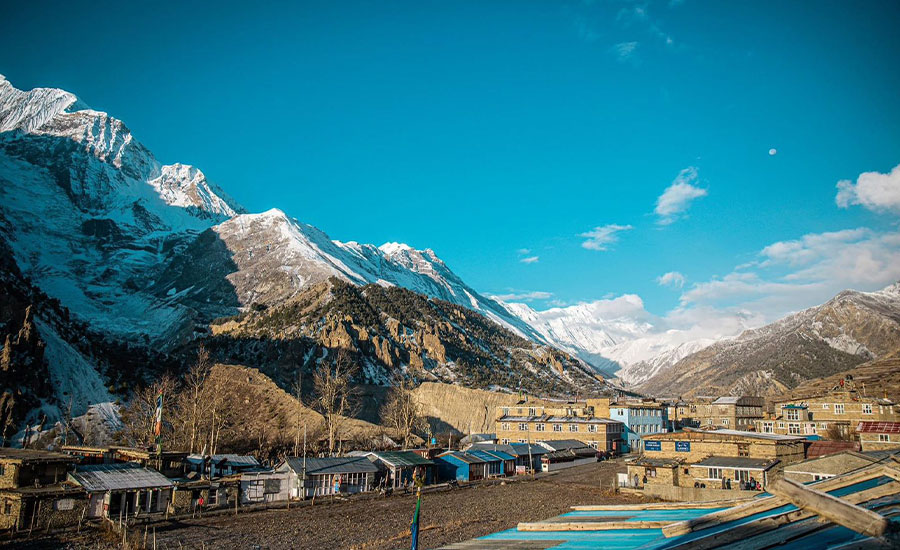
Trekking Tips for Beginners in Nepal: Best Treks and Advice
Trekking in Nepal is an unforgettable experience for adventurers of all levels, yet for complete beginners, it may be hard to know just where to start. Whether one wants to learn about 1-day treks in Nepal, medium-level treks such as Langtang Valley, or when the best time to visit is, all will be answered right here in this guide. From the selection of the right route to the timing of the trek in the best Nepal trekking season, everything is dealt with here.
Best Trek in Nepal for Beginners

For beginners, the selection of the right trek becomes very important. Apart from looking for the best trek in Nepal for beginners, one may also look at options like the Langtang Valley Trek or the Ghorepani Poon Hill Trek. These hikes are exceptional, offering mountain views with the added attraction of much less strenuous physical demands than high-altitude treks like Everest Base Camp. People researching on forums like Reddit for recommendations often come across these suggestions, since they offer great scenery and reasonable conditions-namely, the two 'best-of-both-worlds' treks.
How to Choose a Trek in Nepal
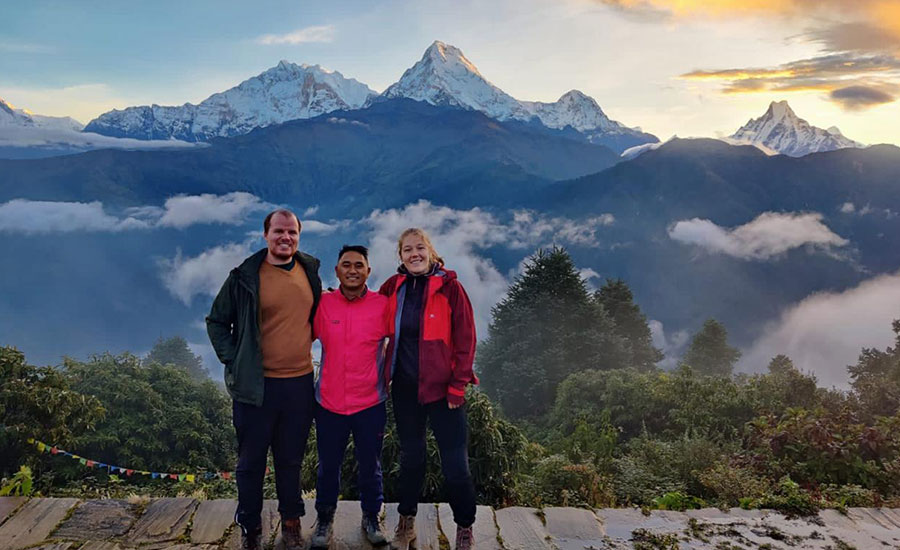
The first things you will learn when learning how to choose a trek in Nepal revolve around your fitness level, the time available, and the experience you want to gain. That will be shorter and lower altitude treks, such as the Langtang Valley Trek, which combines a great deal of cultural and natural beauty into a more moderately difficult mix. If time is very short, a visit to Nepal might consider 1-day trekking, such as Shivapuri National Park Hiking or a day's trek to Nagarkot for a glimpse into the Himalayas sans multi-day commitments.
Simple Trekking for Beginners

For simple trekking, one should consider the lower altitude trekking that still offers great views. Ghorepani Poon Hill or Langtang Valley Trekking is easy and suitable for beginners; though the trails are considered easy, they still enable you to experience iconic mountain hikes. In another explanation, simple trekking in Nepal can also include routes that are well-marked and accessible, ideal for people independently trekking.
Best Time of Year for Nepal Trekking Season

The beginners must know that the trekking in Nepal is best in spring, starting from March to May, and in autumn, starting from September to November. During this period, the atmosphere remains clear and steady. During those months, you will find pleasant temperatures and spectacular mountain scenery without heavy monsoon rainfall or snow in winter. Good season for trekking conditions falls between spring and autumn for trekkers in Langtang Valley to shorter routes.
1-Day Trek in Nepal: Ideal for Beginners

Those who are beginners and not prepared to invest time in several day-long treks can try a 1-day trek in Nepal. A few one-day popular hikes include Nagarkot to Dhulikhel, Shivapuri National Park, and the Chisapani trek. These treks offer beautiful, assorted views of Nepal's natural beauty while enabling you to reach your preferred accommodation the same evening.
Mountain Hikes in Nepal for Beginners

Nepal has some of the best mountain hikes in the world, and even the complete novices can enjoy these if prepared accordingly. Ghorepani Poon Hill and Langtang Valley are two easier mountain hikes in Nepal, which, with the former's breathtaking sunrise and the latter's majestic Himalaya views, do not require extreme effort. These hikes give you the chance to experience the magic of Nepal's mountains, forests, and traditional villages without advanced trekking skills.
10 Helpful Tips for Preparing Your First Trekking in Nepal
| # | Tip | Description |
|---|---|---|
| 1 | Choose the Right Trek | Start with an easy or moderate trek like Langtang Valley or Poon Hill for your first adventure. |
| 2 | Train in Advance | Focus on cardio and leg exercises to build stamina for long days of walking. |
| 3 | Pack Smart | Bring only essentials like proper gear, layered clothing, and trekking poles to avoid a heavy load. |
| 4 | Acclimatize Slowly | Take extra rest days and avoid rushing to prevent altitude sickness on high-altitude treks. |
| 5 | Stay Hydrated | Drink plenty of water throughout your trek, even when it's cold. |
| 6 | Get the Right Permits | Ensure you have all the necessary permits like ACAP and TIMS before starting your trek. |
| 7 | Carry a First Aid Kit | Pack essential medicines, blister treatment, and altitude sickness tablets in your first aid kit. |
| 8 | Hire a Guide or Porter | A local guide can provide cultural insights, while a porter can carry your heavy load. |
| 9 | Dress in Layers | The weather in the mountains is unpredictable; layering helps you adjust to temperature changes. |
| 10 | Respect Local Culture | Be mindful of the customs and traditions in Nepal's villages. Dress modestly and ask permission for photos. |
Learn Some Nepali Words Before Visiting Nepal
Nepal is a land of friendly and hospitable people. Locals are always eager to communicate and make you comfortable. Learn some Nepali words to make them comfortable, too. Some of the starter packs are "Namaste", which means greetings, and "Dhanyawad", which means thank you. Also, call people "Dai" and "Didi" meaning brother and sister, respectively.
| ENGLISH | TRANSLITERATION | DEVNAGARI |
|---|---|---|
| Hello (and goodbye) | Namaste (or, more formally, Namaskar) | (or, ) |
| How are you? | Tapaailaai Kasto Chha? | – ? |
| What is happening/going on? | Ke Chha? | – |
| See you again (Goodbye?) | Pheri BheTaulaa | – |
| How Much? | Kati ho? Kati Parchha? | – |
| Thank you | Dhanyabaad | – |
| I am sorry/beg your pardon | Malaai Maaph Garnus | – |
| I have diarrhea | Malaai pakhaalaa (or Disaa) laageko chha | (or ) – |
| I have fever | Malaai Jwaro aayeko chha | – |
Documents Required for Nepal Travel Visa
Travelers to Nepal must present certain documents when applying for a visa, whether at the airport, border crossings, or prior to travel via the Nepali embassy. The following table outlines the key documents required for a smooth visa process.

| Document | Description |
|---|---|
| Valid Passport | Your passport must be valid for at least six months from your arrival date in Nepal. |
| Visa Application Form | Complete the visa application form available at the airport, border entry points, or the Nepali embassy. |
| Passport-Sized Photos | Two recent passport-sized photos are required for visa applications. |
| Visa Fee | Visa fees are payable in cash. Ensure you have the correct amount in USD or local currency. |
| Proof of Onward Travel | Some immigration officers may ask for proof of onward travel (e.g., return flight ticket). |
| Travel Itinerary | Having a travel itinerary ready may assist in some cases, especially for long-duration visas. |
| Proof of Accommodation | Details of your accommodation bookings may be required during visa processing. |
Packing List for Beginners Trekking in Nepal:
Clothing:
- Moisture-wicking base layers (tops and bottoms)
- Lightweight trekking pants
- Insulating mid-layer (fleece jacket or down jacket)
- Waterproof and windproof jacket
- Comfortable t-shirts (quick-dry)
- Warm hat and gloves (for cold weather)
- Sun hat or cap (for sun protection)
- Buff or scarf for dust and sun protection
- Sturdy trekking socks (multiple pairs)
- Underwear (quick-dry)
Footwear:
- Sturdy trekking boots (waterproof, broken-in)
- Lightweight sandals or sneakers (for camp or teahouses)
Trekking Gear:
- Backpack (30-40L for personal items)
- Trekking poles (adjustable and foldable)
- Sleeping bag (rated for the season; optional for teahouse treks)
- Daypack (optional, for short excursions)
- Dry bags or ziplock bags (to keep electronics and clothes dry)
Health and Safety:
- First aid kit (blister care, bandages, antiseptic, pain relief, etc.)
- Personal medications (altitude sickness, diarrhea tablets, etc.)
- Sunscreen (high SPF) and lip balm with SPF
- Water purification tablets or filter
- Hand sanitizer and wet wipes
- Insect repellent (if trekking in lower altitude regions)
Travel Documents:
- Passport (with at least 6 months validity)
- Copies of important documents (passport, insurance, permits)
- Trekking permits (ACAP, TIMS card)
Accessories:
- Reusable water bottle (1-2 liters)
- Sunglasses with UV protection
- Headlamp or flashlight (with extra batteries)
- Power bank and charging cables
- Camera or smartphone for photos
- Snacks (energy bars, trail mix)
- Lightweight towel
Optional Items:
- Gaiters (for snow or muddy conditions)
- Earplugs (for noisy teahouses or lodges)
- Travel guidebook or map
- Book or journal for downtime