


The devastating floods and landslides that struck parts of Nepal on 26 August 2026 have understandably raised concerns among international travellers planning to visit Nepal. If you have already booked a holiday or are considering trekking in Nepal this autumn, you may be asking an important question: Is Nepal safe to travel after the 2026 floods?
The short answer is: much of Nepal remains open for tourism, but the situation varies significantly by region and route.
The most serious flood damage has been concentrated around the Bhote Koshi–Trishuli river corridor and parts of Rasuwa, including the Nepal–China border area around Rasuwagadhi. Other areas have also experienced disruption, and the situation remains changeable during the monsoon.
At the same time, many of Nepal's major tourism and trekking regions continue to operate. Kathmandu, Pokhara, the Everest/Khumbu region, much of the Annapurna region and Upper Mustang are among the destinations currently outside the main disaster zone. However, Manaslu and Tsum Valley currently require particular caution, following new flood and bridge damage reported on 6 September.
For travellers, the most important thing is not to judge the whole country from general headlines about the Nepal floods. Check your exact destination, trekking trail, access road and transportation before travelling.
As a Nepal-based trekking and tour company, Himalayan Dream Team continues to follow local conditions, government notices, trail access, transportation and weather information so that our guests can make informed decisions about their journeys.
Quick Nepal Travel Update – 7 September 2026: Nepal is not closed to tourism. Many major destinations continue to receive visitors, but travellers should avoid officially restricted or seriously affected areas and check current road, trail and weather conditions before departure.
Is Nepal Safe to Travel After the 2026 Floods?
For many destinations, travel to Nepal remains possible, but it would be misleading to describe every part of the country as unaffected or equally safe.
Nepal is geographically diverse. A flood or landslide affecting one river valley can cause severe local destruction while destinations hundreds of kilometres away continue operating.
The current U.S. travel advisory places Nepal overall at Level 2 – Exercise Increased Caution due to natural disasters, while specifically advising travellers not to travel to the Rasuwagadhi–Timure–Syafrubesi area of Rasuwa District because of flood damage, disrupted transportation and communications, recovery operations and the continuing possibility of flooding and landslides.
Australia's Smartraveller similarly advises travellers to exercise a high degree of caution in Nepal overall and to reconsider travel to flood-affected areas around the Bhote Koshi and Trishuli river systems.
Therefore, the more useful question is not simply "Is Nepal safe?", but:
"Is my particular destination, trekking route and access route currently suitable for travel?"
That is the question travellers should check immediately before departure.
What Happened in the August 2026 Nepal Floods?
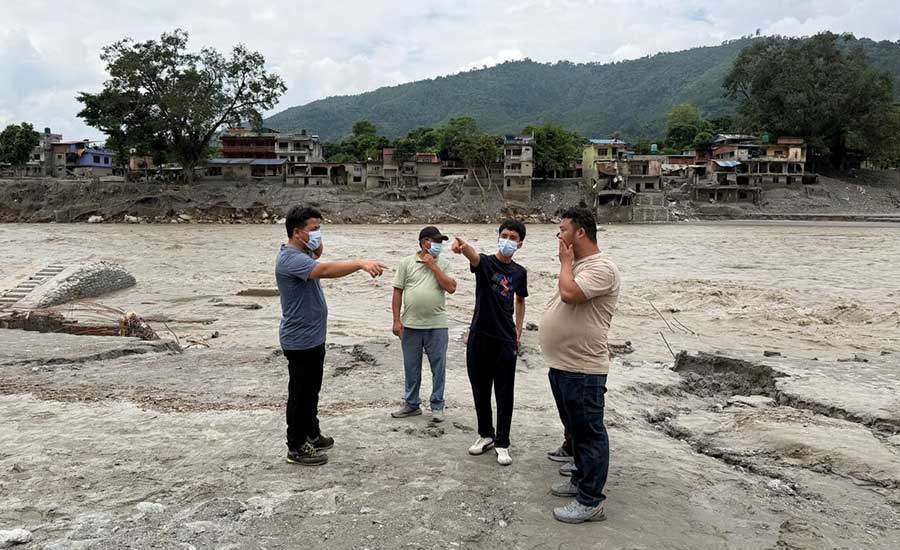
On 26 August 2026, major flash flooding and mudslides struck the Nepal–China border area around Rasuwagadhi in Rasuwa District.
The disaster affected communities and infrastructure associated with the Bhote Koshi and Trishuli river systems, causing deaths, injuries, missing persons and significant damage.
Roads, bridges, transportation networks and other infrastructure in affected areas suffered serious disruption. Rescue, relief and recovery operations have continued since the disaster.
The Nepal Tourism Board established dedicated information and help desks in coordination with government agencies, Tourist Police and tourism organisations to assist affected travellers and collect verified information.
The floods were a major national tragedy, and travellers should respect ongoing rescue and recovery work by staying away from disaster zones unless authorities confirm that travel is appropriate.
Which Areas of Nepal Are Affected by the 2026 Floods?
The effects of the floods are not uniform across Nepal.
Some districts listed in flood reports are very large, and the fact that part of a district is affected does not automatically mean every tourism destination within that district is closed.
The following table provides a practical overview based on information available on 7 September 2026.
| Destination / Region | Current Travel Situation | Advice for Travellers |
|---|---|---|
| Kathmandu Valley | Tourism operating | Travel possible; check road conditions for onward journeys |
| Pokhara | Tourism operating | Travel possible; confirm road or flight conditions before departure |
| Everest / Khumbu | Reported outside the main flood-affected corridor | Trekking possible subject to normal mountain and monsoon conditions |
| Annapurna Region | Major trekking areas reported outside the main flood-affected corridor | Trekking possible; check trailhead and road access |
| Upper Mustang | Reported outside the main affected corridor | Travel possible subject to local access and weather conditions |
| Langtang / Rasuwa | Seriously affected access area | Avoid/defer affected routes until reliable access is restored |
| Tamang Heritage Trail | Affected access area | Defer travel and check updated advice |
| Gosaikunda | Access affected/uncertain | Defer until conditions are confirmed |
| Manaslu Circuit | New bridge/access damage reported 6 September | Temporarily defer trekking |
| Tsum Valley | Landslide/access problems reported 6 September | Temporarily defer trekking |
| Chitwan tourism area | Tourism operating, although parts of the wider district/river system have been affected | Check the specific road used to reach Chitwan |
| Dolpo | Reported outside main disaster corridor | Check local flights, weather and trail conditions before departure |
| Kanchenjunga | Reported outside main disaster corridor | Check local access and weather before departure |
Important: This table reflects information available at the time of writing. Conditions in Nepal's mountains can change quickly, particularly during the monsoon. Always check again immediately before travelling.
Is Kathmandu Safe to Visit After the Nepal Floods?
Kathmandu remains open to visitors.
Hotels, restaurants, heritage sites, trekking agencies and tourism services in the Kathmandu Valley continue to operate.
For most international visitors, Kathmandu remains the principal gateway to Nepal and the starting point for journeys to the Himalayas.
However, travellers should distinguish between conditions in Kathmandu itself and conditions on roads leading from Kathmandu to other parts of Nepal.
A destination may be operating normally while a road somewhere along the journey is temporarily disrupted by landslides, flooding or roadworks.
If you are travelling onward from Kathmandu, check the condition of your specific road or flight shortly before departure.
Is Pokhara Safe to Visit After the Nepal Floods?
Pokhara remains an important operating tourism destination and the principal gateway to the Annapurna region.
Visitors continue to travel to Pokhara for sightseeing, relaxation and trekking departures.
The main consideration is often how you reach Pokhara.
Road journeys between Kathmandu and Pokhara use the Prithvi Highway and other connecting roads. During the monsoon, landslides, road damage, traffic delays and temporary closures can occur.
Domestic flights between Kathmandu and Pokhara provide an alternative, although flights are also dependent on weather and visibility.
If you are travelling to Pokhara, Himalayan Dream Team recommends checking the latest road and flight situation shortly before departure rather than relying on information obtained several days earlier.
Is It Safe to Trek in Nepal After the 2026 Floods?
Yes, trekking continues in several major regions of Nepal, but not every trekking route should currently be treated the same.
Nepal contains numerous independent Himalayan trekking regions spread across a very large geographical area.
A problem in Rasuwa does not automatically mean a trail in Everest, Annapurna or Mustang is affected.
Likewise, a trekking region reported as generally open can still experience temporary problems caused by local rain, landslides, swollen streams, damaged trails or road access.
Before beginning any trek, check:
Current trail conditions
Bridges and river crossings
Road access to the trailhead
Local weather
Lodge availability
Domestic flight status where relevant
Government or district notices
Advice from local guides and trekking operators
This route-by-route approach is particularly important in September, which remains part of Nepal's monsoon transition period.
Nepal Trekking Route Safety Update After the 2026 Floods
Everest Base Camp & Khumbu Region
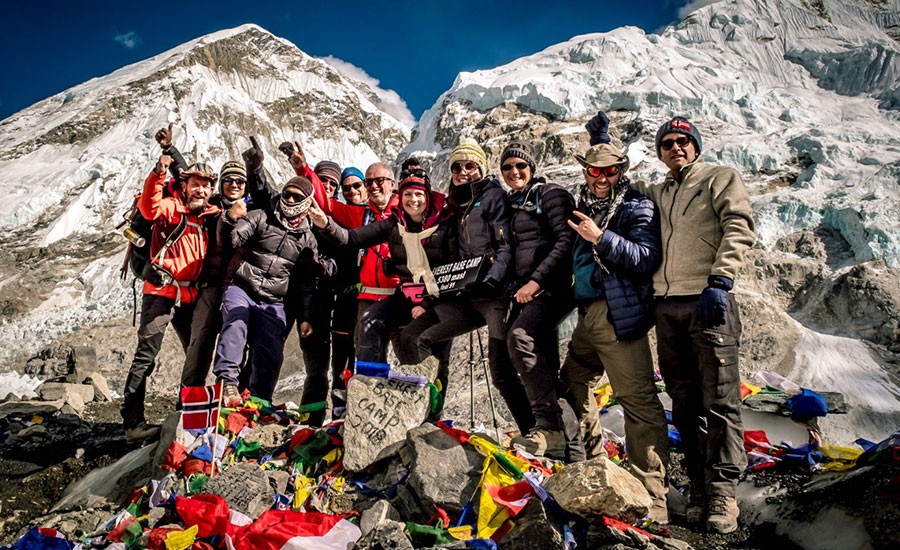
The Everest/Khumbu region is outside the main Bhote Koshi–Trishuli flood disaster corridor and has been reported among the major trekking regions not directly affected by the August 26 disaster.
Travellers planning the Everest Base Camp Trek should nevertheless remember that trekking in the Khumbu always depends on mountain weather.
Flights to Lukla can be delayed or cancelled because of cloud, rain, wind or poor visibility. During periods of unstable weather, travellers should keep some flexibility in their itinerary.
The classic Everest Base Camp route passes through Lukla, Phakding, Namche Bazaar, Tengboche, Dingboche, Lobuche and Gorak Shep before reaching Everest Base Camp and Kala Patthar.
The normal high-altitude risks also remain. Proper acclimatization, gradual ascent, an experienced guide and suitable travel insurance are important regardless of flood conditions.
Current advice: Everest trekking is not subject to the same flood warning as the Rasuwa disaster corridor, but travellers should continue to check Lukla flights and local weather before departure.
Annapurna Base Camp & Annapurna Region
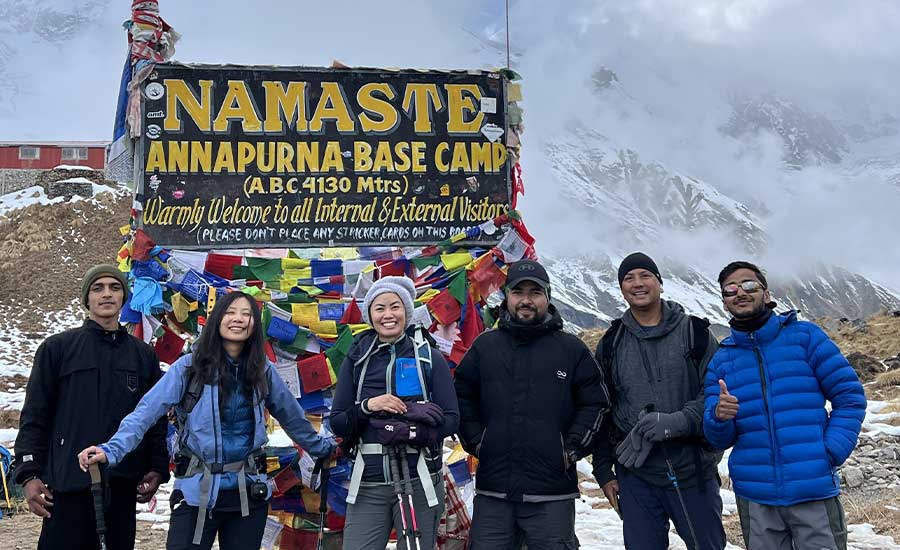
The Annapurna region remains one of Nepal's principal trekking areas, with Pokhara serving as its main gateway.
Travellers considering the Annapurna Base Camp Trek should check the road between Pokhara and their chosen trekking trailhead, particularly during periods of heavy rain.
The Annapurna Base Camp route normally travels through villages and mountain areas such as Chhomrong, Bamboo, Deurali and Machhapuchhre Base Camp before reaching Annapurna Base Camp.
The region itself is geographically separate from the main Rasuwa flood disaster zone.
Current advice: Annapurna trekking remains an option, but local trail, road and weather conditions should always be confirmed before departure.
Annapurna Circuit Trek
The Annapurna Circuit Trek is another important alternative for trekkers whose original plans may have been affected elsewhere.
The route travels through the Marsyangdi Valley toward Manang before crossing the high Thorong La Pass (5,416 m) and descending toward Muktinath.
Although the Annapurna Circuit has not been identified as part of the main flood disaster corridor, access roads and individual trail sections can still be influenced by monsoon weather.
Trekkers should therefore check road access, trail conditions and high-pass weather before setting out.
Upper Mustang
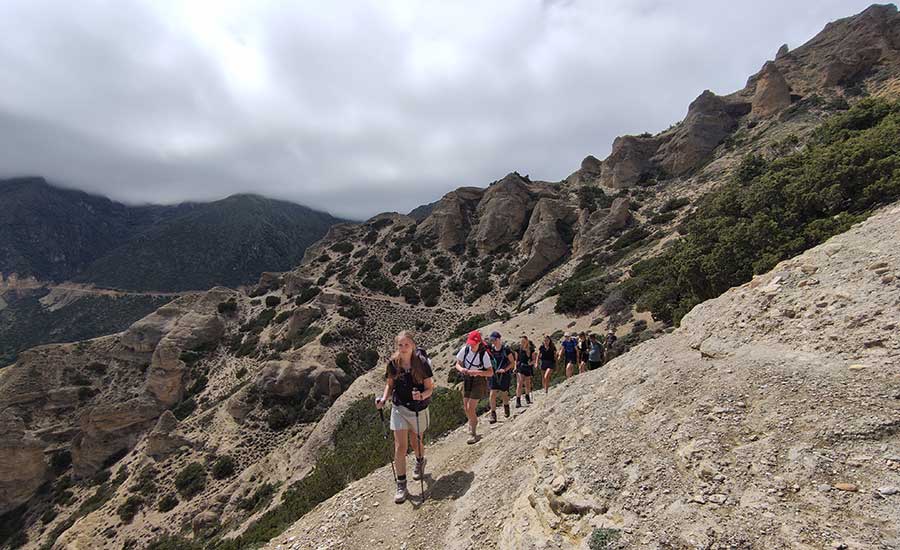
For travellers looking for a Himalayan journey during the wetter months, Upper Mustang has a geographical advantage because it lies in the trans-Himalayan rain-shadow region.
The Upper Mustang Trek leads through an extraordinary high-altitude desert landscape toward the ancient walled settlement of Lo Manthang.
The region is geographically separate from the main Rasuwa flood disaster corridor and was among the areas reported as not directly affected.
Upper Mustang is a restricted trekking area, so special permit requirements apply.
Even in a rain-shadow region, however, travellers still need to consider access roads, flights, river crossings and weather elsewhere on the journey.
Current advice: Upper Mustang can be considered as an alternative trekking destination, subject to current access and weather checks.
Manaslu Circuit & Tsum Valley – Important Current Update
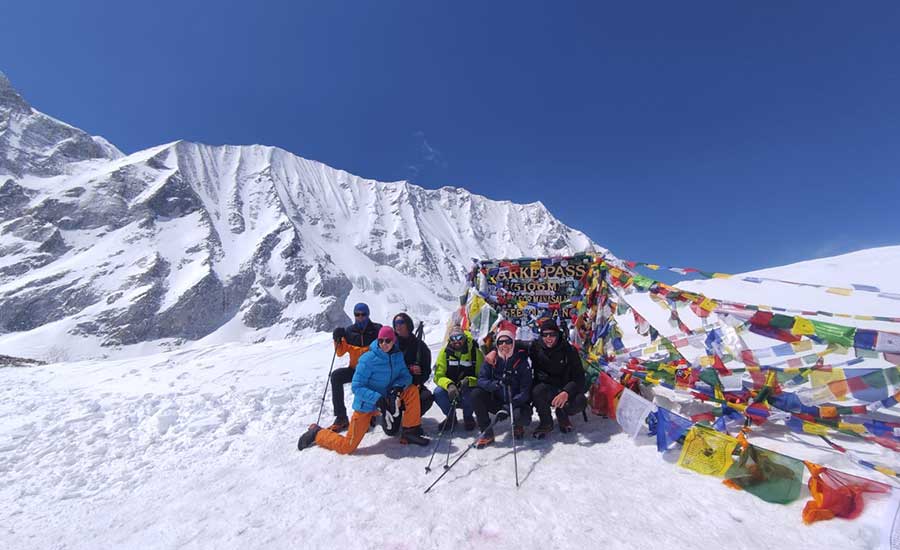
Travellers planning the Manaslu Circuit Trek need to pay particular attention to the latest information.
On 6 September 2026, new flooding caused damage in the Manaslu area.
Current reports indicate that bridges around Namrung have been damaged or collapsed and that a landslide has disrupted access toward Tsum Valley.
The District Administration Office in Gorkha issued a notice advising a temporary halt to trekking in the affected area while conditions are assessed.
Therefore, this is not the time to promote Manaslu as unaffected simply because earlier reports may have said so.
Current advice as of 7 September 2026: Temporarily defer the Manaslu Circuit and Tsum Valley Trek until authorities and local trekking organisations confirm that trail and bridge access is suitable again.
Travellers who had planned Manaslu should discuss alternative trekking options rather than automatically cancelling their entire Nepal holiday.
Possible alternatives may include the Annapurna region, Everest region or Upper Mustang, depending on travel dates, experience and current conditions.
Langtang Valley, Tamang Heritage Trail & Gosaikunda
The Langtang/Rasuwa region requires particular caution because of its proximity to the areas seriously affected by the August floods.
The U.S. travel advisory currently says do not travel to the Rasuwagadhi–Timure–Syafrubesi area of Rasuwa District.
Current tourism updates also advise avoiding or postponing journeys involving Langtang Valley, the Tamang Heritage Trail and Gosaikunda while access conditions remain uncertain and recovery operations continue.
Travellers should not attempt to enter affected areas simply because a trekking trail appears on an older map or online itinerary.
Current advice: Defer these routes until reliable local and official information confirms that access is appropriate.
Dolpo, Kanchenjunga & Other Remote Trekking Regions
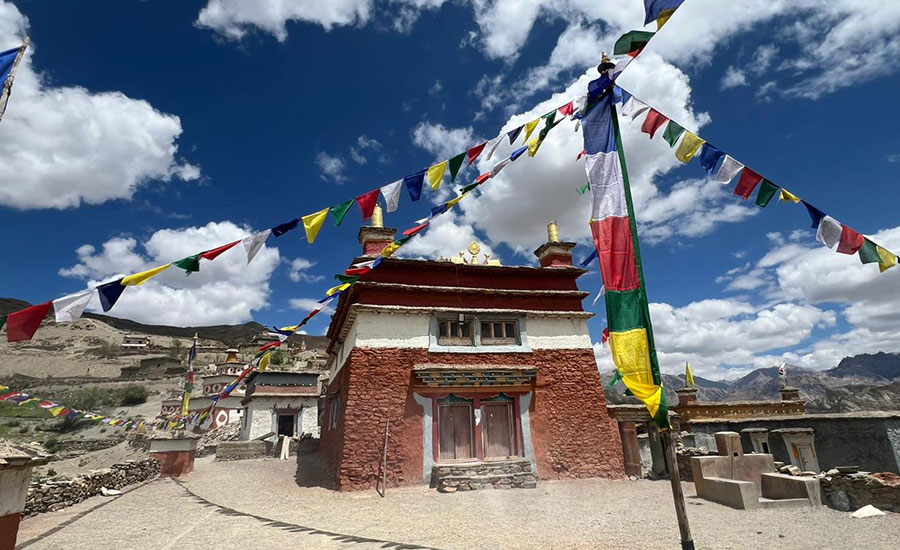
Several other trekking regions, including Dolpo and Kanchenjunga, are geographically far from the main Rasuwa disaster corridor.
However, "not directly affected by the flood disaster" should never be interpreted as "free from all trekking risks."
Remote Himalayan trekking depends on weather, local roads, domestic flights, bridges, trails and communications.
Always check the specific region before departure, particularly when travelling during or immediately after the monsoon.
Which Trekking Areas Should Travellers Avoid Right Now?
As of 7 September 2026, travellers should pay particular attention to:
Rasuwagadhi–Timure–Syafrubesi: The current U.S. travel advisory says not to travel to this area because of flood damage, transportation and communication disruption, ongoing recovery operations and further flood and landslide risk.
Langtang, Tamang Heritage Trail and Gosaikunda: Current tourism advice recommends avoiding or deferring these routes while access remains affected or uncertain.
Manaslu Circuit and Tsum Valley: Trekking should temporarily be deferred following new bridge and landslide damage reported on 6 September.
Do not enter disaster-affected areas simply for sightseeing or curiosity. Rescue teams, authorities and local communities need space to conduct recovery work.
Are Flights to Nepal Operating?
International visitors normally enter Nepal through Tribhuvan International Airport in Kathmandu, which continues to serve international travellers.
However, flight schedules can change, and travellers should always reconfirm their international flight directly with their airline.
Domestic mountain aviation requires additional flexibility.
Flights serving destinations such as Lukla, Pokhara and Jomsom are particularly dependent on weather and visibility. A flood in another region does not necessarily cause these flights to stop, but monsoon weather can still produce delays or cancellations.
If your itinerary includes a domestic mountain flight, keeping at least one flexible or contingency day can be very useful.
What About Roads and Tourist Transport in Nepal?
Road conditions deserve as much attention as the destination itself.
Nepal's mountain roads pass through steep terrain, river valleys and landslide-prone areas. During the monsoon, heavy rainfall can cause:
Landslides
Rockfall
Mudslides
Flooded road sections
Damaged bridges
Traffic congestion
Temporary road closures
This is particularly important for travellers using roads between Kathmandu and Pokhara, Kathmandu and Chitwan, or Kathmandu and trekking trailheads.
A tourism destination may be open while one particular road used to reach it is temporarily disrupted.
For this reason, Himalayan Dream Team checks the actual route being used, rather than relying only on whether the destination itself is described as open.
Should I Cancel My Nepal Trip Because of the Floods?
For many travellers, there is no reason to automatically cancel an entire Nepal holiday simply because flooding has occurred in one part of the country.
First determine:
Where are you actually going?
If your itinerary involves an affected area, the correct solution may be to postpone that section, modify the route or choose another trekking region.
For example, someone currently booked for Manaslu may be able to consider an Annapurna or Everest itinerary rather than cancelling Nepal completely.
Likewise, travellers planning an unaffected cultural tour may still be able to visit Kathmandu, Pokhara or other destinations depending on their route.
However, if official authorities advise against travelling to your intended area, that advice should be respected.
Contact your trekking company, airline and travel insurer before making major cancellation decisions.
Travelling to Nepal During the Monsoon: Flood & Landslide Risks
Nepal's monsoon generally affects the country between June and September.
Heavy rainfall during this period can produce temporary flooding and landslides even in places not connected to the August 26 disaster.
Typical monsoon travel issues include:
Landslides blocking mountain roads
Muddy or slippery trekking trails
Swollen rivers and streams
Reduced mountain visibility
Domestic flight delays
Road delays
Leeches on lower forest trails
Local bridge or trail damage
September is a transition month. Conditions often improve as Nepal moves toward the popular autumn trekking season, but the exact timing varies from year to year.
Travellers arriving during this period should therefore maintain some flexibility.
What Should You Check Before Travelling to Nepal?
Before departing for Nepal, and again before starting your trek, check the following:
| What to Check | Why It Matters |
|---|---|
| Exact destination | Flood impacts vary greatly by location |
| Trekking route | One trail may be operating while another is disrupted |
| Trailhead access | Road damage can affect an otherwise open trek |
| Bridge conditions | Flooding can damage suspension and road bridges |
| Weather forecast | Heavy rainfall can quickly change conditions |
| Road conditions | Landslides may cause temporary closures |
| Domestic flights | Mountain flights depend on visibility and weather |
| Government advisories | Some areas may have official restrictions |
| Local information | Guides and operators often receive route-specific updates |
| Travel insurance | Important for medical emergencies, evacuation and disruption |
| Flexible days | Useful when weather or transportation causes delays |
Do not rely solely on social media posts or information published several weeks earlier.
In fast-changing conditions, the date of the information matters.
Travel Insurance & Emergency Evacuation After the Floods
Comprehensive travel insurance is strongly recommended for anyone visiting Nepal and particularly for trekkers.
Before travelling, check whether your policy covers:
Trekking at your planned maximum altitude
Emergency medical treatment
Helicopter evacuation
Natural disasters
Trip interruption
Trip cancellation
Delayed or cancelled domestic flights
Lost or delayed baggage
Additional accommodation caused by disruption
Some insurance policies exclude trekking above a particular altitude unless additional coverage has been purchased.
For high-altitude journeys such as Everest Base Camp, Annapurna Circuit or Manaslu Circuit, confirm the maximum trekking altitude covered by your policy.
Also read the policy conditions concerning natural disasters carefully. Coverage varies significantly between insurers.
Official Nepal Travel Advisories: What Are Governments Saying?
Travellers should check the official travel advice issued by their own government before visiting Nepal.
As of 7 September 2026, the U.S. Department of State lists Nepal overall at Level 2 – Exercise Increased Caution due to natural disasters.
It gives a stronger Level 4 – Do Not Travel warning specifically for the Rasuwagadhi–Timure–Syafrubesi area of Rasuwa District.
Australia's Smartraveller currently advises travellers to exercise a high degree of caution in Nepal overall and to reconsider travel to flood-affected areas around the Bhote Koshi and Trishuli rivers in parts of Rasuwa, Nuwakot, Dhading, Chitwan, Tanahu, Nawalpur and Gorkha districts.
The Nepal Tourism Board has also established information and support services following the floods.
These advisories demonstrate why it is important to distinguish between specific affected locations and Nepal as a whole.
Before departure, check the latest advice issued by your own government as well as current information from Nepal.
Why Local Information Matters More Than General Headlines
International headlines naturally report a disaster at national level: "Floods in Nepal."
For travellers, however, that description is not precise enough.
Nepal stretches from subtropical plains to some of the highest mountains on Earth. Trekking regions are separated by major mountain ranges, valleys and river systems.
Conditions can therefore be completely different in:
Everest, Annapurna, Mustang, Manaslu, Langtang, Dolpo and Kanchenjunga.
This is why a route-specific assessment is more useful than simply asking whether "Nepal" is open or closed.
Local trekking guides, district authorities, tourism organisations and Nepal-based operators can often provide information relevant to the actual trail you intend to walk.
How Himalayan Dream Team Checks Trekking & Travel Conditions
As a local Nepal-based trekking and tour company, Himalayan Dream Team understands that travellers need reliable information rather than unnecessary reassurance.
Before operating a trekking itinerary, our team considers the conditions relevant to the actual journey, including:
Trekking trail conditions
Road and trailhead access
Bridges and river crossings
Local weather
Domestic flight operations
Lodge accessibility
Government and district notices
Information from local guides and communities
Alternative routes when required
Conditions can change, especially during the monsoon, so information is checked as close as practical to departure.
If we believe a trekking route should not currently be operated, we prefer to postpone that route or recommend a suitable alternative rather than take unnecessary risks.
The temporary situation in Manaslu and Tsum Valley is a good example. When new information changes the safety or accessibility of a route, the advice should change with it.
Responsible Travel: Should Tourists Still Visit Nepal?
The floods have caused genuine loss and hardship, and affected communities deserve respect and support.
At the same time, a natural disaster in one part of Nepal does not mean tourism throughout the country must stop.
Tourism provides livelihoods for thousands of people, including:
Trekking guides
Porters
Drivers
Hotel employees
Teahouse owners
Restaurants
Local farmers and suppliers
Artisans
Small mountain businesses
Responsible travellers can continue visiting areas that are operating normally while avoiding disaster zones and respecting local instructions.
The Nepal Tourism Board itself has emphasized that while some areas have been affected, much of Nepal continues to live, work and welcome visitors.
The right approach is therefore neither to ignore the disaster nor to assume that the entire country is inaccessible.
Travel informed, travel responsibly and choose destinations according to current conditions.
Frequently Asked Questions About Nepal Travel After the 2026 Floods
Is Nepal safe to travel to right now?
Many major tourism destinations in Nepal remain open, but some flood-affected areas should currently be avoided. Travellers should check their exact destination, access route and current government advice before departure.
Is Nepal safe for tourists after the 2026 floods?
Many parts of Nepal continue to receive tourists. However, conditions vary by region. The most seriously affected areas around parts of Rasuwa and the Bhote Koshi–Trishuli corridor require particular caution.
Which parts of Nepal were most affected by the 2026 floods?
The August 26 disaster caused severe damage around the Nepal–China border in Rasuwa and along parts of the Bhote Koshi and Trishuli river systems. Other downstream areas and transport networks have also experienced impacts.
Is Kathmandu safe to visit after the floods?
Kathmandu remains open for tourism. Visitors should nevertheless check road conditions before travelling from Kathmandu to other parts of Nepal.
Is Pokhara safe to visit after the Nepal floods?
Pokhara continues to operate as a major tourism destination and gateway to the Annapurna region. Travellers should check the latest road or domestic flight conditions before travelling there.
Is Everest Base Camp safe after the Nepal floods?
The Everest/Khumbu region is outside the main Rasuwa flood disaster corridor and has been reported among the major trekking regions not directly affected. Normal high-altitude, trail and mountain-weather risks still apply. Travellers planning the Everest Base Camp Trek should check Lukla flight and local weather conditions before departure.
Is Annapurna Base Camp safe after the floods?
The Annapurna region is outside the main Rasuwa flood disaster corridor. The Annapurna Base Camp Trek remains an option, subject to current trailhead access, road conditions and weather.
Is the Annapurna Circuit open after the floods?
The Annapurna region has not been identified as part of the main August 26 disaster corridor. Travellers considering the Annapurna Circuit Trek should nevertheless confirm access roads, trail conditions and high-altitude weather before departure.
Is Upper Mustang safe to visit after the floods?
Upper Mustang is geographically separate from the main Rasuwa flood zone and has been reported among trekking areas not directly affected. The Upper Mustang Trek can be considered subject to current access, permit and weather conditions.
Is Langtang open after the 2026 floods?
Travellers should currently defer affected Langtang/Rasuwa routes, including Langtang Valley, the Tamang Heritage Trail and Gosaikunda, until reliable information confirms that access is suitable.
Is the Manaslu Circuit safe after the floods?
As of 7 September 2026, travellers are advised to temporarily defer the Manaslu Circuit. Flooding on 6 September caused bridge damage around Namrung, and the District Administration Office in Gorkha advised a temporary halt to trekking in the affected area. Travellers interested in the Manaslu Circuit Trek should wait for a new route update before departure.
Are international flights to Kathmandu operating?
Kathmandu remains Nepal's principal international gateway. Travellers should confirm their individual flight directly with their airline because schedules can change.
Are Lukla flights operating after the Nepal floods?
The Everest region is outside the main disaster corridor, but Lukla flights are highly weather-dependent. Delays and cancellations can occur because of poor visibility, cloud, wind or rain regardless of the flood situation.
Is the Kathmandu–Pokhara road open?
Road conditions can change quickly during Nepal's monsoon. Travellers should check the current status of the specific road shortly before departure rather than relying on an older update.
Should I cancel my Nepal trip because of the floods?
Not necessarily. First determine whether your actual destination and access route are affected. In many cases, an itinerary can continue as planned or be adjusted to another trekking region. If official advice says not to travel to your destination, follow that advice.
Can I still trek in Nepal in autumn 2026?
Yes, trekking continues in several major regions, and autumn is normally one of Nepal's main trekking seasons. However, routes affected by current flooding or official restrictions should be postponed until access is restored.
Which Nepal trekking routes are currently possible?
Major trekking areas including Everest/Khumbu, Annapurna and Mustang have been reported outside the main flood disaster corridor. Conditions can still change, so check the specific route immediately before starting.
Do I need travel insurance for trekking in Nepal?
Comprehensive travel insurance is strongly recommended. Your policy should cover your intended trekking altitude, medical emergencies and emergency evacuation. Consider natural-disaster, cancellation and trip-interruption coverage as well.
What happens if my planned trekking route becomes inaccessible?
Speak with your trekking company before cancelling the entire trip. Depending on conditions, it may be possible to postpone the trek, adjust the itinerary or switch to another region.
Is it safe to travel to Nepal during the monsoon?
Travel is possible during the monsoon, but heavy rain can cause landslides, flooding, road disruption and flight delays. Some rain-shadow regions, particularly Upper Mustang, generally receive much less monsoon rainfall, although access conditions still need to be checked.
How can I check the latest Nepal trekking conditions?
Use current government travel advisories, Nepal Tourism Board information, weather reports and route-specific information from a registered Nepal trekking operator. Always check the date on any safety update you read online.
Should I book with a local trekking agency after the floods?
A Nepal-based trekking company can help check current trail conditions, road access, local weather, domestic transport and alternative routes. Nepal Tourist Police also advises visitors to use government-registered tourism and trekking services.
Final Advice for Travelling to Nepal After the 2026 Floods
The 2026 Nepal floods are a serious disaster, and the loss experienced by affected families and communities should never be minimized.
However, travellers should also understand that Nepal is not one single flood-affected area.
Kathmandu, Pokhara, Everest/Khumbu, much of Annapurna, Upper Mustang and several other tourism regions continue to be available to travellers, subject to normal weather and local conditions.
At the same time, travellers should currently avoid or defer seriously affected routes, particularly parts of Rasuwa/Langtang, and should temporarily postpone Manaslu Circuit and Tsum Valley trekking until new information confirms that damaged access and bridges are suitable again.
The most sensible approach is simple:
Check your exact destination. Check your exact route. Follow official advice. Remain flexible. Use current local information rather than old reports or general headlines.
If one trekking region is temporarily inaccessible, Nepal has many other Himalayan routes that may provide suitable alternatives.
At Himalayan Dream Team, our Nepal-based team continues to follow trekking routes, road access, flights, weather and local updates. If conditions change before your departure, we can discuss whether your itinerary should continue, be adjusted or be postponed.
Whether you are considering the Everest Base Camp Trek, Annapurna Base Camp Trek, Annapurna Circuit Trek, Upper Mustang Trek or a future Manaslu Circuit Trek, contact Himalayan Dream Team with your travel dates and intended route for the latest local information before your journey.
Travel informed. Stay flexible. Respect affected communities. And experience Nepal responsibly.
This article was last updated on 7 September 2026. Flood, road, trail and weather conditions can change quickly. This information is intended as general travel guidance and should be checked against the latest official travel advisories and local authorities before departure.