

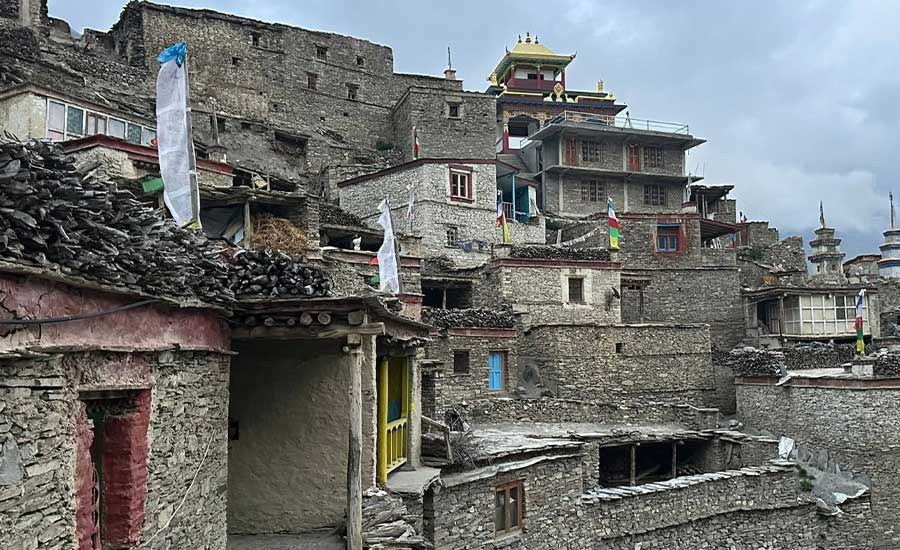
Nar Phu Valley Trek: Complete Guide to Nepal’s Hidden Himalayan Valley
Hidden beyond the better-known trails of the Annapurna region, the Nar Phu Valley Trek leads into one of Nepal’s most remote and culturally fascinating Himalayan landscapes. Ancient stone villages, Tibetan Buddhist monasteries, deep river gorges, high alpine terrain and dramatic mountain passes make this journey very different from Nepal’s busier trekking routes.
The remote settlements of Nar and Phu lie in northern Manang, close to the Tibetan border. The trekking route leaves the main Annapurna Circuit near Koto and enters a restricted valley where traditional Himalayan life, Buddhist culture and centuries-old architecture remain an important part of everyday life.
For trekkers looking for an off-the-beaten-path trek in Nepal, Nar Phu combines wilderness, culture and high-altitude adventure. The classic route crosses Kang La Pass (approximately 5,320 m) before descending to Ngawal and reconnecting with the Annapurna Circuit.
Himalayan Dream Team’s 17-Day Nar Phu Valley Trek goes even further, continuing through Manang and across Thorong La Pass (5,416 m) to Muktinath and Jomsom before flying to Pokhara.
Quick Facts About the Nar Phu Valley Trek
| Information | Details |
|---|---|
| Location | Manang District, Annapurna Region, Nepal |
| Main Villages | Nar and Phu |
| Himalayan Dream Team Trip | 17 Days |
| Highest Point | Thorong La Pass – 5,416 m |
| Major Nar Phu Pass | Kang La Pass – approximately 5,320 m |
| Difficulty | Strenuous |
| Trek Style | Remote high-altitude teahouse trek |
| Permits | Nar Phu Restricted Area Permit and Annapurna Conservation Area Permit; other permit requirements depend on the current regulations and route |
| Guide | Licensed trekking guide required for the restricted area |
| Best Seasons | Spring and autumn; conditions should always be checked before departure |
| Accommodation | Local lodges / teahouses during the trek |
| Main Highlights | Nar, Phu, Tibetan Buddhist culture, Kang La, Manang, Thorong La, Muktinath and Jomsom |
Where Is Nar Phu Valley?
Nar Phu Valley lies in the northern part of Manang District in Nepal’s Annapurna region, close to the Tibetan border. The route branches north from the Annapurna Circuit around Koto, near Chame, and follows a remote river valley through narrow gorges, forests and high mountain terrain.
Rather than being one single village, Nar Phu refers to the remote valleys and traditional settlements centred around Nar Village and Phu Village. Their geographic isolation helped preserve distinctive architecture, Buddhist traditions and a way of life strongly influenced by the Tibetan Himalaya.
Why Is Nar Phu Valley So Special?
Nar Phu is special because it combines several experiences that are difficult to find together on Nepal’s more established trekking trails. Trekkers move from forested river valleys into a stark high-altitude landscape of cliffs, eroded rock formations, yak pastures, traditional stone settlements, monasteries, mani walls, chortens and prayer flags.
The relative isolation of the valley is one of its greatest attractions. Instead of large trekking settlements and heavily developed trails, much of the journey feels remote and quiet.
The cultural experience is equally important. Buddhism remains deeply connected with everyday life, and the villages provide an opportunity to observe Himalayan traditions that have developed over generations in this isolated environment.
Highlights of the Nar Phu Valley Trek
- Explore the remote traditional villages of Nar and Phu.
- Enter one of Nepal’s protected restricted trekking areas.
- Experience Tibetan-influenced Himalayan Buddhist culture.
- Walk through dramatic gorges, forests, cliffs and alpine landscapes.
- Visit ancient monasteries, chortens, mani walls and prayer-wheel sites.
- Cross the spectacular Kang La Pass at around 5,320 m.
- Enjoy panoramic views across the Annapurna and Manang Himalaya.
- Reconnect with the classic Annapurna Circuit near Ngawal.
- Explore the famous mountain settlement of Manang.
- On Himalayan Dream Team’s extended itinerary, cross Thorong La Pass (5,416 m).
- Visit sacred Muktinath, important to both Hindus and Buddhists.
- Continue through the Kali Gandaki Valley to Jomsom.
- Finish the mountain section with a scenic journey towards Pokhara.
Nar Village and Phu Village: What Is the Difference?
Phu Village
Phu is one of the cultural highlights of the trek. Set high above the surrounding valley, the village is characterized by traditional stone houses, narrow paths, agricultural land and Buddhist religious sites.
Reaching Phu after trekking through the narrow approach valley creates one of the most memorable moments of the journey. Spending sufficient time here is also valuable for acclimatization before moving higher.
Nar Village
Nar is another remarkable high-altitude settlement surrounded by open mountain landscapes. Traditional stone buildings, prayer flags, chortens and Buddhist monuments give the village a distinctive Himalayan character.
Nar is also strategically important because it lies on the approach toward Kang La Pass, one of the most demanding and rewarding sections of the trek.
Kang La Pass: The High Point of the Nar Phu Section
Crossing Kang La Pass, at approximately 5,320 metres, is one of the defining experiences of the Nar Phu Valley Trek.
The crossing normally requires an early start and involves a sustained climb at high altitude followed by a substantial descent toward Ngawal. Snow, ice, wind and changing mountain weather can make the crossing considerably more difficult.
In suitable conditions, the pass provides magnificent views across the Annapurna region, including peaks and ridges surrounding the Manang Valley.
Kang La is not normally considered a technical climbing pass, but altitude, steep terrain, snow and long walking hours mean that it should not be underestimated. Your guide must assess weather and trail conditions before attempting the crossing.
Nar Phu Valley Trek Route
A typical Nar Phu route enters the restricted valley from Koto, continues through Meta toward Phu, returns toward Nar Phedi and Nar Village, and then crosses Kang La to Ngawal.
From Ngawal, trekkers can finish the Nar Phu section or combine it with the Annapurna Circuit.
Himalayan Dream Team’s itinerary is designed as a more complete Himalayan journey. After Nar Phu and Kang La, we continue through Manang toward Thorong La, Muktinath and Jomsom.
Himalayan Dream Team Nar Phu Valley Trek – Short Itinerary
| Day | Journey | Key Experience |
|---|---|---|
| 1 | Arrival in Kathmandu | Airport welcome and trek introduction |
| 2 | Drive to Dharapani via Besisahar | Scenic journey into the Annapurna region |
| 3 | Trek to Koto | Approach the entrance to Nar Phu |
| 4 | Trek to Meta | Enter the restricted Nar Phu Valley |
| 5 | Trek towards Phu | Remote valley landscapes and Buddhist culture |
| 6 | Explore / acclimatize around Phu | Village, monasteries and acclimatization |
| 7 | Continue towards Nar area | Remote settlements and mountain scenery |
| 8 | Nar Village | Traditional village and preparation for Kang La |
| 9 | Cross Kang La Pass to Ngawal | High-pass crossing and Annapurna panorama |
| 10 | Trek to Manang | Rejoin the Annapurna Circuit |
| 11 | Trek to Yak Kharka / Leder | Continue toward Thorong La |
| 12 | Trek to Thorong Phedi / High Camp | Prepare for the second major pass |
| 13 | Cross Thorong La to Muktinath | Reach 5,416 m and descend to Muktinath |
| 14 | Trek to Jomsom | Muktinath and Kali Gandaki landscapes |
| 15 | Travel to Pokhara | Scenic transition from mountains to lakeside Pokhara |
| 16 | Return to Kathmandu | Journey back to the capital |
| 17 | International Departure | Airport transfer |
For the complete day-by-day program, current price, inclusions and booking information, see our Nar Phu Valley Trek – 17 Days.
How Difficult Is the Nar Phu Valley Trek?
The Nar Phu Valley Trek should be considered a strenuous high-altitude trek, particularly when combined with Thorong La as in Himalayan Dream Team’s itinerary.
The difficulty comes from a combination of altitude, remote terrain, long walking days, steep ascents and descents, basic facilities in some locations and the crossing of high Himalayan passes.
The route does not normally require technical mountaineering skills, but good physical fitness, endurance and previous hiking experience are strongly recommended.
How High Is the Nar Phu Valley Trek?
Several nights are spent at high altitude, and both Nar and Phu are located at around 4,000 metres. The Nar Phu section reaches approximately 5,320 m at Kang La Pass.
On Himalayan Dream Team’s 17-day itinerary, the highest point is Thorong La Pass at 5,416 m.
Because the trek spends significant time above 3,500 metres, proper acclimatization and a carefully paced itinerary are essential.
Altitude Sickness and Acclimatization
Altitude should be taken seriously on the Nar Phu Valley Trek. Acute Mountain Sickness (AMS) can affect anyone regardless of age or fitness.
Trekkers should ascend gradually, drink sufficient fluids, eat properly and communicate immediately with their guide if they experience unusual symptoms.
Common early symptoms can include headache, nausea, dizziness, loss of appetite, unusual fatigue and disturbed sleep. Symptoms should never be hidden simply to continue the itinerary.
Our trekking team monitors guests throughout the journey and may modify the program when altitude, weather, trail conditions or individual health make this necessary.
Nar Phu Valley Trek Permit Requirements
Nar Phu is a restricted trekking area. Foreign visitors therefore require a special Restricted Area Permit in addition to the conservation-area documentation applicable to the route.
Nar Phu Restricted Area Permit Fee
| Season | Current Restricted Area Permit Fee |
|---|---|
| September – November | USD 100 per person for the first 7 days + USD 15 per person per additional day |
| December – August | USD 75 per person for the first 7 days + USD 15 per person per additional day |
Permit rules and government fees can change, so the latest requirements should always be reconfirmed when booking.
Can One Person Get a Nar Phu Restricted Area Permit?
Yes. Nepal changed its restricted-area permit policy in March 2026. The former requirement for at least two foreign trekkers to obtain a restricted-area permit was removed.
This means a single traveler can now obtain the required restricted-area permit. However, this does not mean that independent trekking is permitted. A licensed trekking guide remains required, and the restricted-area arrangements must be made through a registered trekking agency.
Himalayan Dream Team can organize the required trekking permits, licensed guide and logistics for the Nar Phu journey.
Best Time for the Nar Phu Valley Trek
The most popular periods for trekking Nar Phu are generally spring and autumn, when conditions are often more suitable for high-altitude trekking.
Spring: March to May
Spring can provide increasingly mild temperatures, clearer mountain mornings and colourful vegetation at lower elevations. Higher sections may still hold snow, particularly early in the season.
Autumn: September to November
Autumn is one of Nepal’s major trekking seasons. After the summer monsoon, the atmosphere often becomes clearer and mountain visibility can be excellent. Temperatures become progressively colder toward November.
Winter: December to February
Winter brings very cold conditions at altitude. Heavy snowfall can affect Kang La and other high sections, while some local facilities may be limited. Winter departures require careful assessment of current trail and weather conditions.
Monsoon: June to August
Nar Phu lies in a relatively dry trans-Himalayan environment compared with many southern Himalayan trekking regions. However, the approach roads and lower trails can still be affected by monsoon rain, landslides and transport delays.
For any departure outside the main seasons, current local conditions are more important than general seasonal averages.
Weather and Temperature in Nar Phu Valley
Weather varies significantly with elevation, month and exposure. Days can feel warm in direct Himalayan sunshine while nights become very cold, particularly above 4,000 metres.
Wind is also an important factor on high passes. Conditions around Kang La and Thorong La can change quickly, which is one reason pass-crossing days normally begin early.
Trekkers should prepare for strong sun, cold nights, wind and the possibility of snow even during otherwise favourable trekking periods.
Accommodation on the Nar Phu Valley Trek
Accommodation is mainly in local teahouses and mountain lodges. Facilities in Nar Phu are generally simpler than those found in more developed trekking centres such as Namche Bazaar or the busiest parts of the Annapurna Circuit.
Rooms are usually basic, clean and functional. Twin beds are common, while bathrooms may be shared. Hot showers, electricity, charging and Wi-Fi may be limited or available for an additional charge depending on the village.
The simplicity of the lodges is part of travelling through a genuinely remote Himalayan region.
Food and Drinking Water
Teahouses serve practical trekking meals designed to provide energy for long days on the trail. Common choices can include dal bhat, noodles, soup, potatoes, rice, pasta, eggs, Tibetan bread and seasonal local dishes.
Food choices become more limited at higher and more remote settlements because nearly everything must be transported considerable distances.
Safe drinking water is essential. Depending on location and current facilities, trekkers can use boiled or properly treated water. Reducing disposable plastic bottles is preferable wherever safe alternatives are available.
What Mountains Can You See?
The exact mountains visible depend on the section of trail and weather conditions, but the wider Nar Phu and Manang region provides views toward numerous Himalayan peaks and ranges.
Around Kang La and the Annapurna Circuit side, trekkers can enjoy impressive perspectives toward mountains such as Annapurna II, Annapurna III, Annapurna IV, Gangapurna, Tilicho Peak and Pisang Peak, along with many surrounding ridges and lesser-known summits.
The extended journey toward Thorong La also reveals the enormous scale and geographical diversity of the Annapurna and Manang Himalaya.
Nar Phu Valley Trek vs Annapurna Circuit
| Feature | Nar Phu Valley | Classic Annapurna Circuit |
|---|---|---|
| Trail Character | Remote and less travelled | More established trekking route |
| Cultural Focus | Strong Tibetan Buddhist influence | More varied cultures and settlements |
| Main High Pass | Kang La | Thorong La |
| Restricted Area Permit | Required | Not required for the standard circuit itself |
| Accommodation | Generally simpler | More developed in many villages |
| Best For | Remote culture and wilderness | Classic Himalayan circuit experience |
You do not necessarily have to choose between them. Combining Nar Phu with the Annapurna Circuit creates an exceptional itinerary, which is exactly what Himalayan Dream Team’s 17-day Nar Phu Valley Trek is designed to do.
Nar Phu Valley Trek vs Manaslu Circuit
Both Nar Phu and the Manaslu Circuit appeal to trekkers looking beyond Nepal’s busiest routes, but the experiences are different.
Nar Phu places particularly strong emphasis on the isolated villages of Nar and Phu, Tibetan-influenced culture and the crossing of Kang La. The Manaslu Circuit follows the Budhi Gandaki Valley around the Manaslu massif and crosses Larkya La.
For travellers researching other remote Himalayan journeys, Himalayan Dream Team also offers the Manaslu Circuit Trek and the culturally focused Tsum Valley Trek.
Can Nar Phu Be Combined with the Annapurna Circuit?
Yes. In fact, this is one of the best ways to experience the region.
After crossing Kang La from Nar, the trail descends to Ngawal and reconnects with the Annapurna Circuit. Trekkers can then continue through Manang toward Yak Kharka, Thorong Phedi and Thorong La Pass (5,416 m) before descending toward Muktinath.
This combination provides two distinct trekking experiences: the quiet restricted valleys of Nar and Phu followed by the classic high-altitude landscapes of the Annapurna Circuit.
You can also explore our Annapurna Circuit Trek for more information about the classic route.
How Many Days Do You Need for Nar Phu Valley?
The number of days depends on where the trek begins and ends and whether Nar Phu is combined with other sections of the Annapurna Circuit.
Shorter itineraries can concentrate primarily on Nar, Phu and Kang La. Longer programs allow more time for acclimatization and can continue through Manang, Thorong La, Muktinath and Jomsom.
Himalayan Dream Team’s program takes 17 days from arrival to departure and combines the Nar Phu Valley with the classic high-pass section of the Annapurna Circuit.
How Much Does the Nar Phu Valley Trek Cost?
The total Nar Phu Valley Trek cost depends on itinerary length, group size, permit duration, transportation, accommodation, guide and porter services and whether the journey continues across Thorong La.
Restricted-area permit costs are also seasonal, so two trekkers following similar routes at different times of year may have different permit expenses.
Instead of comparing only the headline price, travellers should check exactly what is included: permits, licensed guide, porter support, accommodation, meals, transport, domestic flights, airport transfers and staff insurance can significantly affect the final cost.
For our current package price and detailed inclusions, visit the Himalayan Dream Team Nar Phu Valley Trek.
Do You Need a Guide for Nar Phu Valley?
Yes. Nar Phu is a restricted area and foreign trekkers must travel with a licensed trekking guide under the applicable restricted-area regulations.
A knowledgeable local guide is particularly valuable here because the route is remote, weather can change rapidly, high passes may be affected by snow, accommodation options are limited and altitude needs careful management.
Is the Nar Phu Valley Trek Suitable for Beginners?
Nar Phu is generally better suited to trekkers who already have hiking experience and a reasonable level of fitness.
A very fit first-time Himalayan trekker may be able to complete the route with good preparation and appropriate pacing, but it should not be treated as an easy introductory trek. High altitude and long pass-crossing days make the journey substantially more demanding than many lower-altitude treks.
Training for the Nar Phu Valley Trek
Preparation should ideally begin several weeks before departure. Training should focus on cardiovascular endurance, leg strength and the ability to walk for several consecutive days.
- Regular uphill and downhill hiking
- Long walks carrying a daypack
- Stair climbing
- Cycling, running or swimming for cardiovascular fitness
- Squats, lunges and other leg-strength exercises
- Core-strength exercises
- Back-to-back hiking days before departure
Training improves fitness, but it does not guarantee protection against altitude sickness. Acclimatization remains essential.
What to Pack for the Nar Phu Valley Trek
Packing should prepare you for both warm lower-valley conditions and freezing temperatures at altitude.
- Well-broken-in trekking boots
- Comfortable trekking socks
- Thermal base layers
- Warm fleece or insulated mid-layer
- Down jacket
- Waterproof and windproof outer shell
- Trekking trousers
- Warm hat and sun hat
- Insulated gloves
- UV-protection sunglasses
- High-SPF sunscreen and lip protection
- Trekking poles
- Sleeping bag suitable for cold Himalayan nights
- Reusable water bottles
- Water purification method
- Headlamp with spare batteries
- Personal first-aid and prescribed medication
- Power bank
- Personal toiletries
- Lightweight daypack
Travel Insurance for Nar Phu Valley
Comprehensive travel insurance is strongly recommended for this trek. Your policy should specifically cover high-altitude trekking to the maximum elevation of your itinerary and emergency evacuation where applicable.
Read the policy conditions carefully rather than assuming that ordinary travel insurance automatically includes trekking above 5,000 metres.
Internet, Electricity and Mobile Network
Connectivity should not be expected to be consistent in Nar Phu. Electricity, mobile reception and internet access can be limited or unavailable in remote sections.
Carry a power bank and keep important travel information available offline. Trekkers should regard any internet connection in the remote valley as a convenience rather than a guarantee.
Responsible Trekking in Nar Phu Valley
Nar Phu’s isolation and living cultural traditions are part of what makes the valley exceptional. Visitors therefore have a responsibility to travel respectfully.
- Ask permission before photographing local people.
- Respect monasteries and religious customs.
- Walk clockwise around chortens and mani walls where local tradition requires it.
- Do not disturb religious objects or ancient structures.
- Carry reusable water bottles whenever possible.
- Avoid leaving plastic or other waste on the trail.
- Use local lodges and services respectfully.
- Follow your guide’s advice regarding cultural etiquette.
Who Should Choose the Nar Phu Valley Trek?
The trek is particularly suitable for travellers who want more than famous viewpoints. It rewards those interested in remote landscapes, traditional Himalayan settlements, Buddhist culture and demanding high-altitude trekking.
Nar Phu may be an excellent choice if you have already completed one of Nepal’s classic treks and now want to explore a quieter and culturally distinctive part of the Himalaya.
Why Trek Nar Phu Valley with Himalayan Dream Team?
A restricted-area trek requires more planning than an ordinary trekking holiday. Permits, licensed guiding, transport, high-altitude logistics, accommodation and contingency planning all need to work together.
As a Nepal-based trekking company, Himalayan Dream Team organizes the journey locally and provides the practical support needed from your arrival in Kathmandu until your departure.
- Experienced government-licensed trekking guides
- Restricted-area permit arrangements
- Annapurna trekking documentation
- Carefully planned high-altitude itinerary
- Local accommodation arrangements
- Guide and porter support
- Transport and domestic travel arrangements according to the itinerary
- Local assistance before and during the trek
- Responsible trekking practices
- Private and customized trekking options
See the complete itinerary, services and latest price on our Nar Phu Valley Trek page.
Frequently Asked Questions About the Nar Phu Valley Trek
1. Where is Nar Phu Valley in Nepal?
Nar Phu Valley is located in Manang District in Nepal’s Annapurna region, north of the main Annapurna Circuit and close to the Tibetan border.
2. Is Nar Phu Valley a restricted area?
Yes. Nar Phu is a restricted trekking area, and foreign visitors require a Restricted Area Permit along with the other permits applicable to their route.
3. Can a solo traveler obtain a Nar Phu permit?
Yes. Since Nepal’s March 2026 restricted-area policy change, a single foreign traveler can obtain a restricted-area permit without needing a second trekker. However, a licensed guide and arrangements through a registered trekking agency remain required.
4. Can I trek Nar Phu Valley independently without a guide?
No. Independent unguided trekking is not permitted in the restricted Nar Phu area. Foreign trekkers must be accompanied by a licensed trekking guide.
5. How much is the Nar Phu Restricted Area Permit?
The current government fee is USD 100 per person for the first seven days from September through November and USD 75 per person for the first seven days from December through August. Additional days currently cost USD 15 per person per day.
6. What is the highest point of the Nar Phu Valley Trek?
For the Nar Phu section, the major high point is Kang La Pass at approximately 5,320 m. Himalayan Dream Team’s extended 17-day itinerary continues to Thorong La Pass at 5,416 m, making Thorong La the highest point of our complete trip.
7. How difficult is the Nar Phu Valley Trek?
The trek is strenuous because of high altitude, long walking days, remote terrain and the crossing of major mountain passes. Good fitness and trekking preparation are recommended.
8. What is the best time to trek Nar Phu Valley?
Spring and autumn are generally the most popular periods. March to May and September to November often provide suitable trekking conditions, although mountain weather and snow conditions vary from year to year.
9. How many days does the Nar Phu Valley Trek take?
The duration depends on the route. A trek focusing only on Nar, Phu and Kang La can be shorter, while combining the valley with the Annapurna Circuit requires more time. Himalayan Dream Team’s complete program is 17 days from arrival to departure.
10. Is Nar Phu Valley crowded?
Nar Phu is generally much quieter than Nepal’s most famous trekking corridors. Its restricted status, remote location and demanding access help keep visitor numbers comparatively low.
11. Is there accommodation in Nar and Phu?
Yes. Local teahouses and lodges provide accommodation, although facilities are generally simpler than on more developed trekking routes.
12. Do I need previous high-altitude trekking experience?
Previous experience is helpful but not always essential. You should nevertheless be physically prepared, comfortable with long hiking days and understand that trekking above 5,000 metres requires careful acclimatization.
13. Can Nar Phu be combined with the Annapurna Circuit?
Yes. After crossing Kang La to Ngawal, the route joins the Annapurna Circuit. Trekkers can continue through Manang and across Thorong La toward Muktinath, as included in Himalayan Dream Team’s itinerary.
14. Do I need travel insurance?
Yes. Comprehensive travel insurance covering the maximum trekking altitude of your itinerary and emergency evacuation is strongly recommended.
15. Is Nar Phu Valley worth visiting?
For trekkers interested in remote Himalayan landscapes, Tibetan Buddhist culture, traditional mountain villages and challenging high-altitude trekking, Nar Phu offers a distinctive alternative to Nepal’s busier trails.
Final Thoughts: Is the Nar Phu Valley Trek Worth It?
The Nar Phu Valley Trek is not simply about reaching a high pass. Its greatest attraction is the journey into a remote Himalayan landscape where geography, culture and centuries of mountain tradition remain closely connected.
From the deep gorge beyond Koto to the stone settlements of Phu and Nar, the crossing of Kang La Pass and the panoramic landscapes around Manang, every section reveals a different side of the Annapurna region.
For travellers who want an even more complete adventure, combining Nar Phu with the Annapurna Circuit and Thorong La Pass creates an extraordinary journey through two very different Himalayan environments.
If you are planning a Nar Phu Valley Trek in 2026 or 2027, Himalayan Dream Team can help arrange your restricted-area permits, licensed guide, porter support, accommodation, transportation and complete trekking logistics.
Ready to explore one of Nepal’s most remarkable hidden valleys?
View our complete Nar Phu Valley Trek – 17 Days and start planning your journey with Himalayan Dream Team.