

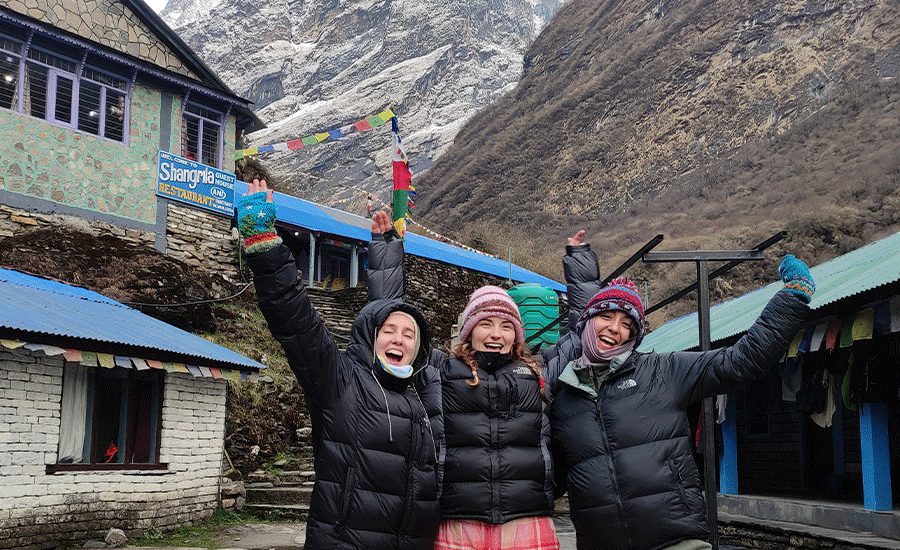
Nepal, known for the Himalayas, ancient temples, and vibrant cultures, attracts thousands of visitors every year. However, unregulated tourism growth has put pressure on fragile ecosystems, sacred sites, and remote communities. From littered trekking trails to overcrowded destinations, the need for sustainable travel in Nepal is more crucial than ever. By making conscious travel choices, visitors can contribute to long-term environmental conservation and community development.
What is Sustainable Travel?
Sustainable travel means making mindful choices that minimize negative impacts and maximize positive contributions to nature, culture, and local livelihoods. It involves selecting eco-lodges, reducing single-use plastics, supporting local businesses, and respecting traditional customs. It ensures that the places we love to visit remain unspoiled for future generations.
Why Choose Sustainable Travel in Nepal?
Traveling sustainably in Nepal creates lasting benefits for both travelers and host communities. It helps to:
Preserve pristine environments and fragile Himalayan ecosystems
Protect sacred religious and cultural sites from overuse
Empower local businesses, guides, and porters—especially women and youth
Reduce pollution, waste, and overconsumption of local resources
Offer meaningful, immersive experiences for travelers
Himalayan Dream Team's Commitment to Sustainability
At Himalayan Dream Team, sustainability is at the heart of everything we do. As a local, female-led travel company, we are proud to:
Operate eco-conscious and culturally respectful trekking itineraries
Hire and train ethical local staff with fair wages and insurance
Empower women through leadership roles in tourism
Follow Leave No Trace practices on every trip
Partner with local communities to promote heritage conservation
Organize cleanup events and eco-awareness campaigns on trekking routes
How to Travel Sustainably in Nepal
Travelers can make a meaningful impact by adopting the following practices:
Pack reusable water bottles, eco-friendly toiletries, and minimal plastic
Rent gear locally to reduce waste and support small businesses
Book small group or off-the-beaten-path treks to reduce trail erosion
Choose locally owned hotels, homestays, and restaurants
Respect wildlife by not disturbing habitats or feeding animals
Respecting Local Cultures and Communities
Nepal is home to over 125 ethnic groups, each with its own language, traditions, and festivals. Sustainable travel means respecting this diversity. Travelers should:
Dress modestly, especially near temples and monasteries
Ask permission before taking photographs
Learn simple Nepali phrases like “Namaste” and “Dhanyabad”
Participate in local festivals and workshops to support cultural heritage
Avoid behaviors that could offend religious or social customs
Sustainable Trekking: Eco-Tips for the Trails
Trekking is one of the most popular ways to explore Nepal. To keep trails clean and communities thriving, follow these tips:
Use refillable bottles and water purifiers instead of buying plastic bottles
Stay on established routes to prevent vegetation damage
Carry biodegradable soaps and avoid dumping grey water into streams
Limit your energy usage—opt for solar chargers and shorter hot showers
Reduce your load and avoid overburdening porters
Protecting the Environment in the Himalayas
At Himalayan Dream Team, we take proactive steps to reduce our environmental footprint. We:
Organize trail cleanups and educate trekkers on waste management
Promote responsible camping and energy conservation
Collaborate with eco-lodges and sustainable accommodation providers
Encourage the use of eco-friendly transportation where possible
Boosting Local Economies Through Tourism
Sustainable tourism is a powerful driver for rural economic development. By choosing Himalayan Dream Team, your travel spending directly supports:
Local guides, porters, and drivers with fair employment opportunities
Women-led homestays and family-run teahouses
Community projects in education, health, and conservation
Handicraft markets and food producers across the regions you visit
10 Essential Steps for Sustainable Travel in Nepal
How to Travel Responsibly in the Himalayas and Leave a Positive Impact
At Himalayan Dream Team, we believe travel should not only inspire but also protect the destinations we cherish. Nepal, home to majestic peaks and rich cultural heritage, offers countless opportunities for responsible tourism. Whether you're trekking through the Himalayas or exploring ancient temples, here are ten impactful ways to make your Nepal adventure more sustainable:
1. Choose a Responsible Trekking Agency in Nepal
Opt for a local trekking company in Nepal that actively supports eco-tourism, ethical labor, and community development. A sustainable agency, like Himalayan Dream Team, ensures fair wages, proper insurance, and equipment for guides and porters. Look for certifications like Travelife, membership with IPPG, or endorsements from global sustainability programs.
2. Pack Light and Eco-Consciously
Light packing helps reduce the strain on porters and fuel usage in transport. Carry eco-friendly trekking gear or rent items like sleeping bags or jackets in Nepal to avoid unnecessary purchases. Use reusable water bottles with filters and biodegradable toiletries. Avoid single-use plastics to minimize your environmental footprint.
3. Follow the Leave No Trace Principles
Respect nature by sticking to the "Leave No Trace" guidelines:
Stay on marked trails
Dispose of waste properly
Avoid picking plants or disturbing wildlife
Minimize campfire use
Be considerate of local cultures and fellow travelers
These principles help preserve Nepal’s natural and cultural beauty for generations.
4. Support Local Businesses and Homestays
Traveling sustainably means ensuring your money benefits the local communities of Nepal. Choose locally owned lodges, homestays, and tea houses. Eat traditional Nepali dishes like dal bhat or momo at family-run restaurants. Buy handmade crafts instead of factory-made souvenirs. Your choices directly impact local livelihoods.
5. Respect Local Cultures and Traditions
Nepal is a cultural mosaic of ethnic groups, each with unique traditions. Dress modestly, especially at temples and monasteries. Always ask for permission before photographing locals or ceremonies. Learn basic phrases like “Namaste” and “Dhanyabad” to connect respectfully with the people you meet.
6. Minimize Water and Energy Usage in the Himalayas
In remote Himalayan villages, water and energy are scarce resources. Avoid long hot showers, and only charge devices when necessary. Consider solar chargers and conserve lighting in your accommodation. Be mindful that what seems like a small action can have a big impact in high-altitude areas.
7. Reduce Your Carbon Footprint in Nepal
While flights to Nepal are unavoidable for most travelers, you can:
Offset your flight’s carbon emissions
Use public transport or EV taxis in Kathmandu
Join group treks or cycle tours
Support companies committed to green travel and sustainable tourism initiatives
Every choice counts in reducing emissions and protecting the Himalayas.
8. Respect Nepal’s Wildlife and Natural Habitats
Nepal’s national parks and conservation areas are home to endangered species like the red panda and snow leopard. Observe animals from a distance, never feed them, and stay quiet when in nature. Stick to trails to avoid damaging delicate ecosystems. A simple act of respect helps conserve biodiversity.
9. Discover Off-the-Beaten-Path Destinations
Overcrowding on classic routes like Everest Base Camp and Annapurna Base Camp affects both the environment and experience. Consider trekking in lesser-known areas such as:
These routes offer solitude, authenticity, and lower environmental pressure.
10. Contribute to Conservation and Local Projects
Get involved in community-based tourism or support education, healthcare, or reforestation initiatives. You can:
Donate supplies to mountain schools
Sponsor local students
Volunteer for conservation activities
Say no to unethical tourism (like elephant rides or child labor)
Small acts of kindness go a long way in creating meaningful change.
Final Words: Join Us for Purposeful Travel
Sustainable travel in Nepal is not just a checklist—it's a conscious choice to protect nature, respect cultures, and uplift local communities. At Himalayan Dream Team, we believe in creating transformative journeys that benefit both travelers and the destinations they visit. Whether you're trekking to Everest Base Camp or exploring hidden valleys, your actions can contribute to eco-friendly trekking, environmental preservation, and the well-being of local people.
We proudly lead by example, promoting responsible tourism in Nepal through fair treatment of porters and guides, support for community-based initiatives, and commitment to ethical trekking practices. By traveling with us, you're choosing a path that values authenticity, sustainability, and positive impact. Let’s work together to make tourism a force for good—for the people of Nepal, its breathtaking landscapes, and future generations of conscious explorers.