

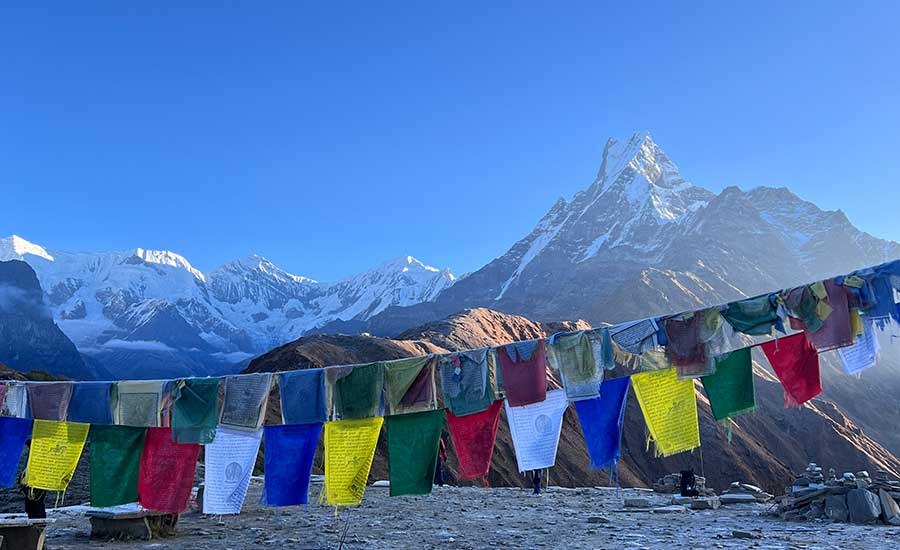
Nepal is one of the world's most remarkable trekking destinations, offering everything from gentle walks through traditional mountain villages to challenging journeys beneath the highest peaks on Earth. However, choosing the best time to trek in Nepal is an important part of planning a successful Himalayan adventure.
The best trekking seasons in Nepal are spring (March to May) and autumn (September to November). These months generally offer favorable temperatures, beautiful mountain scenery and suitable conditions for popular trekking routes such as Everest Base Camp, Annapurna Base Camp, Manaslu Circuit and Langtang Valley.
Spring is especially beautiful for its blooming rhododendron forests, while autumn is famous for its clear skies and spectacular Himalayan panoramas.
However, trekking in Nepal is not limited to these two seasons. The summer monsoon creates excellent opportunities in the rain-shadow regions of Upper Mustang and Upper Dolpo, while winter is ideal for travelers who prefer peaceful trails and shorter, lower-altitude treks.
At Himalayan Dream Team Treks & Tours, we help travelers choose the right trekking route according to the season, their experience, fitness level and personal interests.
This complete Nepal trekking seasons guide explains the weather, advantages, challenges and recommended trekking routes for every month of the year.
1. What Is the Best Time to Trek in Nepal?
For most travelers, October and April are among the best months for trekking in Nepal.
October generally offers excellent post-monsoon mountain visibility, pleasant daytime conditions and a wide choice of trekking routes. April is particularly attractive for its comfortable temperatures, flowering rhododendrons and active mountaineering atmosphere in the Everest region.
However, the ideal month depends on your destination and trekking altitude.
March to May: Best for spring flowers, moderate temperatures and classic Himalayan trekking.
June to August: Best for Upper Mustang, Upper Dolpo and other selected rain-shadow destinations.
September to November: Best for clear Himalayan views, major trekking routes and mountain photography.
December to February: Best for quieter trails, lower-altitude trekking and winter mountain scenery.
Trekkers planning to cross high mountain passes should pay particular attention to snow conditions, while travelers choosing lower-altitude routes have greater flexibility throughout the year.
2. Nepal Trekking Seasons at a Glance
Nepal's trekking calendar is commonly divided into four main seasons: spring, summer monsoon, autumn and winter.
Each season offers a different experience, from colorful forests and clear mountain panoramas to green valleys and peaceful winter trails.
| Trekking Season | Months | Weather Conditions | Best Trekking Experiences |
|---|---|---|---|
| Spring | March–May | Generally mild, with increasing warmth and occasional afternoon clouds | Everest Base Camp, Annapurna Base Camp, Manaslu Circuit, Langtang |
| Summer / Monsoon | June–August | Frequent rainfall in many regions; comparatively dry in rain-shadow areas | Upper Mustang, Upper Dolpo, selected Nar Phu routes |
| Autumn | September–November | Generally clearer skies, comfortable temperatures and improving trail conditions after monsoon | Everest Base Camp, Annapurna Circuit, Manaslu, Kanchenjunga |
| Winter | December–February | Cold mornings and nights, clearer days and possible high-altitude snowfall | Ghorepani Poon Hill, Helambu, Everest Panorama, lower Annapurna |
Important: Weather conditions vary considerably with altitude, geography and individual mountain valleys. Even during the main trekking seasons, snowfall, rainfall and unexpected weather changes are possible.
3. How Nepal's Geography Affects Trekking Weather
Nepal's extraordinary geographical diversity plays a major role in determining the best trekking season.
Within a relatively short distance, the landscape rises from subtropical plains to the world's highest mountains. This creates significant differences in temperature, rainfall, vegetation and trekking conditions.
Himalayan Region
The Himalayan region includes Nepal's highest mountain ranges, including Everest, Annapurna, Manaslu, Dhaulagiri, Makalu and Kanchenjunga.
Trekking routes in these areas often reach elevations above 4,000 meters, where temperatures can fall below freezing even during spring and autumn.
High mountain passes such as Thorong La on the Annapurna Circuit and Larkya La on the Manaslu Circuit may become difficult or temporarily inaccessible after heavy snowfall.
For most high-altitude Himalayan trekking, spring and autumn offer the most suitable conditions.
Hilly Region
Nepal's middle hills are home to terraced farmland, traditional villages, forests and scenic trekking routes.
Popular destinations such as Ghorepani Poon Hill, Dhampus, Helambu and the lower Annapurna foothills pass through these landscapes.
Spring brings flowering rhododendrons, autumn offers beautiful mountain views, and winter can provide pleasant daytime walking conditions at lower elevations.
These areas are particularly suitable for beginners, families and travelers looking for shorter trekking experiences.
Terai Region
The Terai is Nepal's southern lowland region, known for its warm climate, forests, rivers and wildlife.
Although it is not a major Himalayan trekking destination, it offers excellent opportunities for travelers wishing to combine their trek with wildlife experiences in Chitwan or Bardia National Park.
Winter and spring are generally pleasant periods for exploring the Terai, while summer can be hot and humid.
4. Spring Trekking in Nepal (March to May)
Spring is one of the most beautiful and popular trekking seasons in Nepal.
As winter gradually ends, temperatures become more comfortable, forests begin to bloom and many trekking routes become increasingly accessible.
One of the greatest attractions of spring trekking is the spectacular rhododendron flowering season.
Along routes such as Ghorepani Poon Hill, Annapurna Base Camp and Langtang Valley, forests come alive with colorful flowers, creating wonderful opportunities for nature lovers and photographers.
Spring is also Nepal's main Himalayan mountaineering season. Trekkers visiting Everest Base Camp during April and May may experience the lively expedition atmosphere as climbing teams prepare for their summit attempts.
Spring Trekking Weather in Nepal
March generally brings cool mornings, clear periods and improving daytime temperatures.
April offers comfortable trekking conditions across many popular routes, while May becomes warmer at lower elevations and can experience increasing afternoon cloud formation and pre-monsoon showers.
At higher elevations, nights remain cold throughout the season, and snow may still cover mountain passes.
Advantages of Spring Trekking
Comfortable daytime temperatures across many trekking regions.
Beautiful rhododendron and wildflower displays.
Excellent opportunities for Himalayan photography.
Suitable conditions for many popular high-altitude treks.
Active climbing atmosphere in the Everest region.
Pleasant weather for combining trekking with cultural sightseeing.
Challenges of Spring Trekking
Popular trekking routes become busy during April.
Afternoon clouds can occasionally reduce mountain visibility.
Lower valleys become warmer toward May.
High passes may retain snow from winter.
Accommodation on popular routes should be arranged in advance.
Best Treks in Nepal During Spring
| Trekking Route | Recommended Months | Main Highlights |
|---|---|---|
| Everest Base Camp Trek | March–May | Everest views, Sherpa culture, Everest Base Camp |
| Annapurna Base Camp Trek | March–May | Rhododendron forests, Annapurna Sanctuary |
| Manaslu Circuit Trek | March–May | Remote villages, mountain scenery, Larkya La |
| Langtang Valley Trek | March–May | Langtang Himal, Tamang villages, mountain landscapes |
| Mardi Himal Trek | March–May | Forest trails, mountain ridges, Machhapuchhre views |
| Ghorepani Poon Hill Trek | March–May | Rhododendron blooms and Himalayan sunrise |
| Kanchenjunga Circuit Trek | April–May | Remote Himalayan landscapes and mountain wilderness |
| Gokyo Lakes Trek | March–May | Turquoise lakes, glaciers and Everest panoramas |
Himalayan Dream Team Recommendation: April is an excellent choice for travelers who want to combine colorful rhododendron forests, pleasant trekking temperatures and impressive mountain views.
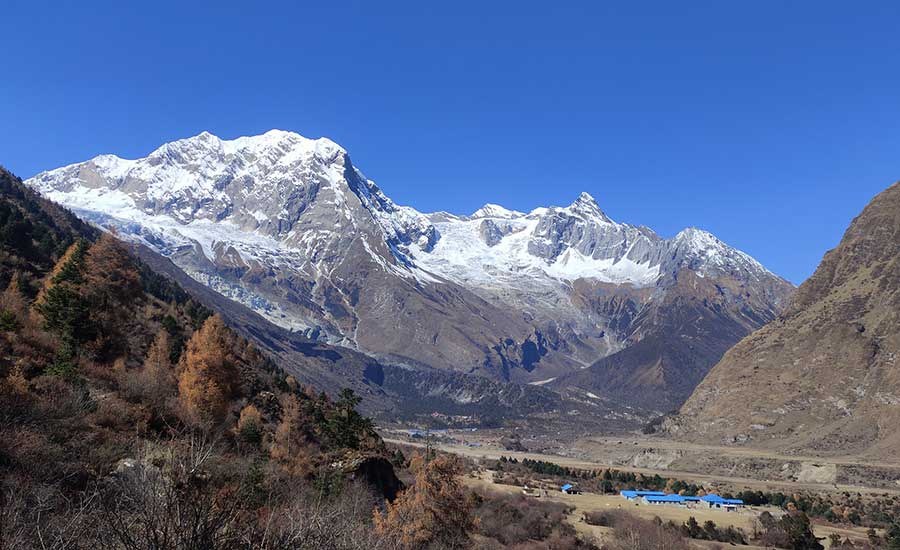
5. Autumn Trekking in Nepal (September to November)
Autumn is widely considered the best trekking season in Nepal, particularly for travelers planning classic Himalayan adventures.
After the summer monsoon, the atmosphere often becomes clearer, offering outstanding views of snow-covered mountains.
October and November are especially popular for trekking in the Everest, Annapurna, Manaslu and Langtang regions.
The season also coincides with important Nepalese festivals, including Dashain and Tihar, providing opportunities to experience local culture and traditions.
Autumn Trekking Weather in Nepal
September marks the transition from monsoon to autumn. Rainfall gradually decreases, although wet conditions can continue, especially during the first half of the month.
October usually brings some of the year's most favorable trekking conditions, with comfortable daytime temperatures and excellent mountain visibility.
November often remains clear and relatively dry, but temperatures decrease significantly at higher elevations, particularly during the night.
Advantages of Autumn Trekking
Excellent Himalayan mountain visibility.
Generally favorable weather for long-distance trekking.
Comfortable daytime temperatures.
Suitable conditions for many high-altitude trekking routes.
Opportunities to experience Dashain and Tihar festivals.
Beautiful landscapes and mountain photography.
Challenges of Autumn Trekking
October is one of Nepal's busiest trekking months.
Popular teahouses may have limited availability.
Domestic flights and accommodation require early planning.
Nights become increasingly cold during November.
Snowfall can still affect high mountain passes.
Best Treks in Nepal During Autumn
| Trekking Route | Recommended Months | Main Highlights |
|---|---|---|
| Everest Base Camp Trek | October–November | Clear Everest views and classic Khumbu scenery |
| Annapurna Circuit Trek | October–November | Thorong La Pass, diverse landscapes and mountain villages |
| Manaslu Circuit Trek | October–November | Remote Himalayan scenery and traditional mountain communities |
| Annapurna Base Camp Trek | October–November | Panoramic views of the Annapurna Sanctuary |
| Langtang Valley Trek | October–November | Mountain views and Tamang cultural experiences |
| Gokyo Lakes Trek | October–November | Gokyo Ri, glacial lakes and Everest panoramas |
| Kanchenjunga Circuit Trek | October–November | Remote trails and magnificent eastern Himalayan scenery |
| Mardi Himal Trek | October–November | Scenic ridges and close-up views of Machhapuchhre |
Himalayan Dream Team Recommendation: October is one of the strongest choices for first-time visitors to Nepal who want clear Himalayan scenery and a wide selection of trekking routes. November is also excellent, especially for travelers comfortable with colder mountain temperatures.
6. Monsoon Trekking in Nepal (June to August)
The summer monsoon brings significant rainfall to many parts of Nepal, transforming hillsides, forests and agricultural terraces into vibrant green landscapes.
Although monsoon is generally not recommended for classic high-altitude trekking routes such as Everest Base Camp and Annapurna Base Camp, it offers rewarding opportunities in selected rain-shadow destinations.
Regions such as Upper Mustang and Upper Dolpo lie north of the main Himalayan ranges and receive considerably less monsoon rainfall than many areas farther south.
These destinations are known for their dramatic landscapes, ancient monasteries, traditional villages and strong Tibetan cultural influences.
Monsoon Trekking Weather in Nepal
June usually marks the beginning of the main monsoon period.
July and August often receive heavy rainfall in central and eastern Nepal, particularly around the middle hills and southern slopes of the Himalayas.
Trails can become muddy and slippery, rivers may rise, and landslides can affect roads and trekking access.
Mountain flights are also more vulnerable to delays and cancellations during periods of poor visibility.
Advantages of Monsoon Trekking
Beautiful green valleys, forests and terraced landscapes.
Fewer visitors on many trekking routes.
Excellent opportunities for landscape photography.
Unique experiences in rain-shadow regions.
Opportunities to explore remote Himalayan cultures.
Challenges of Monsoon Trekking
Heavy rainfall in many trekking regions.
Slippery trails and possible landslides.
Leeches in wet forested areas.
Reduced mountain visibility.
Greater risk of road and flight disruptions.
Difficult river crossings in some remote regions.
Best Treks in Nepal During Monsoon
| Trekking Destination | Recommended Months | Main Highlights |
|---|---|---|
| Upper Mustang Trek | June–August | Desert-like landscapes, Lo Manthang, Tibetan culture |
| Upper Dolpo Trek | June–September | Remote valleys, Phoksundo Lake and ancient monasteries |
| Nar Phu Valley Trek | June–August, subject to conditions | Remote villages, dramatic landscapes and Tibetan-influenced culture |
Although rain-shadow areas are comparatively dry, access roads, river crossings and high passes may still be affected by monsoon weather.
Himalayan Dream Team Recommendation: Upper Mustang is one of Nepal's most attractive summer trekking destinations for travelers seeking cultural experiences, unusual Himalayan landscapes and a quieter adventure.
7. Winter Trekking in Nepal (December to February)
Winter is a beautiful time to explore Nepal's lower-altitude trekking routes.
Although temperatures drop significantly in the mountains, winter often brings crisp air, clear skies and peaceful trekking trails.
Snow-covered peaks create magnificent scenery, particularly during sunny mornings.
However, trekking at higher elevations requires additional preparation because snowfall, icy trails and extreme cold can make some routes difficult or unsafe.
High mountain passes such as Thorong La and Larkya La may become temporarily inaccessible following heavy snowfall.
Winter Trekking Weather in Nepal
December often begins with relatively dry weather and clear mountain views, although temperatures are already cold at higher elevations.
January is generally one of the coldest months, with freezing nights and possible snowfall in mountain regions.
February remains cold, but conditions gradually begin transitioning toward spring.
Advantages of Winter Trekking
Fewer trekkers on many popular routes.
Beautiful views of snow-covered Himalayan peaks.
Peaceful mountain villages and trails.
Clear skies during favorable weather.
Good opportunities for lower-altitude trekking and photography.
Challenges of Winter Trekking
Very cold temperatures at higher elevations.
Snow and ice on exposed trails.
Shorter daylight hours.
Possible closure of high mountain passes.
Some high-altitude lodges may operate with reduced services.
Best Winter Treks in Nepal
| Trekking Route | Recommended Months | Main Highlights |
|---|---|---|
| Ghorepani Poon Hill Trek | December–February | Himalayan sunrise and traditional villages |
| Helambu Trek | December–February | Peaceful trails, forests and local culture |
| Everest Panorama Trek | December–February | Everest-region scenery without reaching extreme altitude |
| Short Annapurna Foothills Trek | December–February | Comfortable village walks and mountain views |
| Dhampus and Australian Camp Trek | December–February | Short scenic hikes near Pokhara |
| Mardi Himal Trek | Selected winter periods | Mountain ridges and Machhapuchhre views, subject to snow conditions |
Himalayan Dream Team Recommendation: Ghorepani Poon Hill and shorter Annapurna foothill treks are excellent winter options for travelers seeking beautiful Himalayan views without committing to demanding high-altitude expeditions.
8. Best Time to Trek in Nepal: Month-by-Month Guide
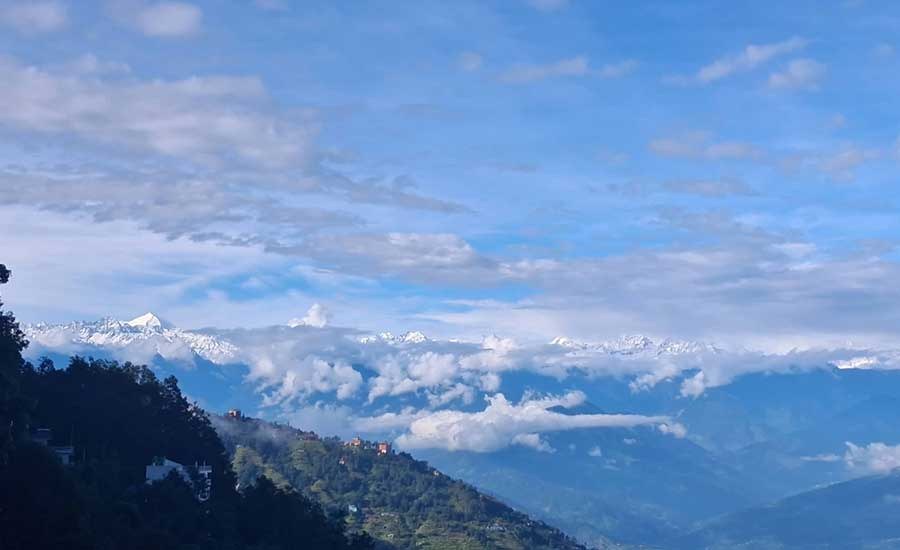
Choosing the best trekking month depends on your preferred destination, weather conditions and trekking experience.
The following Nepal trekking calendar provides a practical overview of what to expect throughout the year.
| Month | General Trekking Conditions | Recommended Treks |
|---|---|---|
| January | Cold, clear periods, possible snow at altitude | Poon Hill, Helambu, Everest Panorama |
| February | Cold but gradually improving | Poon Hill, lower Annapurna, Helambu |
| March | Spring begins, comfortable daytime weather | Everest Base Camp, Annapurna Base Camp, Langtang |
| April | Excellent spring trekking conditions | Everest, Annapurna, Manaslu, Mardi Himal |
| May | Warmer, increasing afternoon clouds | Everest Base Camp, Upper Mustang, Annapurna |
| June | Monsoon begins in many regions | Upper Mustang, Upper Dolpo |
| July | Heavy monsoon in much of Nepal | Upper Mustang, Upper Dolpo |
| August | Monsoon continues | Upper Mustang, Upper Dolpo |
| September | Improving conditions after monsoon | Annapurna, Langtang, Everest toward late month |
| October | Excellent trekking conditions | Everest, Annapurna, Manaslu, Kanchenjunga |
| November | Clear skies, increasingly cold nights | Everest, Annapurna, Manaslu, Langtang |
| December | Cold and generally quieter | Poon Hill, Everest Panorama, lower Annapurna |
Which Month Is Best for Trekking in Nepal?
For travelers who can choose their dates freely, April, October and November are among the most reliable months for Himalayan trekking.
April is particularly beautiful for spring flowers and warmer daytime conditions, while October and November are excellent for mountain visibility.
However, travelers visiting in other months can still enjoy rewarding trekking experiences by selecting routes appropriate to the season.
9. Spring vs Autumn: Which Is Better for Trekking in Nepal?
Spring and autumn are Nepal's two main trekking seasons, but each offers a slightly different experience.
| Factor | Spring (March–May) | Autumn (September–November) |
|---|---|---|
| Mountain Visibility | Generally good, with increasing afternoon clouds later in spring | Often excellent after monsoon |
| Daytime Temperatures | Mild to warm | Mild to cool |
| Rhododendron Flowers | Excellent, especially March–April | Limited |
| Trekking Crowds | Moderate to high | High, especially October |
| High-Altitude Trekking | Very good | Excellent |
| Mountain Photography | Beautiful flowers and mountain scenery | Often clearer panoramic views |
| Cultural Experiences | Holi, Buddha Jayanti and local festivals | Dashain, Tihar and local festivals |
| Best For | Nature lovers, spring flowers and climbing atmosphere | Classic Himalayan trekking and mountain views |
Should You Choose Spring or Autumn?
Choose spring if you enjoy colorful forests, pleasant daytime temperatures and the atmosphere of Nepal's Himalayan climbing season.
Choose autumn if your main priorities are clear mountain views, favorable trekking conditions and classic Himalayan scenery.
Both seasons are excellent for Everest Base Camp, Annapurna Base Camp, Manaslu Circuit and many other popular trekking routes.
10. Best Trekking Seasons for Popular Nepal Treks
Different trekking routes experience different seasonal conditions due to altitude, geography and local weather patterns.
Understanding these differences can help you select the right destination.
| Trekking Route | Best Trekking Season | Important Considerations |
|---|---|---|
| Everest Base Camp Trek | March–May, October–November | Cold nights, acclimatization and Lukla flight conditions |
| Annapurna Base Camp Trek | March–May, October–November | Snow and avalanche exposure on certain sections |
| Annapurna Circuit Trek | March–May, October–November | Thorong La Pass conditions |
| Manaslu Circuit Trek | March–May, October–November | Larkya La Pass and restricted-area permits |
| Langtang Valley Trek | March–May, October–November | Cold weather and snow at higher elevations |
| Mardi Himal Trek | March–May, October–November | Exposed ridge sections and possible snow |
| Ghorepani Poon Hill Trek | March–May, September–November; also suitable in winter | Cold mornings and occasional winter snowfall |
| Gokyo Lakes Trek | March–May, October–November | High altitude, cold temperatures and snow |
| Kanchenjunga Circuit Trek | April–May, October–November | Remote terrain, long itinerary and limited facilities |
| Upper Mustang Trek | May–October, especially summer | Wind, altitude and seasonal access conditions |
| Upper Dolpo Trek | June–September | Remote access, high passes and logistical planning |
| Nar Phu Valley Trek | Spring and autumn; selected summer dates | Kang La Pass conditions and restricted-area requirements |
Best Time for Everest Base Camp Trek
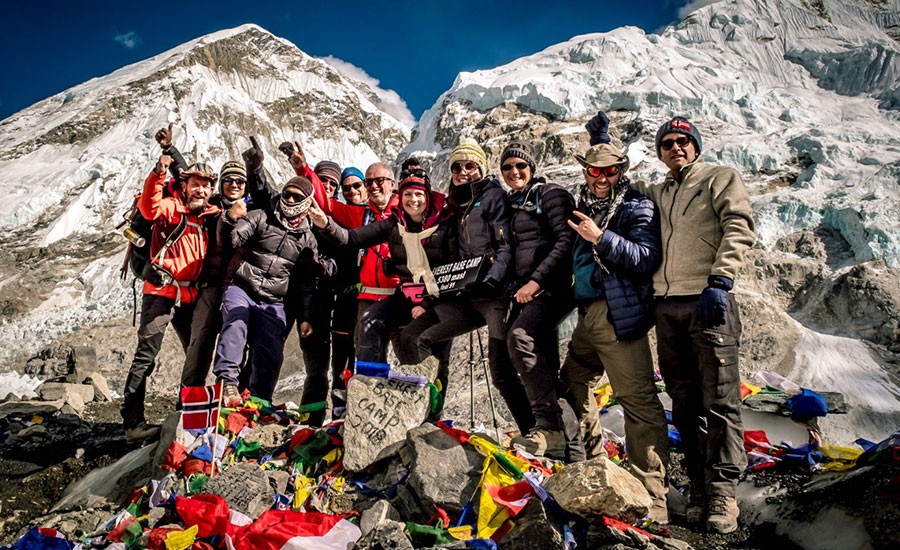
The best time for the Everest Base Camp Trek is generally March to May and October to November.
Spring offers comfortable walking temperatures at lower elevations and the atmosphere of the Everest climbing season.
Autumn is particularly attractive for clear mountain views.
During both seasons, trekkers should allow sufficient time for acclimatization and possible domestic flight delays.
Best Time for Annapurna Base Camp Trek
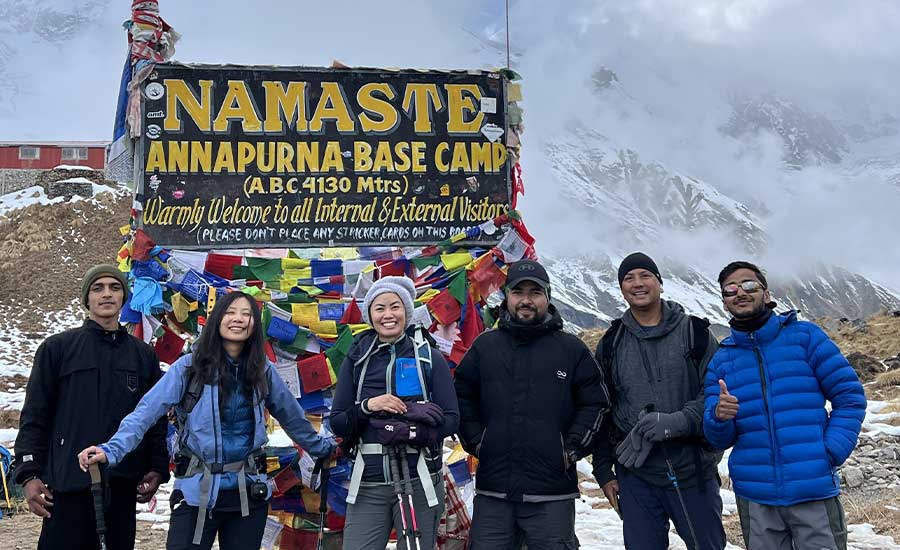
The best months for Annapurna Base Camp are generally March to May and October to November.
Spring is especially beautiful because of the rhododendron forests, while autumn provides excellent opportunities to enjoy the surrounding Annapurna peaks.
Snow and avalanche conditions must always be assessed on the upper sections of the route.
Best Time for Manaslu Circuit Trek
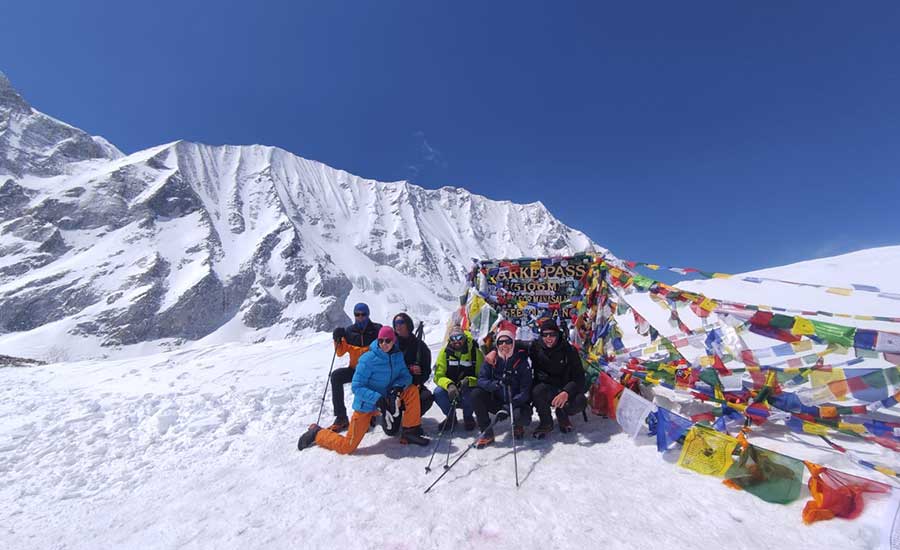
March to May and October to November are generally the best periods for the Manaslu Circuit.
The trek crosses Larkya La Pass at approximately 5,106 meters, making weather conditions and acclimatization particularly important.
Best Time for Upper Mustang Trek
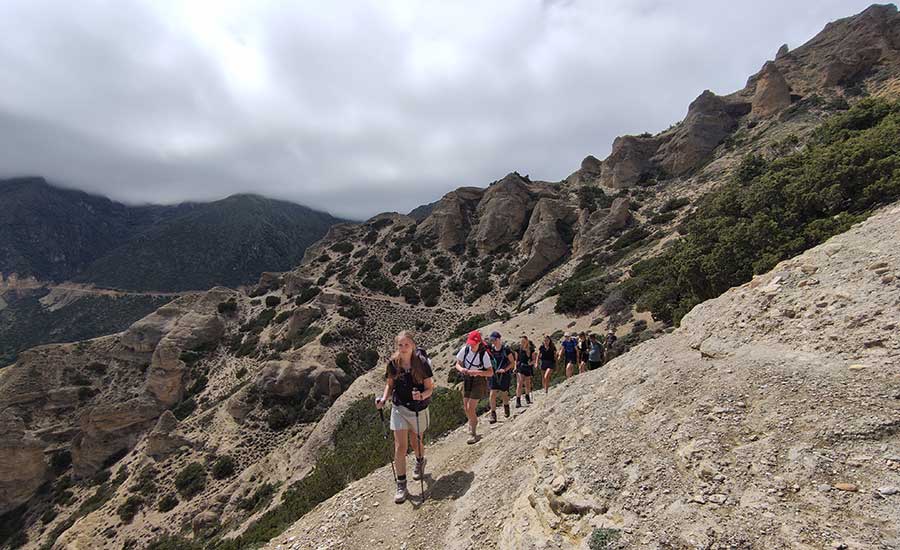
Upper Mustang is one of Nepal's most suitable destinations for summer trekking.
Its location in the Himalayan rain shadow makes it comparatively dry during June, July and August.
The region is particularly attractive for its ancient monasteries, Tibetan-influenced culture and dramatic desert landscapes.
11. Best Trekking Season by Experience and Travel Style
The best trekking season also depends on the type of Himalayan experience you are looking for.
Best Season for Beginners and Families
Spring and autumn are generally the most comfortable periods for first-time trekkers.
Shorter routes such as Ghorepani Poon Hill, Dhampus and the Annapurna foothills provide excellent introductions to Nepal's mountain scenery.
Best Season for High-Altitude Adventures
April, October and November are popular months for challenging routes such as Everest Base Camp, Annapurna Circuit and Manaslu Circuit.
However, favorable weather does not eliminate altitude-related risks. Proper acclimatization remains essential.
Best Season for Himalayan Photography
October and November often provide excellent mountain visibility, while March and April offer colorful forests and spring landscapes.
Winter can also produce beautiful clear mountain views, particularly from lower-altitude viewpoints.
Best Season for Fewer Crowds
Winter and the summer monsoon generally bring fewer visitors to many trekking regions.
For travelers seeking quieter experiences during spring and autumn, less-frequented routes may offer greater solitude than the most popular Everest and Annapurna trails.
12. Trekking Weather, Temperatures and Altitude in Nepal
One of the most important things to understand about trekking in Nepal is that temperature changes significantly with elevation.
A warm afternoon in Kathmandu or Pokhara does not reflect the conditions trekkers will experience at Everest Base Camp, Annapurna Base Camp or a high mountain pass.
At elevations above 4,000 meters, nighttime temperatures can fall below freezing even during the main trekking seasons.
Snowfall, strong winds and sudden weather changes can also occur throughout the year.
Why Acclimatization Is Important
Altitude sickness can affect anyone, regardless of age or fitness level.
Trekkers traveling above 2,500 meters should follow a sensible ascent schedule, allowing sufficient time for their bodies to adapt.
Longer routes such as Everest Base Camp, Manaslu Circuit and Annapurna Circuit should include appropriate acclimatization days.
Himalayan Dream Team designs trekking itineraries with gradual altitude gain, suitable rest days and experienced local guides.
13. Practical Tips for Planning a Nepal Trek
Choosing the right season is only one part of preparing for a successful trekking holiday.
The following practical considerations are equally important.
Book Popular Treks in Advance
During April, October and November, popular trekking routes can become busy.
Booking accommodation, domestic flights and guiding arrangements in advance helps ensure smoother travel planning.
Allow Extra Days for Domestic Flights
Flights to Lukla are weather-dependent and may experience delays or cancellations.
During busy trekking seasons, flights may operate from Ramechhap rather than Kathmandu, depending on airline arrangements.
We recommend keeping contingency days in your itinerary, particularly when international flight connections are involved.
Pack According to the Season
Layered clothing is essential for Himalayan trekking.
Spring and autumn trekkers should carry warm jackets, thermal clothing, rain protection and suitable trekking boots.
Winter trekking requires additional insulation, while monsoon trekking demands reliable waterproof equipment.
Choose the Right Trekking Route
Not every trekking route is suitable throughout the year.
High mountain passes require careful assessment of snow and weather conditions, while lower-altitude routes provide greater flexibility.
Travelers visiting during monsoon should consider rain-shadow destinations rather than automatically choosing the most popular trekking routes.
Trek with Experienced Local Guides
A knowledgeable local guide can help with route planning, acclimatization, weather assessment and communication with mountain communities.
For restricted trekking areas, travelers must also follow the applicable permit and guide requirements.
At Himalayan Dream Team, we arrange trekking programs with experienced guides, local support teams and itineraries suited to seasonal conditions.
14. Frequently Asked Questions About Nepal Trekking Seasons
What is the best month for trekking in Nepal?
October is widely considered one of the best months for trekking in Nepal because of its generally favorable weather, clear mountain views and suitability for many major trekking routes. April and November are also excellent choices.
Is October or April better for trekking in Nepal?
Both months are excellent. October is particularly attractive for clear post-monsoon mountain views, while April offers blooming rhododendrons, pleasant daytime temperatures and beautiful spring landscapes.
What is the best time for Everest Base Camp Trek?
March to May and October to November are generally the best periods for Everest Base Camp. These months offer favorable trekking conditions, although cold weather, snowfall and flight disruptions remain possible.
Which month is best for Annapurna Base Camp Trek?
April, October and November are among the most popular months for Annapurna Base Camp. Spring is especially attractive for rhododendron forests, while autumn often provides clear mountain views.
Can I trek in Nepal during the monsoon?
Yes. Upper Mustang and Upper Dolpo are among the best destinations for monsoon trekking because they lie in the Himalayan rain shadow. However, access routes and mountain passes still require careful weather assessment.
Is trekking possible in Nepal during December and January?
Yes. Lower-altitude routes such as Ghorepani Poon Hill, Helambu and shorter Annapurna foothill treks can be suitable during winter. High-altitude routes require additional preparation because of freezing temperatures and snowfall.
Which trekking routes are best during summer?
Upper Mustang and Upper Dolpo are excellent summer trekking destinations. Selected Nar Phu Valley itineraries may also be possible, depending on trail, weather and high-pass conditions.
When is the best time to see rhododendrons in Nepal?
March and April are generally the best months to see rhododendrons blooming along many trekking routes. The flowering period varies depending on altitude, location and seasonal temperatures.
What is the best trekking season for beginners?
Spring and autumn are generally the best seasons for beginners because of their relatively comfortable weather and wide selection of shorter trekking routes.
Which trekking season has fewer crowds?
Winter and monsoon usually attract fewer trekkers than spring and autumn. Travelers seeking quiet trails during the main trekking seasons can also choose less-frequented destinations.
When is the best time for the Manaslu Circuit Trek?
March to May and October to November are generally the best periods for the Manaslu Circuit. Conditions at Larkya La Pass should always be assessed before crossing.
What should I pack for trekking in Nepal?
Essential items include comfortable trekking boots, layered clothing, a warm jacket, rain protection, sun protection, gloves and suitable trekking equipment. The exact packing list depends on the season, altitude and trekking route.
15. Plan Your Nepal Trek with Himalayan Dream Team
Nepal offers incredible trekking experiences throughout the year, and every season reveals a different side of the Himalayas.
Spring brings colorful rhododendron forests, pleasant temperatures and beautiful mountain scenery. Autumn offers clear Himalayan panoramas and excellent conditions for many classic trekking routes. Summer opens opportunities to explore the remote rain-shadow landscapes of Upper Mustang and Upper Dolpo, while winter provides peaceful lower-altitude treks and beautiful snow-covered mountain views.
The best time to trek in Nepal ultimately depends on your chosen route, available travel dates, trekking experience and personal interests.
At Himalayan Dream Team Treks & Tours, our experienced local team helps you choose the right season and trekking itinerary, with careful attention to acclimatization, weather conditions, accommodation and practical travel arrangements.
Whether you dream of reaching Everest Base Camp, exploring the Annapurna Sanctuary, crossing the Manaslu Circuit or discovering the remote landscapes of Upper Mustang, we are here to help you plan a memorable Himalayan journey.
Explore our Nepal trekking packages or contact Himalayan Dream Team to plan your next adventure in the Himalayas.