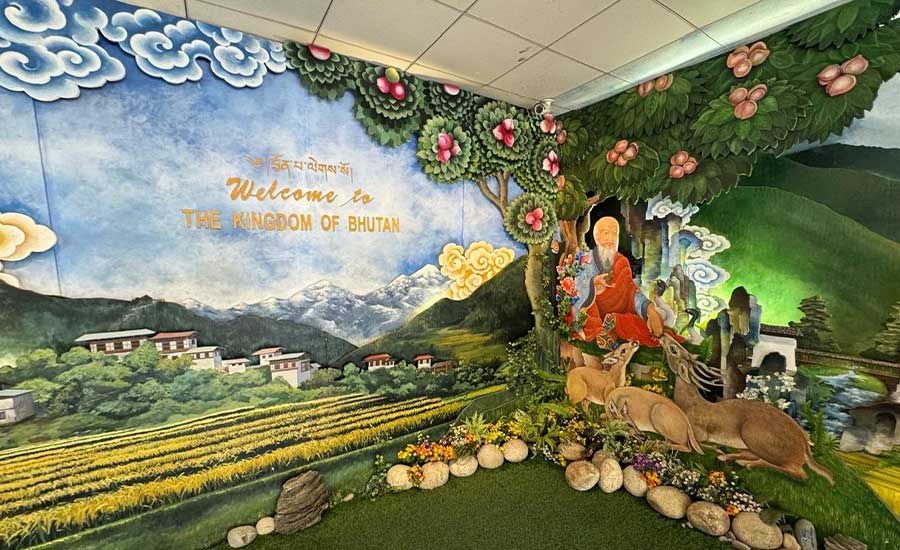
Bhutan is unlike almost any other destination in Asia. Ancient monasteries sit above forested valleys, traditional architecture remains part of everyday life, Buddhist customs influence the rhythm of the country, and journeys between towns often cross spectacular mountain passes.
But travelling to Bhutan also requires a little more preparation than an ordinary holiday. Visitors need to understand the Bhutan visa, Sustainable Development Fee (SDF), guides, flights, transportation, weather, altitude, cultural etiquette and practical travel arrangements before departure.
If you are planning your first trip, these are the most important things to know before traveling to Bhutan. This guide covers everything from entry requirements and money to Tiger's Nest, clothing, internet, food, festivals, trekking and how many days you should spend in the country.
For a broader introduction to the destination, you can also read our Bhutan Tour Guide or explore our complete collection of Bhutan Tours.
Bhutan Travel Essentials at a Glance
| Travel Information | What to Know |
|---|---|
| Capital | Thimphu |
| Main International Gateway | Paro |
| Language | Dzongkha is the national language; English is widely used in tourism |
| Currency | Bhutanese Ngultrum (BTN) |
| Visa | Required in advance for most international visitors |
| Sustainable Development Fee | Currently USD 100 per adult per night for most international visitors; concessions apply to children |
| Visa Application Fee | Currently USD 40 for most international tourists |
| Best General Seasons | Spring and autumn, depending on your interests |
| Popular Route | Paro – Thimphu – Punakha – Paro |
| Famous Highlight | Tiger's Nest Monastery (Paro Taktsang) |
| Driving | Mountain roads; distances can take longer than expected |
| Self-Drive | Not available for visitors |
| Trekking | Treks must be undertaken with an accredited operator or guide |
| Monuments & Dzongs | A guide is required for entry |
| Travel Style | Best experienced slowly rather than with an overpacked itinerary |
1. Most Travellers Need a Visa Before Traveling to Bhutan
One of the first things to understand is that most international visitors require a visa before travelling to Bhutan.
According to Bhutan's current official tourism information, visitors generally need to arrange their visa before arrival. Different arrangements apply to nationals of India, Bangladesh and the Maldives.
A Bhutan tour operator or hotel can assist with the application, or eligible travellers can apply through the official online system.
For a tourist visa application, you should be prepared to provide information such as:
- A digital copy of your passport
- A recent passport photograph
- Your planned arrival and departure dates
- Payment details
- Other information requested during the application process
Your passport should have at least six months' validity from your intended date of departure from Bhutan.
Bhutan's Department of Immigration also lists valid travel insurance among the requirements for tourist e-visa/e-permit applications.
For more detailed information, read our Bhutan Visa Guide.
2. Bhutan Has a Sustainable Development Fee
Another important part of planning a Bhutan holiday is the Sustainable Development Fee, commonly known as the SDF.
At the time of writing, Bhutan's official tourism website states that the SDF for most international adult visitors is USD 100 per person per night. Concessionary rates apply to children.
The SDF is separate from the cost of hotels, meals, transportation, guiding, flights and other travel services.
| Expense | Included in SDF? |
|---|---|
| Sustainable Development Fee | It is the government fee itself |
| Hotel | No |
| Meals | No |
| Private vehicle | No |
| Driver | No |
| Guide | No |
| International flights | No |
| Monument entrance fees | No |
Tourism regulations and fees can change, so always confirm the current SDF when booking rather than relying on information from an older travel article.
3. There Is Also a Bhutan Visa Application Fee
For most international tourists who require a visa, Bhutan currently charges a non-refundable visa application fee of USD 40.
This is separate from the Sustainable Development Fee and from the cost of your travel arrangements.
Because visa and tourism policies can change, we recommend confirming the current requirements at the time your trip is booked.
4. Do You Need a Guide in Bhutan?
This is one of the most frequently misunderstood Bhutan travel questions.
Independent travel arrangements are more flexible than they were under Bhutan's former tourism system, but that does not mean a guide is unnecessary everywhere.
According to Bhutan's official tourism information, a guide is required to enter monuments and dzongs. In addition, all treks must be undertaken with an accredited tour operator or guide.
For most first-time visitors, travelling with an experienced local guide also makes the journey much easier. A good guide helps with cultural interpretation, road logistics, monastery visits, local customs and changes that may occur during the journey.
5. You Cannot Rent a Self-Drive Car in Bhutan
Bhutan is not a destination where international travellers normally arrive, rent a car and drive around independently.
Official tourism information states that self-drive vehicle hire is not available. The most convenient way to travel is with a vehicle and driver arranged through a tourism service provider, hotel or other authorised service.
On a private Bhutan tour, having a dedicated vehicle and driver is particularly comfortable because stops can be made for viewpoints, villages, photography and short walks along the route.
6. Mountain Roads Mean Travel Takes Time
Bhutan may look small on a map, but travelling between valleys often takes longer than first-time visitors expect.
The roads cross mountainous terrain, with bends, passes and elevation changes. Driving is therefore part of the Bhutan experience rather than simply transportation between attractions.
This is why we do not recommend trying to include Paro, Thimphu, Punakha, Phobjikha and Bumthang in an unrealistically short itinerary.
| Trip Length | What We Generally Recommend |
|---|---|
| 4–5 Days | Paro and Thimphu, with carefully selected highlights |
| 6–8 Days | Paro, Thimphu, Punakha and Tiger's Nest |
| 9–11 Days | Add Phobjikha / Gangtey at a comfortable pace |
| 12–14 Days | Possible to explore farther into central Bhutan, including Bumthang |
| Longer Trips | Ideal for trekking, festivals, remote regions or deeper cultural travel |
7. Bhutan Is Reached Mainly by Air or Road from India
Bhutan can be reached by air or through official land entry points from India.
International air connections serve Bhutan from selected regional and international gateways. Flight schedules can change according to season and airline operations, so your route should always be checked for your exact travel dates.
Official land entry points from India include Phuentsholing, Samtse, Gelephu and Samdrup Jongkhar.
For many Himalayan Dream Team travellers, Kathmandu is one of the most convenient gateways for combining Nepal and Bhutan.
See our Nepal to Bhutan Travel Guide for detailed planning information.
8. Bhutan Has Two National Airlines
Bhutan is served by Drukair (Royal Bhutan Airlines) and Bhutan Airlines.
Flight routes and frequencies can change, so they should be checked for your particular travel period rather than assumed from an old timetable.
Paro's mountain setting makes the flight itself one of the most memorable parts of a Bhutan journey. On a clear day, Himalayan views can be spectacular.
Weather can occasionally affect flight operations, so we recommend avoiding unnecessarily tight international connections immediately after a Bhutan flight.
9. Paro Is the Main Gateway, but Bhutan's Air Network Is Growing
Paro remains Bhutan's principal international gateway and the arrival point used by most leisure travellers.
Bhutan also has domestic air connections serving areas such as Bumthang and Yonphula, while aviation infrastructure and routes continue to develop.
Domestic flights can reduce long driving times on selected itineraries, but mountain weather can affect schedules. They should therefore be used thoughtfully rather than building an itinerary with no flexibility.
10. Spring and Autumn Are the Most Popular Seasons
Bhutan can be visited throughout the year, but spring and autumn are the most popular periods for many travellers.
Spring offers flowering landscapes, cultural festivals and good walking conditions. Autumn follows the rainy season and is known for bright days, clearer mountain views, trekking and important festivals.
| Season | What to Expect | Best For |
|---|---|---|
| Spring | Pleasant weather and flowering landscapes | Culture, festivals, nature and trekking |
| Summer / Monsoon | Green landscapes with more rainfall | Fewer visitors, lush scenery and slower cultural travel |
| Autumn | Clearer, bright conditions after the rains | Trekking, festivals, mountain views and photography |
| Winter | Cold mornings, clear days and quieter valleys | Culture, photography and peaceful travel |
Read our complete Best Time to Visit Bhutan before choosing your dates.
11. October Is an Excellent All-Round Month
For travellers who want to combine weather, trekking, mountain scenery and festivals, October is one of the strongest months to consider.
Autumn conditions are generally well established, while important festivals often occur during this period. Exact festival dates change annually because they follow the traditional Bhutanese lunar calendar.
For detailed month-specific planning, see our Bhutan in October: Weather, Festivals, Trekking & Travel Guide.
12. Festival Dates Change Every Year
If attending a Bhutanese festival is important to you, never assume that last year's dates will apply to your journey.
Many traditional Bhutanese festivals follow the lunar calendar, so their Gregorian dates change from year to year.
Major celebrations include Paro Tshechu, Thimphu Tshechu, Punakha Tshechu, Gangtey Tshechu and important regional festivals in Bumthang.
Always reconfirm festival dates before purchasing non-refundable flights specifically around an event.
Travellers interested in cultural celebrations can explore our Bhutan Festival Tours.
13. Bhutan's Currency Is the Ngultrum
The official currency is the Bhutanese Ngultrum (BTN).
The ngultrum is pegged at parity with the Indian rupee.
Currency can be exchanged at locations including banks, authorised exchange businesses, larger hotels and at the airport.
Even if you plan to use cards, carrying some local currency is sensible for small purchases, local shops, tips and places where electronic payment may not be convenient.
14. Cards Work, but You Should Still Carry Some Cash
Visa and Mastercard are accepted by ATMs and banks, and international cards are commonly used in Bhutan's urban areas.
However, card acceptance should not be assumed in every rural village or small shop.
For this reason, a combination of card + some cash is the most practical approach.
Before departure:
- Enable your card for international use.
- Inform your bank that you will be travelling.
- Check your ATM withdrawal limits.
- Carry a backup payment method.
- Keep some cash for rural areas and small purchases.
15. Wi-Fi Is Available, but a Local SIM Is Useful
Most tourist hotels provide Wi-Fi, particularly in major destinations such as Paro, Thimphu and Punakha.
For more convenient mobile access, travellers can purchase a visitor SIM card. Bhutan's official tourism information notes that SIM cards can be purchased at the visitor information centre at Paro airport and through telecom offices and authorised agents.
Connectivity may be less reliable in remote valleys and trekking areas, so do not expect uninterrupted internet everywhere.
16. Bring a Universal Power Adapter
Bhutan uses more than one type of electrical socket.
Official tourism information lists Type G, Type C and Type D sockets among those used in the country.
A universal travel adapter is therefore one of the easiest items to add to your Bhutan packing list.
17. Bhutan's Altitude Should Not Be Ignored
Even a cultural Bhutan holiday involves travelling at moderate Himalayan elevations.
Paro and Thimphu are already well above sea level, and road journeys can cross passes above 3,000 metres. Trekking routes go substantially higher.
Most travellers following a normal cultural itinerary adjust without major difficulty, but it is still wise to:
- Take the first days at a comfortable pace.
- Drink enough water.
- Avoid overexertion immediately after arrival.
- Tell your guide if you feel unwell.
- Allow proper acclimatization on high-altitude treks.
18. Tiger's Nest Is a Real Hike
Tiger's Nest Monastery, or Paro Taktsang, is Bhutan's most famous landmark and one of the highlights of almost every first journey.
But visitors should understand that reaching it involves a genuine mountain hike rather than stepping out of a vehicle beside the monastery.
The trail climbs steadily through forest to viewpoints overlooking the monastery, which appears dramatically attached to the cliff above Paro Valley.
Good walking shoes, water, sun protection and layered clothing are recommended.
We generally prefer to schedule Tiger's Nest near the end of a cultural itinerary. By then, travellers have had several days to become accustomed to Bhutan's elevation and walking conditions.
19. Do Not Overpack Your Bhutan Itinerary
One of the most common planning mistakes is trying to see too much Bhutan in too little time.
A holiday containing Paro, Thimphu, Punakha, Phobjikha and Bumthang may look manageable when reading a map, but the mountain roads make the actual journey much slower.
Bhutan is better experienced with time for:
- Walking through villages
- Stopping at mountain viewpoints
- Visiting monasteries without rushing
- Talking with your guide and local people
- Exploring markets
- Enjoying traditional meals
- Taking spontaneous photography stops
Fewer places experienced properly usually create a better Bhutan holiday than a long checklist completed from a vehicle.
20. Dress Respectfully at Religious Sites
There is no general tourist uniform in Bhutan, but respectful clothing is important when visiting religious and administrative sites.
Bhutan's official tourism guidance recommends clothing that covers the body from shoulders to knees when visiting places of religious significance.
For monasteries, temples and dzongs, we recommend:
- Long trousers or an appropriate long skirt
- Shirts or tops covering the shoulders
- Removing hats where required
- Following your guide's instructions
- Removing shoes when entering temples where requested
21. Religious Etiquette Matters
Bhutan remains deeply influenced by Vajrayana Buddhism, and sacred sites should be treated accordingly.
When visiting temples, monasteries and other religious places:
- Keep your voice low.
- Do not touch sacred paintings, statues or religious objects.
- Do not sit on a lama's throne.
- Remove your shoes where required.
- Remove hats and caps when appropriate.
- Do not disturb people who are praying.
- Follow your guide's instructions about movement inside sacred spaces.
22. Photography Is Not Allowed Everywhere
Bhutan is extremely photogenic, but visitors should not assume that photographs are permitted in every location.
Photography may be restricted inside temples, monasteries and sacred areas.
When photographing people, especially monks, elders or families, asking permission is respectful.
During festivals, avoid standing between worshippers and an altar or obstructing local people simply to get a photograph.
Your guide can tell you when photography is permitted.
23. Bhutanese Festivals Are Religious Events, Not Tourist Shows
Bhutan's colourful Tshechus are among the country's most photographed experiences, but they remain important religious and community gatherings.
Visitors should observe respectfully, avoid entering ceremonial spaces and never interrupt sacred dances for photographs.
If festivals are one of your main reasons for visiting, allow enough time to experience the surrounding region rather than travelling to a town only for a few hours of performances.
24. Bhutanese Food Can Be Spicy
Chillies are an important part of Bhutanese cuisine, and some traditional dishes can be considerably hotter than international visitors expect.
One of the country's best-known dishes is ema datshi, made with chillies and cheese.
Rice, vegetables, cheese, meat and seasonal ingredients are commonly used, although menus vary between hotels and regions.
If you prefer mild food, tell your guide or hotel. Tourist hotels are accustomed to preparing less spicy meals when requested.
25. Vegetarian Travellers Can Travel Comfortably
Vegetarian meals are generally available throughout the main tourism regions of Bhutan.
Rice, vegetables, potatoes, cheese, noodles, soups and other simple dishes make vegetarian travel relatively straightforward.
Travellers with vegan diets, allergies or strict dietary requirements should communicate them before the journey so hotels and trekking teams can prepare appropriately.
26. Drink Safe Water
We recommend drinking bottled, properly filtered or safely treated water rather than untreated tap or stream water.
Trekkers should follow the advice of their guide regarding safe drinking-water sources and treatment methods.
Carrying a reusable bottle is useful and can help reduce unnecessary single-use plastic.
27. Travel Insurance Is Important
Bhutan's Department of Immigration currently lists valid travel insurance among tourist e-visa/e-permit requirements.
Beyond the formal requirement, appropriate insurance is sensible because Bhutan is mountainous and some regions are remote.
If trekking, your insurance should be appropriate for your planned activity and maximum altitude and should cover emergency medical treatment and evacuation where applicable.
Always read the policy conditions rather than assuming that ordinary holiday insurance automatically covers high-altitude trekking.
28. Trekking in Bhutan Requires More Planning
Bhutan has excellent trekking routes, from relatively accessible cultural treks to demanding high-altitude journeys.
Official tourism guidance states that all treks must be undertaken with an accredited tour operator or guide.
Trekking arrangements can involve guides, camp staff, food, equipment, transport, route logistics and safety planning.
For high-altitude trekking, acclimatization and suitable insurance are particularly important.
Travellers looking for a classic mountain journey can explore our Jomolhari Trek.
For a gentler cultural walking experience, consider the Samtengang Trek or our Bumthang Cultural Trek.
29. Pack for Different Elevations, Not Just the Season
A common packing mistake is checking the weather for one Bhutanese city and assuming the whole country will feel the same.
Bhutan's elevation changes significantly between valleys and mountain passes.
Layering is therefore more useful than packing for one fixed temperature.
| Category | Useful Items |
|---|---|
| Day Clothing | Comfortable shirts and long trousers |
| Warm Layers | Fleece or lightweight insulated jacket |
| Outer Layer | Windproof / waterproof jacket |
| Footwear | Comfortable walking shoes; trekking boots where required |
| Sun Protection | Sunscreen, sunglasses and sun hat |
| Religious Visits | Modest clothing covering shoulders and knees |
| Electronics | Universal adapter, charger and power bank |
| Daypack | Water, camera, personal medicines and extra layer |
| Documents | Passport, visa documents, insurance and flight details |
30. Bhutan Is Excellent for Private Travel
Bhutan works particularly well as a private journey because the route can be adjusted around your interests and walking ability.
A private itinerary can allow more time for:
- Photography
- Short village walks
- Monasteries
- Festivals
- Local markets
- Food experiences
- Wellness
- Trekking
- Slower-paced travel
This is especially useful for couples, families, private groups and senior travellers who do not want to follow a rigid group schedule.
31. Bhutan Can Be Very Comfortable for Senior Travellers
Bhutan is not only for trekkers.
A well-designed cultural tour can be very comfortable for active senior travellers because most sightseeing is connected by private vehicle.
The main considerations are altitude, stairs at some monasteries and dzongs, uneven paths and the physical demands of Tiger's Nest.
The itinerary should be adapted to the individual traveller rather than assuming everyone must complete every hike.
32. Bhutan Can Work Well for Families
Families can enjoy Bhutan's wildlife, villages, monasteries, easy walks, archery, cultural experiences and mountain scenery.
The key is to avoid excessive driving and to select activities according to children's ages.
A slower Paro–Thimphu–Punakha itinerary is often more enjoyable for families than trying to travel deep into central Bhutan in a short holiday.
33. Tipping Is Appreciated but Should Feel Voluntary
Tipping guides, drivers and trekking staff is appreciated for good service, but it should remain a personal gesture rather than something that makes travellers uncomfortable.
The amount depends on trip length, group size and the level of service provided.
For trekking trips involving several staff members, it is helpful to ask in advance how tips are normally distributed.
34. Shopping Is Best When You Buy Local
Bhutan is known for traditional textiles, handicrafts, woven products, handmade paper, incense and other locally produced items.
Purchasing genuine local crafts helps support artisans and keeps traditional skills economically relevant.
Your guide can help distinguish locally made products from imported souvenirs.
35. Learn a Few Bhutanese Words
Dzongkha is Bhutan's national language, although English is widely used within tourism.
Even a few local words are appreciated.
- Kuzu zangpo la – Hello
- Kadrin chey la – Thank you
You do not need to speak Dzongkha to travel comfortably, but small efforts to use local greetings can create warm interactions.
36. Respect Bhutan's Environment
Bhutan places strong emphasis on protecting its natural environment.
Visitors should avoid littering, disturbing wildlife, picking plants unnecessarily or leaving waste on hiking trails.
In natural areas, follow the principle of leaving the landscape as you found it.
Travelling with a refillable bottle, reducing unnecessary plastic and purchasing locally produced goods are simple ways to travel more responsibly.
37. Do Not Wander Into Remote Wilderness Without Proper Guidance
Bhutan's official tourism guidance advises visitors not to venture into wild areas without an accredited guide.
Mountain terrain, weather, wildlife and limited communication can turn a seemingly simple walk into a more serious situation.
For organised trekking and remote hiking, always follow the planned route and your guide's advice.
38. Weather Can Change Your Plans
Even during Bhutan's best travel seasons, Himalayan weather cannot be guaranteed.
Cloud, rain, snow at higher elevations or changing visibility can affect:
- Mountain views
- Flights
- High passes
- Trekking
- Photography
- Road travel
A good Bhutan itinerary should therefore have sensible pacing rather than depending on every activity happening at an exact minute.
39. Luxury Travel in Bhutan Is Excellent
Bhutan has an impressive collection of luxury lodges and boutique hotels, particularly in Paro, Thimphu, Punakha, Gangtey and Bumthang.
High-end journeys can combine cultural touring with private experiences, wellness, spa treatments, excellent dining and spectacular lodge locations.
Travellers looking for this style of journey can explore our Bhutan in Top Hotels.
40. Nepal and Bhutan Are an Excellent Combination
For travellers flying a long distance to reach the Himalayas, combining Nepal and Bhutan can make excellent sense.
The two countries complement each other rather than feeling repetitive.
Nepal offers historic cities, UNESCO World Heritage Sites, extensive trekking regions, wildlife and dramatic mountain landscapes. Bhutan adds dzongs, monasteries, Buddhist traditions, carefully preserved valleys and a distinctive style of Himalayan travel.
See our Best of Nepal and Bhutan Tour for one way to experience both countries.
Active travellers can also explore our Nepal & Bhutan Tour with Annapurna Base Camp Trek.
41. Bhutan Can Also Be Combined with Nepal and Tibet
Travellers with more time can create a broader Himalayan journey combining three very different cultural regions.
Our Nepal, Tibet and Bhutan Tour combines Nepal's heritage, Tibet's high plateau and Bhutan's Buddhist valleys within one longer Himalayan journey.
Because visa procedures and travel regulations differ between all three destinations, this type of trip requires considerably more advance planning than a Bhutan-only holiday.
42. What Not to Do in Bhutan
Most Bhutanese people are welcoming and patient with international visitors. A little cultural awareness goes a long way.
| Avoid | Better Approach |
|---|---|
| Wearing revealing clothing at temples | Cover shoulders and knees |
| Photographing everything automatically | Check whether photography is permitted |
| Interrupting worshippers | Observe quietly and respectfully |
| Touching sacred objects | Follow your guide's instructions |
| Rushing through many valleys | Allow realistic travel time |
| Ignoring altitude | Walk slowly and acclimatize properly |
| Expecting city-style internet everywhere | Expect weaker connectivity in remote areas |
| Assuming festival dates never change | Reconfirm dates before booking |
| Relying only on cards | Carry some cash as backup |
| Treating festivals as performances for tourists | Remember they are religious and community events |
43. How Far in Advance Should You Book Bhutan?
How early you should book depends on your season and travel style.
Advance planning is particularly important if you are travelling:
- During spring or autumn
- During Paro or Thimphu Tshechu
- With fixed international flight dates
- In a larger private group
- Using specific luxury hotels
- On a specialised trek
- During a short holiday with little date flexibility
Booking earlier gives more choice of flights, hotels and guides and makes it easier to design the itinerary around your preferred experiences.
44. How Much Does a Trip to Bhutan Cost?
There is no single fixed price for a Bhutan holiday.
Your total cost depends on:
- Number of travel days
- Sustainable Development Fee
- Visa fee
- Hotel category
- Private or group travel
- Vehicle and driver
- Guide
- Meals
- Entrance fees
- Flights
- Festivals
- Trekking arrangements
- Special experiences
- Travel insurance
A carefully designed itinerary should clearly explain what is included rather than advertising a low headline price that leaves important expenses unclear.
45. First-Time Bhutan Travellers Should Prioritise Quality Over Quantity
For a first Bhutan journey, we generally recommend focusing on a few regions rather than attempting to see the entire country.
A classic journey through Paro, Thimphu and Punakha already provides a strong introduction to Bhutan's architecture, Buddhism, mountain scenery, villages and daily life.
With additional time, Phobjikha adds a quieter rural landscape, while Bumthang provides a deeper exploration of Bhutan's religious heritage.
Our Recommended First-Time Bhutan Route
| Day | Route | Experience |
|---|---|---|
| Day 1 | Arrive Paro – Thimphu | Arrival and introduction to Bhutan |
| Day 2 | Thimphu | Culture, monasteries and capital sightseeing |
| Day 3 | Thimphu – Dochula – Punakha | Mountain pass and Punakha Valley |
| Day 4 | Punakha | Dzong, villages and easy walking |
| Day 5 | Punakha – Paro | Scenic return and Paro exploration |
| Day 6 | Paro | Tiger's Nest Monastery hike |
| Day 7 | Paro | Departure |
Travellers with 9–10 days can add Phobjikha Valley without making the itinerary unnecessarily rushed.
Bhutan Pre-Departure Checklist
| Before You Leave Home | Check |
|---|---|
| Passport valid for required period | ✓ |
| Bhutan visa / permit arranged | ✓ |
| SDF confirmed | ✓ |
| Travel insurance valid for planned activities | ✓ |
| Flights confirmed | ✓ |
| Hotels confirmed | ✓ |
| Guide / tour arrangements confirmed | ✓ |
| Festival dates reconfirmed if applicable | ✓ |
| Bank cards enabled for international use | ✓ |
| Some backup cash arranged | ✓ |
| Universal power adapter packed | ✓ |
| Comfortable walking shoes packed | ✓ |
| Modest clothing for religious sites packed | ✓ |
| Personal medicines packed | ✓ |
Frequently Asked Questions Before Traveling to Bhutan
Do I need a visa to visit Bhutan?
Most international visitors require a visa before travelling to Bhutan. Different entry arrangements apply to travellers from India, Bangladesh and the Maldives. Always check the current requirements for your nationality.
How much is Bhutan's Sustainable Development Fee?
At the time of writing, Bhutan's official tourism website lists the SDF for most international adult visitors at USD 100 per person per night, with concessionary rates for children. Because tourism policies can change, confirm the current rate before booking.
How much is the Bhutan tourist visa fee?
The current official tourist visa application fee is USD 40 for travellers who require a visa.
How long should my passport be valid for Bhutan?
Bhutan's Department of Immigration states that the passport should have at least six months' validity from the intended date of departure from Bhutan.
Do I need travel insurance for Bhutan?
Bhutan's Department of Immigration currently lists valid travel insurance among the requirements for tourist e-visa/e-permit applications. Trekkers should ensure their policy is appropriate for their planned altitude and activities.
Can I travel around Bhutan without a guide?
Some aspects of travel can be arranged more independently than under Bhutan's former tourism system. However, a guide is required for entry to monuments and dzongs, and all treks must be undertaken with an accredited operator or guide.
Can tourists rent a car and drive in Bhutan?
No. Bhutan's official tourism information states that self-drive vehicle hire is not available. Most visitors travel with a vehicle and driver arranged through their tour operator, hotel or transport provider.
What is the best time to visit Bhutan?
Spring and autumn are the most popular seasons for many travellers. Spring is excellent for flowers, festivals and trekking, while autumn is particularly strong for clear mountain views, trekking and festivals.
How many days are enough for Bhutan?
Around 6–8 days is a good starting point for a first visit covering Paro, Thimphu, Punakha and Tiger's Nest. Around 9–11 days allows time to add Phobjikha, while longer trips are better for Bumthang, trekking or remote regions.
Is Bhutan expensive to visit?
Bhutan is not designed as a low-cost mass-tourism destination. Costs include the SDF, visa where applicable, hotels, meals, transport, guide, entrance fees and flights. The total varies substantially according to accommodation category, itinerary length and travel style.
What currency should I take to Bhutan?
Bhutan uses the ngultrum. Cards work in many urban establishments, but carrying some cash is recommended, particularly for small purchases and rural areas.
Can I use credit cards in Bhutan?
International cards including Visa and Mastercard can be used at many banks, ATMs, hotels and urban businesses, but acceptance is less reliable in remote locations. Carry a backup payment method.
Is there Wi-Fi in Bhutan?
Most tourist hotels provide Wi-Fi. A local visitor SIM is useful for more convenient mobile data, although coverage may be weaker in remote regions and trekking areas.
What power adapter do I need in Bhutan?
Bhutan uses several socket types, including Types C, D and G. A universal travel adapter is the easiest solution.
Is Bhutan safe for tourists?
Bhutan is generally a comfortable destination for organised tourism, but normal travel precautions still apply. Mountain weather, altitude, road travel and trekking require appropriate planning, and travellers should follow local guidance in remote areas.
Is Tiger's Nest difficult?
Tiger's Nest requires a sustained uphill hike and should not be treated as simple sightseeing. Most reasonably active travellers can attempt it at their own pace, but fitness, age, health and altitude should be considered individually.
What should I wear in Bhutan?
Comfortable layered clothing works well for normal touring. When entering religious sites, wear respectful clothing covering your shoulders and knees. High-altitude trekking requires substantially warmer and more specialised equipment.
Can I photograph inside Bhutanese temples?
Photography is restricted in many sacred interiors. Follow your guide's instructions and posted rules, and ask permission before taking close photographs of people.
Can vegetarians travel easily in Bhutan?
Yes. Vegetarian meals are widely available. Travellers with vegan diets, food allergies or more specialised requirements should inform their tour operator before arrival.
Can senior travellers visit Bhutan?
Yes. Bhutan can be excellent for active senior travellers when the itinerary is comfortably paced. The main considerations are altitude, steps, uneven terrain and optional hikes such as Tiger's Nest.
Is Bhutan suitable for children?
Yes. Families can enjoy cultural sightseeing, villages, nature and easier walks. Avoid unnecessarily long driving days and adjust the itinerary to the children's ages and interests.
Do I need to book Bhutan far in advance?
Early booking is recommended for spring and autumn, major festival periods, fixed-date trips and journeys requiring specific premium hotels or flights.
Can I combine Nepal and Bhutan?
Yes. Nepal and Bhutan are one of the best Himalayan travel combinations. Kathmandu provides convenient access to Bhutan, while the two destinations offer very different cultural and landscape experiences.
What is the biggest mistake first-time visitors make?
Trying to include too many destinations in too few days is one of the most common mistakes. Bhutan's mountain roads and cultural experiences reward slower travel.
Useful Bhutan Travel Guides
Continue planning your journey with these Himalayan Dream Team resources:
- Bhutan Tours – Explore our Bhutan journeys and itineraries.
- Bhutan Tour Guide – Complete introduction to travelling in Bhutan.
- Bhutan Visa Guide – Visa requirements and application information.
- Best Time to Visit Bhutan – Compare Bhutan's seasons.
- Bhutan in October – Weather, festivals and autumn travel.
- Bhutan Festival Tours – Plan your journey around Bhutan's cultural celebrations.
- Nepal to Bhutan Travel Guide – Flights, visas and practical planning between the two countries.
- Best of Nepal and Bhutan Tour – Combine two Himalayan destinations.
- Bhutan in Top Hotels – Luxury accommodation and private travel.
- Jomolhari Trek – Classic high-altitude trekking in Bhutan.
- Bumthang Cultural Trek – Walking and cultural exploration in central Bhutan.
Plan Your Bhutan Journey with Himalayan Dream Team
A successful Bhutan journey starts long before you arrive in Paro. Choosing the right season, allowing enough days, arranging the correct visa and travel documents, selecting suitable hotels and planning a realistic route can make a major difference to your experience.
At Himalayan Dream Team, we can design your Bhutan journey according to your travel dates, interests, fitness, preferred hotel category and number of days.
Your itinerary can focus on:
- Classic cultural highlights
- Private family travel
- Senior-friendly Bhutan tours
- Bhutan festivals
- Trekking and hiking
- Luxury hotels and wellness
- Photography
- Nepal and Bhutan combinations
- Nepal, Tibet and Bhutan journeys
Explore our Bhutan Tours or use our Best of Nepal and Bhutan Tour as a starting point for a tailor-made Himalayan journey.
Final Thoughts: What Should You Know Before Going to Bhutan?
Bhutan is not a difficult country to visit when the journey is properly planned, but it rewards travellers who understand how the destination works before they arrive.
Arrange your visa and SDF correctly, travel with appropriate insurance, choose a realistic itinerary, allow time for Bhutan's mountain roads, pack for changing elevations and respect the country's religious traditions.
Do not try to see everything in one journey. Spend enough time in each valley, walk through villages, listen to your guide, visit monasteries without rushing and leave room for unexpected stops along the way.
Most importantly, remember that Bhutan is much more than Tiger's Nest or a collection of famous attractions. Its appeal comes from the combination of landscape, Buddhism, architecture, community life and the slower rhythm of travelling through the Himalayan valleys.
With the right preparation, understanding these things to know before traveling to Bhutan will help you arrive with realistic expectations and enjoy a smoother, more meaningful journey through the Kingdom of Bhutan.