

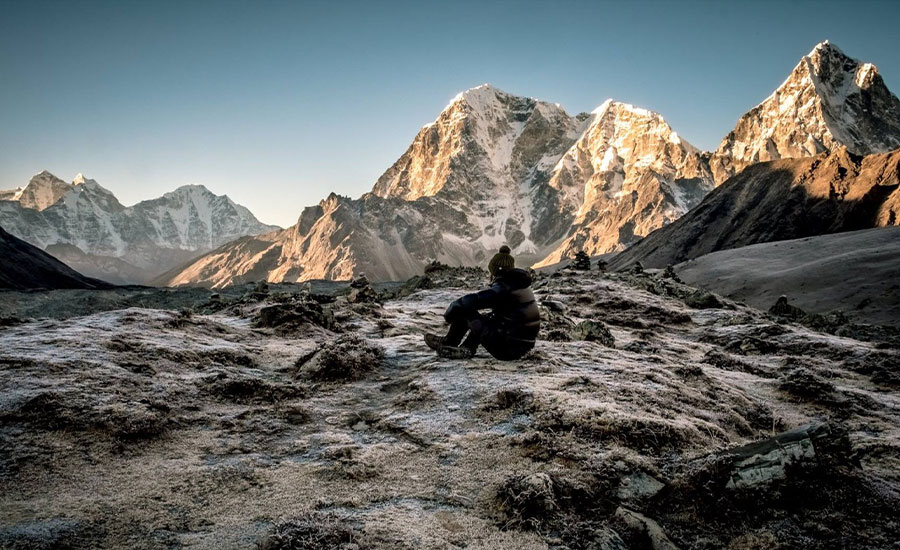
The Everest Base Camp Trek in December offers a completely different experience from trekking during the busy spring and autumn seasons. December marks the beginning of winter in Nepal's Everest region, bringing colder temperatures, shorter days, quieter trails and often excellent Himalayan visibility.
For properly prepared trekkers, December can be a beautiful time to walk through the Khumbu. The trail passes through traditional Sherpa villages, Buddhist monasteries and the spectacular mountain landscapes of Sagarmatha National Park before reaching Everest Base Camp at 5,364 m and Kala Patthar at 5,545 m.
However, an Everest Base Camp winter trek should not be underestimated. Temperatures fall well below freezing at higher elevations, snow and ice are possible, daylight hours are shorter and some mountain services operate at reduced capacity. Good winter equipment, proper acclimatization and flexibility are therefore especially important.
This complete guide by Himalayan Dream Team explains the Everest Base Camp December weather, temperatures, snowfall, trail conditions, difficulty, Lukla flights, accommodation, packing, acclimatization and winter trekking preparation to help you decide whether December is the right time for your Everest adventure.
If you are planning the complete journey, see our Everest Base Camp Trek – 16 Days, which includes acclimatization days in Namche Bazaar and Dingboche, Everest Base Camp, Kala Patthar and a contingency day for possible flight disruption.
Is December a Good Time for Everest Base Camp Trek?
Yes, Everest Base Camp can be trekked in December, but winter conditions make it more demanding than the main trekking seasons.
December is particularly attractive for trekkers who prefer fewer people on the trail, crisp mountain scenery and a quieter experience in the Everest region. Clear winter air can provide magnificent views of Mount Everest, Lhotse, Nuptse, Ama Dablam, Thamserku and Pumori.
The main challenge is the cold. Conditions become progressively colder as you climb from Lukla towards Namche Bazaar, Tengboche, Dingboche, Lobuche and Gorak Shep. Nights at higher elevations can be extremely cold, while wind can make exposed sections feel considerably colder.
| December Factor | What to Expect |
|---|---|
| Trail Crowds | Much quieter than October and November |
| Mountain Views | Often excellent when skies are clear |
| Daytime Conditions | Cold but often comfortable while walking in sunshine |
| Night Temperatures | Very cold, especially above 4,000 m |
| Snow | Possible, particularly at higher elevations |
| Ice | Possible on shaded and exposed trail sections |
| Daylight | Shorter than in spring and autumn |
| Accommodation | Available on the main route, but some lodges may operate reduced winter services |
| Difficulty | More demanding than the same trek in warmer seasons |
For a broader comparison of the trekking seasons, read our Best Time for Everest Base Camp Trek.
Everest Base Camp Weather in December
December is the beginning of meteorological winter in Nepal. The Everest region generally experiences colder and drier conditions than during the summer monsoon, but mountain weather is never completely predictable.
Lower sections around Lukla and Phakding can have pleasant sunshine during the day, while temperatures become increasingly severe above Namche Bazaar. At Dingboche, Lobuche and Gorak Shep, freezing conditions are normal during mornings, evenings and nights.
Strong sunshine at altitude can also create a large difference between temperatures in direct sun and shade. A sunny afternoon may feel comfortable while walking, but conditions can change quickly when the sun disappears behind the mountains.
December Conditions by Elevation
| Location | Elevation | Typical December Experience |
|---|---|---|
| Lukla | Approx. 2,860 m | Cold mornings and evenings with comparatively milder daytime conditions |
| Phakding | 2,610 m | Cool winter trekking conditions; shaded areas can remain cold |
| Namche Bazaar | 3,440 m | Cold mornings and nights with sunny periods possible during the day |
| Tengboche | Approx. 3,860 m | Cold and exposed, with possible wind and frost |
| Dingboche | 4,410 m | Very cold nights; snow and icy sections are possible |
| Lobuche | 4,910 m | Severe nighttime cold and increasingly wintry terrain |
| Gorak Shep | 5,164 m | One of the coldest overnight stops on the trek |
| Everest Base Camp | 5,364 m | Cold, exposed and potentially windy with snow or ice possible |
| Kala Patthar | 5,545 m | Extremely cold, particularly during early-morning or late-afternoon hikes |
Exact temperatures cannot be guaranteed because conditions vary from year to year and can change quickly in the Himalayas. Wind chill can also make the temperature feel considerably colder than the measured air temperature.
How Cold Is Everest Base Camp in December?
The most important thing to understand about an Everest Base Camp trek in December is that the cold increases dramatically with altitude.
At lower elevations, sunny daytime walking can sometimes feel surprisingly comfortable. Once you climb above approximately 4,000 metres, however, freezing temperatures become a normal part of the journey. At Lobuche and Gorak Shep, nighttime temperatures can fall well below freezing.
The coldest periods are usually:
- Before sunrise
- Early mornings
- After sunset
- Overnight at high-altitude lodges
- During windy conditions
- On the early hike towards Kala Patthar
A high-quality down jacket, thermal base layers, insulated gloves, warm socks and a suitable winter sleeping bag are therefore essential rather than optional.
Does It Snow at Everest Base Camp in December?
Snow is possible in December, particularly at higher elevations, but the entire Everest Base Camp trail is not automatically covered in deep snow throughout the month.
Conditions depend on recent weather systems. Some December treks may experience largely dry trails with patches of snow and ice, while a winter storm can produce fresh snowfall across the upper Khumbu.
Snow is more likely to affect areas around:
- Dingboche
- Thukla
- Lobuche
- Gorak Shep
- Everest Base Camp
- Kala Patthar
Even without significant fresh snowfall, frozen water and compacted snow can create slippery sections. Trekking poles are particularly useful in winter, and lightweight traction devices may be useful when conditions become icy.
Early December vs Late December
Not every part of December feels the same. For many trekkers, early December can provide a useful balance between late-autumn conditions and quieter winter trails, while late December generally feels more firmly like winter.
| Period | General Conditions | Best For |
|---|---|---|
| Early December | Cold but often closer to late-autumn trekking conditions | Trekkers wanting fewer crowds without choosing the deepest winter period |
| Mid-December | Increasingly cold, especially at night and above 4,000 m | Well-prepared winter trekkers |
| Late December | Very cold high-altitude conditions with shorter days | Experienced trekkers comfortable with genuine winter conditions |
Why Trek to Everest Base Camp in December?
1. Fewer Trekkers
December is considerably quieter than October and November. The reduced number of trekkers can make villages, trails and viewpoints feel more peaceful.
2. Excellent Himalayan Visibility
Winter can bring crisp, clear air and outstanding visibility. On suitable days, views of Everest, Lhotse, Nuptse, Ama Dablam and surrounding peaks can be exceptional.
3. Quieter Teahouses
During the busiest trekking months, popular lodges can fill quickly. December generally offers a quieter atmosphere, although some lodges may close or reduce services for winter.
4. Beautiful Winter Landscapes
Frost, frozen streams and occasional snow can completely change the appearance of the Khumbu, creating a very different experience from trekking during spring or autumn.
5. A More Peaceful Everest Experience
For trekkers who value solitude more than warm weather, December can be one of the most atmospheric times to experience the Everest region.
Challenges of Everest Base Camp Trekking in December
| Challenge | What It Means | Preparation |
|---|---|---|
| Extreme Cold | Very cold mornings, evenings and high-altitude nights | Winter sleeping bag, down jacket and proper layering |
| Snow & Ice | Sections of trail can become slippery | Trekking poles and suitable footwear |
| Shorter Daylight | Less time available for long walking days | Start early and maintain a realistic pace |
| Altitude | Cold weather does not reduce the risk of altitude sickness | Proper acclimatization and gradual ascent |
| Reduced Lodge Services | Some lodges may close or operate limited menus | Use a locally organized trek with confirmed accommodation |
| Flight Disruption | Lukla flights remain weather dependent | Keep contingency time in your itinerary |
Everest Base Camp Trek Difficulty in December
The classic Everest Base Camp Trek is already a challenging high-altitude journey. In December, the combination of cold temperatures, possible snow, ice, wind and shorter daylight hours makes the trek more demanding.
No technical climbing is required on the standard Everest Base Camp trail, but trekkers should be comfortable walking approximately 4–7 hours on many days over steep, rocky and uneven terrain.
The physical challenge also increases as oxygen levels decrease. By the time you reach Gorak Shep, even relatively short climbs can feel demanding.
December is therefore most suitable for trekkers who:
- Have good general fitness
- Are comfortable walking for several consecutive days
- Can cope with cold conditions
- Have suitable winter trekking equipment
- Understand the importance of acclimatization
- Are willing to adjust plans if mountain conditions change
For training advice, see our Everest Base Camp Trek Preparation Guide.
Altitude & Acclimatization in December
Winter does not reduce the risk of altitude sickness. The standard route climbs from Lukla at approximately 2,860 m to Everest Base Camp at 5,364 m, with the highest point on Himalayan Dream Team's itinerary at Kala Patthar, 5,545 m.
Proper acclimatization remains one of the most important parts of the journey.
Our classic itinerary includes dedicated acclimatization days in:
- Namche Bazaar – 3,440 m
- Dingboche – 4,410 m
During acclimatization days, short hikes to higher elevations followed by a return to a lower sleeping altitude help the body adjust gradually.
Common symptoms of Acute Mountain Sickness (AMS) can include headache, nausea, dizziness, fatigue, loss of appetite and difficulty sleeping. Symptoms should never be ignored.
Learn more in our Everest Base Camp Acclimatization Guide and Altitude Sickness Guide.
December Trail Conditions from Lukla to Everest Base Camp
| Trail Section | December Conditions |
|---|---|
| Lukla – Phakding | Lower elevation and generally easier winter walking, although mornings can be cold. |
| Phakding – Namche Bazaar | Longer day with suspension bridges and a steep final climb to Namche. |
| Namche – Tengboche | Beautiful mountain views; shaded forest sections can remain cold or icy. |
| Tengboche – Dingboche | Increasingly exposed as the landscape becomes more alpine. |
| Dingboche – Lobuche | Very cold conditions with snow and ice increasingly possible. |
| Lobuche – Gorak Shep – EBC | Rocky moraine, cold temperatures and exposed high-altitude terrain. |
| Gorak Shep – Kala Patthar | Steep, very cold and physically demanding, particularly around sunrise. |
Lukla Flights in December
Most Everest Base Camp treks begin with a flight to Lukla. Flights are operated according to weather, visibility and operational conditions.
Winter can provide clear mornings, but Lukla flights can still be delayed or cancelled. Mountain aviation should never be treated as completely predictable in any season.
Depending on seasonal airline operations, flights may operate directly between Kathmandu and Lukla or may involve road transportation between Kathmandu and Ramechhap followed by a shorter flight to Lukla.
Himalayan Dream Team coordinates the appropriate flight and transfer arrangements according to the operating schedule during your trekking dates.
We recommend keeping at least one contingency day in Kathmandu after returning from the trek, especially before an international flight.
For more information, read our Kathmandu to Lukla Flight Guide.
Accommodation on the Everest Base Camp Trek in December
The standard Everest Base Camp route uses mountain lodges or teahouses rather than tents.
December is quieter than the main seasons, and accommodation is normally available along the classic route. However, some lodge owners may close for part of the winter or operate with fewer staff and reduced services.
Rooms are generally simple and are not normally heated. Dining rooms may have a stove operating during parts of the evening, but bedrooms become very cold overnight.
This makes a suitable sleeping bag particularly important in December, even when blankets are provided by the lodge.
Hot showers, Wi-Fi and battery charging may be available at many settlements for an additional fee, but services become more basic and expensive as altitude increases.
Food & Drinking Water in December
Teahouses along the Everest Base Camp route serve a variety of meals, although menu choices may become more limited at higher elevations and during winter.
Common options include:
- Dal bhat
- Rice and vegetable dishes
- Noodles
- Soups
- Potatoes
- Pasta
- Eggs
- Porridge
- Tibetan bread
- Tea, coffee and hot lemon
Eating enough is particularly important in cold weather because your body uses additional energy to stay warm.
Hydration is equally important. Cold temperatures can reduce the feeling of thirst, but dehydration can contribute to fatigue and make acclimatization more difficult.
Water bottles can freeze at high elevations. An insulated bottle or bottle cover is useful, and keeping water inside your sleeping bag overnight can help prevent freezing.
What to Pack for Everest Base Camp in December
December requires significantly warmer equipment than the main autumn trekking season. A proper layering system allows you to adjust your clothing as temperatures change throughout the day.
| Category | Recommended Winter Equipment |
|---|---|
| Base Layers | Warm moisture-wicking thermal tops and bottoms |
| Mid Layers | Fleece jacket or insulated mid-layer |
| Insulation | High-quality warm down jacket |
| Outer Layer | Windproof and waterproof shell jacket and trousers |
| Legwear | Trekking trousers plus thermal leggings or insulated layer |
| Hands | Inner gloves plus insulated winter gloves or mittens |
| Head | Warm hat, sun hat and buff/balaclava |
| Footwear | Broken-in waterproof trekking boots with good grip |
| Socks | Warm trekking socks plus spare pairs |
| Sleeping | Winter sleeping bag suitable for very cold high-altitude nights |
| Sun Protection | UV sunglasses, sunscreen and lip balm |
| Walking | Trekking poles; traction aids may be useful when icy |
| Electronics | Headlamp, spare batteries and power bank |
| Hydration | Reusable insulated water bottle or bottle cover |
For the complete equipment list, see our Everest Base Camp Clothing & Gear Guide.
Sleeping Bag for Everest Base Camp in December
A suitable winter sleeping bag is one of the most important pieces of equipment for a December trek.
Teahouse bedrooms are generally unheated, and indoor temperatures at Lobuche and Gorak Shep can fall below freezing overnight. A quality sleeping bag designed for cold winter conditions is therefore strongly recommended.
Himalayan Dream Team provides a sleeping bag for use during the trek when specified in the package, but trekkers who prefer to bring their own should ensure that it is genuinely suitable for winter Himalayan conditions.
What Should You Wear While Trekking in December?
The best approach is to dress in layers rather than wearing one extremely heavy layer all day.
While climbing uphill in sunshine, you may feel warm even in December. Wearing too much can cause excessive sweating, which can make you colder when you stop.
A practical system is:
- Moisture-wicking thermal base layer
- Light fleece or insulating mid-layer
- Down jacket when cold or resting
- Windproof/waterproof shell when required
Always keep gloves, a warm hat and your insulating jacket accessible in your daypack.
Do You Need Microspikes in December?
Microspikes are not automatically required throughout the entire Everest Base Camp route in December. Conditions depend on recent snowfall, temperature and ice formation.
However, lightweight traction can be useful if sections of the trail become icy, particularly at higher elevations or on shaded slopes.
Your guide can assess current conditions and advise whether additional traction is necessary.
Everest Base Camp Permits
The classic Everest Base Camp route requires the relevant permits and local entry arrangements for the Khumbu region.
For Himalayan Dream Team's organized Everest Base Camp Trek, the required trekking permits specified in the package are arranged as part of the trekking service, allowing you to concentrate on preparing for the journey rather than handling the permit process yourself.
Training for an Everest Base Camp Winter Trek
Good physical preparation becomes even more important in winter because your body is dealing with both altitude and cold.
Ideally, begin preparing several weeks before your trek with a combination of:
- Regular hill walking
- Long weekend hikes
- Stair climbing
- Cardiovascular training
- Leg-strength exercises
- Core training
- Walking with a daypack
The goal is not speed. Everest Base Camp trekking requires the ability to walk steadily for several hours on consecutive days while recovering sufficiently each evening.
See our detailed Everest Base Camp Preparation Guide for training, fitness and altitude advice.
Everest Base Camp in December vs October and November
| Factor | October–November | December |
|---|---|---|
| Temperature | Cold but generally more comfortable | Considerably colder |
| Trail Crowds | Busy, especially October | Much quieter |
| Accommodation | Most lodges operating | Some may reduce services or close |
| Snow Risk | Possible later in the season | Higher winter possibility |
| Daylight | Longer | Shorter |
| Mountain Visibility | Excellent | Often excellent when weather is clear |
| Overall Difficulty | Challenging | More demanding because of winter conditions |
Can Beginners Trek to Everest Base Camp in December?
A physically fit first-time Himalayan trekker can potentially complete Everest Base Camp in December, but winter is not the easiest season for a first high-altitude trekking experience.
A beginner considering December should be:
- Well trained before arriving in Nepal
- Comfortable with cold weather
- Properly equipped
- Prepared for basic mountain accommodation
- Willing to trek slowly and acclimatize properly
- Flexible if weather affects the itinerary
For first-time trekkers who prioritize warmer temperatures and easier logistics, spring or autumn may be more comfortable.
Is Everest Base Camp in December Safe?
Everest Base Camp can be trekked safely in December when conditions are suitable and the journey is properly planned, but winter introduces additional factors that must be taken seriously.
The main considerations include:
- Altitude sickness
- Extreme cold
- Snow and ice
- Changing mountain weather
- Short daylight hours
- Lukla flight disruption
- Reduced winter lodge services
An experienced local guide is especially valuable in winter because trail and weather conditions can change quickly.
Travel Insurance for a December Everest Base Camp Trek
Travel insurance should cover high-altitude trekking to the maximum elevation of your itinerary and emergency evacuation, including helicopter evacuation where applicable.
Trekkers should carefully check altitude limits and exclusions in their policy before travelling. Standard travel insurance policies do not always automatically cover trekking above 5,000 metres.
Christmas at Everest Base Camp
For adventurous travellers, December also creates the possibility of spending the Christmas period in the Everest region.
The atmosphere is very different from a traditional Christmas holiday. Instead of busy cities and large celebrations, you may find yourself surrounded by Sherpa villages, Buddhist prayer flags and some of the world's highest mountains.
If you want to reach Everest Base Camp around Christmas, the itinerary should be planned carefully around your international travel dates, acclimatization schedule and contingency time for Lukla flights.
For other winter travel ideas, see our complete Nepal in December Travel Guide.
Everest Base Camp Trek with Helicopter Return in December
Travellers with limited time may consider the Everest Base Camp Trek with Helicopter Return.
This itinerary follows the classic trekking route through Namche Bazaar, Tengboche, Dingboche and Lobuche to Everest Base Camp and Kala Patthar, but avoids several days of retracing the trail by returning from Gorak Shep by shared helicopter.
However, helicopter flights in December remain dependent on weather, visibility, wind, aircraft performance and operational conditions. A helicopter return should therefore never be considered guaranteed regardless of weather.
Who Should Choose Everest Base Camp in December?
A December EBC trek can be a very good choice if you:
- Prefer quieter trekking trails
- Enjoy winter landscapes
- Are comfortable in very cold conditions
- Want excellent opportunities for Himalayan photography
- Have suitable winter trekking gear
- Can maintain flexibility in your travel schedule
- Prefer solitude over the social atmosphere of peak season
Who Should Consider Another Season?
Spring or autumn may be a better choice if you:
- Dislike very cold weather
- Want the widest choice of open lodges and services
- Are nervous about snow or icy trails
- Prefer longer daylight hours
- Want a more social trekking atmosphere
- Are attempting your first high-altitude trek and prefer more comfortable conditions
Why Trek Everest Base Camp in December with Himalayan Dream Team?
Winter trekking requires careful planning and reliable local support. Himalayan Dream Team is a Nepal-based trekking company in Kathmandu with experienced guides and direct support in the Everest region.
For our Everest Base Camp Trek, we focus on:
- Experienced government-licensed trekking guides
- Dedicated acclimatization days in Namche Bazaar and Dingboche
- Winter trail and weather assessment
- Lukla flight coordination
- Mountain lodge arrangements
- Guide and porter support
- Required trekking permits
- Realistic walking schedules
- Contingency planning for mountain weather
- Support from our Kathmandu-based team
One porter is normally shared between two trekkers, with approximately 10 kg of trekking luggage allocated per trekker under our standard Everest Base Camp arrangement.
Useful Everest Base Camp Guides
If you are preparing for an Everest trek, these Himalayan Dream Team resources provide additional information:
- Everest Base Camp Trek – 16 Days
- Best Time for Everest Base Camp Trek
- Everest Base Camp Trek Preparation Guide
- Everest Base Camp Acclimatization Guide
- Everest Base Camp Clothing & Gear Guide
- Kathmandu to Lukla Flight Guide
- Everest Base Camp Trekking Tips
- Nepal in December Travel Guide
Frequently Asked Questions – Everest Base Camp Trek in December
Can you trek to Everest Base Camp in December?
Yes. The Everest Base Camp Trek is possible in December when trail, weather and flight conditions are suitable. However, trekkers must be prepared for very cold temperatures, possible snow and ice, shorter daylight hours and reduced winter services at some lodges.
Is December too cold for Everest Base Camp?
December is very cold at higher elevations, particularly around Dingboche, Lobuche and Gorak Shep. With suitable winter clothing, a proper sleeping bag, gradual acclimatization and good preparation, experienced and well-prepared trekkers can complete the route.
Does Everest Base Camp have snow in December?
Snow is possible in December, especially above 4,000 metres, but continuous deep snow is not guaranteed throughout the month. Conditions depend on recent weather systems and can vary considerably from year to year.
Is Everest Base Camp crowded in December?
No. December is considerably quieter than October and November. This is one of the main reasons some trekkers deliberately choose winter.
Is early December better than late December for EBC?
For many trekkers, early December can provide a good balance of quieter trails and somewhat less severe winter conditions. Late December is generally colder and requires stronger winter preparation.
How high is Everest Base Camp?
Everest Base Camp is 5,364 m (17,598 ft) above sea level. Himalayan Dream Team's classic itinerary also includes Kala Patthar at 5,545 m (18,192 ft), which is the highest point of the trek.
Can you see Mount Everest from Everest Base Camp?
The summit of Mount Everest is not fully visible from Everest Base Camp because surrounding mountains obstruct the view. Kala Patthar provides a much better panoramic viewpoint for Everest, Lhotse, Nuptse and Pumori.
Are teahouses open in December?
Yes, accommodation normally remains available along the main Everest Base Camp route, but some lodges may close temporarily or operate with fewer staff and reduced services during winter.
Are Lukla flights available in December?
Flights to Lukla normally operate in December when weather, visibility and operational conditions permit. Delays and cancellations remain possible, so contingency time should be included in your travel schedule.
Do I need a guide for Everest Base Camp in December?
Winter conditions make the knowledge of an experienced local trekking guide particularly valuable. A guide can help assess trail conditions, monitor altitude-related symptoms, coordinate accommodation and respond when weather or flights affect the itinerary.
What sleeping bag do I need for Everest Base Camp in December?
You need a genuine winter sleeping bag suitable for very cold high-altitude conditions. Bedrooms in mountain lodges are generally unheated, and temperatures can fall well below freezing at higher overnight stops.
Do I need crampons for Everest Base Camp in December?
Technical crampons are not normally required for the standard Everest Base Camp trekking route. Depending on snow and ice conditions, lightweight traction devices or microspikes can sometimes be useful. Your guide can advise according to current trail conditions.
Is December suitable for first-time trekkers?
It can be possible for a fit and well-prepared first-time Himalayan trekker, but December is more demanding than the main spring and autumn seasons. Trekkers who are uncomfortable with severe cold may prefer March–May or September–November.
Is altitude sickness worse in December?
Cold weather does not remove or prevent altitude sickness. The same acclimatization principles apply throughout the year. A gradual ascent, rest days, adequate hydration and responding appropriately to symptoms remain essential.
What are the biggest advantages of trekking EBC in December?
The main advantages are quieter trails, fewer trekkers, peaceful mountain villages, crisp winter scenery and often excellent Himalayan visibility when weather conditions are clear.
What are the main disadvantages?
The main disadvantages are extreme cold at high altitude, possible snow and ice, shorter daylight hours, fewer open lodges and the need for more specialized winter equipment.
Should I trek Everest Base Camp in December?
Choose December if you are properly prepared, comfortable with winter conditions and value quieter trails and clear Himalayan scenery. If warmth, longer days and easier trail conditions are more important to you, spring or autumn may be a better choice.
Plan Your Everest Base Camp Trek in December
The Everest Base Camp Trek in December can be one of the most peaceful and dramatic ways to experience Nepal's Khumbu region. Quiet trails, clear winter skies, snow-dusted Himalayan landscapes and fewer trekkers create an atmosphere very different from the busy autumn season.
At the same time, December is a serious winter trekking month. Success depends on realistic expectations, proper winter equipment, careful acclimatization, experienced local support and flexibility when mountain weather changes.
Himalayan Dream Team's 16-Day Everest Base Camp Trek includes two important acclimatization days, guide and porter support, mountain lodge arrangements, trekking permits, Lukla flight coordination and a contingency day in Kathmandu.
If you are considering an Everest Base Camp trek in December, contact Himalayan Dream Team with your preferred travel dates, trekking experience and group size. Our Kathmandu-based team can help you decide whether December is suitable for you and prepare a winter itinerary according to current conditions.
```