
Planning a trip to Bhutan? This complete Bhutan travel guide covers everything you need to know before visiting the Kingdom of Bhutan, including the best places to visit, Bhutan tour costs, the Sustainable Development Fee (SDF), visa requirements, the best time to travel, festivals, trekking, accommodation, transportation and practical travel tips.
Bhutan is one of the most distinctive destinations in the Himalayas. Ancient Buddhist monasteries, impressive dzongs, forested mountains, traditional villages and carefully protected cultural traditions make travelling here very different from an ordinary holiday in Asia.
From hiking to the legendary Tiger's Nest Monastery (Paro Taktsang) and exploring the capital of Thimphu to crossing Dochula Pass, visiting Punakha Dzong and travelling through the peaceful Phobjikha Valley, Bhutan rewards travellers who prefer meaningful experiences over rushed sightseeing.
For travellers beginning their journey in Nepal, our detailed Nepal to Bhutan Travel Guide explains flights, visa arrangements, costs and practical travel information for combining the two Himalayan countries.
Bhutan Travel Guide at a Glance
| Travel Information | Details |
|---|---|
| Destination | Kingdom of Bhutan |
| Capital | Thimphu |
| Main International Airport | Paro International Airport |
| Currency | Bhutanese Ngultrum (BTN) |
| Language | Dzongkha; English is widely used in tourism |
| Sustainable Development Fee | USD 100 per adult per night for most international visitors; concessions apply to children |
| Visa Application Fee | USD 40 per person for visa-required travellers |
| Best Time | March–May and September–November; winter is also excellent for cultural travel |
| Popular Places | Paro, Thimphu, Punakha, Phobjikha/Gangtey and Bumthang |
| Famous Landmark | Paro Taktsang – Tiger's Nest Monastery |
| Popular Activities | Cultural tours, festivals, monastery visits, hiking, trekking and photography |
| Ideal Trip Length | Approximately 7–10 days for a first visit |
Why Visit Bhutan?
Bhutan offers something increasingly difficult to find in modern travel: a destination where culture, spirituality, landscapes and tourism policy remain closely connected.
The country follows a tourism model designed to balance visitor access with cultural preservation, environmental protection and sustainable development. International visitors contribute through the Sustainable Development Fee (SDF), which is separate from normal travel expenses such as hotels, guides, transportation, meals and flights.
For travellers, Bhutan offers an extraordinary combination of:
- Ancient Buddhist monasteries and temples
- Magnificent fortress-monasteries known as dzongs
- Himalayan mountain scenery
- Traditional villages and rural landscapes
- Colourful Buddhist festivals
- Forest walks and multi-day trekking routes
- Distinctive Bhutanese architecture
- Living Buddhist traditions
- Small towns and uncrowded valleys
- The famous Tiger's Nest Monastery
Bhutan works particularly well for travellers interested in culture, Buddhism, nature, photography, walking and slower-paced travel.
Best Places to Visit in Bhutan
A first Bhutan tour normally concentrates on western Bhutan, particularly Paro, Thimphu and Punakha. Travellers with more time can continue towards Gangtey and Phobjikha Valley or farther east into Bumthang.
1. Paro – Gateway to Bhutan and Tiger's Nest
Paro is where most international visitors first experience Bhutan. The beautiful Paro Valley contains traditional houses, agricultural fields, monasteries, temples and Bhutan's main international airport.
The undisputed highlight is Paro Taktsang, better known as Tiger's Nest Monastery.
The monastery appears to cling dramatically to a cliff high above the valley and is one of the most recognisable Buddhist sites in the Himalayas.
The hike to Tiger's Nest is an essential part of most Bhutan itineraries. The trail climbs steadily through forest before reaching viewpoints overlooking the monastery.
Other important places around Paro include:
- Rinpung Dzong
- National Museum of Bhutan
- Kyichu Lhakhang
- Drukgyel Dzong
- Traditional Paro town
2. Thimphu – Bhutan's Capital
Thimphu combines Bhutanese tradition with the country's changing modern life.
Unlike many Asian capitals, Thimphu remains relatively small and is surrounded by forested mountains.
Popular places to visit include:
- Buddha Dordenma
- Memorial Chorten
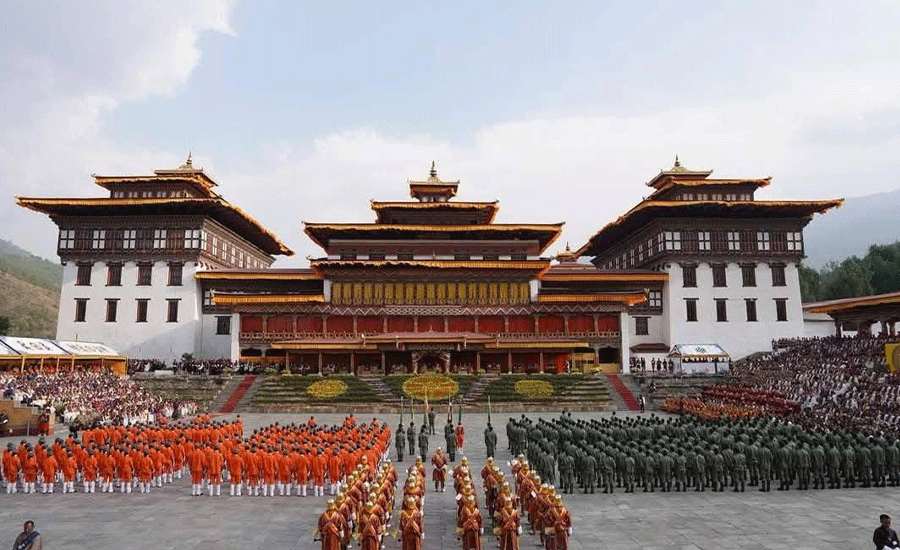
- Tashichho Dzong
- Traditional arts and crafts centres
- Textile and cultural museums
- Local markets
- Nearby monasteries and walking trails
Thimphu is an excellent place to understand how contemporary Bhutan balances development with its traditional identity.
3. Punakha – Dzongs, Rivers and a Warmer Valley
Once the capital of Bhutan, Punakha remains one of the country's most historically important destinations.
The magnificent Punakha Dzong stands at the confluence of the Pho Chhu and Mo Chhu rivers and is widely regarded as one of Bhutan's most beautiful examples of traditional architecture.
The journey from Thimphu normally crosses Dochula Pass, at approximately 3,100 metres. The pass is famous for its 108 memorial chortens and, in clear conditions, views towards Bhutan's Himalayan peaks.
Other Punakha highlights include:
- Chimi Lhakhang
- Punakha Suspension Bridge
- Rural village walks
- Terraced fields
- Riverside landscapes
4. Phobjikha Valley and Gangtey
Phobjikha Valley is one of Bhutan's most beautiful high-altitude valleys and a wonderful addition for travellers with more than five or six days.
The broad glacial valley is famous for its landscapes, traditional farms, walking trails and seasonal population of black-necked cranes.
Gangtey Monastery overlooks the valley and is one of the area's important religious sites.
The valley is particularly attractive to nature lovers, photographers and travellers who want to experience a quieter side of Bhutan.
5. Bumthang – Bhutan's Spiritual Heartland
Bumthang is often described as the spiritual heartland of Bhutan because of its concentration of ancient temples, monasteries and sacred sites.
Reaching Bumthang requires more time than a short western Bhutan itinerary, but the journey rewards travellers interested in history, Buddhism and rural Bhutanese culture.
Himalayan Dream Team also offers a dedicated Bumthang Trek and Highlights of Bhutan Tour combining cultural exploration with gentle trekking.
Best Places in Bhutan – Quick Comparison
| Destination | Best Known For | Recommended Stay |
|---|---|---|
| Paro | Tiger's Nest, monasteries, dzong and beautiful valley | 2–3 nights |
| Thimphu | Capital, Buddha Dordenma, museums and culture | 1–2 nights |
| Punakha | Punakha Dzong, rivers, suspension bridge and countryside | 1–2 nights |
| Phobjikha / Gangtey | Black-necked cranes, nature, monastery and valley walks | 1–2 nights |
| Bumthang | Ancient temples, monasteries, villages and spiritual heritage | 2–3 nights |
How Many Days Do You Need in Bhutan?
The right length depends on whether you want a short cultural introduction, a comprehensive tour or a combination of culture and trekking.
| Trip Length | Suggested Route | Best For |
|---|---|---|
| 3–4 Days | Paro + Thimphu | Short introduction or stopover |
| 5–6 Days | Paro + Thimphu + Punakha | Classic cultural highlights |
| 7–8 Days | Paro + Thimphu + Punakha + Gangtey | Best first-time Bhutan experience |
| 9–12 Days | Western Bhutan + Gangtey + Bumthang | Deeper cultural exploration |
| 10+ Days | Cultural tour combined with trekking | Active travellers and repeat visitors |
For most first-time visitors, we recommend approximately 7 to 10 days. This provides enough time to experience Bhutan without turning the journey into a series of long drives and rushed sightseeing stops.
Bhutan Tour Cost – What Should You Budget?
Bhutan is generally more expensive than Nepal or India because travellers must budget for the Sustainable Development Fee in addition to their normal travel arrangements.
There is no single compulsory daily package price for all international visitors. Your actual Bhutan tour cost depends on the standard of accommodation, private transportation, guide services, itinerary, entrance fees, meals, flights and the length of your journey.
| Cost | Approximate Amount | Notes |
|---|---|---|
| Sustainable Development Fee | USD 100 per adult per night | Government SDF for most international visitors; child concessions apply |
| Visa Application Fee | USD 40 | One-time, non-refundable visa application fee for applicable travellers |
| Standard Private Bhutan Tour | Varies by itinerary | Normally includes accommodation, guide, private transport and specified meals/services depending on package |
| Luxury Bhutan Tour | Higher depending on hotel choice | Luxury hotels and premium services substantially increase the overall cost |
| International / Regional Flights | Varies | Depends on route, season and availability |
Important: The SDF is separate from accommodation, meals, guides, transport and flights unless your chosen tour package specifically states that these costs are included.
What Is Bhutan's Sustainable Development Fee (SDF)?
Bhutan's Sustainable Development Fee is an important part of the country's tourism system.
For most international adult visitors, the current SDF is USD 100 per person per night. Children aged 6 to under 12 receive a concession, while children under 6 are exempt from the SDF under the current rules.
Indian nationals have a separate SDF structure.
Because tourism regulations can change, travellers should confirm the applicable SDF when booking their journey.
Bhutan Visa Requirements
Most international travellers require a visa before travelling to Bhutan.
Citizens of India, Bangladesh and the Maldives follow separate entry procedures and do not require the standard Bhutan tourist visa.
For visa-required travellers, the current standard visa application fee is USD 40 per person.
Visitors can apply through Bhutan's official online system, or the application can be handled on their behalf through an eligible tour operator or accommodation provider.
When booking your Bhutan journey with Himalayan Dream Team, we can assist with the necessary visa arrangements as part of your travel planning.
For a detailed explanation, read our Bhutan Visa Guide.
Documents Commonly Required for a Bhutan Visa
- Valid passport
- Recent digital passport photograph
- Travel details
- Payment of the applicable visa fee
- Payment of the applicable Sustainable Development Fee
- Any additional information requested during the application process
Your passport should have sufficient validity for your journey. Always confirm the latest entry requirements before departure, particularly if travelling on a non-standard passport or for purposes other than tourism.
Do You Need Special Permits to Travel Around Bhutan?
Travel arrangements and route permissions depend on where you are travelling in Bhutan.
Your guide and local travel arrangements normally take care of route formalities required for an organised itinerary. Some remote, border or trekking areas can have additional restrictions or permit requirements.
This is one reason it is important to finalise your route before arrival if you intend to travel beyond the main Paro–Thimphu–Punakha circuit.
Best Time to Visit Bhutan
Bhutan can be visited throughout the year, but each season provides a different experience.
| Season | Months | General Conditions | Best For |
|---|---|---|---|
| Spring | March–May | Mild temperatures, flowering forests and generally good travel conditions | Trekking, nature, cultural tours and festivals |
| Summer / Monsoon | June–August | Warm, green and wetter with cloud and rainfall | Fewer visitors, lush landscapes and cultural travel |
| Autumn | September–November | Generally clear and comfortable with excellent visibility | Festivals, trekking, photography and first-time visits |
| Winter | December–February | Cold mornings and nights with often clear daytime conditions | Cultural tours, photography, quieter travel and lower-altitude walking |
Bhutan in Spring – March to May
Spring is one of Bhutan's most popular travel periods. Temperatures become warmer, rhododendrons and other flowers appear across the hillsides, and many trekking routes offer favourable conditions.
Bhutan in Autumn – September to November
Autumn is another excellent period. Post-monsoon conditions often bring clearer skies, while important festivals take place in different parts of the country.
Bhutan in Summer – June to August
Summer coincides with the monsoon. Landscapes become exceptionally green, but rain, cloud and occasional road disruption can affect travel plans.
It can nevertheless be an interesting season for travellers who prefer fewer visitors and do not mind flexible sightseeing plans.
Bhutan in Winter – December to February
Winter can be excellent for cultural tours, particularly around Paro, Thimphu and Punakha. Days can be bright and clear, although mornings, evenings and higher elevations become cold.
If you are considering a winter holiday, read our dedicated Bhutan seasonal guides before choosing your dates.
Bhutan Festivals – When Culture Comes Alive

Bhutan's religious festivals, particularly the famous Tsechus, are among the best opportunities to experience the country's living Buddhist traditions.
Many Tsechus honour Guru Rinpoche (Padmasambhava) and feature sacred masked dances known as cham, traditional music, elaborate costumes and religious ceremonies.
Festivals are not staged simply for tourists. They are important community and religious occasions where Bhutanese families gather, receive blessings and socialise.
Because festival dates follow the Bhutanese lunar calendar, dates should always be confirmed for the year you intend to travel.
Popular Bhutan Festival Tours
Bhutan's colourful festivals are celebrated in different valleys and dzongs throughout the year. Himalayan Dream Team offers specially designed festival tours that combine the main celebrations with Bhutan's cultural highlights, monasteries, traditional villages and scenic Himalayan landscapes.
- Paro Tshechu Festival Tour – Experience one of Bhutan's most famous religious festivals in the beautiful Paro Valley, with sacred masked dances, traditional costumes and Buddhist ceremonies.
- Thimphu Tshechu Festival Tour – Join Bhutanese families in the capital for one of the country's largest and most colourful annual Tsechu celebrations.
- Punakha Tshechu Festival Tour – Discover traditional masked dances and religious celebrations in the spectacular surroundings of historic Punakha Dzong.
- Bhutan with Gangtey Festival Tour – Combine Bhutan's cultural highlights with the Gangtey festival and the peaceful landscapes of Phobjikha Valley.
- Druk Wangyel Tshechu Festival Tour – Experience the distinctive Druk Wangyel Tshechu at Dochula Pass, surrounded by the 108 memorial chortens and, in clear weather, magnificent Himalayan scenery.
- Trongsa Tshechu Festival Tour – Travel into central Bhutan for the traditional Trongsa Tshechu, celebrated at historic Trongsa Dzong with sacred masked dances, ceremonies and local gatherings.
Festival dates in Bhutan follow the traditional lunar calendar and may vary from year to year. If attending a particular Tsechu is an important part of your journey, we recommend confirming the festival dates before finalising international flights.
For a wider overview of annual celebrations, dates and the best festivals to include in your journey, see our Bhutan Festivals Calendar & Travel Guide .
For planning around festival dates, see our Bhutan Festivals Calendar & Travel Guide.
Bhutan Trekking – Beyond the Cultural Tour

Bhutan is also an exceptional trekking destination. Compared with Nepal's busiest trekking regions, many Bhutanese routes remain remarkably quiet.
Trekking can range from relatively accessible multi-day routes through forests and villages to demanding high-altitude expeditions crossing remote Himalayan passes.
Druk Path Trek
The Druk Path Trek is one of Bhutan's best-known short treks. It connects the Paro and Thimphu regions through forests, high ridges, lakes and mountain landscapes.
It is a good option for travellers who want to combine a genuine trekking experience with Bhutan's major cultural highlights.
Samtengang Trek
The Samtengang Trek is a lower-altitude trekking option through the Punakha and Wangdue regions.
With village landscapes, forests and cultural sites, it can suit travellers looking for a gentler alternative to Bhutan's high-altitude expeditions.
Bumthang Trek
The Bumthang Trek combines walking with the cultural and religious heritage of central Bhutan.
It is particularly attractive to travellers who value monasteries, villages and cultural encounters as much as mountain scenery.
Lunana Snowman Trek
The Lunana Snowman Trek is at the opposite end of the difficulty scale.
This remote expedition crosses a succession of high Himalayan passes and travels through isolated mountain communities. It is intended for experienced trekkers with sufficient time, fitness and high-altitude experience.
Popular Bhutan Treks Compared
| Trek | General Character | Best For |
|---|---|---|
| Druk Path Trek | Short Himalayan trek between Paro and Thimphu regions | First-time Bhutan trekkers |
| Samtengang Trek | Lower-altitude village and forest trek | Beginners and cultural trekkers |
| Bumthang Trek | Cultural trekking through central Bhutan | Culture and nature lovers |
| Lunana Snowman Trek | Remote high-altitude expedition | Experienced trekkers |
Bhutan Accommodation – From Comfortable Hotels to Luxury Lodges
Bhutan offers accommodation ranging from comfortable locally approved hotels and traditional-style properties to some exceptional luxury resorts.
For most cultural tours, a comfortable standard hotel provides everything needed for an enjoyable journey: clean rooms, private bathrooms, meals and convenient access to sightseeing areas.
Travellers wanting a more exclusive experience can choose high-end resorts and boutique properties in destinations such as Paro, Thimphu and Punakha.
Hotel standards can be customised according to your budget and travel style when arranging a private Bhutan tour with Himalayan Dream Team.
Food in Bhutan – What Should You Try?
Bhutanese cuisine is known for its generous use of chillies and cheese.
The country's best-known dish is ema datshi, prepared with chillies and cheese. Variations include potato and cheese dishes such as kewa datshi and other combinations using local vegetables.
Rice, particularly red rice, vegetables, meat, soups and dumplings also feature in Bhutanese meals.
Tourist hotels and restaurants usually provide a combination of Bhutanese, Indian, Chinese and continental-style dishes, so travellers who prefer less spicy food will have alternatives.
How to Get to Bhutan
International air services operate through Paro International Airport.
Flights connect Bhutan with selected regional cities, and schedules can change according to season and airline operations.
Kathmandu is a convenient gateway for travellers combining Nepal and Bhutan.
The Kathmandu–Paro flight is particularly memorable in clear weather because of the possibility of extensive Himalayan views.
For detailed information about travelling from Nepal, read our Nepal to Bhutan Travel Guide – Flights, Visa, Cost & Best Time.
Getting Around Bhutan
Most sightseeing journeys in Bhutan are made by private vehicle with a driver and guide.
Distances on a map can appear short, but Bhutan's mountainous roads mean driving times can be longer than expected.
A well-designed itinerary should therefore avoid trying to cover too many valleys in too little time.
For a first journey, travelling gradually from Paro to Thimphu, Punakha and Gangtey creates a much more enjoyable experience than rushing immediately towards central Bhutan.
Tiger's Nest Monastery – Bhutan's Must-See Highlight
No Bhutan travel guide would be complete without Paro Taktsang, the Tiger's Nest Monastery.
The monastery is dramatically positioned on a cliff above the Paro Valley and is associated with Guru Rinpoche, one of the most important figures in Himalayan Buddhism.
The visit requires a substantial uphill walk, so comfortable walking shoes, water and sufficient time are important.
Travellers should not schedule the hike too tightly around their international flight. Whenever possible, it is better to give Tiger's Nest a relaxed full morning or day.
Bhutan Cultural Etiquette
Bhutan is welcoming to visitors, but monasteries, dzongs and temples remain active religious places. Respectful behaviour is important.
| Situation | Recommended Etiquette |
|---|---|
| Dzongs & Monasteries | Dress modestly and follow your guide's instructions |
| Photography | Ask before photographing people and check restrictions inside religious buildings |
| Prayer Wheels & Chortens | Follow local practice and move clockwise around sacred structures |
| Sacred Objects | Do not touch religious objects unless invited |
| Temples | Keep voices low and remove footwear where requested |
| Local People | Ask permission before close-up photography |
| Guides & Drivers | Tipping is appreciated when you are happy with the service but should remain voluntary |
What to Pack for Bhutan
Your packing list depends on the season, altitude and whether your itinerary includes trekking.
For a normal cultural tour, useful items include:
- Comfortable walking shoes
- Layered clothing
- Warm jacket for mornings and evenings
- Light rain jacket
- Sun hat
- Sunglasses
- Sunscreen
- Reusable water bottle
- Small daypack
- Modest clothing for monasteries and dzongs
- Personal medication
- Camera or phone with sufficient storage
- Travel adapter and charging equipment
For trekking, additional mountain clothing and equipment will be required according to the route and season.
Can You Combine Nepal and Bhutan?
Yes, and it is one of the best ways to experience the Himalayas.
Nepal and Bhutan complement each other extremely well.
Nepal offers bustling historic cities, UNESCO World Heritage Sites and some of the world's most famous trekking regions, while Bhutan provides a quieter journey through Buddhist valleys, dzongs and monasteries.
Himalayan Dream Team offers several options for combining the two destinations, including the Best of Nepal and Bhutan Tour.
Travellers looking for a larger Himalayan journey can also consider our Nepal, Tibet and Bhutan Tour, combining three culturally distinct Himalayan destinations in one itinerary.
Bhutan Travel Tips for First-Time Visitors
| No. | Bhutan Travel Tip |
|---|---|
| 1 | Allow at least 7–10 days if you want a relaxed first-time Bhutan experience. |
| 2 | Confirm your visa and SDF arrangements well before departure. |
| 3 | Do not underestimate driving times on Bhutan's mountain roads. |
| 4 | Keep at least one full day in Paro for the Tiger's Nest hike. |
| 5 | Dress respectfully when visiting monasteries, temples and dzongs. |
| 6 | Bring layers because temperatures can change considerably between valleys, passes and evenings. |
| 7 | Book early if travelling during major Tsechu festivals. |
| 8 | Consider Gangtey or Bumthang if you have more than one week. |
| 9 | Choose a trek according to your experience rather than simply choosing the most famous route. |
| 10 | Leave some free time to walk through towns, villages and markets rather than filling every hour with sightseeing. |
Frequently Asked Questions About Bhutan Travel
Is Bhutan open to tourists?
Yes. Bhutan welcomes international tourists subject to the country's current visa, entry and Sustainable Development Fee requirements.
How much is the Bhutan Sustainable Development Fee?
For most international adult visitors, the current SDF is USD 100 per person per night. Reduced rates apply to eligible children, while Indian nationals follow a separate SDF structure.
How much is a Bhutan tourist visa?
The standard visa application fee for visa-required travellers is currently USD 40 per person, in addition to the applicable Sustainable Development Fee.
Do I need a visa to visit Bhutan?
Most international visitors require a visa before travelling to Bhutan. Citizens of India, Bangladesh and the Maldives follow separate entry procedures.
Can I apply for a Bhutan visa myself?
Yes. Eligible travellers can apply through Bhutan's official online visa system, or a tour operator or accommodation provider can apply on their behalf. Himalayan Dream Team can assist travellers who book their Bhutan arrangements with us.
What is the best time to visit Bhutan?
March to May and September to November are traditionally the most popular periods because of comfortable weather, trekking conditions and festivals. However, Bhutan can be visited year-round, and winter is particularly attractive for quieter cultural tours.
How many days are enough for Bhutan?
For a first visit, approximately 7–10 days provides a good balance. A shorter 4–5 day tour can cover Paro and Thimphu, while longer journeys can include Punakha, Gangtey and Bumthang.
What is the number one place to visit in Bhutan?
Tiger's Nest Monastery (Paro Taktsang) is Bhutan's most iconic landmark and is normally considered an essential experience for first-time visitors.
Is Bhutan expensive to visit?
Bhutan can be more expensive than neighbouring destinations because visitors need to budget for the Sustainable Development Fee in addition to accommodation, transport, guides, meals, flights and other travel services. The final cost depends heavily on trip length and hotel standard.
Is Bhutan suitable for senior travellers?
Yes. Cultural tours can be designed with comfortable hotels, private vehicles, shorter sightseeing days and gentle walks. The Tiger's Nest hike is more demanding, but itineraries can be adjusted according to individual fitness and interests.
Is Bhutan good for families?
Yes. Families interested in culture, nature and light outdoor activities can enjoy Bhutan very much. Trip length, driving times and walking activities should be adapted to the ages of the children.
Can vegetarians travel easily in Bhutan?
Yes. Vegetarian food is widely available, and Bhutanese cuisine includes many vegetable, rice and cheese-based dishes. Dietary requirements should be mentioned when booking.
Can I visit Bhutan from Nepal?
Yes. Kathmandu is a convenient regional gateway for Bhutan, and Nepal and Bhutan can easily be combined in one Himalayan journey. See our Nepal to Bhutan Travel Guide for detailed planning information.
Is Bhutan good for trekking?
Yes. Bhutan has trekking routes ranging from accessible lower-altitude trails such as Samtengang to moderate routes such as the Druk Path and demanding high-altitude expeditions such as the Lunana Snowman Trek.
Do I need travel insurance for Bhutan?
Comprehensive travel insurance is strongly recommended for Bhutan, particularly if your journey includes trekking or other outdoor activities. Your policy should match your itinerary and cover appropriate medical and emergency expenses.
Can a Bhutan tour be customised?
Yes. A private Bhutan itinerary can be adapted according to your available days, preferred hotel standard, festivals, trekking interests, photography, cultural interests and whether you are combining Bhutan with Nepal.
Why Travel to Bhutan with Himalayan Dream Team?
Himalayan Dream Team Treks & Tours specialises in personalised journeys across Nepal, Bhutan and Tibet.
For Bhutan, we work with experienced local partners and guides to create carefully paced itineraries according to your travel dates, interests and preferred level of comfort.
- Private and personalised Bhutan itineraries
- Experienced English-speaking Bhutanese guides
- Visa assistance for confirmed tours
- Private transportation with experienced drivers
- Comfortable standard or luxury accommodation options
- Cultural, festival and trekking itineraries
- Bhutan and Nepal combination tours
- Flexible programmes for couples, families, private groups and senior travellers
- Support before and during your journey
Our aim is not simply to fit as many attractions as possible into your itinerary. We prefer to design Bhutan journeys with enough time to appreciate the monasteries, landscapes, villages and people that make the country special.
Plan Your Bhutan Tour
A well-planned Bhutan journey can include much more than the famous Tiger's Nest.
You can experience the changing rhythm of Paro, Thimphu and Punakha, walk through the peaceful Phobjikha Valley, explore ancient temples in Bumthang, attend a colourful Bhutanese Tsechu or leave the roads behind completely on one of Bhutan's remarkable trekking routes.
For a first visit, a 7–10 day cultural itinerary provides an excellent introduction. Travellers with more time can add Gangtey, Bumthang, a festival or a multi-day trek.
If Bhutan is part of a larger Himalayan holiday, combining it with Nepal works particularly well because Kathmandu provides convenient connections and adds a very different cultural experience to the journey.
Explore our Nepal to Bhutan Travel Guide, read the Bhutan Visa Guide, check the Bhutan Festival Calendar, or contact Himalayan Dream Team to create a private Bhutan itinerary around your dates and interests.
Bhutan is not a destination that needs to be rushed. Give yourself enough time, travel slowly between the valleys, and allow the country's landscapes, Buddhist traditions and warm hospitality to become the experience.