

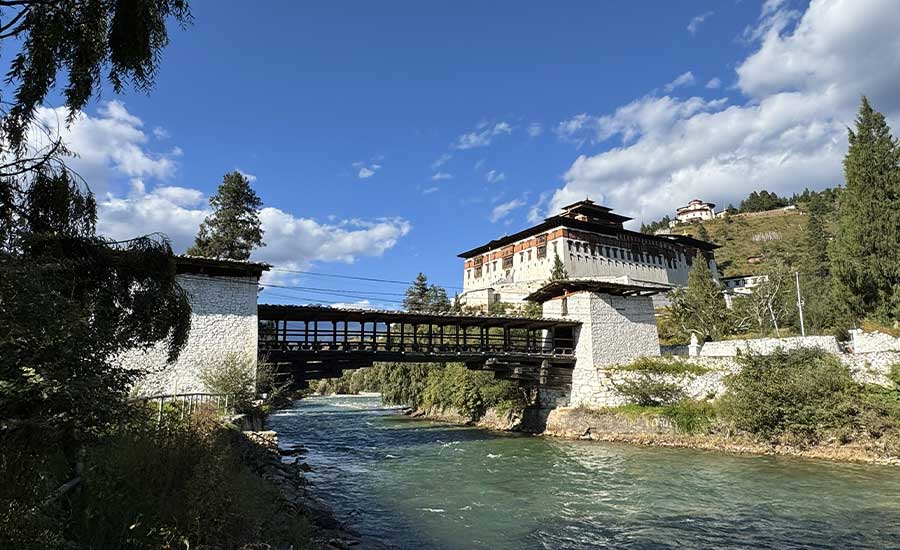
Choosing the best time to visit Bhutan is one of the most important parts of planning a journey to this beautiful Himalayan kingdom. Bhutan is known for its ancient monasteries, traditional Buddhist festivals, peaceful valleys, dramatic mountain landscapes and carefully preserved cultural heritage. The season you choose can make a significant difference to your travel experience.
For most travelers, spring (March to May) and autumn (September to November) are the best seasons to visit Bhutan. These months generally offer comfortable conditions for sightseeing, beautiful scenery, important cultural festivals and favourable opportunities for trekking. However, Bhutan is a year-round destination, and each season has something special to offer.
October is often considered the best overall month to visit Bhutan for a combination of clearer Himalayan views, cultural sightseeing, trekking and traditional festivals. April is another excellent choice, particularly for flowering rhododendrons, spring festivals and comfortable hiking weather.
At Himalayan Dream Team Treks & Tours, we help travelers plan Bhutan holidays according to their interests, whether they prefer cultural sightseeing, Buddhist festivals, Himalayan trekking, photography, wildlife or peaceful travel away from the busiest periods.
This comprehensive guide explains Bhutan's weather by month, the best travel seasons, festival dates for 2027–2028, trekking conditions, regional climate differences, accommodation, travel costs and practical planning tips to help you choose the right time for your journey.
For additional information about Bhutan's attractions, visa requirements and travel arrangements, explore our Bhutan Travel Guide and Things to Know Before Traveling to Bhutan.
Why Timing Matters When Visiting Bhutan
Bhutan's landscape changes dramatically between its subtropical southern foothills, temperate valleys and high Himalayan mountains. Weather conditions can differ considerably between destinations such as Punakha, Thimphu, Paro, Phobjikha and Bumthang.
Choosing the right travel period affects several important aspects of your holiday:
- Weather and comfort: Temperatures, rainfall and humidity vary by season and elevation.
- Himalayan mountain views: Visibility is often better during the drier autumn and winter months.
- Festivals: Important Bhutanese Tshechus follow the traditional lunar calendar, so dates change each year.
- Trekking conditions: High mountain routes require suitable weather and careful seasonal planning.
- Road conditions: Heavy monsoon rainfall can occasionally cause landslides, delays or temporary road closures.
- Photography: Spring flowers, autumn harvests, winter skies and summer greenery offer different photographic opportunities.
- Visitor numbers: Major festival periods and popular spring and autumn months can be busier.
- Hotel availability: Early reservations are recommended during major festivals and peak travel seasons.
Although spring and autumn are the most popular periods, travellers seeking quieter cultural experiences may also enjoy winter, while nature lovers and photographers may appreciate Bhutan's green monsoon landscapes.
Best Seasons to Visit Bhutan – Weather and Travel Comparison
| Season | Months | Typical Conditions | Best Experiences | Things to Consider |
|---|---|---|---|---|
| Spring | March–May | Generally pleasant days, cool mornings, flowering landscapes and increasing warmth towards May. | Paro Tshechu, cultural tours, rhododendrons, hiking and trekking. | Popular travel period; afternoon clouds or showers can occur. |
| Summer / Monsoon | June–August | Warmer, humid conditions in lower valleys, frequent rain and lush greenery. | Quiet cultural holidays, village life, waterfalls and green landscape photography. | Reduced mountain visibility, slippery trails and possible road delays. |
| Autumn | September–November | Rainfall generally decreases, with pleasant days, cooler evenings and often clearer skies. | Thimphu Tshechu, Gangtey Tshechu, trekking, photography and Himalayan views. | September can remain wet; popular festival dates require advance booking. |
| Winter | December–February | Generally drier weather, cold mornings and nights, with snow possible at higher elevations. | Peaceful cultural tours, birdwatching, winter festivals and clear mountain views. | Cold conditions in high valleys and possible snow-related road disruption. |
Important: Bhutan's climate varies significantly by altitude. The descriptions above are general seasonal patterns, not guaranteed weather forecasts. Travelers should check the expected conditions for their specific route and travel dates.
Spring in Bhutan (March to May) – Festivals, Flowers and Comfortable Weather
Spring is one of the best times to visit Bhutan, especially for first-time travellers, nature lovers and visitors interested in traditional Buddhist festivals.
As winter ends, the valleys become greener and rhododendrons, magnolias and other flowers begin blooming at different elevations. Days are generally pleasant for sightseeing, while mornings and evenings remain cooler in higher areas.
Bhutan Spring Weather
- March usually brings cool mornings and increasingly comfortable daytime temperatures.
- April is often particularly pleasant for cultural sightseeing and hiking.
- May becomes warmer, with a greater chance of afternoon clouds and showers.
- Higher mountain areas remain significantly colder than Punakha and other lower valleys.
Why Visit Bhutan in Spring?
- Beautiful rhododendron and magnolia blossoms.
- Excellent opportunities for visiting monasteries, dzongs and traditional villages.
- Major religious festivals, including Paro Tshechu in suitable years.
- Comfortable conditions for the Tiger's Nest Monastery hike.
- Good trekking opportunities on suitable routes.
- Attractive landscapes for nature and cultural photography.
Spring highlight: The famous Paro Tshechu Festival Tour combines sacred Cham mask dances and Buddhist ceremonies with visits to Paro, Thimphu, Punakha and Tiger's Nest Monastery.
Best for: First-time visitors, families, cultural travelers, photographers and trekkers.
Summer and Monsoon in Bhutan (June to August) – Green Valleys and Quiet Travel
Bhutan's summer season overlaps with the South Asian monsoon. Rainfall is often frequent, particularly during July and August, although the amount varies by region and elevation.
While summer is not usually the first choice for high-altitude trekking, it offers a different side of Bhutan. Forests become lush, waterfalls are impressive and the countryside is beautifully green.
Bhutan Summer Weather
- June marks the development of wetter summer conditions.
- July and August are generally among the wettest months in many parts of Bhutan.
- Lower valleys can be warm and humid.
- Clouds and mist may hide distant Himalayan peaks.
- Heavy rainfall can occasionally affect mountain roads and walking trails.
Why Visit Bhutan During the Monsoon?
- Fewer international visitors at many popular attractions.
- Green forests, terraced fields and dramatic waterfalls.
- Interesting opportunities for village and landscape photography.
- A quieter atmosphere at many cultural sites.
- Potentially greater flexibility in accommodation availability.
What Should Travelers Consider?
Monsoon travel requires flexibility. Heavy rain can cause slippery paths, landslides and occasional road disruptions. Long high-altitude treks are generally less suitable during this season, and panoramic mountain views are less reliable.
Summer is best for travelers who prefer cultural sightseeing, green landscapes and a relaxed itinerary rather than demanding mountain adventures.
Best for: Slow travel, nature photography, quieter cultural holidays and visitors comfortable with occasional rain.
Autumn in Bhutan (September to November) – Best Overall Travel Season
Autumn is widely considered the best overall season to visit Bhutan, especially for travelers seeking a combination of Himalayan views, trekking, photography and important Buddhist festivals.
As the monsoon gradually withdraws, humidity generally decreases and skies often become clearer. The countryside remains green in September, while October and November bring cooler air, colorful forests and harvest scenes in rural valleys.
Bhutan Autumn Weather
- September: A transition month, with improving weather but possible monsoon rainfall, particularly early in the month.
- October: Often offers a favourable balance of comfortable temperatures, clearer skies and outdoor activities.
- November: Usually drier and cooler, with good opportunities for mountain photography.
Why Is Autumn the Best Time to Visit Bhutan?
- Often excellent Himalayan mountain visibility.
- One of the main seasons for trekking and hiking.
- Major cultural festivals, including Thimphu Tshechu.
- Comfortable sightseeing conditions in Paro, Thimphu and Punakha.
- Beautiful autumn landscapes and traditional harvest activities.
- Good opportunities for photographing monasteries and mountain scenery.
October is especially attractive for travelers planning a cultural journey that includes Bhutan's famous religious celebrations. Read our Bhutan in October: Weather, Festivals and Travel Guide for more detailed information.
September can also be a rewarding time to visit, particularly for travelers who enjoy green landscapes and do not mind occasional rainfall. See our Bhutan in September Travel Guide.
Best for: Himalayan photography, trekking, cultural sightseeing, festival tours and first-time visitors.
Winter in Bhutan (December to February) – Peaceful Valleys and Clear Skies
Winter is a wonderful season for travelers who prefer peaceful surroundings, traditional culture and quieter sightseeing experiences.
Although mornings and evenings can be cold, especially in Paro, Thimphu, Phobjikha and Bumthang, sunny winter days can be pleasant in lower valleys such as Punakha.
Bhutan Winter Weather
- December often brings dry conditions and increasingly cold nights.
- January is generally one of the coldest months.
- February begins the gradual transition towards spring in lower valleys.
- Snow is possible in higher mountain areas and on passes.
- Clear winter skies can offer beautiful Himalayan views.
Why Visit Bhutan in Winter?
- Quieter monasteries, dzongs and cultural attractions.
- Clear mountain views on suitable weather days.
- Comfortable daytime sightseeing in lower valleys such as Punakha.
- Opportunities to observe black-necked cranes in Phobjikha Valley during their winter stay.
- Winter religious festivals and traditional ceremonies.
- A peaceful atmosphere for cultural and spiritual travel.
Winter travel tip: High-altitude trekking can be difficult because of snow, ice and very cold temperatures. However, cultural tours around Paro, Thimphu and Punakha are possible with appropriate clothing and flexible arrangements.
For further information, see our Bhutan in December: Weather, Festivals and Winter Travel Guide.
Best for: Senior travelers who prefer quieter sightseeing, cultural holidays, winter photography and birdwatching.
Bhutan Weather Month by Month – January to December
If you are deciding which month is best to visit Bhutan, the following table compares the main weather patterns, travel experiences and considerations throughout the year.
| Month | General Weather | Best Experiences | Travel Advice |
|---|---|---|---|
| January | Cold and generally dry; snow possible at higher elevations. | Quiet cultural tours, winter scenery and Phobjikha birdwatching. | Bring warm clothing and allow flexibility for mountain passes. |
| February | Cold mornings, with gradually milder days in lower valleys. | Punakha cultural experiences, winter landscapes and selected festivals. | Good for lower-altitude sightseeing; festival dates vary annually. |
| March | Spring begins, with improving daytime temperatures. | Paro Tshechu in relevant years, flowers and cultural tours. | One of the most attractive months for first-time visitors. |
| April | Generally pleasant spring conditions, with occasional showers. | Rhododendrons, sightseeing, hiking and spring festivals. | Excellent all-round month; book early for popular departures. |
| May | Warmer days and increasing cloud or rainfall. | Green landscapes, cultural sightseeing and selected treks. | Early May may offer better trekking conditions than later in the month. |
| June | Monsoon conditions develop; rainfall increases. | Quiet valleys, village experiences and green scenery. | Keep travel plans flexible and carry rain protection. |
| July | Often wet and humid in lower regions. | Waterfalls, lush landscapes and slower cultural travel. | Not ideal for demanding trekking or guaranteed mountain views. |
| August | Continued monsoon rainfall and cloudy conditions. | Green valleys, rural culture and photography. | Road conditions and walking trails may be affected by rain. |
| September | Transition from monsoon towards autumn. | Green landscapes, cultural travel and improving trekking conditions. | Later September often offers better weather than early September. |
| October | Often clearer and drier, with pleasant daytime temperatures. | Major festivals, trekking, photography and Himalayan views. | One of the best overall months; advance booking recommended. |
| November | Generally dry, with cool mornings and evenings. | Mountain views, autumn landscapes and cultural sightseeing. | Excellent for photography; pack warm layers. |
| December | Cold and generally dry, with possible mountain snowfall. | Winter festivals, peaceful sightseeing and clear views. | Suitable for cultural tours with appropriate winter clothing. |
Our recommendation: Choose March or April for spring flowers and cultural festivals, October or November for Himalayan views and trekking, and December to February for quieter cultural journeys.
Bhutan Weather by Region – Paro, Thimphu, Punakha, Phobjikha and Bumthang
Bhutan's elevation has a major influence on temperature. Two destinations visited on the same day can have noticeably different weather.
| Destination | Approximate Elevation | Climate and Travel Considerations |
|---|---|---|
| Paro | 2,235 m | Cool mornings and evenings, pleasant spring and autumn days, and cold winter nights. Popular for Tiger's Nest and Paro Tshechu. |
| Thimphu | 2,334 m | Temperate mountain-valley climate, with comfortable spring and autumn sightseeing and cold winter mornings. |
| Punakha | 1,242 m | Warmer than Paro and Thimphu, particularly in summer. Often pleasant for cultural sightseeing during winter. |
| Phobjikha Valley | Approximately 2,900 m | Cool mountain valley with cold winter nights. Known for Gangtey Monastery and wintering black-necked cranes. |
| Bumthang | Approximately 2,600–2,800 m in its main settled valleys | Cooler conditions, traditional monasteries, village festivals and beautiful spring and autumn landscapes. |
| Dochula Pass | Approximately 3,100 m | Cooler and windier than surrounding valleys, with Himalayan views on clear days and possible winter snow. |
Practical tip: When traveling from Punakha to Thimphu across Dochula Pass, carry a jacket even if the weather is warm in Punakha. Temperatures can change considerably with elevation.
Best Time to Visit Bhutan by Travel Interest
| Travel Interest | Recommended Months | Why? |
|---|---|---|
| Cultural sightseeing | March–May, September–November | Generally comfortable conditions for monasteries, dzongs and valley sightseeing. |
| Buddhist festivals | Spring and autumn, depending on the festival | Many major Tshechus take place during these seasons. |
| High-altitude trekking | April–May, October–early November | Often more suitable weather and trail conditions, depending on the route. |
| Himalayan photography | October–November, selected winter days | Often clearer skies and good mountain visibility. |
| Flowers and nature | March–May | Rhododendrons and other spring flowers bloom at different elevations. |
| Black-necked cranes | Approximately November–February | Wintering cranes can be observed in Phobjikha Valley. |
| Fewer visitors | December–February, June–August | Generally quieter periods outside major events. |
| Family holidays | March–April, October–November | Often pleasant weather for sightseeing and short walks. |
| Senior travellers | March–April, October–November; winter in lower valleys | Comfortable cultural sightseeing with a suitable pace. |
| Nepal and Bhutan combined tours | March–May, September–November | Generally favourable travel conditions in both Himalayan destinations. |
Best Time for Trekking and Hiking in Bhutan
Bhutan offers spectacular trekking routes through forests, alpine meadows, remote villages and high Himalayan landscapes. However, the best trekking season depends on the altitude and difficulty of the chosen route.
Spring Trekking in Bhutan
April and May are popular for trekking because the weather is generally improving and rhododendrons bloom along many trails. However, cloud cover and rainfall may increase towards late spring.
Autumn Trekking in Bhutan
October and early November are often excellent for trekking, with clearer skies, cooler temperatures and good opportunities for mountain views. High passes can still experience snow or sudden weather changes.
Monsoon and Winter Trekking
June to August is generally less suitable for many high-altitude treks because of rainfall, muddy trails and reduced visibility. Winter trekking at high elevations may be restricted by snow, ice and extreme cold.
Short cultural hikes and selected lower-altitude walks may still be possible in different seasons, depending on local conditions.
Popular Bhutan Trekking Experiences
- Druk Path Trek: A scenic highland trek between Paro and Thimphu, usually best considered in spring and autumn.
- Jomolhari Trek: A demanding Himalayan trek requiring suitable weather, acclimatisation and good physical fitness.
- Gangtey Nature Trail: A shorter valley walk suitable for many cultural travellers, subject to local weather.
- Tiger's Nest Monastery Hike: One of Bhutan's most famous day hikes, possible during much of the year when trail and weather conditions permit.
Best Time to Hike to Tiger's Nest Monastery
Tiger's Nest Monastery (Paro Taktsang) is one of Bhutan's most iconic landmarks. The monastery stands on a dramatic cliff above Paro Valley at approximately 3,120 metres.
The hike normally takes around 4–6 hours round trip, depending on fitness, walking pace and rest stops. The trail includes uphill sections, uneven steps and a final staircase near the monastery.
March–May and September–November generally provide favourable conditions for the hike. Winter visits can also be beautiful on clear days, although the trail may be icy or snowy. During the monsoon, sections can become slippery.
We recommend starting early, wearing comfortable hiking shoes, carrying water and allowing enough time to enjoy the scenery without rushing.
Best Time to Visit Bhutan for Festivals in 2027 and 2028
Bhutan's Buddhist festivals, known as Tshechus, are among the country's most important cultural and religious events. They feature sacred Cham mask dances, Buddhist ceremonies, traditional music and local community gatherings.
Many festivals follow the Bhutanese lunar calendar, so their Gregorian dates change from year to year. Travelers should always reconfirm festival dates before finalizing flights and accommodation.
Major Bhutan Festival Dates for 2027
| Festival | Tentative 2027 Dates | Location |
|---|---|---|
| Punakha Drubchen | 13–15 February | Punakha Dzong |
| Punakha Tshechu | 16–18 February | Punakha Dzong |
| Paro Tshechu | 18–22 March | Rinpung Dzong, Paro |
| Thimphu Tshechu | 10–12 October | Tashichho Dzong, Thimphu |
| Gangtey Tshechu | 13–15 October | Gangtey Goenpa, Phobjikha Valley |
| Jambay Lhakhang Drup | 14–17 November | Bumthang |
| Black-Necked Crane Festival | 11 November | Phobjikha Valley |
| Druk Wangyel Tshechu | 13 December | Dochula Pass |
Important: These are tentative planning dates and should be reconfirmed with the relevant festival organizers. For the complete festival schedule, including smaller regional celebrations and available 2028 information, visit our Bhutan Festivals Calendar 2027–2028.
For more information about individual celebrations, their traditions and cultural significance, read our Major Festivals in Bhutan: Dates and Travel Guide.
Planning a Bhutan Festival Tour in 2028
If you are planning a Bhutan holiday in 2028, spring and autumn remain excellent seasons to consider. However, exact festival dates should not be assumed from the previous year's calendar because many celebrations follow the lunar calendar.
Himalayan Dream Team can help you choose a suitable travel period and adjust your itinerary once the official 2028 festival dates are available.
Top Festival Tours to Experience During the Best Time to Visit Bhutan
Bhutan's traditional festivals are a wonderful reason to plan your journey during spring, autumn or selected winter months. Our festival tours combine sacred celebrations with cultural sightseeing, historic monasteries, scenic mountain passes and traditional Bhutanese villages.
Thimphu Tshechu Festival Tour – 7 Days

The Thimphu Tshechu Festival Tour – 7 Days is an excellent choice for travellers who want to experience Bhutan's Buddhist traditions during the autumn season.
The festival takes place at Tashichho Dzong in Thimphu, where monks and performers present sacred mask dances while Bhutanese families gather in traditional dress. The journey also includes Paro, Punakha, Dochula Pass and the famous Tiger's Nest Monastery.
Tentative 2027 Festival Dates: 10–12 October 2027
Tour Duration: 7 Days / 6 Nights
Best Season: Autumn
Highlights: Thimphu Tshechu, Punakha Dzong, Dochula Pass and Tiger's Nest.
View Thimphu Tshechu Festival Tour Itinerary
Paro Tshechu Festival Tour – 9 Days

The Paro Tshechu Festival Tour – 9 Days is ideal for travellers who want to combine Bhutan's spring landscapes with one of its most famous religious festivals.
Held at historic Rinpung Dzong, Paro Tshechu features sacred Cham dances, traditional Bhutanese clothing and the remarkable Thongdrel ceremony on the final day, subject to the official festival programme.
The tour also includes cultural sightseeing in Paro, Thimphu and Punakha, along with the iconic Tiger's Nest Monastery hike.
Tentative 2027 Festival Dates: 18–22 March 2027
Tour Duration: 9 Days
Best Season: Spring
Highlights: Paro Tshechu, traditional ceremonies, Tiger's Nest and Bhutanese cultural heritage.
View Paro Tshechu Festival Tour Itinerary
Punakha Tshechu Festival Tour – 10 Days

The Punakha Tshechu Festival Tour – 10 Days is a wonderful option for travellers who want to visit Bhutan during late winter or early spring.
The celebrations take place at magnificent Punakha Dzong, where the Pho Chhu and Mo Chhu rivers meet. The preceding Punakha Drubchen is particularly known for historical re-enactments, while Punakha Tshechu features sacred Buddhist dances and ceremonies.
Because Punakha lies at a lower elevation than Thimphu and Paro, daytime temperatures are often milder during winter.
Tentative 2027 Punakha Drubchen: 13–15 February 2027
Tentative 2027 Punakha Tshechu: 16–18 February 2027
Tour Duration: 10 Days
Best Season: Late winter / early spring
Highlights: Punakha Dzong, Buddhist ceremonies, scenic valleys and cultural sightseeing.
View Punakha Tshechu Festival Tour Itinerary
Bhutan with Gangtey Festival Tour

The Bhutan with Gangtey Festival Tour combines traditional Buddhist celebrations with the peaceful landscapes of Phobjikha Valley.
Gangtey Tshechu is celebrated at Gangtey Goenpa and offers a more intimate atmosphere than some of Bhutan's larger festivals. Visitors can experience sacred mask dances, local religious traditions and the natural beauty of the surrounding valley.
Tentative 2027 Festival Dates: 13–15 October 2027
Best Season: Autumn
Highlights: Gangtey Tshechu, Phobjikha Valley, monastery visits and traditional village life.
Wildlife note: Phobjikha Valley is famous for wintering black-necked cranes, which generally arrive later in autumn and remain during winter. Visitors attending the October Gangtey Tshechu should not assume the cranes will already be present.
View Bhutan with Gangtey Festival Tour
Other Bhutan Festival Tours
- Druk Wangyel Tshechu Festival Tour – A unique winter festival at Dochula Pass, surrounded by Himalayan scenery.
- Trongsa Tshechu Festival Tour – Traditional Buddhist celebrations at historic Trongsa Dzong in central Bhutan.
Discover additional itineraries on our Bhutan Festival Tours page.
Best Time to Visit Bhutan for Photography
Bhutan is a wonderful destination for photographers, offering Himalayan peaks, monasteries, colourful festivals, traditional architecture, forests and rural landscapes.
- March–April: Spring flowers, festivals, green valleys and cultural photography.
- October–November: Often clearer mountain views, autumn colours and traditional festivals.
- December–February: Crisp winter landscapes, quieter monasteries and clear skies on suitable days.
- June–August: Lush forests, waterfalls, misty valleys and dramatic cloud formations.
For the best mountain photographs, early mornings are often useful because cloud cover may increase later in the day. However, visibility depends on weather and cannot be guaranteed.
Always respect photography restrictions at monasteries, dzongs and religious ceremonies. Drone use requires appropriate permission and should not be assumed to be allowed.
Best Time to Visit Bhutan for Black-Necked Cranes and Wildlife
Phobjikha Valley is one of Bhutan's most important winter habitats for the black-necked crane. These migratory birds generally arrive during late autumn and remain through winter before returning to their breeding grounds.
November to February is usually the most suitable period for travellers interested in observing the cranes, although exact arrival and departure dates vary each year.
The annual Black-Necked Crane Festival, traditionally held in November, celebrates wildlife conservation and the relationship between local communities and the natural environment.
Visitors should observe wildlife from an appropriate distance, avoid disturbing feeding areas and follow local conservation guidelines.
When Is Bhutan Most Crowded?
Bhutan generally receives more international visitors during the popular spring and autumn travel seasons, particularly around major festivals.
Paro Tshechu, Thimphu Tshechu and other important celebrations can increase demand for hotels, guides and flights. Travellers who want to attend these festivals should book well in advance.
Winter and the summer monsoon are often quieter, although local festivals and holiday periods can still create demand in particular destinations.
Is Bhutan Cheaper During the Low Season?
Hotel availability and some accommodation rates may be more favourable during quieter travel periods, but this does not necessarily make Bhutan inexpensive.
Bhutan's travel costs depend on several factors:
- Applicable Sustainable Development Fee (SDF).
- Bhutan visa application fees, where required.
- International flights.
- Hotel category and room arrangements.
- Private or shared transport.
- Guide services and sightseeing arrangements.
- Tour duration and destinations.
- Festival-season demand.
Under the currently published government rules, the standard SDF for most international adult visitors is USD 100 per person per night, with different arrangements for Indian nationals and applicable child concessions. These rules should be reconfirmed for your travel dates, particularly when planning ahead for 2027 or 2028.
For more practical information about travel costs, entry arrangements and preparation, read our Bhutan Tour Guide and Bhutan Visa Guide.
Best Time to Visit Bhutan and Nepal Together
Bhutan and Nepal make an excellent combination for travellers interested in Himalayan landscapes, Buddhist and Hindu heritage, traditional villages and cultural sightseeing.
March to May and September to November are generally the most suitable seasons for combining Nepal and Bhutan, particularly when your itinerary includes mountain views, trekking or outdoor activities.
Travellers can explore Kathmandu's UNESCO World Heritage Sites, visit Pokhara or enjoy a Nepal trekking experience before continuing to Bhutan for cultural sightseeing and festival celebrations.
Flights between Kathmandu and Paro are subject to airline schedules and availability, so travel connections should be arranged carefully.
For detailed information, read our Nepal to Bhutan Travel Guide.
Practical Travel Tips for Visiting Bhutan in Any Season
- Book early for festivals: Popular hotels and convenient flights can fill quickly during major Tshechus.
- Check travel documents: Confirm your passport validity and applicable visa or permit requirements.
- Understand the SDF: Check the current Sustainable Development Fee and whether it is included in your quotation.
- Carry suitable clothing: Temperatures can change significantly between valleys and mountain passes.
- Allow flexible travel time: Mountain roads, weather and flight schedules can affect journeys.
- Respect local customs: Wear modest clothing when visiting monasteries and religious festivals.
- Prepare for walking: Comfortable shoes are useful for sightseeing and short hikes.
- Arrange travel insurance: Choose suitable coverage for medical treatment, delays, cancellation and planned activities.
- Plan your itinerary carefully: Avoid trying to visit too many distant destinations in a short holiday.
- Travel with local expertise: An experienced Bhutanese cultural guide can explain traditions and help coordinate sightseeing arrangements.
Frequently Asked Questions – Best Time to Visit Bhutan
1. What is the best month to visit Bhutan?
October is often considered the best overall month to visit Bhutan because it generally offers favourable weather, clearer Himalayan views, cultural festivals and good trekking conditions. April is another excellent month, particularly for spring flowers, sightseeing and hiking.
2. What are the best seasons to visit Bhutan?
Spring (March–May) and autumn (September–November) are generally the best seasons for most travellers. They offer a good combination of weather, cultural sightseeing, festivals and outdoor activities. Winter and summer can also be rewarding depending on your interests.
3. Is April a good time to visit Bhutan?
Yes. April is one of the most attractive months for Bhutan travel. Rhododendrons bloom at suitable elevations, daytime temperatures are often comfortable and spring conditions are generally favourable for sightseeing and hiking. Occasional rain or cloud cover is still possible.
4. Is October the best time to visit Bhutan?
October is an excellent all-round month, particularly for Himalayan scenery, trekking and cultural festivals. The monsoon has generally withdrawn, and many valleys experience pleasant daytime conditions. However, popular destinations and festival dates can be busier.
5. Is November a good month to visit Bhutan?
Yes. November is often dry and relatively clear, making it attractive for cultural sightseeing and photography. Mornings and evenings become colder, particularly in Paro, Thimphu, Phobjikha and Bumthang.
6. Is Bhutan worth visiting in winter?
Yes. Winter offers quieter cultural attractions, beautiful mountain views on clear days and pleasant daytime conditions in some lower valleys. However, higher areas can be very cold, and snow may affect mountain roads and trekking routes.
7. Is Bhutan too rainy during the monsoon?
Bhutan receives significant monsoon rainfall between June and August, especially in many lower and southern regions. Rain can affect roads, trails and mountain visibility. However, summer can still be enjoyable for travellers interested in green landscapes, cultural sightseeing and quieter travel.
8. What is the best time to visit Bhutan for festivals?
Spring and autumn are particularly popular because several major Bhutanese Tshechus take place during these seasons. Paro Tshechu is traditionally a spring festival, while Thimphu Tshechu and Gangtey Tshechu are associated with autumn. Exact dates vary annually.
9. When is Paro Tshechu in 2027?
The tentative dates for Paro Tshechu 2027 are 18–22 March 2027. The festival is held at Rinpung Dzong in Paro. Visitors should reconfirm the official schedule before booking.
10. When is Thimphu Tshechu in 2027?
Thimphu Tshechu is tentatively scheduled for 10–12 October 2027 at Tashichho Dzong in Thimphu. The celebration includes sacred mask dances, Buddhist rituals and community gatherings.
11. Are Bhutan festival dates for 2028 available?
Some festival dates extending into January 2028 have been published in the tentative 2027 calendar. However, travellers should not assume that all major 2028 festival dates are confirmed. Check the latest official calendar before arranging flights and accommodation.
12. What is the best time for trekking in Bhutan?
April–May and October–early November are generally among the most suitable periods for many Bhutan treks. The ideal dates depend on the route, elevation, snowfall and local weather conditions. High-altitude trekking requires careful preparation and suitable equipment.
13. When is the best time to hike to Tiger's Nest Monastery?
Spring and autumn usually offer favourable hiking conditions. The trail can also be visited during other seasons, but rain, ice or snow may make walking more difficult. The complete round-trip hike generally takes approximately 4–6 hours.
14. Which month is best for Himalayan mountain views in Bhutan?
October and November often provide excellent opportunities for clear mountain views. Winter can also bring crisp, clear skies. However, visibility depends on daily weather conditions, and mountain views can never be guaranteed.
15. When can I see black-necked cranes in Bhutan?
Black-necked cranes generally spend the winter in Phobjikha Valley, with November to February often being a suitable period for observing them. Their exact arrival and departure dates vary with seasonal conditions.
16. Is Bhutan suitable for senior travellers?
Yes. Bhutan offers comfortable cultural sightseeing, historic monasteries, scenic drives and short walks that can be adapted to different fitness levels. Spring and autumn are often particularly pleasant, while lower valleys such as Punakha can also be attractive during winter.
17. When is Bhutan least crowded?
Many destinations are quieter during winter and the summer monsoon compared with the popular spring and autumn seasons. However, local festivals and special events can increase visitor numbers in individual destinations.
18. Is Bhutan cheaper in summer or winter?
Some hotels may offer more favourable availability or pricing during quieter periods. However, Bhutan's overall travel costs also depend on the SDF, flights, guide services, transportation and the chosen accommodation standard. Low season does not automatically mean a low-cost holiday.
19. Do I need a visa to visit Bhutan?
Most international visitors require a Bhutan visa approved before arrival. Indian nationals follow a permit process, while Bangladeshi and Maldivian nationals have different arrangements. Requirements and fees should be checked according to nationality and travel dates.
20. Can I combine Nepal and Bhutan in one holiday?
Yes. Spring and autumn are generally excellent for combining Nepal and Bhutan. Travellers can enjoy Kathmandu, Pokhara or a Nepal trekking experience before continuing to Bhutan for cultural sightseeing, festivals and Himalayan scenery.
21. How many days should I spend in Bhutan?
For a first visit, approximately 7–10 days allows time to explore Paro, Thimphu and Punakha at a comfortable pace. Travellers wishing to visit Phobjikha, Bumthang or more remote areas should consider a longer itinerary.
22. How far in advance should I book a Bhutan holiday?
We recommend booking several months in advance, particularly for major festivals and popular spring or autumn departures. Early planning helps secure suitable accommodation, flight connections and preferred guide arrangements.
Final Answer: What Is the Best Time to Visit Bhutan?
The best time to visit Bhutan depends on what you want to experience. For most travellers, spring and autumn offer the best balance of comfortable weather, cultural activities, mountain scenery and sightseeing opportunities.
- Choose March or April for spring flowers, Paro Tshechu and comfortable cultural sightseeing.
- Choose October or November for Himalayan views, trekking, photography and major autumn festivals.
- Choose December to February for peaceful cultural journeys, winter landscapes and black-necked cranes.
- Choose June to August for lush green scenery, waterfalls and quieter travel, while allowing for monsoon rainfall.
Bhutan reveals a different side of its culture and natural beauty in every season. With thoughtful planning, the right itinerary and reliable local arrangements, a journey to Bhutan can be memorable at any time of year.
At Himalayan Dream Team Treks & Tours, we are happy to help you plan a personalised Bhutan holiday, whether you wish to attend a traditional festival, explore the country's cultural landmarks or combine Bhutan with a journey through Nepal.
Explore our Bhutan Tours and Travel Experiences and Bhutan Festival Tour Packages to find a suitable journey for your preferred season.