

Nepal is one of Asia's most rewarding destinations for travel photography. Within a relatively small country, photographers can capture snow-covered Himalayan peaks, ancient temples, Buddhist stupas, historic cities, traditional villages, colourful festivals, subtropical forests, wildlife and the everyday life of Nepal's diverse communities.
A photography tour in Nepal is therefore about much more than photographing Mount Everest. One morning might begin with sunrise over the Annapurna range, while another may be spent photographing narrow streets and Newari architecture in Bhaktapur. In Chitwan, the focus changes again to wildlife, jungle landscapes and the traditional life of the Tharu community.
Whether you are a beginner travelling with your first camera or an experienced photographer looking for new subjects, Nepal offers exceptional opportunities for landscape, cultural, street, portrait, architectural, wildlife and travel photography.
This guide explains the best places for photography in Nepal, when to travel, what equipment to bring and how to plan a photography journey that gives you enough time to observe, compose and photograph rather than simply move from one attraction to another.
Why Is Nepal a Great Destination for Photography?
The greatest advantage of photography in Nepal is variety. You do not have to choose between mountains, culture, architecture, people and wildlife; it is possible to photograph all of them during a single journey.
The Himalayas naturally provide some of Nepal's most dramatic subjects. Eight of the world's fourteen mountains above 8,000 metres are located in Nepal, including Mount Everest, Annapurna I, Dhaulagiri, Manaslu and Kanchenjunga.
But the photographic possibilities extend far beyond the mountains.
The Kathmandu Valley offers historic Newari architecture, temples, monasteries, stupas, courtyards, markets, festivals and fascinating everyday street life. Pokhara combines the Annapurna range with lakes and beautiful sunrise viewpoints. Bandipur preserves traditional Newari architecture and village life, while Chitwan introduces an entirely different environment of subtropical forest, rivers, grasslands, wildlife and Tharu culture.
This diversity makes Nepal particularly suitable for photographers who want to return home with a varied visual story rather than photographs of only one landscape or subject.
Best Places for Photography in Nepal
The best photography locations depend on what you want to photograph. For a first photography trip, several destinations combine particularly well.
| Destination | Best Photography Subjects | Recommended Time |
|---|---|---|
| Kathmandu | Temples, stupas, street life, rituals, portraits | Early morning & late afternoon |
| Patan | Newari architecture, courtyards, artisans, temples | Morning & golden hour |
| Bhaktapur | Traditional streets, pottery, architecture, local life | Early morning & late afternoon |
| Bandipur | Newari village, mountains, street scenes | Sunrise & golden hour |
| Pokhara | Annapurna range, Phewa Lake, landscapes | Sunrise & sunset |
| Sarangkot | Himalayan panorama and sunrise | Before & during sunrise |
| Chitwan | Wildlife, birds, jungle, Tharu culture | Early morning & late afternoon |
| Upper Mustang | Desert landscapes, caves, monasteries, Tibetan culture | Morning & late afternoon |
| Everest Region | Everest, Sherpa villages, monasteries, glaciers | Morning |
| Annapurna Region | Mountains, villages, forests and trekking life | Sunrise & morning |
A well-designed Nepal photography tour does not simply visit as many places as possible. It considers when each location is visually strongest and leaves enough flexibility for weather, changing light and unexpected photographic opportunities.
Photography in Kathmandu Valley
Kathmandu Valley is one of Nepal's richest areas for cultural, architectural and street photography.
The valley's historic centres, temples and religious sites provide layers of architecture, spirituality and daily life. Photographers can move from busy markets and old alleyways to peaceful monastery courtyards and large Buddhist stupas within a relatively short distance.
Particularly rewarding locations include:
Swayambhunath
Situated on a hill overlooking Kathmandu, Swayambhunath combines Buddhist architecture, prayer flags, pilgrims, monkeys and panoramic views over the city.
Early morning is particularly atmospheric, when the site is quieter and local worshippers are performing their daily rituals.
Kathmandu Old City
The old neighbourhoods of Kathmandu offer some of the best street photography in Nepal.
Narrow lanes, vegetable markets, shrines, courtyards, traditional shops, rickshaws, religious ceremonies and everyday urban life provide constantly changing subjects.
Rather than rushing through these streets, photographers benefit from walking slowly and observing how people interact with the environment.
Pashupatinath
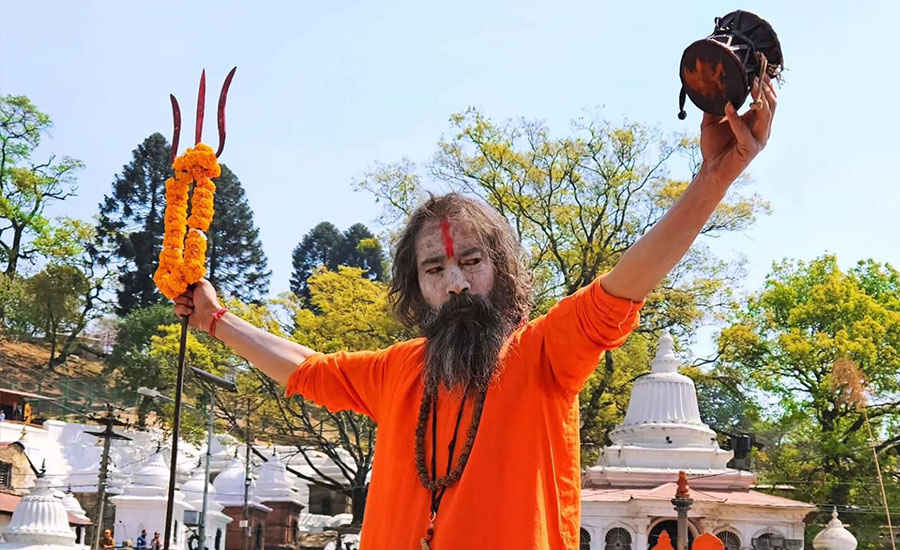
Pashupatinath is one of Nepal's most important Hindu religious complexes. The temples, Bagmati River, pilgrims, sadhus and religious ceremonies make it a powerful location for documentary and cultural photography.
Because funeral and cremation rituals take place here, photography should always be approached with sensitivity and respect.
Boudhanath
Boudhanath is particularly photogenic in the morning and late afternoon, when monks, pilgrims and local residents walk clockwise around the great stupa.
Prayer flags, butter lamps, monasteries and changing light provide excellent opportunities for wide architectural images as well as detailed cultural photographs.
Patan
Patan is famous for its artistic heritage, temples, metalwork, courtyards and traditional Newari architecture.
Beyond Patan Durbar Square, the surrounding lanes reveal workshops, small shrines and neighbourhood scenes that are excellent for documentary photography.
Bhaktapur
For many photographers, Bhaktapur is one of the highlights of Kathmandu Valley.
Brick-paved lanes, traditional houses, temples, pottery, carved wooden windows and local daily life create a remarkably photogenic environment.
The best experience often comes early in the morning or toward evening, when the light is softer and day visitors are fewer.
Photography in Pokhara
Pokhara is Nepal's classic destination for combining Himalayan landscape photography with lakes and reflections.
The city lies close to the Annapurna range, with Machhapuchhre, or Fishtail Mountain, forming one of Nepal's most recognisable mountain silhouettes.
Sarangkot Sunrise
Sarangkot is one of the best-known sunrise photography locations in Nepal.
On a clear morning, the first sunlight gradually illuminates the Annapurna and Dhaulagiri ranges. Arriving before sunrise gives photographers time to prepare equipment, choose a composition and capture the changing colours before and after the sun appears.
Phewa Lake
Phewa Lake provides a completely different photographic environment.
Boats, reflections, lakeside life and mountain views can all form strong compositions. Calm mornings are particularly attractive for reflections, while late afternoon can provide warm light and silhouettes.
World Peace Pagoda and Pumdikot
The hills above Pokhara provide wider perspectives over the lake, city and surrounding mountains.
These viewpoints are useful for landscape photographers looking for compositions that combine Nepal's hills, water, settlements and Himalayan backdrop within a single frame.
Bandipur Photography
Bandipur is a historic hill town between Kathmandu and Pokhara and deserves far more attention from photographers.
Its traditional Newari houses, stone-paved streets, old shopfronts and surrounding hills make it ideal for village, architectural and cultural photography.
Early morning offers quiet street scenes and, when conditions are clear, views toward the Himalayas. Late afternoon and golden hour bring warm light to Bandipur's traditional buildings.
Spending a night here rather than making a short roadside visit gives photographers access to the best light and a more relaxed experience of local life.
Wildlife Photography in Chitwan
A photography journey through Nepal becomes much more diverse when it includes Chitwan National Park.
The subtropical forests, rivers and grasslands provide opportunities to photograph wildlife including one-horned rhinoceros, deer, crocodiles, monkeys and numerous bird species. Wildlife sightings can never be guaranteed, which is part of the nature of wildlife photography.
A jeep safari provides opportunities to explore different habitats, while the Rapti River is particularly attractive for birdlife, river landscapes and sunset photography.
Chitwan is also an excellent destination for cultural photography. Visits to Tharu communities can introduce photographers to traditional houses, village landscapes and aspects of everyday life in Nepal's Terai region.
Himalayan and Trekking Photography in Nepal
For photographers who enjoy walking, trekking photography in Nepal offers the chance to experience the Himalayas from within the landscape rather than simply photographing the mountains from distant viewpoints. Trekking brings you closer to dramatic peaks, traditional villages, Buddhist monasteries and everyday mountain life, with new photographic opportunities appearing throughout the journey.
Everest Photography Trek
An Everest photography trek combines some of the world's most famous Himalayan scenery with Sherpa culture. Photograph Mount Everest, Ama Dablam, Lhotse and Nuptse, along with Namche Bazaar, Tengboche Monastery, suspension bridges and traditional Sherpa villages. Sunrise and early-morning light can create particularly impressive mountain photographs.
Annapurna Photography Trek
An Annapurna photography trek offers exceptional variety, from terraced farmland and traditional Gurung and Magar villages to forests and panoramic Himalayan viewpoints. The region provides magnificent views of Annapurna, Dhaulagiri and Machhapuchhre, while Poon Hill is especially popular for sunrise photography.
Upper Mustang Photography Trek
An Upper Mustang photography trek reveals one of Nepal's most distinctive landscapes. Red and ochre cliffs, deep canyons, ancient caves, Buddhist monasteries and traditional settlements create outstanding opportunities for landscape and cultural photography. The Tibetan-influenced culture and high-desert scenery around Lo Manthang make Upper Mustang unlike any other trekking region in Nepal.
Manaslu Photography Trek
A Manaslu photography trek is ideal for photographers looking for a quieter and more remote Himalayan journey. The trail passes traditional mountain villages, Buddhist monasteries, deep river valleys and high-altitude landscapes beneath Mount Manaslu (8,163 m), providing excellent opportunities for both landscape and cultural photography.
Langtang Photography Trek
A Langtang photography trek combines Himalayan landscapes with Tamang culture within relatively easy reach of Kathmandu. Photographers can capture mountain valleys, traditional villages, Buddhist monasteries, prayer flags, yak pastures and the dramatic scenery around Kyanjin Gompa.
Take Time for Photography on the Trail
A photography trek in Nepal is best planned at a slightly slower pace than a conventional trekking itinerary. Extra time allows you to wait for changing light, photograph sunrise and sunset, explore villages and stop when unexpected scenes appear along the trail. In the Himalayas, some of the best photographs often come from moments that cannot be scheduled.
Cultural, Street and Portrait Photography in Nepal
Some of the most memorable photographs from Nepal are not of mountains at all.
Markets opening in the morning, monks lighting butter lamps, craftspeople working in small workshops, farmers in terraced fields, children walking to school and families gathering around neighbourhood temples all reveal the everyday character of the country.
However, photographing people requires sensitivity.
A photograph should never become more important than the person being photographed. When taking close portraits, ask permission whenever practical. Respect a refusal and be particularly considerate during religious ceremonies and private moments.
Learning a few Nepali greetings and spending a little time interacting with people before raising your camera often creates a much more natural photographic experience.
Festival Photography in Nepal
Nepal's festivals provide extraordinary opportunities for colour, movement, ritual and documentary photography.
Depending on your travel dates, photographic opportunities may include Holi, Indra Jatra, Dashain, Tihar, Bisket Jatra, Buddha Jayanti, Mani Rimdu and the Tiji Festival in Upper Mustang.
Festivals can also be crowded and religiously significant. Photographers should avoid blocking processions, entering restricted areas or interfering with ceremonies simply to obtain a better angle.
If photographing a particular festival is important to you, confirm the dates before booking flights because many Nepalese festivals follow lunar calendars and their dates change from year to year.
Best Time for a Photography Tour in Nepal
There is no single best month for every type of photography.
| Season | Photography Conditions | Best For |
|---|---|---|
| October–November | Generally clear skies and strong mountain visibility | Himalayas, landscapes, culture |
| December–February | Clear winter days but colder temperatures | Mountains, heritage, street photography |
| March–April | Warmer weather and spring vegetation | Mountains, rhododendrons, culture |
| May | Warmer with increasing haze/cloud | Culture, Upper Mustang, festivals |
| June–August | Monsoon rain, clouds and lush landscapes | Street life, green landscapes, dramatic skies |
| September | Transition from monsoon to autumn | Culture, festivals, increasingly clear mountains |
For a classic first photography tour in Nepal, October and November are particularly attractive because Himalayan visibility is generally good.
Spring is another excellent choice, especially for photographers interested in flowering rhododendrons, warmer trekking conditions and a mixture of landscapes and culture.
The monsoon should not automatically be dismissed. Although mountain visibility can be limited, dramatic clouds, rain-soaked streets, mist, green rice terraces and everyday monsoon life provide very different photographic possibilities.
Sunrise, Sunset and Golden Hour Photography
Good photography tours are planned around light rather than conventional sightseeing hours.
For Himalayan landscapes, early morning is often the most productive time. Mountain visibility is frequently better before clouds develop later in the day, and the first sunlight on snow-covered peaks creates dramatic colour and contrast.
For historic towns such as Bhaktapur and Bandipur, early morning provides softer light and quieter streets.
Late afternoon and golden hour work particularly well around Phewa Lake, Boudhanath and the Rapti River in Chitwan.
This is why a photography itinerary should remain flexible. Sometimes waiting another 30 minutes for the light is more valuable than rushing to another attraction.
Recommended Camera Gear for Nepal
You do not need professional equipment to enjoy a photography tour in Nepal. A modern mirrorless camera, DSLR or even a good smartphone can produce excellent images.
For photographers bringing dedicated equipment, a practical kit may include:
Camera body
Wide-angle or standard zoom lens
Telephoto lens
Lightweight tripod
Spare batteries
Additional memory cards
Lens-cleaning equipment
Rain or dust protection
Comfortable camera bag
Polarising filter
Power bank and charging equipment
A telephoto lens becomes particularly useful for wildlife photography in Chitwan and for isolating Himalayan peaks.
Avoid carrying more equipment than you can comfortably manage, particularly if your photography tour includes trekking.
Photography Etiquette in Nepal
Photography is generally easy in Nepal, but permission and respect remain important.
Always ask before taking close portraits when appropriate. Some temples, monasteries, museums and religious interiors restrict photography or charge additional camera fees.
At Pashupatinath and other cremation sites, maintain a respectful distance and remember that you may be witnessing a family's private moment of grief.
Inside monasteries, never assume that photography of murals, statues or ceremonies is permitted.
When in doubt, ask your guide or a responsible person at the site.
Responsible photography often produces better photographs because it encourages genuine interaction rather than treating people simply as subjects.
Drone Photography in Nepal
Travellers should not assume that a drone can be flown freely in Nepal.
Drone operations may require permission from relevant authorities, and additional restrictions can apply around airports, heritage areas, national parks, conservation areas, military zones and other sensitive locations.
Regulations can change, so always check the current requirements before travelling with or operating a drone in Nepal.
Do not plan an important part of your photography trip around drone footage until the necessary permissions have been confirmed.
Photography Tips for First-Time Visitors
Start Early
Nepal rewards early risers. Streets are quieter, religious activity is often more visible and Himalayan conditions are frequently clearer.
Stay Until the Light Changes
Do not leave immediately after sunrise or sunset. Some of the most interesting colours and atmospheric conditions appear shortly before or afterward.
Photograph the Details
Wide Himalayan landscapes are spectacular, but smaller details often make a photographic story more complete: prayer wheels, carved windows, hands at work, market produce, incense, textiles, tea shops and trekking equipment.
Watch Before You Photograph
Spend a few minutes observing a scene before reaching for the camera. Understanding how people move through a space can help you anticipate stronger compositions.
Protect Your Equipment
Nepal's conditions range from humid jungle to dusty roads and freezing mountain mornings. Protect cameras from dust, rain and sudden temperature changes and always carry spare batteries and memory cards.
Leave Space in Your Schedule
Weather and light cannot be controlled. A little flexibility can make the difference between simply visiting a viewpoint and actually photographing it under memorable conditions.
Who Is a Nepal Photography Tour Suitable For?
A Nepal photography tour does not need to be limited to professional photographers.
It can be ideal for:
Beginners learning travel photography
Experienced amateur photographers
Professional photographers
Landscape photographers
Wildlife photographers
Street and documentary photographers
Couples with a shared interest in photography
Small photography groups and clubs
Content creators and travel filmmakers
Travellers who simply prefer slower, more observant journeys
The most important requirement is curiosity rather than expensive equipment.
Why Choose Himalayan Dream Team for a Photography Tour in Nepal?
Photography travel requires a different rhythm from a conventional sightseeing tour.
At Himalayan Dream Team, our Nepal photography journeys are designed around the locations, landscapes and cultural experiences that make Nepal visually exceptional while allowing enough time to actually photograph them.
As a local Nepal-based trekking and tour company, we understand the practical realities behind reaching viewpoints at the right time, travelling between destinations, arranging local guides and adapting plans when weather or conditions change.
Our photography journeys can combine Kathmandu, Patan, Bhaktapur, Gorkha, Bandipur, Pokhara and Chitwan, creating a varied photographic route through Nepal's heritage cities, traditional communities, Himalayan landscapes, lakes and wildlife areas.
Rather than rushing from one sightseeing stop to another, we aim to provide time for sunrise and sunset photography, street scenes, cultural encounters and spontaneous opportunities along the way.
Private and customised photography tours can also be arranged according to your interests, whether your priority is Himalayan landscapes, wildlife, architecture, festivals, village life or cultural photography.
Frequently Asked Questions About Photography Tours in Nepal
What is a photography tour in Nepal?
A photography tour in Nepal is a journey designed around the country's strongest photographic locations and subjects, with additional consideration given to light, viewpoints, sunrise and sunset, cultural events and sufficient time for photography.
What are the best places for photography in Nepal?
Kathmandu Valley, Bhaktapur, Patan, Bandipur, Pokhara, Sarangkot and Chitwan are excellent choices for a varied photography trip. Trekking regions such as Everest, Annapurna, Langtang, Manaslu and Upper Mustang provide additional opportunities for Himalayan photography.
What is the best time for a photography tour in Nepal?
October and November are among the best months for clear Himalayan views and landscape photography. March and April are also excellent, particularly for spring landscapes and rhododendrons. Different seasons are better for festivals, wildlife and cultural photography.
Is Nepal suitable for beginner photographers?
Yes. Nepal offers subjects for photographers of every experience level. Beginners can practise landscape, street, architecture, portrait and wildlife photography during the same journey.
Do I need a professional camera?
No. DSLR and mirrorless cameras provide greater flexibility, but smartphones and compact cameras can also produce excellent travel photographs.
Can I photograph people in Nepal?
Yes, but close portraits should be taken respectfully and permission should be requested whenever appropriate. Extra sensitivity is important during religious ceremonies and private family moments.
Can I take photographs inside temples and monasteries?
Rules vary. Some sites permit photography, while others restrict photography inside temples, monasteries, museums or sacred rooms. Always check before taking photographs.
Is Chitwan good for wildlife photography?
Yes. Chitwan offers opportunities to photograph rhinoceros, deer, crocodiles, monkeys, birds and other wildlife, although sightings can never be guaranteed.
Is Pokhara good for landscape photography?
Yes. Pokhara is one of Nepal's best destinations for landscape photography because it combines the Annapurna range, Machhapuchhre, Phewa Lake, surrounding hills and famous sunrise viewpoints such as Sarangkot.
Can I photograph Mount Everest without trekking to Everest Base Camp?
Yes. Everest can be photographed from several viewpoints and trekking routes, and mountain flights can also provide aerial Himalayan views. You do not have to reach Everest Base Camp to photograph the Everest region.
Can I use a drone during a photography tour in Nepal?
Drone use in Nepal is regulated and may require permission. Restrictions can also apply in national parks, conservation areas, around airports and at sensitive heritage or security locations. Current regulations should always be checked before flying.
What camera lenses should I bring to Nepal?
A standard or wide-angle zoom is useful for landscapes, architecture and street scenes, while a telephoto lens is valuable for wildlife and distant Himalayan details. The ideal combination depends on your photography style and how much equipment you are comfortable carrying.
Do I need a tripod?
A lightweight tripod is useful for sunrise, sunset, night photography, long exposures and low-light architectural photography, but it is not essential for every traveller.
Is photography allowed at Pashupatinath?
Photography is possible in many exterior areas, but the site is sacred and includes active cremation ghats. Photographers should maintain a respectful distance, follow local rules and avoid intrusive photography of grieving families.
Can Himalayan Dream Team organise a private photography tour?
Yes. Himalayan Dream Team can arrange private and customised photography tours in Nepal based on your preferred destinations, travel dates, photography interests and available time.
Plan Your Photography Tour in Nepal
Nepal is not a destination that can be captured in a single photograph.
Its visual story stretches from sunrise over the Himalayas to incense-filled Buddhist stupas, from Newari courtyards and village streets to the forests of Chitwan and the reflections of Phewa Lake.
A carefully planned photography tour in Nepal gives you the time to experience these places rather than simply pass through them — and to return home with photographs that tell the story of the landscapes, cultures and people you encountered along the way.
If you are planning a photography journey, Himalayan Dream Team can help design a private or small-group Nepal photography tour around your interests, experience level and preferred travel dates.