32 Most Frequently Asked Questions About Bhutan Trek
A Bhutan trek is one of the most unique Himalayan adventures, combining pristine nature, high-altitude trails, and deep Buddhist culture. Whether you dream of crossing mountain passes or visiting sacred monasteries, Bhutan’s treks offer something for every traveler. To help you prepare, the Himalayan Dream Team has compiled answers to the 32 most common questions about a Bhutan trek — from logistics and safety to food, fitness, and cultural experiences.
1. What bathing facilities are available during a Bhutan trek?
Daily showers are not possible on most routes due to the remoteness of the trails. However, warm water in bowls is provided each morning and evening for washing. On some treks, a bucket shower or shower tent can be arranged at the base camp upon request.
2. What are the toilet facilities like on a Bhutan trek?
Most Bhutan trek campsites include portable toilet tents or simple pit toilets. These facilities are basic but clean and well-maintained by the support staff to ensure hygiene standards throughout the journey.
3. What happens if a trekker falls ill or cannot continue a Bhutan trek?
Each Bhutan trek includes trained assistant guides who can escort unwell trekkers safely to a lower altitude. In case of emergencies, medical attention or evacuation is available. For higher routes like Jomolhari or Snowman Trek, insurance covering helicopter evacuation is strongly recommended.
4. What is the weight limit for gear on a Bhutan trek?
Each trekker’s duffel bag should not exceed 15 kg. Pack animals such as horses or yaks carry the group equipment and tents, while extra clothing and non-trekking items can be stored securely in Paro or Thimphu.
5. Are sleeping bags provided for a Bhutan trek?
Sleeping bags are available upon request, but it’s best to bring your own for comfort. Choose a four-season sleeping bag suitable for temperatures between -20°C and -30°C.
6. What temperatures should I expect on a Bhutan trek?
Daytime temperatures are typically between 12–15°C, while nights can drop below freezing. Warm layered clothing and a down jacket are essential for all Bhutan treks.
7. What type of luggage should I bring on a Bhutan trek?
Use a durable duffel bag for gear carried by pack animals, and a small daypack for essentials such as water, snacks, and camera equipment.
8. Is there mobile phone reception during a Bhutan trek?
Some mobile coverage is available near villages, but remote areas have limited signal. Carry a power bank or solar charger to keep your devices powered.
9. Are there dangerous animals on a Bhutan trek?
No, there are no dangerous animals on trekking routes. Bhutan treks are very safe for travelers and well-managed by local authorities.
10. Will oxygen be available during a Bhutan trek?
Yes, portable oxygen cylinders and first-aid kits are available for emergencies, especially on high-altitude routes.
11. What is the success rate for completing a Bhutan trek?
Bhutan treks have a success rate of approximately 99%, supported by well-trained guides, acclimatization schedules, and strong logistical support.
12. Are sleeping pads or mattresses included on a Bhutan trek?
Yes. Each campsite provides a comfortable foam or air mattress placed over a rubber base for insulation and rest.
13. Do I need a visa for a Bhutan trek?
Yes. All travelers, except Indian, Bangladeshi, and Maldivian citizens, must obtain a visa through a licensed Bhutanese tour operator such as Himalayan Dream Team.
For more information read our Bhutan Visa Guide.
14. Can I do a Bhutan trek independently?
No. Independent trekking is not allowed in Bhutan. All treks must be arranged through licensed tour companies with guides, cooks, and porters.
15. When is the best season for a Bhutan trek?
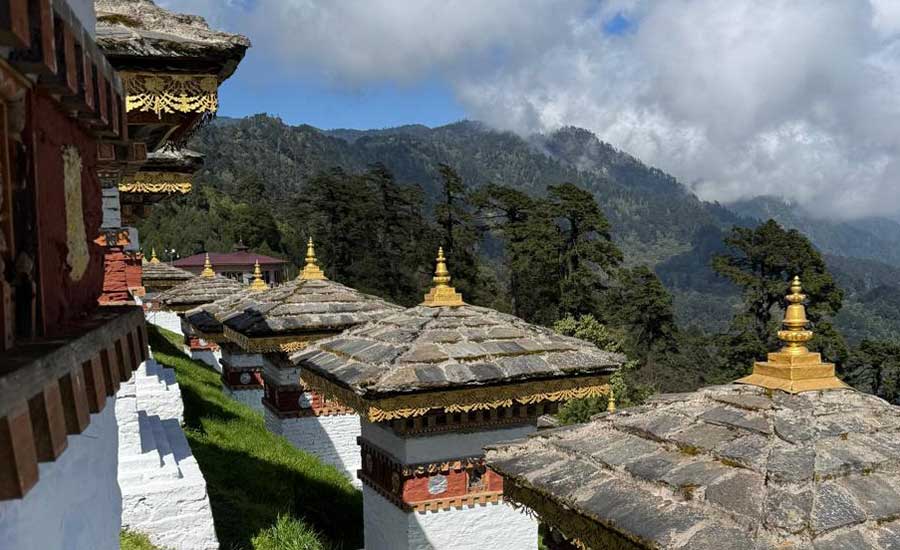
- Spring (March–May): Blooming rhododendrons and mild temperatures.
- Autumn (September–November): Clear skies and ideal trekking weather.
- Winter (December–February): Cold but excellent for low-altitude routes.
- Summer (June–August): Lush scenery during the monsoon, with fewer trekkers.
16. Which Bhutan treks are most popular?
Top Bhutan Treks in Order by Duration | Himalayan Dream Team
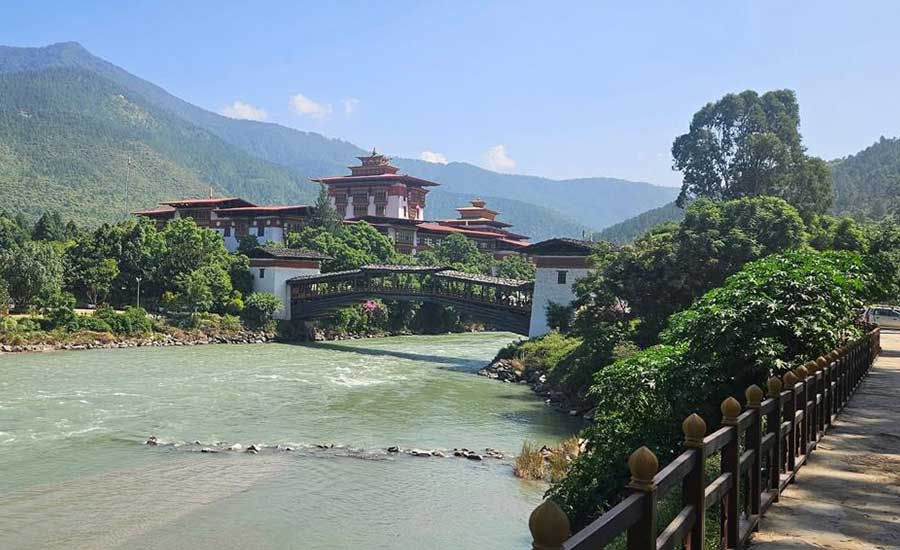
- Druk Path Trek – 10 Days: The Druk Path Bhutan trek is one of the most scenic and accessible routes, connecting Paro and Thimphu. It offers stunning views of Himalayan peaks, high-altitude lakes, and ancient monasteries along the way.
- Samtengang Trek – 10 Days: The Samtengang Bhutan trek is a cultural and moderate adventure ideal for those seeking authentic village life. It passes through terraced fields, forests, and traditional settlements in western Bhutan.
- Bumthang Trek – 11 Days: The Bumthang Bhutan trek explores Bhutan’s spiritual heartland, known for its sacred monasteries, open valleys, and ancient traditions. This route combines nature, history, and culture in perfect balance.
- Jomolhari Trek – 11 Days: The Jomolhari Bhutan trek is the country’s most popular adventure, taking trekkers through remote landscapes with majestic views of Mount Jomolhari. It’s ideal for those seeking a challenging yet rewarding experience.
- Lunana Snowman Trek – 30 Days: The Lunana Snowman Bhutan trek is one of the toughest and most iconic high-altitude treks in the world. Crossing over a dozen mountain passes, glaciers, and remote villages, it is truly the ultimate Himalayan expedition.
17. How difficult is a Bhutan trek?
Bhutan treks range from moderate to very challenging. The Druk Path is suitable for beginners, while the Snowman Trek requires excellent physical fitness and prior trekking experience.
18. What altitude will I reach on a Bhutan trek?
Most Bhutan treks reach between 3,000 and 5,000 meters. The Druk Path peaks at 4,110 m, and the Jomolhari Trek reaches 4,830 m.
19. Is altitude sickness a concern on a Bhutan trek?
Yes, altitude sickness can occur. All itineraries include acclimatization days, and guides monitor trekkers closely. Oxygen and medication are available if needed.
20. What is included in a Bhutan trek package?
- Licensed Bhutanese trekking guide, cook, and support staff
- All meals during the trek
- Tents, mattresses, and camping equipment
- Horses or yaks for luggage transport
- Trekking permits and visa assistance
- Transfers and government taxes
21. Do I need to bring my own gear for a Bhutan trek?
Bring personal clothing, trekking boots, gloves, and headlamp. All camping and kitchen equipment are provided by the operator.
22. What level of fitness is required for a Bhutan trek?
You should be able to walk 5–7 hours daily on varied terrain. Pre-trek fitness training is highly recommended to improve endurance and stamina.
23. What is the Sustainable Development Fee (SDF) for a Bhutan trek?
The Sustainable Development Fee is USD 100 per person per night. This fee supports Bhutan’s commitment to sustainable tourism and environmental conservation.
24. What type of food is provided on a Bhutan trek?
Meals include freshly prepared rice, noodles, vegetables, and Bhutanese specialties. Most are vegetarian, but protein options such as eggs or chicken are occasionally included.
25. Are pack animals used during a Bhutan trek?
Yes, horses or yaks carry camping equipment and food, leaving trekkers with only a light daypack.
26. What kind of accommodation is available on a Bhutan trek?
Trekking accommodation is in high-quality tents. Before and after the trek, travelers stay in comfortable hotels or guesthouses in Paro or Thimphu.
27. Is travel insurance required for a Bhutan trek?
Yes, travel insurance with emergency evacuation coverage is mandatory for all Bhutan treks.
28. How remote are the trekking routes on a Bhutan trek?
Many treks pass through isolated villages and pristine valleys. The Snowman Trek is one of the most remote and challenging routes in the Himalayas.
29. Are cultural experiences included in a Bhutan trek?
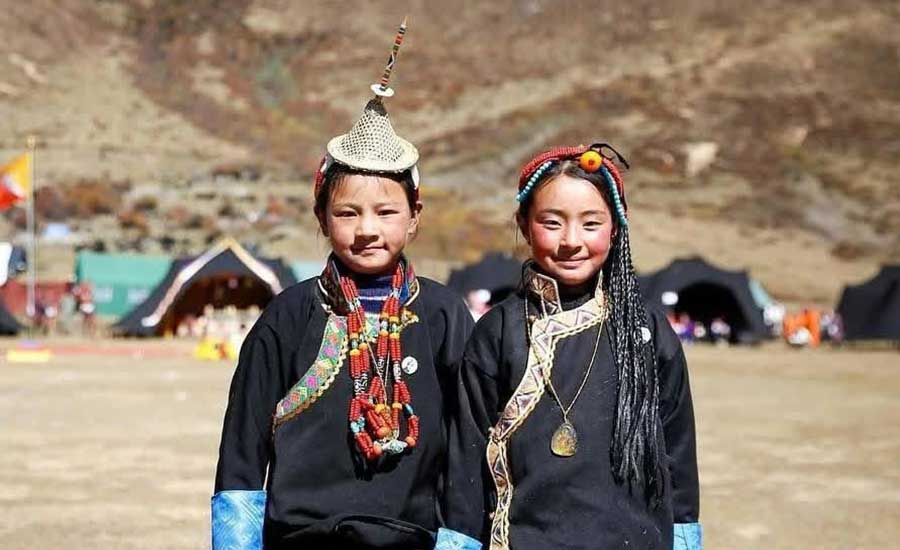
Yes, all Bhutan treks include cultural immersion. You’ll visit monasteries, meet local villagers, and witness Bhutanese traditions up close.
30. What permits are required for a Bhutan trek?
All necessary permits are handled by Himalayan Dream Team and are included in the trekking package.
31. Can I combine a Bhutan trek with sightseeing?
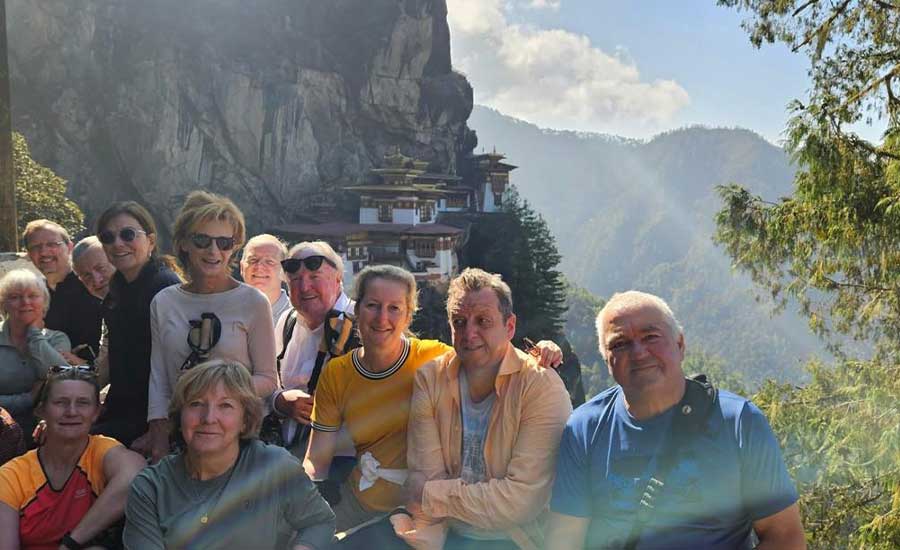
Yes. Many itineraries combine trekking with visits to Tiger’s Nest Monastery (Taktsang), Punakha Dzong, and other major cultural sites in Bhutan.
32. How much does a Bhutan trek cost?
- Short treks (4–6 days): USD 2,000–2,500 per person
- Medium treks (10–14 days): USD 3,000–4,500 per person
- Snowman Trek (30 days): USD 9,000+ depending on logistics
Trek Through the Heart of Bhutan
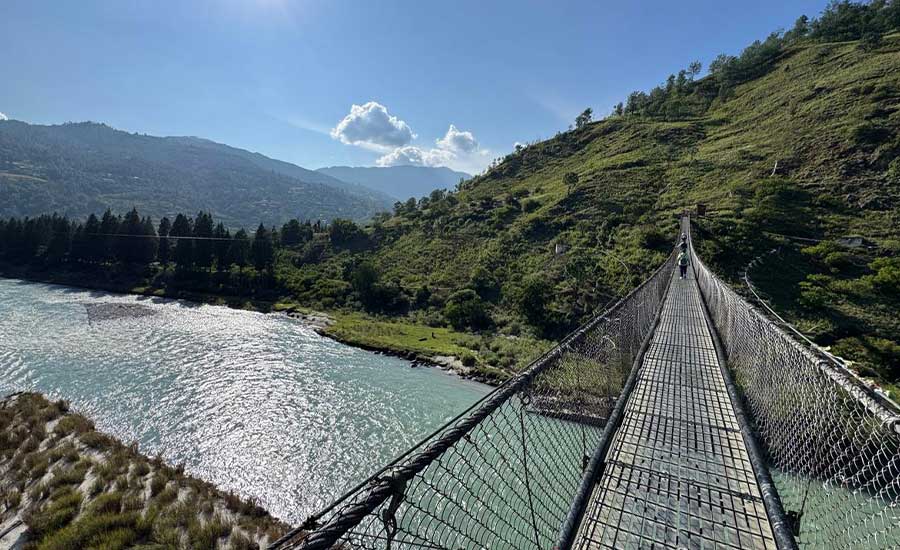
A Bhutan trek is a rare combination of adventure, spirituality, and natural beauty. With expert guides, proper logistics, and cultural immersion, every step reveals the soul of the Himalayas. The Himalayan Dream Team ensures your trek is safe, sustainable, and unforgettable.
Top Bhutan Festival Tours | Himalayan Dream Team
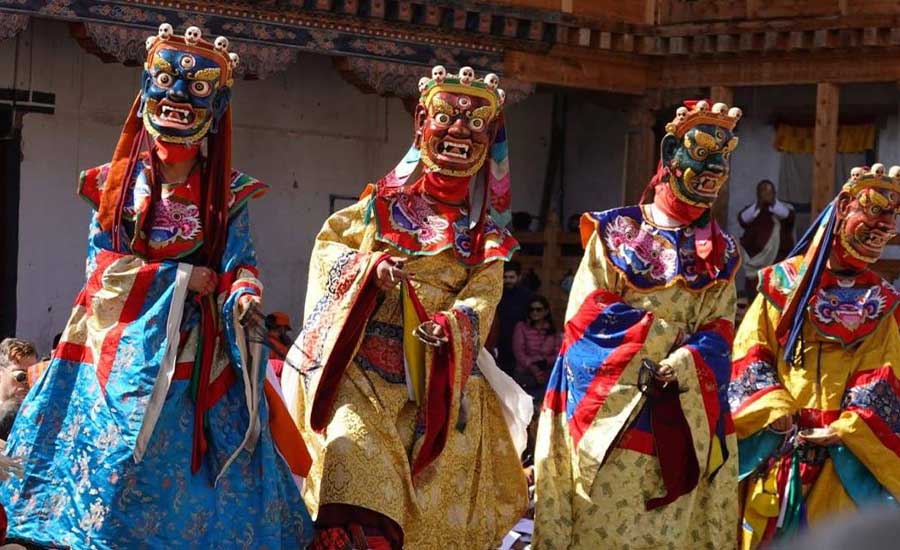
7-Day Thimphu Tshechu Festival – A Cultural Celebration: The Thimphu Tshechu Bhutan festival tour offers an immersive week of vibrant celebrations in Bhutan’s capital. Travelers can witness sacred mask dances, colorful costumes, and Buddhist rituals performed by monks. This Bhutan festival tour highlights the country’s devotion, spiritual energy, and cultural pride during one of its grandest events.
- Paro Tshechu Festival – A Celebration of Bhutanese Culture (9 Days): The Paro Tshechu Bhutan festival tour is one of the most celebrated events in the kingdom. Set in the historic Paro Dzong, this Bhutan festival tour features sacred dances, spiritual blessings, and local gatherings that reflect Bhutan’s deep-rooted traditions and joyful spirit.
- Punakha Tshechu Festival – 10 Days (27th February – 1st March 2026): The Punakha Tshechu Bhutan festival tour takes place in the former capital, known for its dramatic fortress and scenic rivers. Visitors can enjoy religious performances, storytelling dances, and the display of the sacred thongdrel. This Bhutan festival tour perfectly combines culture, history, and Himalayan charm.
- Bhutan with Gangtey Festival Tour – 14 Days: The Gangtey Bhutan festival tour combines the serene beauty of Phobjikha Valley with the spiritual essence of the Gangtey Tshechu. This Bhutan festival tour allows travelers to experience authentic monastic traditions, local dances, and the unique harmony between nature and spirituality.
Turn Your Bhutan Trek Plans Into Reality
From securing permits to arranging flights and expert guides, we handle every detail of your adventure.
Contact Himalayan Dream Team
Phone/WhatsApp: +977-9841426005
Website: www.himalayandream.team