

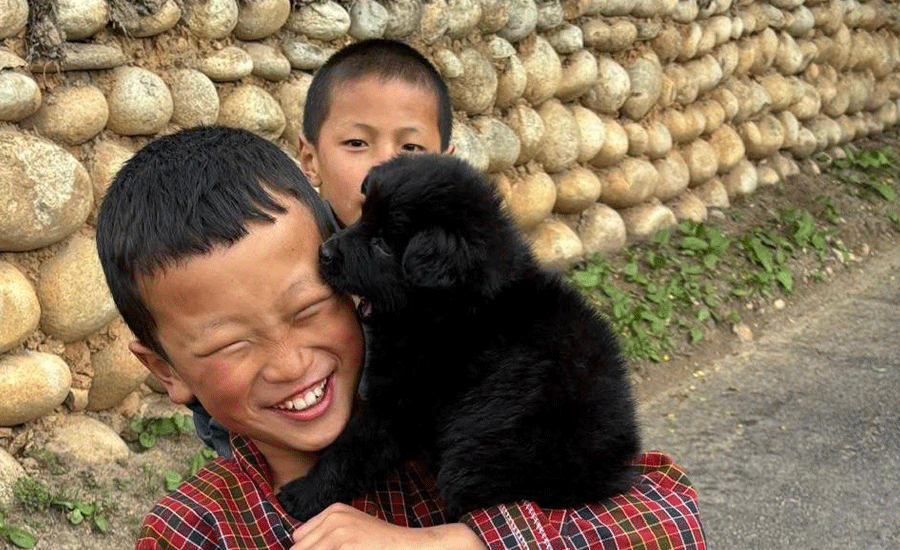
Why should you visit Bhutan? Nestled in the eastern Himalayas between India and China, Bhutan is one of Asia's most distinctive travel destinations. Known as the Land of the Thunder Dragon, this small Himalayan kingdom offers spectacular mountain landscapes, ancient Buddhist monasteries, colorful festivals, traditional villages and a culture deeply connected with nature.
Bhutan is famous for its philosophy of Gross National Happiness, its commitment to environmental conservation and its carefully preserved cultural heritage. From hiking to the iconic Tiger's Nest Monastery to exploring the peaceful valleys of Punakha, Phobjikha and Bumthang, visitors can experience a remarkable combination of spirituality, history, nature and adventure.
Whether you are planning your first Bhutan holiday, a cultural journey, a Buddhist festival tour or a Himalayan trekking adventure, there are many reasons why this beautiful country deserves a place on your travel list.
At Himalayan Dream Team Treks & Tours, we arrange personalized Bhutan tours and travel packages for couples, families, solo travelers and small groups. In this guide, we share 12 reasons to visit Bhutan, along with practical information to help you plan a memorable journey.
12 Reasons Why Bhutan Is Worth Visiting – At a Glance
| Reason | What Makes Bhutan Special? | Recommended Experience |
|---|---|---|
| 1. Himalayan mystery | Sacred landscapes, legends and ancient monasteries. | Explore Bumthang and Paro. |
| 2. Bhutanese hospitality | Welcoming communities and traditional village life. | Visit local villages and markets. |
| 3. Tiger's Nest Monastery | Bhutan's iconic cliffside Buddhist monastery. | Hike to Paro Taktsang. |
| 4. National animal – Takin | Rare Himalayan wildlife and fascinating folklore. | Visit Motithang Takin Preserve. |
| 5. Living traditions | Traditional dress, arts, architecture and Buddhism. | Explore Thimphu, Paro and Bumthang. |
| 6. Bhutanese cuisine | Chilli, cheese, red rice and distinctive local dishes. | Try Ema Datshi and local meals. |
| 7. Historic dzongs | Impressive fortress-monasteries and traditional architecture. | Visit Punakha, Paro and Trongsa Dzongs. |
| 8. Gross National Happiness | A development philosophy focused on collective well-being. | Learn about Bhutanese society and culture. |
| 9. Sustainable tourism | Conservation, cultural protection and responsible travel. | Explore Bhutan with local guides. |
| 10. Himalayan trekking | Mountain trails, alpine lakes and remote landscapes. | Experience the Druk Path Trek. |
| 11. Buddhist festivals | Sacred Cham mask dances and traditional celebrations. | Attend Paro or Thimphu Tshechu. |
| 12. Peaceful atmosphere | Quiet valleys, monasteries and opportunities for reflection. | Visit Phobjikha and Bumthang. |
1. Bhutan: The Land of Mystery
One of the most fascinating reasons to visit Bhutan is its extraordinary combination of Himalayan landscapes, Buddhist traditions and ancient legends. Sacred monasteries stand above forested valleys, prayer flags flutter across mountain passes and traditional beliefs remain an important part of everyday life.
Bhutan's history is closely connected with Guru Rinpoche (Padmasambhava), the revered Buddhist master associated with the spread of Vajrayana Buddhism in the region during the eighth century. Many monasteries, caves and pilgrimage sites are linked to stories of his spiritual activities.
Places such as Bumthang Valley, often described as Bhutan's spiritual heartland, contain ancient temples, monasteries and sacred sites. Visitors can explore Jambay Lhakhang, Kurjey Lhakhang and traditional villages where religious practices continue to shape local life.
In Paro, the famous Tiger's Nest Monastery is surrounded by legends connected with Guru Rinpoche, while mountain passes such as Dochula offer beautiful views and a strong sense of Bhutan's Buddhist heritage.
Best Places to Experience Bhutan's Spiritual Heritage
- Paro: Tiger's Nest Monastery, Rinpung Dzong and Kyichu Lhakhang.
- Bumthang: Jambay Lhakhang, Kurjey Lhakhang and traditional sacred sites.
- Thimphu: Buddha Dordenma, National Memorial Chorten and historic monasteries.
- Punakha: Punakha Dzong, Chimi Lhakhang and Khamsum Yulley Namgyal Chorten.
Travel Tip: Allow enough time to visit monasteries with an experienced local guide who can explain their religious significance, traditions and history.
Learn more about the kingdom's geography and cultural setting in our Where Is Bhutan Located? guide.
2. A Nation of Warmth and Smiles
Bhutanese hospitality is another wonderful reason to visit the country. Visitors often appreciate the friendly atmosphere of traditional villages, local markets, family-run businesses and community celebrations.
A common Bhutanese greeting is "Kuzuzangpo La", a polite way of saying hello. Learning a few local expressions is a simple way to show respect and connect with the people you meet during your journey.
Although Bhutan has modern towns, hotels and growing tourism infrastructure, traditional community life remains important in many parts of the country. Farming, religious ceremonies, local festivals and family gatherings continue to play significant roles.
How to Experience Local Bhutanese Life
- Visit traditional villages around Paro, Punakha and Bumthang.
- Explore local markets and traditional handicraft shops.
- Learn about Bhutanese farming and rural livelihoods.
- Enjoy a traditional Bhutanese meal.
- Attend a community festival where visitors are welcome.
- Speak with local people respectfully through your Bhutanese guide.
Travel Tip: Ask permission before photographing local residents, particularly children, monks and people participating in religious ceremonies.
3. Visit the Iconic Tiger's Nest Monastery (Taktsang)
Tiger's Nest Monastery, also known as Paro Taktsang, is one of the most famous attractions in Bhutan and an important reason travellers choose to visit the country.
The monastery stands dramatically on a cliff approximately 900 metres above Paro Valley, at an elevation of around 3,120 metres above sea level. Surrounded by pine forests and prayer flags, it is one of Bhutan's most sacred Buddhist pilgrimage sites.
According to Bhutanese tradition, Guru Rinpoche meditated at this sacred location. The monastery's remarkable setting and spiritual importance make it a highlight of many Bhutan cultural tours.
Tiger's Nest Monastery Hike – Important Information
| Information | Details |
|---|---|
| Location | Paro, Bhutan |
| Monastery Elevation | Approximately 3,120 m |
| Hiking Duration | Approximately 4–6 hours round trip |
| Difficulty | Moderate, depending on fitness and pace |
| Best Seasons | Spring and autumn; other seasons subject to conditions |
| Trail | Uphill forest path with steps near the monastery |
| What to Bring | Comfortable walking shoes, water, sun protection and warm layers |
The hike passes through forested slopes and viewpoints overlooking the monastery. The final approach includes steps, so travellers should allow sufficient time and avoid rushing.
Important: Photography is restricted inside the monastery. Visitors must follow the dress code and instructions provided by the authorities.
The Tiger's Nest hike is included in many of our Bhutan cultural tour packages, including selected festival itineraries.
4. Meet Bhutan's Unique National Animal: The Takin
Bhutan is home to a remarkable variety of Himalayan wildlife, including its unusual national animal, the Takin.
The Takin is a large, stocky, hoofed mammal with features that can remind visitors of both a goat and an antelope. It is naturally found in mountainous areas of the eastern Himalayas.
In Bhutanese folklore, the animal is associated with Drukpa Kunley, the Buddhist saint popularly known as the Divine Madman. According to a traditional legend, he created the Takin by combining parts of a goat and a cow.
Where Can You See Takins in Bhutan?
One of the easiest places for visitors to observe Takins is the Motithang Takin Preserve in Thimphu.
The preserve offers an opportunity to learn about Bhutan's national animal without travelling into remote mountain habitats. Visitors should follow the facility's rules and avoid feeding or disturbing the animals.
Bhutan's wildlife is not limited to Takins. Its forests and mountain ecosystems also support red pandas, Himalayan black bears, numerous bird species and other animals, although sightings in the wild cannot be guaranteed.
Best For: Families, wildlife enthusiasts, photographers and travellers interested in Bhutanese folklore.
5. A Culture Preserved Through Time
Bhutan's cultural heritage is one of its greatest attractions. Traditional architecture, Buddhist practices, national dress, music, handicrafts and festivals remain important parts of Bhutanese identity.
Bhutanese men traditionally wear the gho, a knee-length robe, while women wear the kira, an ankle-length traditional dress. These garments are especially visible during festivals, official occasions and visits to religious institutions.
Bhutan is also known for its traditional arts and crafts, including weaving, painting, woodcarving, sculpture, papermaking and textile production.
Cultural Experiences Not to Miss
- Traditional weaving: Learn about Bhutan's colourful textiles and intricate patterns.
- Arts and crafts: Visit workshops and institutions preserving traditional skills.
- Local architecture: Admire decorated farmhouses, temples and historic buildings.
- Buddhist monasteries: Discover the significance of prayer wheels, stupas and religious paintings.
- Traditional festivals: Observe sacred dances and local celebrations.
- Village visits: Experience rural Bhutanese culture and daily life.
For visitors interested in history, architecture and local traditions, Paro, Thimphu, Punakha and Bumthang are excellent destinations to include in a cultural itinerary.
Discover more about Bhutan's cultural attractions in our Bhutan Travel Guide.
6. Experience Bhutanese Cuisine – Bold, Spicy and Unique
Bhutanese food is another memorable part of travelling through the country. Traditional dishes often feature chillies, cheese, rice, vegetables and locally available ingredients.
One of the best-known dishes is Ema Datshi, made with chillies and cheese. It is widely regarded as Bhutan's national dish and is a must-try for visitors who enjoy spicy food.
Popular Bhutanese Dishes to Try
| Dish | Description |
|---|---|
| Ema Datshi | Chillies cooked with cheese, one of Bhutan's most famous dishes. |
| Kewa Datshi | Potatoes prepared with cheese, often milder than Ema Datshi. |
| Shamu Datshi | Mushrooms cooked with cheese. |
| Phaksha Paa | A traditional pork dish often prepared with chillies and vegetables. |
| Jasha Maru | A Bhutanese chicken dish commonly prepared with spices and chillies. |
| Bhutanese Red Rice | A locally grown rice variety served with many traditional meals. |
| Suja | Traditional Bhutanese butter tea. |
| Hoentay | Traditional dumplings associated particularly with Haa Valley. |
Bhutanese food can be spicy, but hotels and restaurants serving international visitors often provide milder dishes and alternative meal choices.
Vegetarian travellers: Many Bhutanese dishes are based on vegetables, cheese and rice. Vegan travellers should explain their dietary requirements in advance because dairy products are common in traditional recipes.
Travel Tip: Ask your guide to arrange a traditional Bhutanese meal during your cultural tour. It is a wonderful opportunity to learn about local ingredients and food customs.
7. Discover Bhutan's Architectural Marvels: The Dzongs
Bhutan's historic dzongs are among the country's most impressive architectural landmarks. These large fortress-like buildings have traditionally served religious, administrative and defensive functions.
With their massive whitewashed walls, richly decorated wooden windows, courtyards and temples, dzongs reflect the distinctive character of Bhutanese architecture.
Most Beautiful Dzongs to Visit in Bhutan
| Dzong | Location | Why Visit? |
|---|---|---|
| Punakha Dzong | Punakha | Beautifully situated between the Pho Chhu and Mo Chhu rivers; one of Bhutan's most important historic fortresses. |
| Rinpung Dzong | Paro | Historic fortress overlooking Paro Valley and venue of the famous Paro Tshechu. |
| Tashichho Dzong | Thimphu | Important religious and administrative complex and venue of Thimphu Tshechu. |
| Trongsa Dzong | Trongsa | Impressive fortress with a significant role in Bhutanese royal history. |
| Jakar Dzong | Bumthang | Historic fortress overlooking the Chamkhar Valley, surrounded by important cultural sites. |
Many dzongs remain active religious or administrative buildings, so visitor access may be limited in certain areas or during official functions.
Travel Tip: Dress modestly, follow photography restrictions and allow your Bhutanese guide to explain the historical and religious importance of each site.
For more ideas about places to visit, explore our Bhutan Tours and Destinations.
8. Gross National Happiness: A Unique Development Philosophy
Bhutan is internationally known for its philosophy of Gross National Happiness (GNH), which considers human well-being, cultural values, environmental conservation and good governance alongside economic development.
Rather than treating economic growth as the only measure of progress, Gross National Happiness encourages a broader approach to national development.
The Four Pillars of Gross National Happiness
- Sustainable and equitable socio-economic development.
- Preservation and promotion of cultural values.
- Conservation of the natural environment.
- Good governance.
The philosophy has attracted international interest because it places importance on the quality of people's lives, not simply economic production.
However, Gross National Happiness does not mean that Bhutan does not measure GDP or that every Bhutanese person is always happy. It is a national development framework that seeks to balance different aspects of well-being.
Visitors can learn about this philosophy through conversations with local guides, cultural visits and observations of Bhutan's approach to community life, heritage and environmental protection.
Read more about the country's identity in our Why Is Bhutan So Famous? article.
9. Sustainable and Responsible Tourism in Bhutan
Bhutan is recognised for its strong commitment to environmental conservation and its approach to tourism, often described by the principle "High Value, Low Volume" or responsible, high-value tourism.
The country aims to balance tourism development with the protection of its natural environment, cultural heritage and local communities.
Bhutan's forests cover a large proportion of the country, supporting rich biodiversity and important Himalayan ecosystems. Environmental conservation is also a central part of Bhutan's national development approach.
Bhutan Sustainable Development Fee (SDF)
International visitors should understand Bhutan's Sustainable Development Fee (SDF) when planning their journey.
Under the currently published government arrangements, the standard SDF for most international adult visitors is USD 100 per person per night, with separate arrangements for Indian nationals and applicable concessions for children.
The fee contributes to Bhutan's development priorities and sustainable tourism approach. Rates and rules may change, so travellers should verify the latest requirements before booking.
Importantly, Bhutan no longer requires all visitors to purchase the former fixed minimum daily tour package. Travellers may arrange certain services separately, although guide requirements, immigration procedures and other tourism regulations still apply.
How Visitors Can Travel Responsibly in Bhutan
- Respect local traditions, religious customs and dress codes.
- Use licensed local guides where required.
- Support local businesses and traditional crafts.
- Avoid littering and reduce unnecessary plastic waste.
- Stay on designated trekking trails.
- Respect wildlife and protected natural areas.
- Follow photography restrictions in sacred places.
For detailed information about travel requirements, read our Bhutan Visa Guide and Things to Know Before Traveling to Bhutan.
10. Explore Bhutan's Spectacular Himalayan Trekking Trails
Bhutan is an outstanding destination for travellers who enjoy hiking, mountain scenery and wilderness adventures. Its trekking routes pass through forests, alpine meadows, high mountain passes, traditional villages and remote Himalayan landscapes.
Compared with some of the busiest trekking routes in the Himalayas, many Bhutan treks receive relatively fewer international visitors, although conditions and visitor numbers vary by route.
Popular Trekking Routes in Bhutan
| Trek | General Difficulty | Main Highlights |
|---|---|---|
| Druk Path Trek | Moderate to challenging | Mountain lakes, forests, high passes and views along the route between Paro and Thimphu. |
| Jomolhari Trek | Challenging | High-altitude landscapes, yak pastures and views of Mount Jomolhari. |
| Snowman Trek | Extremely challenging | Remote Himalayan wilderness, numerous high passes and a demanding multi-week expedition. |
| Gangtey Nature Trail | Easy to moderate | Short scenic walk through Phobjikha Valley and traditional rural landscapes. |
| Samtengang Trek | Moderate | Traditional villages, forest trails and cultural landscapes in the Punakha and Wangdue region. |
Best Time for Trekking in Bhutan
Spring (March–May) and autumn (September–November) are generally the best seasons for many Bhutan trekking routes. However, the ideal period depends on the altitude, trail conditions, snow and local weather.
High-altitude trekking requires suitable fitness, acclimatisation and appropriate equipment. Weather can change quickly, even during the main trekking seasons.
Explore our Best Time to Visit Bhutan guide for detailed seasonal advice.
Travellers interested in a combination of cultural sightseeing and trekking can explore our Bhutan travel packages and request a customised itinerary.
11. Join Tshechu Festivals – Bhutan's Spiritual Celebrations
Bhutan's traditional Buddhist festivals, known as Tshechus, are among the most memorable reasons to visit the kingdom.
These celebrations are held at dzongs, monasteries and temples throughout the country. They bring together monks, local communities and visitors for sacred Cham mask dances, Buddhist prayers, religious ceremonies and colourful gatherings.
Many Tshechus honour Guru Rinpoche, and their traditional performances communicate Buddhist teachings through symbolic masks, costumes and movements.
Major Bhutan Festivals to Experience
| Festival | Location | Usual Season | Special Experience |
|---|---|---|---|
| Paro Tshechu | Paro | Spring | Sacred mask dances and traditional Thongdrel ceremony. |
| Punakha Tshechu | Punakha | Late winter / early spring | Religious ceremonies and historic Punakha Dzong. |
| Thimphu Tshechu | Thimphu | Autumn | Major Buddhist celebrations at Tashichho Dzong. |
| Gangtey Tshechu | Phobjikha Valley | Autumn | Traditional monastery celebrations in a peaceful valley. |
| Ura Yakchoe | Bumthang | Spring | Local village culture and sacred Buddhist traditions. |
| Druk Wangyel Tshechu | Dochula Pass | December | Unique ceremonial performances in a Himalayan setting. |
| Trongsa Tshechu | Trongsa | Winter in the relevant published calendar | Traditional religious dances at historic Trongsa Dzong. |
Festival dates may change each year because many celebrations follow the traditional Bhutanese lunar calendar.
For the latest published dates, see our Bhutan Festivals Calendar 2027–2028 and Major Festivals in Bhutan.
Popular Bhutan Festival Tours
- Paro Tshechu Festival Tour – Spring celebrations and cultural sightseeing.
- Thimphu Tshechu Festival Tour – Autumn mask dances and Bhutan's cultural highlights.
- Punakha Tshechu Festival Tour – Historic ceremonies and beautiful Punakha Valley.
- Bhutan with Gangtey Festival Tour – Traditional celebrations in Phobjikha Valley.
- Druk Wangyel Tshechu Festival Tour – Winter festival at Dochula Pass.
- Trongsa Tshechu Festival Tour – Cultural journey through central Bhutan.
Compare available itineraries and packages in our Bhutan Festival Tours: Dates, Costs and Packages guide.
12. Bhutan: A Sanctuary for the Soul

One of the most meaningful reasons to visit Bhutan is the opportunity to experience a different pace of life. From quiet monastery courtyards to peaceful mountain valleys, Bhutan offers beautiful surroundings for reflection, cultural discovery and time in nature.
Buddhist traditions are visible throughout the country. Prayer flags mark mountain passes, prayer wheels stand beside temples and monasteries remain important centres of community life.
Visitors interested in meditation, yoga or spiritual traditions can include suitable experiences in their journey, depending on availability and local arrangements.
Peaceful Places to Visit in Bhutan
- Phobjikha Valley: Beautiful open landscapes, Gangtey Monastery and quiet nature walks.
- Bumthang: Sacred temples, traditional villages and important Buddhist pilgrimage sites.
- Paro Valley: Historic monasteries, peaceful countryside and Tiger's Nest.
- Punakha Valley: Riverside scenery, traditional villages and beautiful monasteries.
- Haa Valley: Rural landscapes, traditional culture and scenic mountain surroundings.
Bhutan is not free from the challenges of modern life, but its combination of natural beauty, living traditions and peaceful cultural settings makes it an attractive destination for travellers seeking a thoughtful and rewarding holiday.
Best Places to Visit in Bhutan on Your First Trip
If you are visiting Bhutan for the first time, the following destinations provide an excellent introduction to the country's culture, landscapes and historic landmarks.
| Destination | Main Attractions | Recommended Time |
|---|---|---|
| Paro | Tiger's Nest, Rinpung Dzong, Kyichu Lhakhang and Paro Valley. | 2–3 days |
| Thimphu | Buddha Dordenma, Memorial Chorten, Tashichho Dzong and Takin Preserve. | 1–2 days |
| Punakha | Punakha Dzong, Chimi Lhakhang, Khamsum Yulley Namgyal Chorten and riverside scenery. | 1–2 days |
| Phobjikha Valley | Gangtey Monastery, nature walks and wintering black-necked cranes. | 1–2 days |
| Bumthang | Ancient temples, sacred sites, traditional villages and regional festivals. | 2–3 days |
| Haa Valley | Traditional villages, mountain scenery and local cultural experiences. | 1–2 days |
Travel Tip: Travelling between Bhutan's valleys can take several hours because of winding mountain roads. A comfortable itinerary should include sufficient time for sightseeing, rest and unexpected delays.
Best Time to Visit Bhutan
Bhutan can be visited throughout the year, but spring (March–May) and autumn (September–November) are generally the most popular seasons for cultural tours, festivals, photography and trekking.
| Season | Months | Best Experiences |
|---|---|---|
| Spring | March–May | Flowers, cultural sightseeing, Paro Tshechu and trekking. |
| Summer / Monsoon | June–August | Green landscapes, waterfalls and quieter cultural travel. |
| Autumn | September–November | Himalayan views, trekking, Thimphu Tshechu and photography. |
| Winter | December–February | Peaceful cultural tours, winter scenery and black-necked cranes. |
For a complete monthly comparison, read our Best Time to Visit Bhutan: Seasonal and Monthly Travel Guide.
How Many Days Do You Need to Visit Bhutan?
The ideal Bhutan holiday length depends on your interests and the destinations you want to explore.
| Tour Duration | Suggested Experience |
|---|---|
| 5–6 Days | Paro, Thimphu, Tiger's Nest and selected cultural sightseeing. |
| 7–8 Days | Paro, Thimphu, Punakha and Tiger's Nest at a comfortable pace. |
| 9–10 Days | Paro, Thimphu, Punakha and Phobjikha Valley, with additional cultural experiences. |
| 11–14 Days | Extended cultural journey including Bumthang, Trongsa or additional valleys. |
| 15 Days or More | Longer cultural tours, remote regions or trekking programmes. |
For most first-time visitors, 7–10 days is a good duration to experience Bhutan's main cultural attractions without rushing.
Bhutan Visa, Sustainable Development Fee and Travel Costs
Before travelling to Bhutan, visitors should understand the country's visa and tourism arrangements.
Bhutan Visa Requirements
Most international visitors need a Bhutan visa approved before arrival. Indian nationals follow a permit process, while Bangladeshi and Maldivian nationals have separate entry arrangements.
Under the currently published rules, the standard visa application fee for travellers who require a visa is USD 40 per person. Requirements should be reconfirmed before departure.
Bhutan Sustainable Development Fee
The standard published SDF for most international adult visitors is currently USD 100 per person per night, with different arrangements for certain nationalities and children.
The SDF is separate from accommodation, meals, transport and other travel expenses unless those costs are combined in an organised tour package.
What Determines the Cost of a Bhutan Tour?
- Number of travel days and hotel nights.
- Applicable Sustainable Development Fee.
- Visa application fee, where required.
- International and domestic flights.
- Hotel category and room arrangements.
- Private vehicle and guide services.
- Destinations and travel distances.
- Festival-season demand and optional activities.
For a more detailed explanation, visit our Bhutan Tour Guide: Places, Costs and Travel Tips.
You can also review our Bhutan Visa Guide for entry requirements and application information.
Can You Combine Bhutan with a Nepal Holiday?
Yes. Bhutan and Nepal are excellent destinations to combine in one Himalayan journey, especially for travellers interested in Buddhist heritage, historic cities, traditional villages and mountain landscapes.
A combined Nepal and Bhutan tour can include:
- Kathmandu's UNESCO World Heritage Sites.
- Traditional Newari architecture and cultural sightseeing.
- Pokhara and beautiful Himalayan scenery.
- Bhutan's Paro, Thimphu and Punakha valleys.
- Tiger's Nest Monastery.
- Bhutanese Buddhist festivals, depending on travel dates.
Flights between Kathmandu and Paro operate according to airline schedules and availability.
Read our Nepal to Bhutan Travel Guide for information about flight connections, visas, travel costs and itinerary planning.
Practical Tips for Visiting Bhutan
- Plan your travel season: Spring and autumn are popular for cultural sightseeing, festivals and trekking.
- Book early: Major festivals can increase demand for hotels and flights.
- Check your visa: Confirm the requirements for your nationality before travelling.
- Understand the SDF: Check the applicable fee and what your tour quotation includes.
- Dress respectfully: Modest clothing is important at monasteries, dzongs and religious ceremonies.
- Bring comfortable shoes: Cultural sightseeing often includes walking, stairs and uneven paths.
- Prepare for changing weather: Temperatures can differ considerably between valleys and mountain passes.
- Respect photography rules: Photography may be restricted inside temples and monasteries.
- Allow enough time: Mountain roads are winding, and travel between destinations can be slow.
- Arrange travel insurance: Choose suitable coverage for medical treatment, delays and planned activities.
For more useful advice, read our Things to Know Before Traveling to Bhutan.
Frequently Asked Questions About Visiting Bhutan
1. Why should I visit Bhutan?
Bhutan offers a unique combination of Himalayan scenery, Buddhist culture, traditional festivals, historic monasteries, distinctive architecture and peaceful natural landscapes. It is especially attractive for travellers interested in cultural sightseeing, trekking, photography and responsible tourism.
2. Is Bhutan worth visiting?
Yes. Bhutan is an excellent destination for travellers who appreciate nature, history, cultural traditions and meaningful travel experiences. Its famous Tiger's Nest Monastery, beautiful valleys and traditional festivals make it different from many other Asian destinations.
3. What is Bhutan most famous for?
Bhutan is especially famous for Tiger's Nest Monastery, Gross National Happiness, Buddhist festivals, traditional dzongs, Himalayan landscapes and its commitment to environmental conservation.
4. What are the best places to visit in Bhutan?
Popular destinations include Paro, Thimphu, Punakha, Phobjikha Valley, Bumthang and Haa Valley. Each offers different cultural attractions, landscapes and local experiences.
5. What is the best time to visit Bhutan?
Spring (March–May) and autumn (September–November) are generally the best seasons for most visitors. These months often provide comfortable weather, cultural festivals, beautiful landscapes and suitable conditions for sightseeing and trekking.
6. How many days are enough for Bhutan?
Approximately 7–10 days is a good duration for a first Bhutan holiday, allowing time for Paro, Thimphu, Punakha and selected additional attractions. Longer trips are recommended for Bumthang, eastern Bhutan or trekking.
7. Is Bhutan suitable for senior travellers?
Yes. Many Bhutan cultural tours can be arranged at a comfortable pace with private transportation, suitable hotels and flexible sightseeing. Activities such as Tiger's Nest can be adjusted or replaced with alternative visits according to individual fitness and mobility.
8. Is Bhutan suitable for families with children?
Yes. Families can enjoy cultural sightseeing, traditional festivals, nature walks, local food and visits to historic landmarks. Itineraries should be planned according to children's ages, interests and walking abilities.
9. Is Bhutan safe for tourists?
Bhutan is generally considered a welcoming destination for international visitors. As with any journey, travellers should take normal precautions, follow local regulations, arrange suitable insurance and consider mountain weather, road conditions and the demands of hiking activities.
10. Do I need a visa to visit Bhutan?
Most international visitors need a Bhutan visa approved before arrival. Indian nationals follow a permit process, while Bangladeshi and Maldivian nationals have different arrangements. Requirements should be checked according to nationality and travel dates.
11. Is Bhutan expensive to visit?
Bhutan can be more expensive than some neighbouring destinations because visitors must account for the applicable SDF, accommodation, transport, guide services and flights. The total cost depends on tour duration, hotel category and travel arrangements.
12. Can tourists travel independently in Bhutan?
Visitors can arrange certain travel services independently, including visa applications and accommodation. However, licensed guide requirements apply to many sightseeing activities and travel beyond designated areas, subject to current regulations. Travellers should check the latest official rules before planning an independent journey.
13. What is Bhutan's national dish?
Ema Datshi, a traditional dish made with chillies and cheese, is widely regarded as Bhutan's national dish. Other popular foods include Kewa Datshi, Shamu Datshi, Bhutanese red rice and traditional dumplings.
14. What is Bhutan's national animal?
The Takin is Bhutan's national animal. Visitors can observe Takins at Motithang Takin Preserve in Thimphu and learn about the traditional folklore associated with the animal.
15. Is the Tiger's Nest Monastery hike difficult?
The hike is generally considered moderate, with a steady uphill climb and steps near the monastery. Most visitors allow approximately 4–6 hours round trip. Comfortable walking shoes, sufficient water and a relaxed pace are recommended.
16. What are Bhutan's most popular festivals?
Popular festivals include Paro Tshechu, Thimphu Tshechu, Punakha Tshechu, Gangtey Tshechu, Ura Yakchoe and Druk Wangyel Tshechu. Festival dates vary, so travellers should consult the latest calendar before booking.
17. Is Bhutan good for trekking?
Yes. Bhutan offers spectacular Himalayan trekking routes, including the Druk Path Trek, Jomolhari Trek and Snowman Trek. Difficulty varies considerably, and high-altitude routes require suitable fitness, equipment and acclimatisation.
18. Can I combine Bhutan with Nepal?
Yes. Nepal and Bhutan make an excellent combined holiday. Travellers can explore Kathmandu, Pokhara or other Nepal destinations before continuing to Bhutan for cultural sightseeing, festivals and Himalayan scenery.
19. Is Bhutan a good destination for photography?
Yes. Bhutan offers beautiful mountain landscapes, colourful festivals, traditional architecture, monasteries and rural scenery. Spring and autumn are especially popular, although photography restrictions apply at some religious sites.
20. How can I book a Bhutan tour with Himalayan Dream Team?
You can explore our Bhutan tour packages and contact Himalayan Dream Team with your preferred travel dates, number of participants, hotel preferences and interests. We can help prepare a personalised itinerary with suitable cultural sightseeing, transport, guides and accommodation.
Plan Your Bhutan Holiday with Himalayan Dream Team
Bhutan is a destination where dramatic Himalayan landscapes, traditional Buddhist culture, colourful festivals and peaceful valleys come together in a truly distinctive way.
Whether you dream of hiking to Tiger's Nest Monastery, exploring the historic dzongs of Punakha and Paro, attending a traditional Tshechu festival or discovering the beautiful valleys of Bumthang and Phobjikha, Bhutan offers experiences for many different travel interests.
At Himalayan Dream Team Treks & Tours, we arrange personalised Bhutan holidays with experienced local guides, comfortable accommodation, cultural sightseeing and carefully planned itineraries.
Explore our Bhutan Tours and Travel Packages, discover our Bhutan Festival Tours, or contact Himalayan Dream Team to discuss your preferred travel dates and itinerary.
Bhutan is worth visiting not only for its famous attractions, but also for the opportunity to discover a remarkable Himalayan culture, beautiful natural landscapes and traditions that continue to shape everyday life.